Turn Your Hot Pot Leftovers Into Crisp Lettuce Cups Tonight
Sunday night in Brisbane, the broth has finally stopped bubbling and the table is covered in empty plates. If you've got a few slices of beef, half a block of fried tofu, and some prawns hiding under cling wrap in the fridge, you don't need to bin them. A quick lettuce cup assembly turns those odds and ends into something that feels closer to a sang choy bao than a sad container lunch.
Cantonese hot pot tends to focus on clear broths, sliced meats, and seasonal greens, which separates it from heavier Sichuan or Japanese shabu styles. The flavour profile you'll be working with is usually milder, so a punchy sauce does most of the heavy lifting when you're reusing leftovers the next day.
The whole process takes about fifteen minutes, costs almost nothing extra, and works a treat whether you're feeding yourself after a long arvo at work or plating something casual for mates who stayed back for one more drink. Grab a head of lettuce, a sharp knife, and whatever sauces are still in the cupboard, and you're set.
Choosing the Right Lettuce for Wrapping
Cos lettuce is the pick for most Australian home cooks because the leaves are big enough to cup without splitting and you can grab a bunch at Coles, Woolworths, or your local IGA for under three bucks. Butter lettuce works too, especially the small baby gem heads sold in those plastic clamshells, since the leaves are naturally cupped and a bit sweeter. Iceberg is the budget option but tends to crack when folded, so save it for shredding into the filling rather than wrapping it.
The flavour profile you're building around matters as well, and you can brush up on the Cantonese hot pot tradition to understand how the original broth tends to be lighter than other Asian hot pot styles. That means your cups will benefit from a bit of extra punch in the sauce, since the supporting cast of aromatics from the pot will be more subtle than, say, a fiery Sichuan base.
Wash the leaves in cold water, then spin them dry in a salad spinner or pat them with a clean tea towel. Any leftover water will pool at the bottom of the cup and make the bread soggy if you're planning to use a steamed bun alongside. Keep the best twelve leaves whole for wrapping, and shred the rest for stuffing inside.
Slicing and Prepping the Leftovers Properly
Thin is the move here. Anything thicker than a five-cent piece is going to fall out the back of the leaf the moment you lift it. Slice your leftover brisket, lamb, or chicken against the grain into strips about the width of your little finger. Prawns should be halved lengthwise so they sit flat, and any fishcake or tofu should be cut into batons rather than chunks.
Cold fillings work better than reheated ones because the lettuce stays crisp and you don't end up with wilted, sad cups. If your leftover soup base has set into a jelly in the fridge, scrape off a spoonful and warm it gently in a small saucepan to drizzle over the top, almost like a dressing. The aromatics from the original pot will carry through and tie the whole bite together.
Building a Quick Dipping Sauce at Home
Most Australian pantries already have the makings of a punchy sauce tucked behind the Vegemite. Mix two tablespoons of light soy, one of Chinkiang or rice vinegar, half a teaspoon of sesame oil, and a small spoon of sugar or honey. If you've got fresh chilli in the crisper, slice some in; if not, a pinch of dried chilli flakes from the spice rack does the job.
If your hot pot sauces are still sealed in pouches from a recent order, hold onto them. The guide on storing opened sauce packets walks through how to keep them fresh for weeks rather than tipping them out after a single dinner. A little goji jam or chilli crisp folded through the dipping sauce turns a plain cup into something you'd pay fifteen bucks for at a Melbourne laneway eatery.
Assembling the Cups Like a Pro
Lay your largest leaves out flat on a board with the curve facing up, like a shallow bowl. Start with a smear of sauce or a spoonful of the reheated broth jelly, then add a layer of the shredded lettuce you set aside. Pile on the sliced meats, tofu, or seafood, and finish with a scatter of finely chopped shallots, coriander, or crushed peanuts if you've got them around.
The trick is to keep each cup bite-sized, roughly two to three mouthfuls. Anything bigger and your guests will end up wearing half the filling by the time they reach the last bite. Serve the cups open-faced on a platter and let people wrap their own at the table, which keeps the lettuce crisp and turns the meal into a bit of a hands-on dinner theatre.
Pairing Sides That Work Down Under
Because most of Australia is sweating through summer while this kind of meal lands on the table, lighter sides sit better than heavy ones. A quick cucumber salad smashed with garlic, vinegar, and a touch of chilli oil cuts through the richness of any leftover brisket. Pickled radish or carrot, the kind you find at any Asian grocer in Cabramatta or Springvale, adds crunch and tang.
Skip the rice unless you're genuinely starving. A handful of crispy fried shallots sprinkled over the cups at the end gives you that savoury bite you might otherwise crave from a bowl of noodles. For drinks, an icy Tsingtao or a pot of cold-brewed jasmine tea is hard to beat when the mercury is climbing past thirty degrees.
Storing Any Extras the Smart Way
If you've made more filling than you need, tip it into a glass container with a tight lid and use it within two days. The lettuce itself doesn't store once dressed, so keep the leaves whole in a separate container lined with a paper towel. Sauce keeps for at least a week in a small jar in the fridge, though it loses punch after that and benefits from a fresh squeeze of lime or a new hit of chilli before serving.
Avoid freezing the assembled cups, as the lettuce turns to mush on thawing and the texture falls apart completely. The sliced meats and tofu freeze fine on their own, so if you know you won't get through them in time, bag them flat and use them within a month for a quick stir-fry instead.
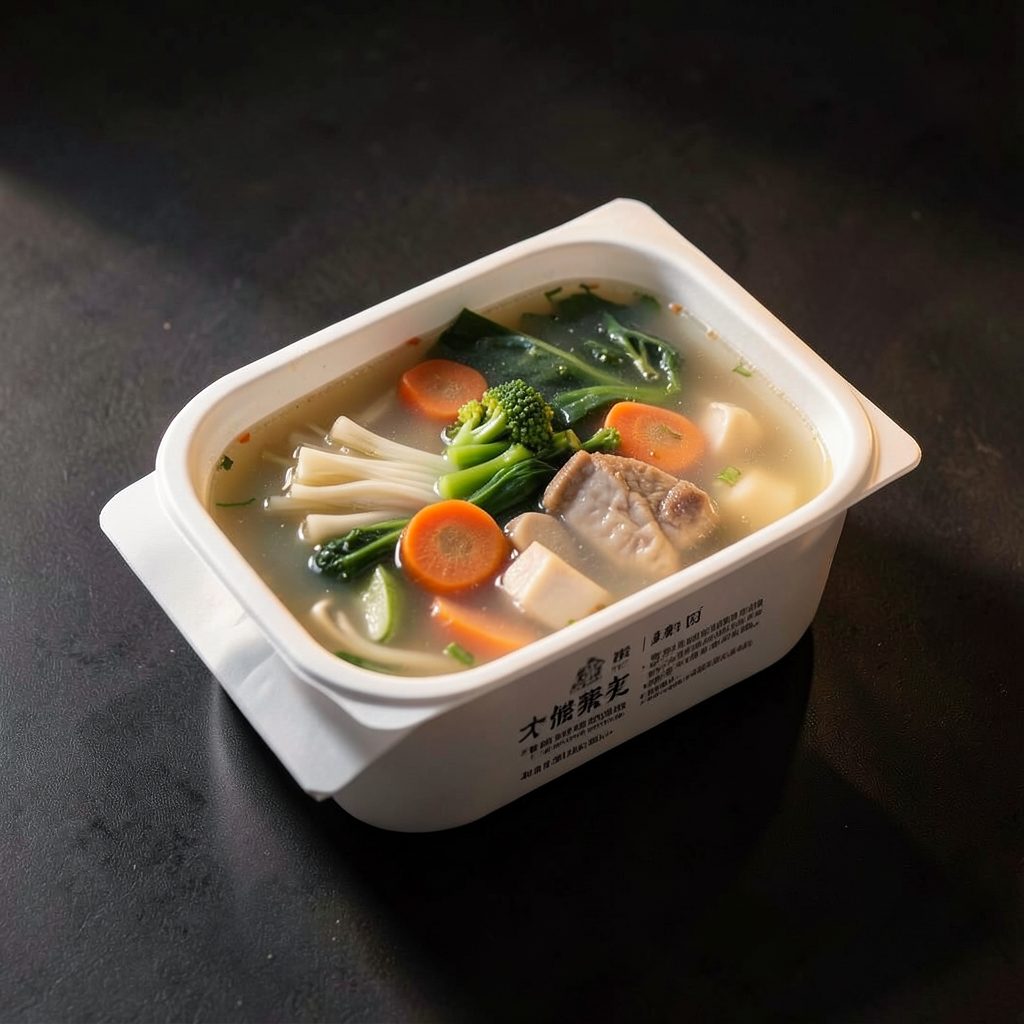
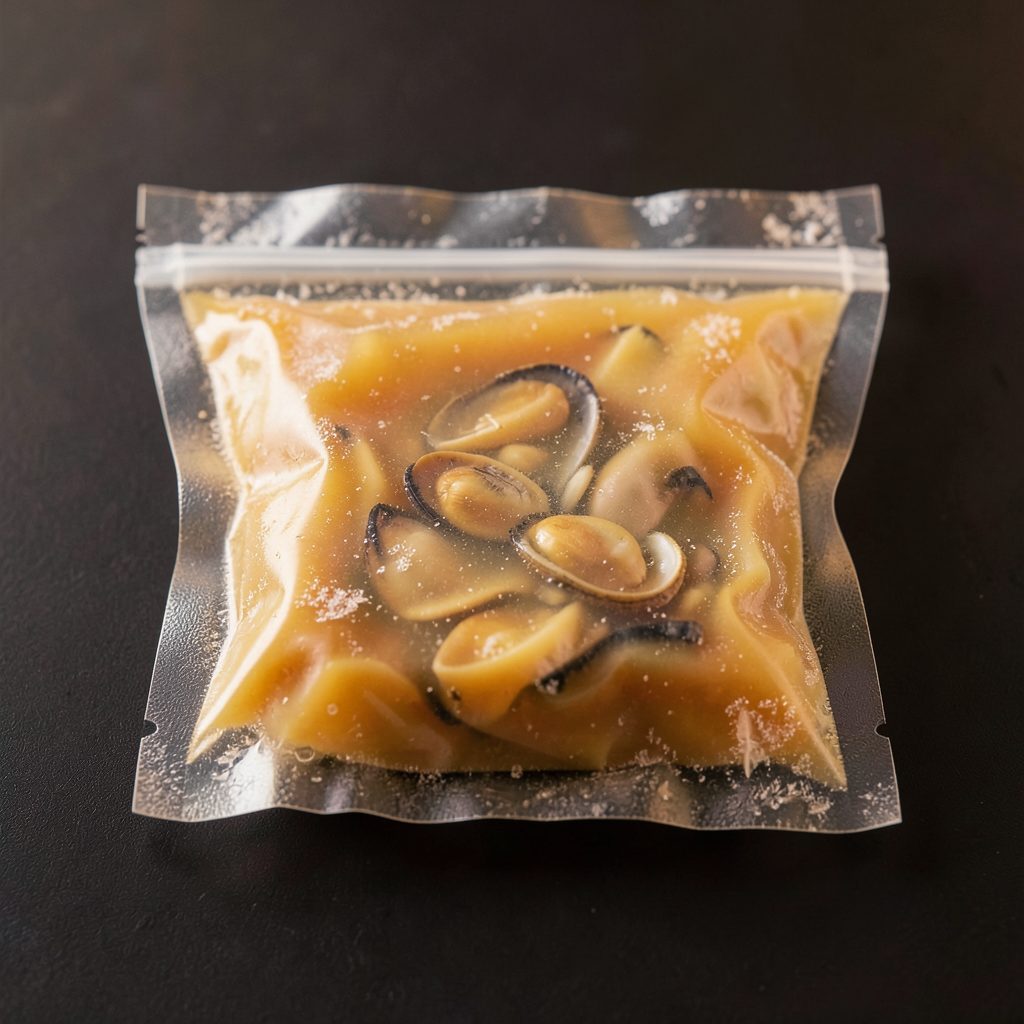
Best Sellers
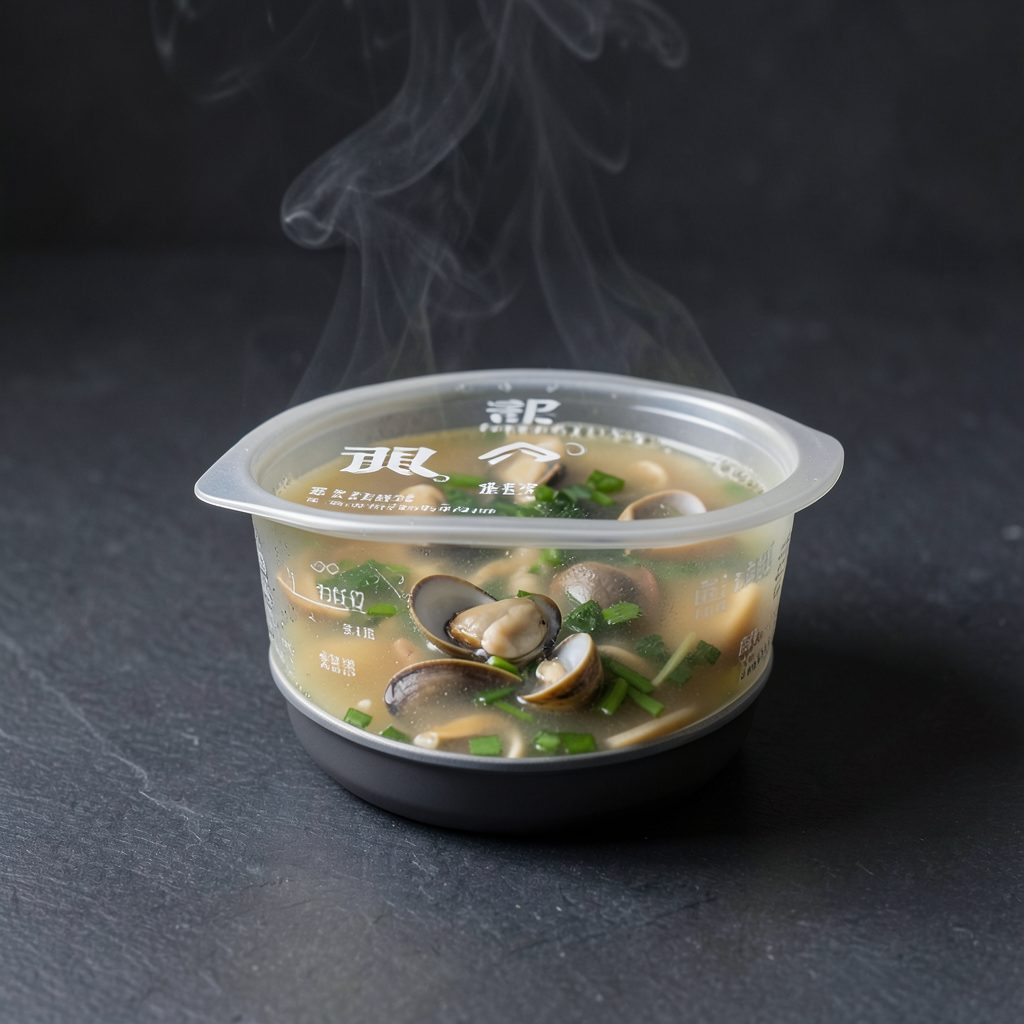
蛤?! Clam Soup Base —卜卜蜆
NT$ —
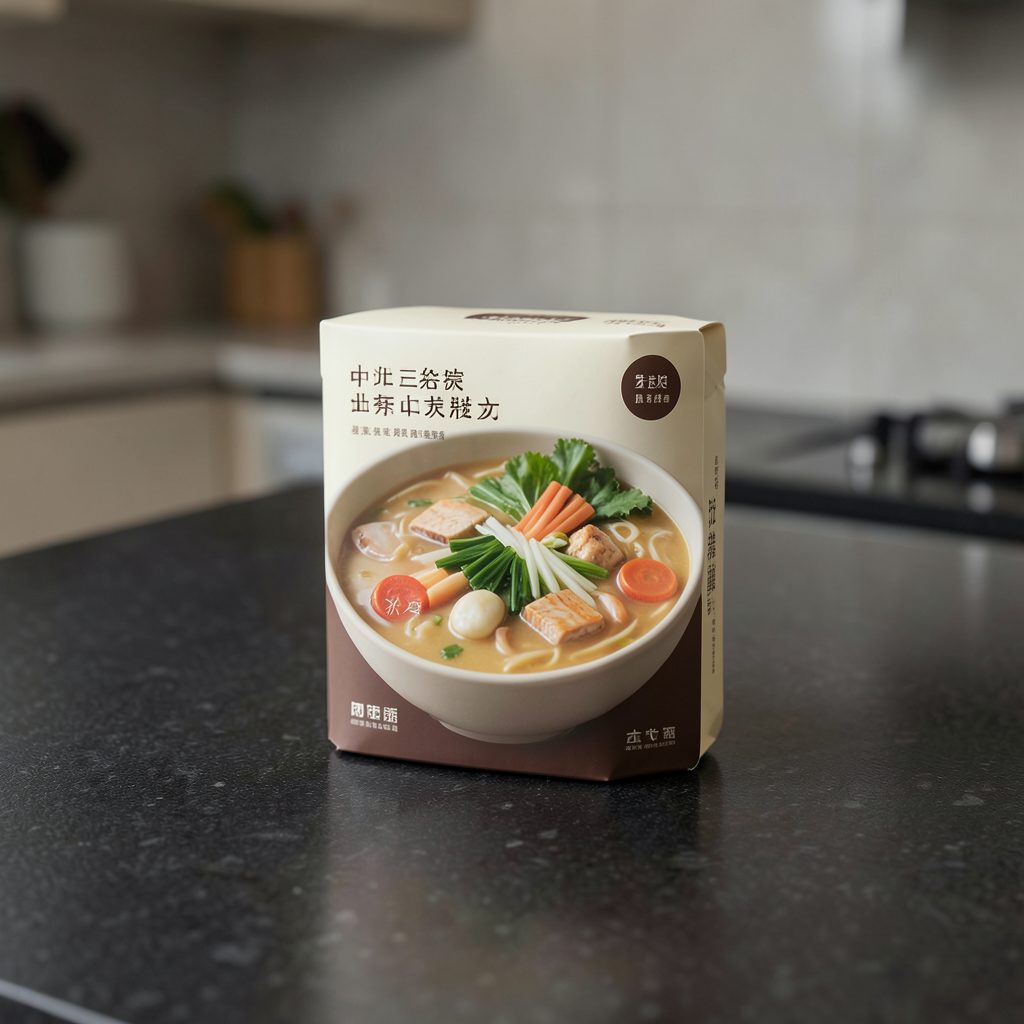
本事滿足鍋物 Personal Pot Base
NT$ —
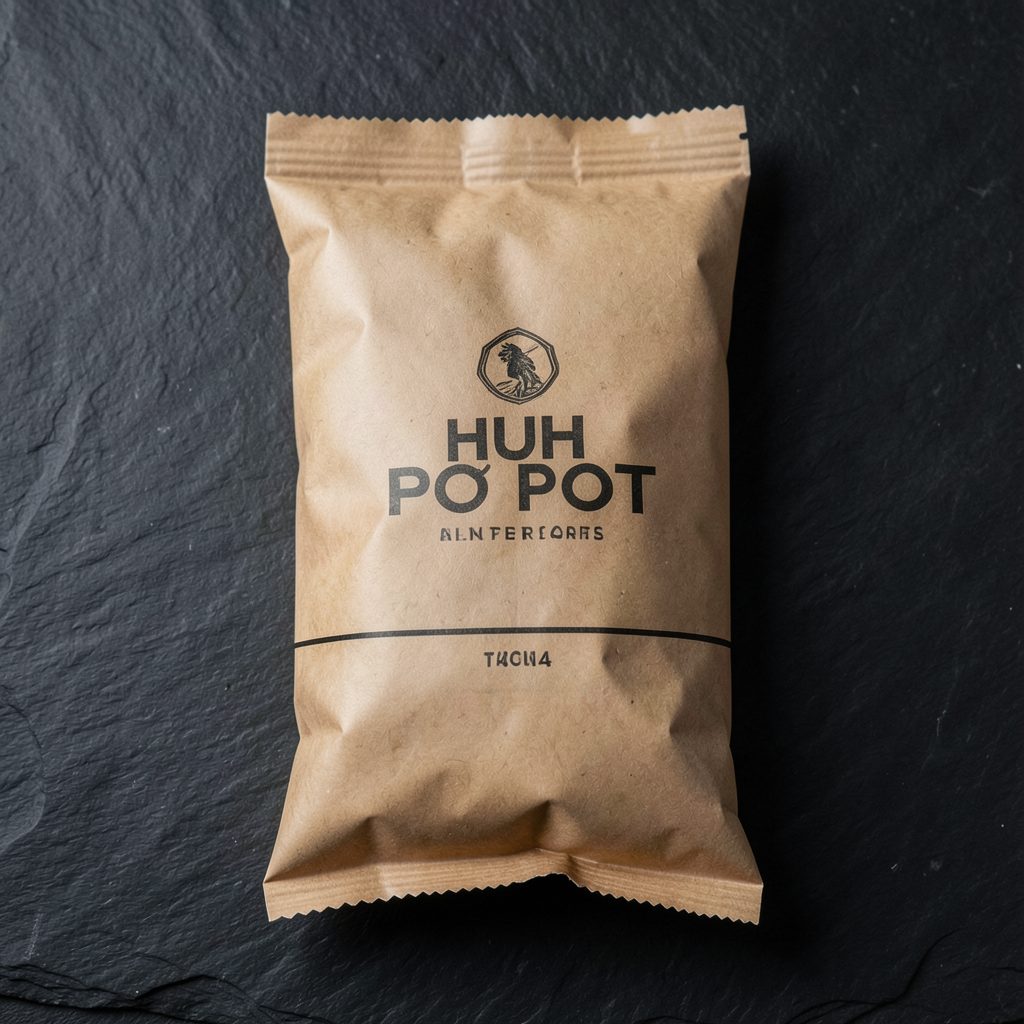
蛤?! Dry Noodles
NT$ —
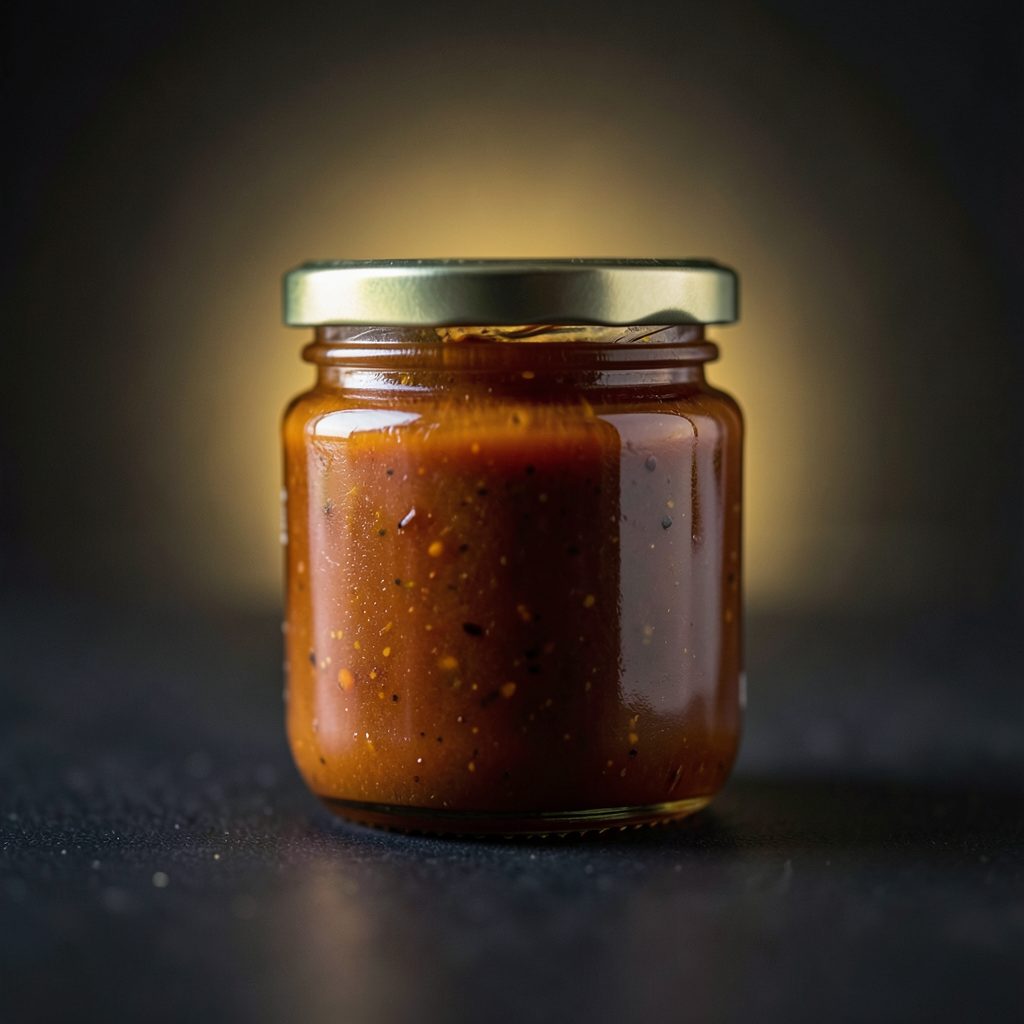
Signature Sauce
NT$ —
New Arrivals
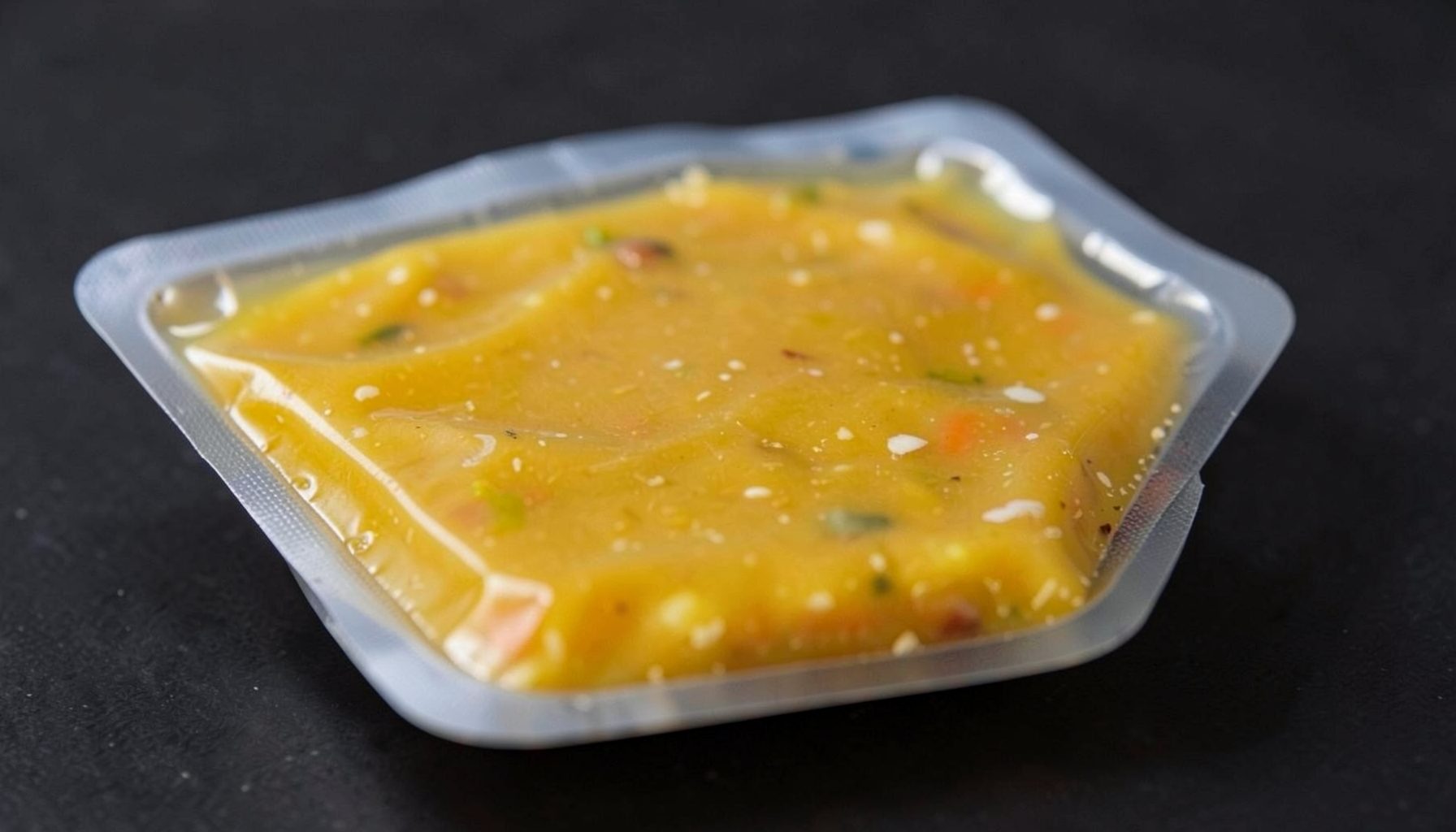
蛤?! Golden Clam Broth — New Batch
NT$ —
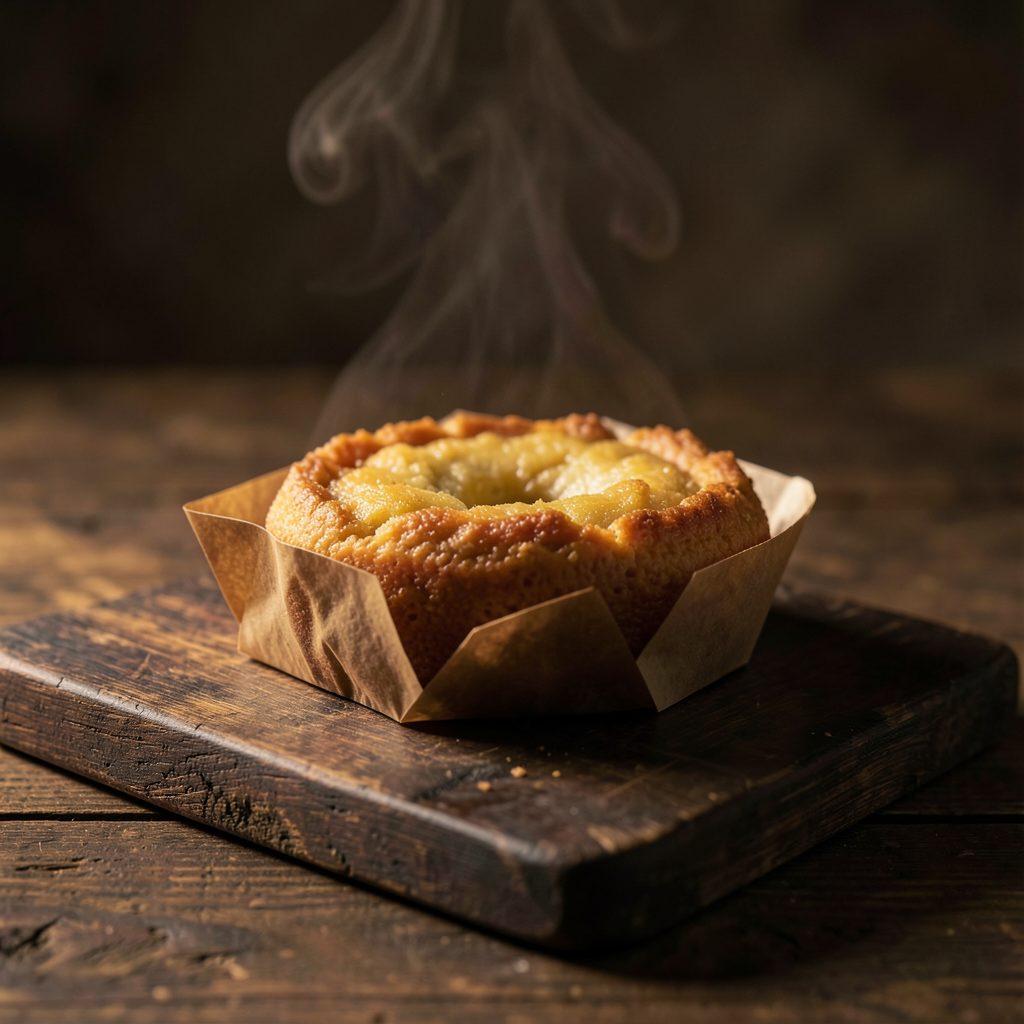
Radish Cake —蘿蔔糕精神
NT$ —
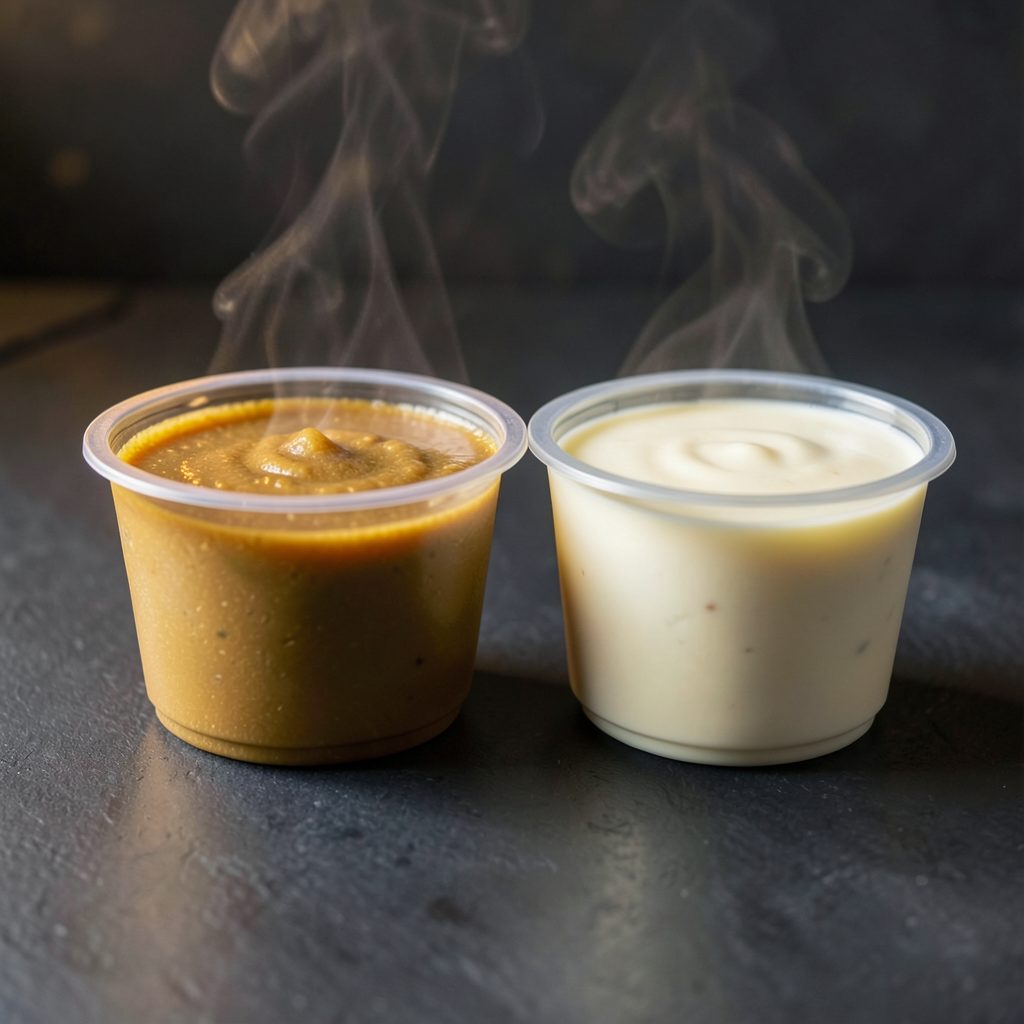
Duo Soup Base Set
NT$ —
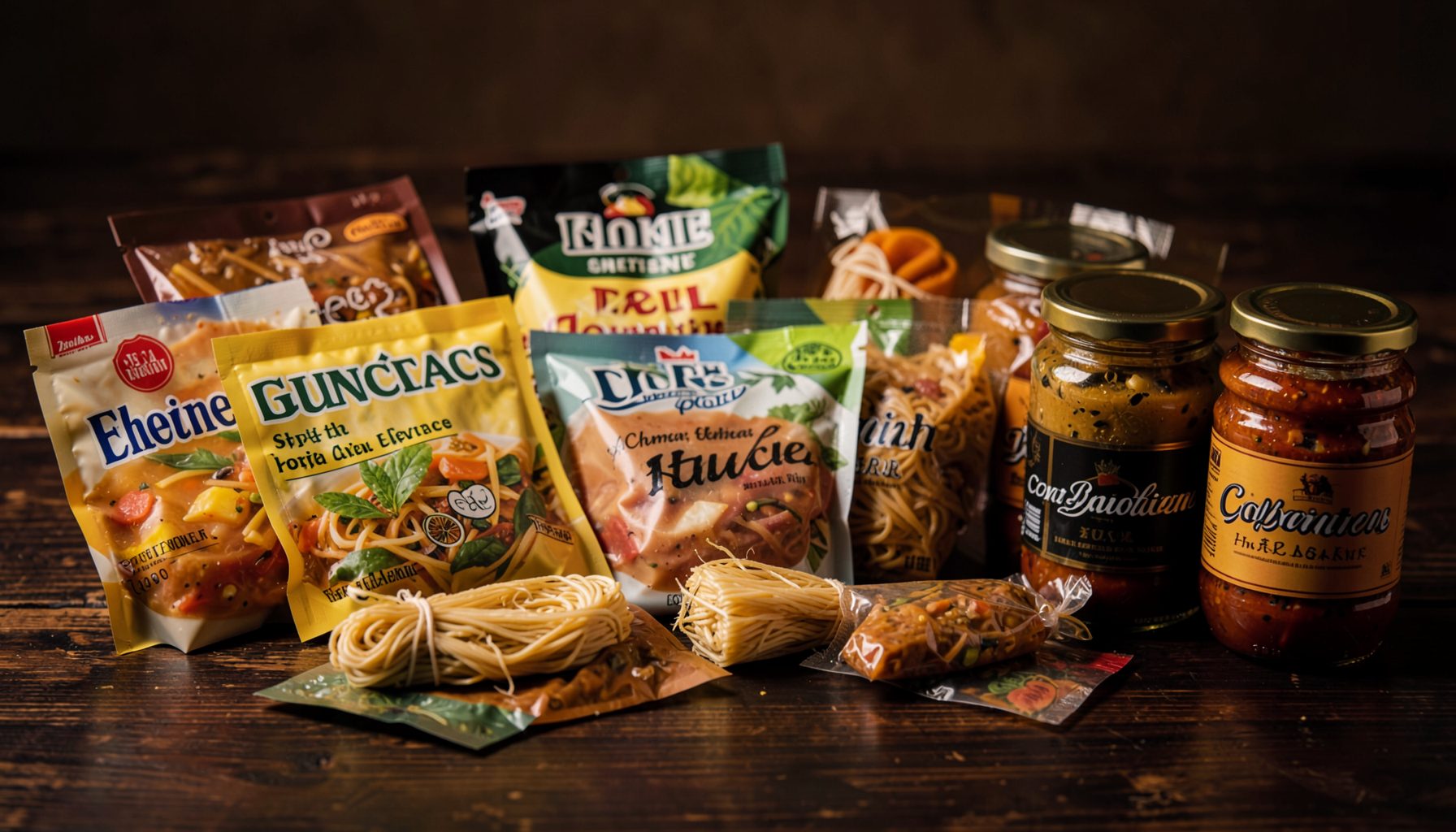
Hot Pot Essentials Bundle
NT$ —
About 蛤?! Huh Pot
蛤?! Huh Pot is a Cantonese-style hot pot brand known for its signature clam-based broth —卜卜蜆 — made with rich old-hen stock and generous portions of fresh clams. The brand also encompasses 本事滿足鍋物, a personal hot pot concept, bringing the same depth of flavor to individual servings.
Through MoneyCome Mart, these restaurant-quality soup bases, dry noodles, radish cakes, and signature sauces are available for home delivery across Taiwan. Restaurant locations in Taipei's Da'an District, Civic Boulevard, and Taichung's Gongyi Road also welcome guests for dine-in, with online reservations available.