Cantonese Hot Pot And How It Differs Across Asia
Cantonese hot pot is built around balance, freshness, and a broth that supports every ingredient. Rather than relying on intense heat or heavy seasoning, it creates a shared meal through gentle simmering, carefully chosen seafood, thinly sliced meats, vegetables, noodles, and dipping sauces.
That approach gives Cantonese-style hot pot its own identity among Asian hot pot traditions. Japanese shabu-shabu is often prized for its clean simplicity, Sichuan hot pot for bold mala spice, and Korean hot pot for a fuller stew-like character. Cantonese hot pot sits closer to a refined soup meal, with layers of aroma that become richer as ingredients cook.
For home cooks in Taiwan, frozen soup bases and prepared ingredients make this style easier to enjoy without building a broth from scratch. MoneyCome Mart brings together restaurant-inspired products, cold-chain delivery, and convenient components for a hot pot that feels special while remaining practical.
Flavor Begins With The Broth
The broth is the central distinction. Cantonese versions commonly feature chicken, pork, seafood, clam, mushroom, or herbal notes, with aromatics such as ginger, scallion, dried seafood, and Chinese herbs. The result may be clear or lightly creamy, but it is generally designed to taste balanced rather than aggressively spicy.
This creates a gradual flavor experience. Early servings may highlight the soup’s delicate aroma, while clams, shrimp, meat, mushrooms, and leafy greens release their own juices into the pot. A frozen base can preserve this character while reducing preparation time, especially when it is made with a carefully developed recipe.
For a practical guide to using prepared bases, see this broth-building guide, which explains how to add water, aromatics, and ingredients without overpowering the original flavor.
A Gentler, More Layered Flavor
Sichuan mala hot pot is famous for dried chilies, Sichuan peppercorns, and a numbing, fiery broth. Thai suki often brings sweet, sour, salty, and chili flavors together through its sauce. Japanese shabu-shabu typically keeps the stock restrained so the quality of beef, pork, tofu, and vegetables remains prominent.
Cantonese hot pot shares that appreciation for fresh ingredients but gives the broth a more noticeable supporting role. Its flavor is savory, aromatic, and sometimes subtly sweet from seafood or vegetables. Diners can still add chili, garlic, sesame, soy, or fermented bean sauces at the table, keeping the main pot approachable for different preferences.
Ingredient Choices And Cooking Rhythm
Thinly sliced beef and pork appear across many hot pot traditions, yet Cantonese meals often place strong emphasis on seafood, shellfish, fish balls, tofu products, mushrooms, and fresh greens. Clams are particularly valuable because they open in the broth and contribute a natural briny sweetness.
The cooking order also matters. Ingredients that need longer cooking, such as corn, daikon, fish balls, or dense tofu, can enter first. Delicate seafood and leafy vegetables follow, while noodles are often saved for the final stage, when they absorb the seasoned soup. This rhythm keeps the meal varied instead of turning every ingredient into the same flavor.
Dipping Sauces Complete The Meal
In Cantonese dining, the dipping bowl gives each person control over the final taste. A simple combination of soy sauce, sesame oil, scallion, cilantro, garlic, or chili can brighten a mild broth. Satay-style sauces, fermented bean curd, seafood sauces, and sesame-based blends may add richness and depth.
This is different from hot pots where most of the identity comes from the cooking liquid itself. A fiery Sichuan broth or a strongly seasoned Korean stew can dominate the meal, while Cantonese hot pot leaves more room for customization. The shared pot provides the foundation, and each diner adjusts the finish.
Comparing Asian Hot Pot Styles
The differences become clearer when broth intensity, signature ingredients, and table-side seasoning are considered together. These styles can overlap, and modern restaurants frequently combine elements, but each tradition has a recognizable center.
| Style | Broth Character | Common Ingredients | Main Flavor Experience |
|---|---|---|---|
| Cantonese | Clear, aromatic, seafood or meat based | Clams, fish balls, greens, tofu, noodles | Balanced, savory, layered |
| Japanese Shabu-Shabu | Light dashi or kombu stock | Thin beef, pork, tofu, mushrooms | Clean, delicate, ingredient-focused |
| Sichuan Mala | Chili and peppercorn rich | Beef, offal, tofu, vegetables | Spicy, numbing, intensely aromatic |
| Korean Jeongol | Robust, seasoned, stew-like | Meat, mushrooms, seafood, noodles | Deep, hearty, comforting |
| Thai Suki | Mild stock with vibrant dipping sauce | Seafood, vegetables, noodles, meat | Sweet, sour, spicy, refreshing |
Cantonese hot pot is often a strong choice for groups with mixed preferences. Diners can enjoy the same base while choosing different sauces, adding chili separately, or focusing on seafood and vegetables instead of heavily seasoned meats.
Plan A Better Home Hot Pot
A successful home meal depends on preparation more than complicated technique. Keep the broth hot but gently simmering, arrange ingredients by cooking time, and use separate utensils for raw and cooked foods. Small bowls of sauce and garnishes allow everyone to personalize each serving.
For a convenient Cantonese-style spread, consider these recommendations:
- Choose one main broth and one contrasting sauce rather than overcrowding the table.
- Add shellfish, mushrooms, tofu, and leafy greens for different textures.
- Prepare noodles or turnip cakes for the final stage, when the broth is most flavorful.
- Use cold-chain ingredients promptly and follow storage instructions after delivery.
- Set out garlic, scallions, cilantro, sesame oil, soy sauce, and chili for customization.
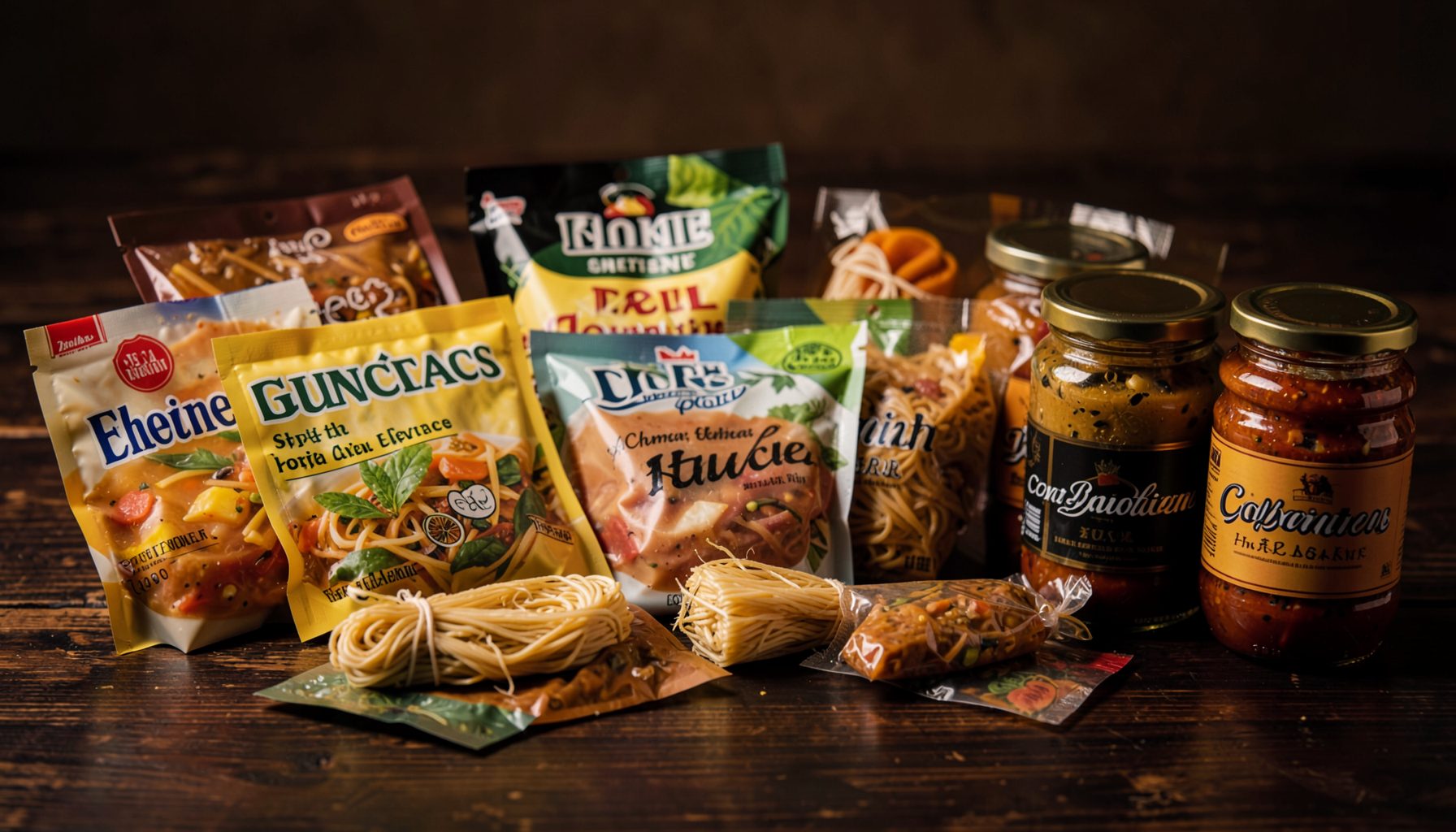
Prepared bundles from MoneyCome Mart can simplify shopping by combining soup bases with noodles, sauces, turnip cakes, and other ready-to-cook items. That convenience leaves more attention for cooking in small batches and enjoying the social pace of the meal.
Bring Cantonese Hot Pot Home
The difference between Cantonese hot pot and other Asian hot pots lies in its measured broth, fresh ingredient focus, flexible dipping sauces, and gradual development of flavor. It can be delicate without feeling plain, and comforting without becoming heavy.
Explore MoneyCome Mart’s Cantonese hot pot selection to create a restaurant-quality meal at home in Taiwan. Choose a frozen soup base, add your favorite seafood and vegetables, and build a shared pot that suits every diner at the table.
Best Sellers
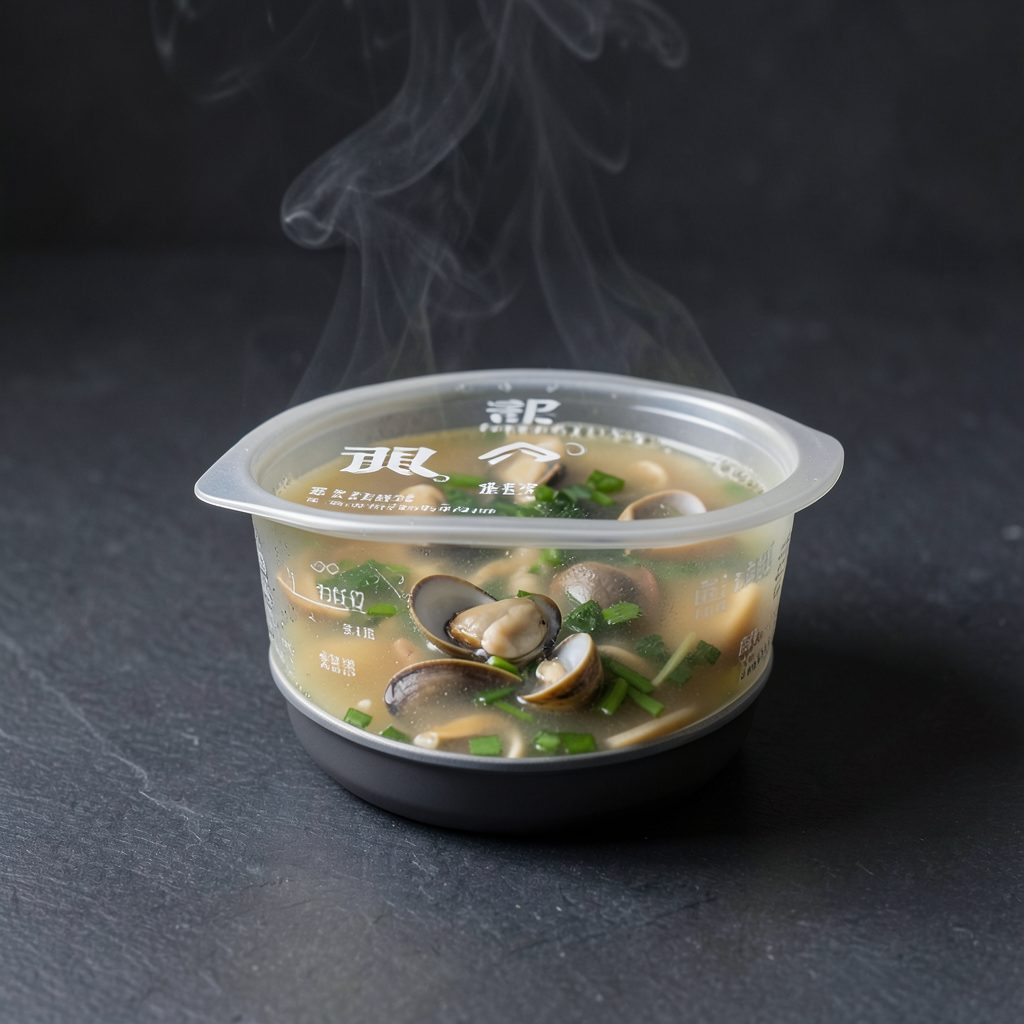
蛤?! Clam Soup Base —卜卜蜆
NT$ —
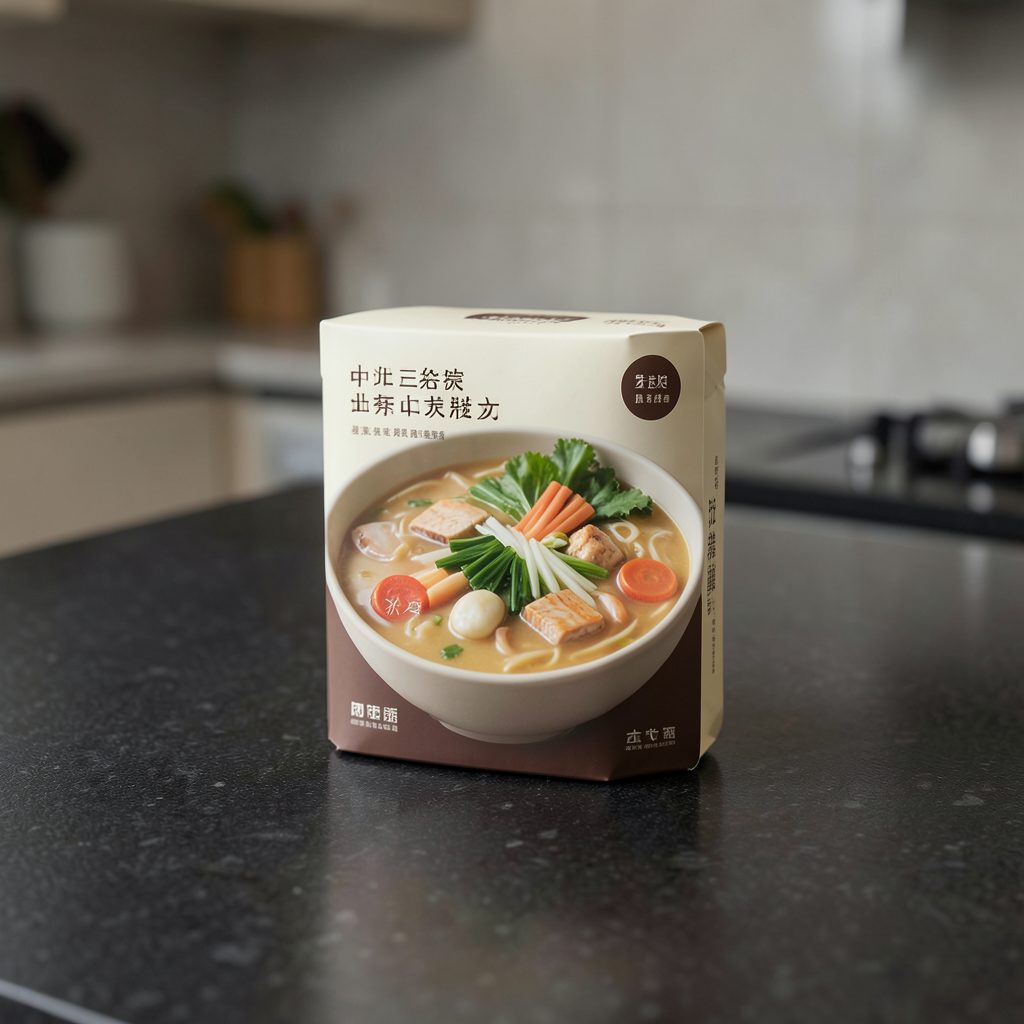
本事滿足鍋物 Personal Pot Base
NT$ —
蛤?! Dry Noodles
NT$ —
Signature Sauce
NT$ —
New Arrivals
蛤?! Golden Clam Broth — New Batch
NT$ —

Radish Cake —蘿蔔糕精神
NT$ —
Duo Soup Base Set
NT$ —
Hot Pot Essentials Bundle
NT$ —
About 蛤?! Huh Pot
蛤?! Huh Pot is a Cantonese-style hot pot brand known for its signature clam-based broth —卜卜蜆 — made with rich old-hen stock and generous portions of fresh clams. The brand also encompasses 本事滿足鍋物, a personal hot pot concept, bringing the same depth of flavor to individual servings.
Through MoneyCome Mart, these restaurant-quality soup bases, dry noodles, radish cakes, and signature sauces are available for home delivery across Taiwan. Restaurant locations in Taipei's Da'an District, Civic Boulevard, and Taichung's Gongyi Road also welcome guests for dine-in, with online reservations available.