How to Store Opened Sauce Packets for Longer Shelf Life
Opened sauce packets are convenient for hot pot, noodles, dumplings, and quick family meals, but their small size makes them easy to mishandle. Once a packet is cut, its contents are exposed to air, utensils, moisture, and food-contact surfaces that can speed up spoilage.
Good storage starts with knowing whether the sauce is shelf-stable, refrigerated, or frozen. Read the package directions first, then use clean tools, an airtight container, and a clear date label. These simple steps help preserve flavor while reducing food waste.
For Cantonese hot pot ingredients from MoneyCome Mart, careful handling is especially useful when a meal includes several sauces, soup bases, and prepared foods. A portion may be left after dinner, even when the original packet was designed for one serving.
Why Opened Sauce Packets Spoil Quickly
An unopened sachet is protected by its sealed packaging, but cutting it changes the storage conditions immediately. Oxygen can dull aromatic flavors, while bacteria may enter through scissors, fingers, chopsticks, or a counter that has not been cleaned properly.
Sauces containing fresh garlic, herbs, dairy, seafood, meat juices, or egg generally spoil faster than salty, sugary, acidic, or oil-based condiments. A clam-based sauce or rich hot pot dipping mixture deserves the same care as another perishable food once opened.
Do not rely only on smell. Some harmful bacteria do not create a noticeable odor, and a sauce can look normal while becoming unsafe. When the label gives a shorter storage period, follow that guidance rather than extending it.
Prepare the Packet Before Refrigeration
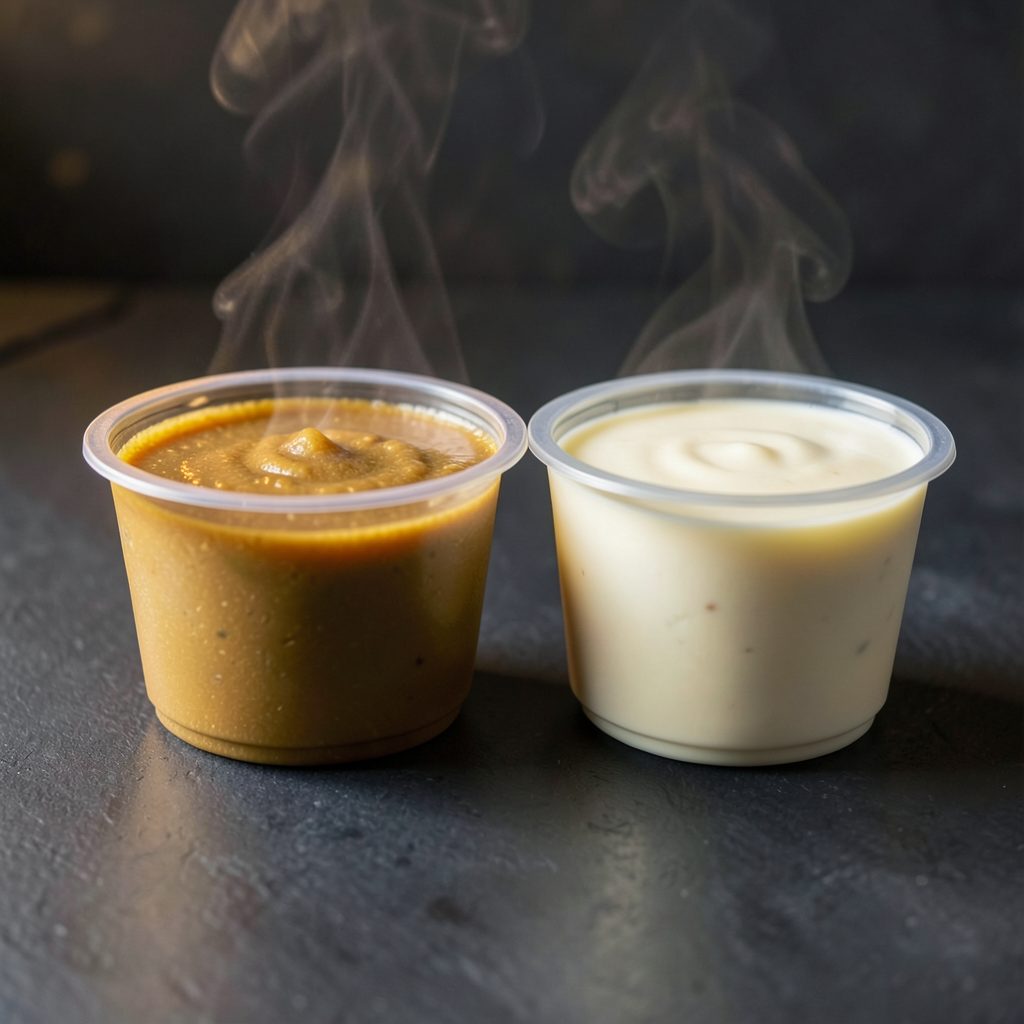
Wash and dry your hands before opening the packet. Use clean kitchen scissors instead of tearing the top with your teeth, and pour the sauce directly into a small, clean container. Avoid dipping used chopsticks or a spoon that has touched raw meat into the remaining sauce.
Choose a container that is close to the sauce volume. Less empty space means less trapped air, which helps protect color and aroma. A small glass jar or food-safe lidded container is preferable to leaving the opened sachet folded over in the refrigerator.
Wipe the outside of the packet if sauce has leaked, then discard it after transferring the contents. Do not place a cut packet directly on a refrigerator shelf, where it can drip onto other foods or absorb odors.
Choose the Right Refrigerator Location
Keep opened sauce in the coldest stable part of the refrigerator, usually a rear shelf rather than the door. Refrigerator doors experience frequent temperature changes, especially in a busy household preparing hot pot ingredients and dipping sauces.
Set the refrigerator to 4°C or below and store the container away from raw seafood, uncooked meat, and produce. Keep the lid firmly closed so the sauce cannot cross-contaminate ready-to-eat foods or absorb strong smells from garlic, seafood, and broth ingredients.
Label the container with the opening date and the sauce name. If several packets look similar, a quick label prevents an older portion from being forgotten behind newer groceries.
Practical Storage Times by Sauce Type
The safest storage period depends on the ingredients, processing method, and package instructions. The ranges below are conservative quality guidelines for properly refrigerated sauces, not a replacement for the manufacturer’s advice.
| Sauce type | Refrigerated after opening | Important handling note |
|---|---|---|
| Soy-based or salty dipping sauce | 1–2 weeks | Keep tightly sealed and use a clean spoon |
| Chili oil or oil-based sauce | 1–2 weeks | Check for rancid smell or stale flavor |
| Sweet chili or vinegar-based sauce | 2–4 weeks | Acidity and sugar may slow spoilage |
| Sesame, peanut, or creamy sauce | 3–7 days | Stir before use and watch for separation |
| Seafood, clam, or meat-based sauce | 2–4 days | Treat as highly perishable |
| Fresh garlic or herb sauce | 2–4 days | Refrigerate immediately after opening |
If the sauce develops mold, bubbling, unusual separation, a sour odor, or a swollen container, throw it away. Do not taste questionable food to decide whether it is safe, and do not mix an older sauce with a freshly opened packet.
When Freezing Is a Good Option
Freezing can extend the usable life of some sauces, especially thick marinades, chili pastes, and broth-based portions. Divide the sauce into single-use amounts in a freezer-safe container or silicone mold, leaving a little room for expansion. Once frozen solid, transfer portions to a labeled freezer bag.
Texture may change after thawing. Emulsified sauces containing cream, sesame, or dairy can separate, while fresh herbs may lose brightness. Thaw the amount needed in the refrigerator overnight or place the sealed portion in cool water; never leave perishable sauce at room temperature for hours.
Do not repeatedly freeze and thaw the same portion. Use thawed sauce promptly, and do not refreeze it unless it has been cooked thoroughly as part of a dish. For a complete meal-prep routine, this freezer storage guide also explains how to organize frozen hot pot ingredients for later use.
Use Stored Sauce Safely at Mealtime
Take out only the amount needed for the meal and return the main container to the refrigerator promptly. A serving bowl should be separate from the storage container, particularly when guests are sharing hot pot and utensils may touch cooked and uncooked foods.
If sauce has sat at room temperature for more than two hours, discard it; reduce that limit to one hour in very hot conditions. Taiwan’s warm climate can raise food temperatures quickly during outdoor meals, deliveries, or extended gatherings.
For the best flavor, stir refrigerated sauces before serving and warm only sauces intended for cooking. A sauce that has been heated should not be poured back into the original container, because the added moisture and food particles shorten its remaining life.
Habits That Protect Flavor and Safety
- Transfer opened sauce into a clean, airtight, appropriately sized container.
- Write the opening date and use the oldest portion first.
- Keep perishable seafood, meat, dairy, and fresh herb sauces refrigerated immediately.
- Freeze single-use portions when the sauce will not be consumed within its recommended window.
- Discard sauces with mold, gas, strange odors, damaged packaging, or uncertain storage history.
With these habits, opened condiments can remain fresher, cleaner, and easier to use across several hot pot meals. Browse MoneyCome Mart’s sauces, soup bases, noodles, and prepared ingredients, then portion each packet carefully when your next Cantonese hot pot arrives.
Best Sellers
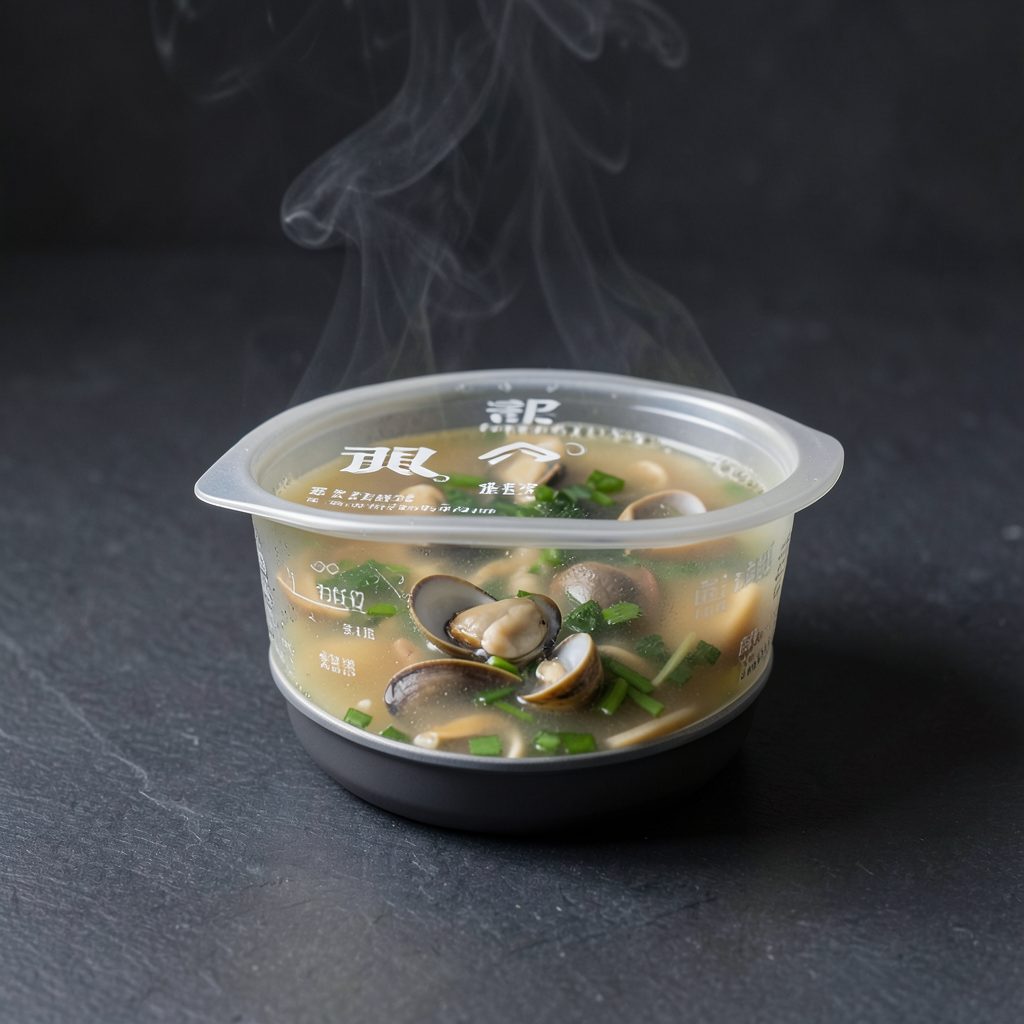
蛤?! Clam Soup Base —卜卜蜆
NT$ —
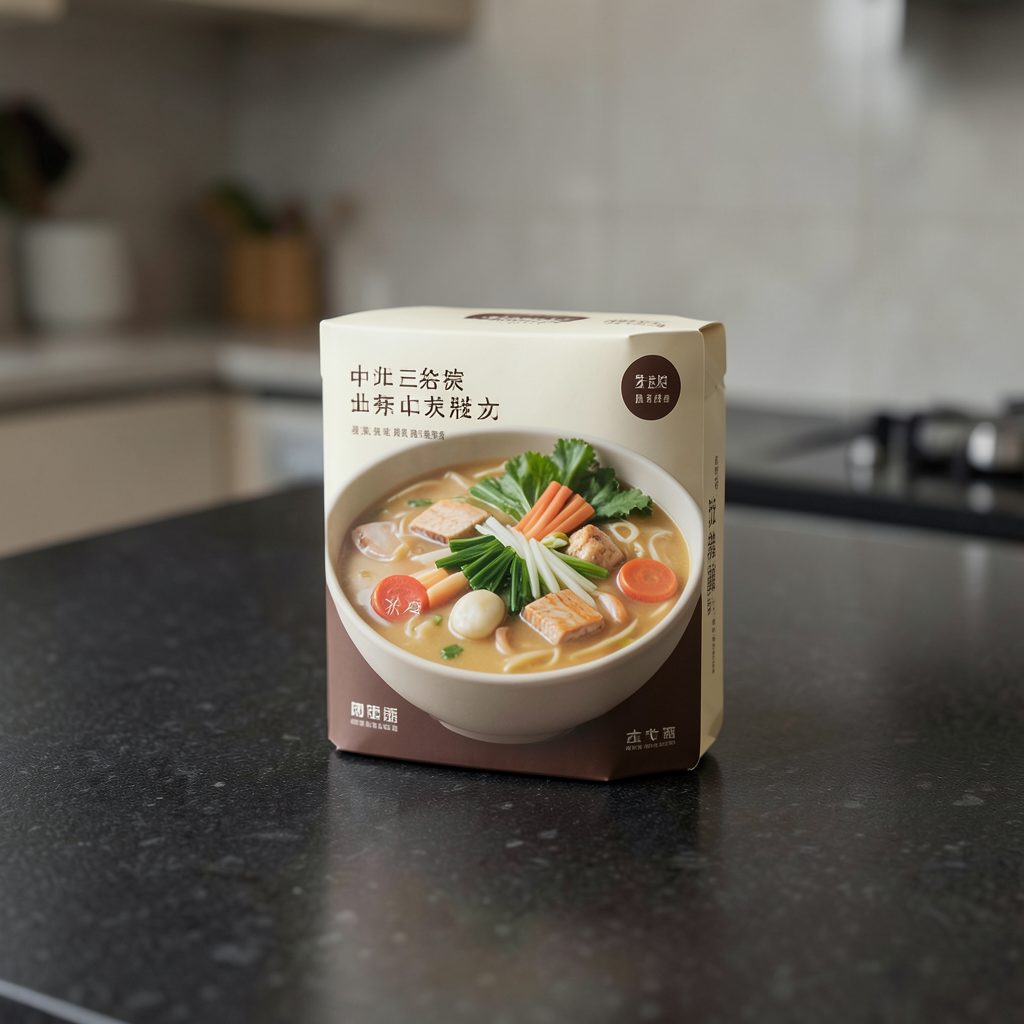
本事滿足鍋物 Personal Pot Base
NT$ —
蛤?! Dry Noodles
NT$ —
Signature Sauce
NT$ —
New Arrivals
蛤?! Golden Clam Broth — New Batch
NT$ —
Radish Cake —蘿蔔糕精神
NT$ —
Duo Soup Base Set
NT$ —
Hot Pot Essentials Bundle
NT$ —
About 蛤?! Huh Pot
蛤?! Huh Pot is a Cantonese-style hot pot brand known for its signature clam-based broth —卜卜蜆 — made with rich old-hen stock and generous portions of fresh clams. The brand also encompasses 本事滿足鍋物, a personal hot pot concept, bringing the same depth of flavor to individual servings.
Through MoneyCome Mart, these restaurant-quality soup bases, dry noodles, radish cakes, and signature sauces are available for home delivery across Taiwan. Restaurant locations in Taipei's Da'an District, Civic Boulevard, and Taichung's Gongyi Road also welcome guests for dine-in, with online reservations available.