to eat hot pot at home without overcooking the ingredients
When the temperature drops in Hobart or the rain sets in across Sydney for weeks on end, nothing beats gathering around a bubbling pot of broth with friends or family. Hot pot has become a favourite winter ritual for many Australians, especially those living near vibrant Asian communities in suburbs like Hurstville, Box Hill, or Sunnybank, where authentic ingredients are easy to source from local grocers. Yet the magic of a perfect hot pot lies in timing. Drop everything in at once, and you end up with rubbery squid, mushy greens, and noodles that dissolve into the broth.
The trick is understanding that each ingredient has its own window of perfection. Thinly sliced meats need only seconds, while root vegetables require patience. Frozen items straight from your freezer need a head start. The good news is that once you learn the rhythm, you can host a hot pot night that rivals any restaurant experience, all from your own kitchen in Brisbane or Perth.
This guide walks you through the timing and technique for every category of ingredient, from the first dip to the final garnish. Whether you are cooking for two on a chilly Canberra arvo or feeding a crowd in Adelaide before the footy finals, these methods will help you serve hot pot that is tender, flavourful, and perfectly textured every time.
Preparing your hot pot setup
A smooth hot pot experience begins long before the broth starts simmering. Choose a spot on your dining table away from drafts, and set out small plates, a slotted spoon or mesh strainer, and a timer if you have one. Many Australian households keep a portable gas burner or induction cooktop specifically for this purpose, and setting it on a heat-resistant mat protects your table from scorch marks.
Lay out your ingredients in the order they will go into the pot, grouping them by cooking time. This staging step is often overlooked, but it prevents the chaotic scramble that leads to overcooked food. Have your dipping sauces ready in small bowls before the broth boils, so you are not scrambling while seafood sits too long in the pot.
If you are using a store-bought soup base like those from Cantonese hot pot specialists, thaw it overnight in the fridge for the cleanest flavour. Once it reaches a rolling boil, reduce the heat to a gentle simmer. A broth that is too aggressive will toughen proteins and disintegrate delicate items before you can fish them out.
Timing meats and seafood properly
Thinly sliced beef and lamb rolls are the backbone of any hot pot, and they cook in a flash. Swirl them in the broth for ten to fifteen seconds until they turn opaque, then lift them out immediately. Pork belly slices need slightly longer, around thirty seconds, depending on thickness. Any longer and the fat renders out, leaving you with a dry, chewy bite that nobody wants.
Seafood requires even more attention. Australian prawns curl and turn pink in under a minute, while local fish fillets should be poached gently for about two minutes. Squid is the trickiest, as it toughens quickly if overcooked. Dip squid slices for just fifteen to twenty seconds, then remove them while they still look slightly translucent. They will continue cooking from residual heat on your plate.
For meatballs and fish balls, which are common at Asian grocers across Melbourne and Sydney, give them three to five minutes depending on size. They are done when they float to the surface and feel springy when pressed with a spoon.
Cooking vegetables without mush
Leafy greens like baby spinach, Chinese broccoli, and watercress wilt in under a minute. Submerge them just until they soften, then lift them out to stop the cooking. Heartier leaves such as wombok need two to three minutes to become tender while keeping a pleasant bite.
Mushrooms, particularly shiitake and enoki, add earthiness to the broth. Enoki bundles should be separated and cooked for one minute, while shiitake caps benefit from three to four minutes. Root vegetables like daikon and carrot slices require the longest cooking time of any plant-based ingredient. Add them at the very start, giving them eight to ten minutes to soften through.
Tofu comes in many forms, and each behaves differently. Silken tofu is fragile and only needs thirty seconds to warm through. Firm tofu cubes can simmer for two to three minutes to develop a slightly springy exterior. Fried tofu puffs should be added in the last minute, as they soak up broth quickly and can fall apart if handled too much.
Handling noodles and dumplings
Noodles are often the final course, added when the broth has absorbed all the flavour from previous ingredients. Frozen noodles cook faster than dried ones, but they can clump together if dropped in as a solid block. A handy trick is detailed in this guide on cooking frozen noodles properly, which works whether you are boiling them separately or adding them directly to the communal pot.
Dumplings, whether fresh or frozen, need careful handling. Drop them in gently and stir once to prevent sticking. Fresh dumplings cook in three to four minutes, while frozen ones take five to six. They are ready when they float and the filling feels firm when you press one gently with a spoon.
Turnip cake and other prepared ingredients should be sliced and added in the last five minutes, as they only need to heat through. Overcook them and they crumble into the broth, which is fine for flavour but not ideal for presentation.
Sauces and finishing touches
A well-balanced dipping sauce can make or break a hot pot meal. The classic Cantonese combination includes soy sauce, sesame paste, garlic, and chilli, but many Australians add a splash of local rice vinegar or a dash of chilli oil for extra kick. Mix your sauce in a small bowl while the broth is heating, so it is ready when your first ingredients come out of the pot.
One often-forgotten step is cleaning and storing your sauce bottles properly after the meal. Leftover sauce keeps beautifully if handled correctly, and reusing sauce bottles for storage means you will have fresh, ready-to-use condiments for your next hot pot night. This is especially handy during the busy winter months when you might host several gatherings in a row.
Finish your meal with a light broth, which will be rich and deeply flavoured after cooking all those ingredients. Some Australians like to add a handful of rice or a soft-boiled egg to the remaining liquid for a warming finish that uses every last drop of goodness.
Habits that improve every hot pot night
- Keep a small bowl of cold water nearby to rinse your fingers between ingredients.
- Use a mesh strainer instead of chopsticks for items that fall apart easily.
- Add raw ingredients in small batches rather than dumping everything in at once.
- Taste the broth as the meal progresses and adjust with water or stock if it becomes too salty.
- Keep a notebook or phone list of cooking times for your favourite ingredients.
- Choose the right pot size for your group, as overcrowding leads to uneven cooking.
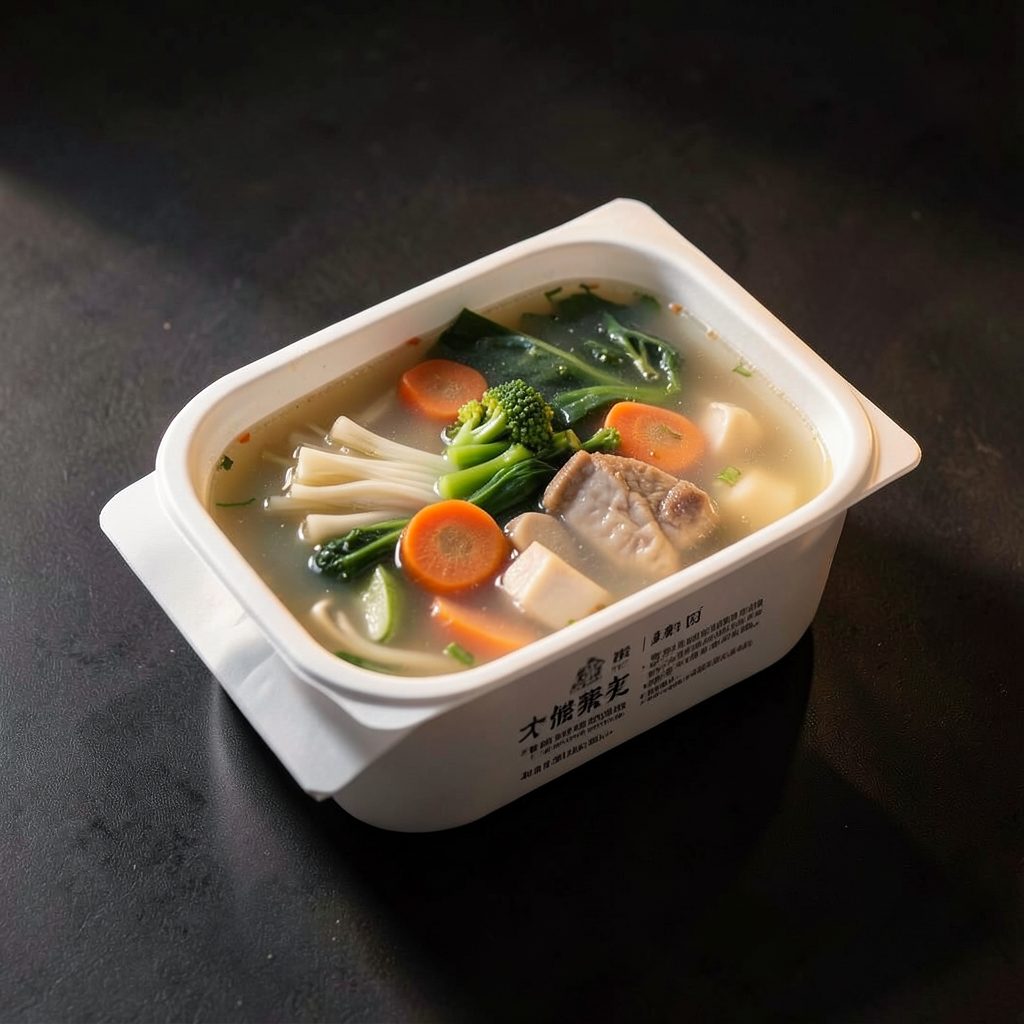
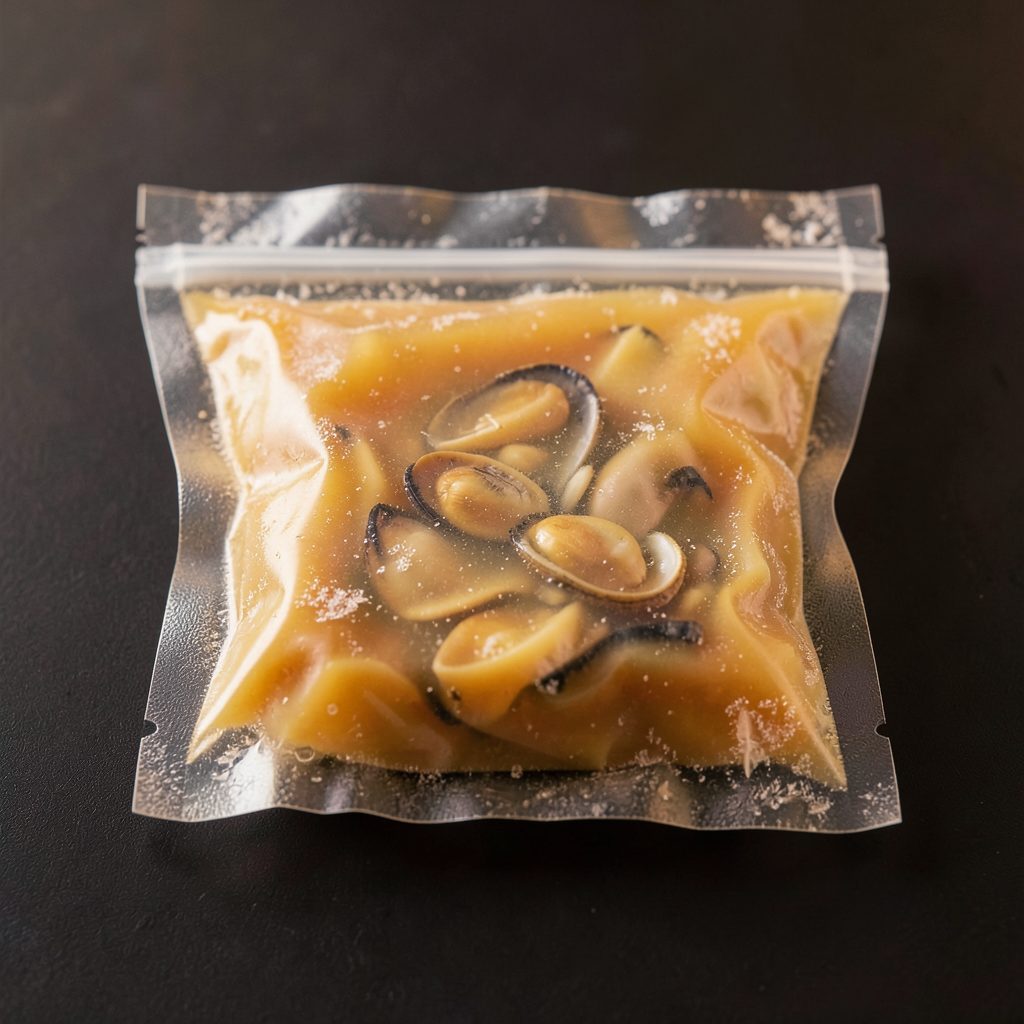
Best Sellers
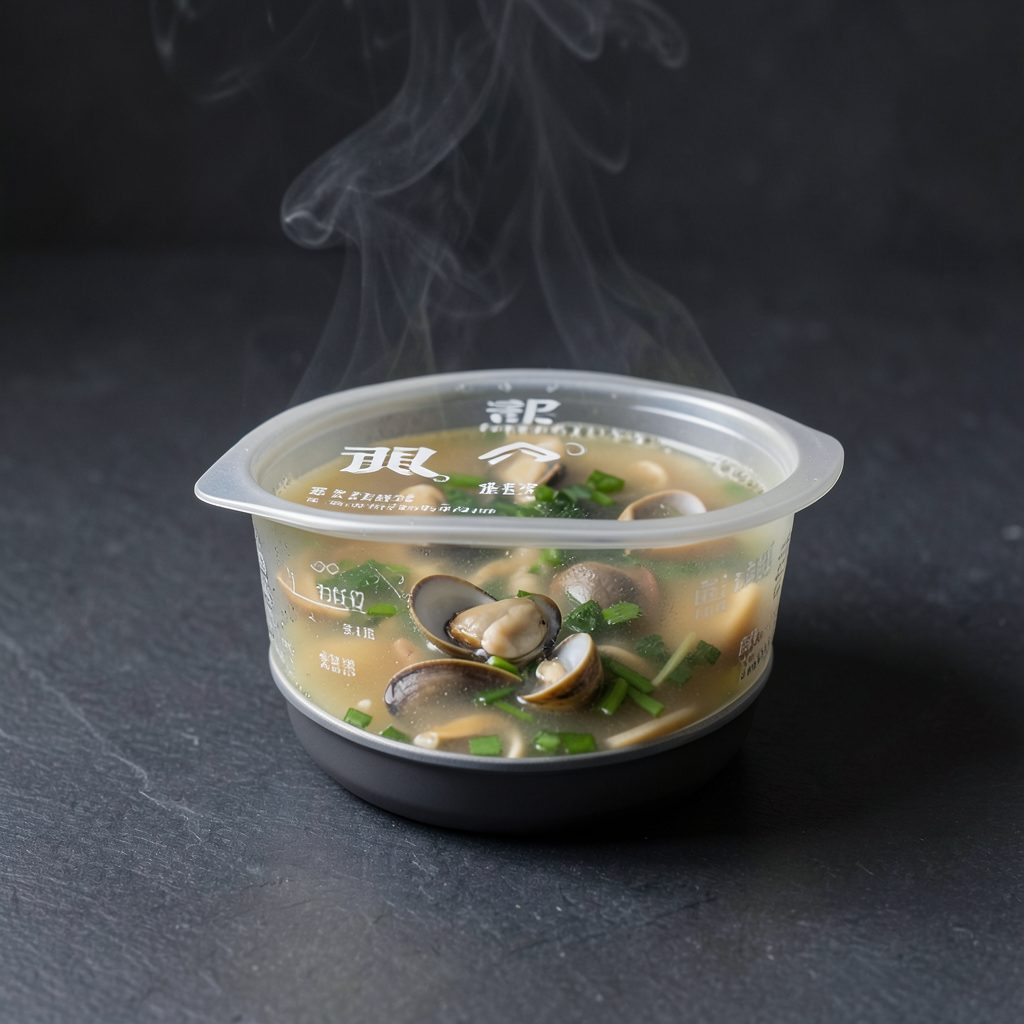
蛤?! Clam Soup Base —卜卜蜆
NT$ —
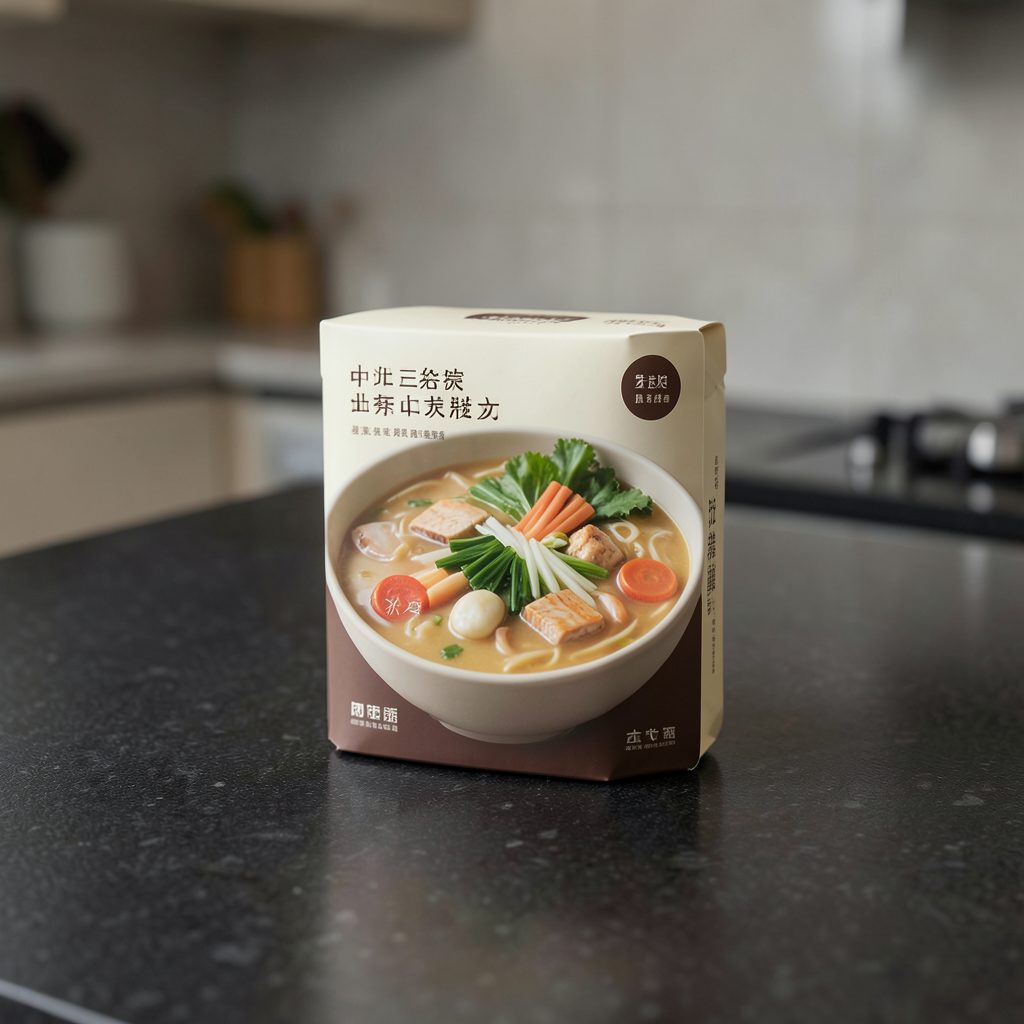
本事滿足鍋物 Personal Pot Base
NT$ —
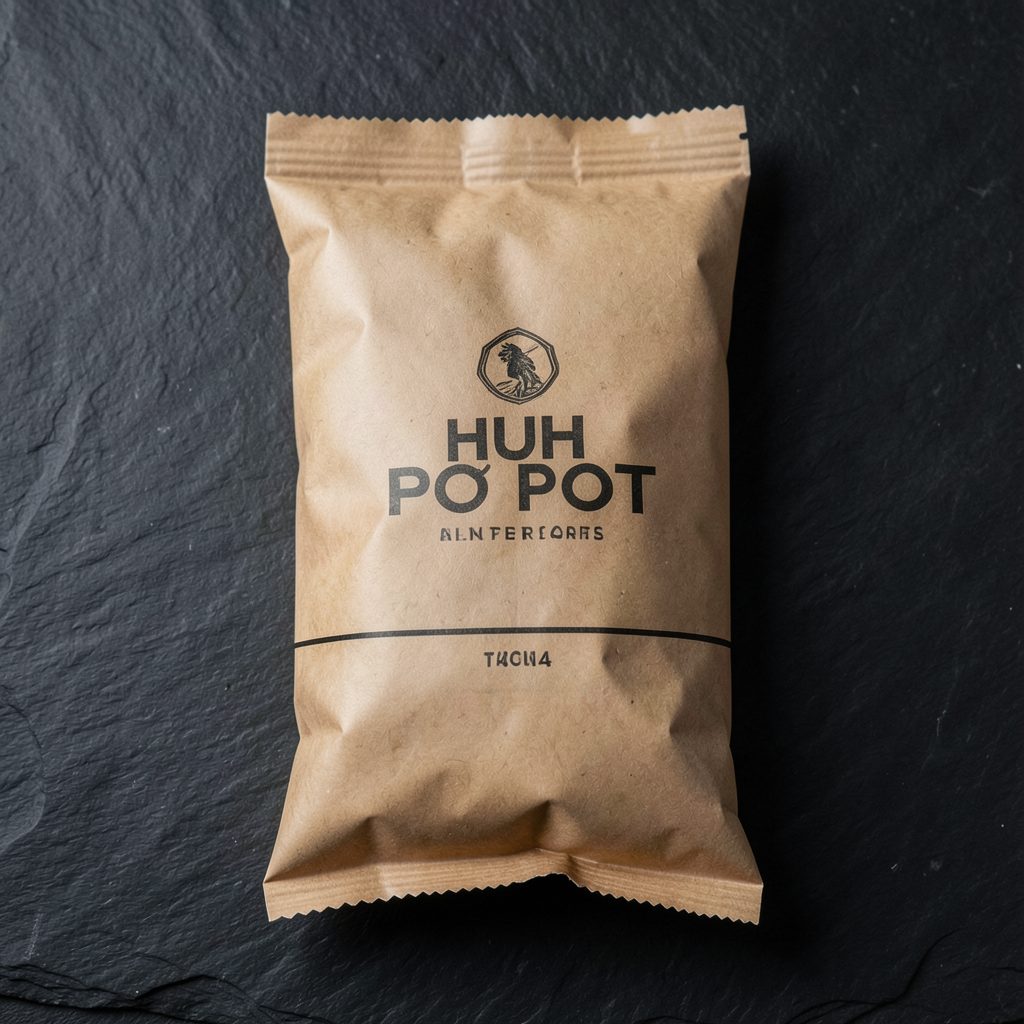
蛤?! Dry Noodles
NT$ —
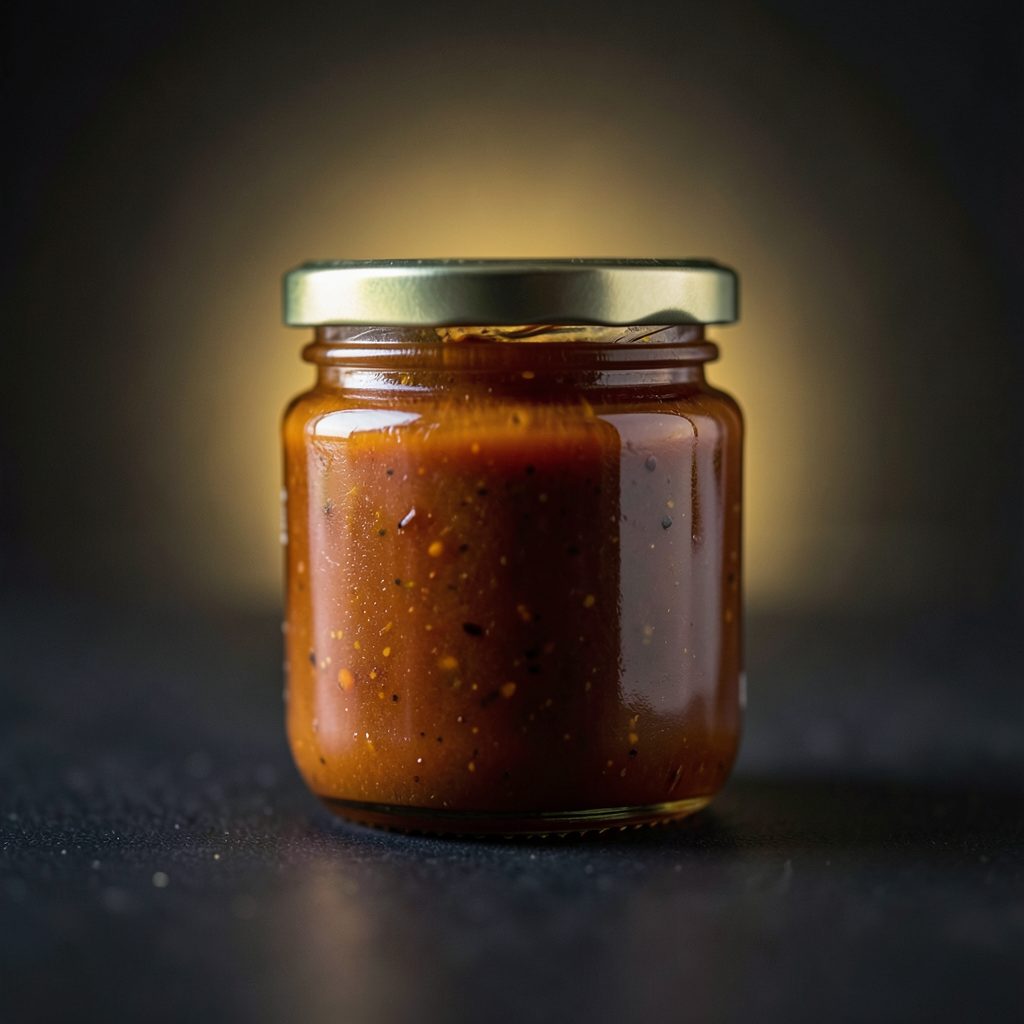
Signature Sauce
NT$ —
New Arrivals
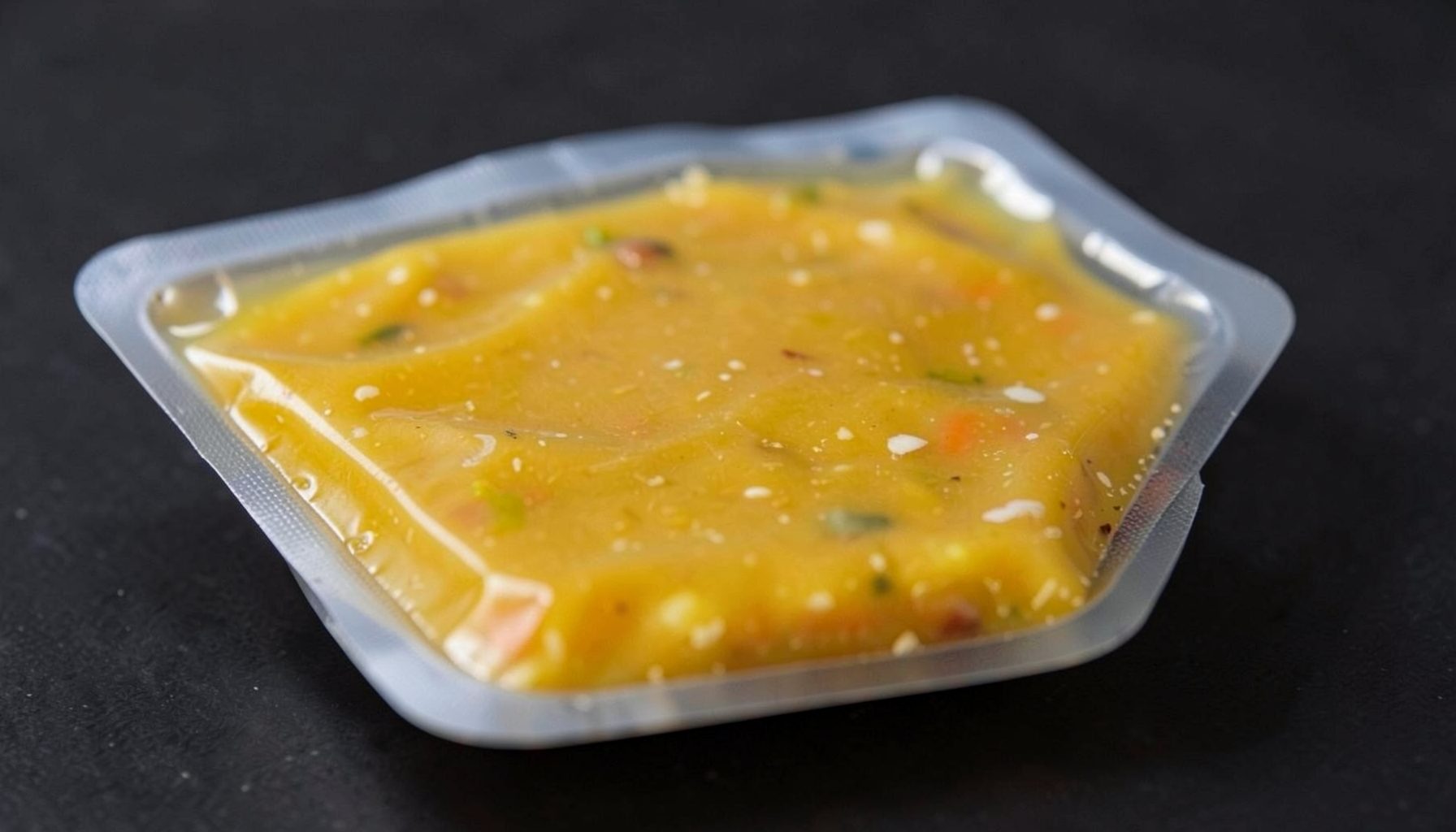
蛤?! Golden Clam Broth — New Batch
NT$ —
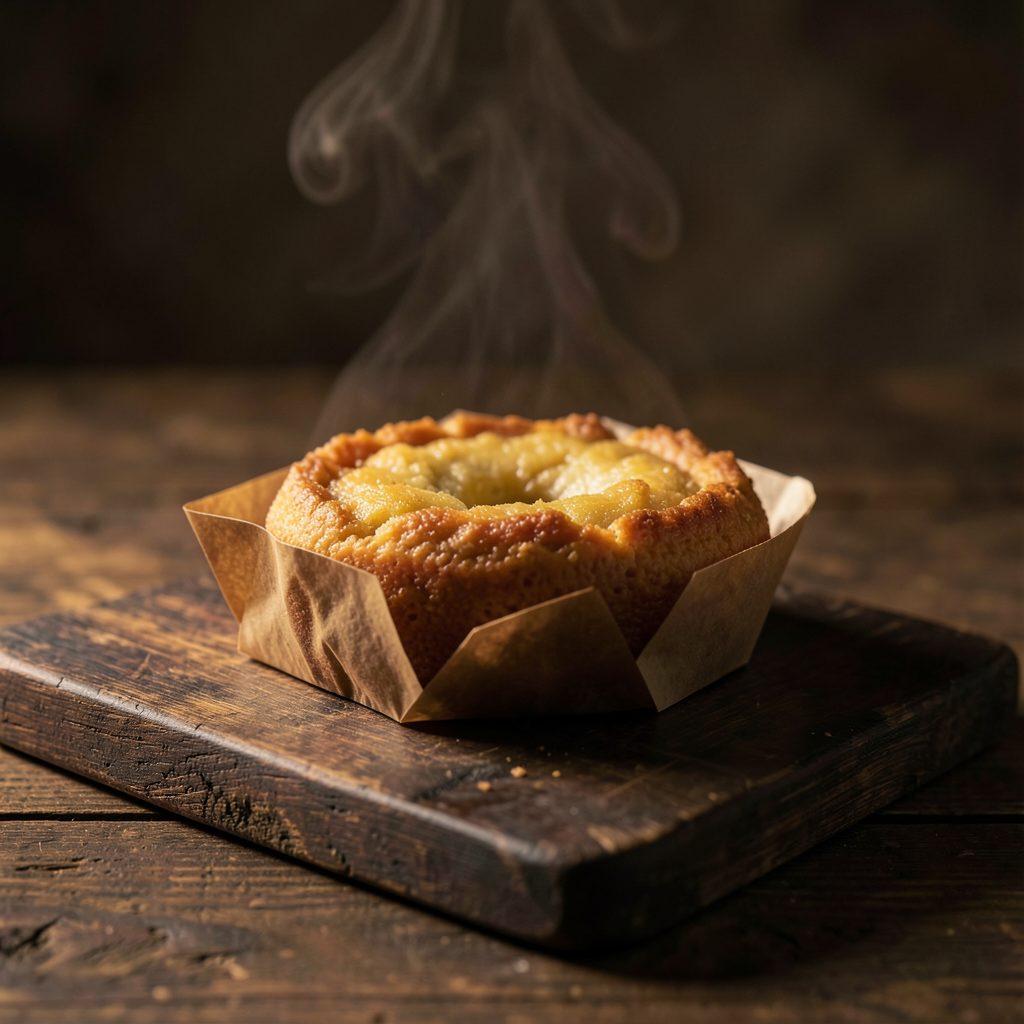
Radish Cake —蘿蔔糕精神
NT$ —
Duo Soup Base Set
NT$ —
Hot Pot Essentials Bundle
NT$ —
About 蛤?! Huh Pot
蛤?! Huh Pot is a Cantonese-style hot pot brand known for its signature clam-based broth —卜卜蜆 — made with rich old-hen stock and generous portions of fresh clams. The brand also encompasses 本事滿足鍋物, a personal hot pot concept, bringing the same depth of flavor to individual servings.
Through MoneyCome Mart, these restaurant-quality soup bases, dry noodles, radish cakes, and signature sauces are available for home delivery across Taiwan. Restaurant locations in Taipei's Da'an District, Civic Boulevard, and Taichung's Gongyi Road also welcome guests for dine-in, with online reservations available.