How to clean and reuse sauce bottles for organized food storage
Empty sauce bottles can become useful kitchen containers after a hot pot meal. Their narrow shape works well for dressings, dipping sauces, marinades, infused oils, and small portions of homemade broth. Reusing them also reduces packaging waste and keeps frequently used ingredients easy to see.
For households ordering Cantonese hot pot ingredients for delivery, clean storage supports the same convenience as a well-prepared meal. Products from Huh Pot home delivery can be portioned and organized after opening, provided each container is washed carefully and used for a suitable food.
A bottle should be reused only when it is made for food contact, remains intact, and can be cleaned thoroughly. Cracked glass, warped plastic, rusty caps, peeling labels, or persistent odors are signs that it belongs in recycling rather than the pantry.
Check the bottle before washing
Start by examining the bottle, lid, seal, and pourer. Remove any detachable insert, plastic ring, or inner stopper so food residue cannot remain hidden beneath it. Glass bottles are generally easier to clean because they resist staining, while some plastic containers can hold oil, chili color, or strong seafood aromas.
Do not reuse a bottle that has sharp edges, hairline cracks, cloudy plastic, or a cap that no longer closes securely. A poor seal allows moisture and air to enter, which can spoil sauces and attract insects. Single-use packaging may also become brittle after repeated washing, especially when exposed to very hot water.
Read the original packaging instructions when available. If the bottle contained a shelf-stable sauce, that does not mean it is suitable for freezing or long-term storage after reuse. Keep the container’s new purpose modest and match it to its material.
Remove residue with a gentle soak
Scrape out thick sauce with a spatula before adding water. Fill the bottle with warm water and a small amount of dish soap, then let it sit for 15 to 30 minutes. Warm, rather than boiling, water helps loosen sugar, starch, oil, and fermented seasonings without stressing a glass container or softening plastic.
Shake the bottle with the lid attached, then empty it and wash the inside with a narrow bottle brush. Clean the threads and underside of the lid separately because sauce often collects there. For oily mixtures, a second wash may be necessary; adding a spoonful of uncooked rice during the first shake can provide mild scrubbing action without scratching glass.
Rinse until the water runs clear and no fragrance remains. Strong detergent or old chili oil can alter the flavor of a delicate dipping sauce. Never mix dish soap with bleach, vinegar, or other household cleaners.
Sanitize and dry every part
After washing, sanitize according to the bottle material. Glass can usually tolerate a brief rinse with very hot water, while many plastics should follow the manufacturer’s heat guidance. A dishwasher is convenient only when both the bottle and cap are labeled dishwasher-safe; place narrow containers where spray can reach the interior.
Let the bottle drain upside down on a clean rack, with the lid and small parts beside it. Do not seal it while damp. A few trapped drops can encourage mold, dilute a sauce, or create an unpleasant smell. Air-drying usually takes several hours, particularly around the cap threads and pouring spout.
For extra assurance, use the bottle only after every surface is completely dry. If a seafood or fermented aroma remains after two washes, fill the container with warm water and a little baking soda, leave it overnight, then rinse and dry again. Discard it if the smell persists.
| Storage purpose | Suitable container | Practical limit | Important care |
|---|---|---|---|
| Soy-based dipping sauce | Clean glass bottle | Refrigerate and use promptly | Keep cap tightly closed |
| Homemade chili oil | Food-safe glass | Refrigerate unless recipe says otherwise | Keep water out of the bottle |
| Salad dressing | Glass or sturdy food-safe plastic | Refrigerate | Shake before serving |
| Small broth portion | Freezer-safe container, not an ordinary bottle | Use according to recipe guidance | Leave expansion space |
| Dry spices or sesame | Fully dry glass bottle | Pantry storage | Add a clean, dry label |
Choose safe storage uses
Clean bottles work best for pourable foods with a short, clear storage life. Use them for homemade dipping sauce, vinegar-based dressing, soy sauce blends, sesame oil, or a small amount of marinade. A narrow opening helps control portions, which is useful when serving hot pot sauces at the table.
Broth requires more caution. Refrigerate cooled broth promptly in a suitable container and consume it within a safe period based on how it was prepared. Do not pour boiling liquid into a cold glass bottle, and do not freeze an ordinary sauce bottle unless it is specifically designed for freezer use. Liquids expand as they freeze, creating pressure that may crack glass or force the cap open.
For background on the role of seafood-based soup in the cuisine, the history of clam broth offers useful context. That same appreciation for freshness should guide storage: date the bottle, keep it chilled when needed, and avoid returning used sauce to the original container.
Label and organize each container
A reused bottle should carry a new label even if the old one looks similar. Write the contents, preparation or opening date, and any key allergen such as soy, sesame, shellfish, or dairy. Waterproof labels or masking tape with permanent marker are practical for refrigerator storage.
Keep older bottles toward the front and use a first-in, first-out system. Store sauces below ready-to-eat foods if leakage is possible, and wipe the outside before placing a bottle back in the refrigerator. A shallow tray can contain drips and keep several condiments together.
Avoid topping up an older batch with a fresh one. Empty, wash, dry, and relabel the bottle before refilling. This prevents old residue from shortening the life of the new sauce and makes the date on the label meaningful.
Habits that keep reused bottles reliable
A simple routine makes bottle reuse safer and less time-consuming:
- Rinse the bottle soon after serving so sauce does not harden inside.
- Remove caps, seals, and pourers before washing every part.
- Use a dedicated narrow brush for bottle interiors and spouts.
- Dry completely before storage or refilling.
- Replace any bottle with cracks, staining, damaged threads, or a lingering odor.
Keep separate containers for strongly scented ingredients and mild sauces. A bottle used for chili oil may permanently color plastic, while one used for clam or fermented seafood flavors may affect a sweet dressing. Glass is the better choice when you want one container to serve several purposes over time.
Reusable bottles are most valuable when they make the kitchen cleaner and the food easier to manage. Add a few freshly cleaned containers to your hot pot preparation routine, label them clearly, and browse MoneyCome Mart’s Cantonese soup bases, sauces, noodles, and prepared ingredients for your next home meal.
Best Sellers
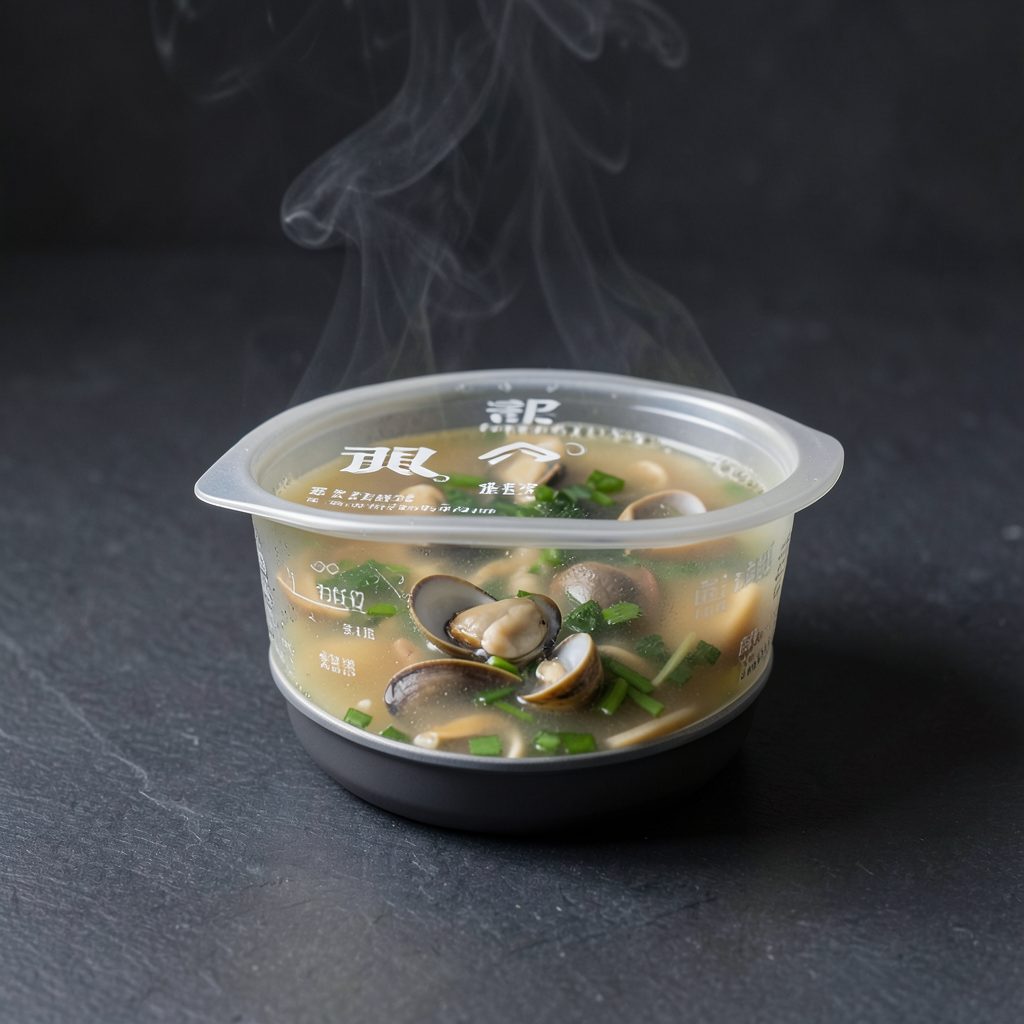
蛤?! Clam Soup Base —卜卜蜆
NT$ —
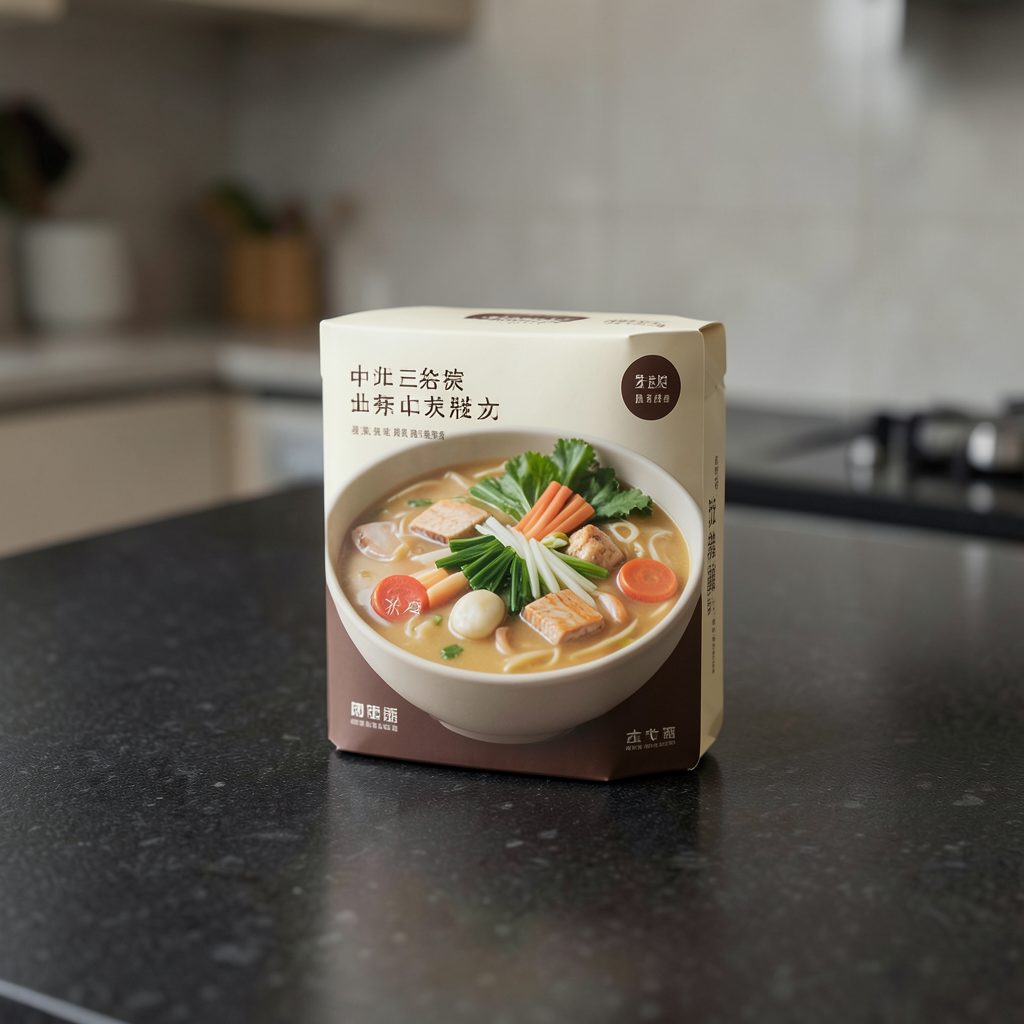
本事滿足鍋物 Personal Pot Base
NT$ —
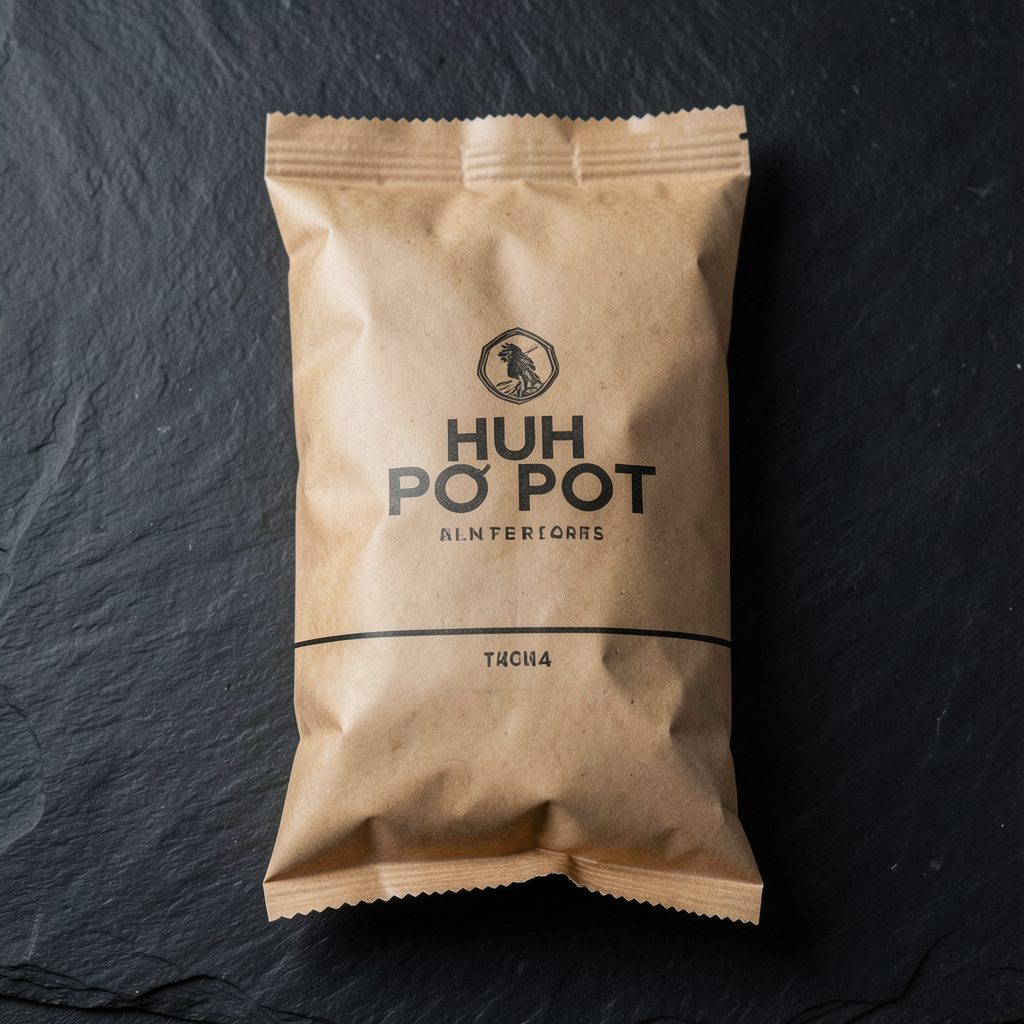
蛤?! Dry Noodles
NT$ —
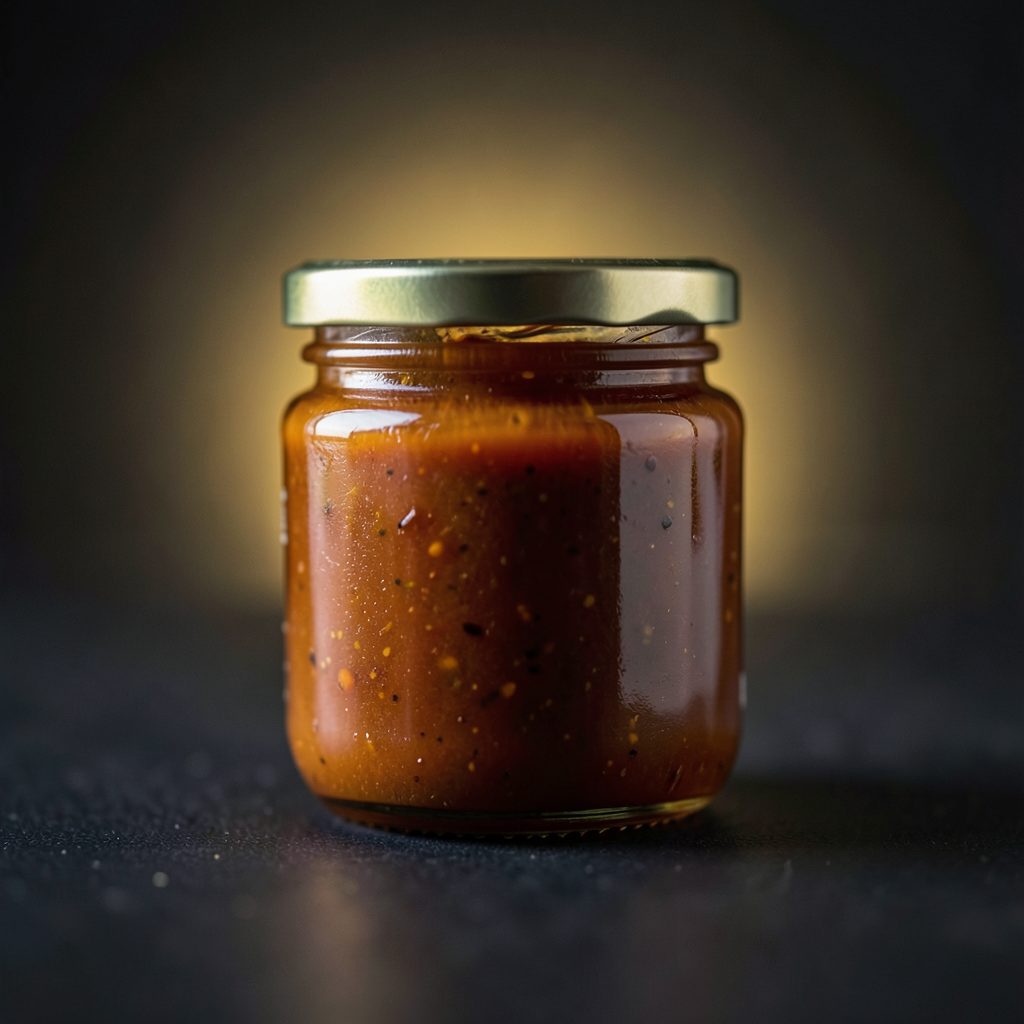
Signature Sauce
NT$ —
New Arrivals
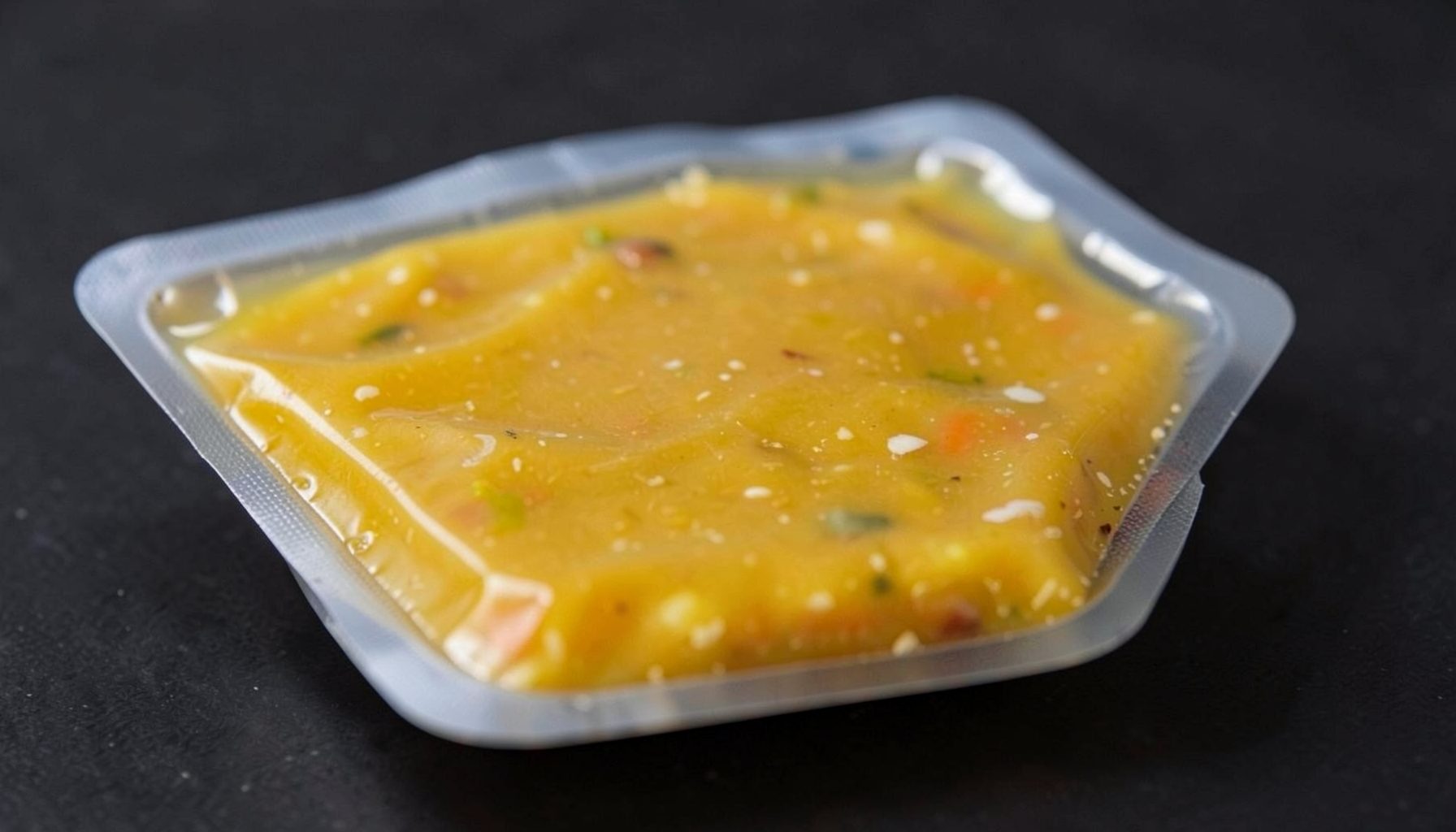
蛤?! Golden Clam Broth — New Batch
NT$ —
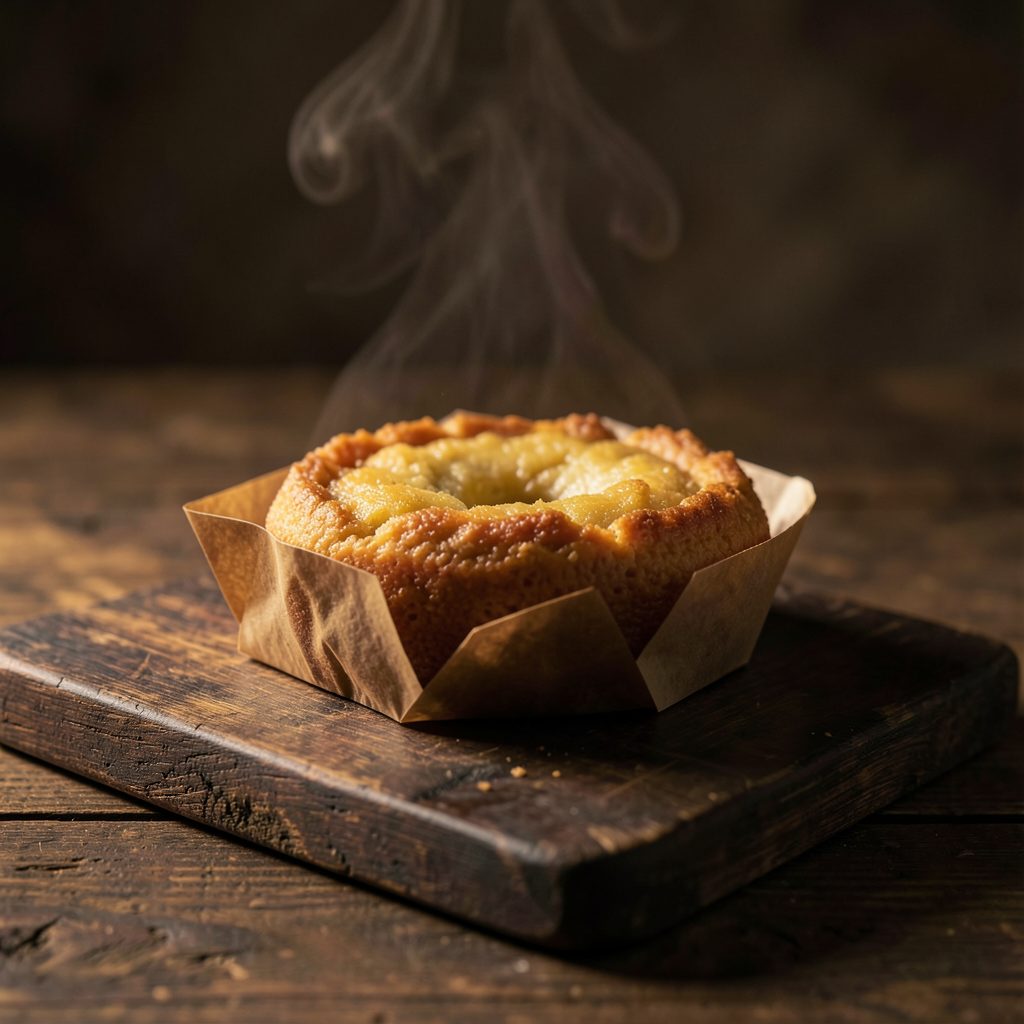
Radish Cake —蘿蔔糕精神
NT$ —
Duo Soup Base Set
NT$ —
Hot Pot Essentials Bundle
NT$ —
About 蛤?! Huh Pot
蛤?! Huh Pot is a Cantonese-style hot pot brand known for its signature clam-based broth —卜卜蜆 — made with rich old-hen stock and generous portions of fresh clams. The brand also encompasses 本事滿足鍋物, a personal hot pot concept, bringing the same depth of flavor to individual servings.
Through MoneyCome Mart, these restaurant-quality soup bases, dry noodles, radish cakes, and signature sauces are available for home delivery across Taiwan. Restaurant locations in Taipei's Da'an District, Civic Boulevard, and Taichung's Gongyi Road also welcome guests for dine-in, with online reservations available.