How to Cook Frozen Noodles Without Sticking Together
Frozen noodles are a convenient foundation for Cantonese hot pot, noodle soups, and quick home meals. Because they are frozen in compact portions, they can clump during thawing or turn soft when placed in water that is not hot enough.
The good news is that you usually do not need to defrost them fully. A short rinse, plenty of boiling water, and gentle separation at the right moment will preserve their springy texture while keeping individual strands loose.
Whether you are preparing noodles from MoneyCome Mart with a rich soup base or adding them to a stir-fry, the method depends on the noodle type and how you plan to serve it.
Start with the right preparation
Keep frozen noodles in the freezer until your cooking water or broth is ready. Letting them sit at room temperature can create a sticky surface as ice melts, while the center remains hard. This uneven thawing makes the noodles more likely to fuse together.
Remove any outer packaging and briefly rinse the noodles under cool running water if they are frozen into a solid block. The goal is to wash away surface ice and loosen the outside strands, not to thaw the whole portion. Avoid soaking them for several minutes, as excess water can weaken the texture.
For hot pot, you can often add a frozen noodle bundle directly to actively simmering broth. Separate it with chopsticks after the outside softens. This approach works especially well with wheat noodles, ramen-style noodles, and udon.
Use plenty of boiling water
Choose a pot large enough for the noodles to move freely. A crowded saucepan causes the water temperature to drop quickly, which encourages starch to leak from the noodles and form a gummy coating. As a general guide, use at least one litre of water for every 100 to 150 grams of frozen noodles.
Bring the water to a full boil before adding the noodles. Once they enter the pot, stir gently from the edges toward the center with chopsticks or a fork. Do not force apart a hard frozen block immediately; wait 20 to 40 seconds, then separate the softened strands with light movements.
Salt is useful for plain wheat noodles, but it is usually unnecessary when noodles are cooking directly in a seasoned hot pot broth. If the broth is already rich, cooking noodles separately can help prevent excess starch from changing its flavor and consistency.
Match the cooking method to the noodle
Different frozen noodles require different handling. Thin wheat noodles cook quickly, while thick udon and rice noodles need more time to warm through. Always treat the package directions as a starting point, then taste one strand before draining.
| Noodle type | Best method | Approximate cooking time | Useful finishing step |
|---|---|---|---|
| Thin wheat noodles | Boiling water | 1–3 minutes | Drain promptly |
| Thick udon | Boiling water or hot pot broth | 2–4 minutes | Separate gently |
| Rice noodles | Brief simmer or hot soak | 2–5 minutes | Rinse if using in a stir-fry |
| Egg noodles | Boiling water | 2–4 minutes | Toss with a little oil |
| Hot pot noodle bundles | Simmer directly in broth | 2–5 minutes | Serve immediately |
For soup, drain the noodles as soon as they reach the desired firmness and transfer them to the serving bowl before adding broth. This prevents them from continuing to cook in the pot. For stir-fried noodles, cook them slightly less than fully tender, rinse briefly with cool water, and drain thoroughly before adding them to the pan.
Keep strands separate after cooking
The most common cause of clumping is leaving cooked noodles in a colander without moving them. As their surface starch cools, strands bind together. Toss them gently every 30 to 60 seconds if you are waiting to serve.
A small amount of neutral oil can help with noodles destined for a stir-fry or cold dish. Use only enough to coat the strands lightly; too much oil prevents sauce from clinging. For noodles going into soup, skip the oil and rinse them briefly instead.
Broth thickness also affects the final texture. Rich, concentrated soups cling beautifully to noodles but can make a soft noodle feel heavier. This noodle and broth guide can help you choose a noodle shape and thickness that balance a hearty soup base.
Build a smoother cooking routine
A simple sequence makes frozen noodle preparation reliable:
- Prepare the broth, sauce, or stir-fry ingredients before boiling the noodles.
- Rinse away loose surface ice, but avoid fully thawing the portion.
- Cook in plenty of rapidly boiling water or a steady simmer.
- Separate the bundle gently once the outer layer softens.
- Drain, rinse, or transfer immediately according to the finished dish.
If strands have already stuck together, place them back in hot water for 15 to 30 seconds and loosen them with chopsticks. Do not pull aggressively, because this breaks the noodles and releases even more starch. A quick rinse under warm water can also restore flexibility without making them waterlogged.
For a hot pot meal, add noodles near the end of cooking, after meat, seafood, and vegetables have released their flavors. This keeps the noodles intact and prevents them from absorbing too much broth before everyone is ready to eat.
Serve and store them safely
Frozen noodles are best enjoyed immediately after cooking, especially when paired with Cantonese soup bases, clam broth, dipping sauces, or other hot pot ingredients. If you are preparing several portions, cook them in batches rather than stacking them in one bowl, where heat and moisture can create a sticky mass.
Never refreeze noodles that have been thawed at room temperature. Keep unopened products frozen and follow the package storage instructions. If a cooked portion must be held briefly, cool it quickly, cover it, and refrigerate it promptly. Reheat it in hot broth or boiling water rather than leaving it at room temperature.
For home delivery, inspect frozen items when they arrive and return damaged or unsuitable products according to the store’s return policy. Proper cold-chain handling helps preserve the texture that makes frozen noodles convenient in the first place.
With boiling water, gentle separation, and prompt serving, frozen noodles can stay springy, distinct, and ready for a restaurant-style meal at home. Choose a MoneyCome Mart noodle bundle, pair it with your favorite hot pot soup, and enjoy a warm Cantonese-inspired bowl with minimal preparation.
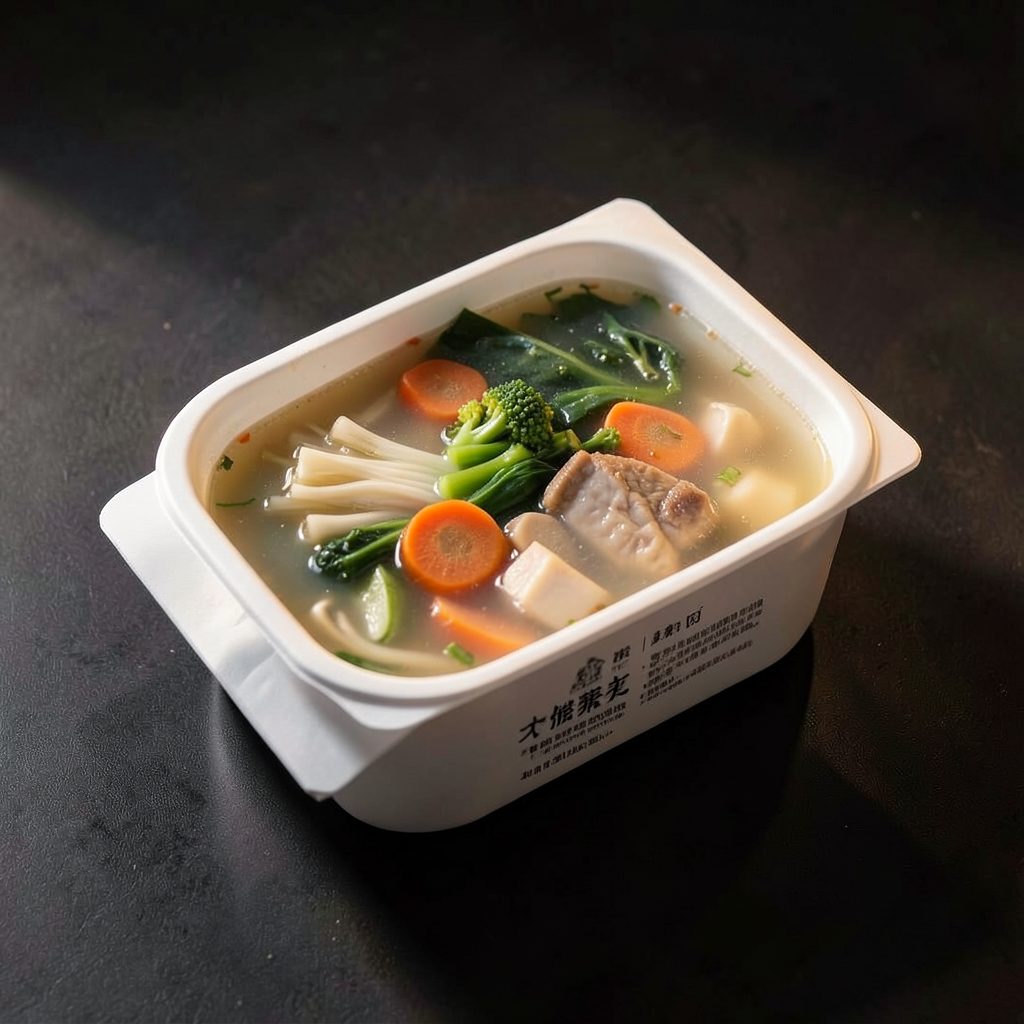
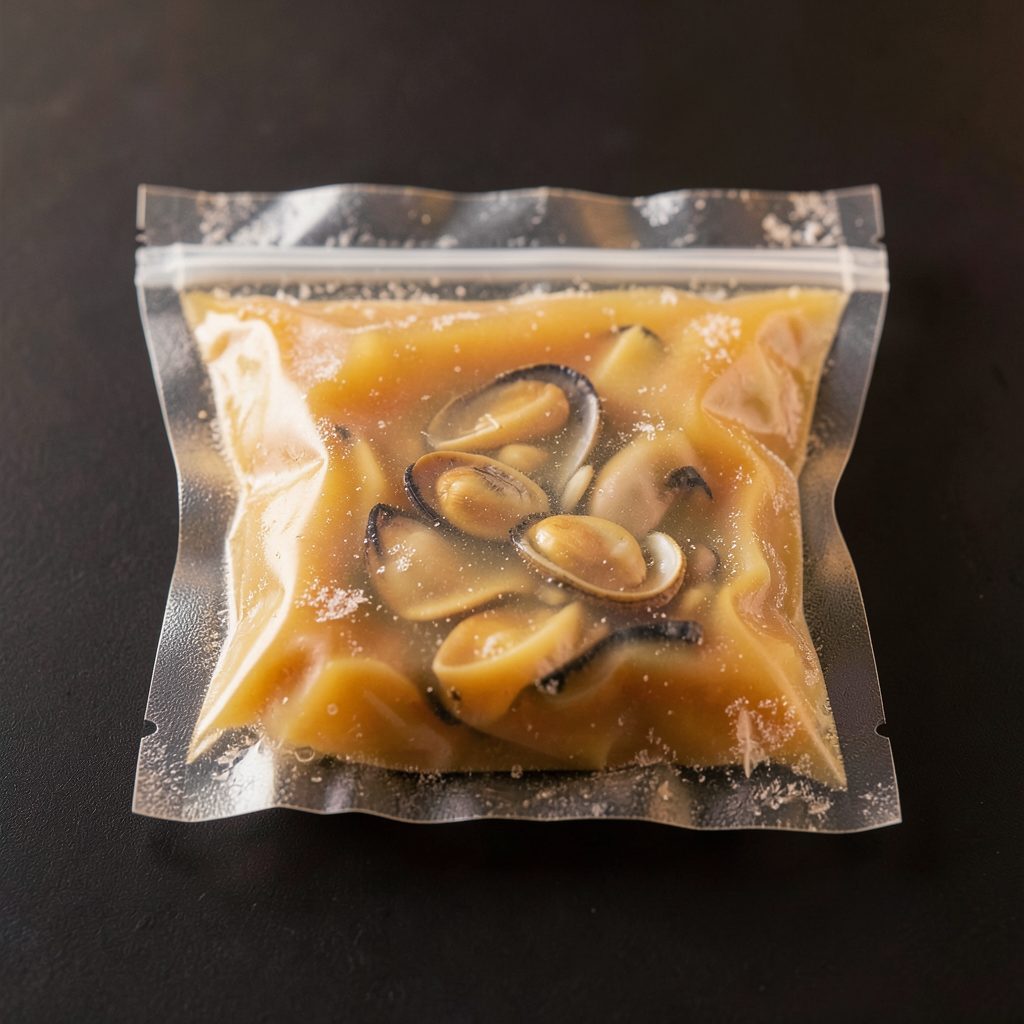
Best Sellers
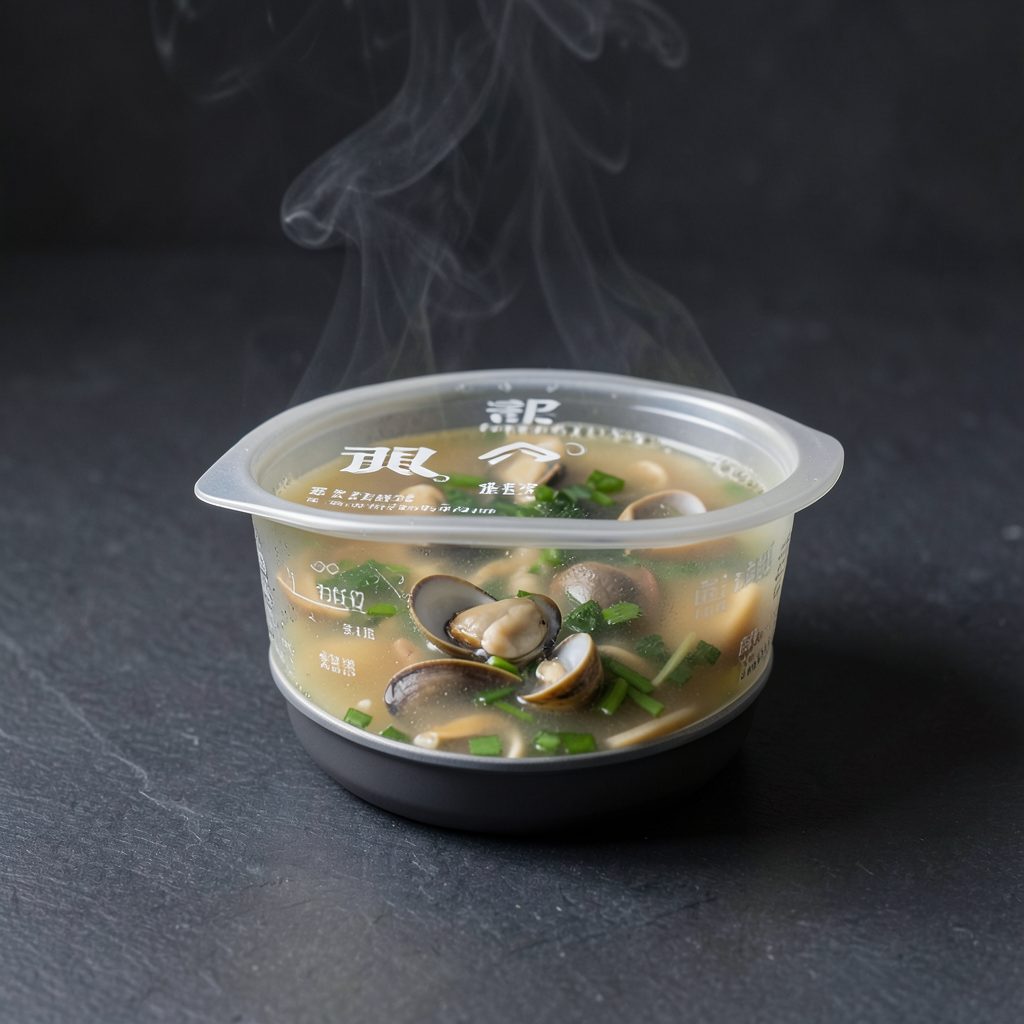
蛤?! Clam Soup Base —卜卜蜆
NT$ —
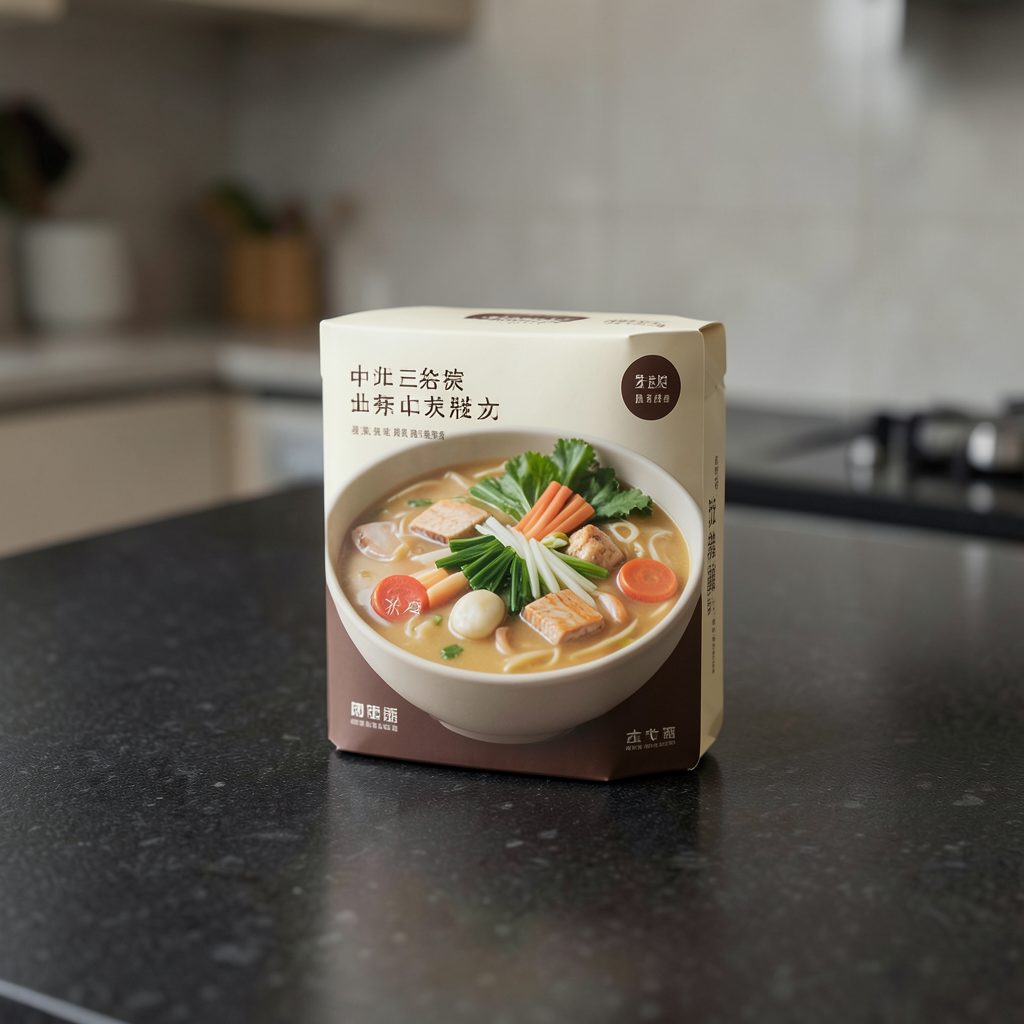
本事滿足鍋物 Personal Pot Base
NT$ —
蛤?! Dry Noodles
NT$ —
Signature Sauce
NT$ —
New Arrivals
蛤?! Golden Clam Broth — New Batch
NT$ —
Radish Cake —蘿蔔糕精神
NT$ —
Duo Soup Base Set
NT$ —
Hot Pot Essentials Bundle
NT$ —
About 蛤?! Huh Pot
蛤?! Huh Pot is a Cantonese-style hot pot brand known for its signature clam-based broth —卜卜蜆 — made with rich old-hen stock and generous portions of fresh clams. The brand also encompasses 本事滿足鍋物, a personal hot pot concept, bringing the same depth of flavor to individual servings.
Through MoneyCome Mart, these restaurant-quality soup bases, dry noodles, radish cakes, and signature sauces are available for home delivery across Taiwan. Restaurant locations in Taipei's Da'an District, Civic Boulevard, and Taichung's Gongyi Road also welcome guests for dine-in, with online reservations available.