Premium Daikon Radish Makes Our Turnip Cakes Stand Out
Turnip cake is a Lunar New Year classic in Cantonese households, pan-fried until the edges turn crisp while the middle stays soft. At MoneyCome Mart it sits next to frozen soup bases and seafood broths in our hot pot catalogue, ready to be reheated in a home kitchen. For Australians who grew up eating at family gatherings in Sydney or Melbourne, the smell of lo bak go sizzling in a pan is pure nostalgia.
The name is misleading. There is no turnip in turnip cake. The Cantonese word lo refers to a large white root vegetable that English speakers call daikon, mooli, or winter radish. Substituting an ordinary radish gives you something entirely different - watery, sharp, and missing the gentle sweetness that defines the dish. Choosing the right root is the single biggest decision a maker faces.
That is why every batch of our cakes starts with selected daikon from growers who understand what makes the vegetable sing. Read on to learn how sourcing, slicing, and slow cooking shape the flavour you taste at the dinner table on a chilly Melbourne arvo.
Sourcing the right white radish
A good daikon should feel heavy for its size, with smooth porcelain-coloured skin and crisp green leaves still attached. The flesh inside should be tight and translucent rather than spongy, because an old radish turns hollow and absorbs oil unevenly during frying. Most Australian home cooks will have noticed the difference at Queen Victoria Market in Melbourne or at Paddy's Markets in Sydney, where weekend stalls often carry two grades side by side.
For our cakes we work with farms that harvest at the cooler end of the season, when starches convert to natural sugars and the root grows dense. Sweetness matters here, not size - oversized daikon often develops a peppery bite that throws the pan-fried crust off balance. We keep contracts with several growers across the western plains of Taiwan for exactly this reason.
Texture that holds the pan
Daikon is mostly water. Roughly nine-tenths of a freshly pulled root will evaporate into the air when it hits a hot pan, which is why a watery radish leaves turnip cakes flabby and prone to splitting. Premium daikon holds its shape after being grated and squeezed, releasing only the moisture needed to soften the rice flour around it. The result is a cake that crisps at the edges when pan-fried yet stays tender in the middle.
Australian cooks who learned from grandparents in Chinatowns like Sydney's Haymarket or Melbourne's Little Bourke Street will recognise the fork-test - a clean break without crumbling. Cheap radish gives you a sad rubbery patty; good radish gives you something you'd happily order again at a yum cha counter in Cabramatta or Box Hill. It is the kind of detail locals trade opinions on every weekend.
Slow cooking, not a quick steam
Our kitchen blanches shredded daikon in a wide pot with the lid off, letting the liquid reduce for nearly an hour before the rice flour mixture even joins the pan. This step concentrates flavour and leaves a denser mash that binds cleanly with the flour. Skipping it produces a pale, bland cake that tastes mostly of starch.
The same patience applies to serving. Within a hot pot spread, turnip cake should be added early so it heats through - something covered in detail in the hot pot cooking guide we share on our site. Slice it thin, lay it in the simmering broth for a couple of minutes, and finish it with a splash of soy or sweet chilli. The texture turns silkier than pan-frying, which is why seasoned home cooks keep both methods in rotation.
No fillers, no shortcuts
Once the daikon is ready there is little left to add. Rice flour, a touch of wheat starch, dried shiitake, Chinese sausage, and seasoning are whisked in, then the tray is steamed firmly so the cake sets into a clean block. Anything labelled "turnip cake" that contains more flour than radish by weight is essentially a savoury rice pudding - cheap, but unrecognisable.
You can read more about the broader philosophy behind our ingredient choices on the brand page, where chefs and home cooks compare notes. We keep our recipes short because daikon that is good does not need rescuing.
Delivering freshness to your door
Even premium radish loses its snap if it sits in unrefrigerated transport for a day. Our cakes leave the freezer farm within hours of being steamed and arrive sealed with cold packs, ready for the freezer or the pan. For Australians further from a major centre, transit can stretch a bit longer, so we spell out the timing and packaging notes on our delivery policy page.
Most Brisbane, Adelaide, and Perth orders reach their kitchens within two business days from dispatch. Once the pack is in your freezer, the cake stays ready for a sudden yum cha craving - just slice, pan, serve.
Pairing turnip cake with a hot pot night
A small pan of pan-fried cake on the side of a Cantonese-style broth turns a quiet dinner into something that feels like a celebration. Slice leftover cake into batons, drop them into the simmering pork-bone broth toward the end of the meal, and let them soak up the soy, garlic, and sesame oil floating on top. Finish with a drizzle of chilli crisp for colour and heat. Saturday night, no fuss, no worries.
If you have mates coming over, set the cake out as an entrée first - pan-fried, with a dipping bowl of soy and sliced chillies. By the time the broth starts bubbling, everyone is already asking for seconds, and the evening settles into that easy rhythm Australians know well.
Best Sellers
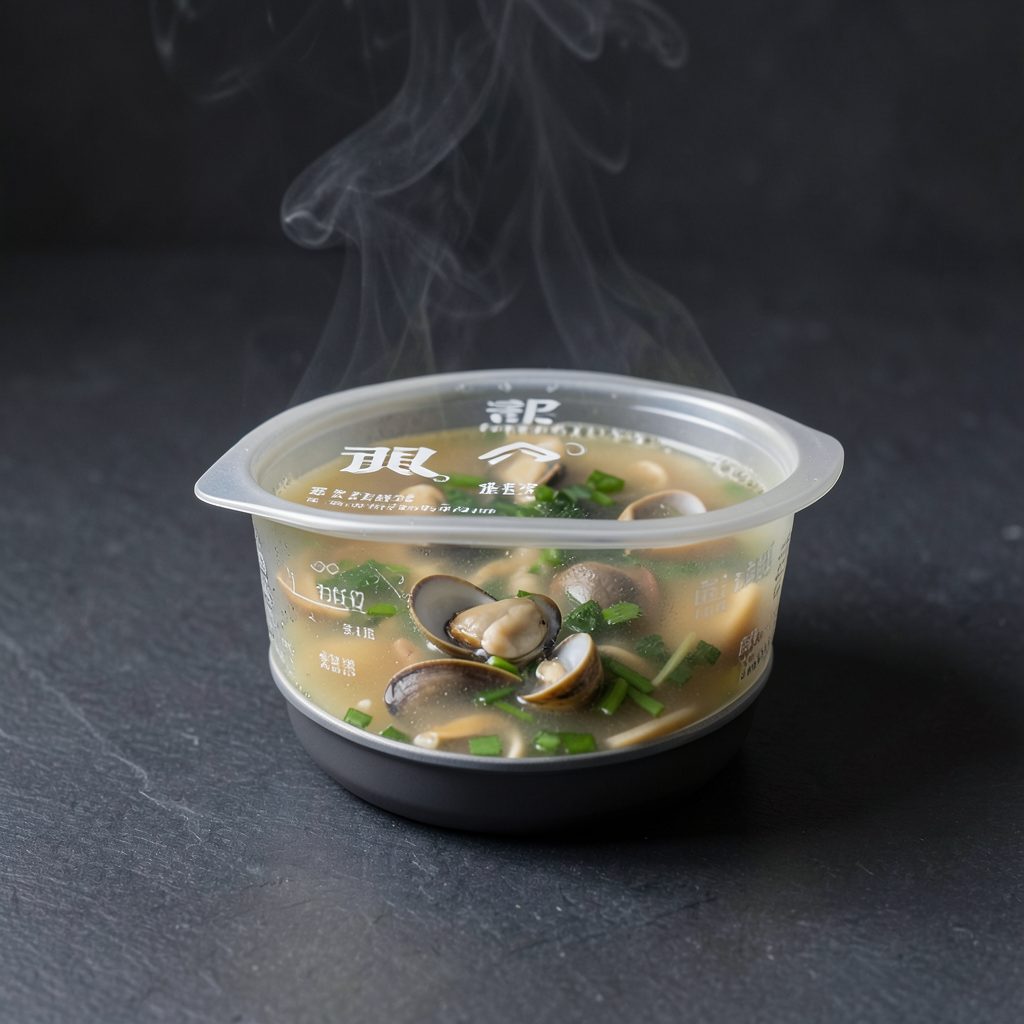
蛤?! Clam Soup Base —卜卜蜆
NT$ —
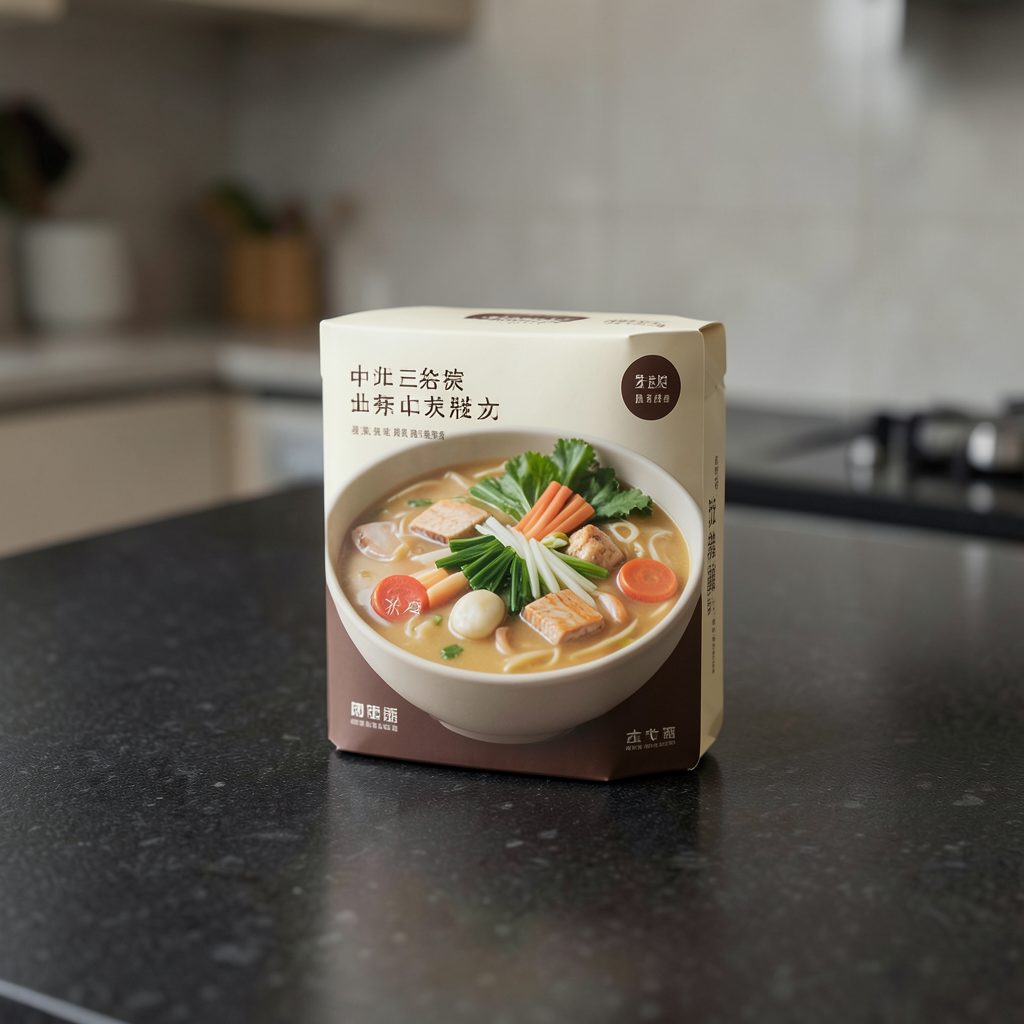
本事滿足鍋物 Personal Pot Base
NT$ —
蛤?! Dry Noodles
NT$ —
Signature Sauce
NT$ —
New Arrivals
蛤?! Golden Clam Broth — New Batch
NT$ —
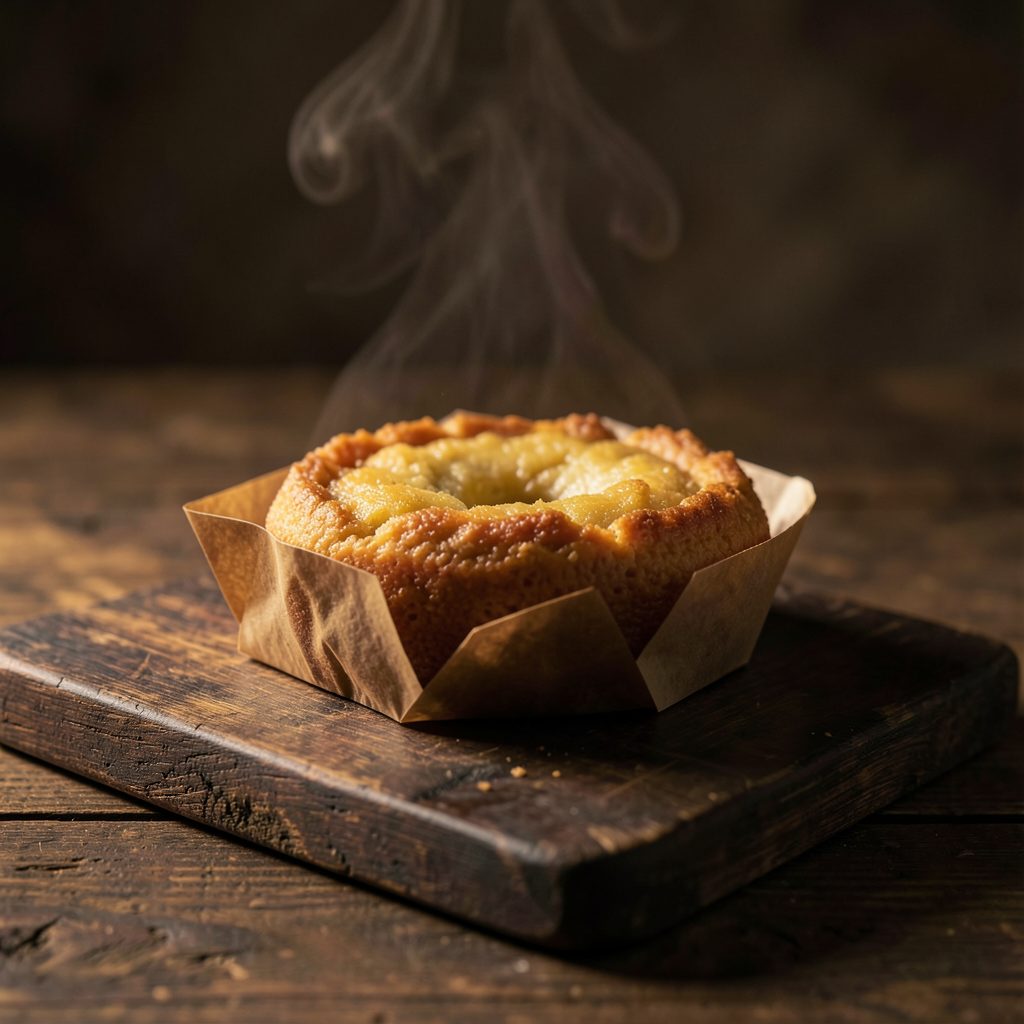
Radish Cake —蘿蔔糕精神
NT$ —
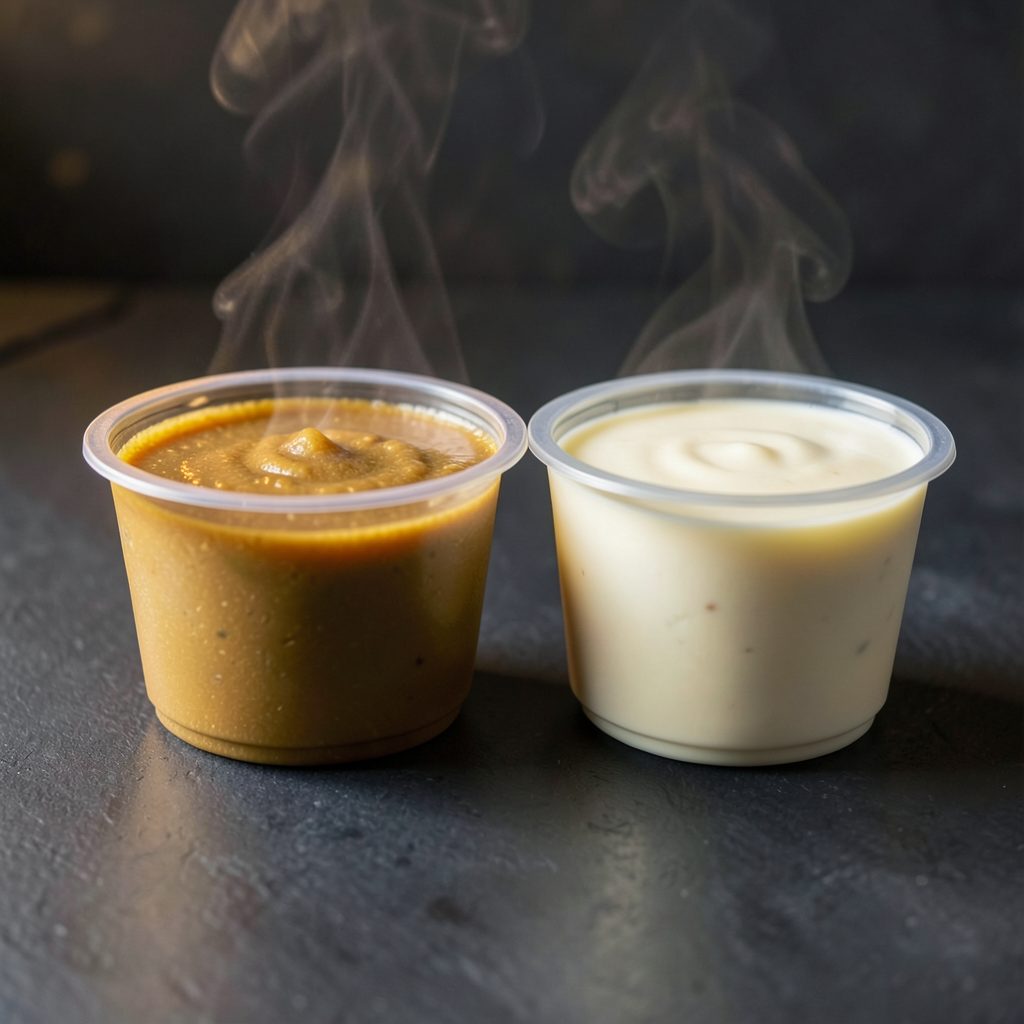
Duo Soup Base Set
NT$ —
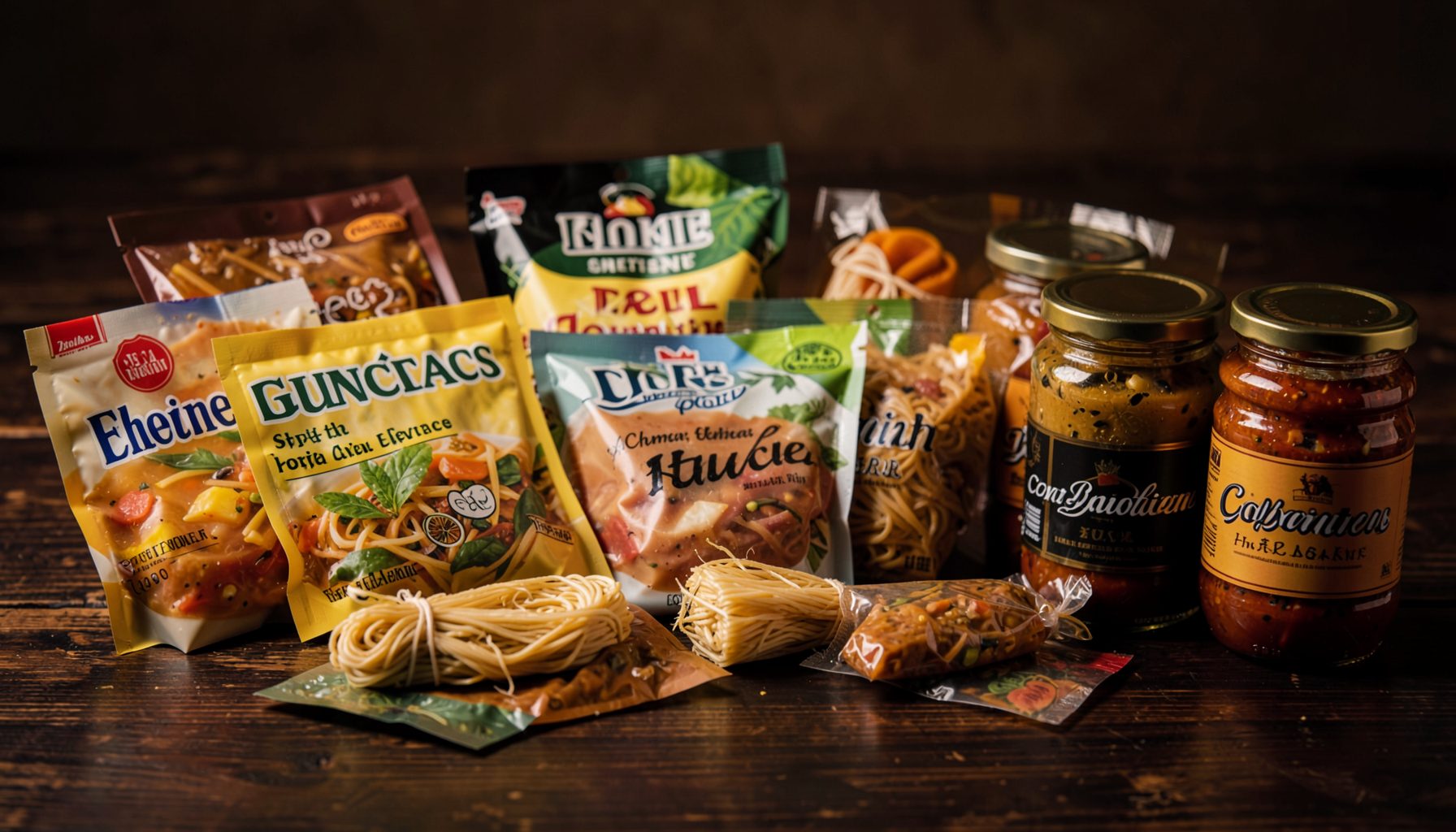
Hot Pot Essentials Bundle
NT$ —
About 蛤?! Huh Pot
蛤?! Huh Pot is a Cantonese-style hot pot brand known for its signature clam-based broth —卜卜蜆 — made with rich old-hen stock and generous portions of fresh clams. The brand also encompasses 本事滿足鍋物, a personal hot pot concept, bringing the same depth of flavor to individual servings.
Through MoneyCome Mart, these restaurant-quality soup bases, dry noodles, radish cakes, and signature sauces are available for home delivery across Taiwan. Restaurant locations in Taipei's Da'an District, Civic Boulevard, and Taichung's Gongyi Road also welcome guests for dine-in, with online reservations available.