How to Cook Hot Pot Ingredients in the Correct Order
A Cantonese hot pot becomes easier to manage when ingredients enter the pot according to their cooking time, texture, and ability to flavor the broth. Starting with everything at once can turn delicate seafood into rubber, leave vegetables undercooked, and make noodles absorb more liquid than intended.
The best approach is to build flavor first, cook firm ingredients next, and finish with foods that need only a short simmer. This method works with a divided pot, a single broth, frozen soup bases, prepared sauces, and home-delivery ingredients.
Before cooking, thaw frozen items according to their packaging, rinse fresh produce, and arrange ingredients on separate plates. You can browse hot pot products for soup bases, noodles, sauces, turnip cakes, clam broths, and other ingredients suited to a restaurant-style meal at home.
Prepare The Broth And Cooking Station
Begin by heating the soup base in a clean pot until it reaches a gentle boil. If you are using a concentrated Cantonese broth, add the recommended amount of water first, then taste after it has warmed. A divided pot is useful when guests prefer different levels of spice or when seafood and meat need separate cooking spaces.
Keep the broth at a steady simmer rather than a violent boil. Strong bubbling can break tofu, scatter leafy vegetables, and cause the liquid to evaporate too quickly. Set tongs, chopsticks, strainers, and small serving bowls nearby so cooked food does not mix with raw ingredients.
Add Ingredients That Build Flavor
Firm aromatics and broth-friendly ingredients should go in early. Turnip cakes, corn, daikon, lotus root, mushrooms, and dense fish balls need time to warm through and release flavor. Frozen items can often go straight into the broth if the package instructions permit, though large pieces may benefit from partial thawing.
Clams and other shellfish can also contribute savory depth, but they should be added when the broth is hot and removed once their shells open. Discard any shellfish that remains closed after thorough cooking. Avoid crowding the pot, since too many cold ingredients can lower the temperature and delay safe cooking.
Cook Ingredients By Texture
Once the broth has regained its simmer, add firm vegetables and thicker prepared foods. These ingredients usually need several minutes, while thinly sliced meat, leafy greens, and fresh seafood cook much faster. Stir gently and check the center of dense items before serving.
The cooking order for hot pot ingredients should follow a simple progression: hard vegetables and frozen prepared foods, then mushrooms and tofu, followed by seafood, sliced meat, leafy vegetables, and noodles. This sequence protects delicate textures and keeps the broth from becoming cloudy too soon.
| Ingredient group | When to add | Typical cooking cue |
|---|---|---|
| Corn, daikon, lotus root | Early | Tender when pierced |
| Turnip cakes and fish balls | Early to middle | Heated through and floating or softened |
| Mushrooms and tofu | Middle | Warm, tender, and intact |
| Clams and shellfish | Middle to late | Shells open fully |
| Thin meat slices | Late | No raw center remains |
| Leafy greens | Very late | Wilted but still bright |
| Noodles | Last | Tender without becoming soggy |
Handle Seafood And Meat Carefully
Seafood usually belongs in the middle or later part of the meal. Add shrimp, fish slices, squid, and clams after firm vegetables have softened, then remove them promptly when their color and texture change. Shrimp should become opaque, fish should flake easily, and squid should be cooked briefly to avoid a tough texture.
Thinly sliced beef, pork, and chicken cook quickly at the simmering point. Separate slices with chopsticks as they enter the broth and cook them in small batches. Raw meat should have its own utensils, while cooked food should be transferred with clean chopsticks or a separate strainer.
Finish With Greens And Noodles
Leafy greens, bean sprouts, chrysanthemum greens, and other tender vegetables should be added near the end. Their short cooking time preserves color, freshness, and a pleasant bite. If several guests are eating, add small handfuls so the broth stays hot.
Noodles are best saved for the final stage, after the broth has collected flavor from meat, seafood, mushrooms, and vegetables. Rice noodles, udon, wheat noodles, and glass noodles vary in cooking time, so follow the package directions. Remove them as soon as they reach the desired texture and serve them immediately.
Keep Two Broths Balanced
A split pot allows different ingredients to cook in separate flavors, but both sides still need temperature control. Keep the mild broth gently simmering while the spicy broth may need more frequent stirring, especially if it contains oil or a concentrated seasoning paste.
A single kit can be adapted for different preferences by using a richer spicy side and a lighter Cantonese side. The spicy versus mild guide offers useful direction for dividing flavors without preparing two completely separate meals.
Simple Habits For Better Hot Pot Cooking
- Arrange ingredients by cooking time before the pot begins to simmer.
- Add small batches so the broth returns to temperature quickly.
- Use separate utensils for raw meat and cooked food.
- Skim foam or excess oil when the broth becomes cloudy.
- Taste the soup between rounds and adjust with water or broth as needed.
A well-organized hot pot should develop gradually, with each ingredient adding something to the next round. Start with the firm foods, protect delicate items by cooking them briefly, and reserve noodles for the flavorful final bowls. Choose your favorite Cantonese soup base and prepared ingredients from MoneyCome Mart, then bring the restaurant-style hot pot experience to your home in Taiwan.
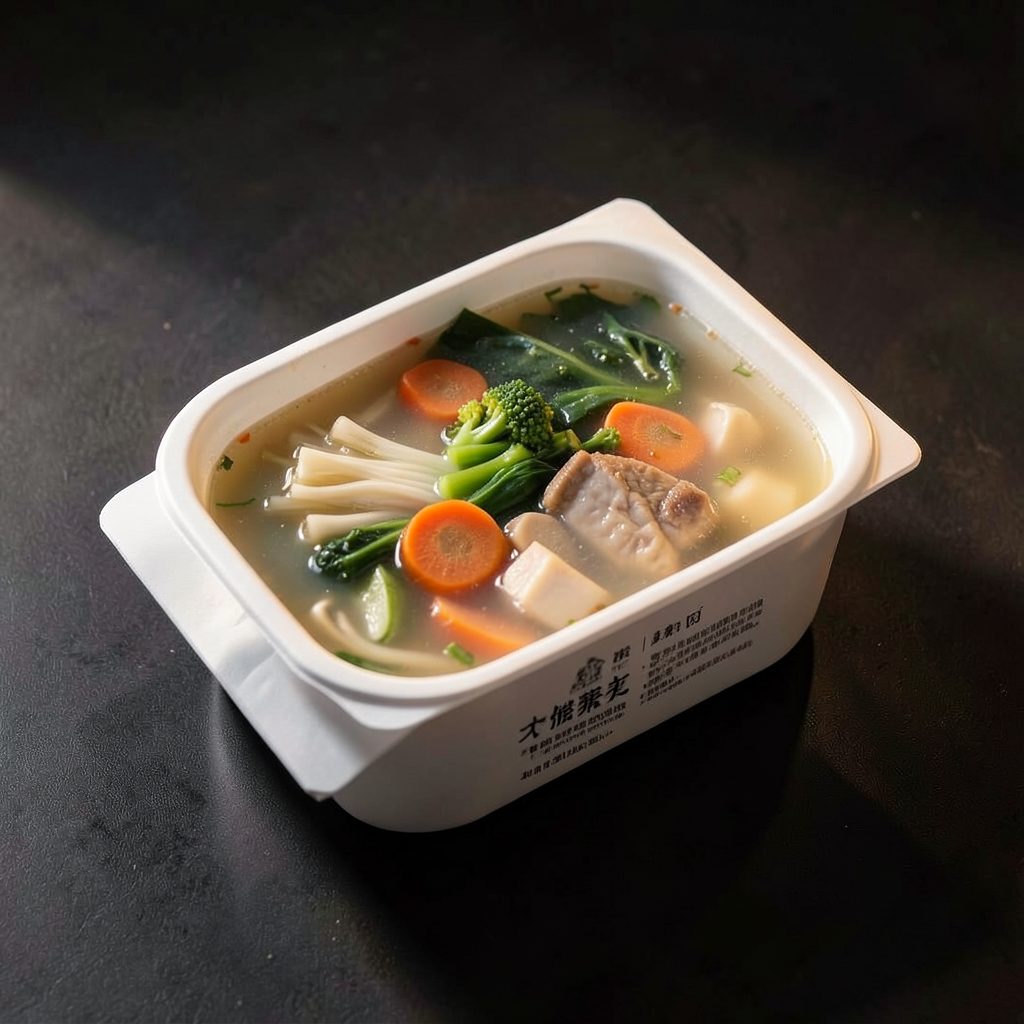
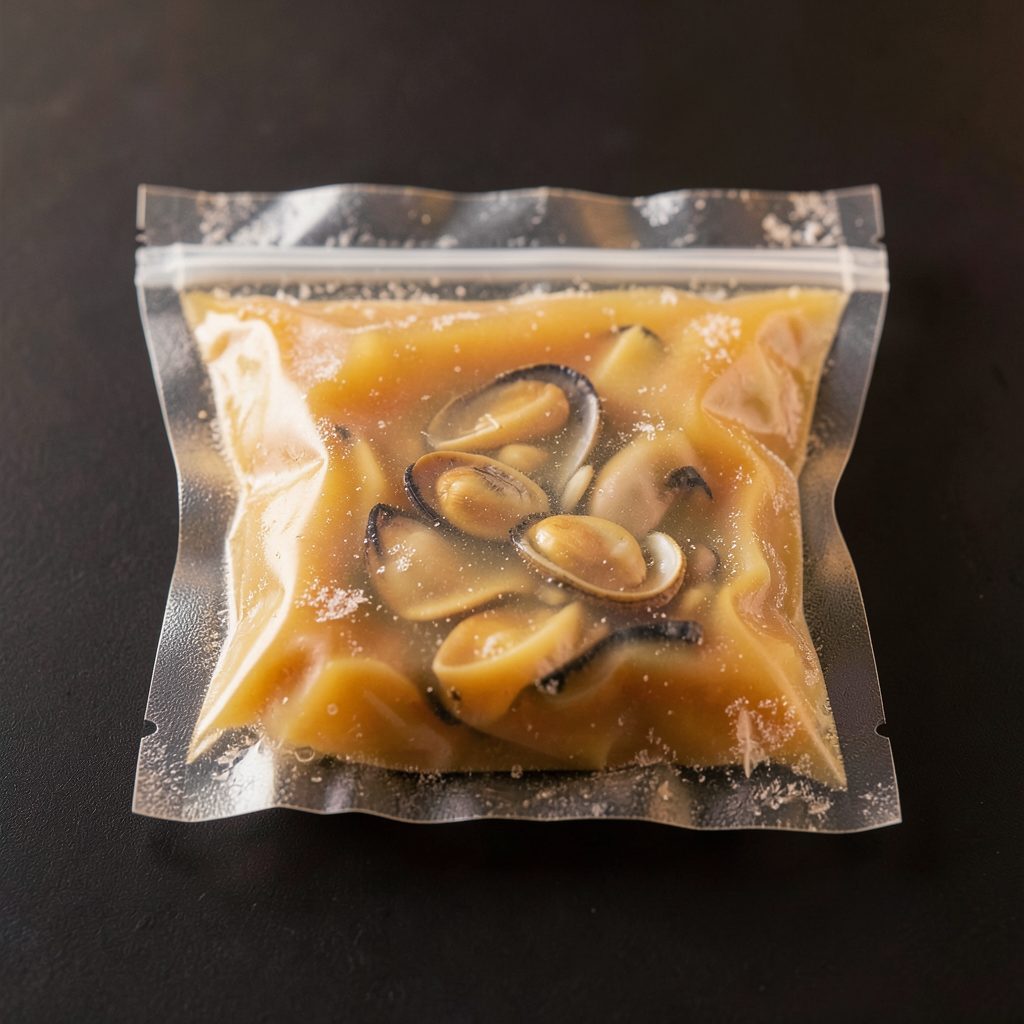
Best Sellers
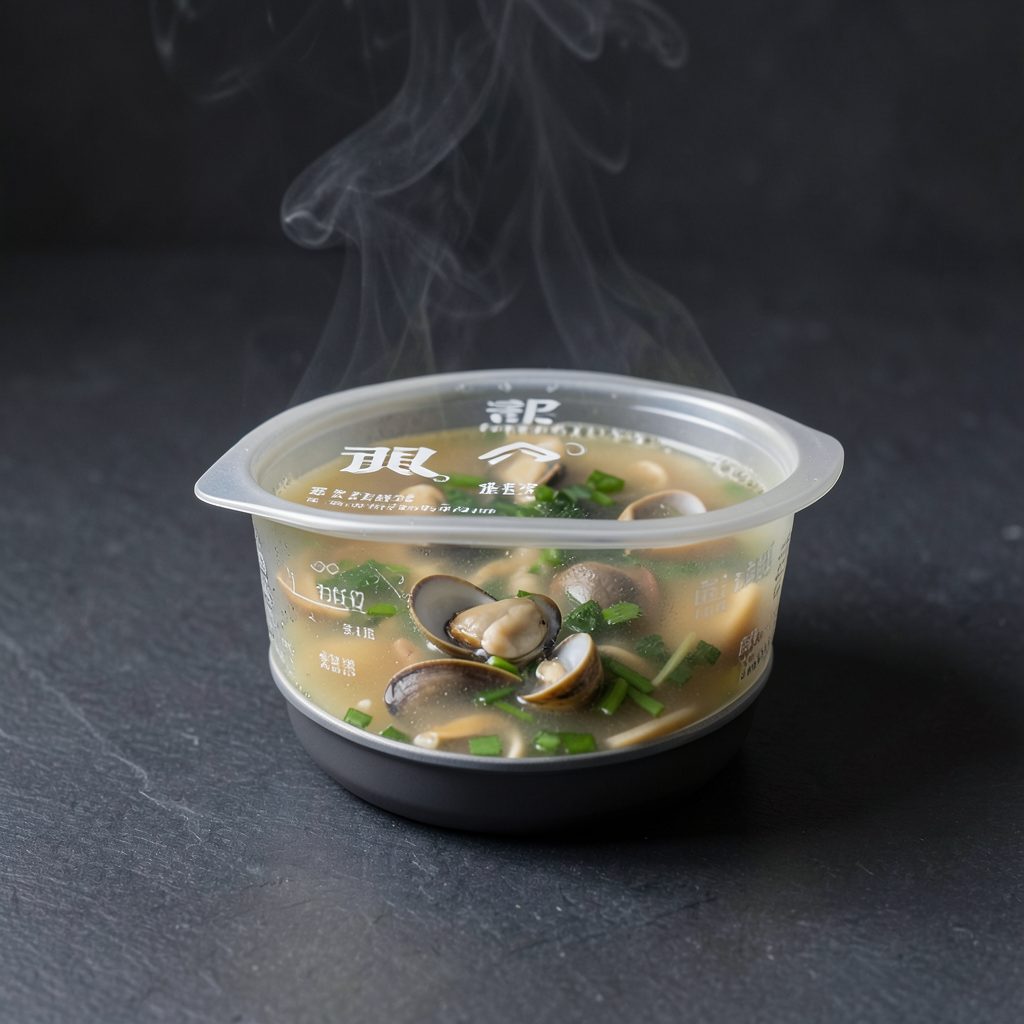
蛤?! Clam Soup Base —卜卜蜆
NT$ —
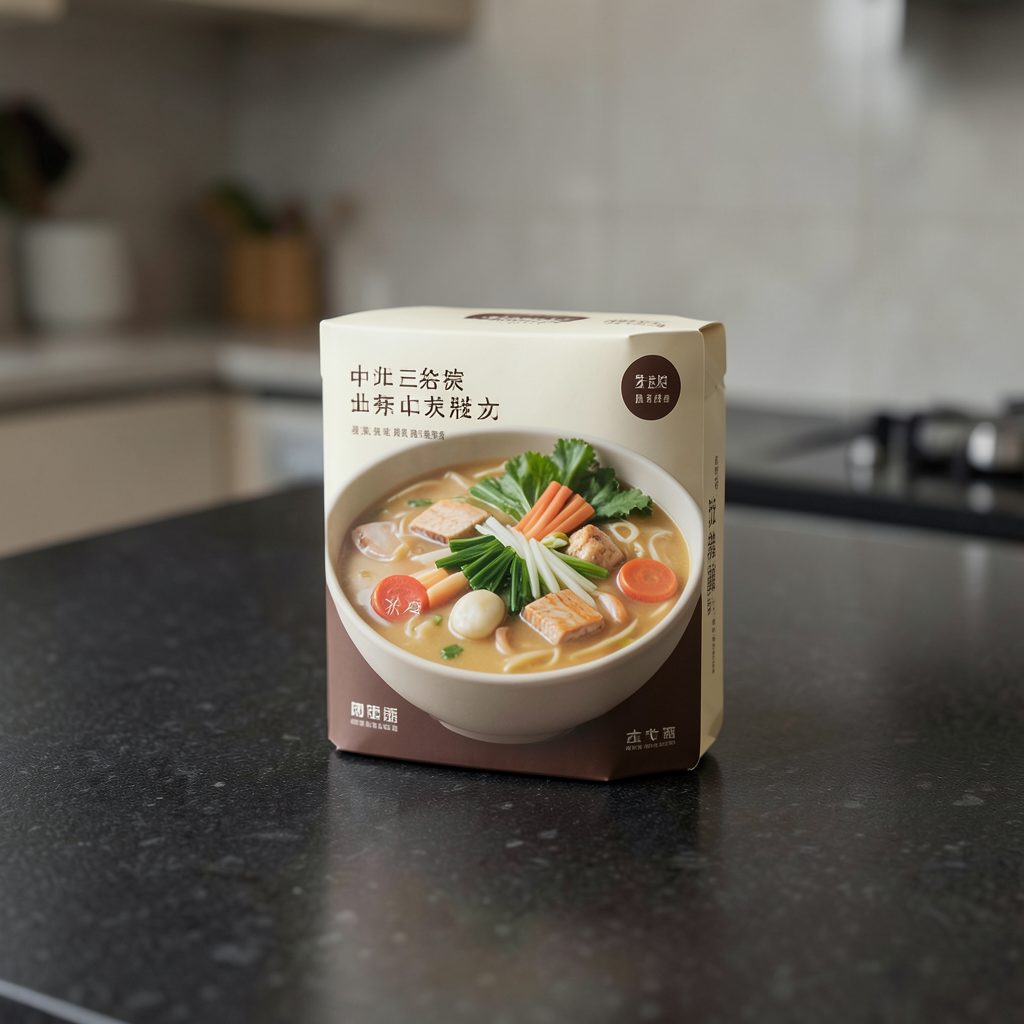
本事滿足鍋物 Personal Pot Base
NT$ —
蛤?! Dry Noodles
NT$ —
Signature Sauce
NT$ —
New Arrivals
蛤?! Golden Clam Broth — New Batch
NT$ —
Radish Cake —蘿蔔糕精神
NT$ —
Duo Soup Base Set
NT$ —
Hot Pot Essentials Bundle
NT$ —
About 蛤?! Huh Pot
蛤?! Huh Pot is a Cantonese-style hot pot brand known for its signature clam-based broth —卜卜蜆 — made with rich old-hen stock and generous portions of fresh clams. The brand also encompasses 本事滿足鍋物, a personal hot pot concept, bringing the same depth of flavor to individual servings.
Through MoneyCome Mart, these restaurant-quality soup bases, dry noodles, radish cakes, and signature sauces are available for home delivery across Taiwan. Restaurant locations in Taipei's Da'an District, Civic Boulevard, and Taichung's Gongyi Road also welcome guests for dine-in, with online reservations available.