Why our spicy soup base is different from Sichuan mala broths
The reason our spicy soup base is different from Sichuan mala broths comes down to what the diner notices first. Mala foregrounds chilli heat and Sichuan peppercorn tingle; our base leads with savoury stock, toasted chilli and rounded warmth.
That matters at home, where broth is seasoning as much as soup. Prawns, sliced beef, fish cakes, leafy greens and noodles each carry their own flavours, so a peppercorn-led pot can overwhelm seafood and vegetables.
MoneyCome Mart packages Taiwan’s restaurant-style hot pot ingredients for cold-chain delivery, including frozen soup bases, clam broth, sauces, noodles and turnip cakes. The comparison is not simply hot versus mild, but numbing intensity, broth depth and the space left for each ingredient.
A different kind of heat
Mala is a method as much as a menu category. Chillies provide heat, while Sichuan peppercorn creates its characteristic lemon, pine and floral numbness. Fermented chilli-bean paste often adds salt, funk and deep colour. Ma la literally pairs “numbing” with “hot,” making both sensations central to the style.
Our spicy base takes a different emphasis. Chilli contributes aroma and warmth, while the broth remains savoury and capable of carrying prawn, chicken or beef. Its role is to sharpen the ingredients rather than make every mouthful identical.
Think of the contrast between bright stock and heavy chilli oil. The stock supplies depth, the chilli adds lift and the ingredient supplies the main character. When those layers remain distinct, the result feels composed rather than simply fierce.
What builds the broth
Flavour begins before the pot reaches the stove. Cantonese hot pot broths commonly draw depth from savoury stock, dried seafood, poultry or both, with ginger, garlic and spring onion adding familiar aromatics. Chilli oil or paste can add heat while amplifying that base.
Concentration makes dilution part of the recipe. Follow the stated water ratio, bring the broth to a gentle simmer and avoid prolonged hard boiling, which can flatten delicate stock notes. Taste before adding salt or chilli, because the base may already be savoury and accompanying sauces will add more seasoning.
Colour is a poor indicator of strength, so check the described flavour and ingredient list instead. For the wider range and the brand’s service story, explore the official Huh Pot site before choosing a meal format or accompaniments.
Why mala broth feels so different
The contrast is clearest in the first spoonful. Classic mala often arrives all at once: heat, numbness, salt and fermented chilli. It feels vivid and immediate, particularly with fatty beef or duck, and diners often add more chilli oil at the table.
Our profile is built to unfold. A spoonful may first seem aromatic and savoury, then warm rather than burn. As the pot cooks, seafood, mushrooms and noodles can enrich the broth without erasing the clean note of the first ladle.
Serving style reinforces the distinction. Mala often acts as the loud centre of the meal, whereas a Cantonese-style base works like shared seasoning liquid. Individual mixtures of soy, sesame, chilli and vinegar let diners adjust intensity while keeping the broth composed.
Making it fit Australian kitchens
Australian diners have ready access to the building blocks of mala. Supermarkets and Asian grocers in Sydney, Melbourne and Brisbane make doubanjiang, dried chillies and Sichuan peppercorn easy to find, while Taiwanese stock powders, Shaoxing wine and oyster sauce broaden the local pantry. Recreating a Sichuan-style pot is convenient, but it makes our contrasting style easier to appreciate.
Cold-chain handling matters with a frozen base: it should arrive frozen or properly chilled and move promptly into the freezer. Packaged soup bases sold in Australia must comply with Food Standards Australia New Zealand rules, including ingredient lists and allergen declarations where applicable. Check for fish, shellfish, soy or wheat before cooking for guests.
Local culinary habits also shape the table. Goan and broader South Asian cooking is familiar in Melbourne and Sydney, where seafood traditions sit beside Cantonese menus. For a side dish that makes the contrast tangible, compare the Goan mackerel recipe with a mild prawn dipped into the spicy broth.
Pairing the pot with what comes next
Hot pot is rarely a single-course meal in the Cantonese tradition. After a broth-heavy meal, lighter textures and gently sweet flavours reset the palate. Fruit works well because its acidity and juice contrast with chilli oil, while chilled dessert or tea provides a soft finish.
For a seasonal finish, our seasonal fruit guide explores pairings that suit the pot and the season. Matching produce to local availability is practical in Australia, where stone fruit peaks in summer and citrus is available across much of the year. Serve fruit chilled and in small portions so its sweetness stays a contrast.
Keep the sweet course separate from the savoury table until everyone has finished dipping. That preserves clean fruit flavour and avoids a heavy final course. It also gives chilled or frozen bases a natural place in the rhythm of a relaxed weekend meal.
A practical pantry and checkout checklist
A reliable home hot pot starts with a short pantry check. Decide whether the meal needs seafood, meat or vegetables first, then choose the broth around those ingredients rather than preparing a large pot with nothing to balance it.
For the meal, gather:
- A frozen spicy soup base and enough water for the stated dilution
- Two or three complementary proteins, such as prawns, sliced beef or tofu
- Leafy greens, mushrooms and seasonal vegetables
- Noodles or rice noodles for a brothier finish
Before checkout and delivery, check:
- That your freezer is ready for the cold-chain parcel
- The ingredient and allergen panel for fish, shellfish, soy and wheat
- The delivery window and a safe thawing plan in the refrigerator
- Whether a bundle or seasonal feature matches your ingredient list
Once those checks are complete, the cooking process stays straightforward: dilute, simmer, add the ingredients in order of cooking time and adjust seasoning at the table. The difference lies in the balance of that broth, with warm chilli and deep savoury notes remaining clear rather than numbing.
Best Sellers
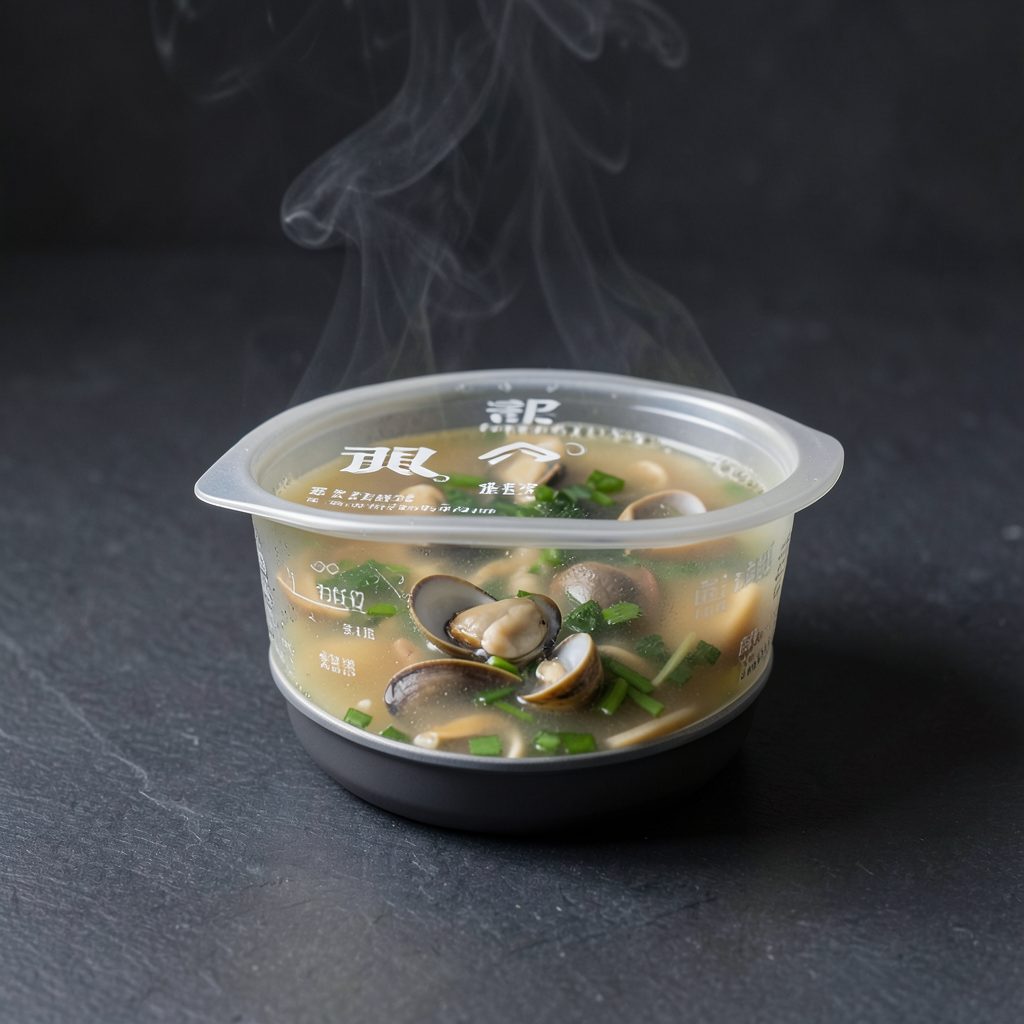
蛤?! Clam Soup Base —卜卜蜆
NT$ —
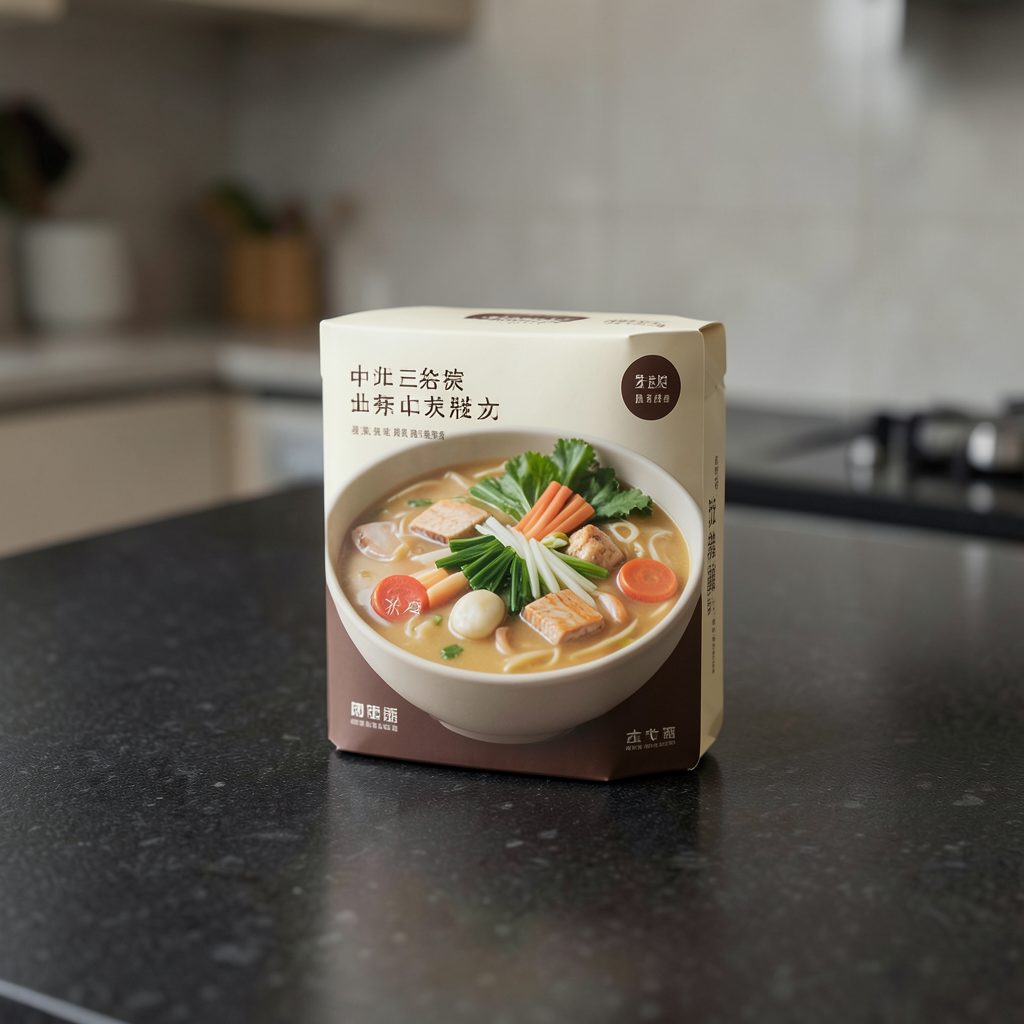
本事滿足鍋物 Personal Pot Base
NT$ —
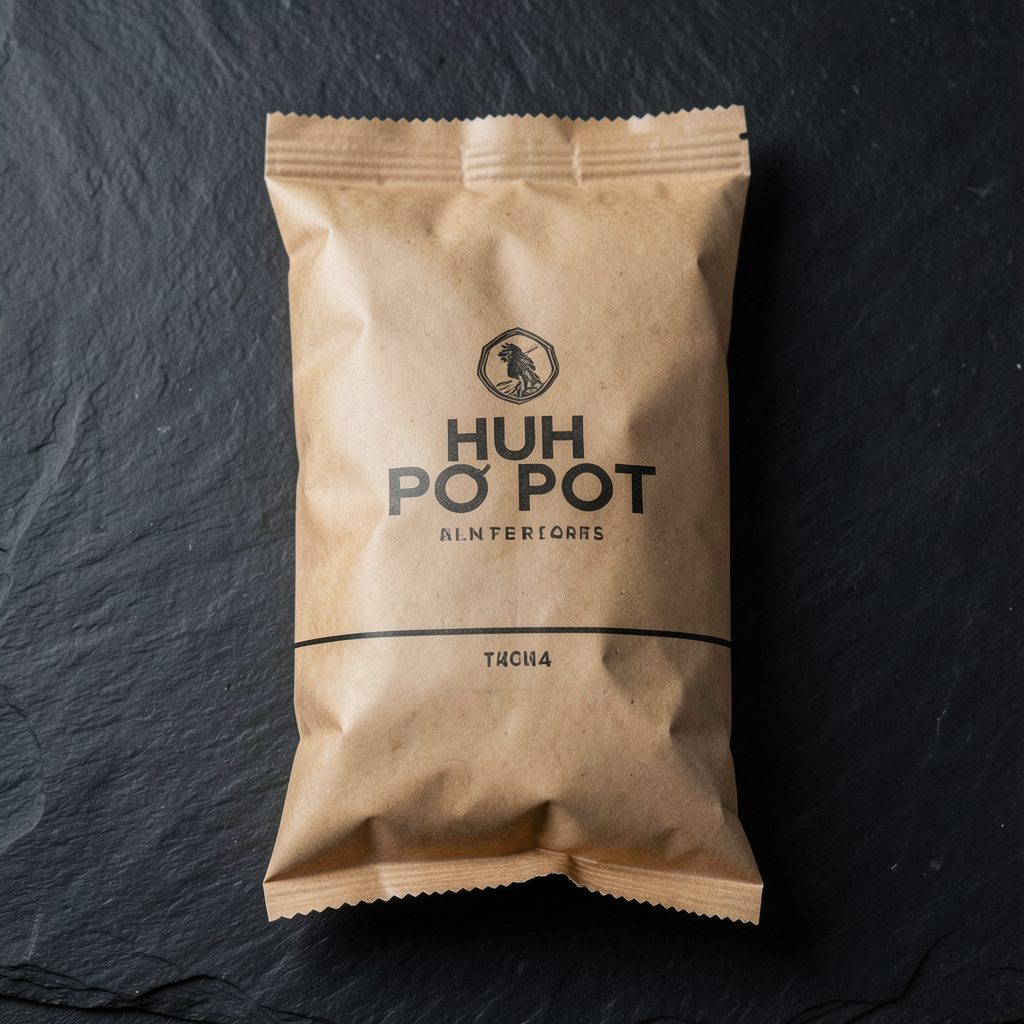
蛤?! Dry Noodles
NT$ —
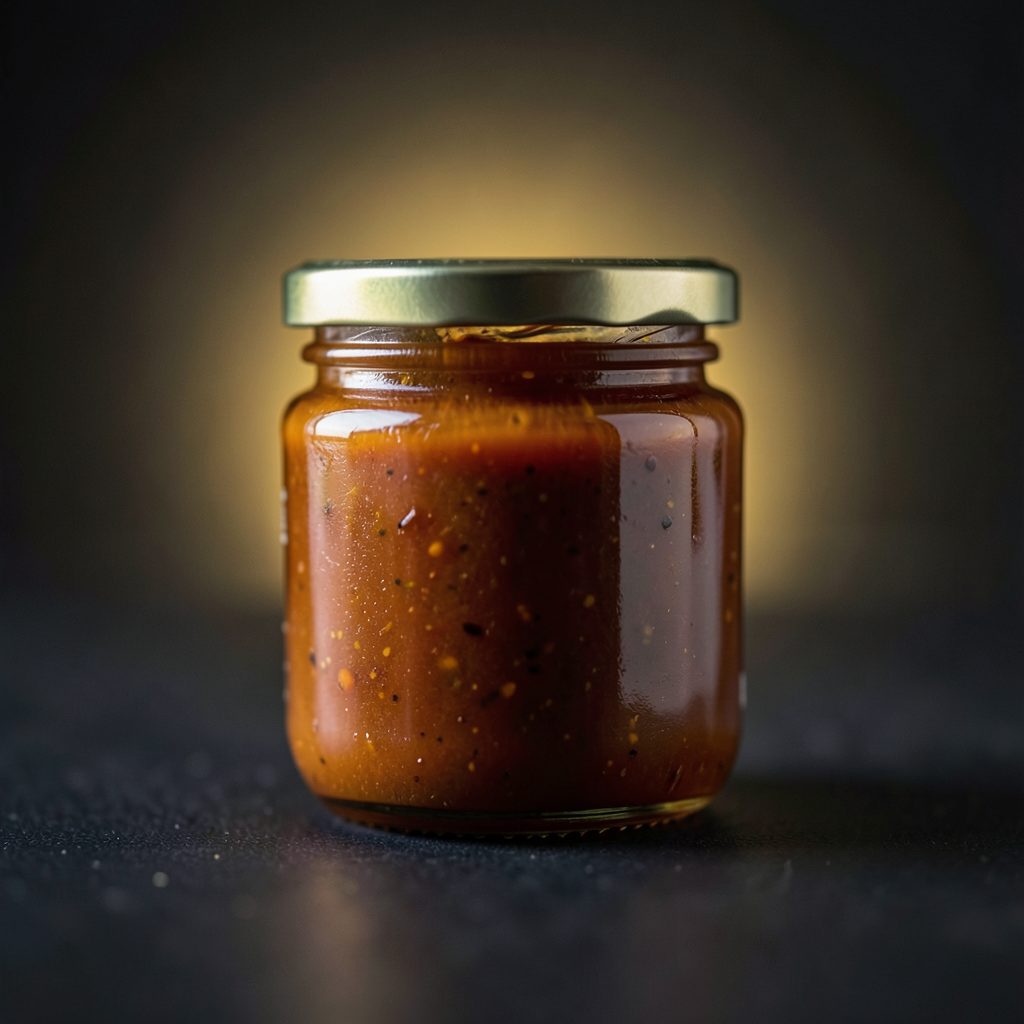
Signature Sauce
NT$ —
New Arrivals
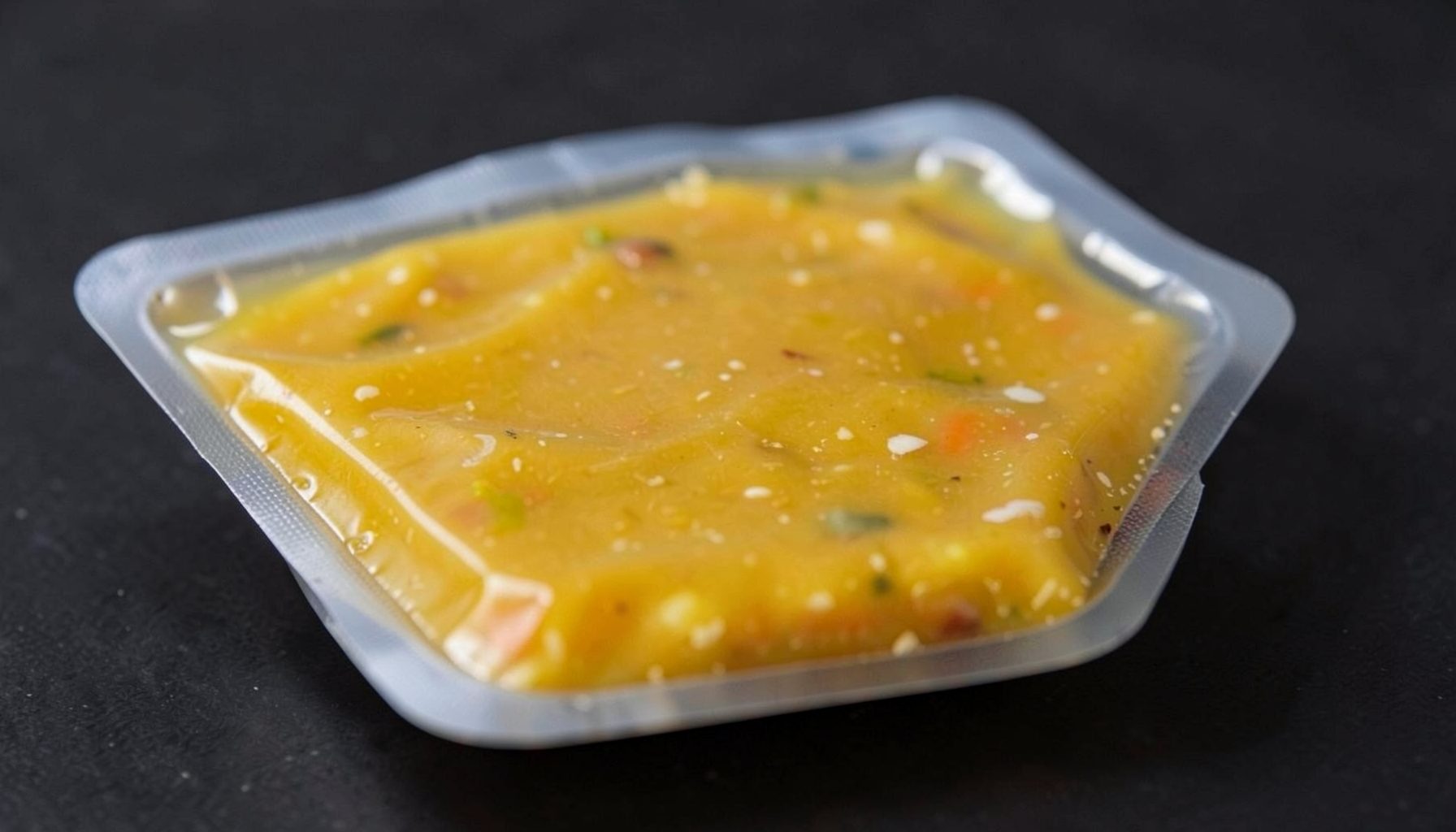
蛤?! Golden Clam Broth — New Batch
NT$ —
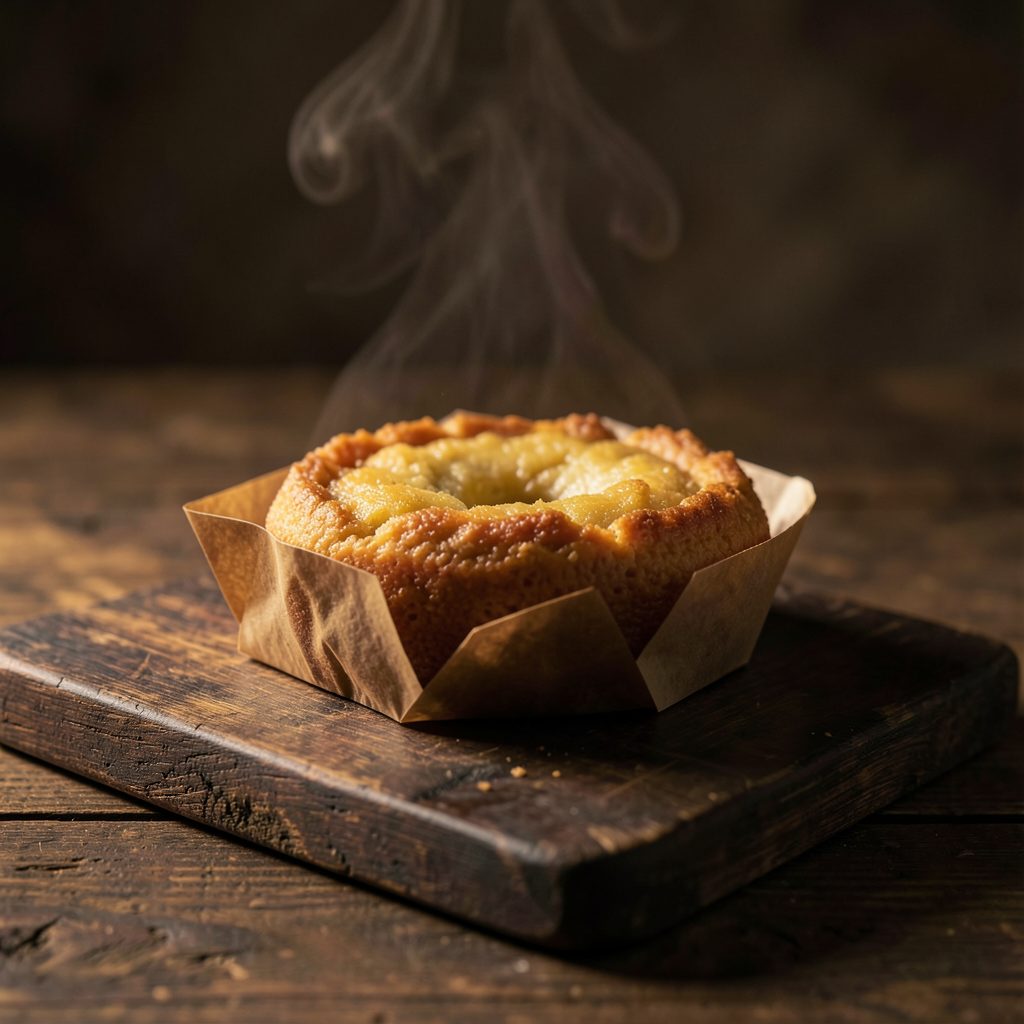
Radish Cake —蘿蔔糕精神
NT$ —
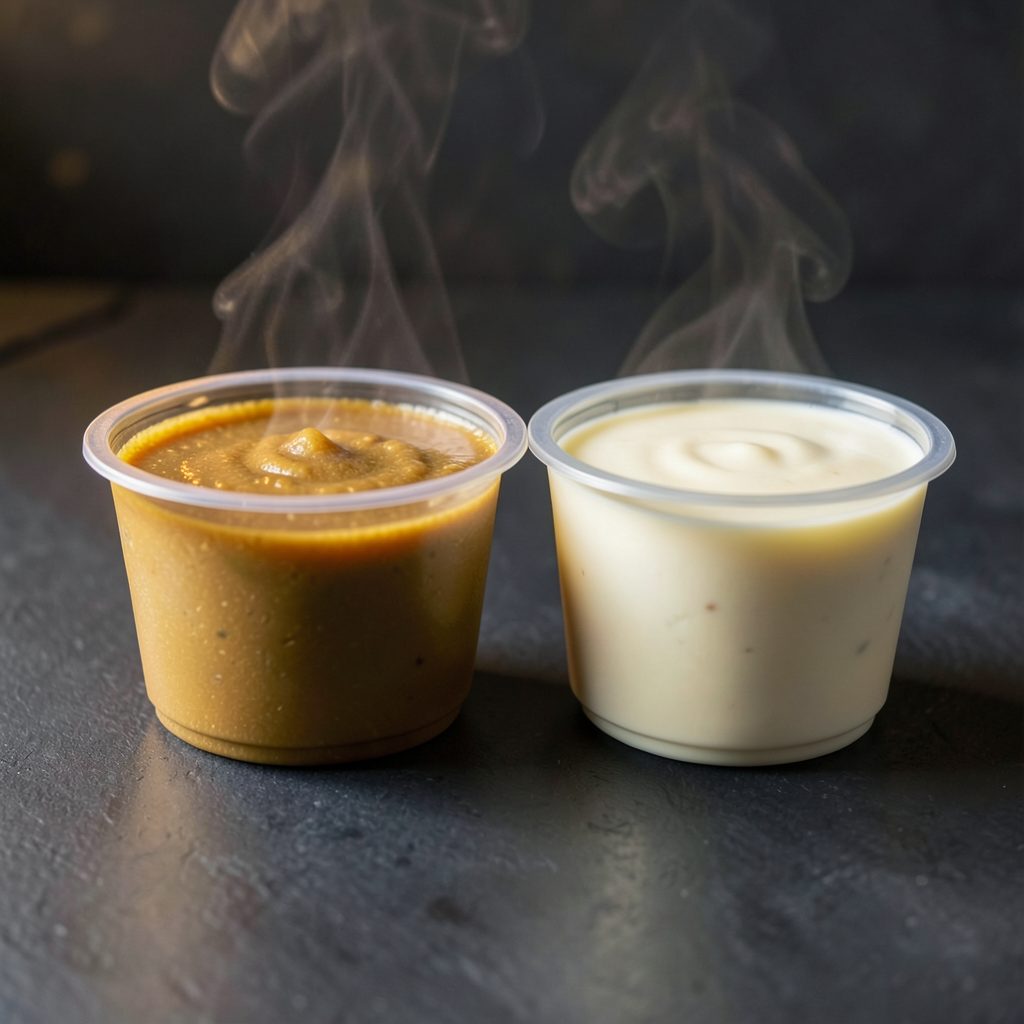
Duo Soup Base Set
NT$ —
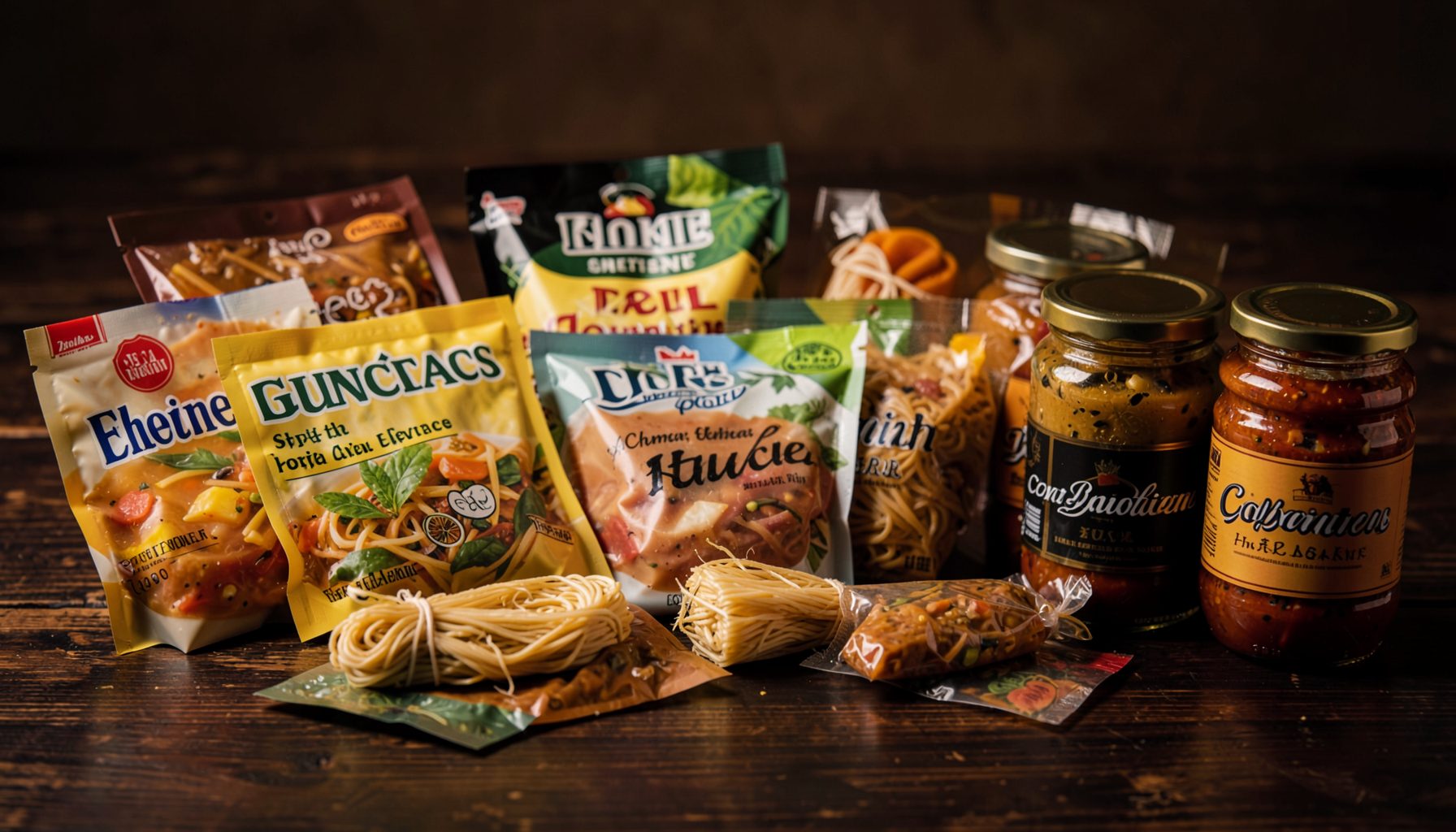
Hot Pot Essentials Bundle
NT$ —
About 蛤?! Huh Pot
蛤?! Huh Pot is a Cantonese-style hot pot brand known for its signature clam-based broth —卜卜蜆 — made with rich old-hen stock and generous portions of fresh clams. The brand also encompasses 本事滿足鍋物, a personal hot pot concept, bringing the same depth of flavor to individual servings.
Through MoneyCome Mart, these restaurant-quality soup bases, dry noodles, radish cakes, and signature sauces are available for home delivery across Taiwan. Restaurant locations in Taipei's Da'an District, Civic Boulevard, and Taichung's Gongyi Road also welcome guests for dine-in, with online reservations available.