Seasonal fruit pairings for Cantonese hot pot desserts
A Cantonese hot pot meal often ends with something gentler than the savory dishes that came before it. After a fragrant soup base, tender meat, seafood, noodles, and dipping sauces, fresh fruit can bring brightness to a dessert course without making the meal feel heavy.
At home in Taiwan, seasonal produce makes this final course especially appealing. Mango, pineapple, watermelon, citrus, guava, and strawberries each bring a different level of sweetness, acidity, fragrance, and texture to familiar Cantonese treats such as mango sago, black sesame soup, red bean soup, almond tofu, and sweet rice balls.
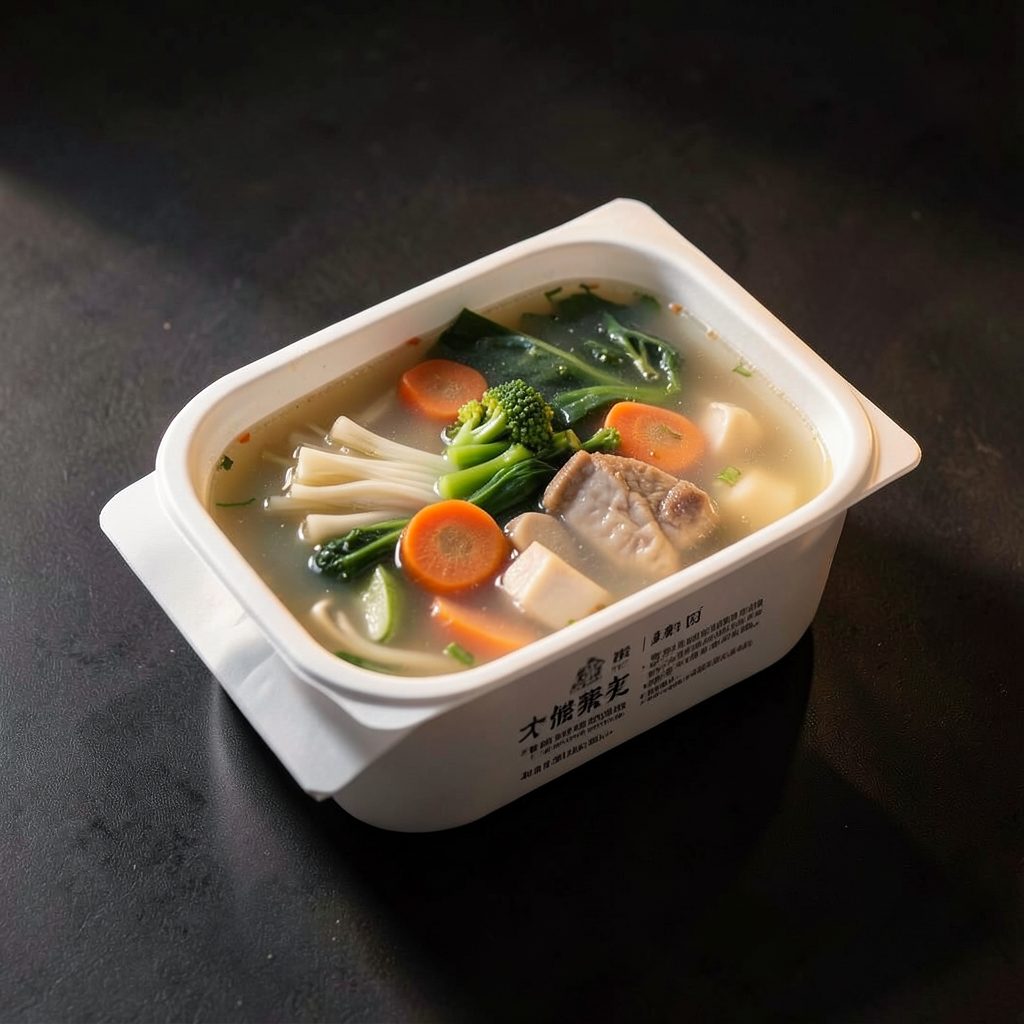
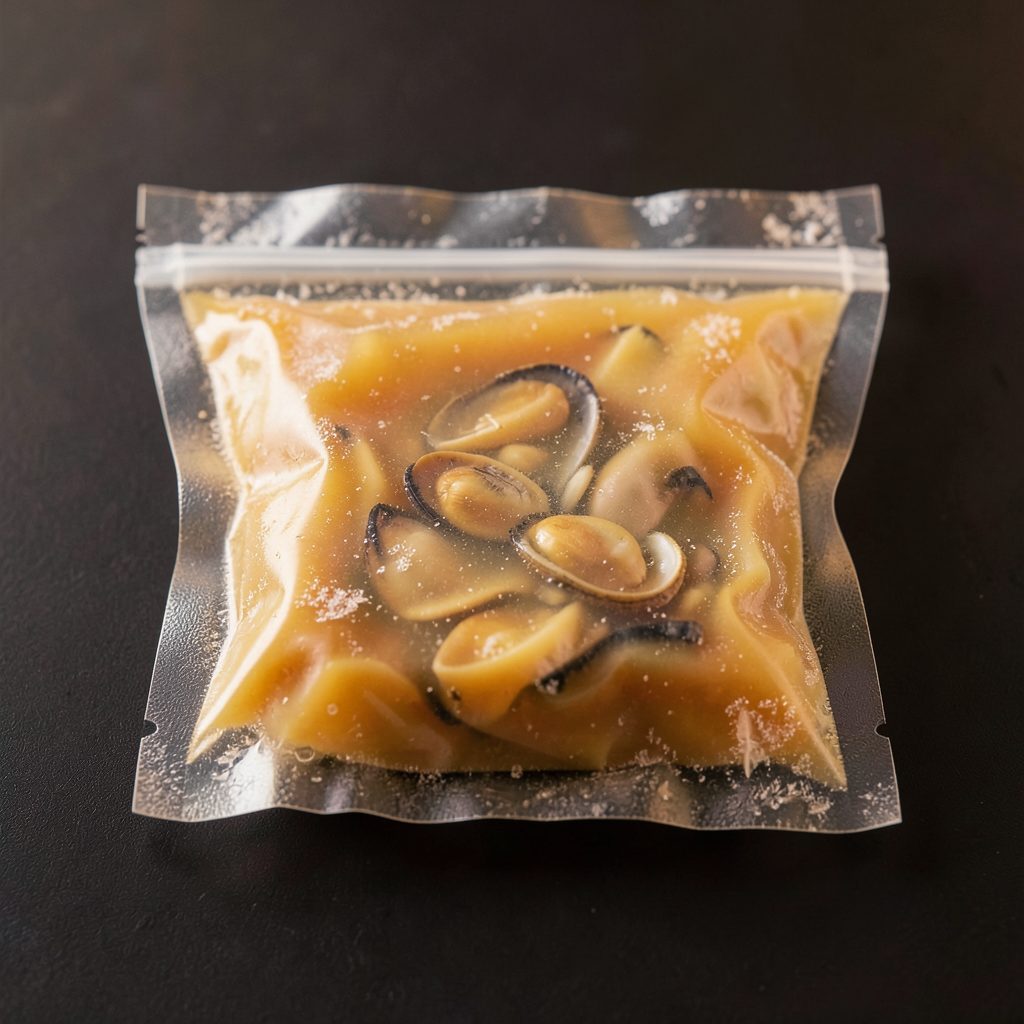
MoneyCome Mart makes the savory part convenient with frozen soup bases, clam broths, sauces, noodles, and prepared ingredients delivered through a cold-chain service. Once the hot pot is finished, a few carefully chosen fruits can turn a simple dessert into a balanced ending.
Build balance after a rich broth
The best fruit pairing depends on the character of the soup served earlier. A creamy chicken or pork broth benefits from fruit with refreshing acidity, while a spicy or mala-style soup calls for cooling, juicy produce. If the broth included seafood, a clean fruit dessert can preserve the delicate flavors instead of competing with them.
Mango and pineapple are particularly effective after a rich meal because their natural acidity keeps sweetness lively. Watermelon offers hydration and a crisp finish, while pomelo and orange add fragrant bitterness. When the hot pot included sesame-based dipping sauce, a bright fruit topping can also keep the final course from becoming overly dense.
Match fruit to dessert texture
Mango sago is soft, creamy, and lightly chewy, so it pairs well with fruits that provide contrast. Add diced dragon fruit, pineapple, or pomelo to create small bursts of freshness in every spoonful. Ripe mango remains the central flavor, while the additional fruit prevents the coconut or evaporated milk from feeling too rich.
Silken almond tofu and grass jelly need fruit with strong aroma and clear juiciness. Lychee, longan, strawberries, and citrus segments work well because they add fragrance without requiring a heavy syrup. For red bean soup or black sesame soup, use a smaller amount of fruit, such as sliced banana, orange, or pear, to soften the earthy depth without masking it.
Follow Taiwan’s fruit calendar
Seasonal produce usually tastes sweeter and more fragrant, which means the dessert needs less added sugar. In spring, strawberries and loquats bring a tart edge to chilled tofu desserts. Early summer is ideal for mango, watermelon, and pineapple, while late summer offers peaches, grapes, and passion fruit for spoon desserts and shaved ice.
Autumn citrus, guava, pear, and persimmon can accompany warm sweet soups, especially when the fruit is sliced thinly rather than cooked. Winter strawberries, pomelo, and imported citrus bring color and acidity to a hot pot gathering when local summer fruit is less available.
| Fruit | Cantonese dessert pairing | Flavor contribution | Best serving style |
|---|---|---|---|
| Mango | Mango sago or coconut pudding | Rich sweetness and tropical aroma | Diced and chilled |
| Pineapple | Grass jelly or sweet rice balls | Acidity and juicy texture | Fresh chunks |
| Pomelo | Mango sago or almond tofu | Clean bitterness and fragrance | Segmented by hand |
| Strawberry | Almond tofu or red bean soup | Tartness and bright color | Halved or sliced |
| Watermelon | Herbal jelly or chilled soup | Cooling moisture | Small cubes |
| Mandarin orange | Black sesame soup or pear dessert | Citrus lift and gentle sweetness | Peeled segments |
The fruit should be ripe but firm enough to hold its shape. Cut it shortly before serving, especially in Taiwan’s warm and humid weather, and keep it chilled until the hot pot dishes have been cleared.
Balance sweet and savory flavors
Fruit can also reflect the flavors used during the meal. A lightly salted coconut cream over mango or pineapple echoes the sweet-salty contrast found in many Cantonese desserts. A small pinch of sea salt can sharpen watermelon, while lime juice gives mango, guava, and strawberries a more vivid finish.
Sesame is a natural bridge between the savory hot pot and the dessert course. A drizzle of black sesame paste over almond tofu or a sprinkle of toasted sesame on sweet rice balls adds nutty depth; this sesame sauce guide explains how the ingredient contributes aroma and body to Cantonese dipping sauces. Keep the portion modest when pairing it with fruit so the topping does not overwhelm delicate flavors.
Serve fruit in an easy final course
For a relaxed home meal, prepare one dessert base and two or three fruit toppings rather than making several complicated dishes. A chilled bowl of mango sago can be served with pineapple and pomelo on the side, allowing guests to create their preferred combination. This works especially well for family meals and gatherings where people finish the hot pot at different times.
Warm desserts can follow the same principle. Serve black sesame soup or red bean soup in small bowls, then offer sliced banana, mandarin segments, or pear separately. The fruit stays fresh and crisp, while each guest can decide how much sweetness and texture to add.
Choose ingredients for convenient hosting
A successful dessert course begins with sensible portions. After hot pot, 100 to 150 grams of fruit per person is usually enough when it accompanies a sweet soup, pudding, or jelly. For a fruit-forward dessert, use two contrasting varieties: one creamy or fragrant fruit and one acidic or crisp fruit.
- Pair rich mango with tart pineapple or pomelo.
- Serve watermelon and citrus with lighter jellies or herbal desserts.
- Use strawberries, grapes, or pear with almond tofu for a clean finish.
- Keep black sesame and red bean desserts in small portions, with fruit served separately.
- Chill cut fruit, bowls, and serving spoons before the meal begins.
With cold-chain hot pot ingredients from MoneyCome Mart and fruit selected at its seasonal peak, a Cantonese-style home gathering can move smoothly from steaming broth to a fresh, well-balanced dessert. Browse the store’s soup bases, sauces, noodles, and prepared favorites, then plan the fruit course around the flavors your guests will enjoy.
Best Sellers
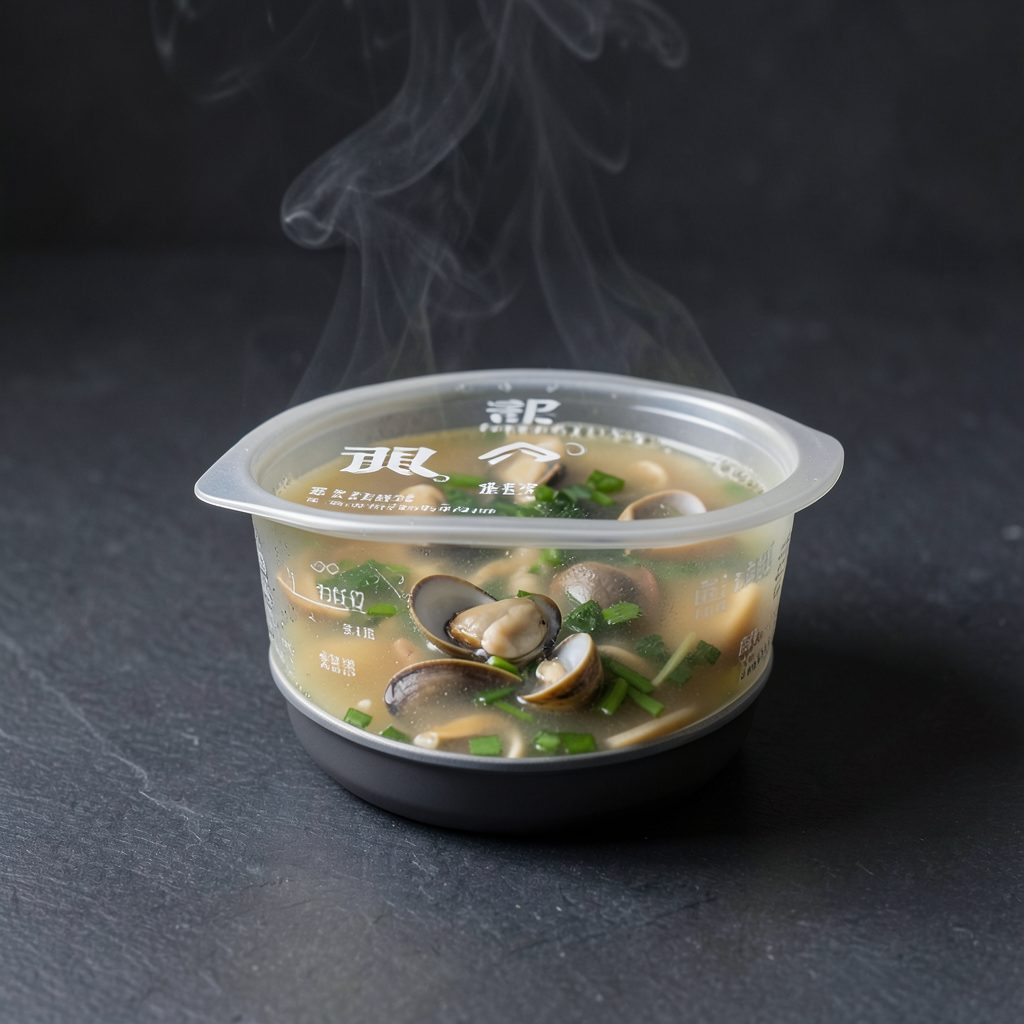
蛤?! Clam Soup Base —卜卜蜆
NT$ —
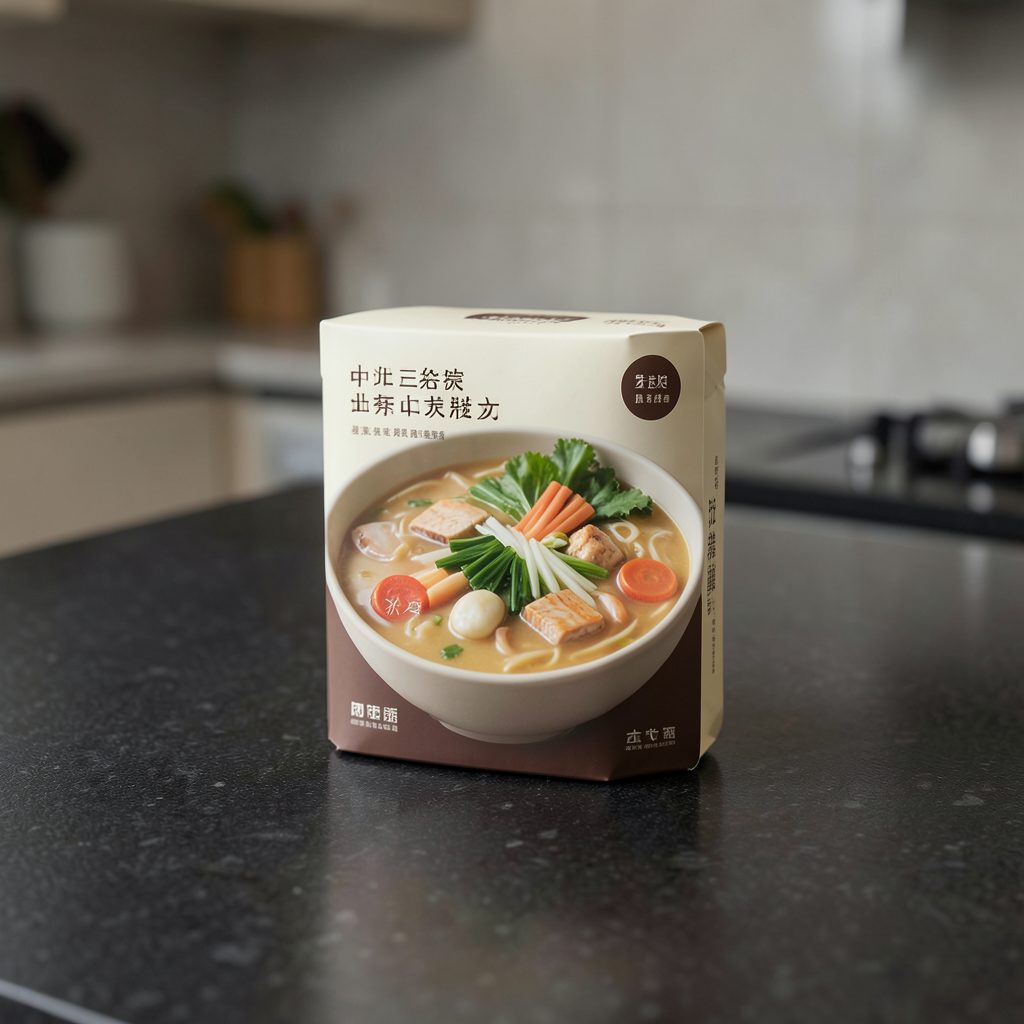
本事滿足鍋物 Personal Pot Base
NT$ —
蛤?! Dry Noodles
NT$ —
Signature Sauce
NT$ —
New Arrivals
蛤?! Golden Clam Broth — New Batch
NT$ —
Radish Cake —蘿蔔糕精神
NT$ —
Duo Soup Base Set
NT$ —
Hot Pot Essentials Bundle
NT$ —
About 蛤?! Huh Pot
蛤?! Huh Pot is a Cantonese-style hot pot brand known for its signature clam-based broth —卜卜蜆 — made with rich old-hen stock and generous portions of fresh clams. The brand also encompasses 本事滿足鍋物, a personal hot pot concept, bringing the same depth of flavor to individual servings.
Through MoneyCome Mart, these restaurant-quality soup bases, dry noodles, radish cakes, and signature sauces are available for home delivery across Taiwan. Restaurant locations in Taipei's Da'an District, Civic Boulevard, and Taichung's Gongyi Road also welcome guests for dine-in, with online reservations available.