Why frozen broth can keep its restaurant flavour
A well-made hot pot broth is a carefully balanced liquid, not simply stock poured into a container. Its depth comes from the timing of roasting, simmering, seasoning and straining, with each step shaping the final aroma and mouthfeel. Freezing then works as a pause button, preserving much of that carefully developed character until the broth reaches your kitchen.
For Australian home cooks, this makes Cantonese-style hot pot far easier to enjoy in Sydney, Melbourne, Brisbane or regional areas where a restaurant-quality meal may otherwise require a special trip. A frozen soup base from MoneyCome Mart can become the centre of a relaxed weekend meal, a Lunar New Year gathering or a quick dinner when the weather turns cool.
The same principles apply beyond hot pot. A rich base can support noodles, seafood, vegetables and dumplings, or become the foundation for a one-pot meal. This one-pot stew guide shows how a soup base can move comfortably from traditional hot pot into everyday cooking.
Flavour begins before freezing
Restaurant-style broth gains complexity through layered extraction. Aromatics such as ginger, spring onion, garlic, dried seafood, mushrooms and spices release different compounds at different temperatures. Some dissolve readily in water, while others need heat and time before their savoury, sweet or earthy notes emerge.
Professional kitchens also manage concentration carefully. A long simmer draws gelatin, soluble proteins and natural umami from selected ingredients, while skimming and filtering remove harsh flavours and excess particles. The result is a broth with clarity and body rather than a flat salty taste.
Freezing preserves the finished balance
Freezing slows the chemical reactions that gradually dull aroma and freshness. Once the broth is chilled quickly, its flavour profile remains largely stable during storage. Rapid freezing also produces smaller ice crystals, which cause less disruption to the liquid’s structure than slow freezing would.
This matters for a broth containing oils, proteins and aromatic compounds. Gentle handling helps these components remain integrated, so the liquid can return to a smooth consistency after thawing and heating. Cold-chain transport is essential here: keeping the product properly frozen from production to delivery protects the quality the kitchen created.
Why texture still feels rich after thawing
Mouthfeel is a major part of perceived flavour. A broth with natural gelatin and emulsified fats feels rounded and satisfying, carrying seasoning across the palate. If those elements separate dramatically, the broth can seem thin even when its aroma remains strong.
A frozen Cantonese soup base is designed to be reheated rather than boiled aggressively for a long period. Gentle thawing in the refrigerator, followed by steady heating in a saucepan or hot pot, helps the emulsion come together. A light stir is often enough to redistribute the richer components without damaging delicate aromatics.
Aromatics, aroma and the serving moment
Much of what people call flavour is actually aroma detected through the nose. Hot steam lifts volatile compounds from the broth, which is why a pot can smell inviting before the first ingredient is added. Ginger, dried citrus peel, chilli, pepper and roasted alliums become especially expressive as the liquid warms.
This is also why serving temperature matters. A broth that is hot enough to release fragrance but not violently boiling gives seafood, leafy greens and noodles room to contribute their own aromas. The science is similar to the way tea develops its character; this tea flavour science explains how extraction and aromatic compounds shape a drink’s overall profile.
Making the most of a frozen soup base
At home, start with a clean pot and allow the base to thaw safely in the fridge if time permits. Add water only as needed, since extra dilution can soften the intended balance. Taste after the broth is hot, then adjust with vegetables, noodles or a small amount of seasoning rather than masking the original character.
Australian ingredients can fit naturally into the experience. Prawns from a local fishmonger, Tasmanian mushrooms, baby bok choy, corn or thinly sliced beef from a supermarket can all work well in the pot. For a Melbourne apartment dinner or a family table in Perth, the format is flexible: place the simmering broth in the centre, cook ingredients in small batches and let everyone eat while the aroma stays fresh.
MoneyCome Mart’s frozen bases, sauces, noodles and prepared foods are built around that convenience. Cold-chain storage protects the broth’s carefully developed flavour, while portion-friendly preparation makes restaurant-style Cantonese hot pot practical at home. The result is a meal that retains the depth of a professional kitchen without requiring hours of stock-making.
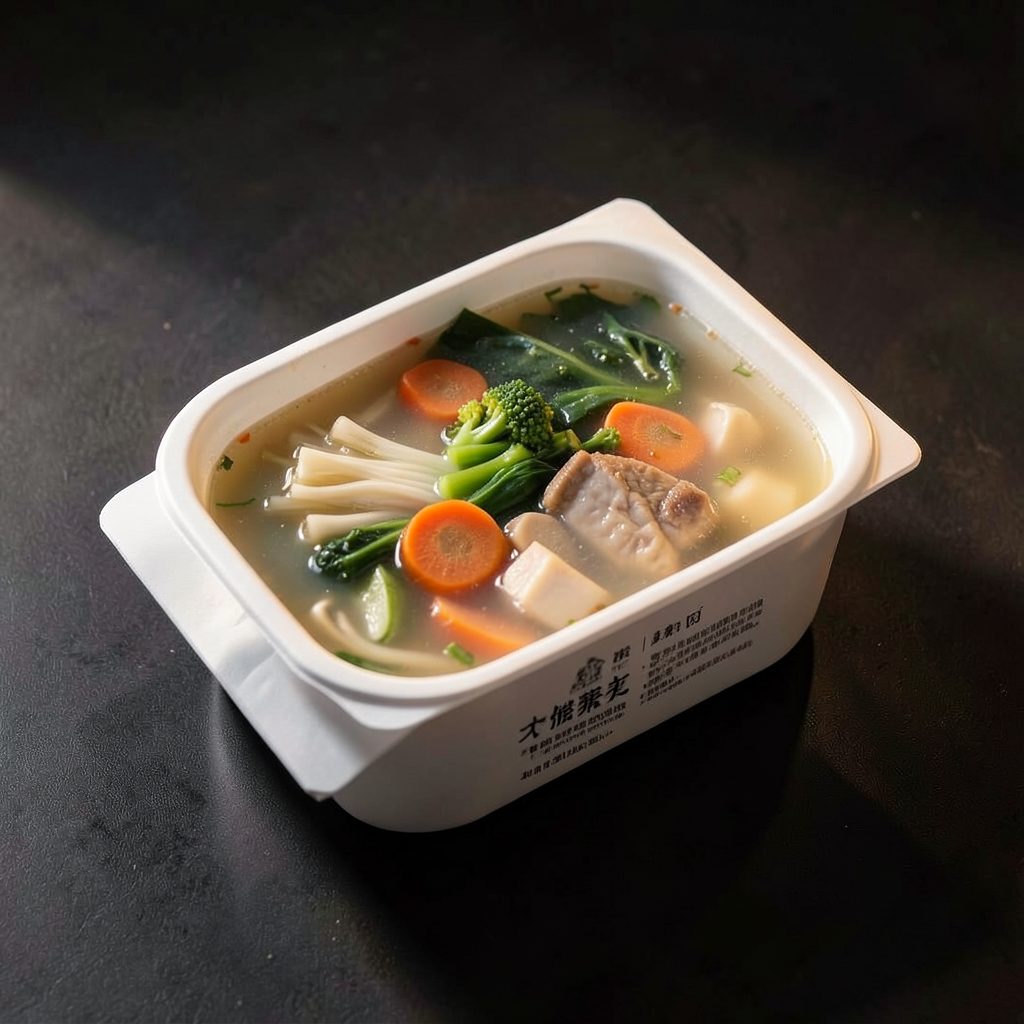
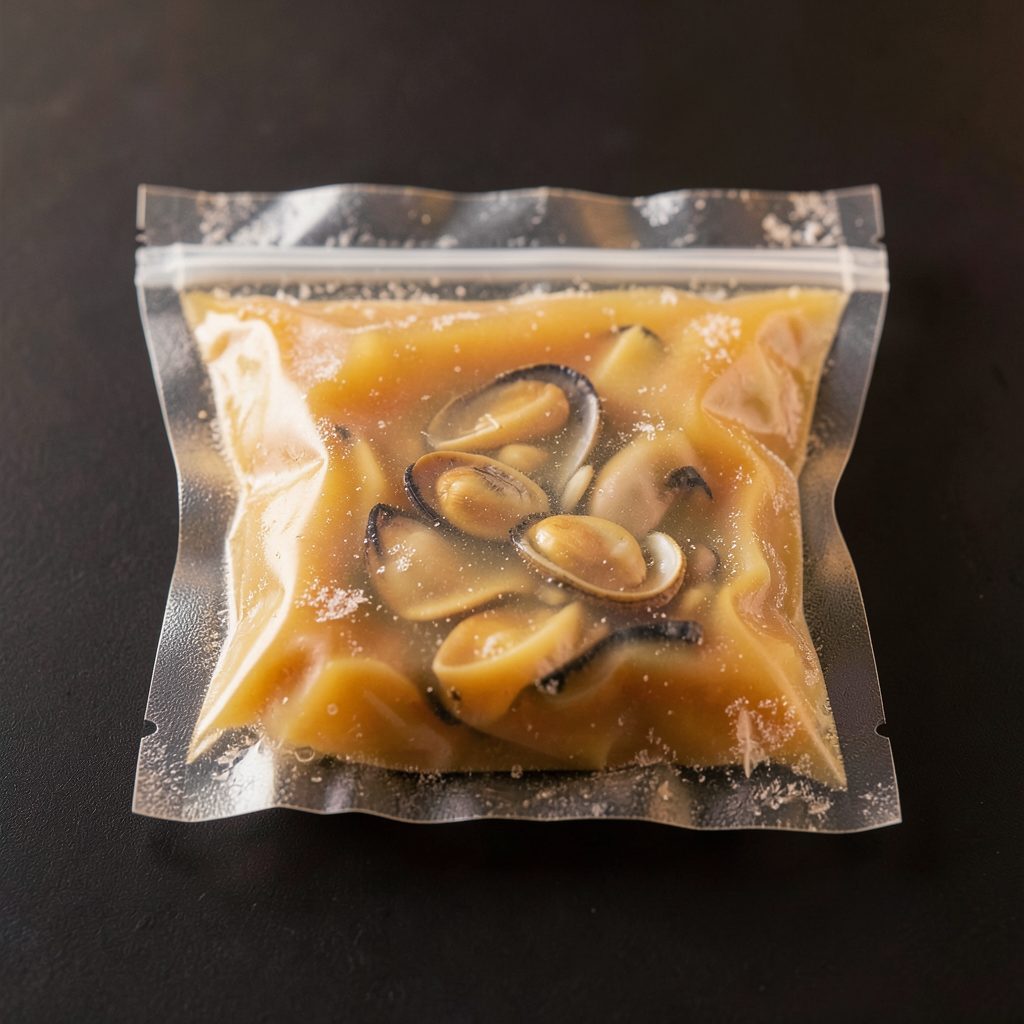
Best Sellers
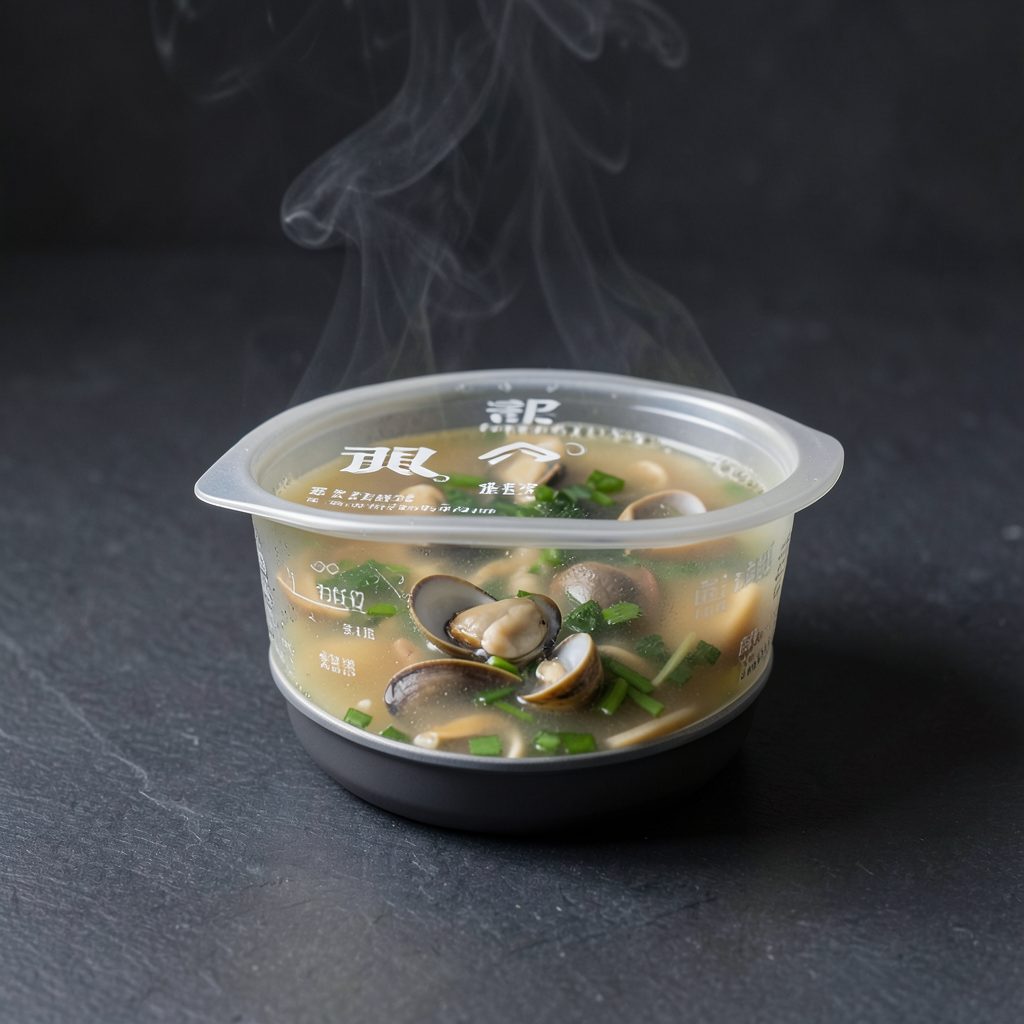
蛤?! Clam Soup Base —卜卜蜆
NT$ —
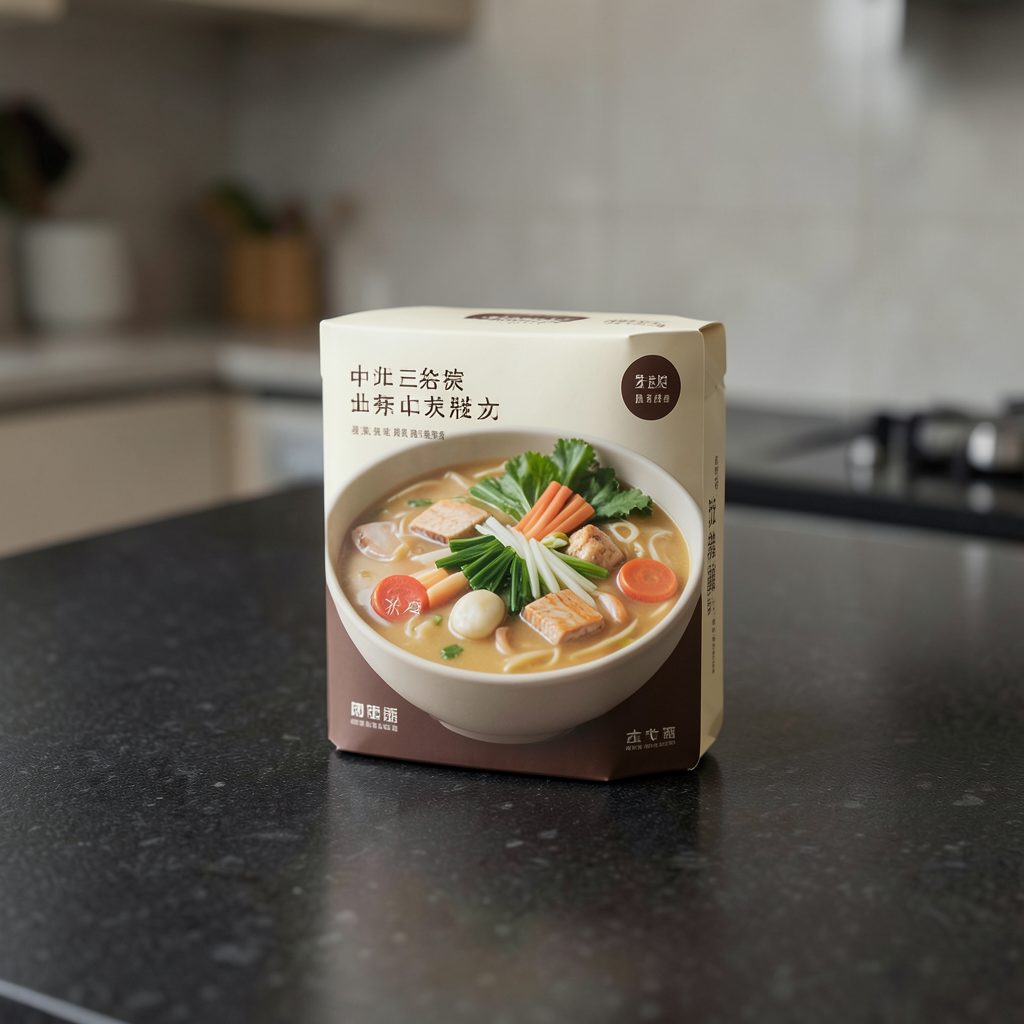
本事滿足鍋物 Personal Pot Base
NT$ —
蛤?! Dry Noodles
NT$ —
Signature Sauce
NT$ —
New Arrivals
蛤?! Golden Clam Broth — New Batch
NT$ —
Radish Cake —蘿蔔糕精神
NT$ —
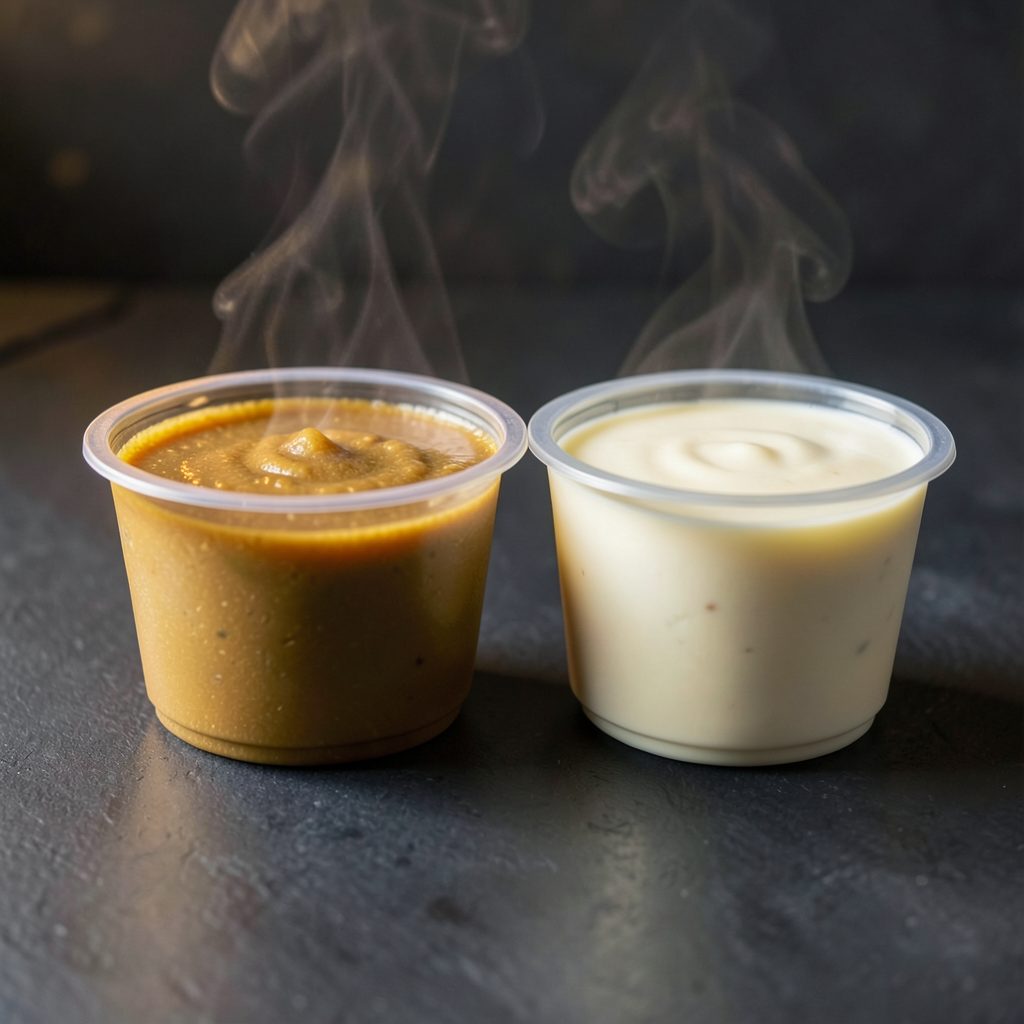
Duo Soup Base Set
NT$ —

Hot Pot Essentials Bundle
NT$ —
About 蛤?! Huh Pot
蛤?! Huh Pot is a Cantonese-style hot pot brand known for its signature clam-based broth —卜卜蜆 — made with rich old-hen stock and generous portions of fresh clams. The brand also encompasses 本事滿足鍋物, a personal hot pot concept, bringing the same depth of flavor to individual servings.
Through MoneyCome Mart, these restaurant-quality soup bases, dry noodles, radish cakes, and signature sauces are available for home delivery across Taiwan. Restaurant locations in Taipei's Da'an District, Civic Boulevard, and Taichung's Gongyi Road also welcome guests for dine-in, with online reservations available.