Turn frozen soup bases into comforting one-pot meals
A frozen soup base can do much more than anchor a traditional hot pot. With the right ingredients and a little control over heat, it becomes a ready-made cooking liquid for hearty stews, braises, noodle pots, and quick family dinners.
The rich seasoning found in Cantonese-style broths gives vegetables, meat, seafood, and tofu depth without requiring a long list of aromatics. It also makes home cooking easier: thaw the base, add fresh ingredients, and let one pot bring everything together.
The key is to treat the broth as the foundation of the dish rather than simply a dipping medium. Adjust its strength, choose ingredients that suit its flavor profile, and add delicate foods at the correct stage.
Start with the right soup base
Different frozen broths create different moods in a finished stew. A clam-based broth brings briny sweetness to seafood, tofu, cabbage, and rice cakes, while a richer soup base can support beef, mushrooms, daikon, and thicker noodles. Browse the selection of frozen soup bases to match the broth with the ingredients already in your kitchen.
Thaw the base in the refrigerator overnight when possible. For a faster method, place the sealed package in cool water and change the water periodically. Avoid heating a frozen block directly in a dry pot, since the outer layer may scorch before the center melts.
Build a balanced one-pot stew
Begin with sturdy ingredients that benefit from simmering. Daikon, napa cabbage, carrots, lotus root, shiitake mushrooms, potatoes, and firm tofu can go into the pot early. They absorb the broth while softening and help create a substantial meal without extra seasoning.
Add proteins according to their cooking time. Beef slices, pork belly, chicken thighs, fish balls, and dumplings can all work, but they should not necessarily enter together. Chicken and root vegetables need more time, while thin-sliced meat and seafood cook quickly and can become tough if added too soon.
Adjust the broth for a full meal
Soup bases are often concentrated or seasoned for use with a broad range of hot pot ingredients. When turning one into a stew, dilute it gradually with water or unsalted stock. Taste after the first additions, since vegetables release moisture and seafood can add its own saltiness.
A small amount of rice wine, grated ginger, garlic, white pepper, or toasted sesame oil can shift the flavor without covering the Cantonese character. Add soy sauce only after tasting. For a brighter finish, use chopped scallions, cilantro, or a few drops of citrus juice just before serving.
Match ingredients to cooking time
A useful sequence keeps the texture of every ingredient intact. Put the broth and long-cooking vegetables in first, then add proteins that need moderate simmering. Finish with leafy greens, noodles, tofu skin, seafood, and prepared dumplings during the last few minutes.
| Ingredient group | When to add | What it contributes |
|---|---|---|
| Daikon, carrots, potatoes | At the beginning | Sweetness and body |
| Mushrooms and firm tofu | Early to middle | Savory depth and texture |
| Chicken, pork, or meatballs | Middle stage | Richness and protein |
| Fish, prawns, clams, or thin beef | Near the end | Delicate flavor and tenderness |
| Leafy greens and noodles | Final minutes | Freshness and a complete meal |
Keep the pot at a gentle simmer rather than a rapid boil. A moderate temperature gives the broth time to season the ingredients while reducing the risk of broken tofu, cloudy soup, or overcooked seafood.
Try several stew formats
For a noodle stew, simmer mushrooms, greens, and sliced meat in the broth before adding noodles at the end. Wheat noodles, rice noodles, and udon each absorb seasoning differently, so reserve a little hot water if the liquid becomes too concentrated.
A rice cake or dumpling stew is another practical option. Add napa cabbage and mushrooms first, then place the rice cakes or dumplings into the simmering soup once the vegetables are nearly tender. Serve immediately when they become soft, since they continue absorbing liquid at the table.
You can also create a seafood vegetable pot with clams, prawns, squid, tofu, and leafy greens. Cover the pot briefly after adding shellfish so the steam helps them open. Discard any shells that remain closed after cooking.
Make preparation and storage simple
One-pot cooking works best when ingredients are washed, sliced, and arranged before the broth reaches the stove. Portioning vegetables and proteins into separate bowls prevents delicate foods from entering too soon and keeps cleanup manageable.
Because frozen products depend on consistent temperature control, check the store’s delivery information when planning an order. Once delivered, move soup bases into the freezer promptly and keep them sealed until needed. Thaw only the portion required for the meal.
Easy ways to improve the finished pot
- Add a handful of leafy greens at the end for color and freshness.
- Keep a small bowl of cooked rice nearby to absorb the remaining broth.
- Use unsalted stock or water when thinning the soup base.
- Finish with scallions, herbs, chili oil, or toasted sesame seeds.
- Cool leftovers promptly and refrigerate them in a shallow container.
Serve the broth as part of the meal
Bring the pot to the table while it is gently simmering, using a portable cooker if available. This keeps the soup hot and allows diners to add greens, noodles, or thinly sliced meat in small batches. It also turns an ordinary weeknight stew into a shared Cantonese-inspired meal.
For leftovers, strain the solids from the broth when practical and store them separately. Reheat the soup gently, then add fresh noodles or vegetables rather than boiling everything again. The broth can also become the base for congee, a quick noodle soup, or a second vegetable stew the next day.
Choose a MoneyCome Mart soup base, fill the pot with ingredients you enjoy, and make a warm Cantonese-style dinner with far less preparation. Order your preferred flavors and turn the next delivery into an easy, versatile meal for home.
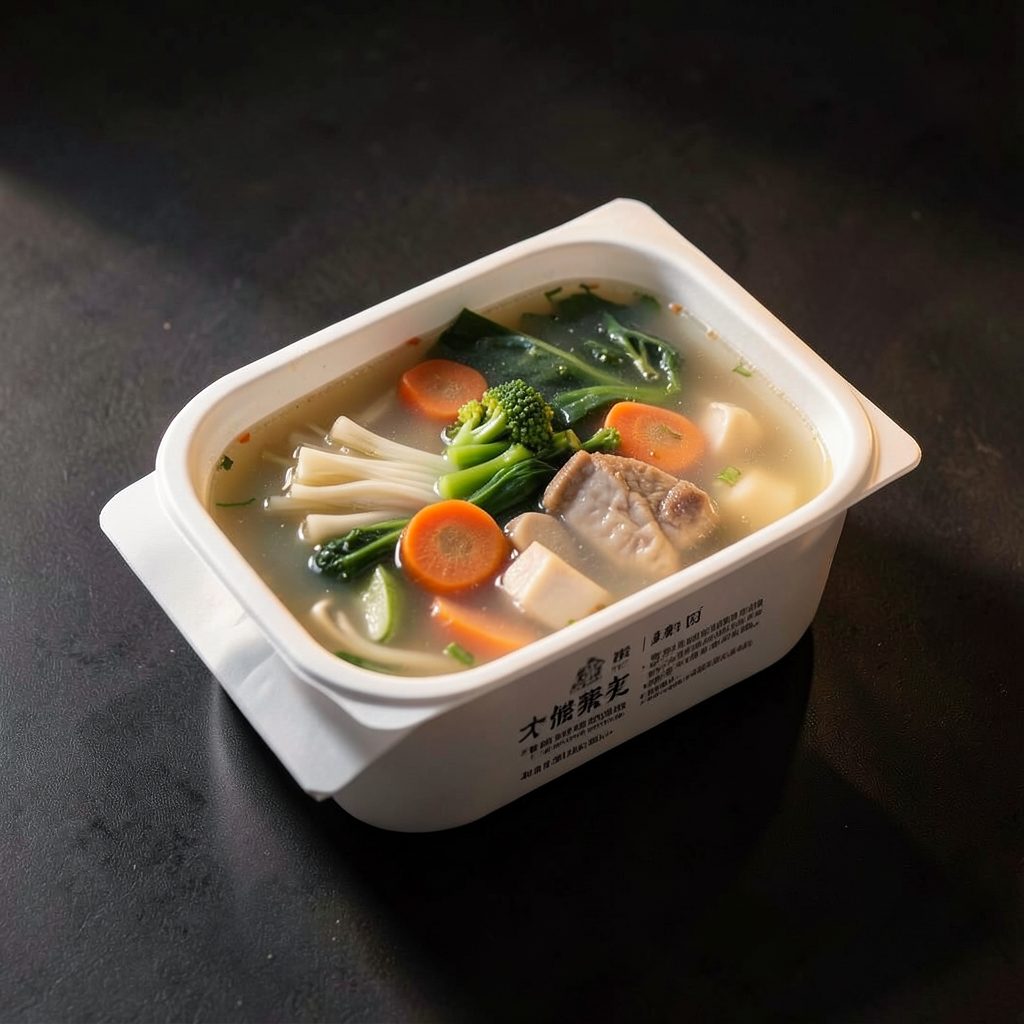
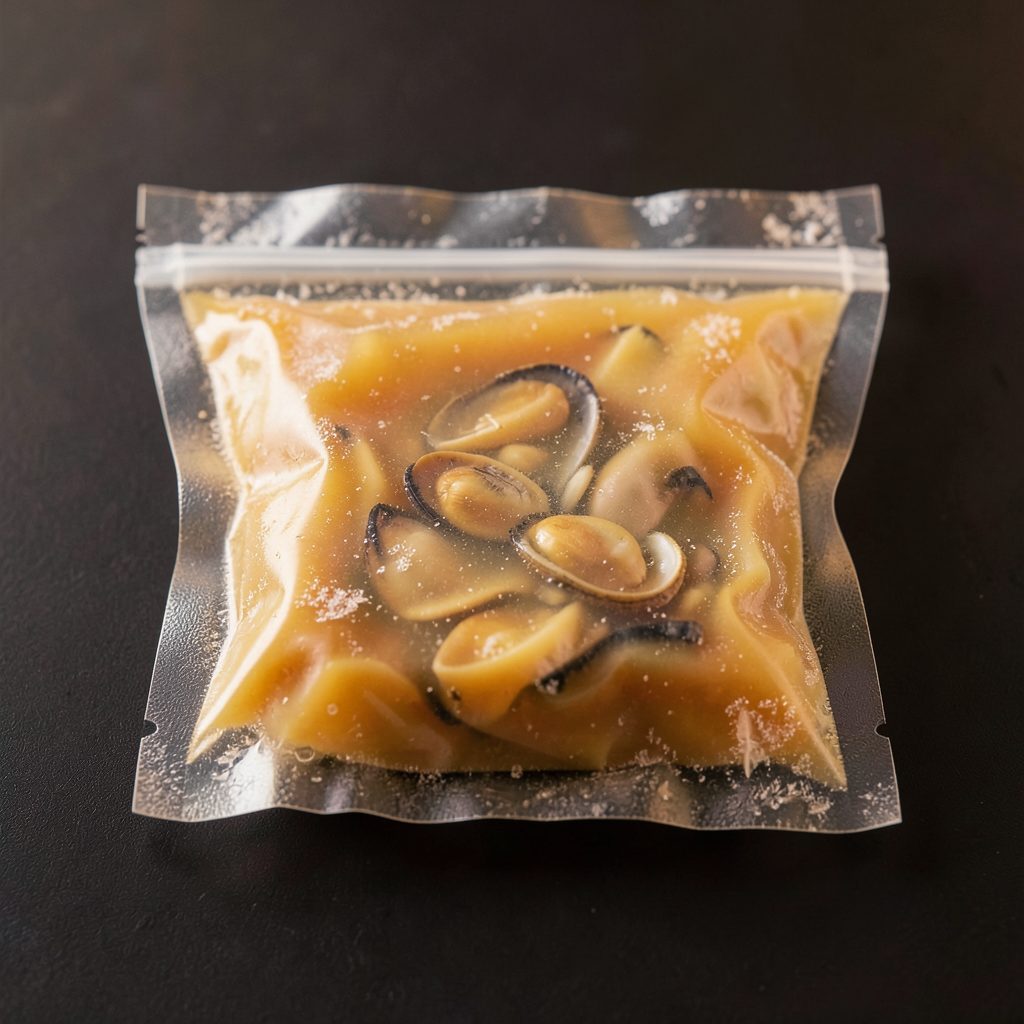
Best Sellers
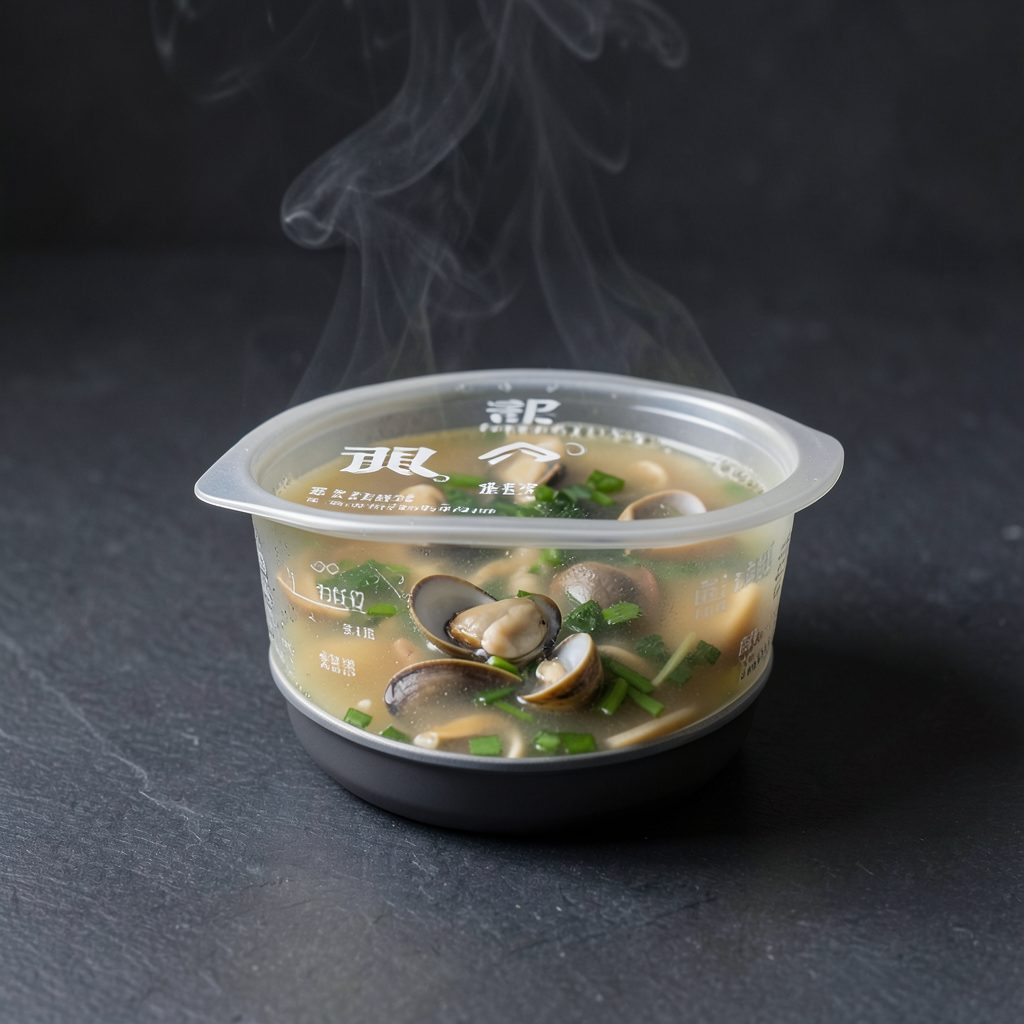
蛤?! Clam Soup Base —卜卜蜆
NT$ —
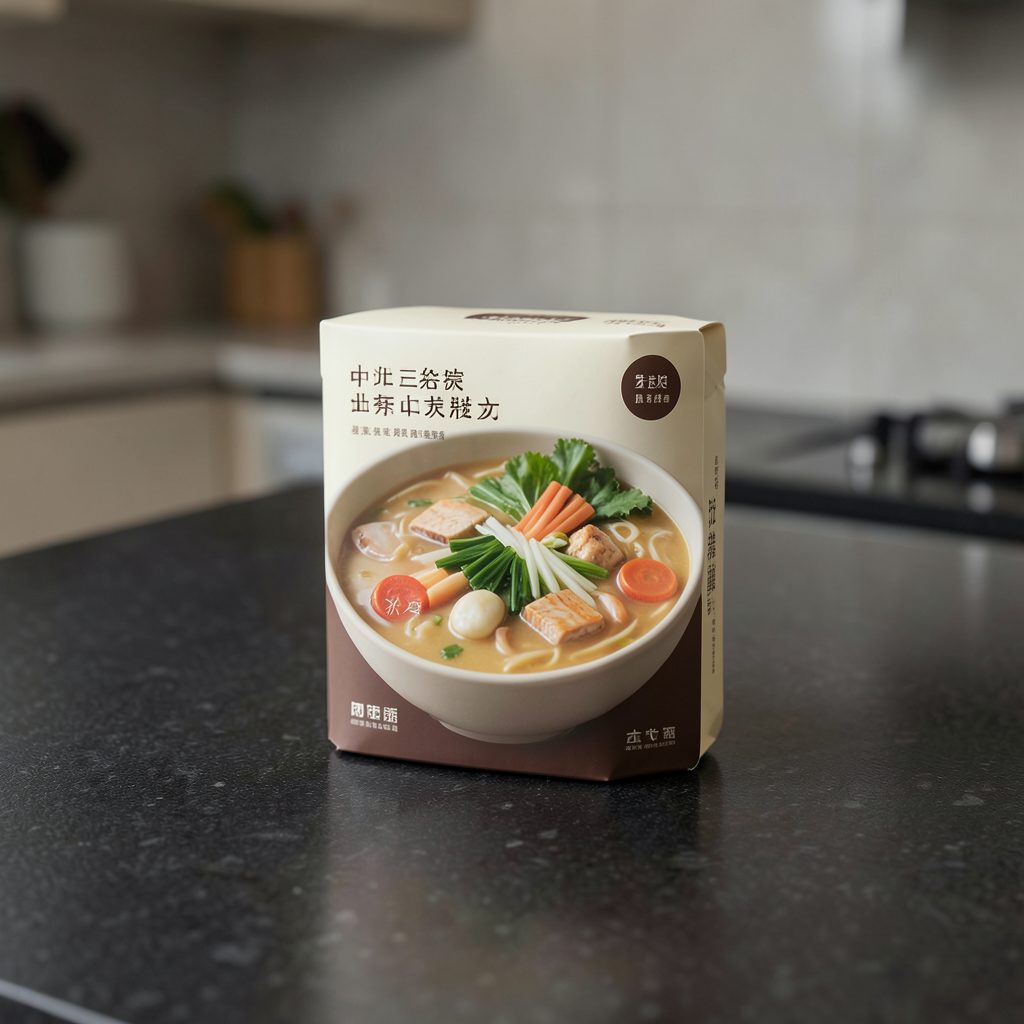
本事滿足鍋物 Personal Pot Base
NT$ —
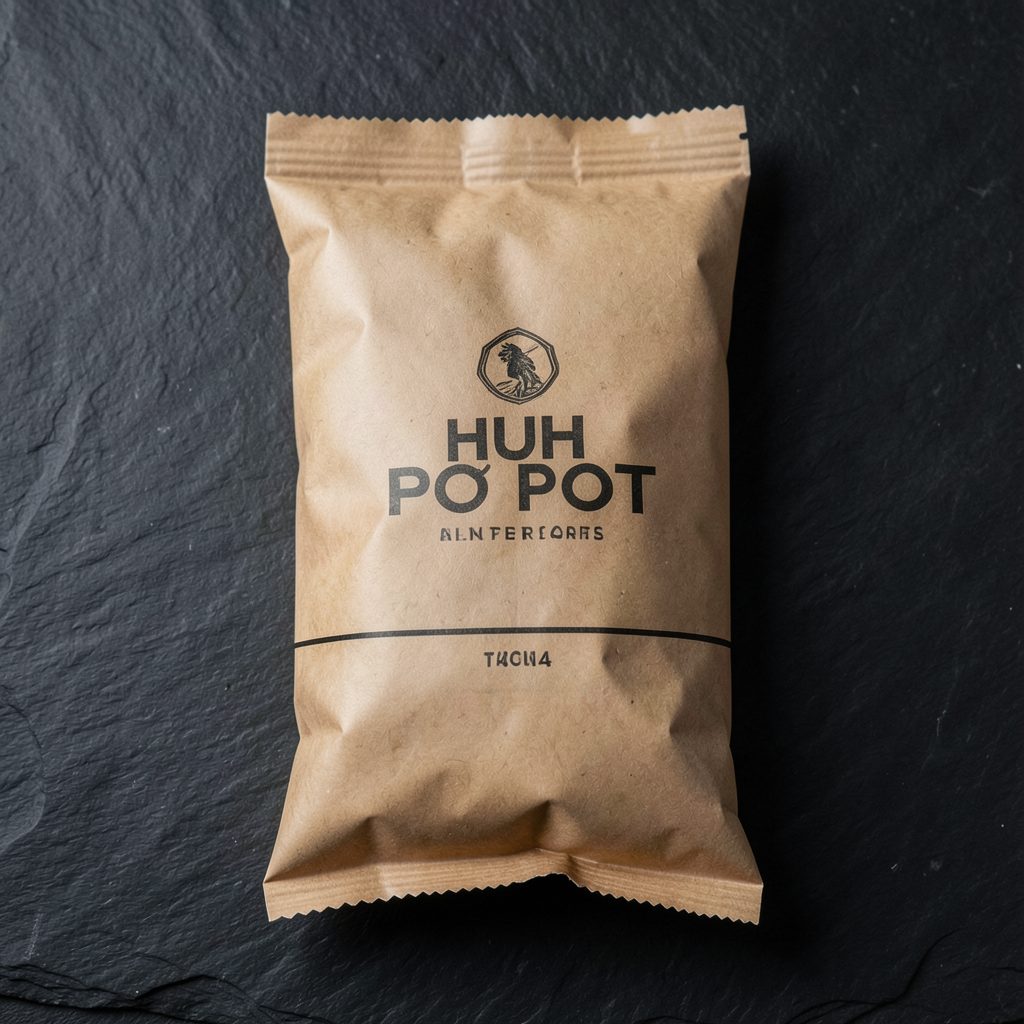
蛤?! Dry Noodles
NT$ —
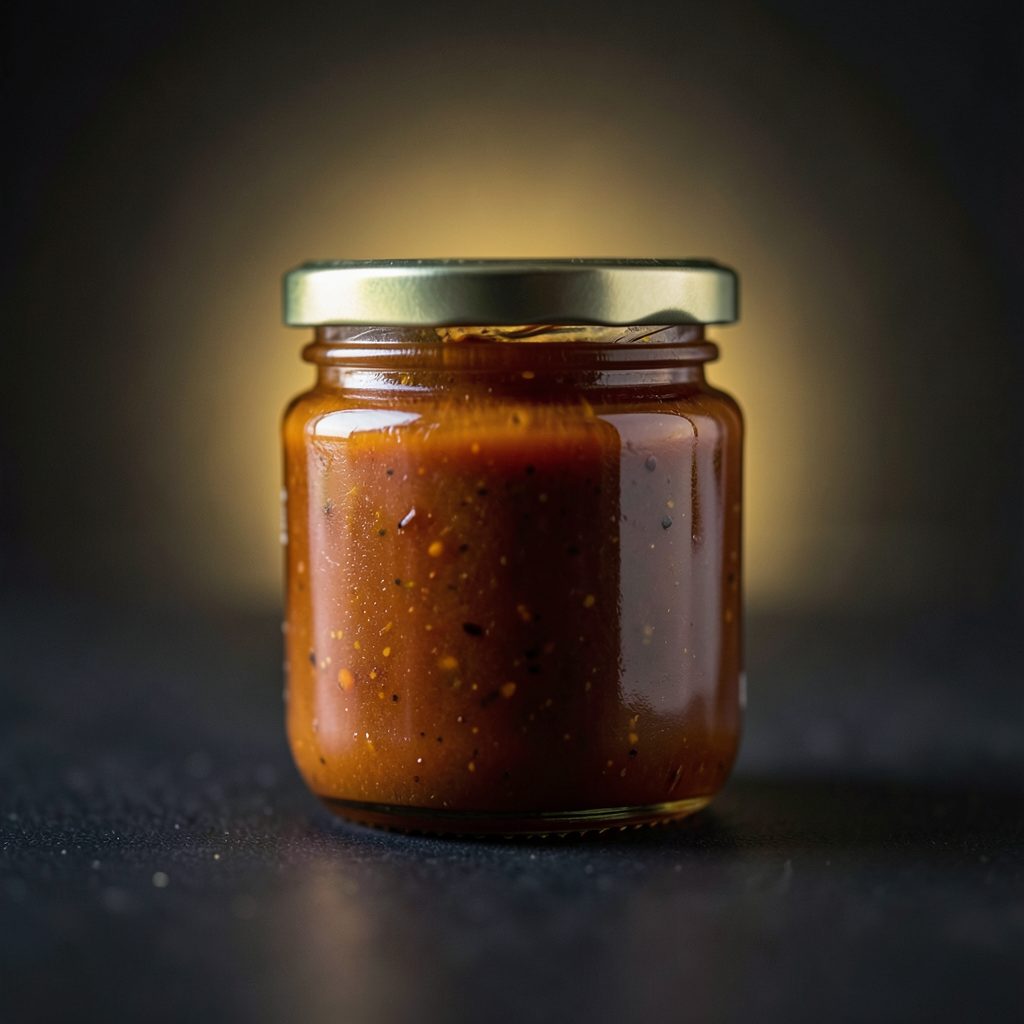
Signature Sauce
NT$ —
New Arrivals
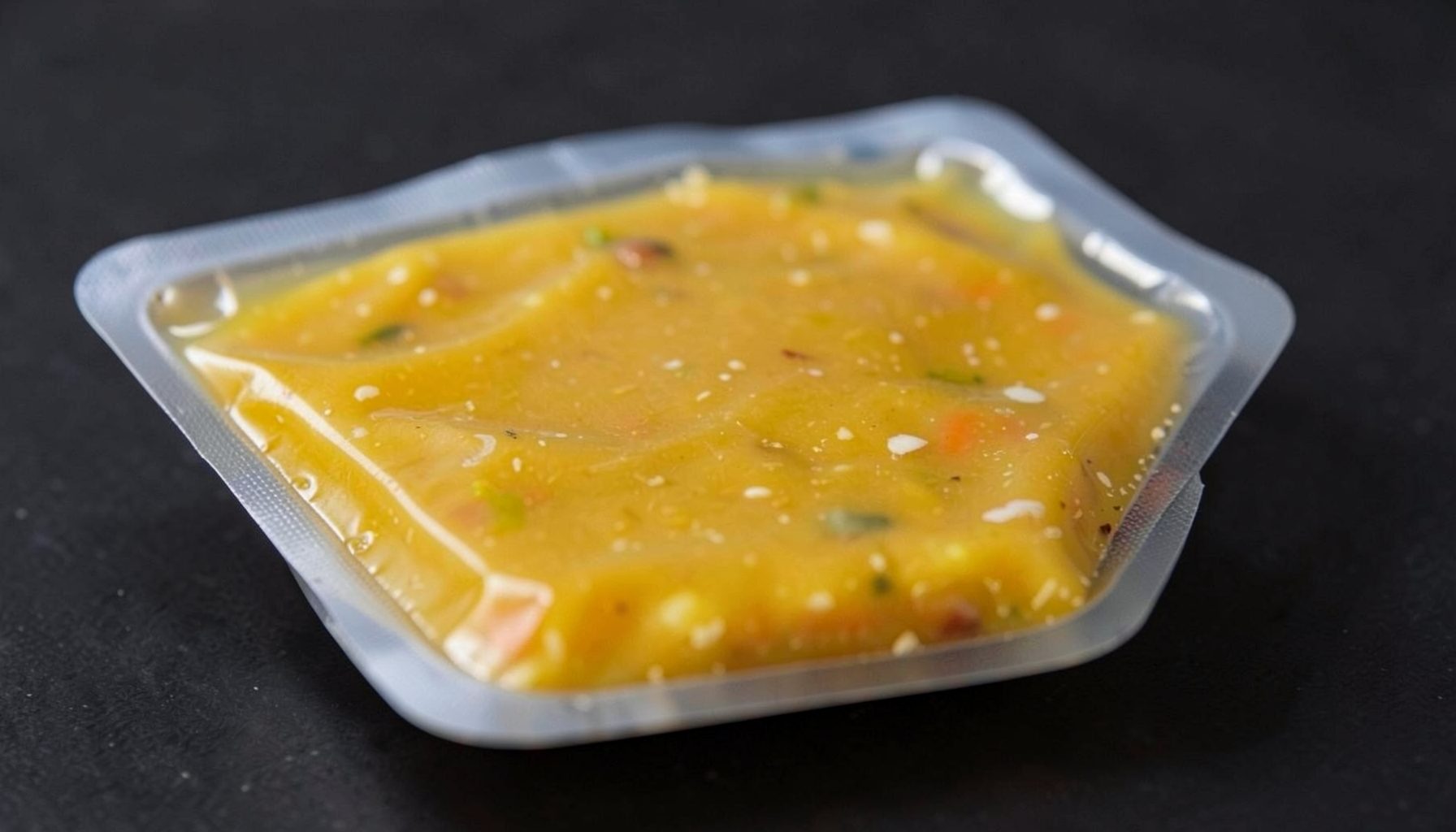
蛤?! Golden Clam Broth — New Batch
NT$ —
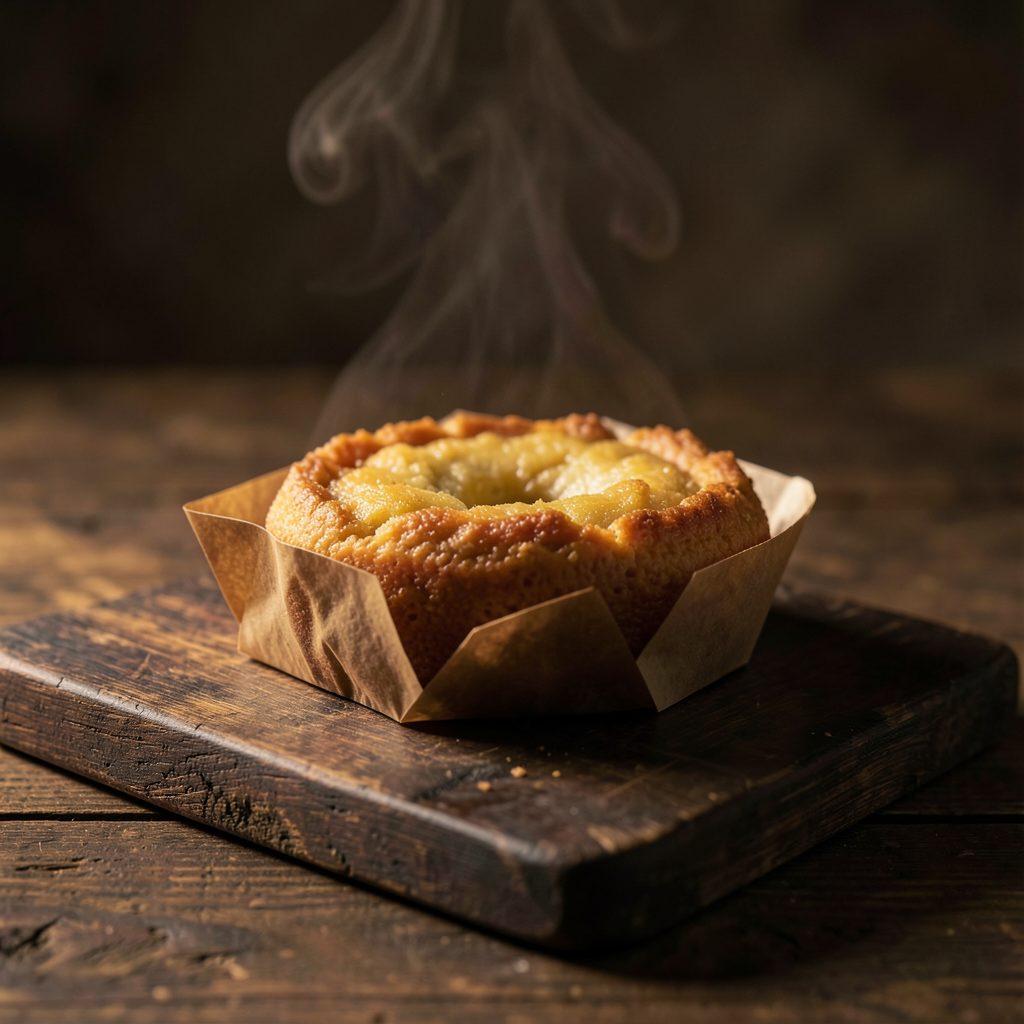
Radish Cake —蘿蔔糕精神
NT$ —
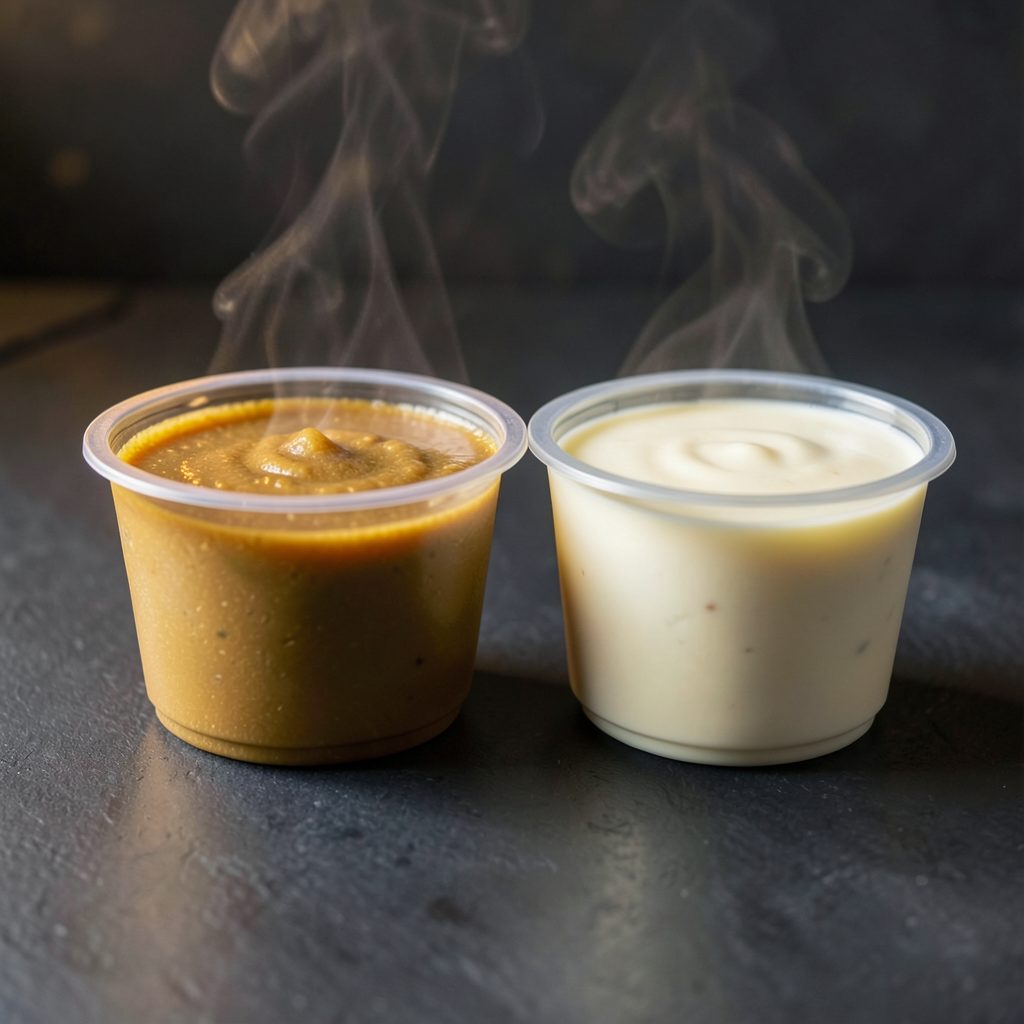
Duo Soup Base Set
NT$ —
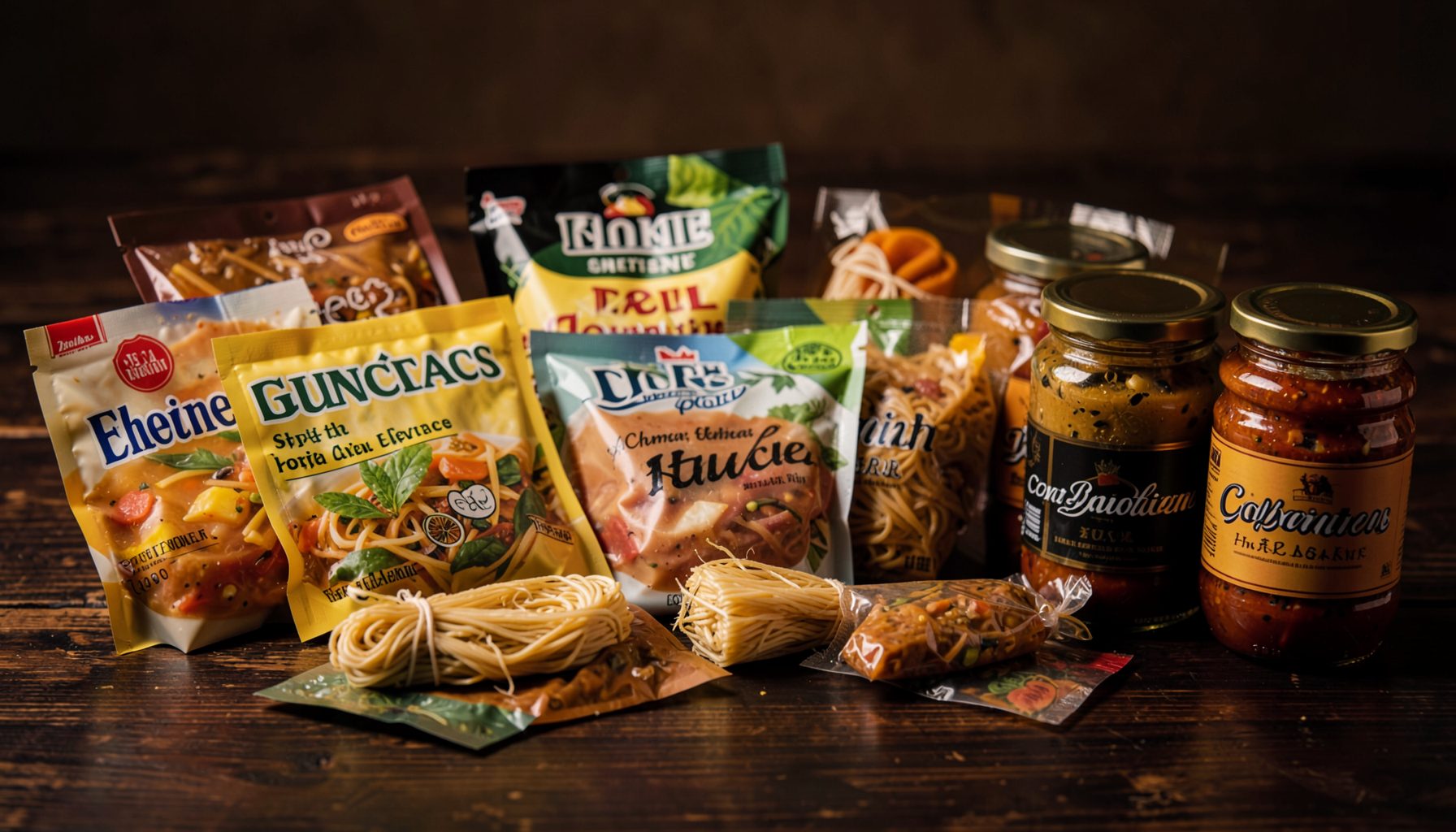
Hot Pot Essentials Bundle
NT$ —
About 蛤?! Huh Pot
蛤?! Huh Pot is a Cantonese-style hot pot brand known for its signature clam-based broth —卜卜蜆 — made with rich old-hen stock and generous portions of fresh clams. The brand also encompasses 本事滿足鍋物, a personal hot pot concept, bringing the same depth of flavor to individual servings.
Through MoneyCome Mart, these restaurant-quality soup bases, dry noodles, radish cakes, and signature sauces are available for home delivery across Taiwan. Restaurant locations in Taipei's Da'an District, Civic Boulevard, and Taichung's Gongyi Road also welcome guests for dine-in, with online reservations available.