The Ideal Cooking Order for a Mixed Meat and Vegetable Hot Pot
A mixed meat and vegetable hot pot is at its best when the broth stays clear, the vegetables keep some bite, and every slice of meat cooks quickly at the table. The order matters because different ingredients release different amounts of starch, fat and flavour into the soup. Learn more about Stimulyatory Tochki G Mify I Real Nost Guide.
This approach suits a Cantonese-style hot pot made at home, whether you are hosting friends in Melbourne, warming up during a Sydney winter, or putting together an easy Friday-night meal after work. MoneyCome Mart’s frozen soup bases, clam broths, sauces and prepared hot pot ingredients make the process convenient, especially when you want restaurant-style flavour without a long shopping trip.
Prepare The Ingredients Before Heating The Pot
Set out all ingredients before the burner is turned on. Arrange thinly sliced beef, pork or lamb on one plate, seafood on another, and vegetables in groups according to cooking time. Keep raw meat separate from ready-to-eat sauces, noodles and garnishes.
For an Australian kitchen, this is also a practical food-safety step. Keep perishables chilled until needed, particularly if the pot is being served outdoors or at a long table. An esky with ice packs can help during a backyard gathering, while smaller batches prevent food from sitting at room temperature.
Start With A Properly Prepared Broth
Pour the soup base into the pot with the recommended amount of water, then bring it to a gentle simmer. Avoid boiling aggressively from the beginning, since high heat can make a rich broth foam heavily or reduce too quickly. A clam broth, mushroom base or spicy Cantonese soup can each work well with a combination of meat and greens.
For frozen soup bases, plan ahead rather than thawing them on the bench. This guide to overnight soup-base thawing explains why refrigerator defrosting is the safer and more even method. Once the liquid is hot, taste it before adding salty sauces, as meat and seafood will intensify the broth.
Cook Hardy Vegetables First
Begin with ingredients that need time to soften and that can tolerate prolonged simmering. Add daikon, carrot, corn, pumpkin, lotus root, potato, taro and thick pieces of cabbage first. Mushrooms such as shiitake can also go in early, allowing their savoury flavour to infuse the soup.
Do not overcrowd the pot. A crowded surface drops the temperature and makes ingredients cook unevenly. Add a few pieces at a time, wait for the simmer to return, and move cooked food to individual bowls or shared serving plates.
Add Tofu, Dumplings And Cakes Next
Firm tofu, fried tofu puffs, fish balls, meatballs and dumplings generally belong after the hard vegetables. They need enough time to heat through, but they do not require the long cooking period of root vegetables. Tofu puffs are particularly good at absorbing the soup, so place them where guests can easily retrieve them.
Turnip cakes and other prepared savoury items should be handled gently. If they are already cooked, warm them through without leaving them in the pot for too long. They may break apart and cloud the broth, especially if the soup is stirred vigorously.
Cook Thin-Sliced Meat In Small Batches
Once the vegetables have softened and the broth is steadily simmering, cook thinly sliced meat. Swish beef, pork or lamb through the liquid with chopsticks or a small wire basket until just cooked. Thin slices usually need only seconds, so timing is more important than high heat.
This is the most social stage of the meal. In Australia, where “bring a plate” gatherings are common, label serving utensils clearly and provide separate chopsticks or tongs for raw meat. That simple arrangement keeps the shared meal relaxed while reducing cross-contamination.
Follow With Seafood And Quick-Cooking Greens
Add prawns, fish slices, squid, scallops and clams after the meat, or cook them in a separate section of the pot if the broth is divided. Seafood cooks quickly and can become rubbery when left simmering. Clams are ready when their shells open; discard any that remain closed after cooking.
Finish with leafy greens, bean sprouts, enoki mushrooms, bok choy and thinly sliced capsicum. These ingredients need only a short dip in the broth. When checking cooking advice online, distinguish tested kitchen guidance from sensational claims and questionable food myths, especially when a page offers confident statements without credible food-safety sources.
Finish With Noodles And Keep The Broth Balanced
Noodles should usually be the final major ingredient. Rice noodles, wheat noodles, udon and glass noodles absorb broth quickly, so adding them late prevents the soup from becoming overly starchy or thin. Cook only the amount guests are ready to eat, then lift it into bowls with broth and a few toppings.
Taste the soup again before the last round. Add a little soy sauce, sesame oil, chilli, garlic, spring onion or coriander according to preference, but make adjustments gradually. A hot pot should develop as ingredients are added, leaving enough clean, aromatic broth for the final noodles rather than turning salty or greasy halfway through the meal.
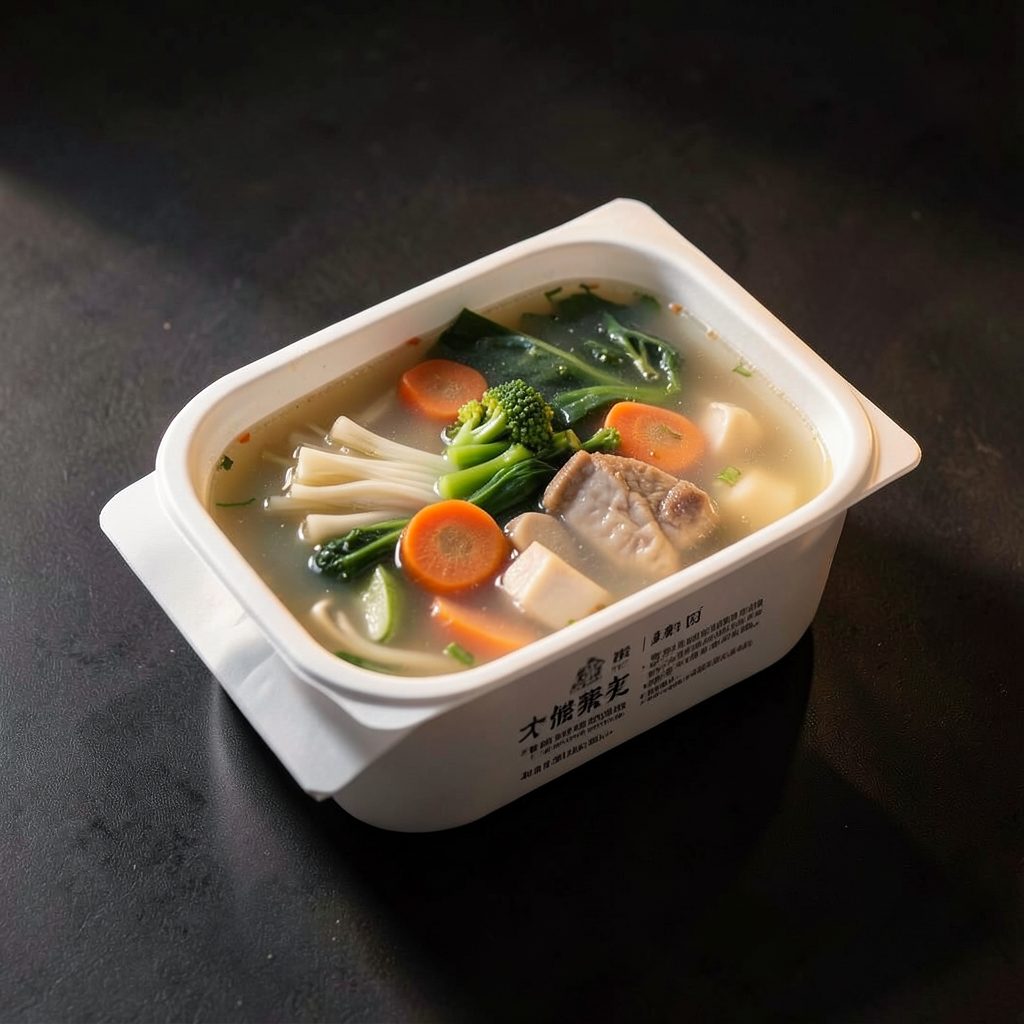
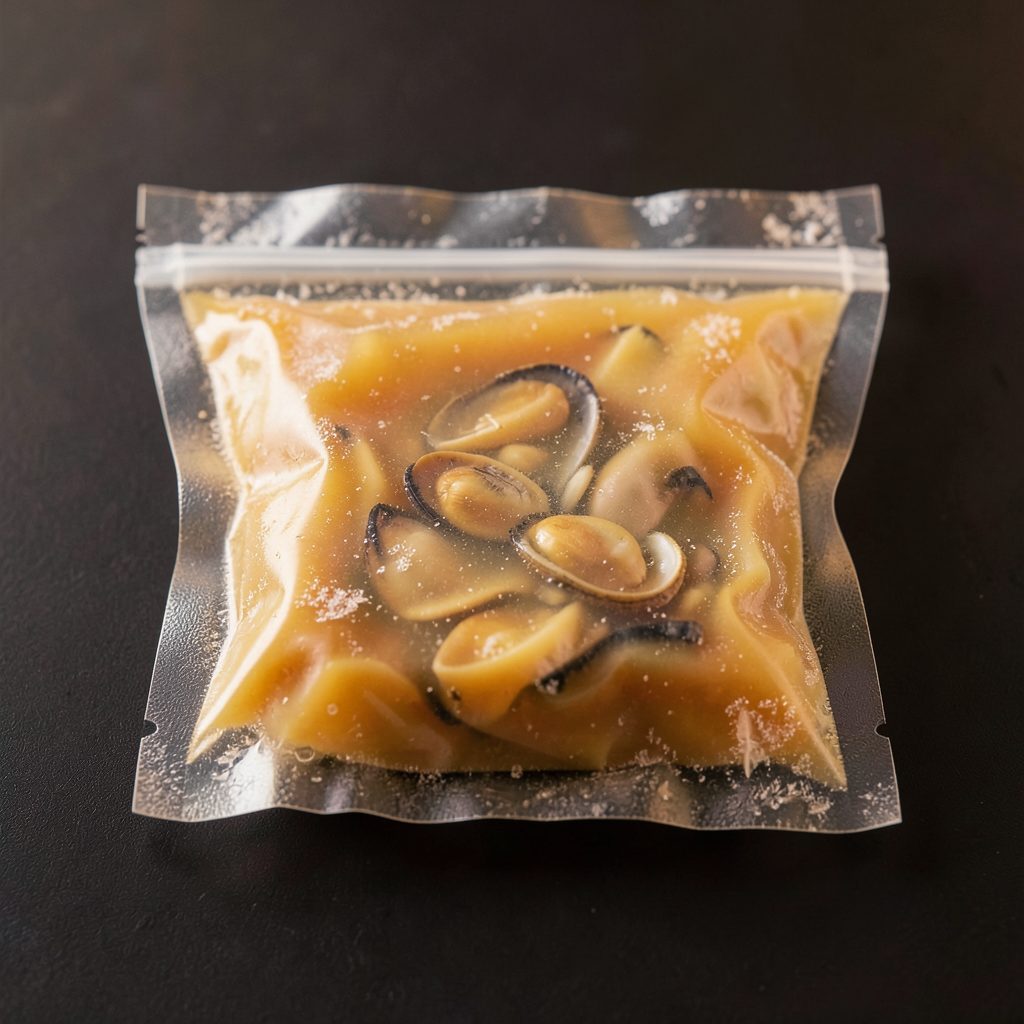
Best Sellers
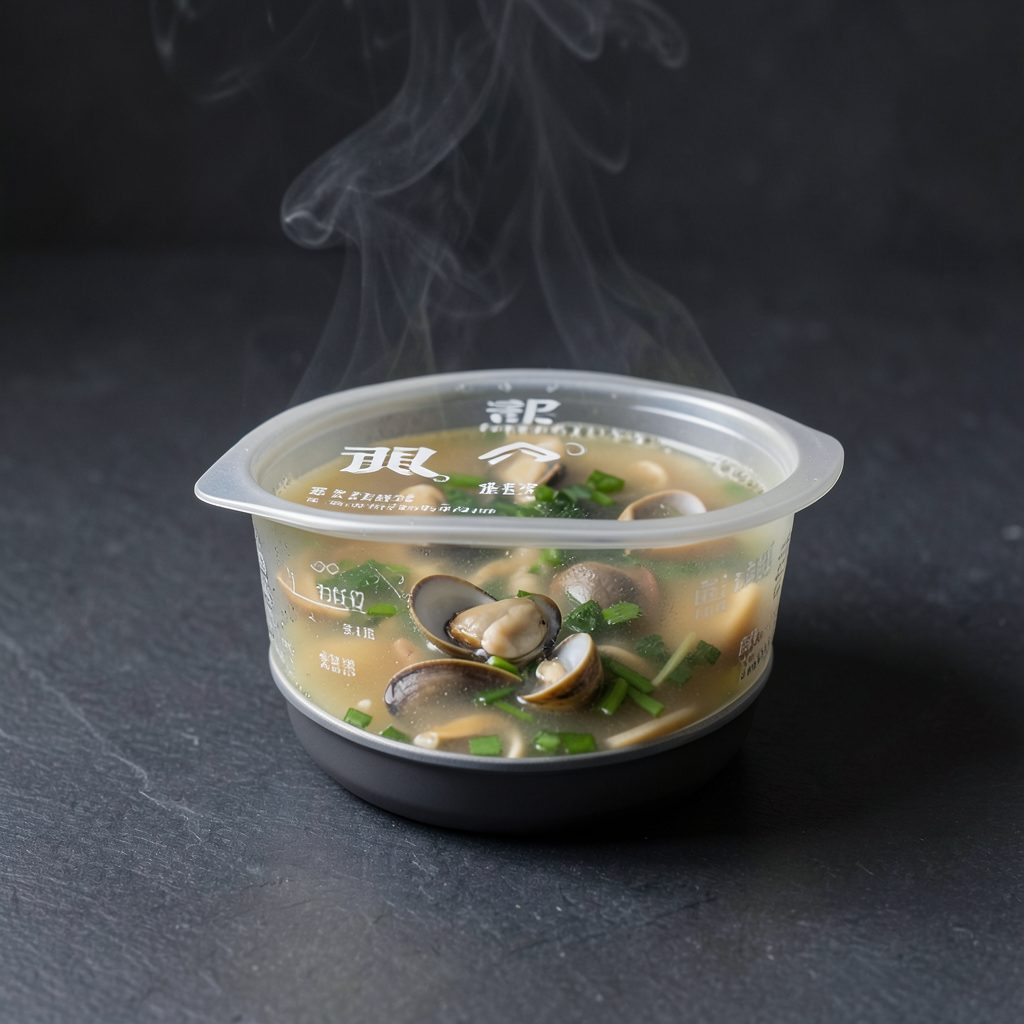
蛤?! Clam Soup Base —卜卜蜆
NT$ —
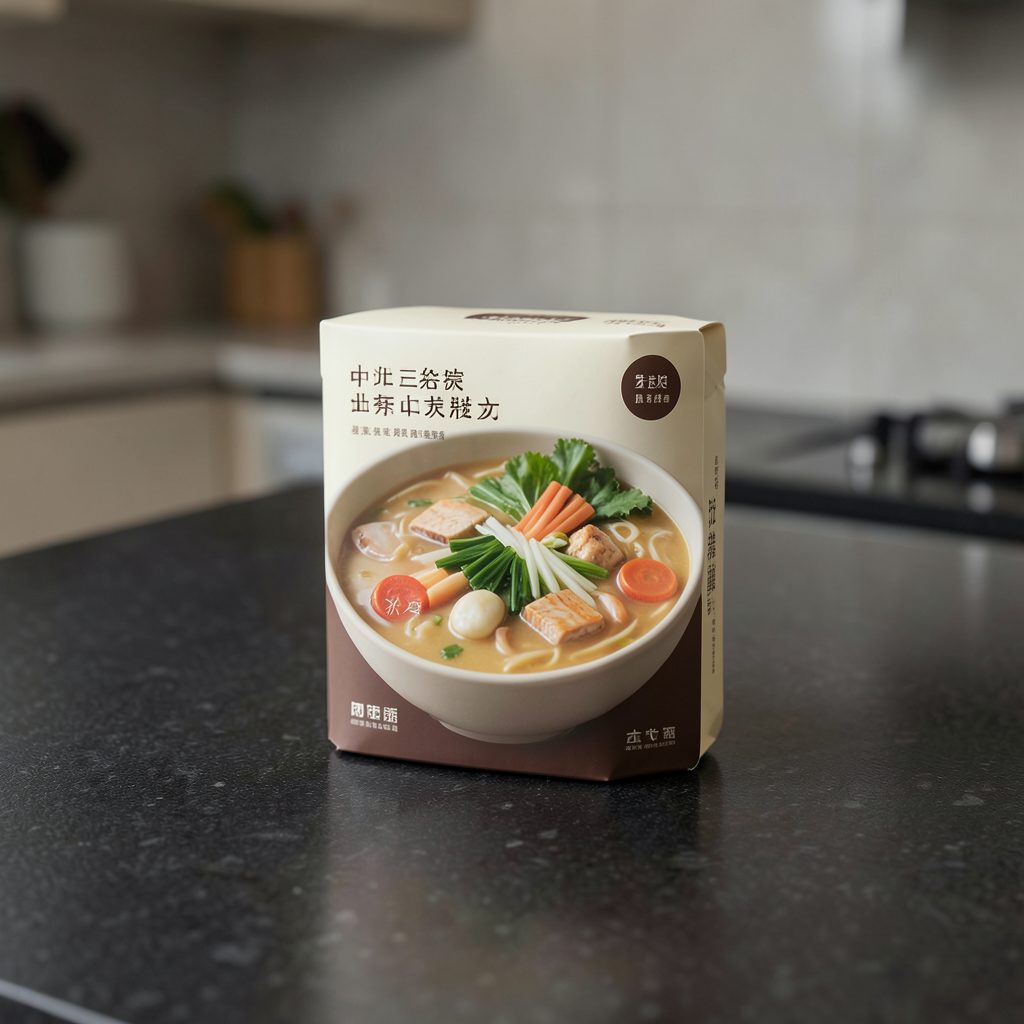
本事滿足鍋物 Personal Pot Base
NT$ —
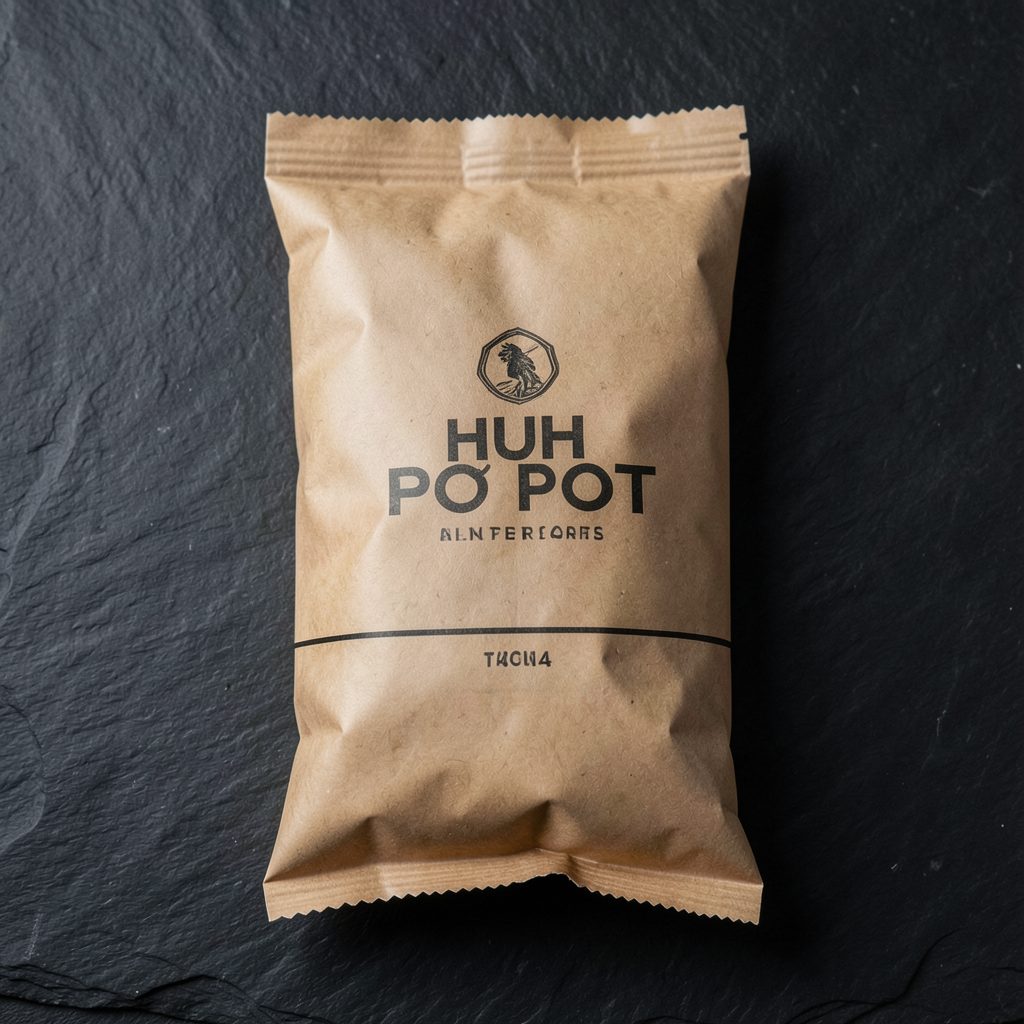
蛤?! Dry Noodles
NT$ —
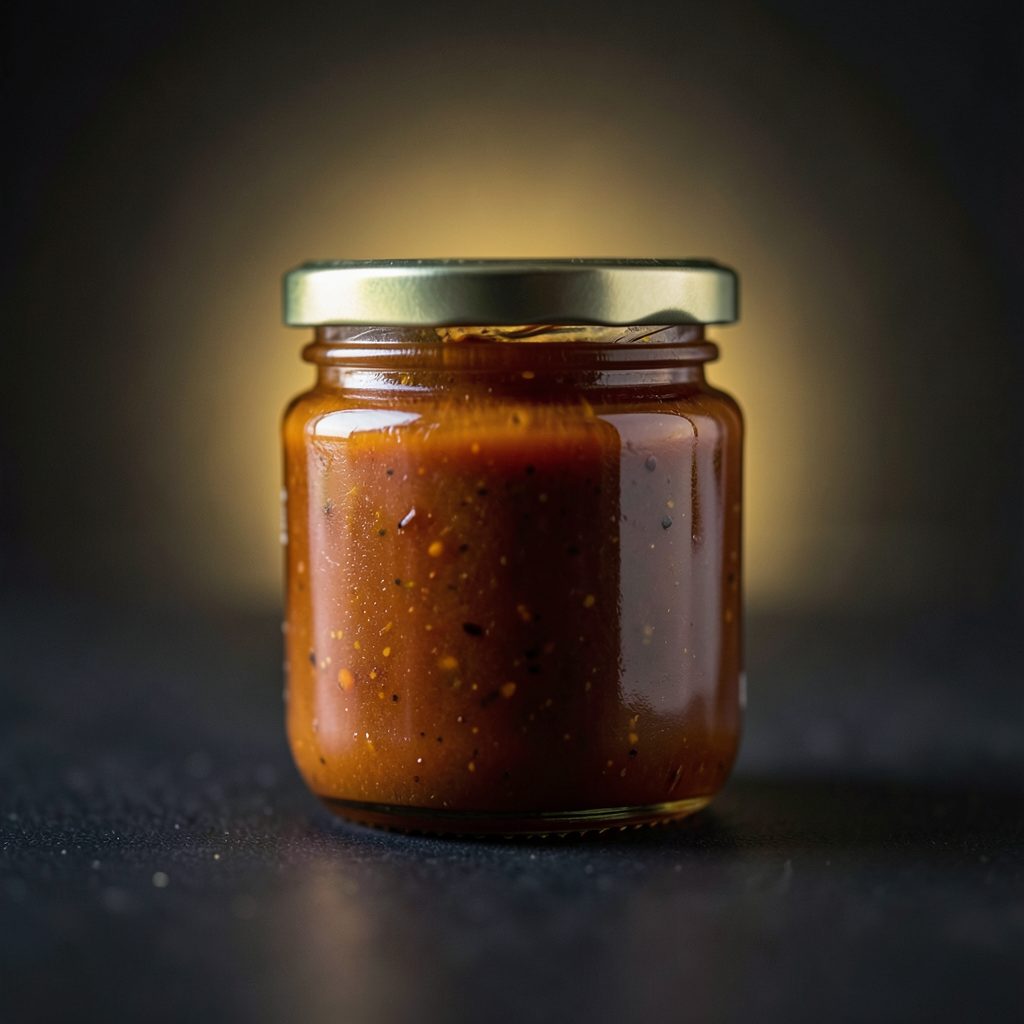
Signature Sauce
NT$ —
New Arrivals
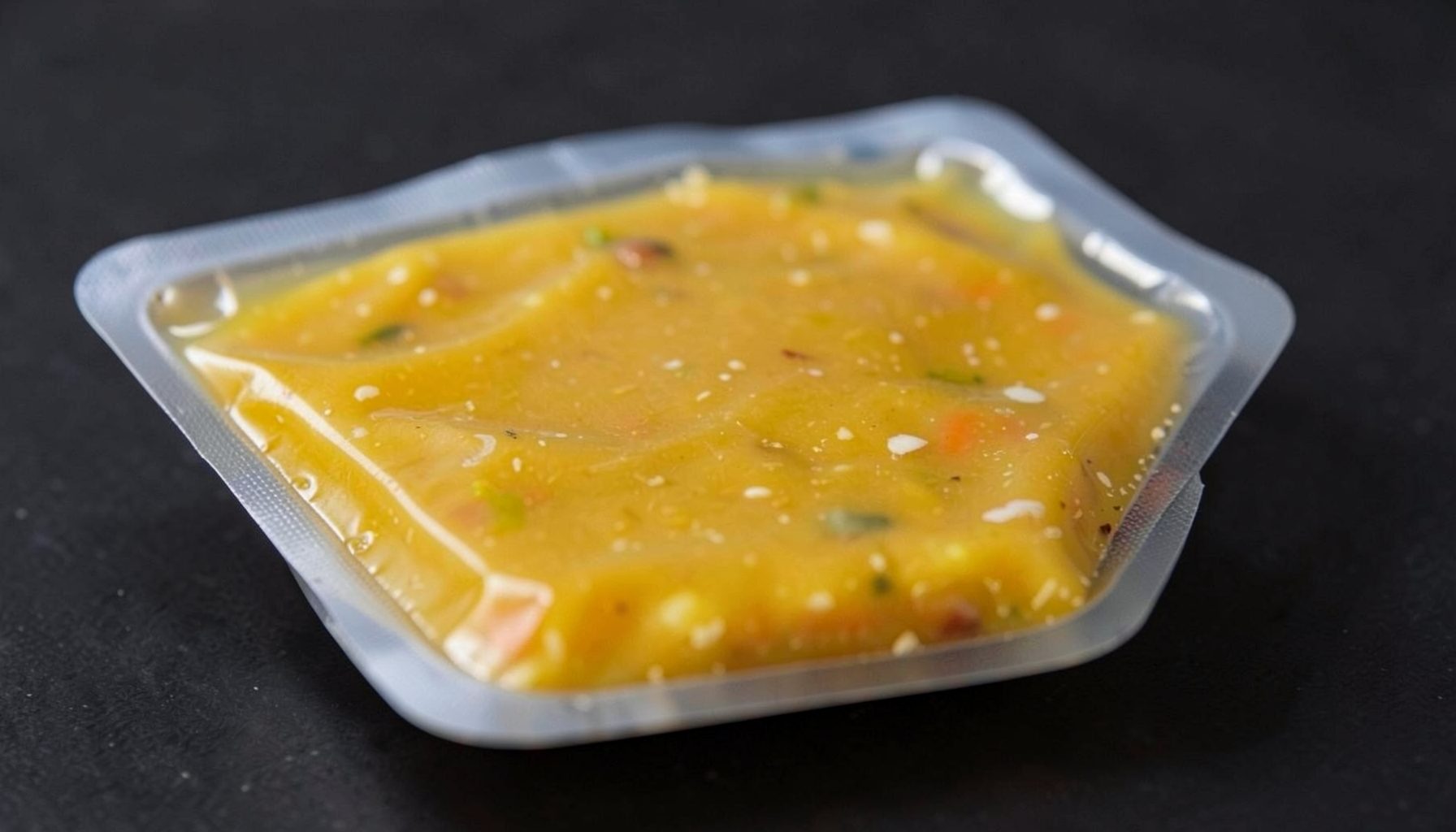
蛤?! Golden Clam Broth — New Batch
NT$ —
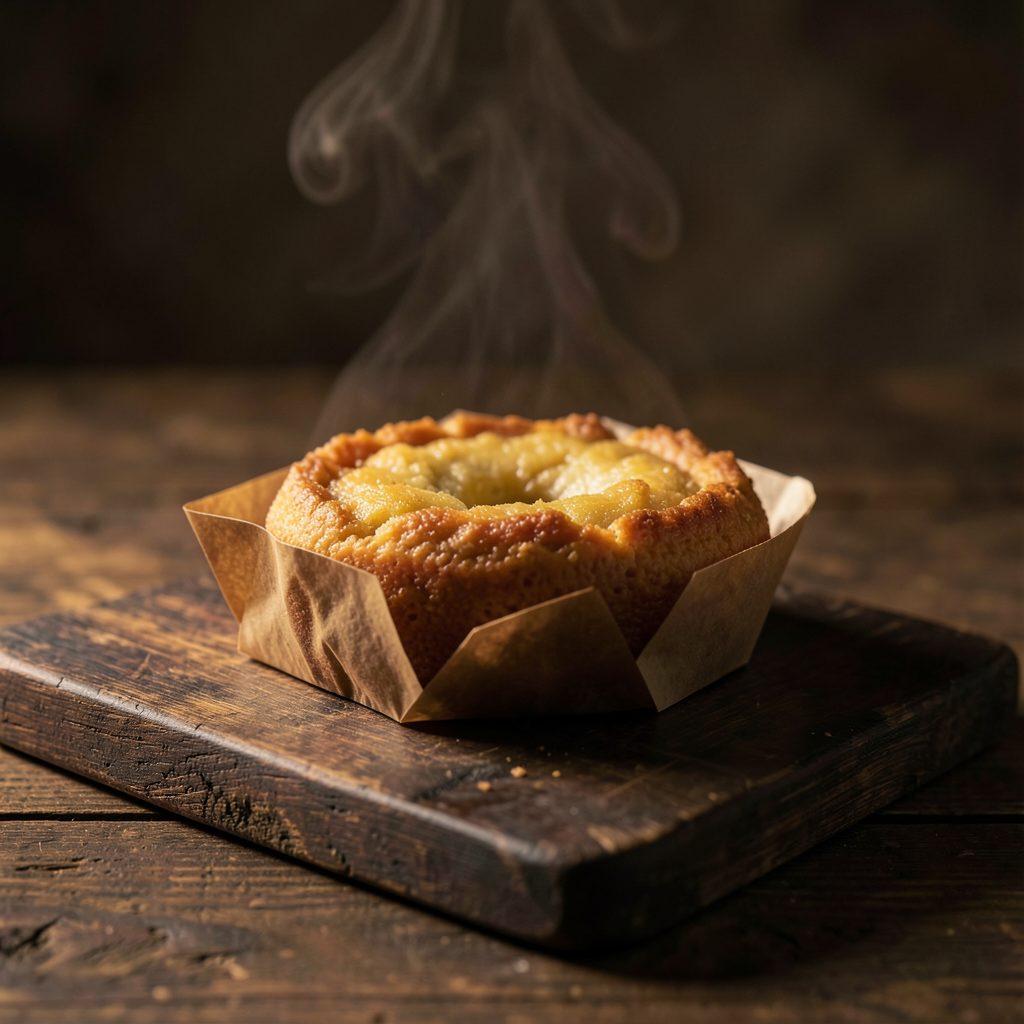
Radish Cake —蘿蔔糕精神
NT$ —
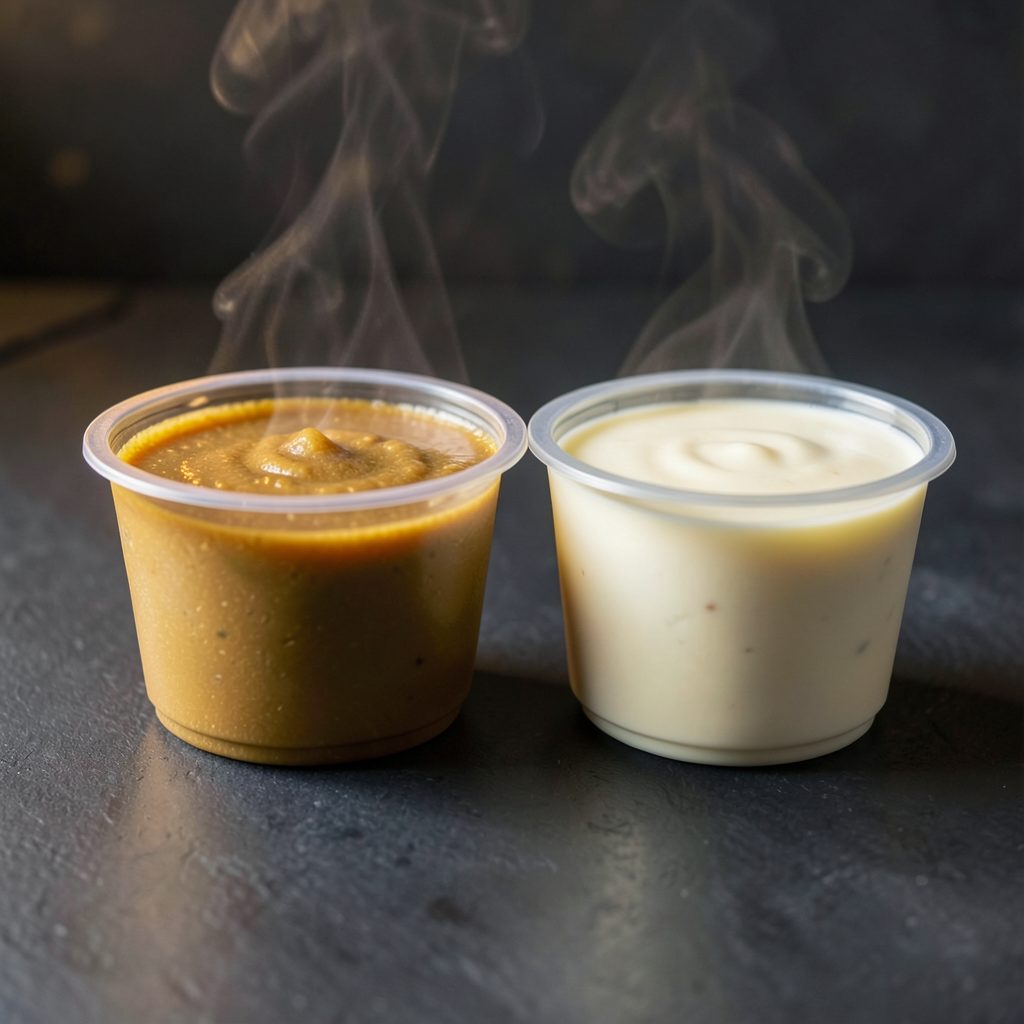
Duo Soup Base Set
NT$ —
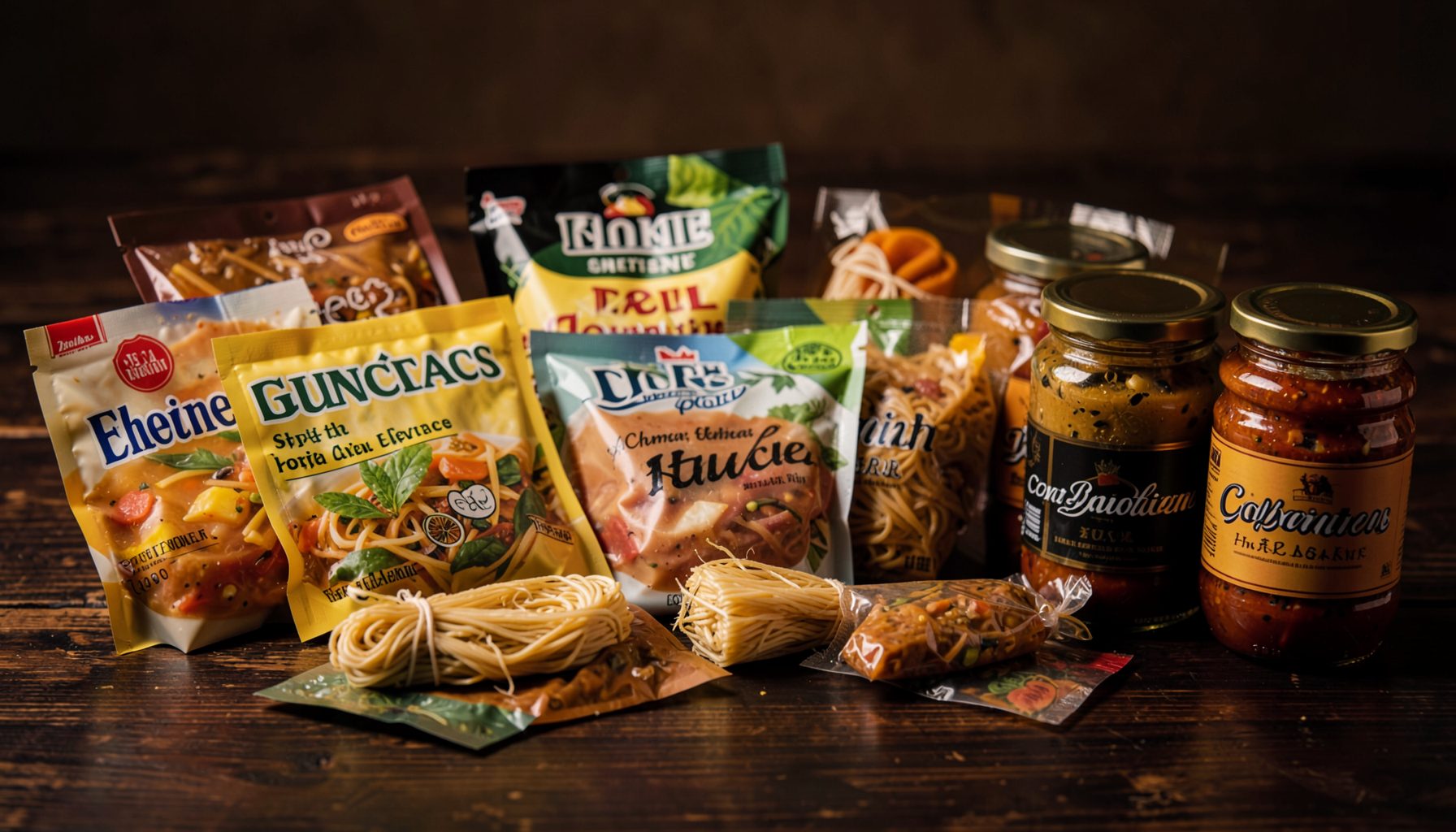
Hot Pot Essentials Bundle
NT$ —
About 蛤?! Huh Pot
蛤?! Huh Pot is a Cantonese-style hot pot brand known for its signature clam-based broth —卜卜蜆 — made with rich old-hen stock and generous portions of fresh clams. The brand also encompasses 本事滿足鍋物, a personal hot pot concept, bringing the same depth of flavor to individual servings.
Through MoneyCome Mart, these restaurant-quality soup bases, dry noodles, radish cakes, and signature sauces are available for home delivery across Taiwan. Restaurant locations in Taipei's Da'an District, Civic Boulevard, and Taichung's Gongyi Road also welcome guests for dine-in, with online reservations available.