Why Refrigerator Defrosting Makes Hot Pot Soup Bases Better
A Cantonese hot pot begins with its broth, so the way a frozen soup base is thawed can affect the entire meal. A slow overnight defrost in the refrigerator helps preserve flavor, texture, and food safety while making preparation easier when you are ready to cook.
This method works especially well for frozen soup bases and clam broths from MoneyCome Mart. The products are shipped through a cold-chain system, and careful handling at home helps maintain the restaurant-style qualities built into each package.
Rather than leaving a sealed soup pouch on the counter or using high heat to force a quick thaw, refrigerator defrosting gives the ingredients time to return to a liquid state gradually. The result is a smoother start, steadier heating, and a more enjoyable hot pot experience.
Slow thawing protects the broth’s texture
Many soup bases contain oils, seasonings, stock solids, seafood extracts, or concentrated aromatics. Freezing can cause these components to separate temporarily. A gentle thaw allows them to come back together more evenly before the broth reaches the pot.
When a frozen package is heated too aggressively, the outside may become hot while the center remains icy. This can encourage uneven melting, scorching, or overcooking of delicate flavor compounds. Defrosting in the refrigerator reduces that risk and gives the broth a more consistent texture.
Refrigerator temperatures support food safety
The refrigerator keeps the soup base cold while it thaws, which limits the time it spends in the temperature range where bacteria can multiply quickly. This is especially important for broths containing seafood, meat, or other animal-based ingredients.
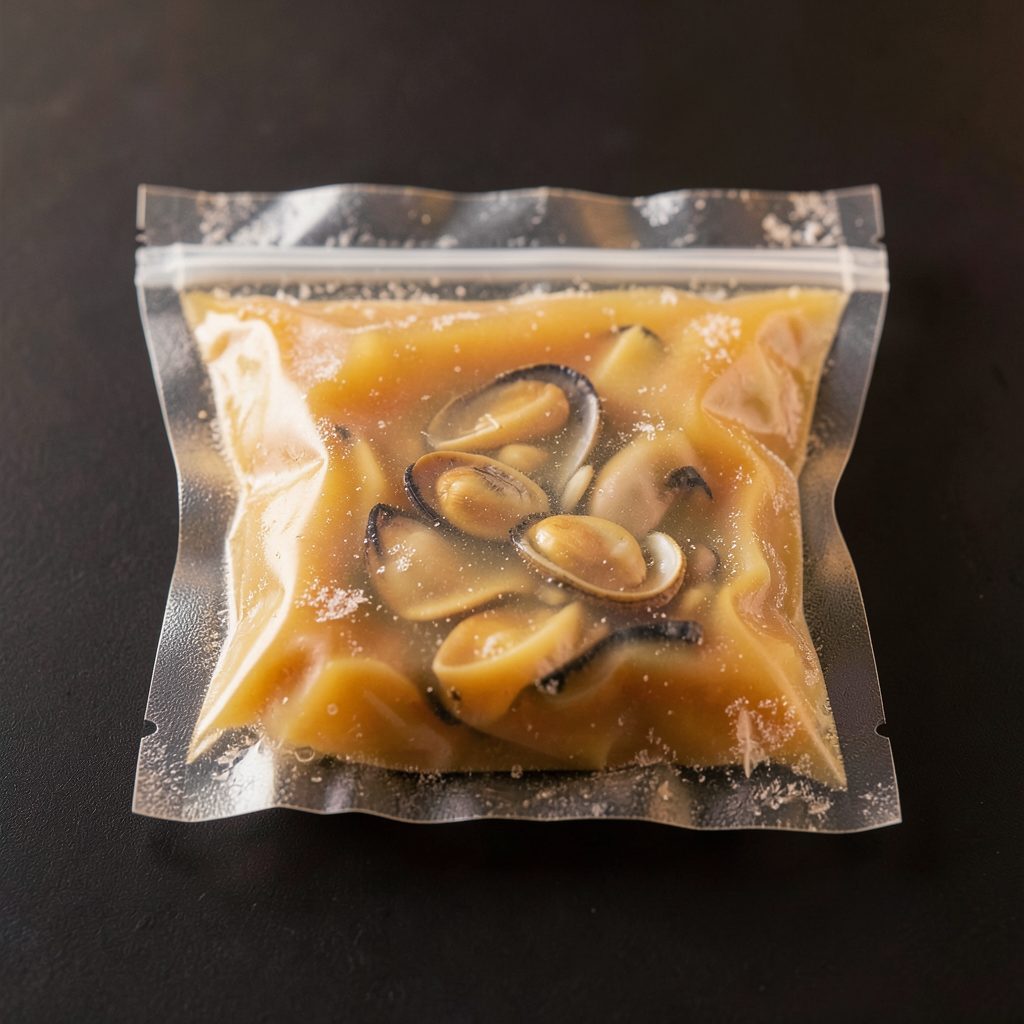
Place the unopened pouch in a bowl or on a rimmed plate to catch condensation or small leaks. Keep it on a lower shelf, away from ready-to-eat foods. Once fully thawed, use the soup base within the recommended storage period and follow the package instructions.
Overnight preparation makes cooking simpler
Planning ahead removes one of the most common delays in home hot pot cooking. Moving the frozen soup base from the freezer to the refrigerator the evening before means the broth is generally ready when dinner preparation begins.
A thawed base also pours more cleanly into the pot. You can measure the required water, combine the broth with fresh ingredients, and begin heating without waiting for a solid block to melt. This is particularly convenient when preparing several soup flavors for a group.
The same organized approach helps with side dishes. For example, turnip cake side dish ideas can add a savory Cantonese element to the meal without treating the cake as just another dipping ingredient.
| Defrosting method | Flavor and texture | Food-safety control | Best use |
|---|---|---|---|
| Refrigerator overnight | Most even and stable | Strong, when kept chilled | Preferred everyday method |
| Cold-water thawing | Fairly quick, with some monitoring | Acceptable if water stays cold and the package is sealed | Same-day cooking |
| Microwave defrosting | May create hot spots or partial cooking | Requires immediate cooking | Urgent situations |
| Countertop thawing | Uneven and difficult to control | Higher risk as the surface warms | Best avoided |
A gradual thaw helps preserve Cantonese flavor
Cantonese hot pot broths often depend on balance rather than a single intense note. Seafood sweetness, herbal fragrance, savory depth, and gentle spice should remain distinct. Controlled defrosting helps protect that balance before the broth is diluted or enhanced with fresh ingredients.
Clam broths deserve particular care because seafood flavors can become harsh if exposed to unnecessary high heat. Thawing the broth first allows you to bring it up to temperature gradually, helping preserve its clean aroma and natural umami.
How to defrost a soup base correctly
Take the soup base from the freezer and check that the packaging is intact. Place it in the refrigerator while still sealed. If the package is frozen flat, set it on a plate so it remains stable and does not press against other foods.
Most portions will need several hours to soften fully, which is why overnight defrosting is convenient. Before cooking, gently massage or shake the sealed pouch if the ingredients appear separated. Pour the contents into the hot pot, add the specified amount of water, and heat until thoroughly hot.
If the soup base is still partly frozen, do not leave it at room temperature for an extended period. You can place the sealed package in cold water for a faster finish, changing the water as needed, then cook it immediately after thawing.
When faster thawing may be practical
Refrigerator thawing is the preferred routine, but schedules do not always allow overnight preparation. A sealed pouch can be placed in cold water for a quicker thaw, provided the water remains cold and the package is cooked soon afterward.
Microwave defrosting is less suitable for broth concentrates because hot spots can develop quickly. If it is necessary, use a low-power setting, transfer the soup to the cooking pot immediately, and heat it thoroughly. Never refreeze a soup base that has been fully thawed.
For the best result, treat defrosting as part of meal preparation rather than an afterthought. A few minutes of planning can protect the broth’s intended taste and make the rest of the cooking process more predictable.
Simple habits for a better hot pot
- Move frozen soup bases to the refrigerator the night before cooking.
- Keep the package sealed and place it on a lower shelf inside a dish.
- Thaw seafood-based broths slowly and avoid direct high heat before they are liquid.
- Stir or gently mix the broth after thawing to redistribute separated ingredients.
- Cook the thawed soup base according to the package directions and serve it promptly.
MoneyCome Mart makes it easy to prepare Cantonese hot pot at home with frozen soup bases, clam broths, sauces, noodles, and ready-to-cook favorites. Browse the cold-chain selection, choose your preferred broth, and plan an overnight refrigerator thaw for a smoother, safer, restaurant-quality meal.
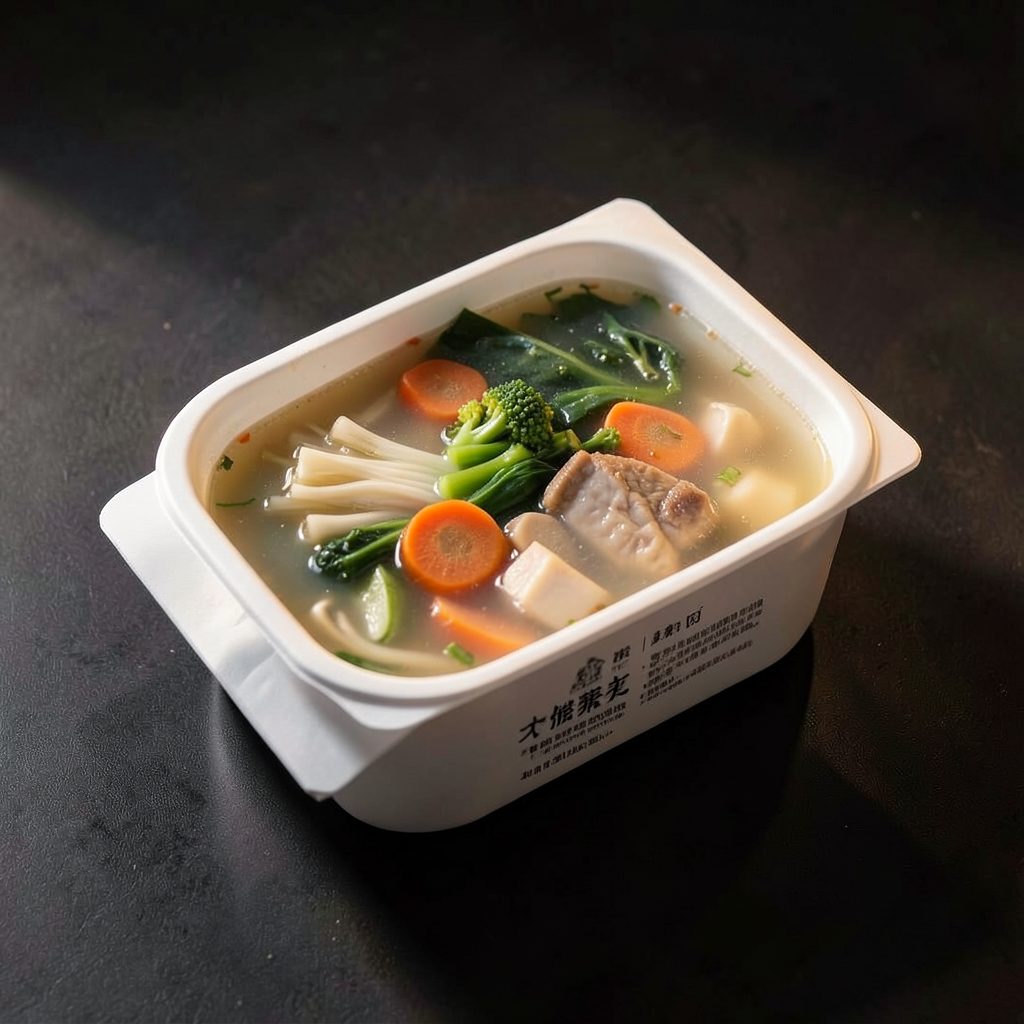
Best Sellers
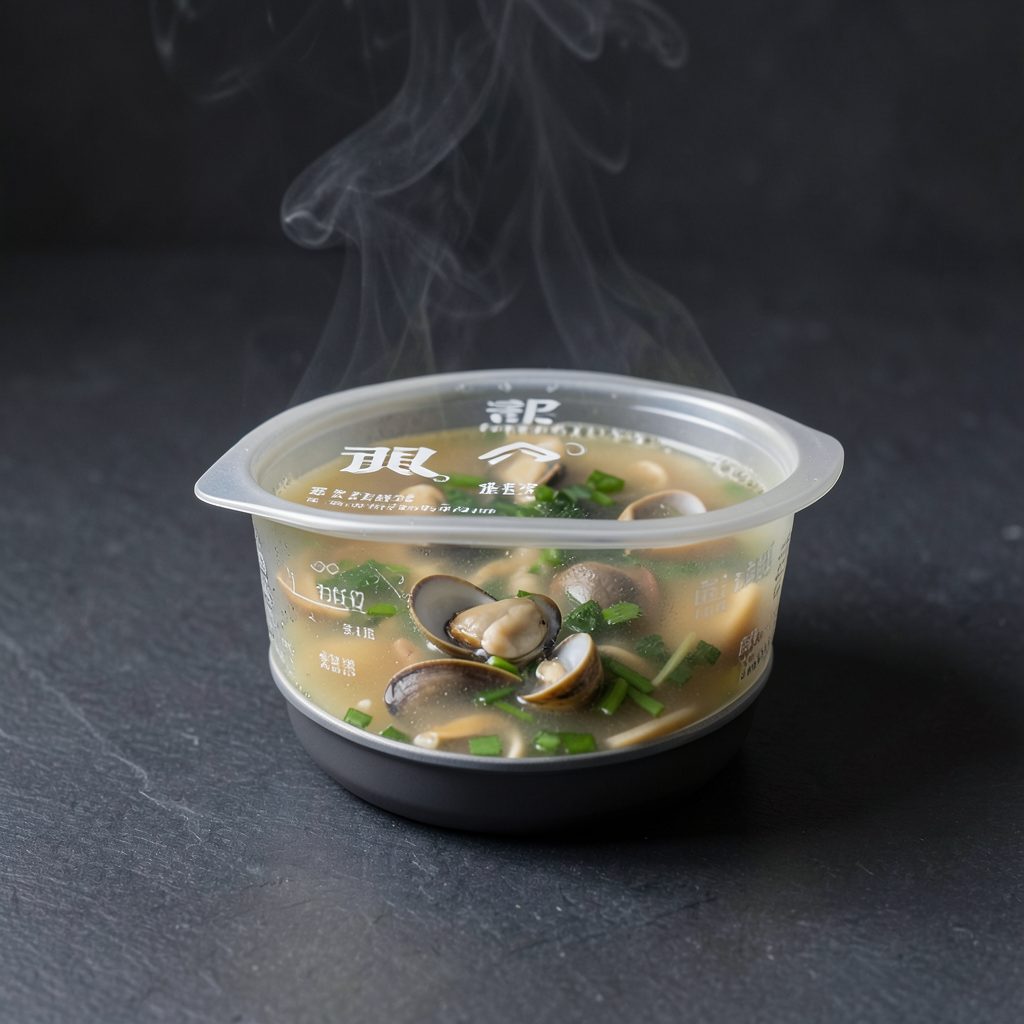
蛤?! Clam Soup Base —卜卜蜆
NT$ —
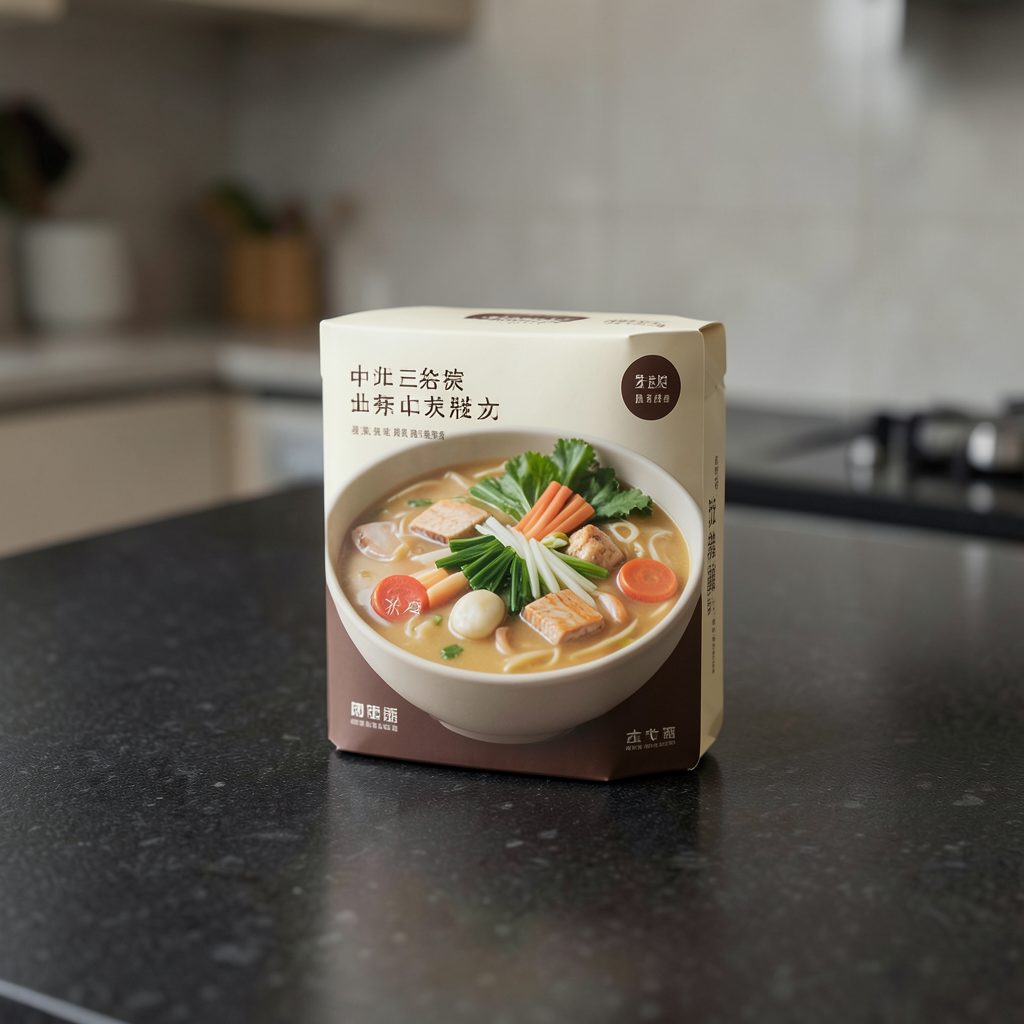
本事滿足鍋物 Personal Pot Base
NT$ —
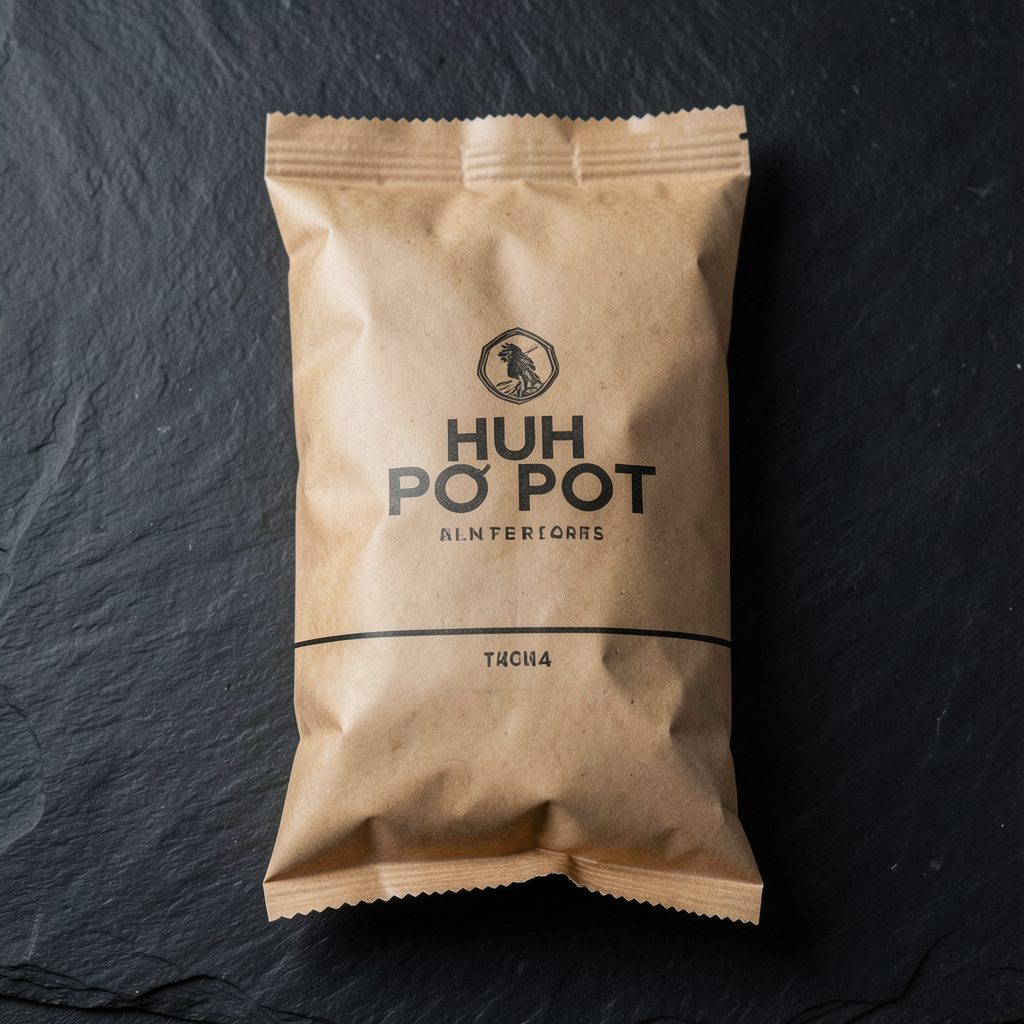
蛤?! Dry Noodles
NT$ —

Signature Sauce
NT$ —
New Arrivals
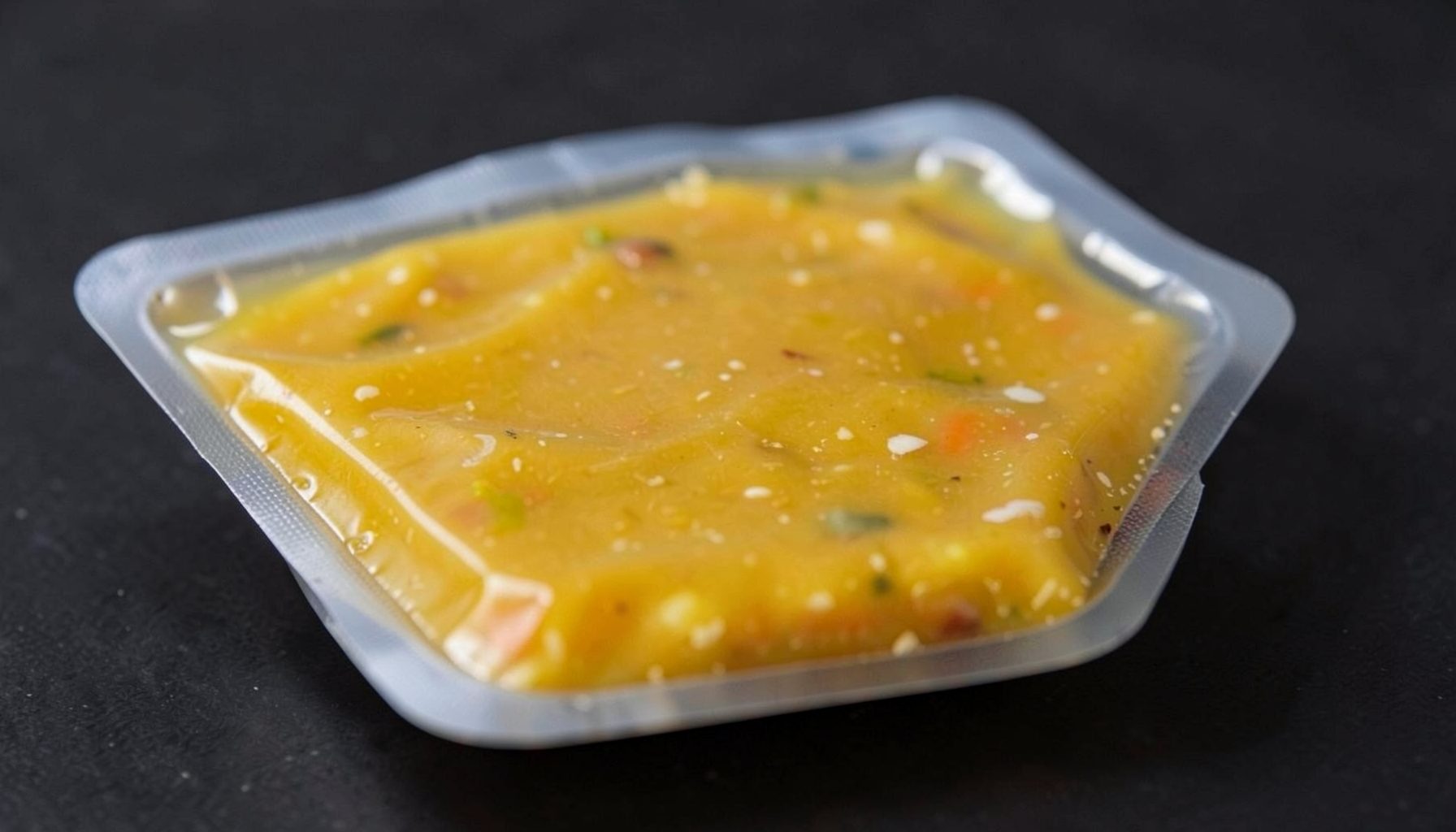
蛤?! Golden Clam Broth — New Batch
NT$ —
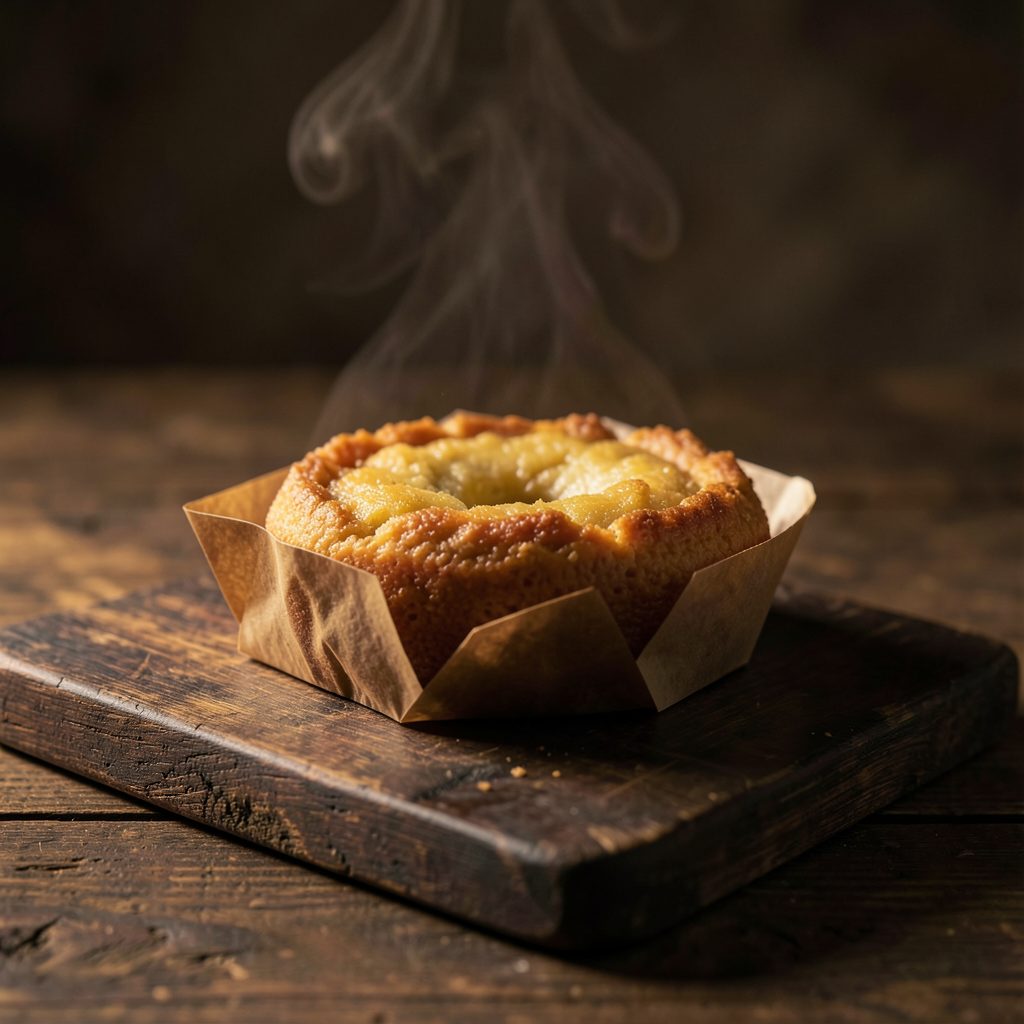
Radish Cake —蘿蔔糕精神
NT$ —
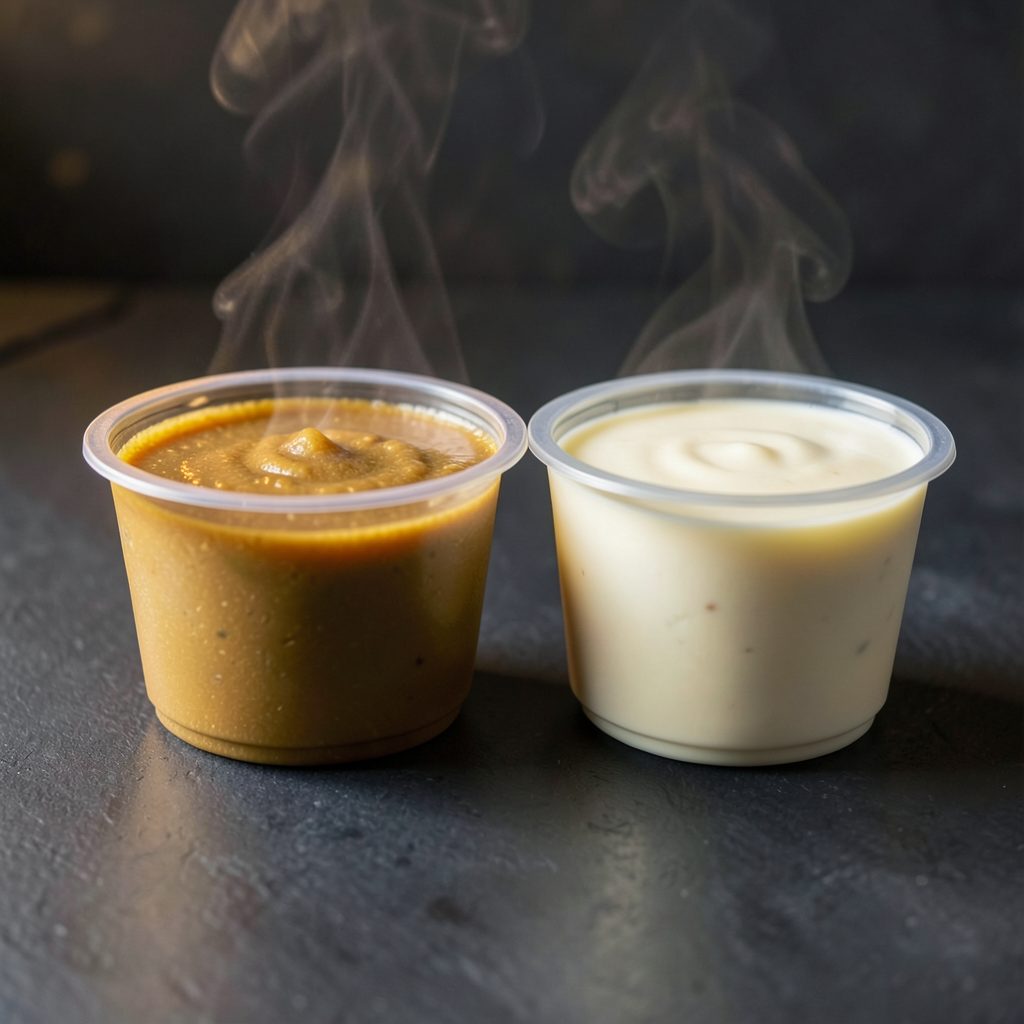
Duo Soup Base Set
NT$ —

Hot Pot Essentials Bundle
NT$ —
About 蛤?! Huh Pot
蛤?! Huh Pot is a Cantonese-style hot pot brand known for its signature clam-based broth —卜卜蜆 — made with rich old-hen stock and generous portions of fresh clams. The brand also encompasses 本事滿足鍋物, a personal hot pot concept, bringing the same depth of flavor to individual servings.
Through MoneyCome Mart, these restaurant-quality soup bases, dry noodles, radish cakes, and signature sauces are available for home delivery across Taiwan. Restaurant locations in Taipei's Da'an District, Civic Boulevard, and Taichung's Gongyi Road also welcome guests for dine-in, with online reservations available.