The best seafood to cook in our clam broth
A clear clam broth gives seafood a clean, savoury foundation without overpowering its natural sweetness. Its gentle brininess works especially well with prawns, mussels, firm white fish, scallops, squid and crab, making it an easy centrepiece for a Cantonese-style hot pot at home.
For Australian households, this is a practical way to enjoy a restaurant-style meal without complicated cooking. Whether you are hosting friends in Sydney, preparing a winter dinner in Melbourne or shopping for seafood in Brisbane, the key is choosing ingredients that cook quickly and adding them in the right order.
Choose seafood that suits the broth
Seafood for clam broth should be fresh-tasting, moderately delicate and able to cook in a lightly simmering liquid. Prawns, fish fillets and scallops absorb the broth while retaining their own flavour, whereas mussels and clams contribute extra ocean depth as their shells open.
Frozen seafood is also a reliable choice when it has been properly handled. Look for intact packaging, clear labelling and no excessive ice crystals, which can suggest temperature fluctuations. MoneyCome Mart’s hot pot products can help create a convenient base when you want the broth and other ingredients delivered with cold-chain handling.
Prawns and shellfish for sweetness
Australian prawns are a natural match for clam broth. Tiger prawns, banana prawns and king prawns bring sweetness, a firm texture and a pleasant coral colour to the pot. Leave the shell and tail on when possible, as they add flavour; remove the vein and rinse briefly before cooking.
Mussels, pipis and extra clams deepen the stock as they open. In Australia, shellfish sold through reputable fishmongers and supermarkets should carry appropriate handling information, but discard any live shellfish that remain open after a gentle tap or smell unpleasant. Add shellfish early enough for the shells to open, then remove any that stay closed after cooking.
Firm fish for a clean finish
Firm white fish is ideal when you want a lighter hot pot. Barramundi, snapper, flathead and ling hold together better than very soft fillets, while their mild flavour allows the clam broth to remain the main seasoning. Cut the fish into thick, even pieces so they cook at a similar rate.
Salmon can work too, especially if you enjoy a richer bowl, although its oily character changes the profile of the broth. Keep the pieces chilled until needed and add them after the liquid has returned to a gentle simmer. Vigorous boiling can break fish apart and make the broth cloudy.
Scallops, squid and crab
Scallops need very little cooking time. Add them near the end and remove them as soon as the centre turns opaque; overcooked scallops become firm and dry. Frozen scallops should be thawed in the refrigerator, drained well and patted dry so they do not dilute the soup.
Squid rings and crab are also excellent additions. Squid usually needs only a short simmer to stay tender, while cooked crab meat can be warmed through at the last moment. Raw crab pieces require longer cooking, so place them in earlier and check that the flesh is opaque and hot near the shell.
Safe preparation in Australian kitchens
Australian seafood should be kept refrigerated at 5°C or below, following the food-safety principles used under the Food Standards Code. Transport seafood home promptly, particularly after shopping at busy markets such as Sydney Fish Market, and use an insulated bag with ice for longer journeys. Keep raw seafood separate from salad ingredients and cooked foods.
The Country of Origin Food Labelling Standard can help shoppers understand where packaged seafood and other foods come from. Read storage instructions carefully, especially for imported frozen products. Thaw seafood in the refrigerator rather than on the bench, and avoid refreezing items that have fully thawed unless the packaging specifically permits it.
Build a balanced hot pot
Clam broth is naturally savoury, so extra seasoning should be added gradually. Light soy sauce, sliced ginger, spring onion, garlic, white pepper and a small amount of sesame oil can support the seafood without masking it. Leafy greens, mushrooms, tofu and noodles turn the pot into a complete meal and help absorb the fragrant liquid.
For Australian diners, hot pot is particularly appealing during cooler evenings in Melbourne, Canberra or Hobart, while prawns and shellfish suit relaxed summer gatherings in Perth or the Gold Coast. Add noodles towards the end, and follow these frozen noodle tips to keep strands separate and springy.
Practical choices for a better seafood pot
- Use prawns with shells on for a sweeter, more aromatic broth.
- Combine one firm fish with one shellfish for contrasting textures.
- Add mussels, clams and pipis early so they have time to open fully.
- Cook scallops, squid and cooked crab close to serving time.
- Keep seafood chilled until the broth is ready and avoid overcrowding the pot.
- Check packaged storage instructions and discard shellfish that do not open during cooking.
- Serve with ginger, spring onion, leafy greens and a restrained dipping sauce.
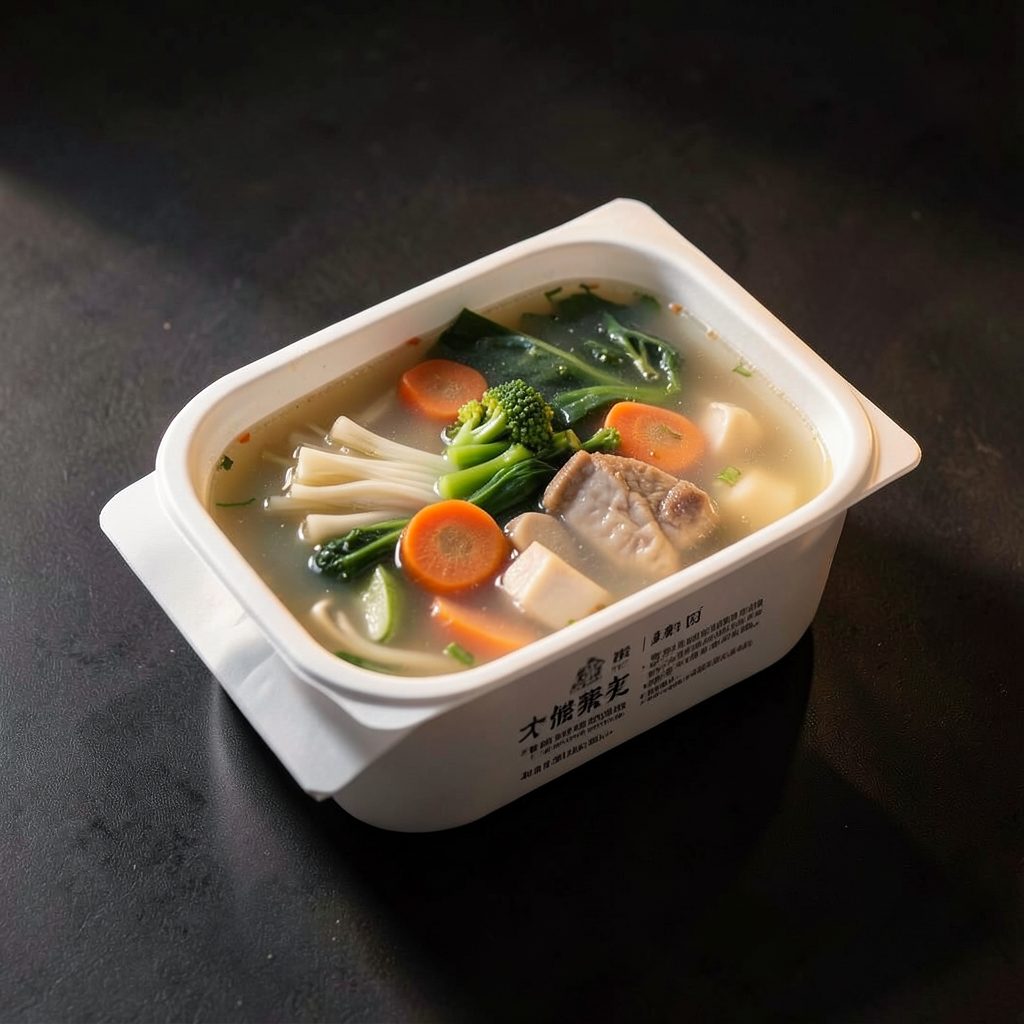
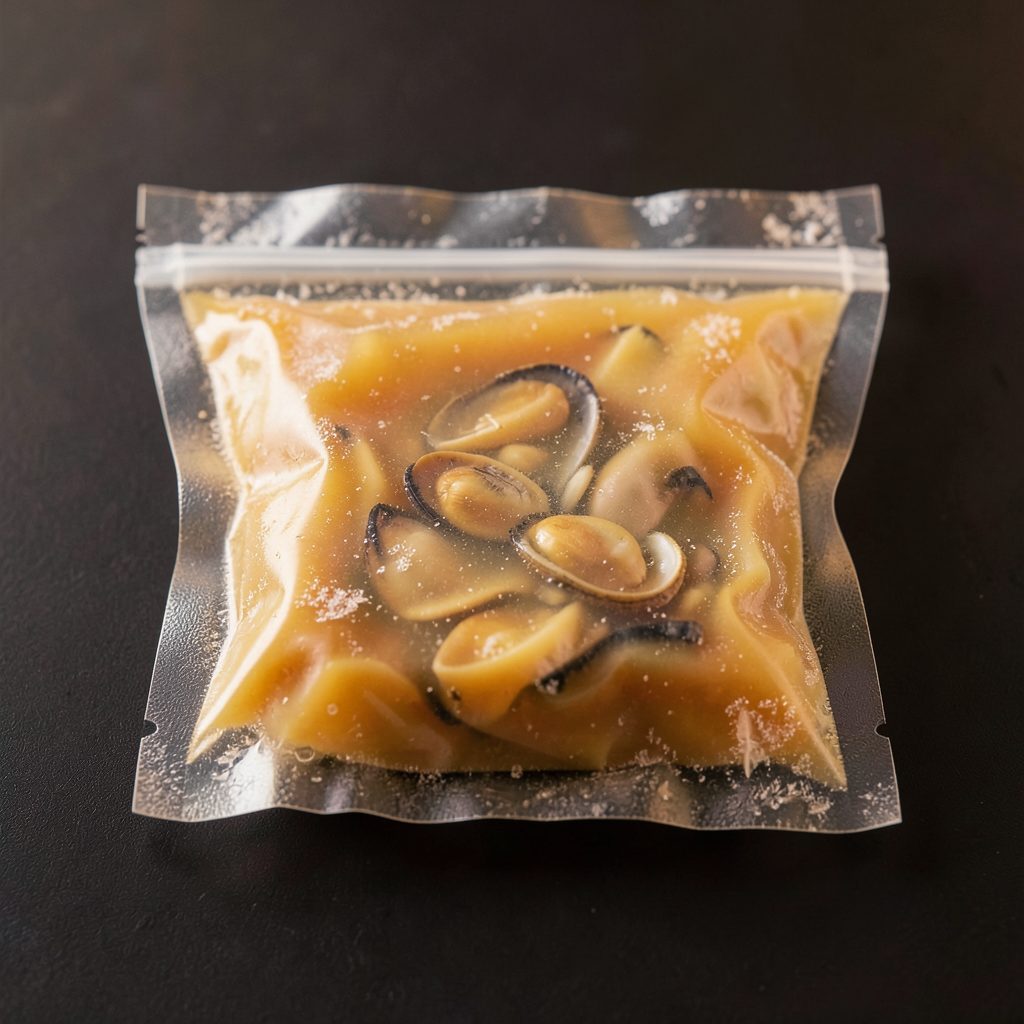
Best Sellers
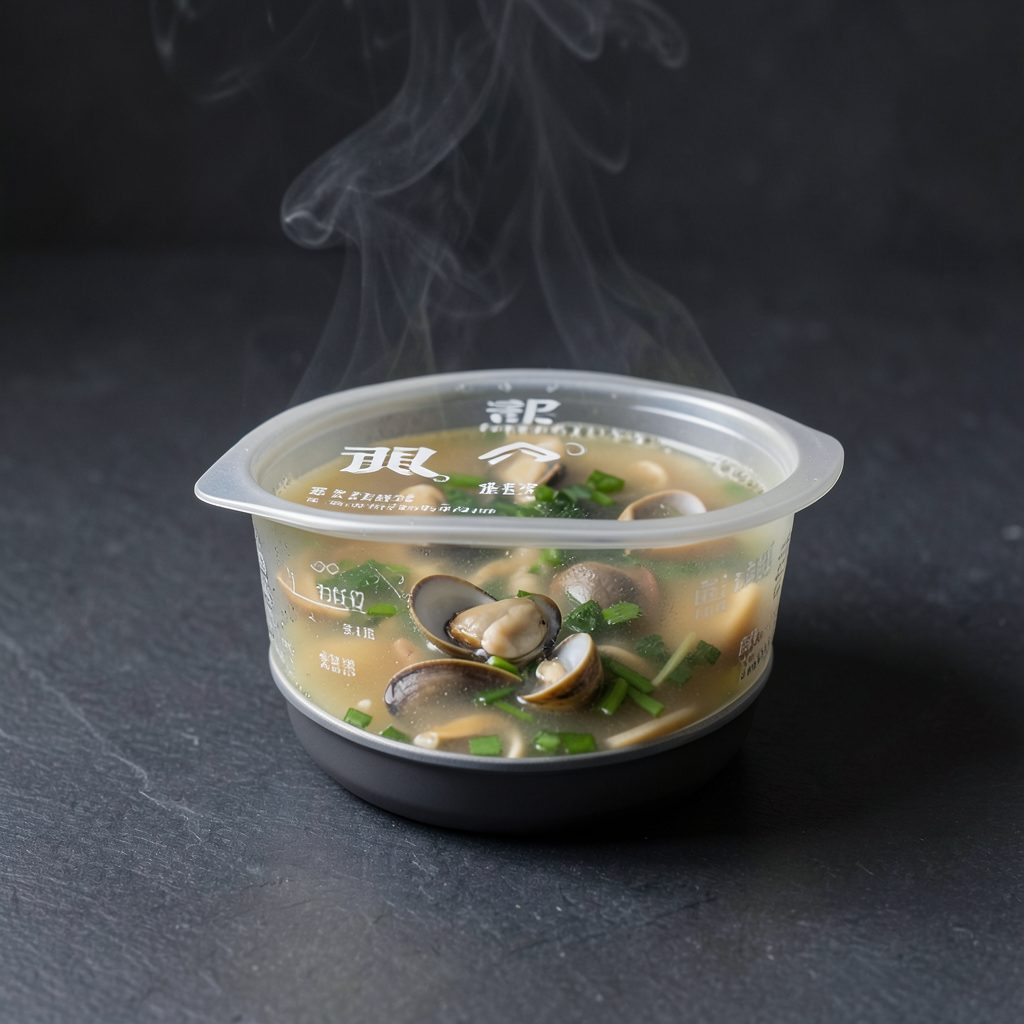
蛤?! Clam Soup Base —卜卜蜆
NT$ —
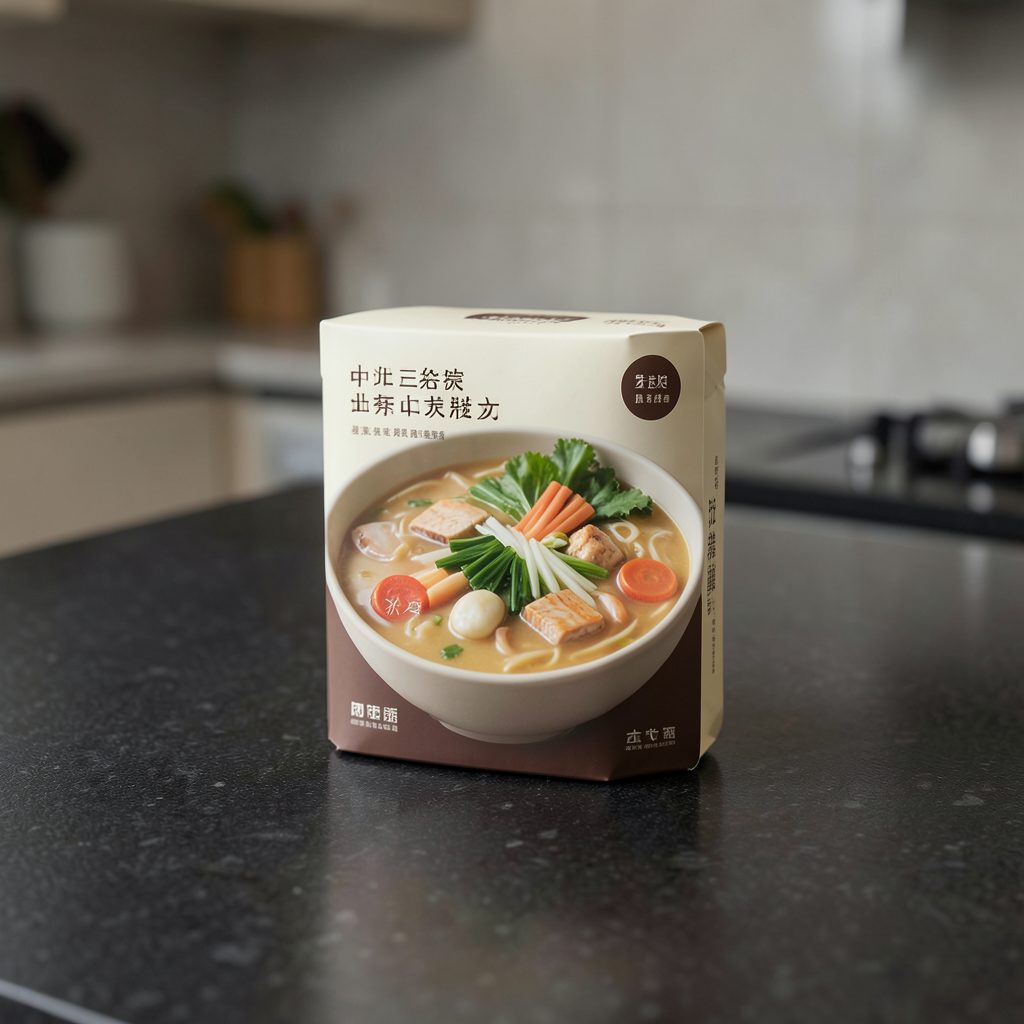
本事滿足鍋物 Personal Pot Base
NT$ —

蛤?! Dry Noodles
NT$ —
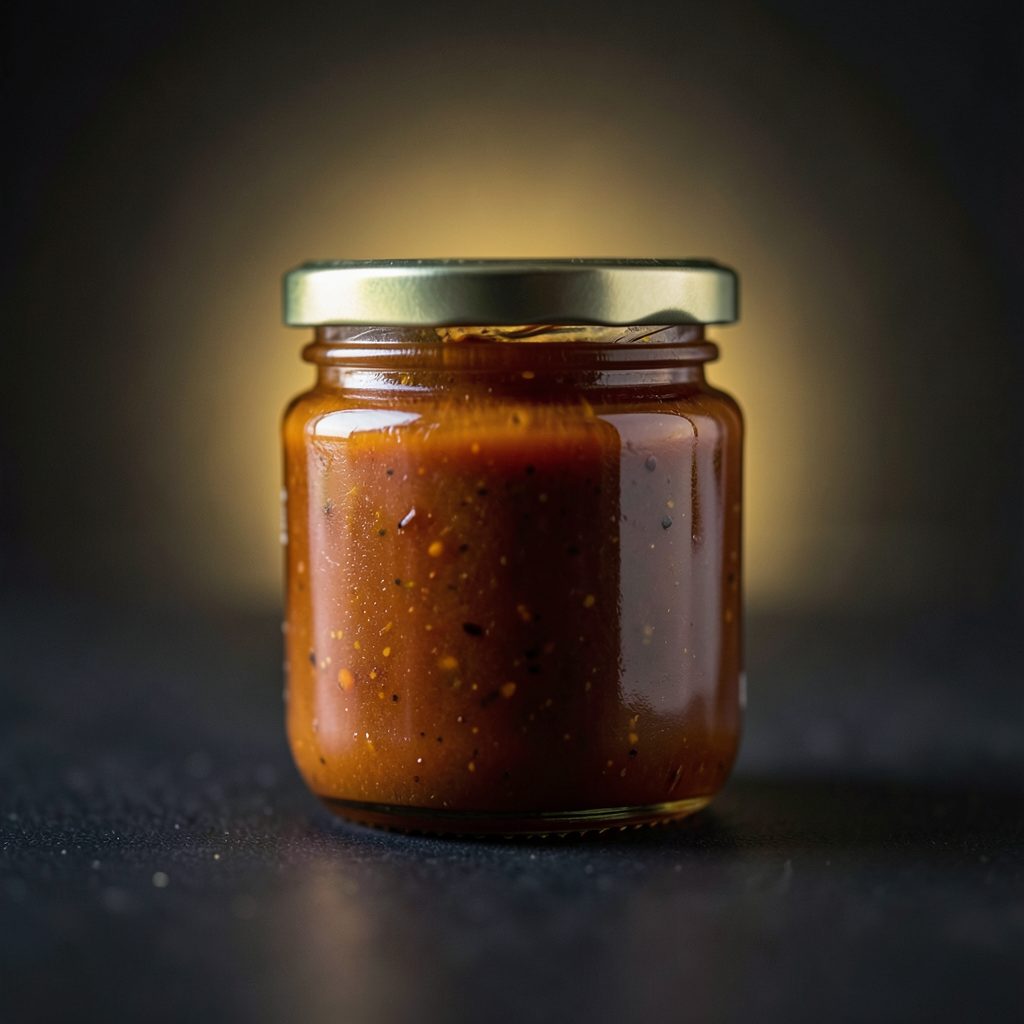
Signature Sauce
NT$ —
New Arrivals
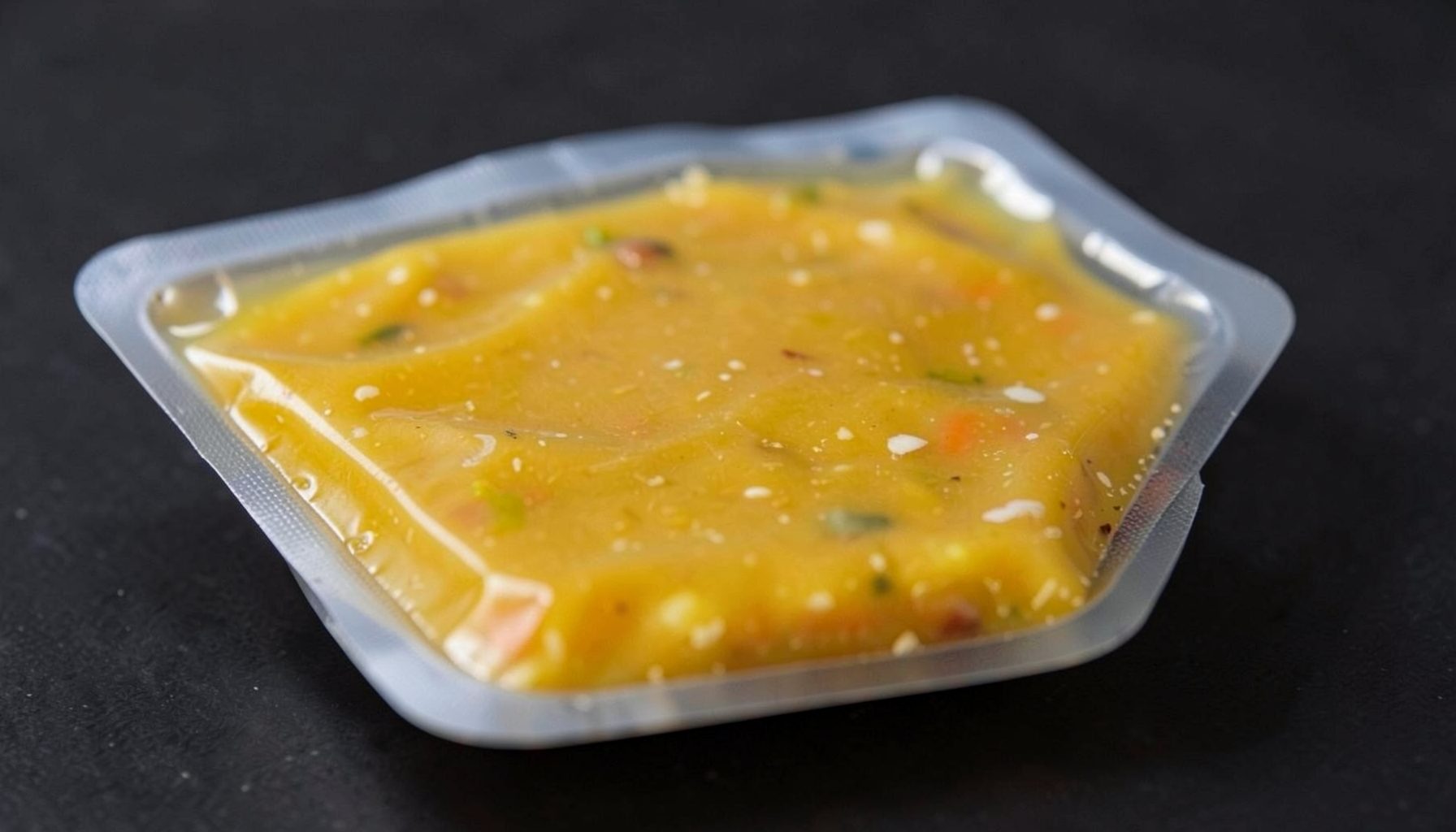
蛤?! Golden Clam Broth — New Batch
NT$ —

Radish Cake —蘿蔔糕精神
NT$ —
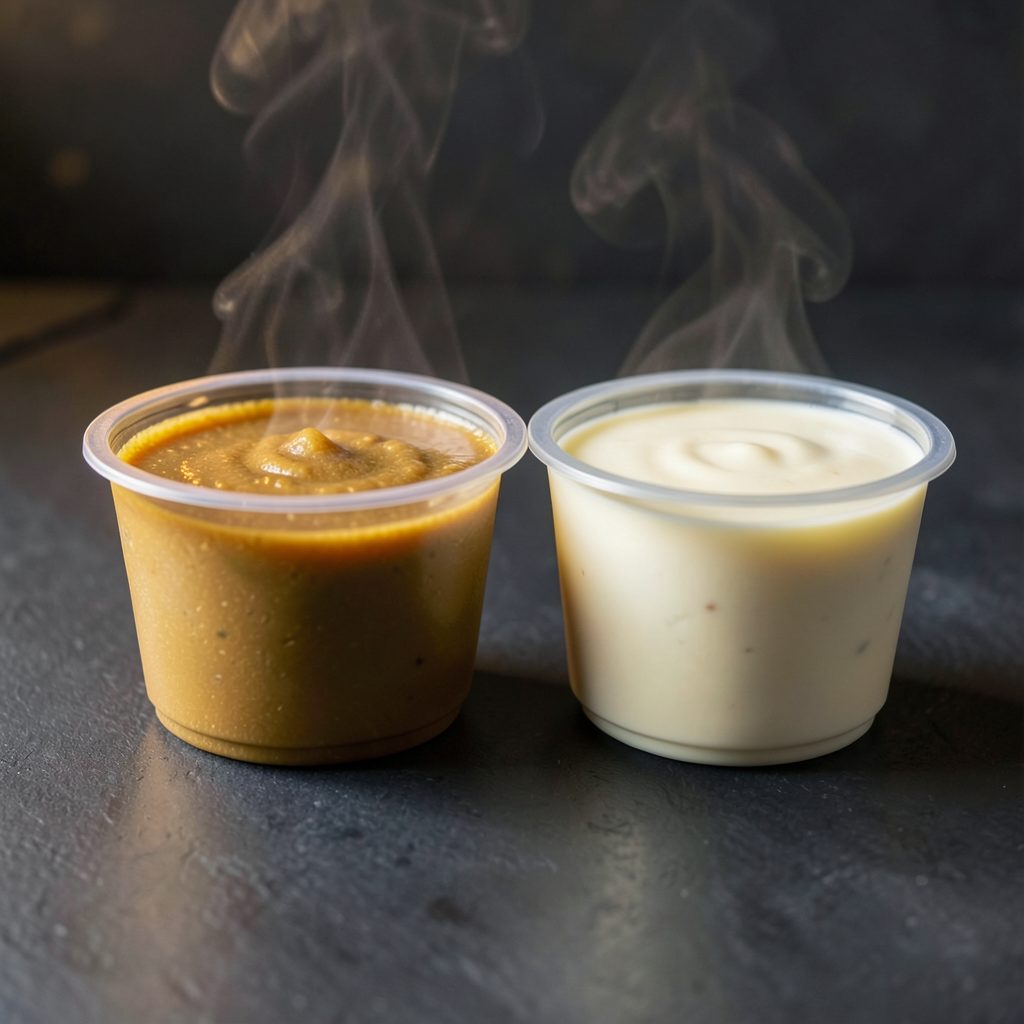
Duo Soup Base Set
NT$ —

Hot Pot Essentials Bundle
NT$ —
About 蛤?! Huh Pot
蛤?! Huh Pot is a Cantonese-style hot pot brand known for its signature clam-based broth —卜卜蜆 — made with rich old-hen stock and generous portions of fresh clams. The brand also encompasses 本事滿足鍋物, a personal hot pot concept, bringing the same depth of flavor to individual servings.
Through MoneyCome Mart, these restaurant-quality soup bases, dry noodles, radish cakes, and signature sauces are available for home delivery across Taiwan. Restaurant locations in Taipei's Da'an District, Civic Boulevard, and Taichung's Gongyi Road also welcome guests for dine-in, with online reservations available.