Poaching Prawns in Clam Broth for Chilled Starters
On a sticky Sydney evening or during one of Perth's long dry afternoons, a cold seafood starter feels like the right kind of indulgence. Australians have always had a soft spot for prawns, whether piled over ice at a Brisbane Christmas lunch, layered into a retro cocktail in Adelaide, or simply dipped in lemon at a Cottesloe beach bar.
A bottle of MoneyCome Mart's prepared clam broth gives the dish a base that tastes like restaurant prep. Instead of boiling prawns in plain water and losing flavour, you poach them in a seasoned broth that seeps briny sweetness into the shells. Once chilled, the cooked meat firms up and slices cleanly through salads, cucumber stacks, or simple dipping plates.
The trick is restraint. Clam broth already carries enough salinity to season both prawns and shrimp on its own, so over-seasoning quickly overwhelms the delicate flavour of fresh seafood. A few aromatics, a careful bare simmer, and a fast ice bath are all you need to turn a bag of Australian prawns into an elegant cold appetiser.
Why Clam Broth Outperforms Water for Poaching
Plain water washes flavour out of delicate proteins, leaving prawns bland enough to need rescue from a heavy sauce. Clam broth does the opposite, wrapping natural glutamates around the meat and seasoning it from the inside out. The result tastes complete before any dipping sauce is poured.
The broth also cuts down on added salt, which matters with prawns that already contain natural sodium. A quick taste before heating tells you whether to dilute it with a splash of water or pour it in as is. MoneyCome Mart's bottled clam broth arrives at a balanced concentration, ready for aromatics like smashed ginger, whole scallions, and white peppercorns.
Picking Australian Prawns That Hold Their Shape
Prawns at the Sydney Fish Market or a busy Melbourne seafood counter usually arrive with country-of-origin tags, and most are Australian-caught. Tiger prawns from the Northern Territory, Endeavour prawns from the Gulf of Carpentaria, and banana prawns from the east coast all poach well. School prawns from southern estuaries need a shorter bath because of their smaller size.
Shell-on, head-off prawns give the best flavour retention during poaching, since the shell shields the meat from direct heat. Peeled tails also work, though reduce the time by roughly half. For shoppers comparing prawns against other seafood options at the butcher, the seafood protein guide lays out the nutritional differences clearly.
Building the Aromatic Broth Before Cooking
A Cantonese-style poaching broth relies on three pillars: ginger for warmth, scallions for grassy sweetness, and white pepper for a quiet hum of heat. Pour the clam broth into a wide pan with three thick coins of smashed ginger, two trimmed scallions bent in half, and five or six peppercorns.
A tablespoon of Shaoxing wine adds a faintly nutty backbone, and a teaspoon of light soy gives colour without turning the liquid into a finished sauce. Bring everything to the barest simmer, where the surface trembles rather than bubbles. This window matters because a rolling boil toughens the prawns and clouds the broth.
The Poaching Window and Doneness Check
Lower the prawns headfirst into the gentle simmer depending on size, and let them cook ninety seconds on the first side before flipping with a slotted spoon. Another sixty to ninety seconds on the second side is usually enough. The flesh turns opaque and curls into a loose C shape, while a tight O shape means the prawns have gone too far.
Peeled tails only need around forty-five seconds per side and should be pulled as soon as they firm up. For more detail on holding seafood broth at exactly the right heat, the article tips for keeping your hot pot broth at the perfect simmer walks through the same gentle technique used in hot pot service.
The Ice Bath That Locks In Texture
Pull the prawns from the broth and plunge them straight into a bowl of iced water with extra ginger slices floating on top. The shock stops the cooking instantly and tightens the flesh so each slice holds its shape later. Leave them in the bath for eight to ten minutes, then drain and pat dry with a clean tea towel.
Chilled prawns can sit in a sealed container for up to twenty-four hours before plating, which suits casual entertaining. Pat them dry again before serving so dressings cling to the surface rather than sliding off into the dish.
Plating Cold Appetisers and Choosing a Sauce
Mirroring the generous seafood platters common at an Australian Christmas lunch, arrange the chilled prawns around a small bowl of sauce with sliced cucumber, pickled ginger, and coriander leaves. A soy-ginger dressing made with the same aromatics used in the broth ties everything together.
Sweet chilli suits smaller school prawns, while a sharp lime-mayo pairs nicely with larger tiger varieties. When building a fuller cold spread, the side dishes guide translates well to a seafood starter course.
Storage Within Australian Food Safety Rules
The Food Standards Code, governed by FSANZ, requires cooked seafood to be cooled quickly and held below five degrees Celsius. After chilling, transfer unused prawns to a shallow container for even cooling, label with the date, and consume within twenty-four hours.
Strained leftover broth keeps in the fridge for two days or freezes in ice cube trays for the next poach or a quick noodle soup. MoneyCome Mart ships the bottled clam broth through a cold-chain courier, so it arrives at the same temperature it left the warehouse, ready to drop straight into a pan.
Best Sellers
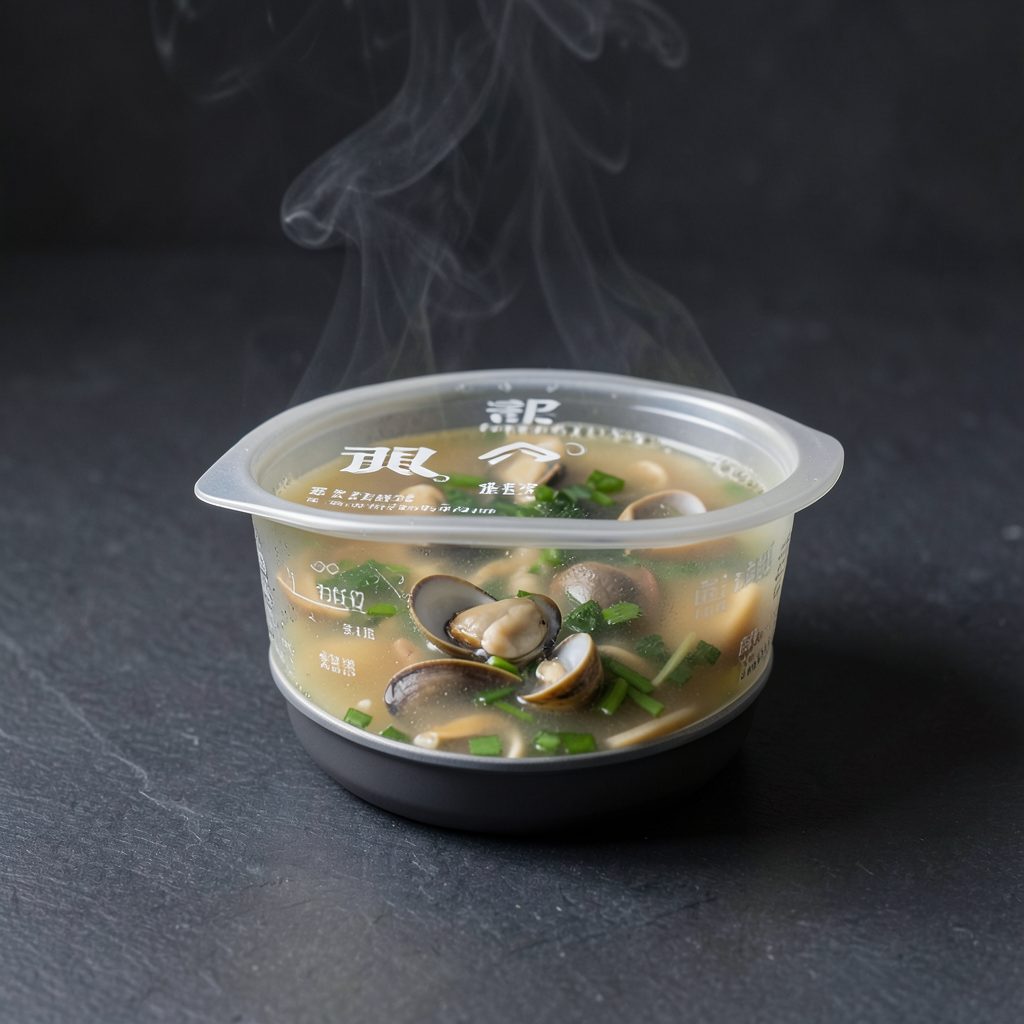
蛤?! Clam Soup Base —卜卜蜆
NT$ —
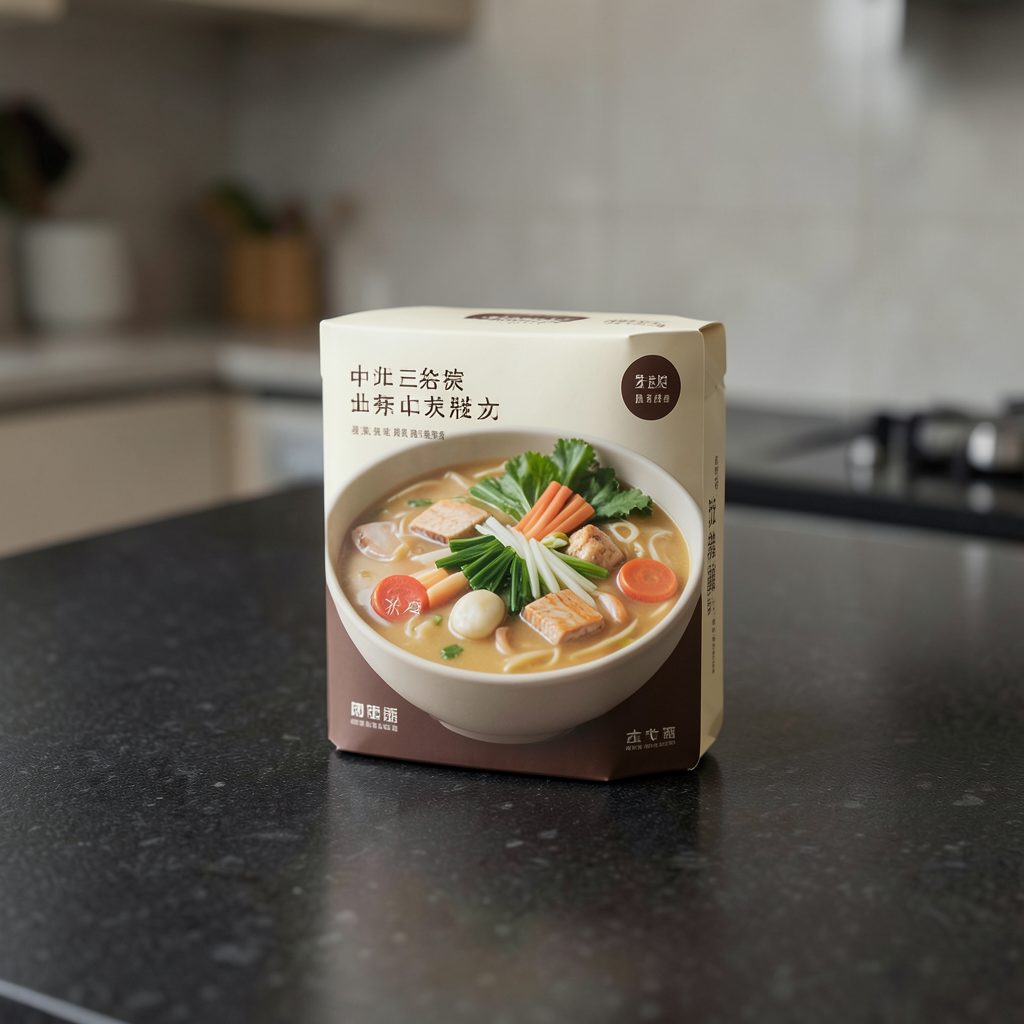
本事滿足鍋物 Personal Pot Base
NT$ —
蛤?! Dry Noodles
NT$ —
Signature Sauce
NT$ —
New Arrivals
蛤?! Golden Clam Broth — New Batch
NT$ —
Radish Cake —蘿蔔糕精神
NT$ —
Duo Soup Base Set
NT$ —
Hot Pot Essentials Bundle
NT$ —
About 蛤?! Huh Pot
蛤?! Huh Pot is a Cantonese-style hot pot brand known for its signature clam-based broth —卜卜蜆 — made with rich old-hen stock and generous portions of fresh clams. The brand also encompasses 本事滿足鍋物, a personal hot pot concept, bringing the same depth of flavor to individual servings.
Through MoneyCome Mart, these restaurant-quality soup bases, dry noodles, radish cakes, and signature sauces are available for home delivery across Taiwan. Restaurant locations in Taipei's Da'an District, Civic Boulevard, and Taichung's Gongyi Road also welcome guests for dine-in, with online reservations available.