Tips for keeping hot pot broth at the perfect simmer
A great hot pot depends on balance. The broth should stay hot enough to cook meat, seafood, tofu, and vegetables safely, while remaining gentle enough to preserve its flavor and texture. A rolling boil can make soup cloudy, evaporate seasoning, and cause delicate ingredients to break apart.
At home, heat control is easier when you treat the pot as a shared cooking environment rather than a saucepan left unattended. The amount of food, the shape of the pot, the burner setting, and even how often the lid is used can quickly change the temperature.
With frozen soup bases, clam broths, sauces, noodles, and prepared ingredients from MoneyCome Mart, you can create a restaurant-style meal with less preparation. The key is to build heat gradually and adjust it throughout the meal.
Choose the right pot and burner
A wide, heavy-bottomed pot distributes heat more evenly than a thin pot with a small base. It also gives ingredients enough room to circulate, which helps the broth maintain a steady temperature after each addition. Avoid filling the pot to the rim because crowded liquid is more likely to spill or cool unevenly.
An induction cooker or portable gas burner makes adjustment simple at the dining table. Before serving, test the burner with plain water or a small amount of broth. You want visible steam and small bubbles rising from the bottom, rather than large bubbles breaking rapidly across the entire surface.
Keep the pot centered over the burner and make sure the base is dry. A stable setup reduces hot spots and makes it easier to keep the simmer consistent as guests add ingredients.
Build heat gradually
Begin with medium heat and allow the broth to warm slowly. If you start at the highest setting, the surface may boil before the center is evenly hot. Once the soup reaches a gentle simmer, lower the heat until the bubbling becomes steady and controlled.
A perfect simmer usually looks like small bubbles around the edges with occasional movement through the center. The broth should produce light steam without splashing. If the surface is churning vigorously, reduce the heat immediately and remove the lid for a moment.
Frozen soup bases should be thawed according to their package directions when possible. Adding a large frozen block directly to a hot pot can lower the temperature sharply, encouraging repeated high-heat adjustments. For product preparation and storage details, review the common questions before cooking.
Adjust after every ingredient
Every addition changes the broth temperature. Chilled meat, seafood, tofu, and frozen dumplings absorb heat, while leafy greens cook quickly and release water. Add cold ingredients in small batches, then wait for the simmer to return before adding more.
Ingredients also need different cooking times. Start with items that benefit from longer cooking, such as daikon, corn, mushrooms, and fish balls. Add thinly sliced meat, greens, noodles, and delicate seafood later so they remain tender instead of becoming tough or waterlogged.
Use a slotted spoon to move cooked food to individual bowls. This keeps the pot from becoming overcrowded and prevents ingredients from continuing to cook after they are ready. It also leaves enough open liquid for the broth to circulate.
Use visual cues to manage temperature
A thermometer can help when you are learning, but visual cues are usually enough for a shared hot pot. The following guide gives a practical reference for common stages:
| Broth condition | What you see | Best adjustment |
|---|---|---|
| Too cool | Little steam and no movement | Increase heat gradually |
| Gentle simmer | Small bubbles at the edges | Maintain the current setting |
| Active boil | Large bubbles across the surface | Lower heat and remove the lid |
| Overcrowded pot | Bubbling stops after ingredients are added | Pause additions and wait |
| Reduced broth | Stronger flavor and lower liquid level | Add hot water or unsalted stock |
Check the liquid level every few minutes, especially during a long meal. Evaporation can concentrate salt and spice, making the broth taste harsh. Add a small amount of hot water or mild stock rather than cold water, which can cause another sudden temperature drop.
Do not rely on the burner’s number alone. Outdoor temperatures, pot materials, and the quantity of ingredients all affect performance. Adjust based on the movement of the broth and the cooking speed of the food.
Keep the lid and ingredients under control
A lid helps the broth heat faster, but leaving it on continuously can push a gentle simmer into a boil. Use the lid while bringing the soup up to temperature, then remove it or leave it slightly ajar once guests begin cooking.
Arrange ingredients on separate plates according to cooking time. Keep raw meat and seafood chilled until needed, and use separate utensils for raw and cooked food. This protects the meal from cross-contamination while reducing unnecessary additions to the pot.
Sauces can add variety without forcing you to season the entire broth. Serve sesame, chili, garlic, scallion, or citrus-based dipping mixtures on the side. For a creative pairing with crispy turnip cake, explore dipping sauce ideas before planning your spread.
Practical habits for a smoother meal
Small routines make it easier to maintain a stable simmer from the first serving to the last bowl:
- Add ingredients in modest portions instead of emptying a full plate into the broth.
- Let the simmer recover before adding another chilled batch.
- Skim foam or excess oil if the surface becomes crowded or cloudy.
- Keep a kettle of hot water nearby for topping up the pot.
- Lower the burner when the broth begins splashing or boiling aggressively.
Taste the broth at intervals, particularly after noodles, vegetables, or seafood have cooked in it. These ingredients can dilute or intensify the flavor. If seasoning is needed, add a small amount at a time and stir gently rather than making a large correction.
When the meal is finished, cool leftover broth promptly and store it safely according to the product instructions. Reheat it thoroughly before serving again, and discard broth that has been left at room temperature for an extended period.
Bring your favorite MoneyCome Mart soup base, fresh toppings, and dipping sauces together for a carefully controlled hot pot at home. Set the burner to a gentle simmer, cook in small batches, and enjoy every bowl at its best.
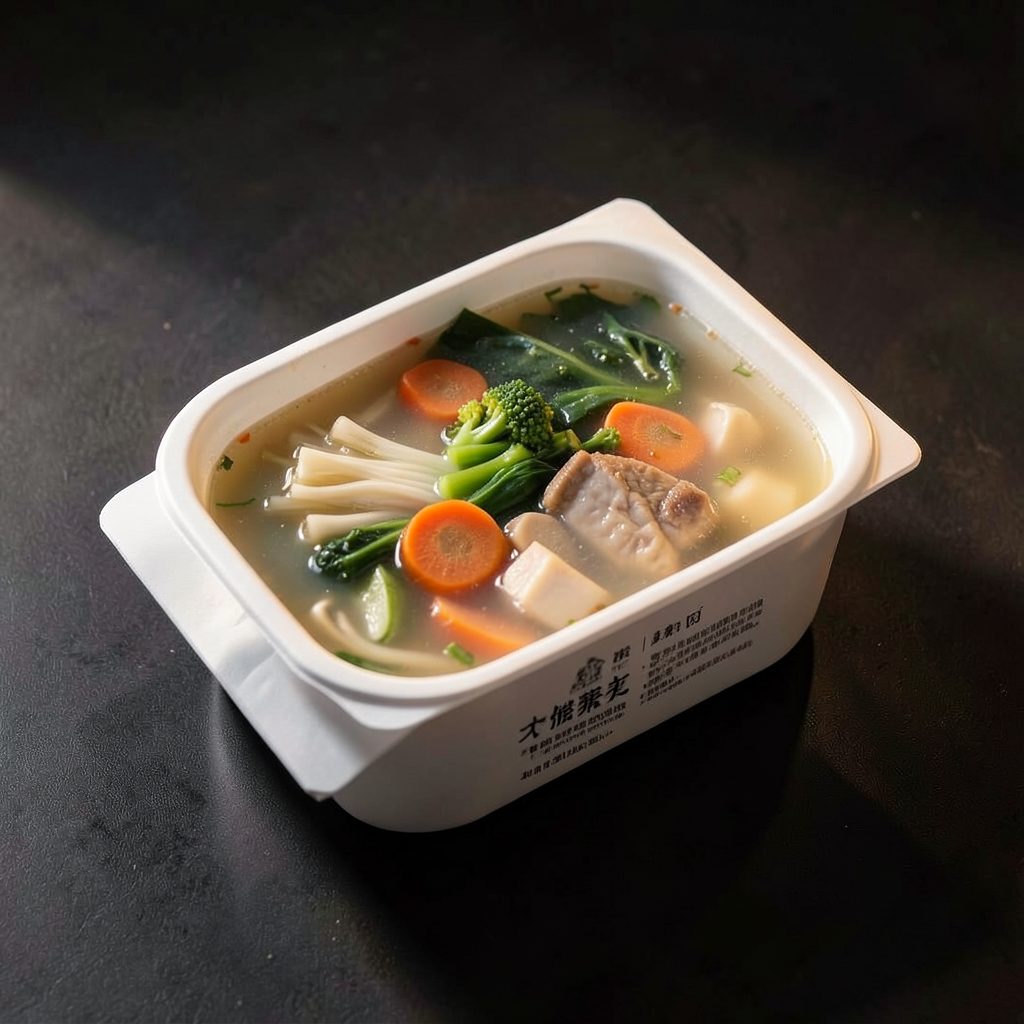
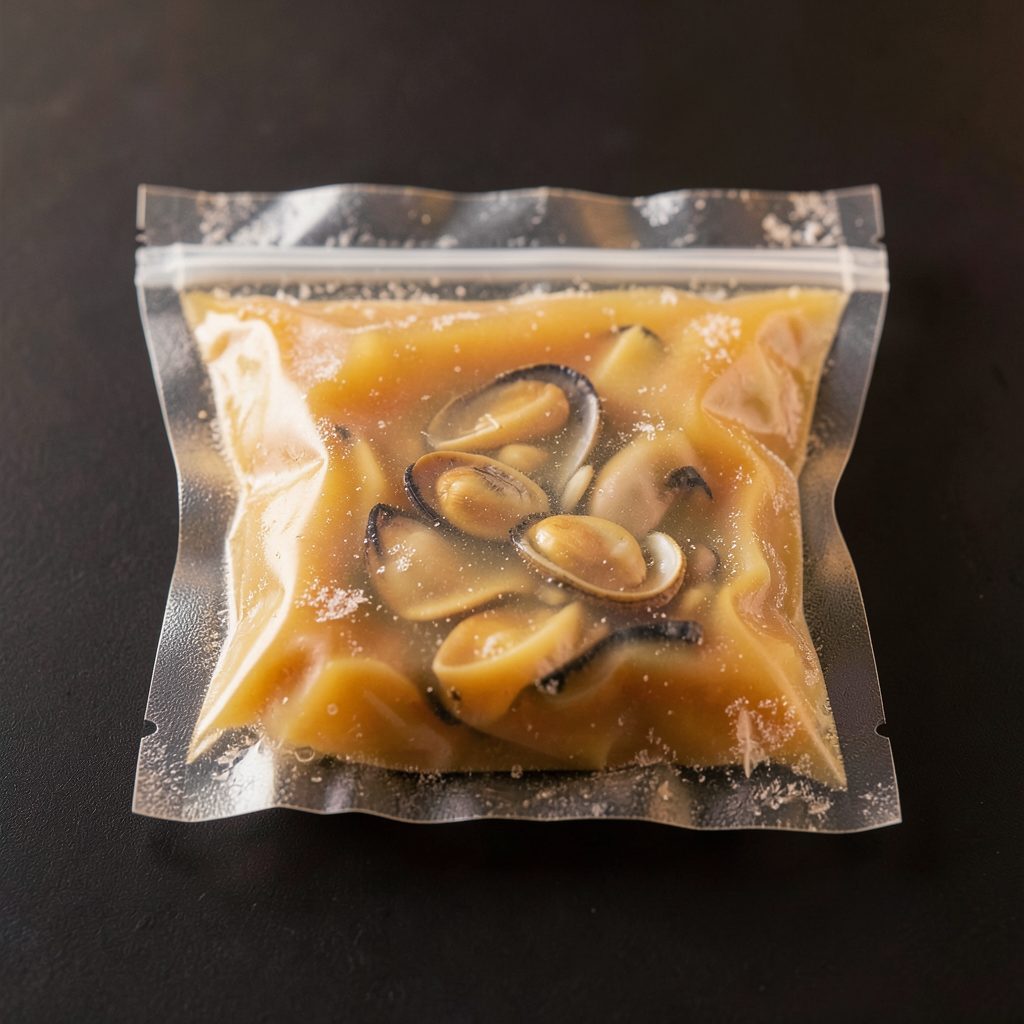
Best Sellers
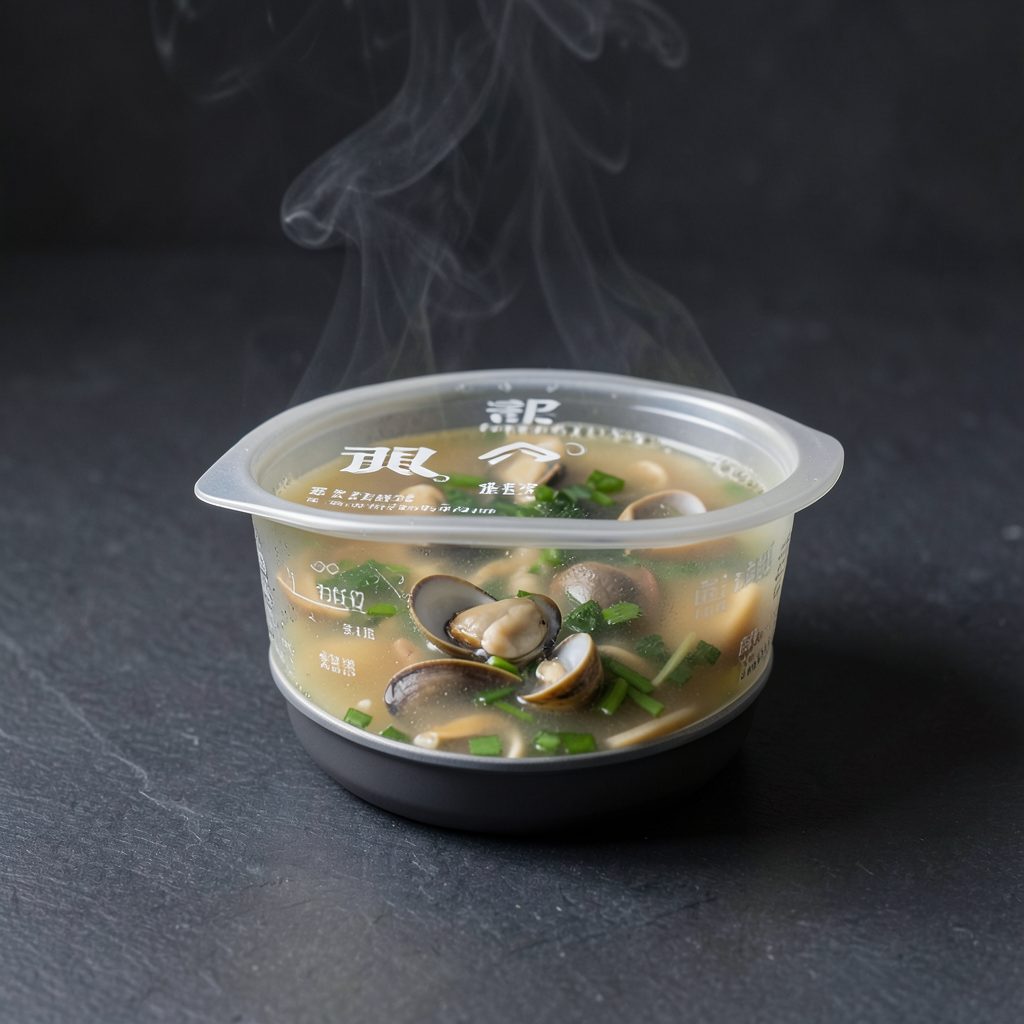
蛤?! Clam Soup Base —卜卜蜆
NT$ —
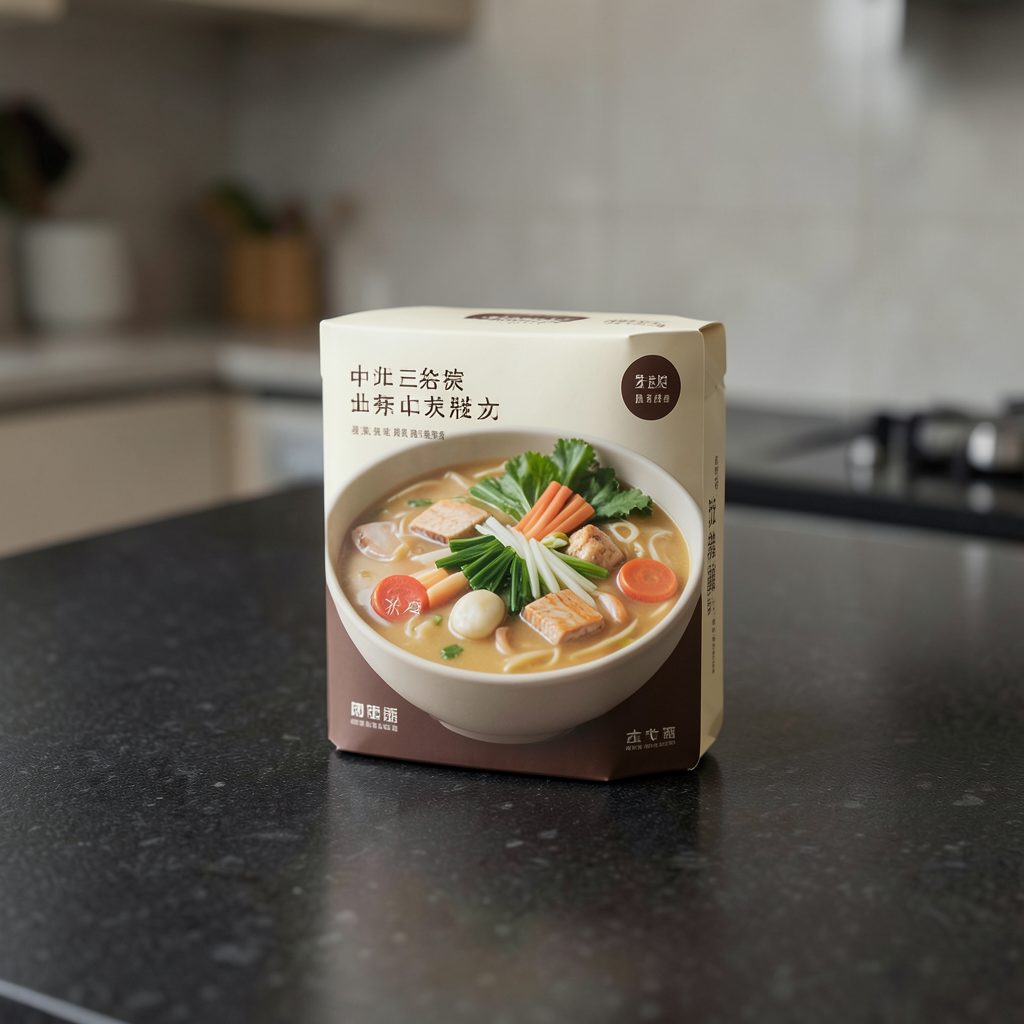
本事滿足鍋物 Personal Pot Base
NT$ —
蛤?! Dry Noodles
NT$ —
Signature Sauce
NT$ —
New Arrivals
蛤?! Golden Clam Broth — New Batch
NT$ —
Radish Cake —蘿蔔糕精神
NT$ —
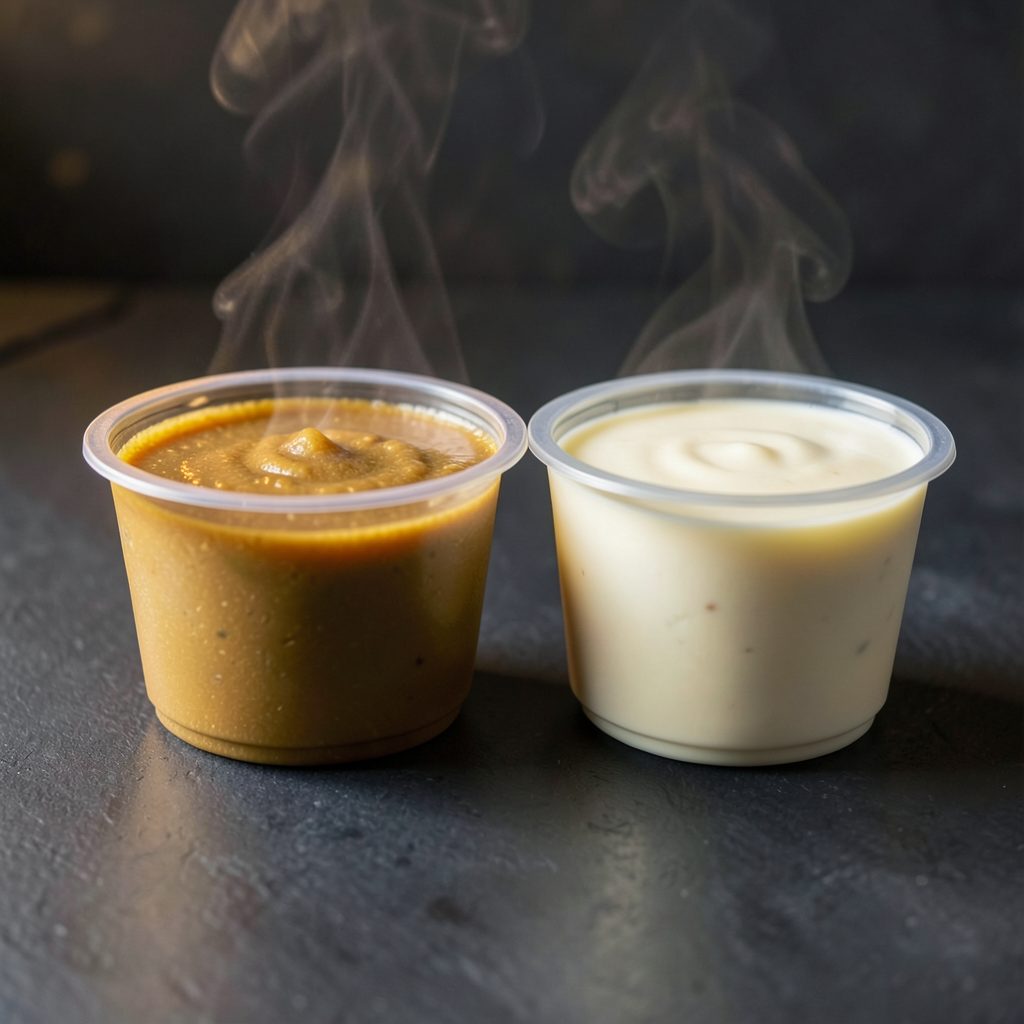
Duo Soup Base Set
NT$ —
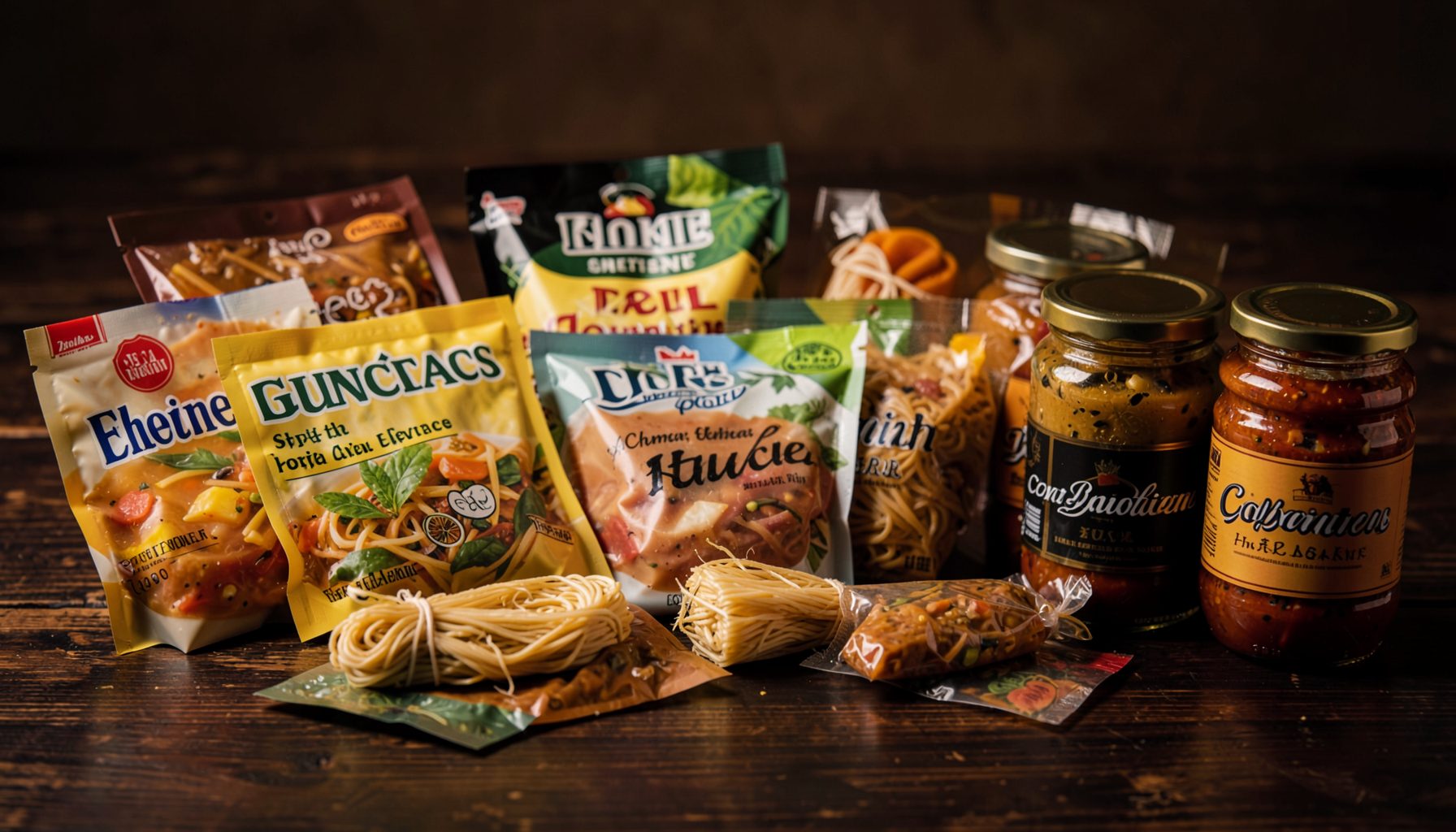
Hot Pot Essentials Bundle
NT$ —
About 蛤?! Huh Pot
蛤?! Huh Pot is a Cantonese-style hot pot brand known for its signature clam-based broth —卜卜蜆 — made with rich old-hen stock and generous portions of fresh clams. The brand also encompasses 本事滿足鍋物, a personal hot pot concept, bringing the same depth of flavor to individual servings.
Through MoneyCome Mart, these restaurant-quality soup bases, dry noodles, radish cakes, and signature sauces are available for home delivery across Taiwan. Restaurant locations in Taipei's Da'an District, Civic Boulevard, and Taichung's Gongyi Road also welcome guests for dine-in, with online reservations available.