Turning Leftover Clam Broth into a Silky Risotto Base
After a big pot of seafood soup or a Cantonese hot pot night, that leftover clam broth sitting in the pot feels too precious to pour down the sink. It carries layers of briny depth, ginger warmth, and whatever aromatics went into the original pot, all waiting for a second life. Risotto, with its patient stirring and creamy finish, is the perfect vessel for that liquid gold, turning a scrap into the main event of a Tuesday dinner.
Restaurant-quality stocks used to require hours on the stove, but the rise of small-batch Asian broths shipped in insulated boxes has changed the maths. A pouch of clam broth from MoneyCome Mart arrives frozen at your door in Melbourne or Brisbane, ready to defrost and pour straight into the pan. That kind of convenience suits the way many Aussies cook now: small apartment kitchens, busy schedules, and a willingness to spend a little more for proper flavour when the alternative is a sad stock cube.
Risotto also earns its place in an Australian repertoire because it stretches premium ingredients further. A single pack of clams, a handful of arborio, and a litre of broth feed four comfortably without breaking the weekly grocery budget. It is the sort of cooking that respects both the wallet and the palate, which feels right for a nation that loves a good deal but refuses to compromise on taste.
The technique below treats the clam broth as the backbone of the dish, with a few local twists drawn from Italian-Australian home cooking and the produce you’ll find at the Queen Victoria Market or the Sydney Fish Market. No special equipment, no fuss, just good stock treated well.
Storing the Broth Without Losing Flavour
Once the broth has cooled, strain out any bits of shell or aromatics and transfer it to a sealed container. Glass jars work brilliantly because you can see what’s inside and they stack neatly in a fridge that’s already groaning with leftovers from last night’s roast chook. Plastic is fine for the freezer, but glass holds flavour better in the cold for longer.
A few practical rules keep the broth tasting fresh rather than tired. Always cool it to room temperature before sealing, otherwise condensation dilutes the flavour and encourages spoilage. Always label the container with the date, because mystery stock older than a couple of days is rarely a joy to rediscover.
Storage guidelines worth remembering:
- Fridge life: three to four days in a sealed container
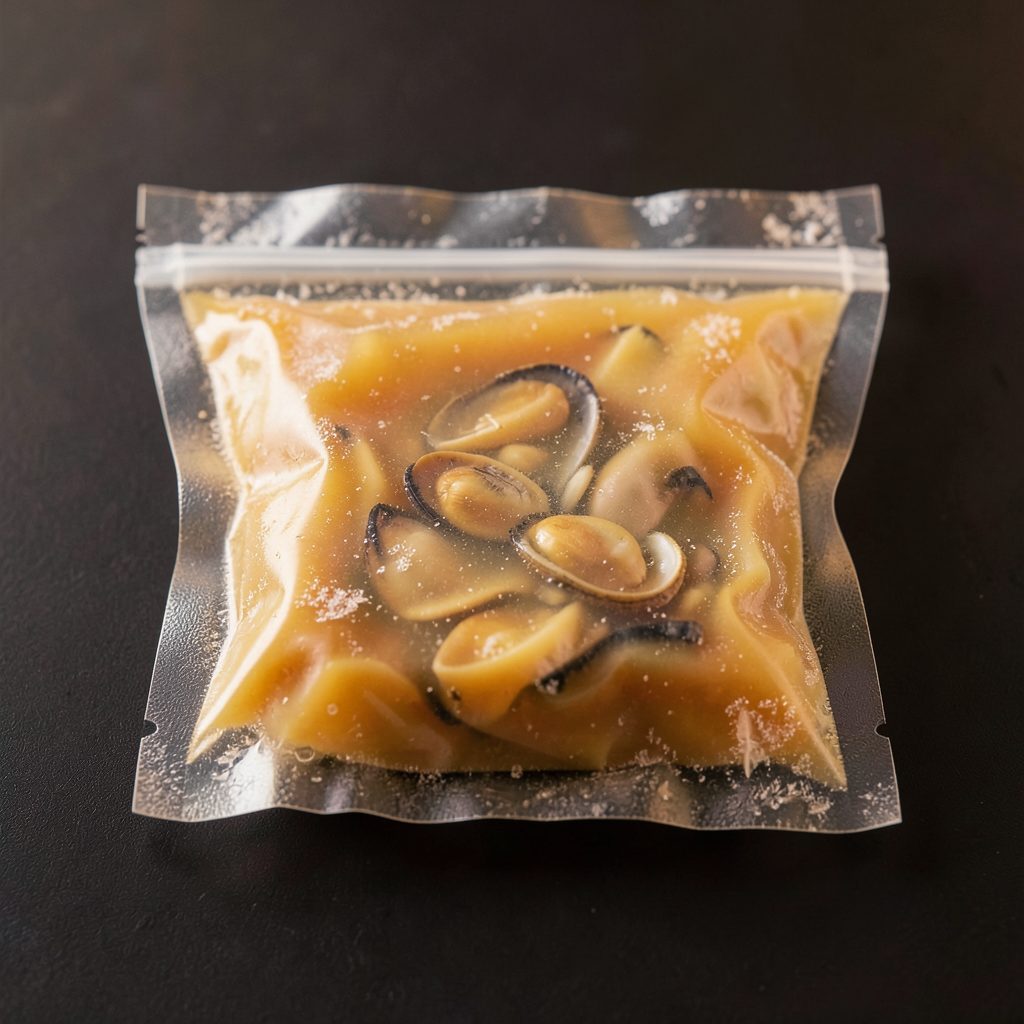
- Freezer life: up to three months in a freezer-safe pouch or jar with headspace
- Defrost method: overnight in the fridge, never on the bench
- Reheat gently: warm on low before adding to the rice
Choosing the Right Short-Grain Rice
Arborio is the classic choice and the easiest to find in Australian supermarkets, sitting right next to the risoni in the pasta aisle at Coles or Woolworths. Its high starch content is what gives risotto that trademark creamy texture without a drop of cream. Vialone Nano or Carnaroli will give an even silkier result if you happen to spot them at a specialty grocer like Caruso’s in Melbourne.
Whatever you choose, avoid basmati or jasmine. Their long grains stay separate and firm, which is exactly the opposite of what a risotto wants. Short-grain rice needs to break down a little, releasing its starch slowly as you stir. That release is what turns a pan of broth and grains into something luxurious.
If arborio feels too starchy on the finish, rinse the rice briefly before toasting. Some Italian nonnas swear by this; others say it is heresy. Either way, it is a small adjustment that can tailor the final texture to your liking.
Prepping the Australian Seafood Add-Ins
A risotto built on clam broth craves a little texture alongside it. Fresh vongole from the Sydney Fish Market, pipis from a fishmonger in Bondi, or local mussels from a Tasmanian supplier all work beautifully. If shellfish feels like a stretch on the budget, a handful of green prawns or even a tin of good-quality Australian sardines folded through at the end will do the job.
When using fresh clams or mussels, give them a quick scrub and discard any that refuse to close when tapped. A dry white wine from the Barossa or the Mornington Peninsula adds another layer of acidity that cuts through the richness. Keep the opened shells aside for garnish so the final plate looks generous and alive.
For a fully meaty version, diced chicken thigh or shredded roast pork belly can stand in. The broth does the heavy lifting on flavour, so the protein just needs to add bite and contrast.
Building the Aromatic Base
Start with a generous knob of unsalted butter in a heavy pan, then add finely chopped shallots and a clove or two of minced garlic. Sweat them gently until they turn translucent and smell sweet, never brown. This is where the dish begins to smell like a Melbourne trattoria on a winter arvo, and there is no rush to move forward.
Tip in the rice and toast it for a minute or so, stirring so every grain catches a little fat. This step coats the starch and helps the rice absorb liquid evenly later. Deglaze with a splash of that local white wine, letting the alcohol cook off and the pan pick up all those tasty browned bits.
Once the wine has nearly disappeared, it is time for the broth. Have it warm in a separate pot so adding it to the rice doesn’t shock the temperature and stall the cooking.
Mastering the Stir and Ladle Rhythm
The risotto myth that you must stir constantly is only half true. What matters more is keeping the liquid moving around the rice in regular waves, not letting it sit still and form a crust on the bottom. A lazy stir every minute or so is plenty.
Ladle the warm broth in slowly, one scoop at a time, waiting for each addition to be almost absorbed before adding the next. This is the patient part, the bit that feels meditative rather than frantic. It usually takes around eighteen to twenty minutes for the rice to reach that tender-yet-al dente point where the outside is creamy and the centre still has a faint chew.
If the rice drinks the broth faster than expected, top up with hot water from the kettle. If it sits in too much liquid, turn up the heat and stir more frequently to drive off the excess.
Finishing Touches and Sauce Pairings
When the rice is done, pull the pan off the heat and beat in a final knob of cold butter and a generous handful of finely grated parmesan. This is the mantecatura step, the secret to restaurant-level silkiness. A squeeze of lemon zest brightens the whole pot, and a few leaves of flat-leaf parsley torn over the top add colour and freshness.
For those who like a bit of punch on the plate, a drizzle of chilli oil or a spoonful of XO sauce works a treat. If you want to understand how a mild clam base plays with bolder condiments, this broth meets bold sauces guide walks through the flavour logic in more detail.
Finish with cracked black pepper and a final flake of sea salt. Taste before you salt, because clam broth already carries plenty of natural seasoning.
Serving Suggestions and Next-Day Storage
Serve the risotto straight away in shallow bowls, topped with the reserved shellfish and a little extra parmesan. A crisp rocket salad dressed with lemon and olive oil makes a simple side that cuts through the richness without competing with it. A glass of the same white wine used in the cooking ties the whole table together.
Serving ideas worth trying:
- Shallow bowls with extra parmesan and a drizzle of olive oil
- A side of rocket, lemon, and shaved fennel salad
- Grilled prawns or a piece of flathead on top
- A glass of local Vermentino or Pinot Grigio
If there happens to be any leftover, spread it flat on a tray and refrigerate. The next day, it transforms into beautiful arancini balls or a quick pan-fried rice cake with a fried egg on top. Nothing wasted, which is the whole point of cooking with broth this good in the first place.
Best Sellers
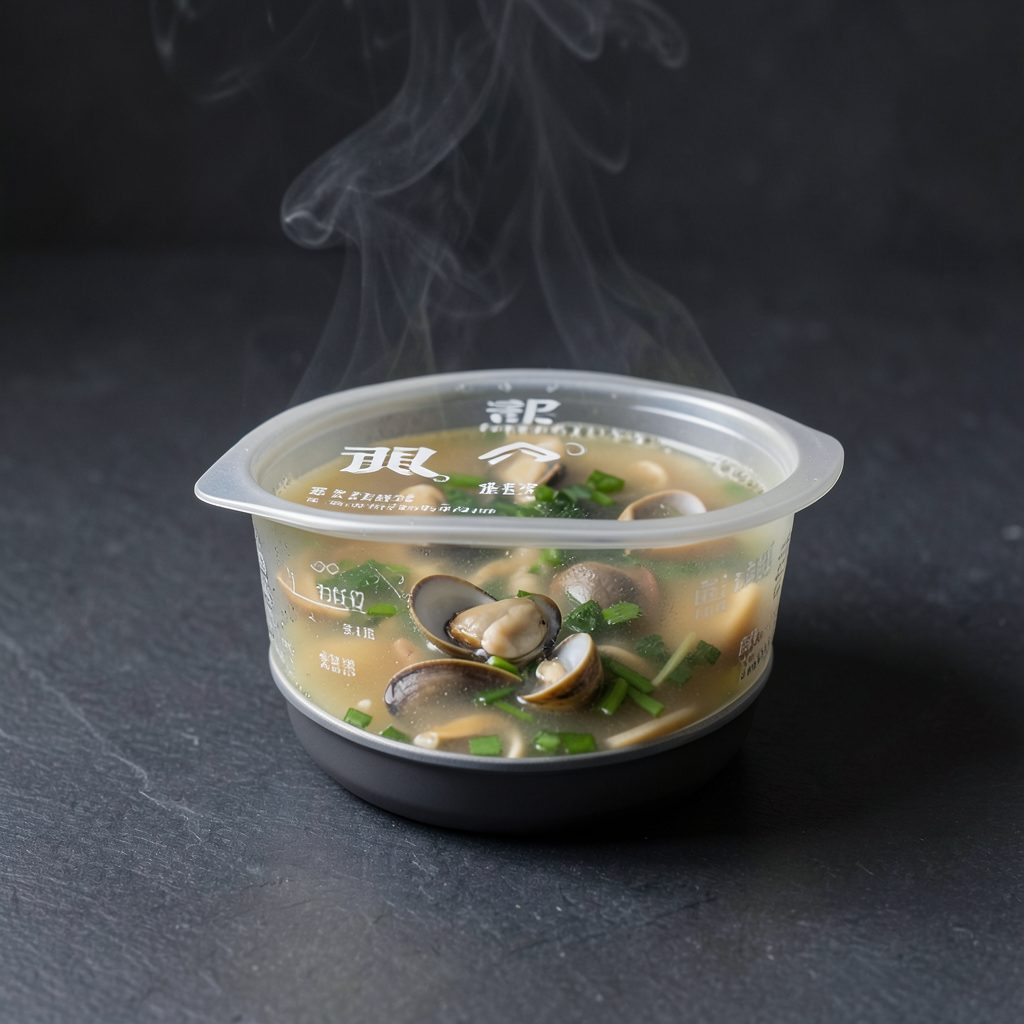
蛤?! Clam Soup Base —卜卜蜆
NT$ —
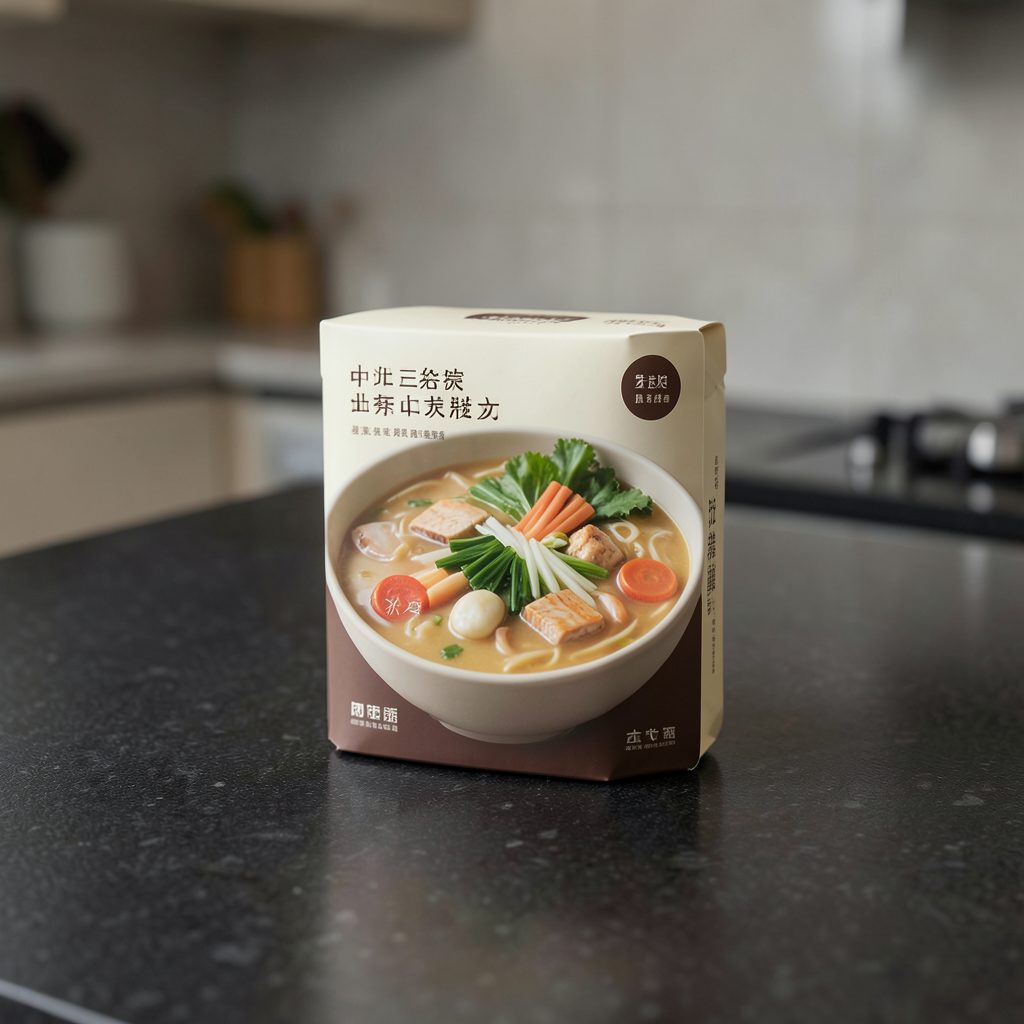
本事滿足鍋物 Personal Pot Base
NT$ —
蛤?! Dry Noodles
NT$ —
Signature Sauce
NT$ —
New Arrivals
蛤?! Golden Clam Broth — New Batch
NT$ —
Radish Cake —蘿蔔糕精神
NT$ —
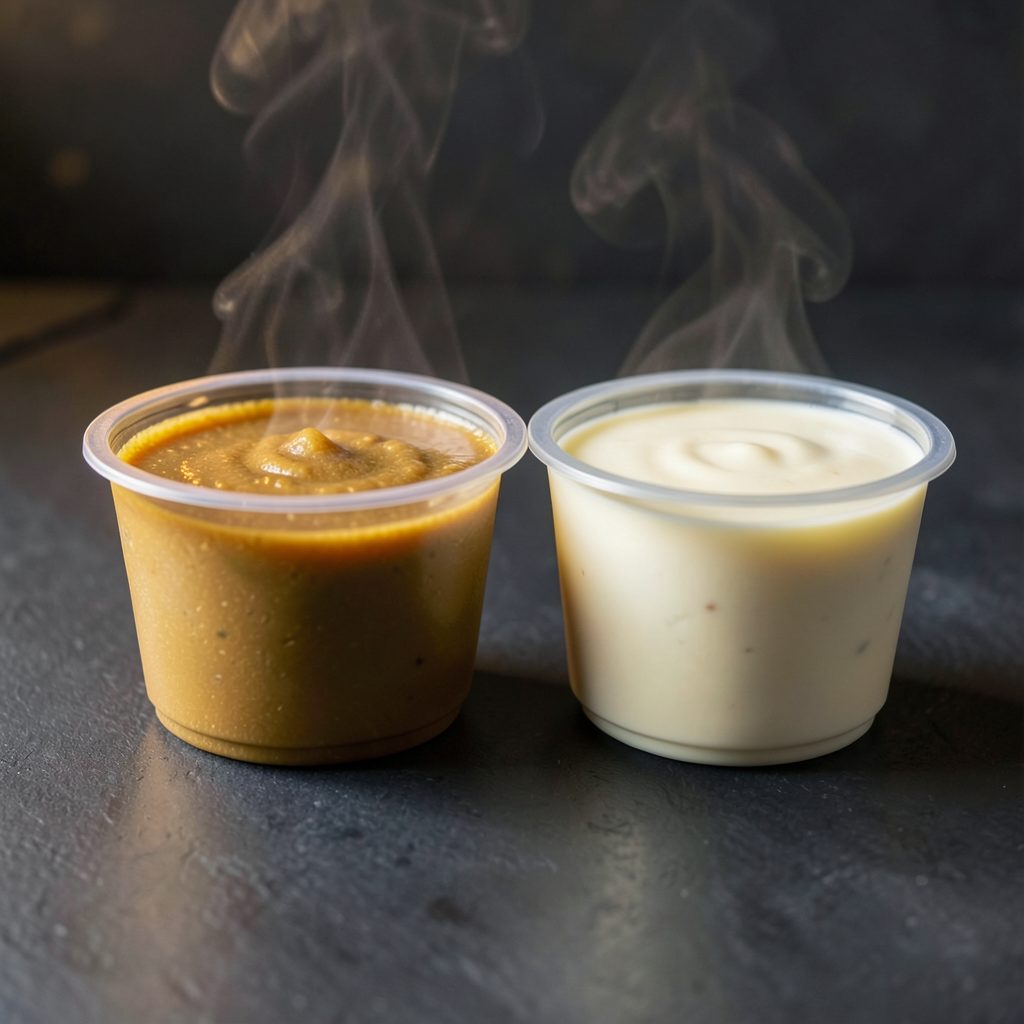
Duo Soup Base Set
NT$ —

Hot Pot Essentials Bundle
NT$ —
About 蛤?! Huh Pot
蛤?! Huh Pot is a Cantonese-style hot pot brand known for its signature clam-based broth —卜卜蜆 — made with rich old-hen stock and generous portions of fresh clams. The brand also encompasses 本事滿足鍋物, a personal hot pot concept, bringing the same depth of flavor to individual servings.
Through MoneyCome Mart, these restaurant-quality soup bases, dry noodles, radish cakes, and signature sauces are available for home delivery across Taiwan. Restaurant locations in Taipei's Da'an District, Civic Boulevard, and Taichung's Gongyi Road also welcome guests for dine-in, with online reservations available.