How to Pair Gentle Hot Pot Broths with Bold Dipping Sauces
A mild soup base gives a hot pot meal a clean, adaptable foundation. Instead of competing with seafood, vegetables, tofu, or thinly sliced meat, it lets each ingredient keep its natural flavor. That makes a gentle broth especially useful when the table includes several strong dipping sauces.
The key is to create contrast without losing balance. A richly seasoned sauce can bring heat, acidity, sweetness, garlic, or fermented depth to every bite, while the broth quietly keeps the overall meal smooth and comforting.
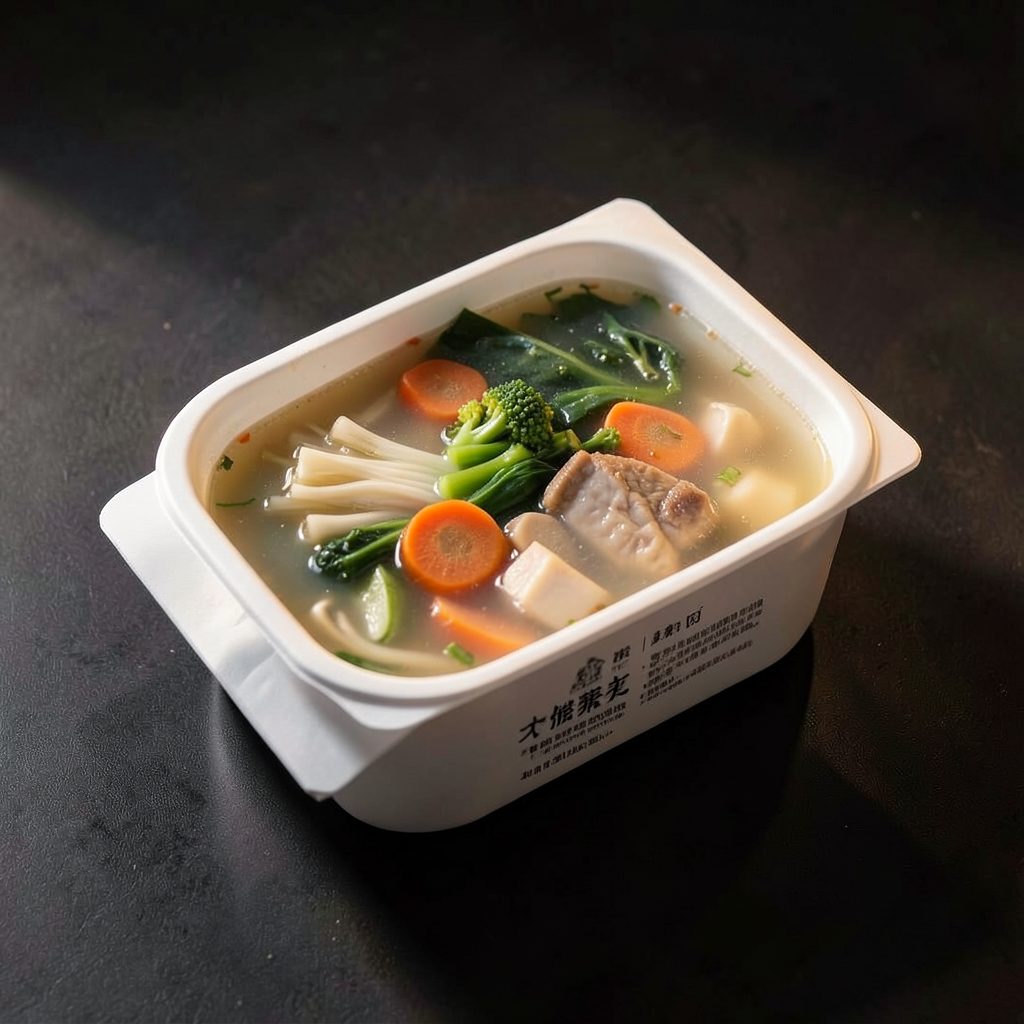
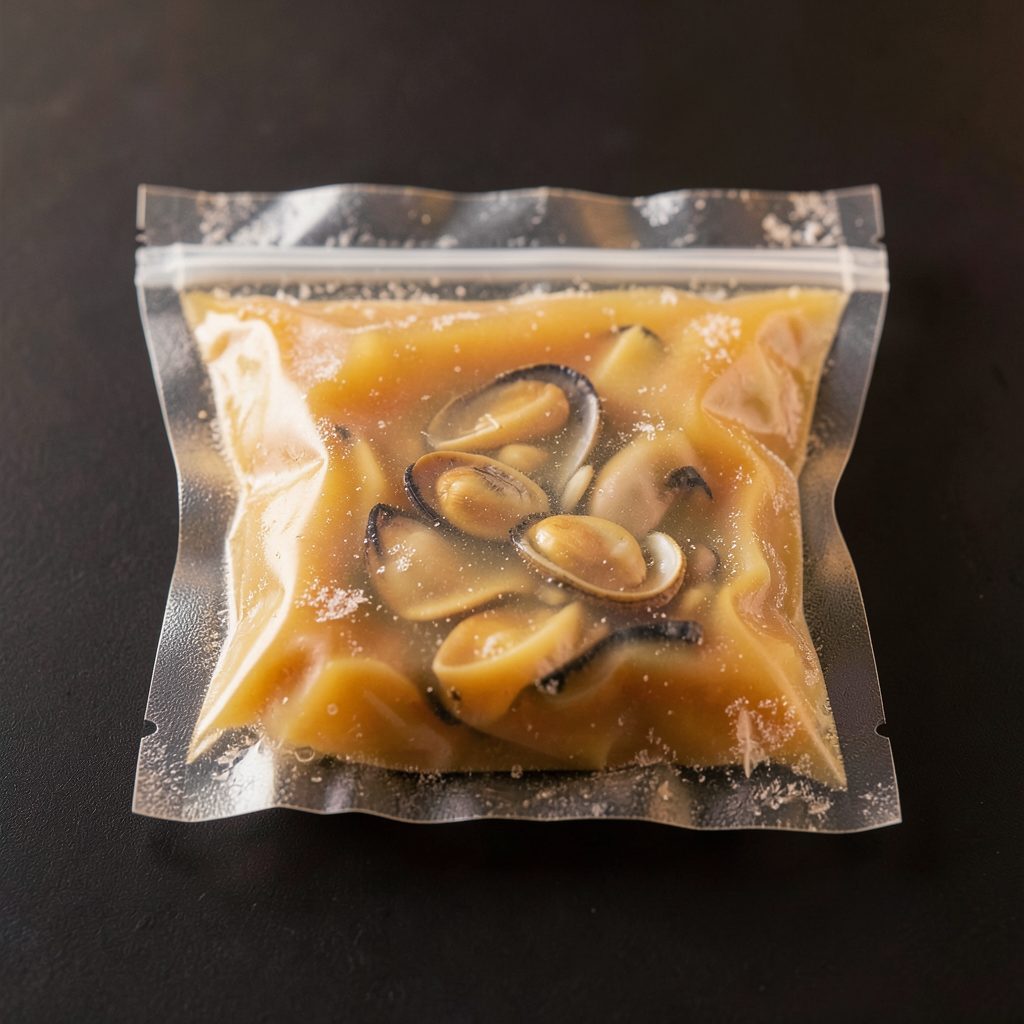
For a convenient home hot pot in Taiwan, a frozen soup base from MoneyCome Mart can provide restaurant-style flavor with little preparation. Once the broth is heated, the sauces become the main tool for customizing each serving.
Let the Broth Set the Flavor Baseline
A mild broth should taste savory and aromatic, but it does not need to be highly concentrated. Light chicken, vegetable, clam, or kombu-style bases work well because they add umami while leaving room for sauce. If the stock is already salty or spicy, bold condiments may make the meal feel heavy.
Taste the soup before adding ingredients. This gives you a reference point for seasoning and helps you decide whether the dipping sauce needs more brightness, sweetness, or dilution. A delicate clam broth, for example, pairs naturally with citrus, scallion, and chili because those flavors highlight the seafood rather than cover it.
Keep the cooking liquid at a gentle simmer rather than a hard boil. A calmer broth stays clearer, protects fragile ingredients, and makes it easier to notice how flavors change as meat, mushrooms, tofu, and vegetables cook.
Build Contrast with Sauce Components
Bold sauces are easiest to balance when each ingredient has a specific role. Soy sauce contributes salt and umami, sesame paste adds richness, vinegar brings sharpness, chili oil supplies heat, and minced garlic creates aroma. Combining every strong element at once can overwhelm a mild soup base, so start with a small amount of each.
A useful formula is one savory ingredient, one aromatic ingredient, and one balancing ingredient. Try soy sauce with garlic and rice vinegar, or sesame paste with scallions and a touch of sugar. For a spicy dipping sauce, add chili crisp gradually and loosen the mixture with a spoonful of hot broth.
The broth can also become part of the sauce. A few teaspoons of steaming soup soften thick sesame or peanut-based mixtures and connect the condiment to the ingredients in the pot. This small adjustment keeps the sauce bold while making its texture lighter and easier to coat.
Match Sauce Intensity to Each Ingredient
Delicate ingredients need a lighter touch. Fish slices, clams, napa cabbage, tofu, and rice noodles work well with citrus-soy sauce, scallion oil, or a thin garlic dip. These combinations add definition without hiding the ingredient’s texture or natural sweetness.
Meaty and earthy ingredients can handle more assertive flavors. Beef, lamb, mushrooms, turnip cakes, and fried bean curd pair comfortably with sesame sauce, satay-style blends, fermented bean curd, or chili garlic oil. A touch of vinegar helps cut through richer foods and prevents the bite from becoming greasy.
Think about texture as well as flavor. Crunchy scallions, toasted sesame seeds, fried shallots, or crushed peanuts give soft ingredients more contrast. For slippery noodles and leafy greens, a thicker sauce clings better, while a thin ponzu-style dip works beautifully with seafood.
Pairing Guide for a Balanced Bowl
Use the following combinations as a starting point, then adjust according to the broth’s salt level and the ingredients in the pot.
| Hot Pot Ingredient | Bold Sauce Direction | Balancing Element |
|---|---|---|
| Clams and white fish | Garlic, chili, and soy | Lime or rice vinegar |
| Beef slices | Sesame, scallion, and chili oil | A little warm broth |
| Mushrooms | Fermented bean paste and soy | Sugar or citrus |
| Tofu and bean curd | Peanut or sesame sauce | Chopped herbs |
| Turnip cakes | Sweet chili and garlic | Vinegar |
| Noodles | Soy, sesame, and fried shallot | Extra broth |
A mild base also makes it easy to serve several sauces at the same time. One guest may prefer a fiery chili dip, while another may want sesame paste with herbs. Since the soup remains neutral, everyone can season individual portions without altering the entire pot.
Keep Salt, Heat, and Richness in Check
Sauce should season the cooked ingredient, not dominate the whole meal. Dip lightly at first, especially when using concentrated soy sauce, fermented bean products, or commercial chili pastes. If the flavor feels too salty, add vinegar, sesame paste, chopped vegetables, or hot broth instead of adding more ingredients at random.
Heat benefits from freshness. Sliced scallions, cilantro, grated garlic, citrus zest, and cucumber can make a powerful chili sauce feel brighter. Sweetness also helps round out sharp heat; a small amount of sugar, honey, or sweet chili sauce is usually enough.
Save a little broth near the end of the meal for noodles or rice. Leftover soup can become a savory cooking liquid, and this guide to turning hot pot broth into fried rice offers a practical way to use its concentrated flavor after the ingredients are gone.
Choose Your Sauce Combinations
Prepare sauces in small bowls so guests can customize every bite. Serving two or three distinct profiles is usually enough: one bright and savory, one creamy and nutty, and one spicy or fermented. This creates variety without crowding the table.
- Combine soy sauce, garlic, scallion, and rice vinegar for a sharp seafood dip.
- Mix sesame paste with warm broth, chili oil, and chopped cilantro for beef and mushrooms.
- Stir sweet chili sauce with minced garlic and vinegar for turnip cakes and fried tofu.
- Add citrus juice to a soy-based sauce when the broth contains clams, fish, or leafy greens.
Keep extra broth, neutral sesame oil, and chopped aromatics nearby for last-minute adjustments. A flexible condiment station makes a mild soup base feel versatile throughout the meal, from the first delicate vegetable to the final noodle serving.
Choose a gentle MoneyCome Mart soup base, add fresh ingredients, and set out a few contrasting sauces for an easy home hot pot with personalized flavor in every bowl.
Best Sellers
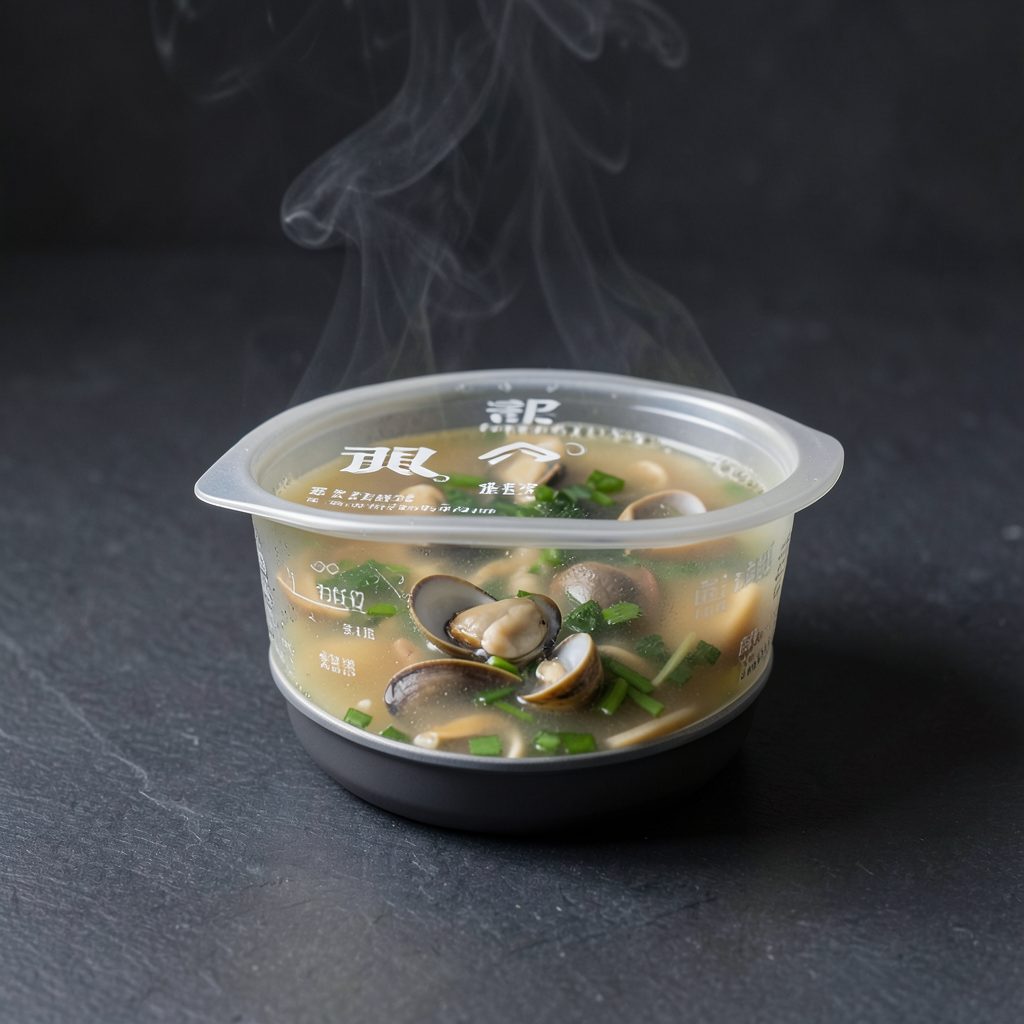
蛤?! Clam Soup Base —卜卜蜆
NT$ —
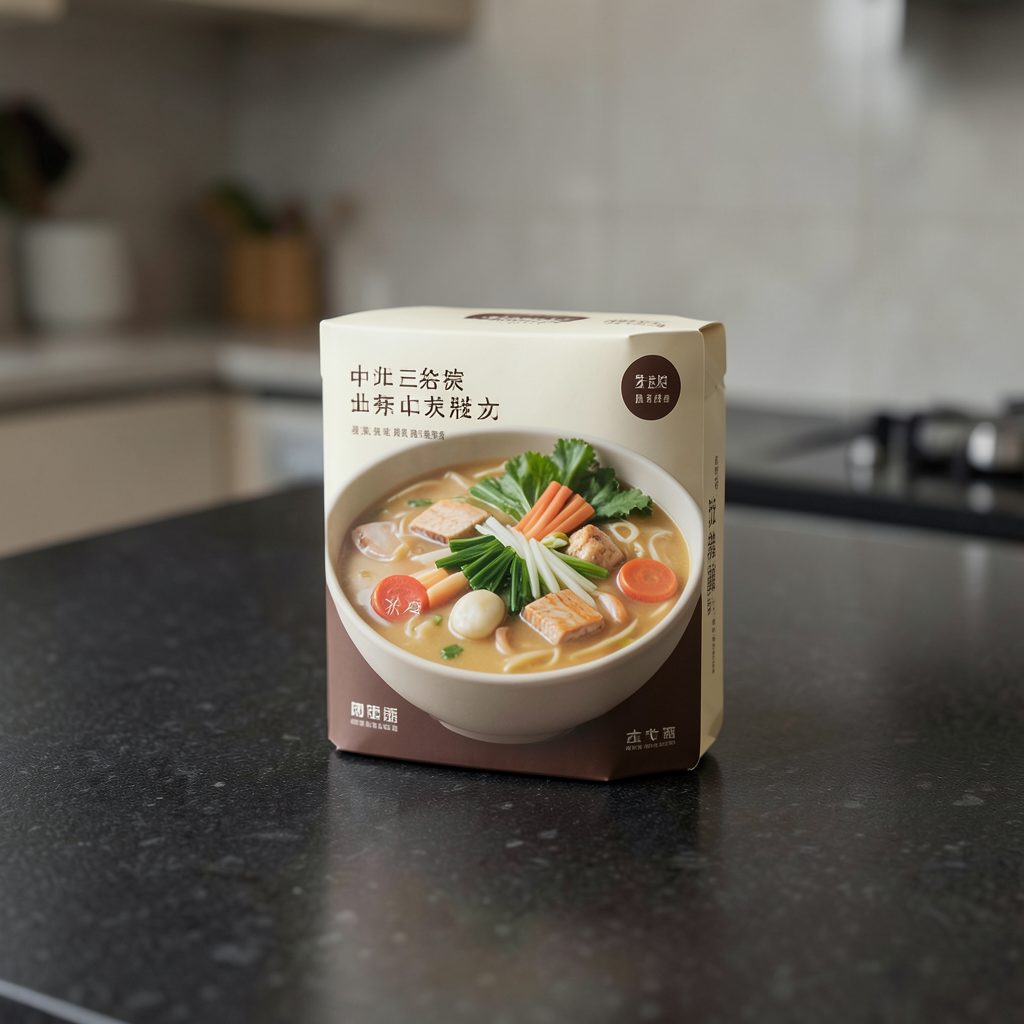
本事滿足鍋物 Personal Pot Base
NT$ —
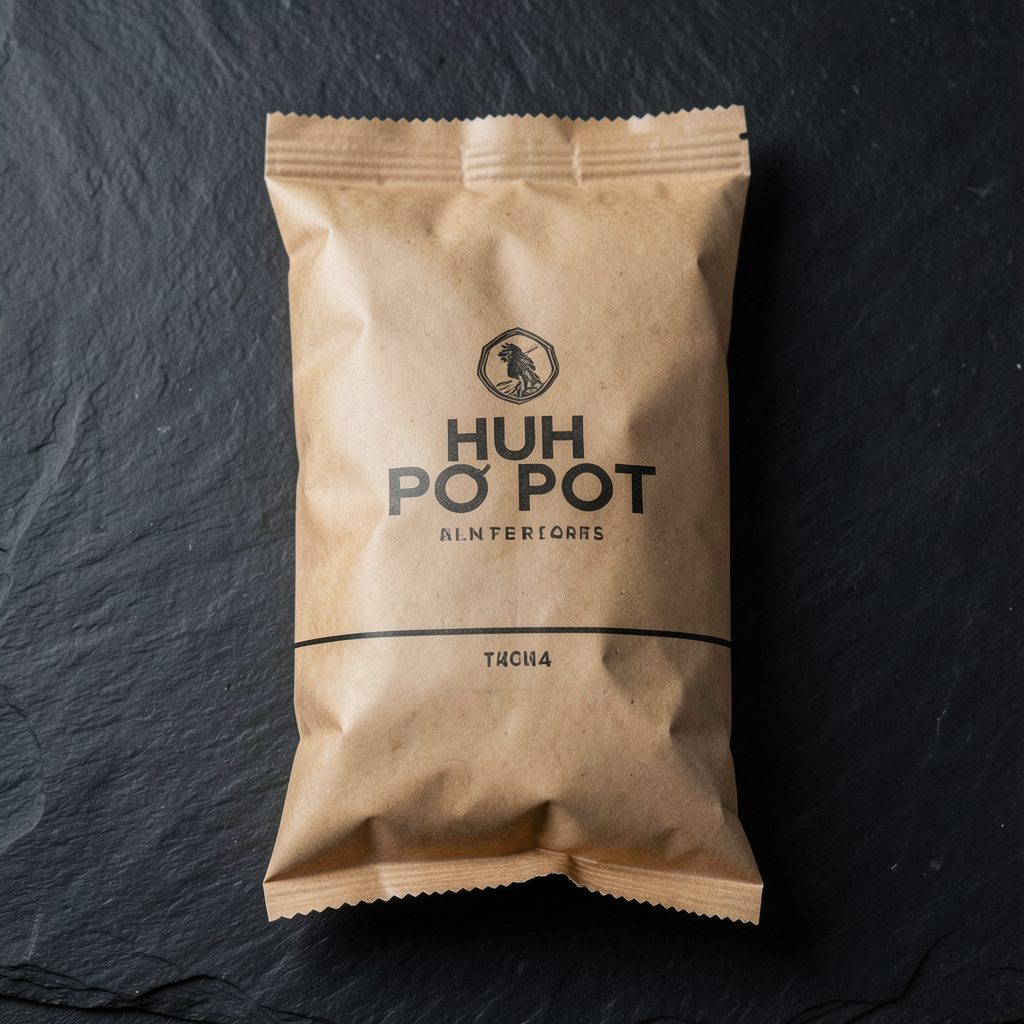
蛤?! Dry Noodles
NT$ —
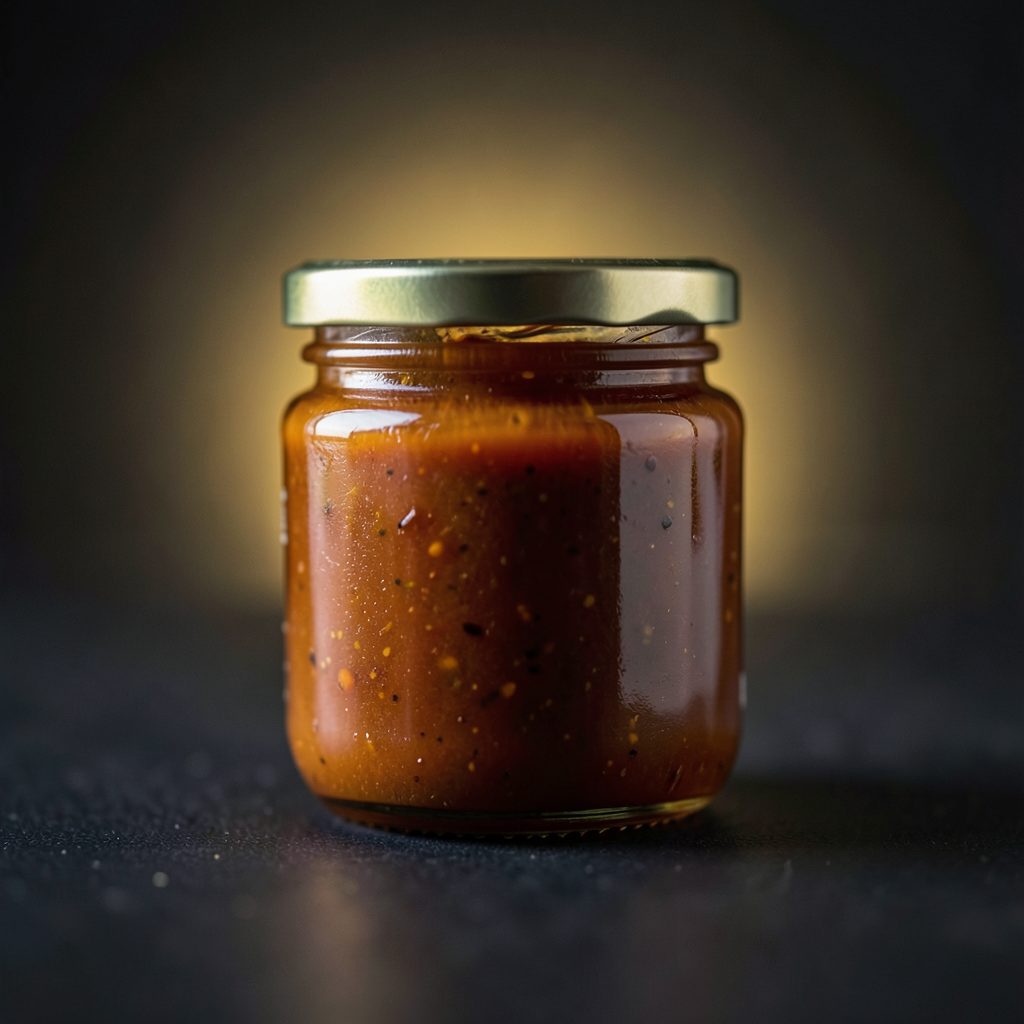
Signature Sauce
NT$ —
New Arrivals
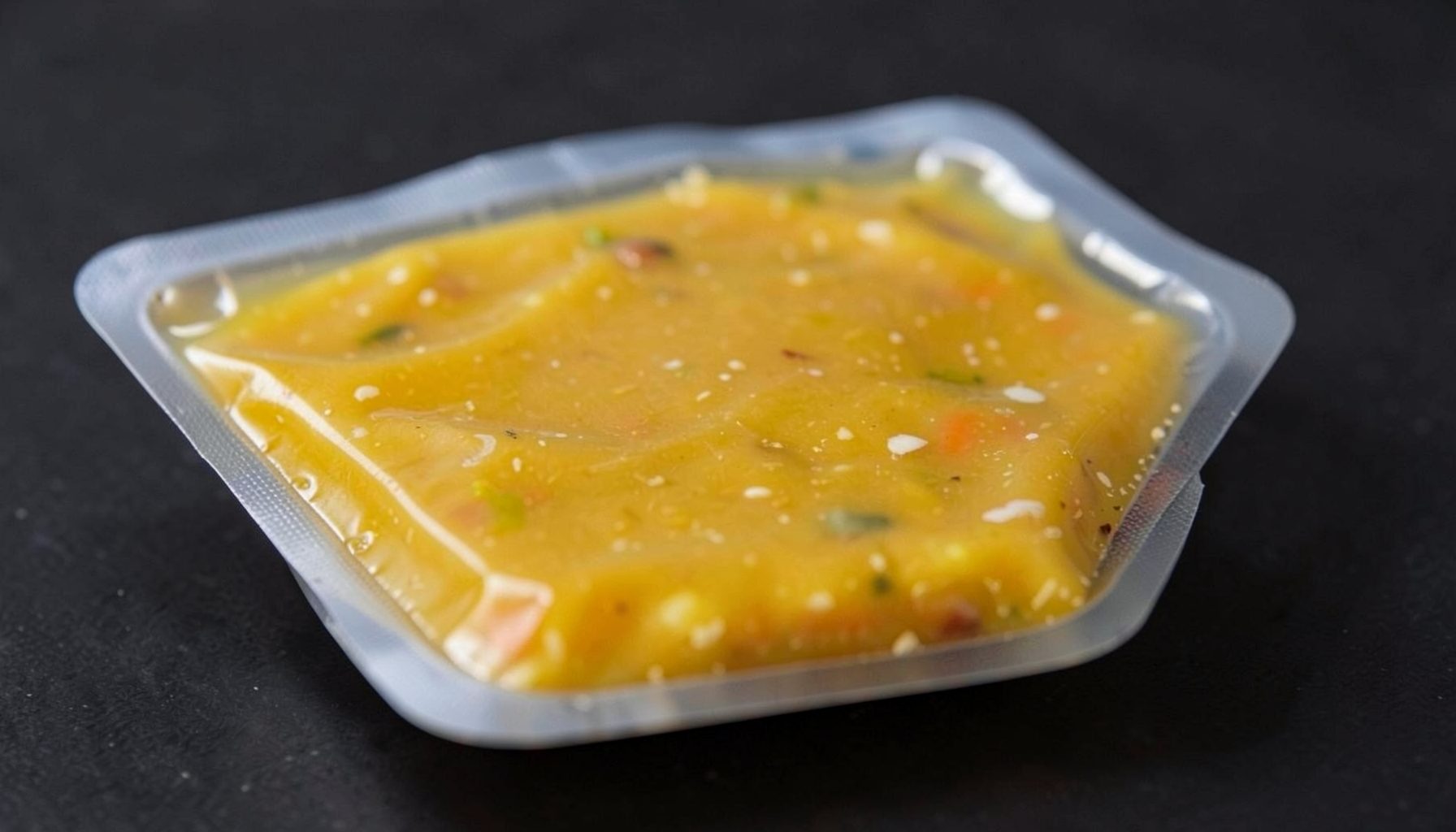
蛤?! Golden Clam Broth — New Batch
NT$ —
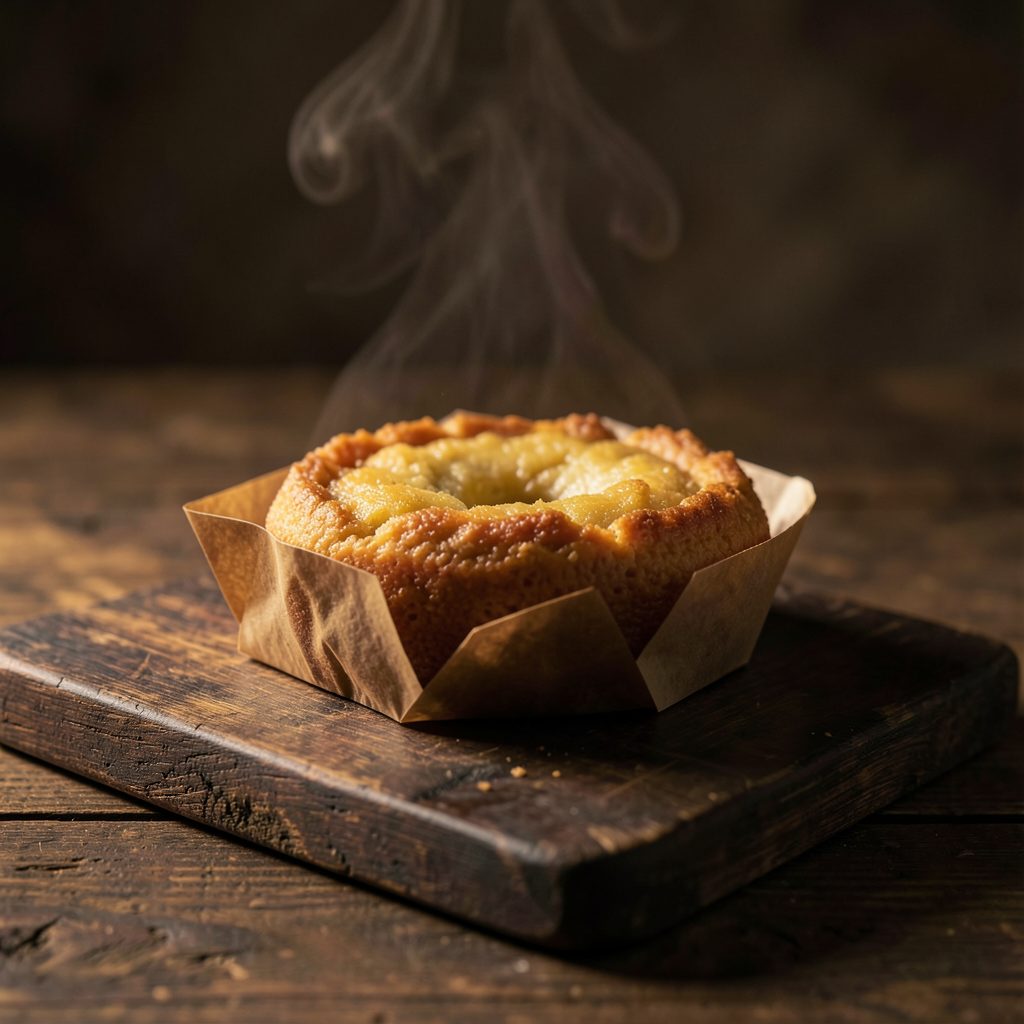
Radish Cake —蘿蔔糕精神
NT$ —
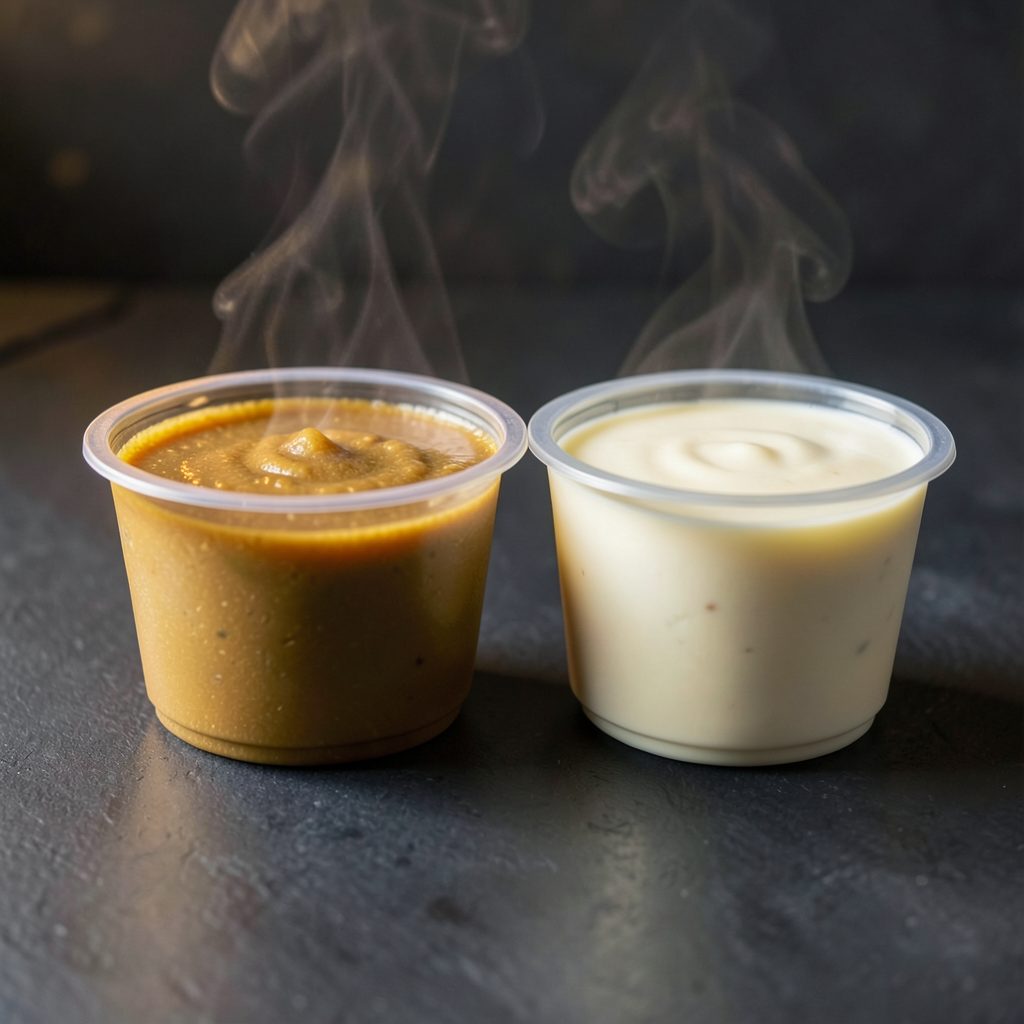
Duo Soup Base Set
NT$ —
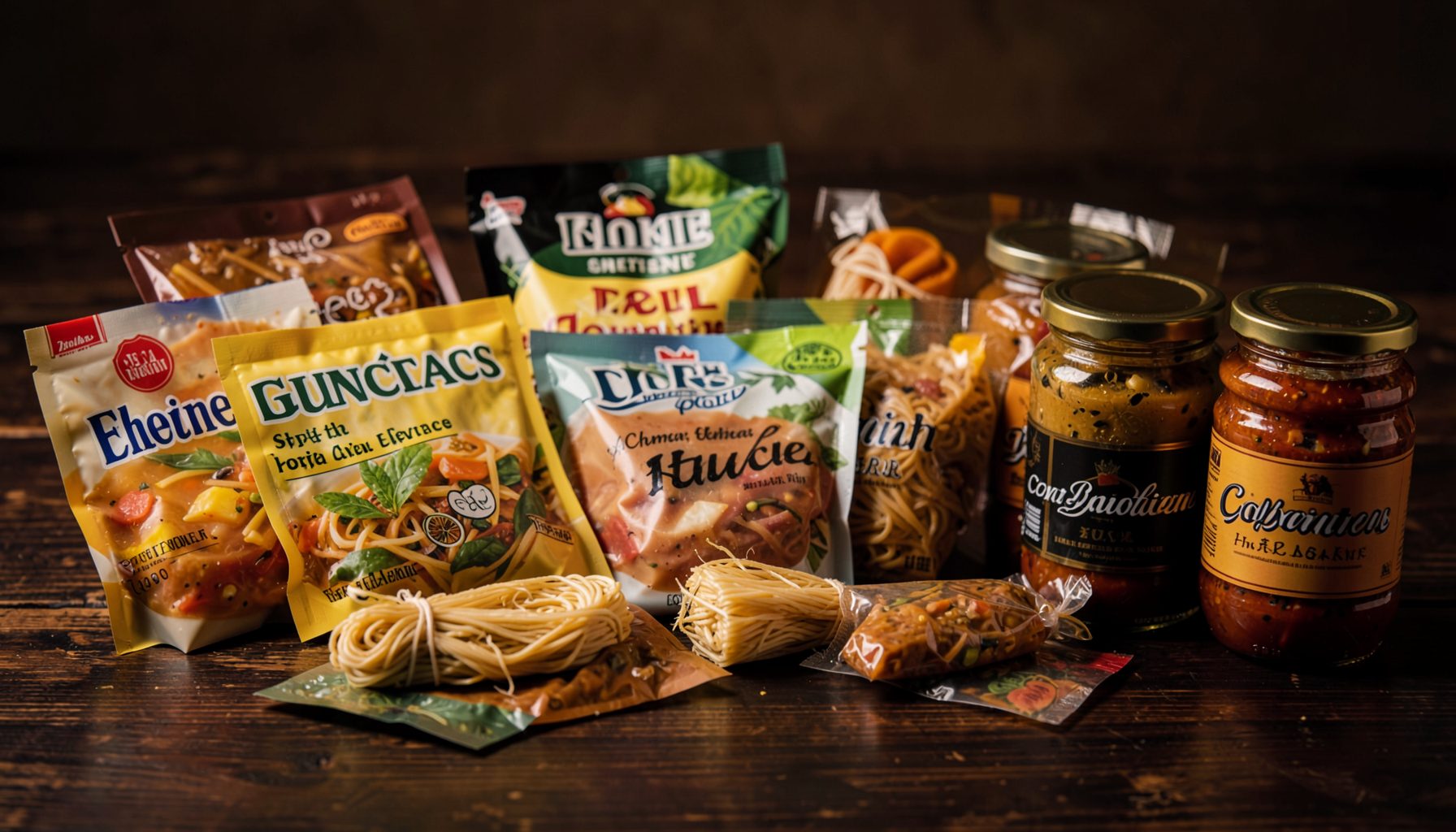
Hot Pot Essentials Bundle
NT$ —
About 蛤?! Huh Pot
蛤?! Huh Pot is a Cantonese-style hot pot brand known for its signature clam-based broth —卜卜蜆 — made with rich old-hen stock and generous portions of fresh clams. The brand also encompasses 本事滿足鍋物, a personal hot pot concept, bringing the same depth of flavor to individual servings.
Through MoneyCome Mart, these restaurant-quality soup bases, dry noodles, radish cakes, and signature sauces are available for home delivery across Taiwan. Restaurant locations in Taipei's Da'an District, Civic Boulevard, and Taichung's Gongyi Road also welcome guests for dine-in, with online reservations available.