Crispy Pan-Fried Noodle Cake From Cantonese Hot Pot Noodles
A noodle cake is one of the easiest ways to give leftover hot pot ingredients a completely different texture. Instead of serving noodles in a bubbling soup, you press them into a compact layer and fry until the outside turns golden, crisp and lightly chewy.
This method works especially well with noodles from MoneyCome Mart. Their hot pot range is designed for convenient home cooking, so you can move from frozen or chilled ingredients to a satisfying pan-fried noodle dish without preparing an elaborate meal from scratch.
The key is controlling moisture. A dry surface, a well-heated frying pan and patient cooking will help the noodles bind together. In an Australian kitchen, where induction cooktops and compact apartment stoves are common in places such as Sydney and Melbourne, steady medium heat is more useful than turning the dial all the way up.
Choose And Prepare The Noodles
Start with one serving of noodles, roughly 180–220 grams. Wheat noodles, egg noodles or other springy hot pot varieties are suitable, provided they are cooked until just tender. If they are going into the pan straight after boiling, remove them slightly earlier than you normally would. They will continue cooking as the noodle cake browns.
Drain thoroughly and let the noodles steam in the colander for a few minutes. Excess water creates steam beneath the noodles, which can stop the bottom from becoming crisp. A light toss with a teaspoon of neutral oil, such as canola or grapeseed oil, keeps the strands separate without making the cake greasy.
For Australian home cooks, a 24–26 centimetre non-stick frypan is a practical size for one generous cake. Cast iron can produce excellent browning, but it needs more oil and careful heat management. On a gas cooktop, keep the flame beneath the base rather than climbing up the sides of the pan.
Build A Compact Golden Base
Heat one to two tablespoons of oil over medium heat. Test the pan with a single noodle; it should sizzle gently as soon as it touches the surface. Add the remaining noodles and spread them into an even round using tongs or chopsticks. Avoid making the centre much thicker than the edges, or the outside will crisp before the middle sets.
Press down firmly with a spatula for 30 seconds, then leave the noodles undisturbed for four to six minutes. This resting time allows the strands to join into a cohesive cake. If you keep stirring, you will get fried noodles rather than a sliceable noodle round.
For extra structure, whisk one egg with a pinch of white pepper and pour it around the noodles, allowing it to run between the strands. This is optional, but it gives the cake a delicate savoury binding layer. A small amount of cornflour mixed with water can also help create a brittle, lacy edge.
Layer In Cantonese Hot Pot Flavours
The noodles can be cooked on their own, or topped with thinly sliced spring onion, blanched bok choy, mushrooms or finely shredded carrot. Use vegetables sparingly and dry them well first. In Australia, Asian greens are readily available at supermarkets and greengrocers, while leftover roast chicken or thin strips of barbecue pork can turn the cake into a more substantial dinner.
A few spoonfuls of clam broth or hot pot soup base can be reduced separately and used as a dipping sauce rather than poured directly into the pan. Extra liquid will soften the crisp surface. For a deeper savoury flavour, read about the clam broth simmering technique before preparing a small sauce with ginger, spring onion and a dash of soy.
Keep stronger additions balanced. A rich soup base, chilli oil or fermented bean sauce can dominate the delicate crunch, so begin with a small quantity. Australian pantry staples such as sesame oil, soy sauce and rice vinegar work well alongside Cantonese-style noodles without masking their flavour.
Flip Without Breaking The Cake
When the underside is deep golden and the edges look crisp, loosen the cake carefully. Slide a wide spatula underneath, working around the perimeter. For a larger cake, place a plate over the pan, invert the noodles onto it, then slide them back into the pan with the browned side facing up.
Add a little more oil around the edge if the pan looks dry. Cook the second side for three to five minutes, pressing lightly in the centre. The finished cake should feel firm when tapped and should lift as one piece. If it breaks, continue cooking the sections separately; they will still have the desired crispy texture.
A lid is usually unnecessary and can trap condensation. If the centre needs more time, reduce the heat rather than covering the pan. This keeps the exterior crunchy while allowing the middle to warm through.
Serve While The Edges Are Crisp
Transfer the noodle cake to a board and let it rest for one minute before cutting it into wedges. This short pause helps the egg or starch set, while the crust remains crisp. Serve with sliced chilli, coriander, spring onion and a small bowl of dipping sauce.
A simple sauce combines soy sauce, black vinegar, sesame oil and a touch of sugar. For a milder family version, use a sweet chilli sauce or a reduced clam broth. The dish also works well as a shared weekend lunch, especially when the weather is cool in Melbourne, Hobart or the Blue Mountains.
When ordering ingredients for delivery, check the store’s return policy, particularly for frozen products and cold-chain parcels. Keep noodles and soup bases refrigerated or frozen as directed, and avoid leaving them on the bench during a warm Queensland afternoon. If you are buying a small gift for a film-loving cook at the same time, the separate Storm King store offers a different kind of browsing detour.
The result is a crisp-edged, savoury noodle cake with a tender centre: a practical way to turn hot pot noodles into something that feels entirely new while still carrying the flavour of a Cantonese-inspired meal.
Best Sellers
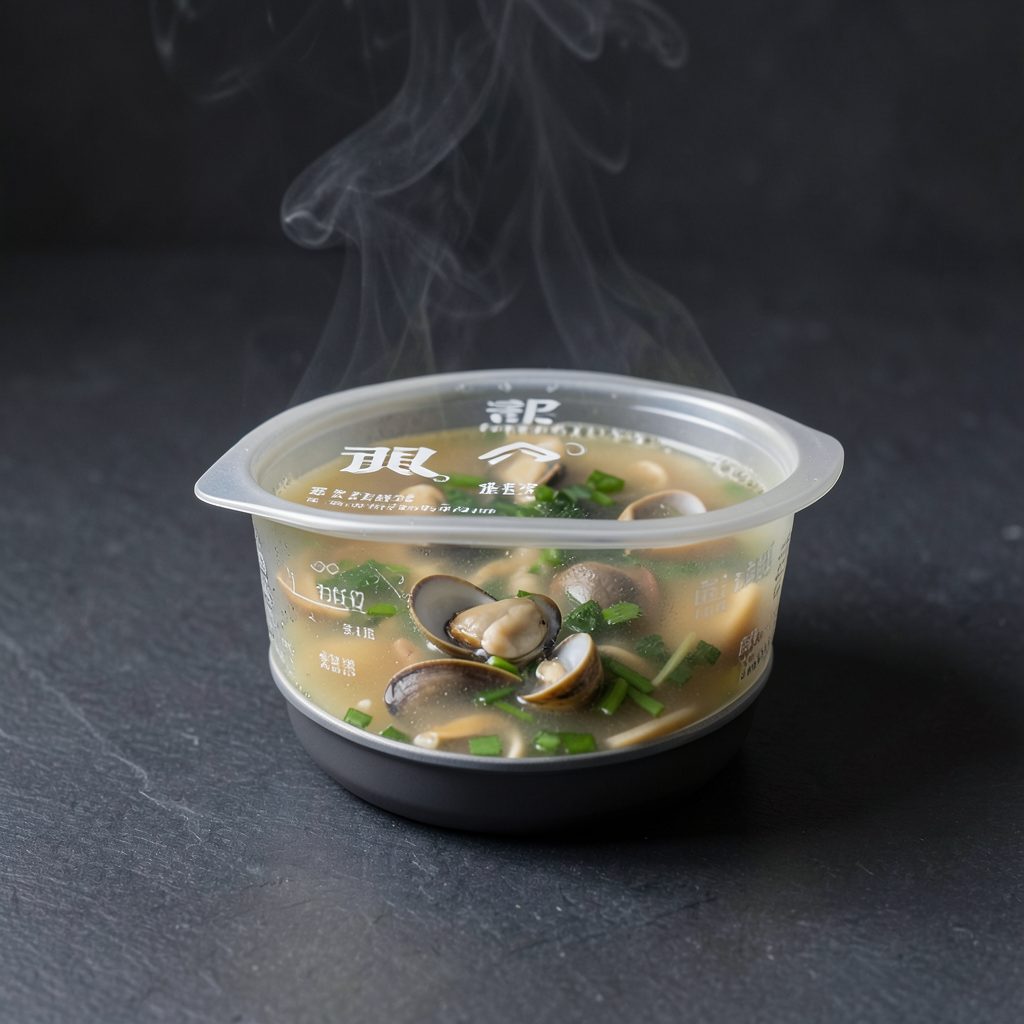
蛤?! Clam Soup Base —卜卜蜆
NT$ —
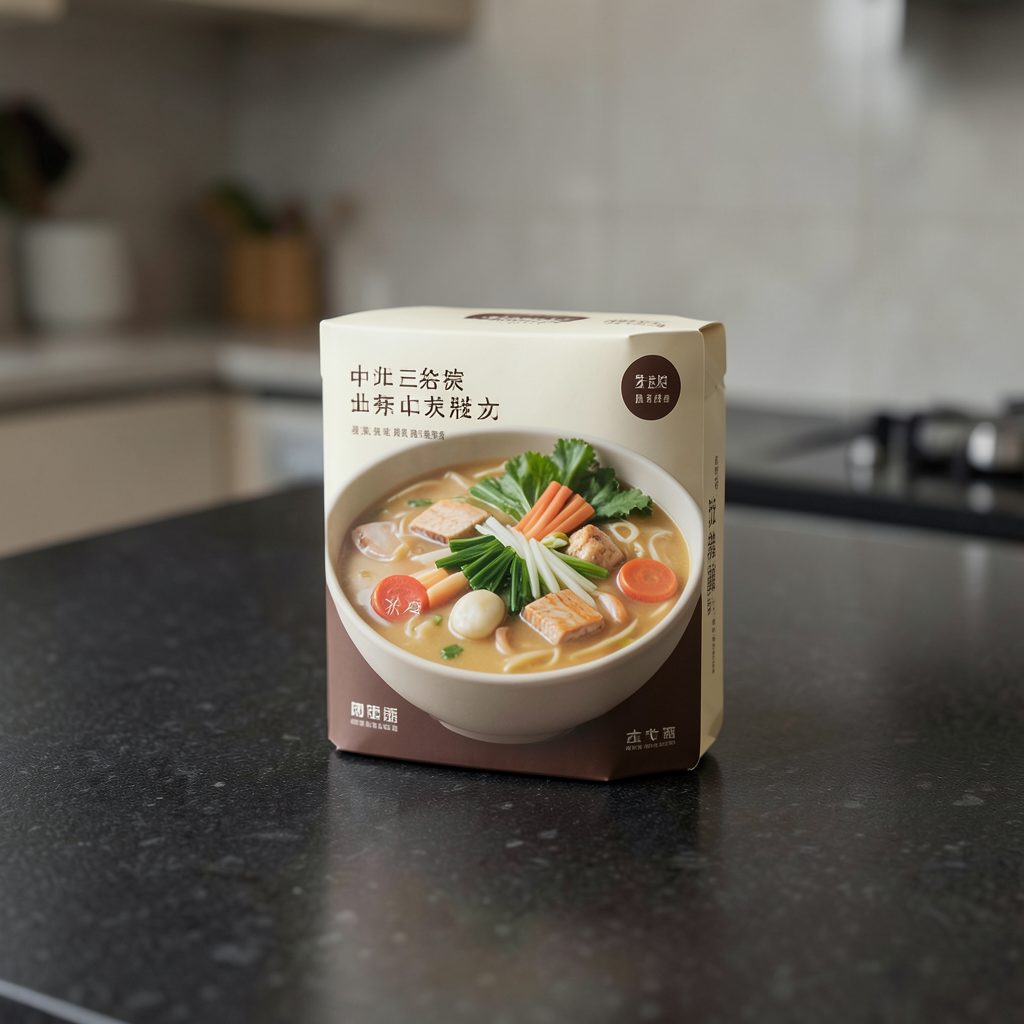
本事滿足鍋物 Personal Pot Base
NT$ —
蛤?! Dry Noodles
NT$ —
Signature Sauce
NT$ —
New Arrivals
蛤?! Golden Clam Broth — New Batch
NT$ —
Radish Cake —蘿蔔糕精神
NT$ —
Duo Soup Base Set
NT$ —
Hot Pot Essentials Bundle
NT$ —
About 蛤?! Huh Pot
蛤?! Huh Pot is a Cantonese-style hot pot brand known for its signature clam-based broth —卜卜蜆 — made with rich old-hen stock and generous portions of fresh clams. The brand also encompasses 本事滿足鍋物, a personal hot pot concept, bringing the same depth of flavor to individual servings.
Through MoneyCome Mart, these restaurant-quality soup bases, dry noodles, radish cakes, and signature sauces are available for home delivery across Taiwan. Restaurant locations in Taipei's Da'an District, Civic Boulevard, and Taichung's Gongyi Road also welcome guests for dine-in, with online reservations available.