The science behind simmering our clam broth for depth
A memorable hot pot broth is built through small changes in heat, time, and ingredient balance. Our clam broth draws on the natural savoriness of shellfish while using a careful simmer to develop a fuller taste for noodles, vegetables, tofu, and thin-sliced meats.
The process resembles what happens in a Cantonese kitchen: aromatic ingredients open gradually, savory compounds dissolve into the liquid, and gentle evaporation brings the flavors closer together. The goal is a broth that tastes rich and layered without becoming heavy or aggressively salty.
For home cooks, understanding this process makes preparation more rewarding. You can see why a steady simmer matters, when to add delicate ingredients, and how the soup base continues to evolve as dinner moves from the first bite to the last.
Why clams create savory depth
Clams naturally contain amino acids and minerals that contribute to umami, the rounded savory quality often associated with long-cooked broths. One especially important compound is succinate, which gives shellfish stock its distinctive marine savoriness. These compounds help create depth even when the ingredient list remains focused.
A clam broth also carries gentle sweetness from the shellfish and aromatics. When balanced with salt, that sweetness keeps the soup lively rather than flat. The result is a flavor profile that pairs well with earthy mushrooms, crisp greens, fish balls, dumplings, and other Cantonese hot pot ingredients.
How gentle heat changes the broth
Simmering allows flavor compounds to move from the soup base into the surrounding liquid at a controlled pace. A rolling boil introduces more agitation, which can break down delicate aromas and produce a cloudier broth. Excessive heat may also drive off the lighter notes that make clam soup smell fresh.
A steady, moderate simmer gives the broth time to open without scorching the bottom of the pot. As water gradually evaporates, the remaining liquid becomes more concentrated. This is why the broth can taste different halfway through a meal: ingredients release their own juices, while the soup becomes fuller and more complex.
What happens at each stage
The cooking sequence affects both aroma and texture. Starting with a well-heated soup base helps the broth reach serving temperature evenly, while adding ingredients in stages allows each one to contribute without overwhelming the clam flavor.
| Simmering stage | What is happening | Flavor effect |
|---|---|---|
| Initial heating | The soup base warms and aromatic compounds begin to release | Clean fragrance and a clear savory foundation |
| Gentle simmer | Umami compounds disperse through the liquid | Fuller clam flavor and a smoother mouthfeel |
| Ingredient cooking | Vegetables, tofu, seafood, and meats add moisture and natural juices | Greater complexity and layered savoriness |
| Continued simmering | Water evaporates and the broth concentrates | Richer flavor with more noticeable seasoning |
| Final tasting | Salt, sweetness, and aroma come into balance | A rounded broth ready for noodles or rice |
The best time to taste is after the first few ingredients have cooked. Early broth can seem lighter than expected, while later broth may become more intense. A quick check helps you decide whether to add water or move on to ingredients that suit a stronger soup.
Balancing aroma, salt, and umami
Clam broth works because several flavor sensations support one another. Umami provides length, natural sweetness softens the saline edge, and aromatic ingredients add lift. If one element dominates, the soup can feel either thin or tiring after several servings.
The broader flavor character of a hot pot also depends on the soup base you choose. For a useful comparison of different profiles, explore our popular soup base flavors before planning your meal. A mild broth may highlight seafood and greens, while a more robust base can stand up to beef, noodles, and rich dipping sauces.
Protecting the broth from overcooking
Delicate ingredients should enter the pot according to their cooking time. Firm vegetables and items that need longer heating can go in first. Leafy greens, sliced seafood, tofu, and noodles generally need less time, so adding them later preserves their texture and keeps the broth from becoming overly crowded.
Avoid letting the pot boil hard for the entire meal. A gentle bubble is enough to keep food cooking while protecting the broth’s fragrance. If the liquid becomes too concentrated, replenish it with hot water rather than cold water, which can interrupt the simmer and lengthen the recovery time.
From cold-chain delivery to the dining table
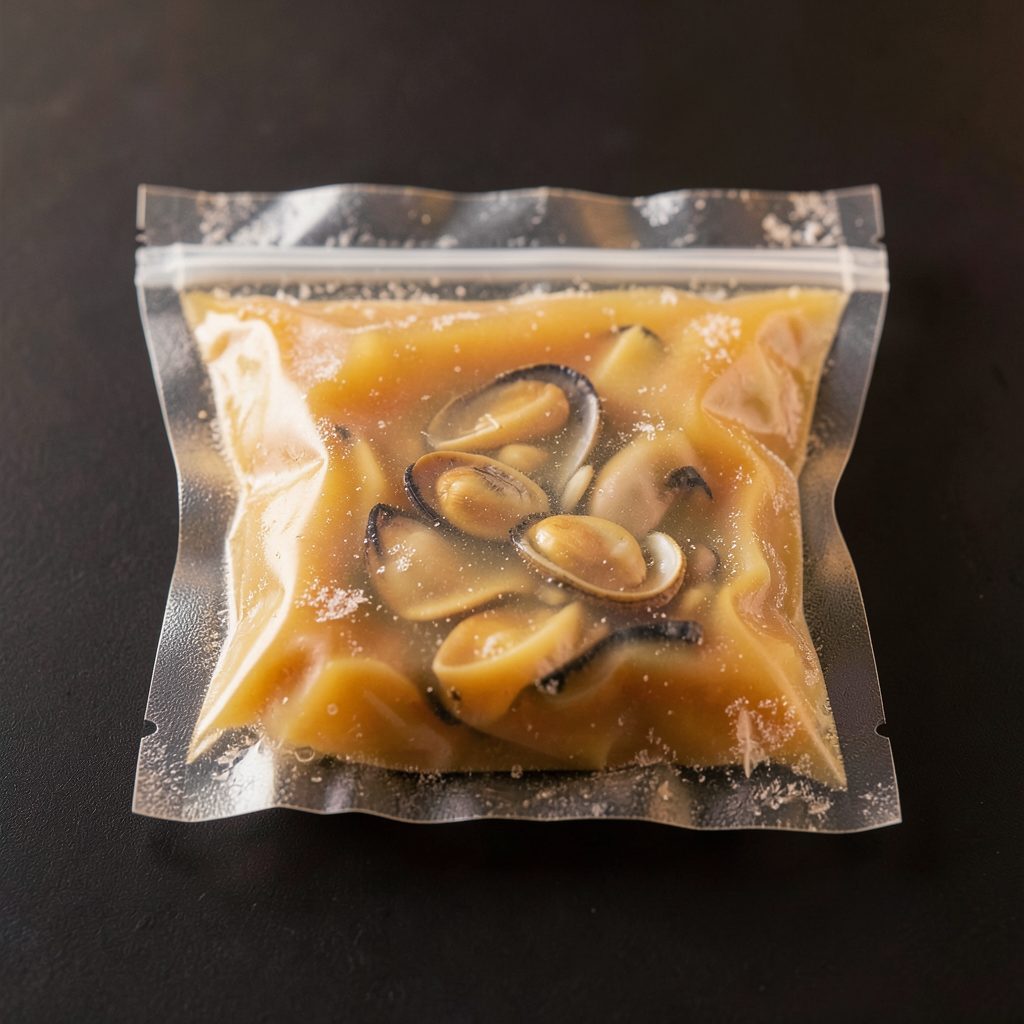
A carefully prepared soup base depends on proper handling before it reaches your kitchen. Frozen products are kept in a controlled cold chain so their intended flavor and texture are better preserved during delivery. Review the delivery details when arranging shipment across Taiwan, especially if you are coordinating a gathering or ordering several items together.
Once the broth is heated, convenience becomes part of the experience. There is no need to build a stock from scratch before guests arrive. Pour the soup base into your pot, bring it up gradually, and let the table finish the cooking process with fresh ingredients.
Simple ways to deepen the bowl
The most effective serving choices support the clam broth instead of covering it. Consider these practices for a more balanced hot pot:
- Start with mushrooms, napa cabbage, or daikon to add sweetness and earthy fragrance.
- Add seafood and tofu after the broth is simmering steadily, giving them time to contribute without overcooking.
- Cook noodles toward the end, when the soup has absorbed flavor from the earlier ingredients.
- Use dipping sauce lightly at first so the clam broth remains part of every bite.
- Taste again before the final serving and adjust with hot water if the broth has become too concentrated.
Bring a Cantonese-style hot pot to your table with a clam broth designed for gradual flavor development. Choose a soup base and ingredients from MoneyCome Mart, heat gently, and let each round in the pot build a deeper, more satisfying bowl.
Best Sellers
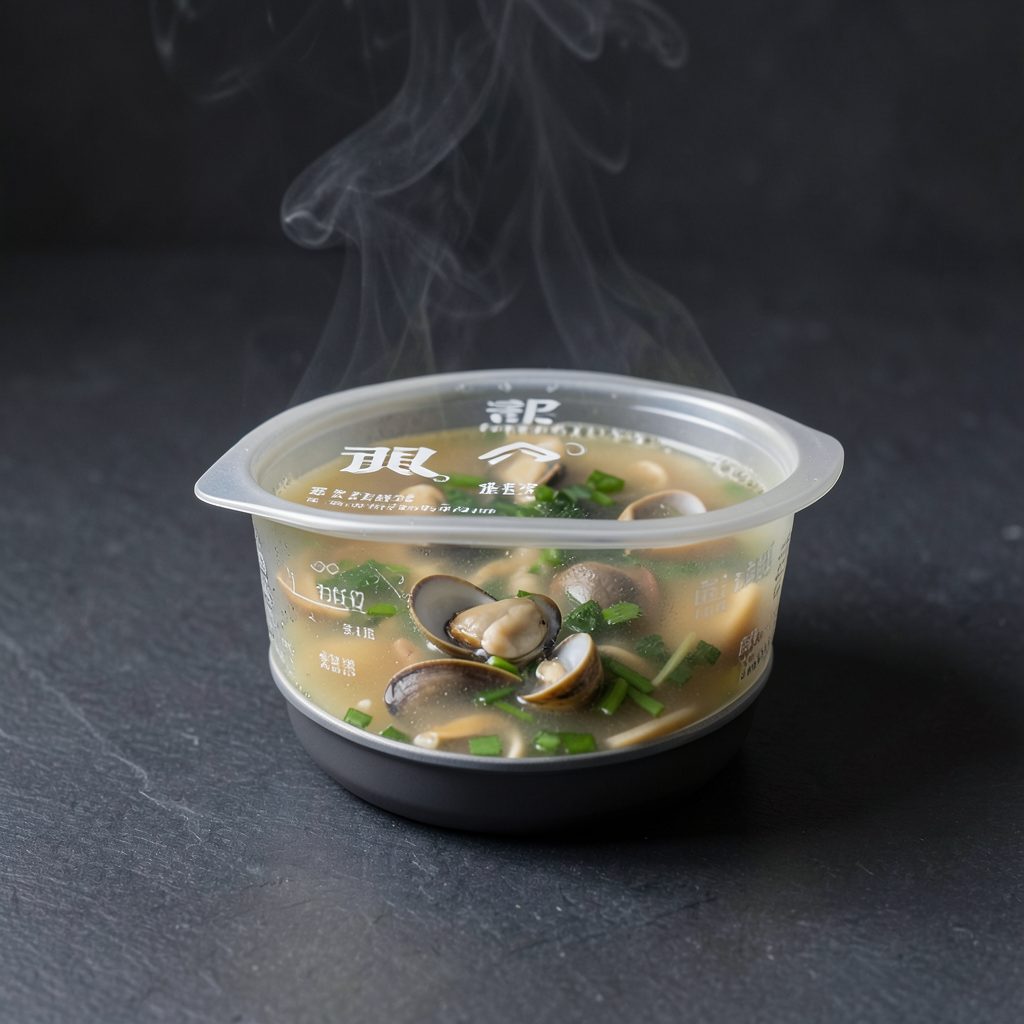
蛤?! Clam Soup Base —卜卜蜆
NT$ —
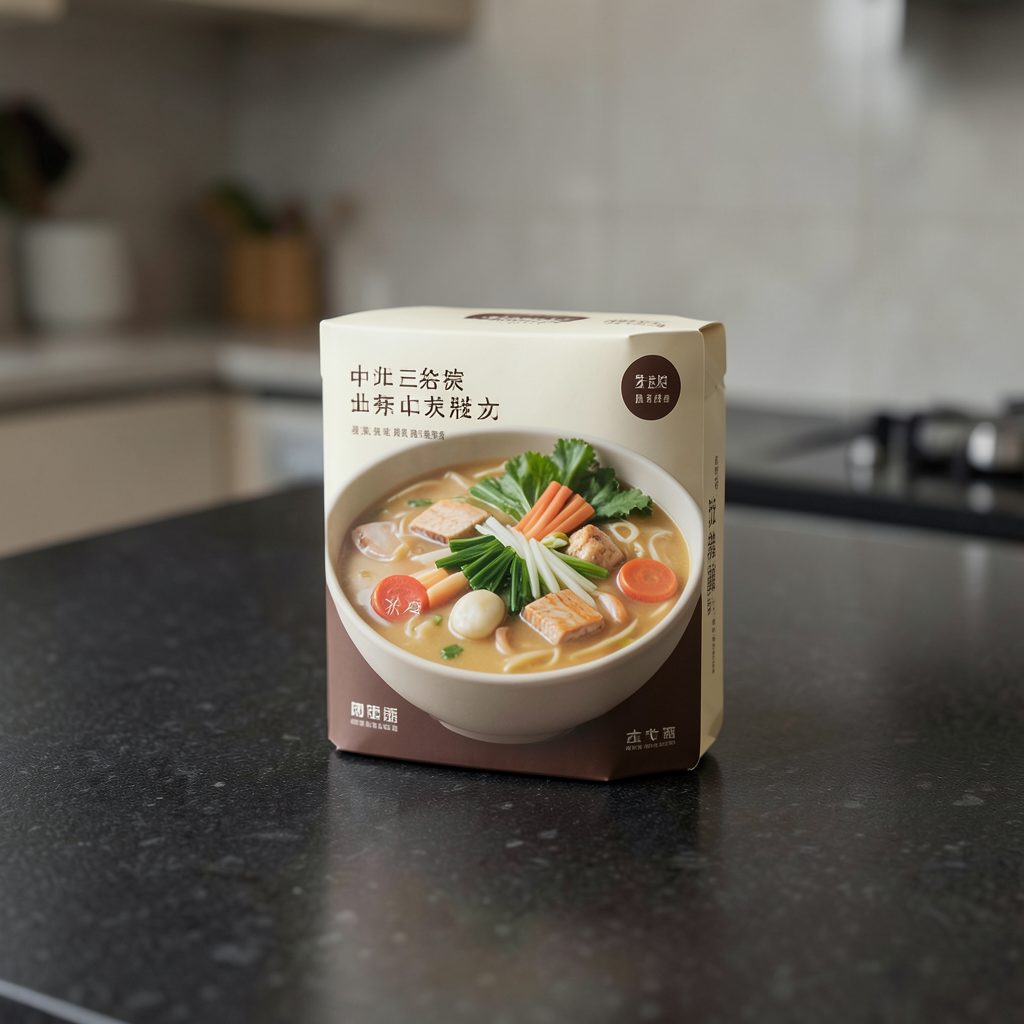
本事滿足鍋物 Personal Pot Base
NT$ —
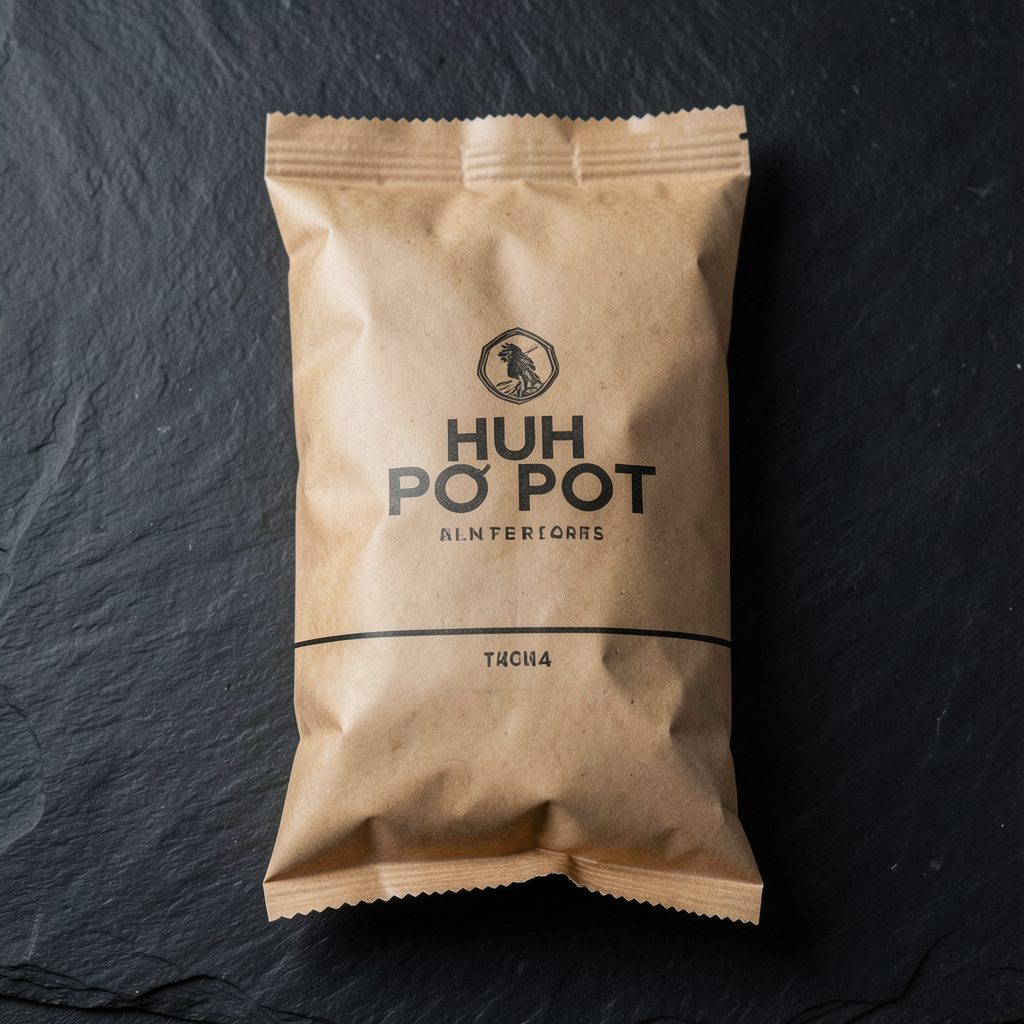
蛤?! Dry Noodles
NT$ —
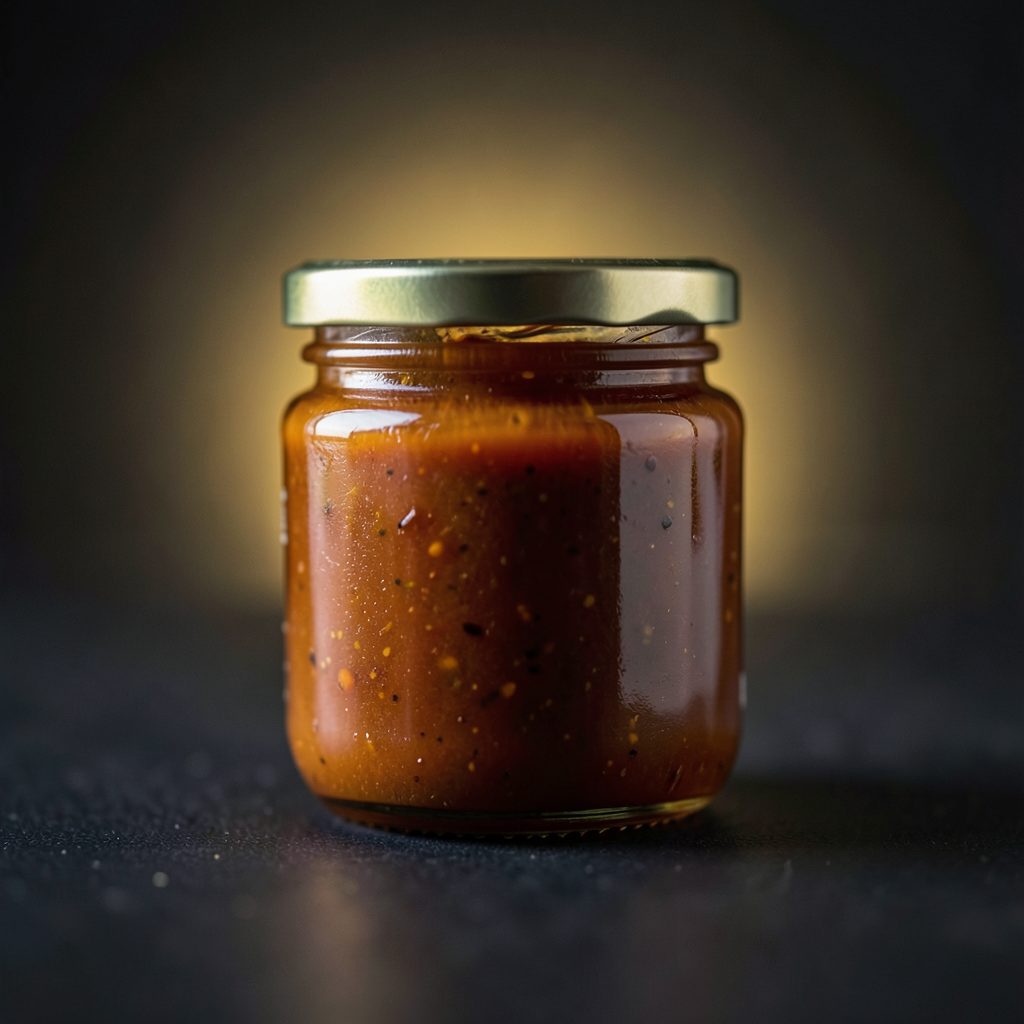
Signature Sauce
NT$ —
New Arrivals
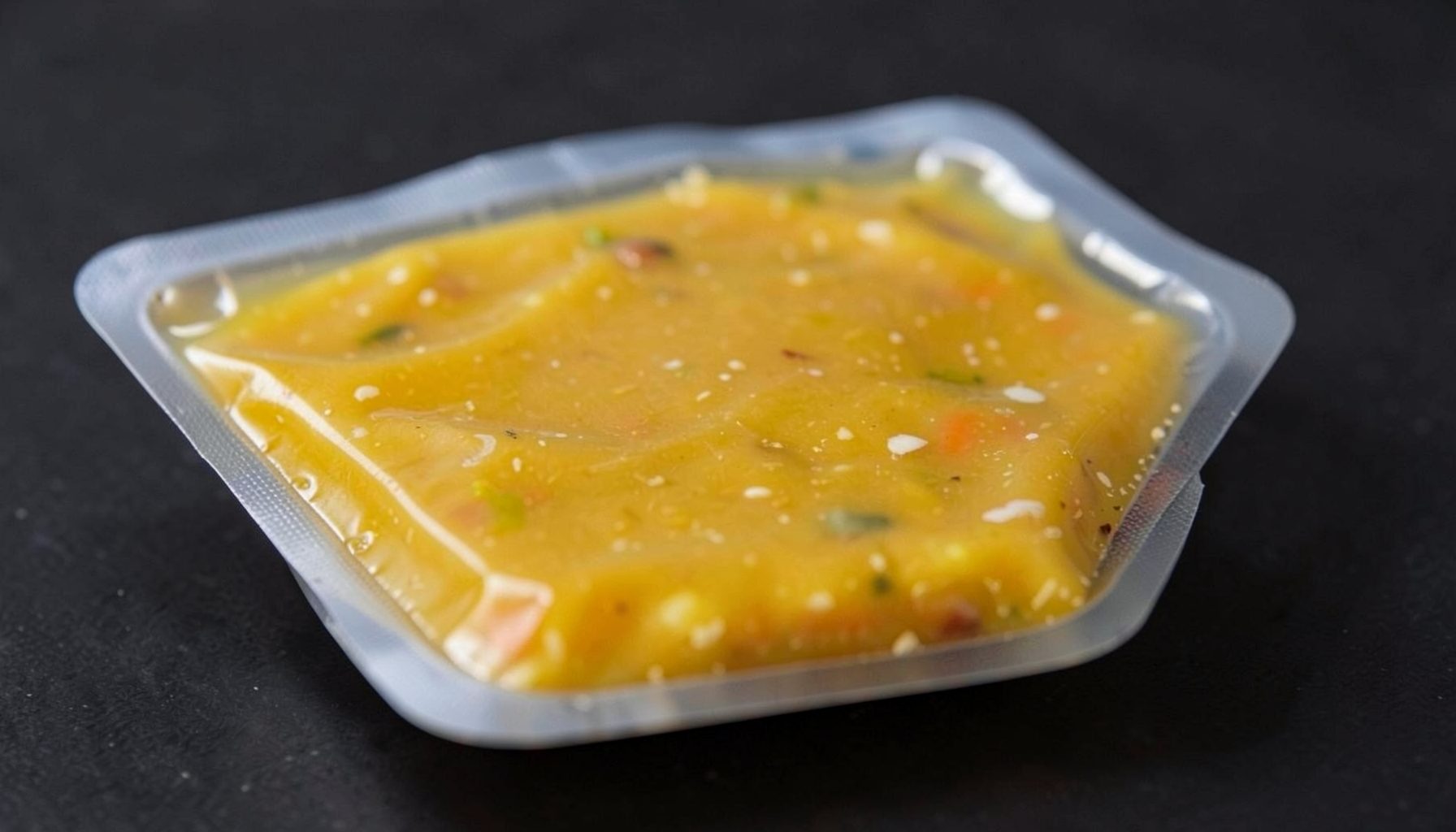
蛤?! Golden Clam Broth — New Batch
NT$ —
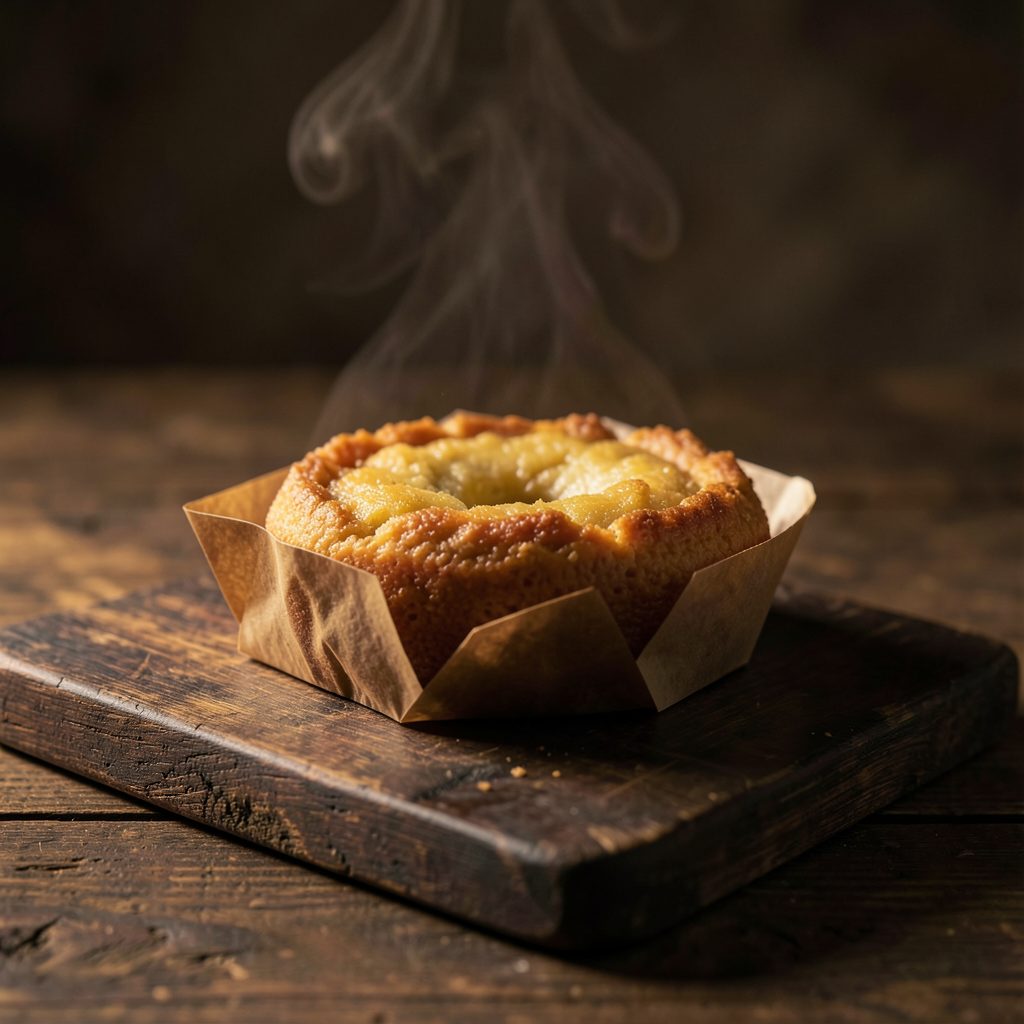
Radish Cake —蘿蔔糕精神
NT$ —
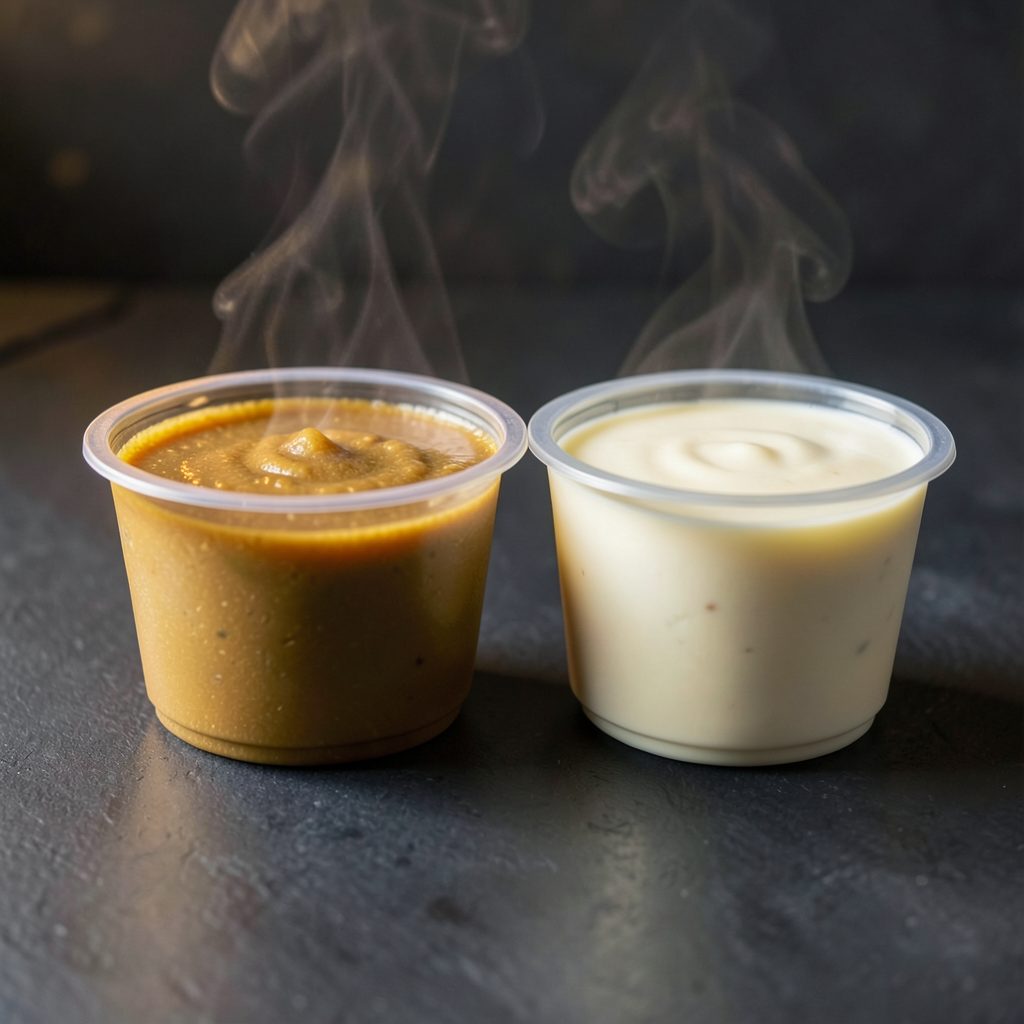
Duo Soup Base Set
NT$ —
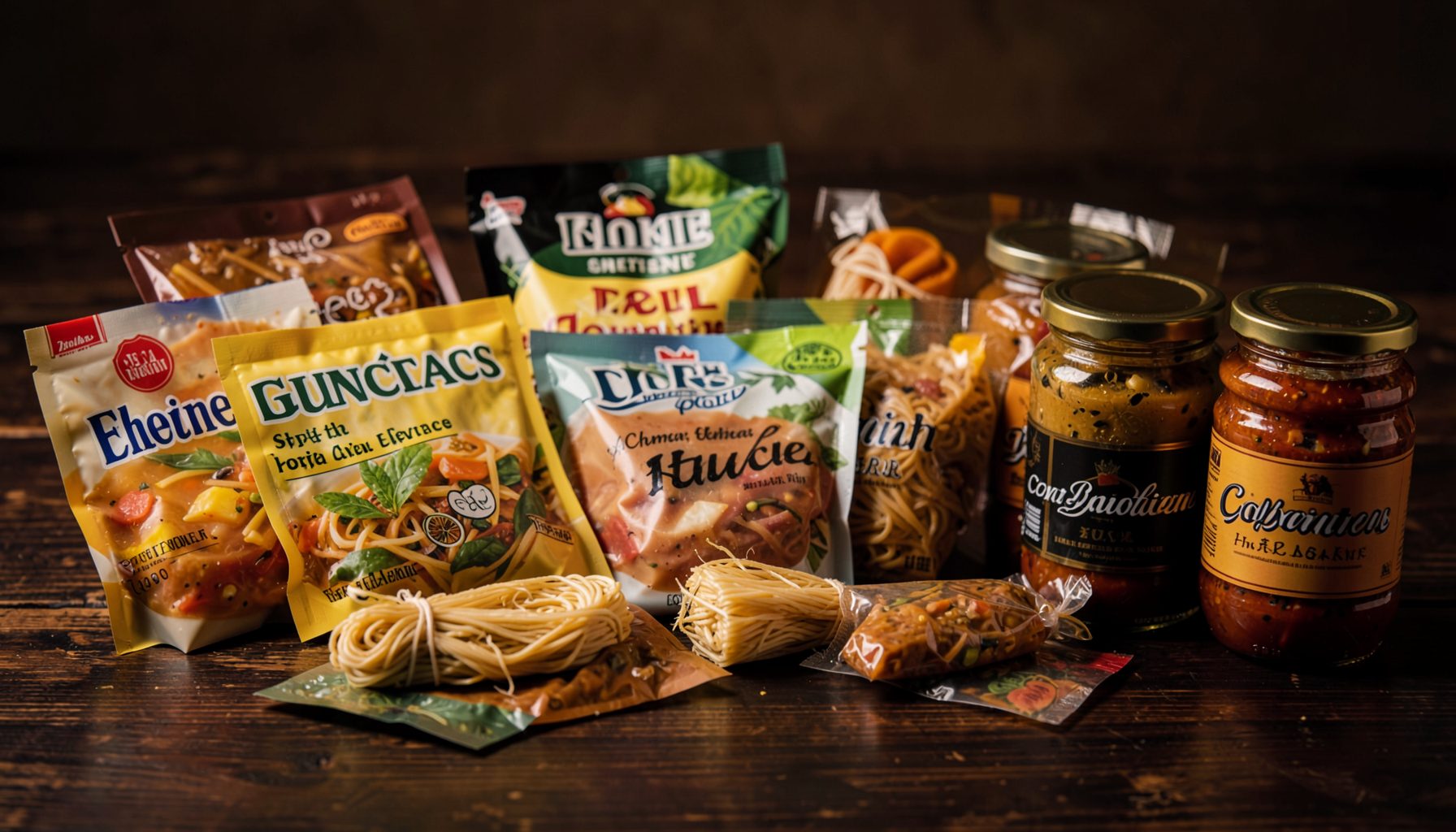
Hot Pot Essentials Bundle
NT$ —
About 蛤?! Huh Pot
蛤?! Huh Pot is a Cantonese-style hot pot brand known for its signature clam-based broth —卜卜蜆 — made with rich old-hen stock and generous portions of fresh clams. The brand also encompasses 本事滿足鍋物, a personal hot pot concept, bringing the same depth of flavor to individual servings.
Through MoneyCome Mart, these restaurant-quality soup bases, dry noodles, radish cakes, and signature sauces are available for home delivery across Taiwan. Restaurant locations in Taipei's Da'an District, Civic Boulevard, and Taichung's Gongyi Road also welcome guests for dine-in, with online reservations available.