Keeping Leftover Hot Pot Base Fresh in Your Australian Kitchen
Many Australian households have embraced the ritual of gathering around a bubbling pot of Cantonese-style broth on a chilly Adelaide evening or a humid Brisbane night. Whether you buy frozen soup bases from a local Asian grocer or order them online, the real challenge often begins after the meal is finished. A packet rarely contains a single serving, and throwing away perfectly good broth feels wasteful when grocery prices in Sydney and Melbourne continue to climb.
Storing that opened packet correctly protects both your health and your wallet. Australian summers can be punishing, with kitchen temperatures in Perth sometimes pushing past thirty degrees before air conditioning kicks in. Bacteria multiply quickly in liquid environments, so handling the base with care matters as much as the cooking itself.
The Cantonese hot pot bases sold through stores like MoneyCome Mart arrive packed with concentrated flavour from pork bones, dried scallops, chillies, and fermented vegetables. These ingredients are rich in protein and salt, which actually helps preservation, yet they still require prompt attention once the seal is broken. Understanding how the base behaves in different storage conditions helps you enjoy restaurant-quality soup on a weeknight without last-minute stress.
This guide walks through the practical steps Australian home cooks can take to keep opened broth packets safe and tasty. From picking containers suited to compact apartment kitchens in places like Melbourne's inner suburbs to handling unexpected power outages during storm season, the advice below reflects everyday conditions rather than textbook ideals.
Reading the label and knowing the ingredients
Most commercial Cantonese hot pot bases contain a mixture of oil, salt, MSG, and stock solids. Reading the packaging reveals whether the product leans toward a clear clam broth or a heavier, spicy mala style. Both varieties behave differently in storage: oil-heavy bases tend to solidify and separate in the fridge, while clearer broths freeze more uniformly.
If you purchased your base from a retailer that ships across Taiwan and beyond, the cold-chain guarantee matters even after you receive the parcel. The broth arrives frozen for a reason, and maintaining that cold environment until cooking is part of the delivery policy every shopper should review. Once opened, the same principle applies at home, because the colder you keep it, the longer it lasts.
Cooling the base before refrigeration
Placing a steaming packet straight into the fridge is a common mistake that raises the temperature of every shelf and risks spoiling nearby groceries. Instead, transfer the leftover broth into a shallow metal bowl and let it cool on the bench for no longer than two hours. In Darwin's tropical climate, that window shrinks considerably, so an ice bath in the sink speeds things along.
For Sydney and Hobart residents dealing with milder room temperatures, a cool tiled kitchen counter works fine. The goal is to bring the broth below forty degrees before it touches refrigerated air. Once cooled, seal it tightly and place it in the coldest part of the fridge, usually the back rather than the door.
Picking containers that work in Australian kitchens
Glass jars with clip lids are popular in Australian households because they stack neatly in cramped cupboards and resist absorbing odours from leftover curry or kimchi. BPA-free plastic containers are lighter for lunches at the office but can stain with turmeric-laden bases.
Portioning the broth into single-use servings pays off when you only need a cup for a quick noodle soup. Smaller containers also cool faster and freeze more reliably. If your freezer in a share house in Brisbane is already crowded with frozen dumplings and bulk-buy meats, dividing the base into ice cube trays creates ready-to-use flavour blocks that drop easily into any pot.
Refrigeration versus freezing timelines
An opened packet stored in the fridge keeps for roughly three to five days, depending on the salt and oil content. Spicy bases often last slightly longer because capsicum and chilli oils slow bacterial growth. Always smell the broth before reheating, because a sour or yeasty aroma means it has turned.
Freezing extends the life to two or three months without significant flavour loss. Label each container with the date using a marker, since freezers in busy family homes around Canberra tend to become archaeological sites over time. Thaw frozen broth in the fridge overnight rather than on the bench, as the Australian Food Standards code recommends keeping food out of the temperature danger zone wherever possible.
Reheating without losing flavour
Gentle reheating preserves the layered taste of a well-made broth. Bring it to a slow simmer rather than a rolling boil, which can muddy delicate seafood notes. A few minutes on the stovetop with a lid restores the body of the base without scorching.
When you are ready to add fresh vegetables or thin slices of fish, remember that simmering broth first helps the flavours meld properly. This step matters whether the broth is fresh from the packet or rescued from the fridge after a busy week.
Signs that a stored base has gone off
Trust your senses over the calendar. Surface mould, unusual cloudiness, or a fizzy texture when stirred are clear warnings. Bases that smell of rotting vegetables or sharp vinegar should be discarded immediately, even if they were stored for only a day.
In a country where food poisoning outbreaks linked to improper storage make headlines every summer, caution beats regret. Pour the spoiled broth down the sink, rinse thoroughly, and clean the container with hot soapy water before reuse.
Practical storage habits for busy households
- Cool the broth in a shallow metal tray rather than the original packet before refrigerating.
- Divide portions into small containers or ice cube trays to freeze efficiently.
- Always label containers with the storage date to track timelines accurately.
- Keep opened bases on the middle or back shelf of the fridge, away from the door.
- Use clean utensils every time you scoop broth to avoid cross-contamination.
- Reheat only the amount you plan to serve, and never refreeze thawed portions.
- Follow the Australian Food Standards guidelines for refrigeration temperatures and time limits.
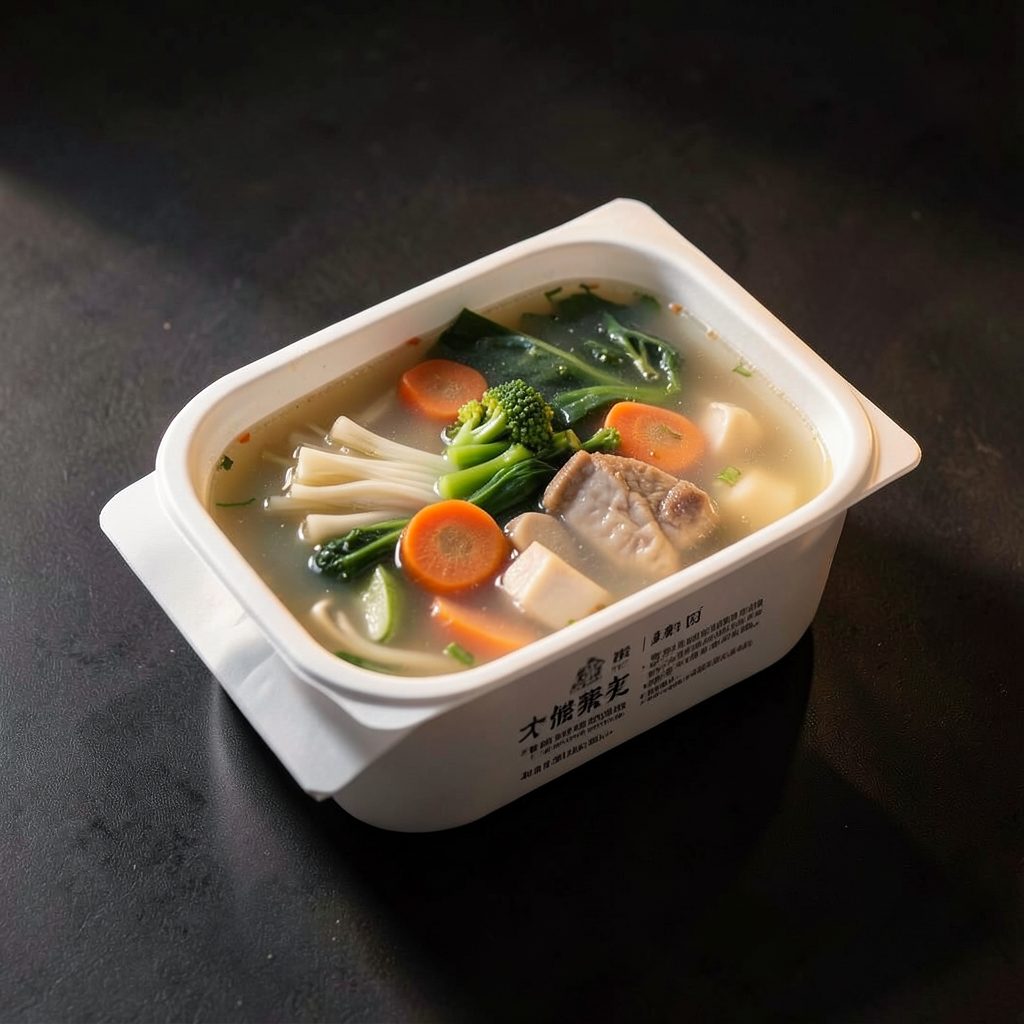
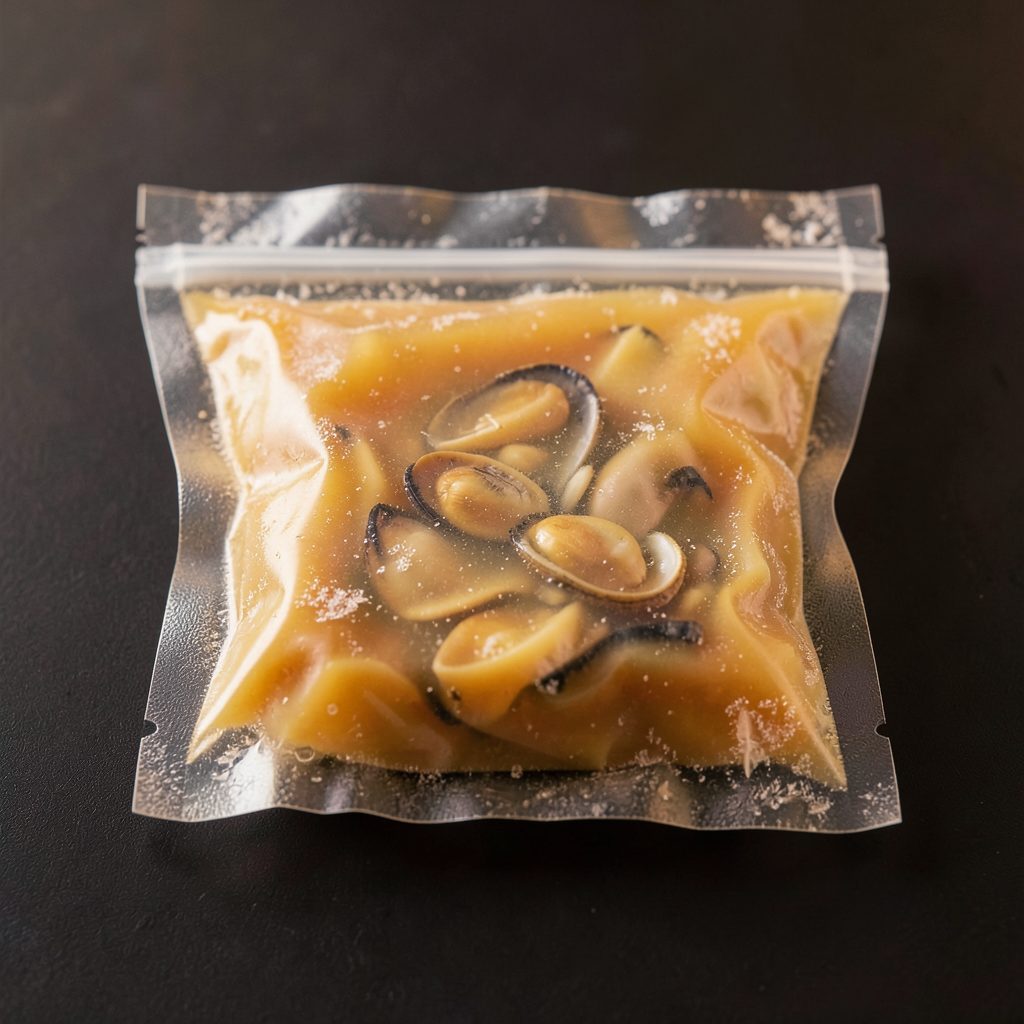
Best Sellers
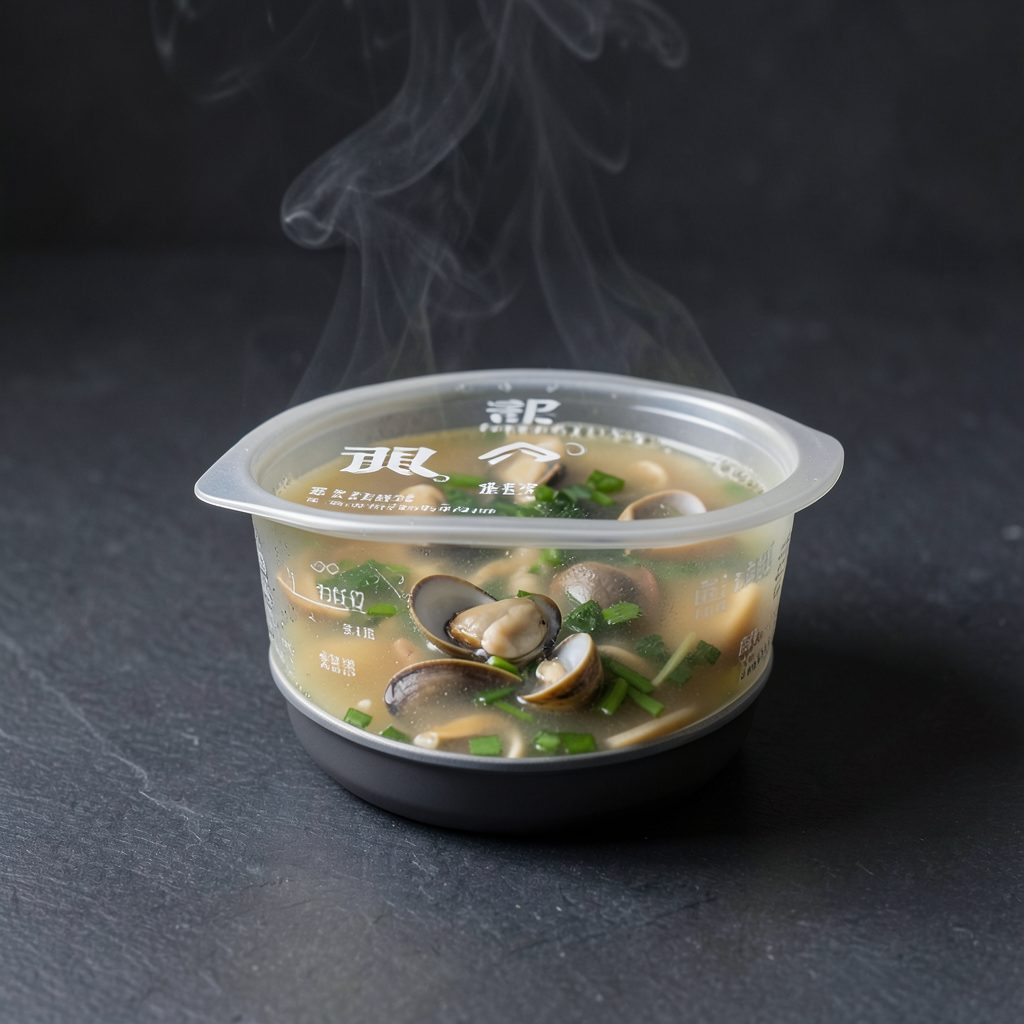
蛤?! Clam Soup Base —卜卜蜆
NT$ —
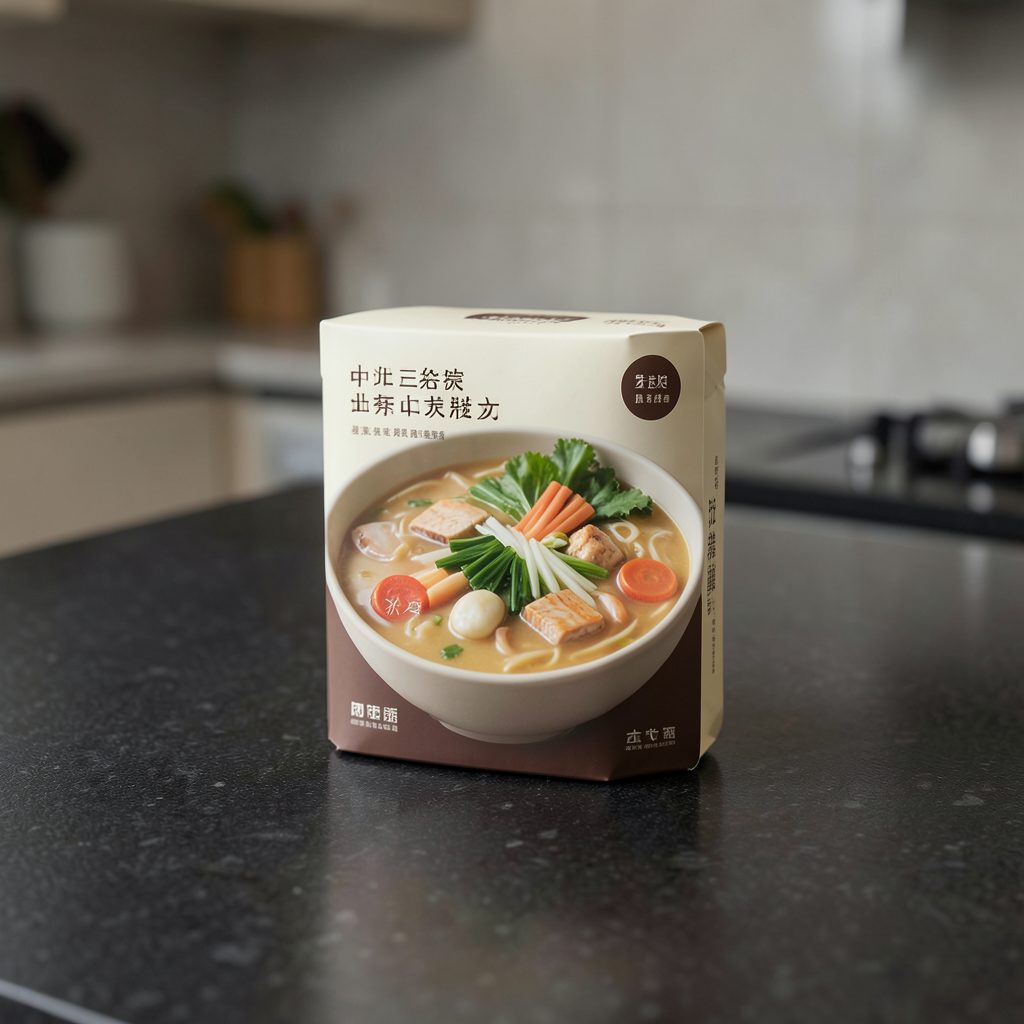
本事滿足鍋物 Personal Pot Base
NT$ —
蛤?! Dry Noodles
NT$ —
Signature Sauce
NT$ —
New Arrivals
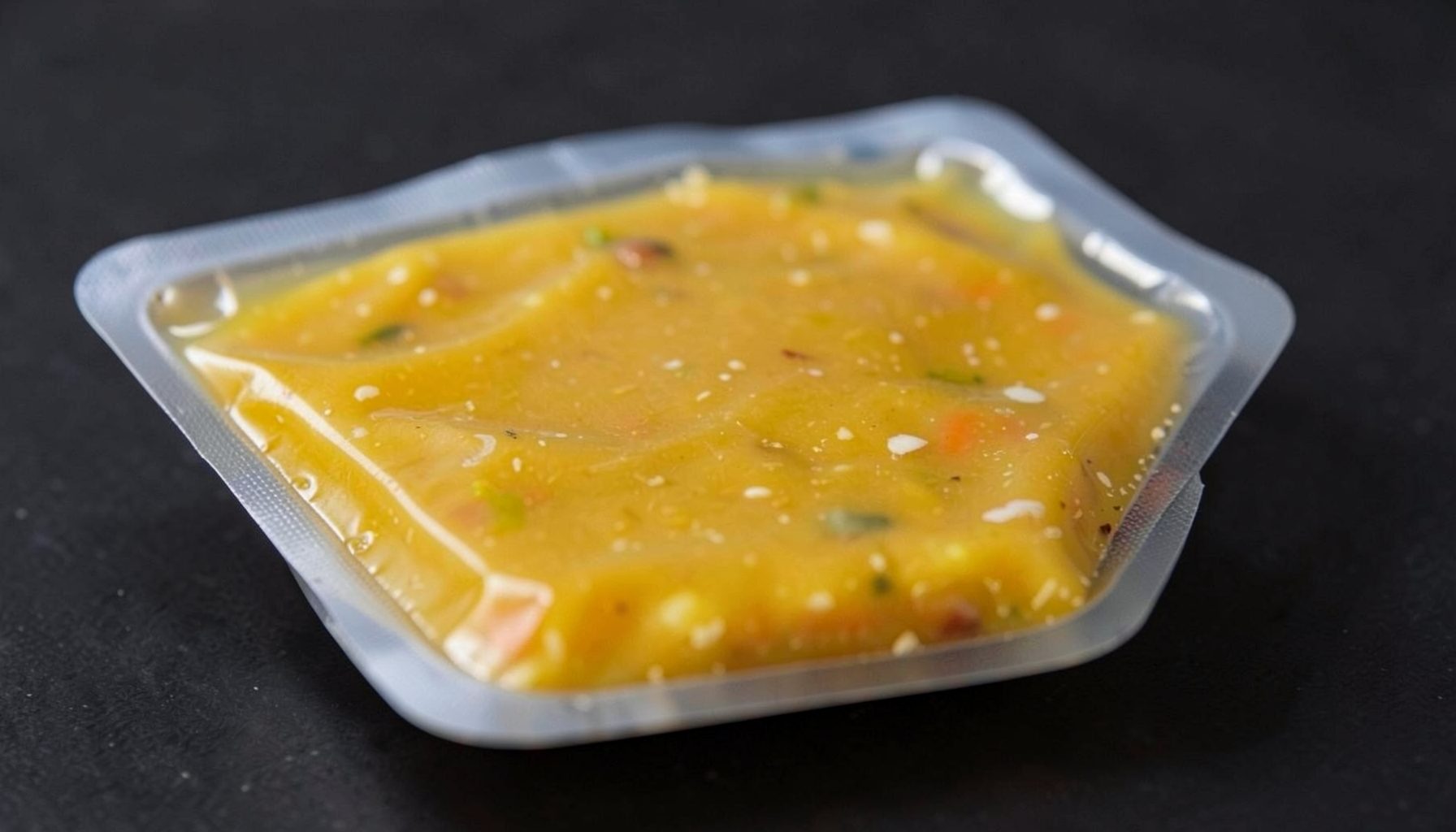
蛤?! Golden Clam Broth — New Batch
NT$ —
Radish Cake —蘿蔔糕精神
NT$ —
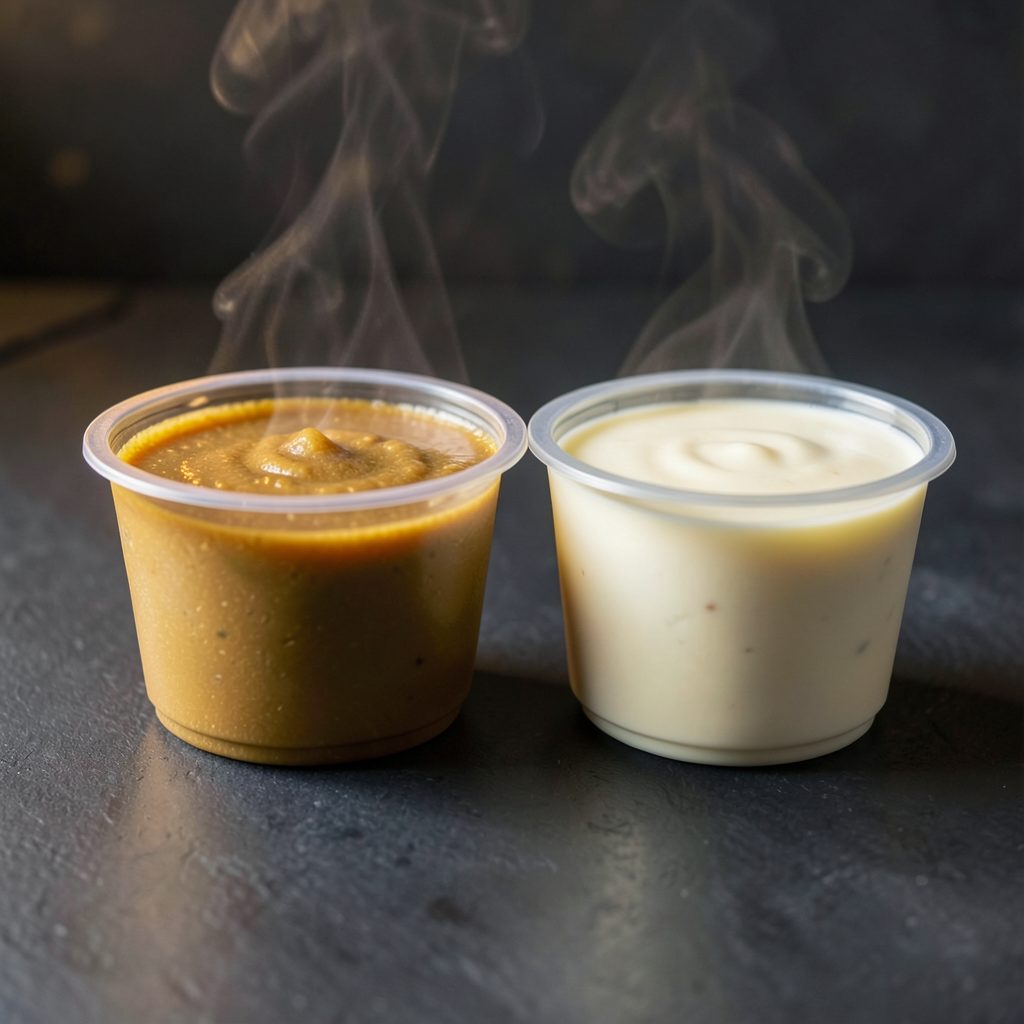
Duo Soup Base Set
NT$ —
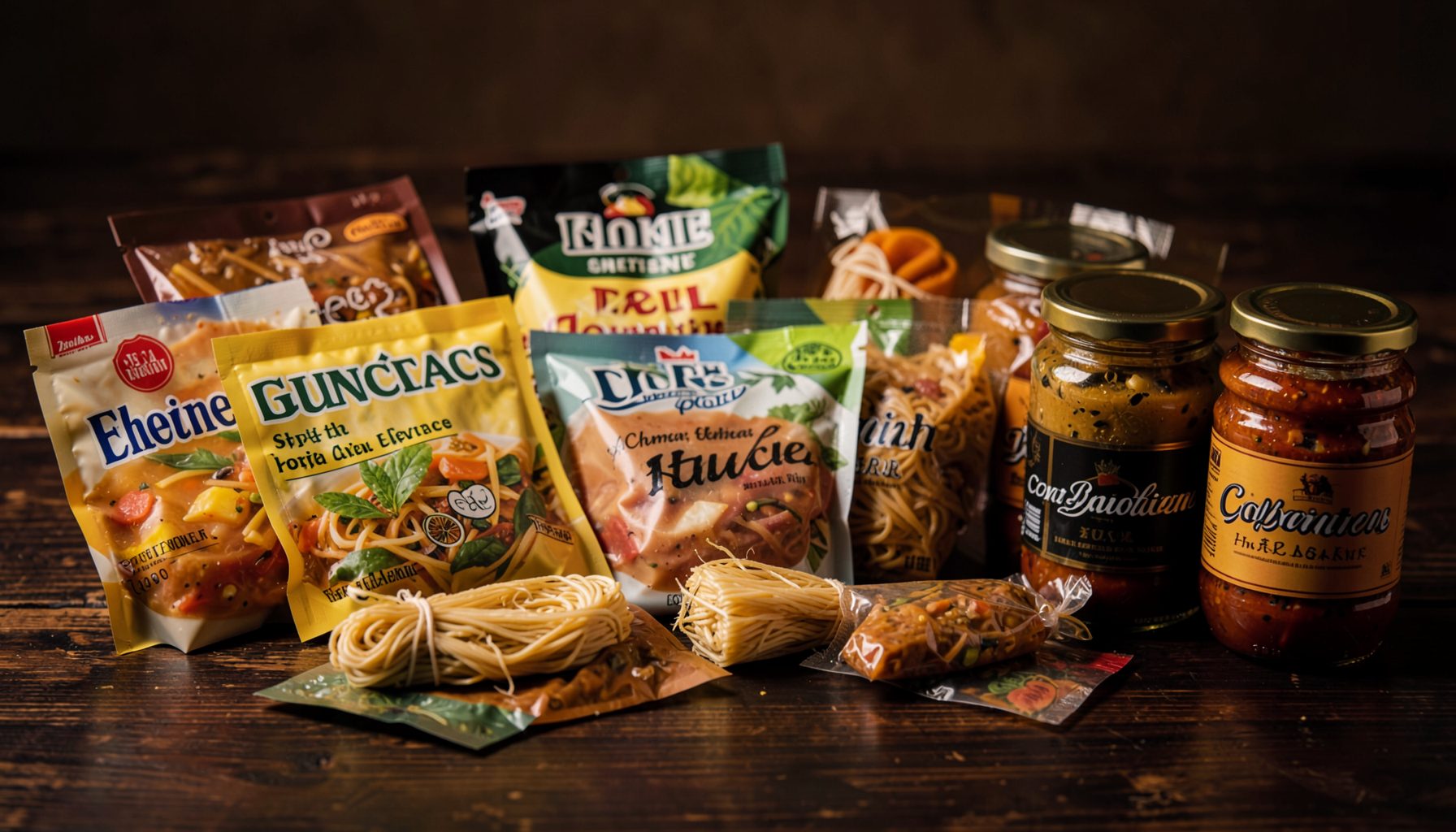
Hot Pot Essentials Bundle
NT$ —
About 蛤?! Huh Pot
蛤?! Huh Pot is a Cantonese-style hot pot brand known for its signature clam-based broth —卜卜蜆 — made with rich old-hen stock and generous portions of fresh clams. The brand also encompasses 本事滿足鍋物, a personal hot pot concept, bringing the same depth of flavor to individual servings.
Through MoneyCome Mart, these restaurant-quality soup bases, dry noodles, radish cakes, and signature sauces are available for home delivery across Taiwan. Restaurant locations in Taipei's Da'an District, Civic Boulevard, and Taichung's Gongyi Road also welcome guests for dine-in, with online reservations available.