Why Broth Should Simmer Before Delicate Hot Pot Ingredients
A Cantonese hot pot begins with a flavorful broth, but the order of cooking determines how well every ingredient turns out. Bringing the soup base to a steady simmer before adding fragile foods gives the liquid time to release its aroma, balance its seasoning, and reach a dependable cooking temperature.
This simple pause is especially valuable when preparing hot pot at home. Delicate ingredients such as clams, leafy greens, tofu, fish slices, and thin noodles can break apart, overcook, or lose their natural flavor if they enter the pot before the broth is properly heated.
With cold-chain ingredients and restaurant-style soup bases from MoneyCome Mart, a few careful minutes can transform a convenient meal into a more balanced Cantonese hot pot experience.
Heat Activates Flavor
A soup base often contains aromatics, spices, stock, oils, and seasonings that need heat to blend. Simmering allows these elements to circulate through the liquid, softening sharp notes and developing a fuller broth flavor. Adding ingredients too early can dilute the base before its taste has fully opened.
A simmer is gentler than a rolling boil. Look for small, regular bubbles around the edge and occasional movement across the surface. This temperature is hot enough to infuse the soup while reducing the risk of excessive evaporation, splashing, or uneven cooking.
The character of the broth also affects the best cooking sequence. For guidance on choosing a suitable heat level, review this spice level guide before planning a mild, savory, or more intense hot pot meal.
Delicate Foods Need Gentle Timing
Thinly sliced meat cooks quickly, but fragile foods require more attention. Leafy vegetables wilt within seconds, while tofu can crumble when stirred aggressively. Seafood may become tough if left in a strongly boiling broth for too long. Starting with a stable simmer gives each ingredient a more predictable cooking environment.
Clams and other shellfish benefit from entering a hot, seasoned broth because their shells open more efficiently and their juices enrich the soup. Add them in small batches so the temperature does not drop sharply. Remove them soon after they open to preserve a tender texture.
Noodles are also sensitive to timing. Fresh or thin noodles can cloud the broth and become soft when added too soon. Save them for later in the meal, once sturdier ingredients have contributed flavor and the broth is ready for a quick final cooking stage.
A Practical Cooking Sequence
For a smooth home hot pot, begin by heating the soup base in the serving pot over medium heat. Once it reaches a simmer, add ingredients that need more time, such as radish, corn, mushrooms, fish balls, or thicker slices of root vegetables. These foods can cook while deepening the broth.
Next, add firm tofu, dumplings, sliced meats, and shellfish. Keep the heat steady and avoid filling the pot so heavily that the soup stops simmering. A crowded pot cooks unevenly and makes it harder to judge when delicate ingredients are ready.
Finish with leafy greens, thin noodles, tofu skin, and other quick-cooking foods. This order keeps the most fragile ingredients intact and lets guests enjoy them at their best.
| Ingredient Type | Best Time to Add | What to Watch For |
|---|---|---|
| Root vegetables | Early, after simmering begins | Tender center |
| Mushrooms and fish balls | Early to middle | Even heating |
| Firm tofu and dumplings | Middle | Gentle stirring |
| Clams and thin seafood | Middle to late | Remove when just cooked |
| Leafy greens | Near the end | Bright color and slight crispness |
| Thin noodles | Final minutes | Prevent soft, cloudy texture |
Control Temperature Between Batches
Adding chilled ingredients naturally lowers the broth temperature. When this happens, wait for the liquid to return to a gentle simmer before adding another group. This short recovery period prevents food from sitting in lukewarm stock, where cooking becomes slow and uneven.
Avoid turning the heat to maximum for the entire meal. A vigorous boil can break tofu, toughen seafood, evaporate too much soup, and make spicy oils taste harsher. Adjust the burner as ingredients enter and leave the pot, keeping the broth active without making it turbulent.
Serving ingredients in small portions makes temperature control easier. It also helps guests enjoy fresh textures instead of allowing a large pile of food to overcook while waiting at the table.
Match The Broth To The Menu
A rich soup base pairs well with ingredients that can absorb strong flavor, including mushrooms, cabbage, tofu skin, beef, and fish balls. A lighter clam broth can highlight shellfish, greens, noodles, and thinly sliced pork without overwhelming their natural taste.
The store’s Cantonese hot pot heritage provides useful context when selecting a base for a home meal. Traditional flavor profiles can guide the rest of the menu, from dipping sauces to vegetables and prepared side ingredients such as turnip cakes.
Consider contrast when planning the pot. If the broth is bold and spicy, add refreshing greens and mild tofu. If the stock is delicate, use aromatic mushrooms, seafood, and a savory dipping sauce to build depth without masking the soup.
Small Habits That Improve The Pot
- Bring the broth to a gentle simmer before any delicate ingredient enters.
- Cook firm, slow-cooking foods first and reserve greens and noodles for the end.
- Add chilled ingredients in small batches so the temperature recovers quickly.
- Use a slotted spoon to remove seafood, tofu, and noodles at their ideal texture.
- Taste the broth between rounds and adjust with water, stock, or dipping sauce when needed.
A dependable sequence also reduces food waste. Ingredients stay recognizable, the broth remains clearer, and each guest can select a freshly cooked portion instead of searching through an overfilled pot.
MoneyCome Mart makes this approach convenient with frozen soup bases, prepared hot pot ingredients, sauces, and bundle options designed for home preparation across Taiwan. Choose a broth, let it simmer, build the pot in stages, and bring restaurant-quality Cantonese flavor to your own table.
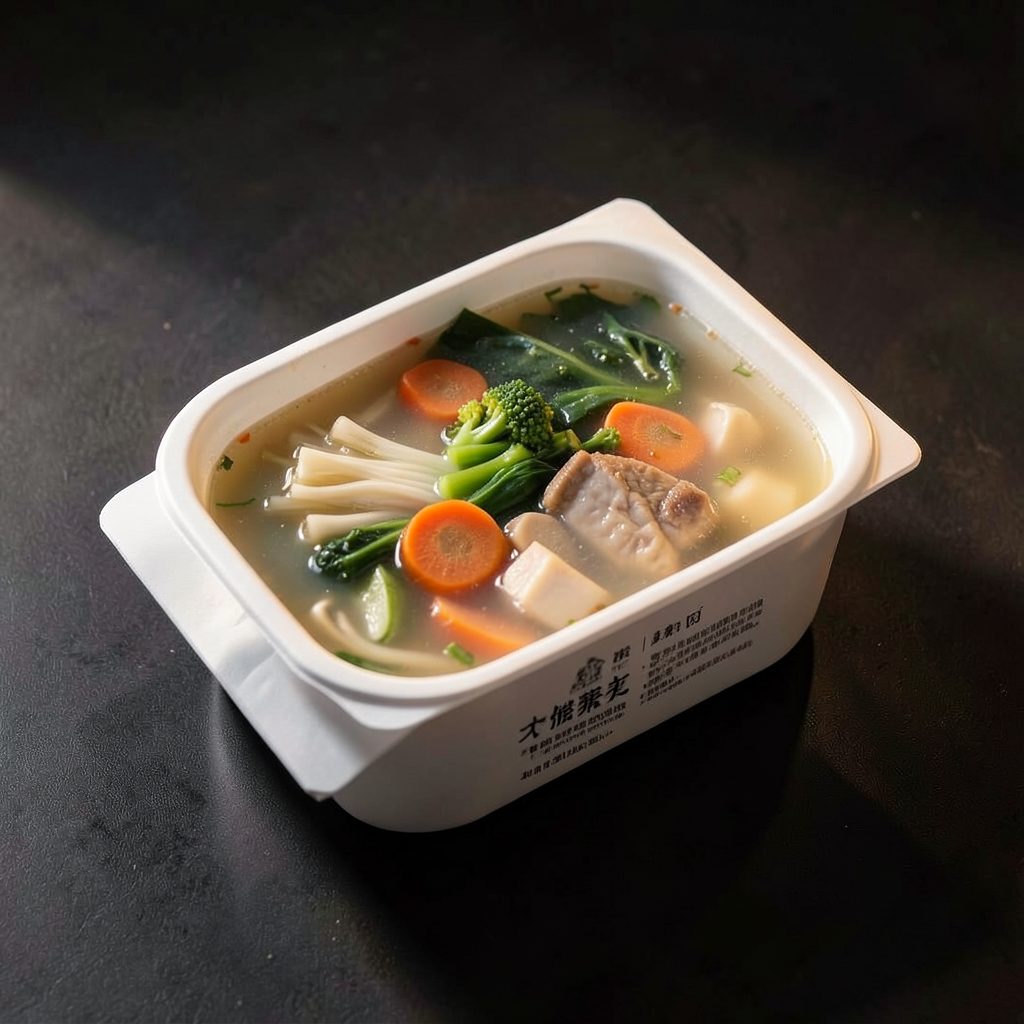
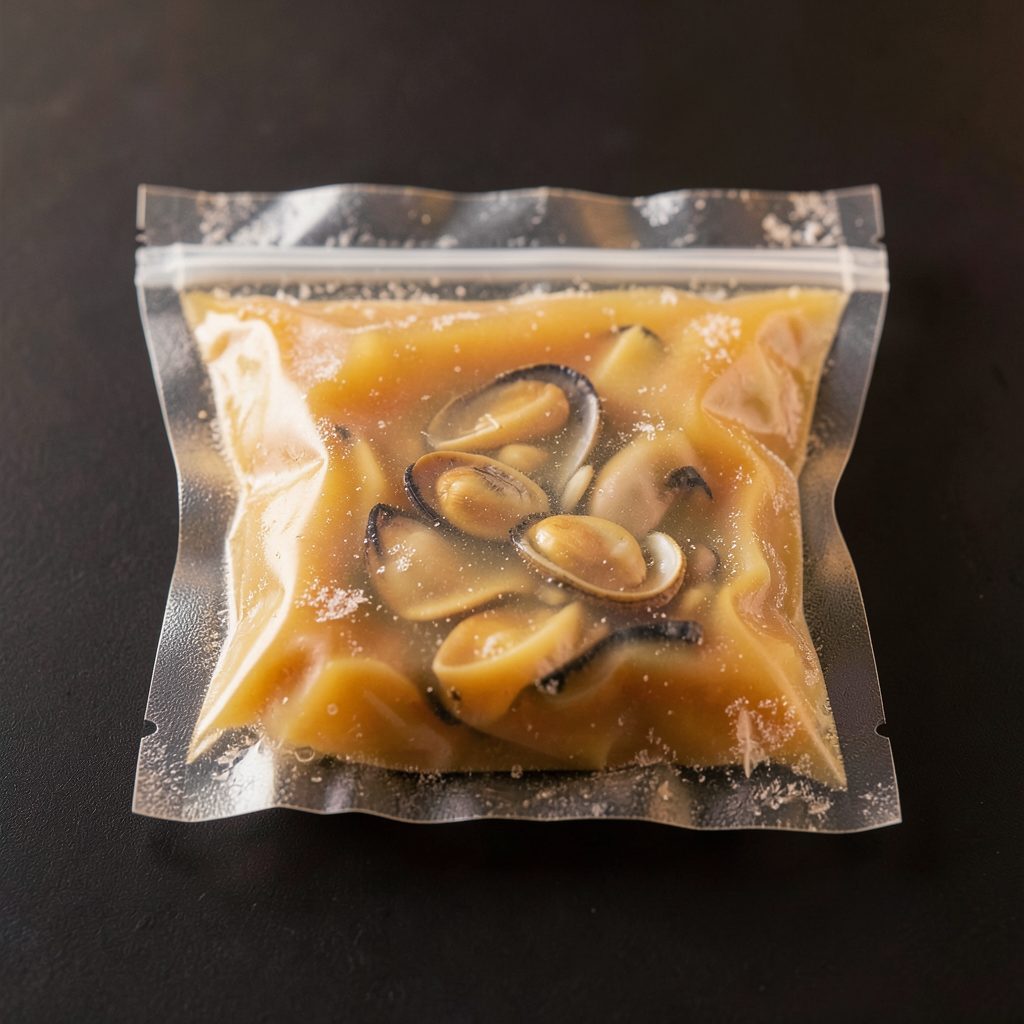
Best Sellers
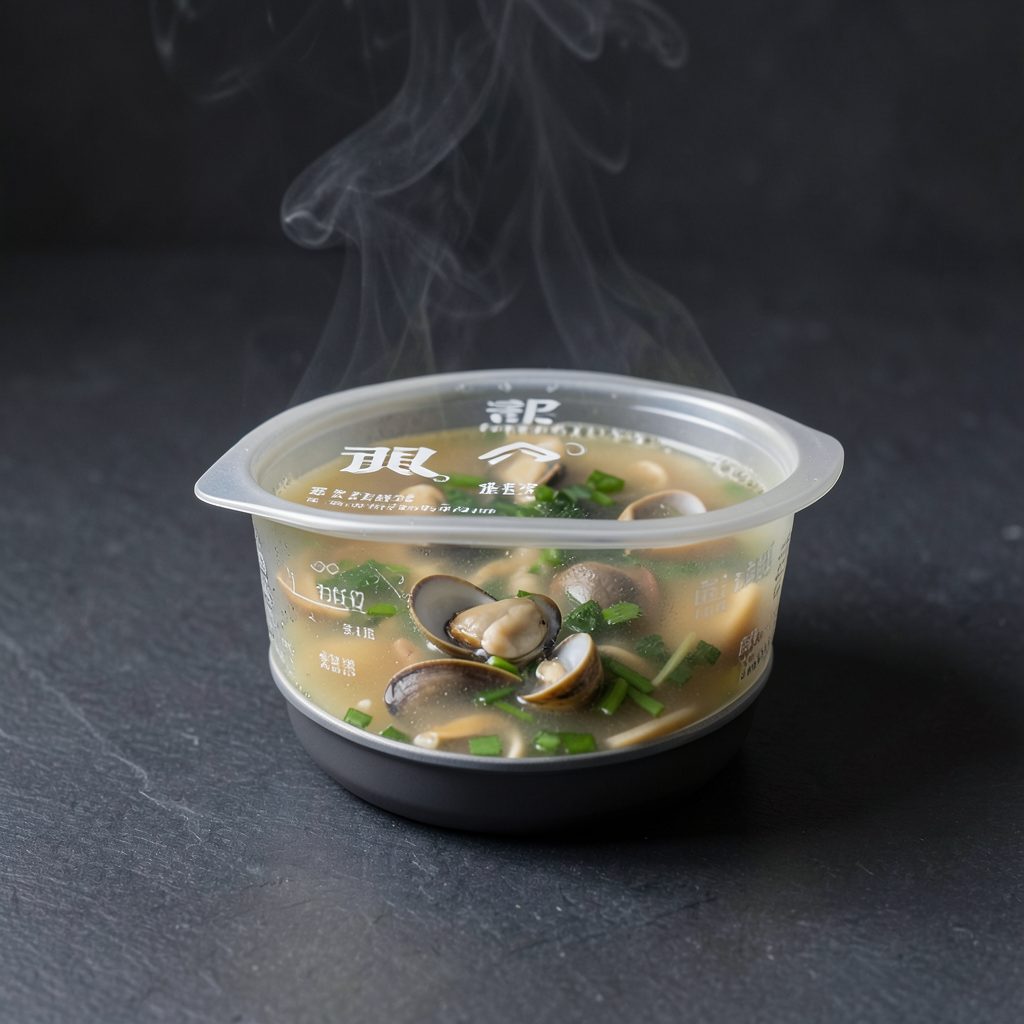
蛤?! Clam Soup Base —卜卜蜆
NT$ —
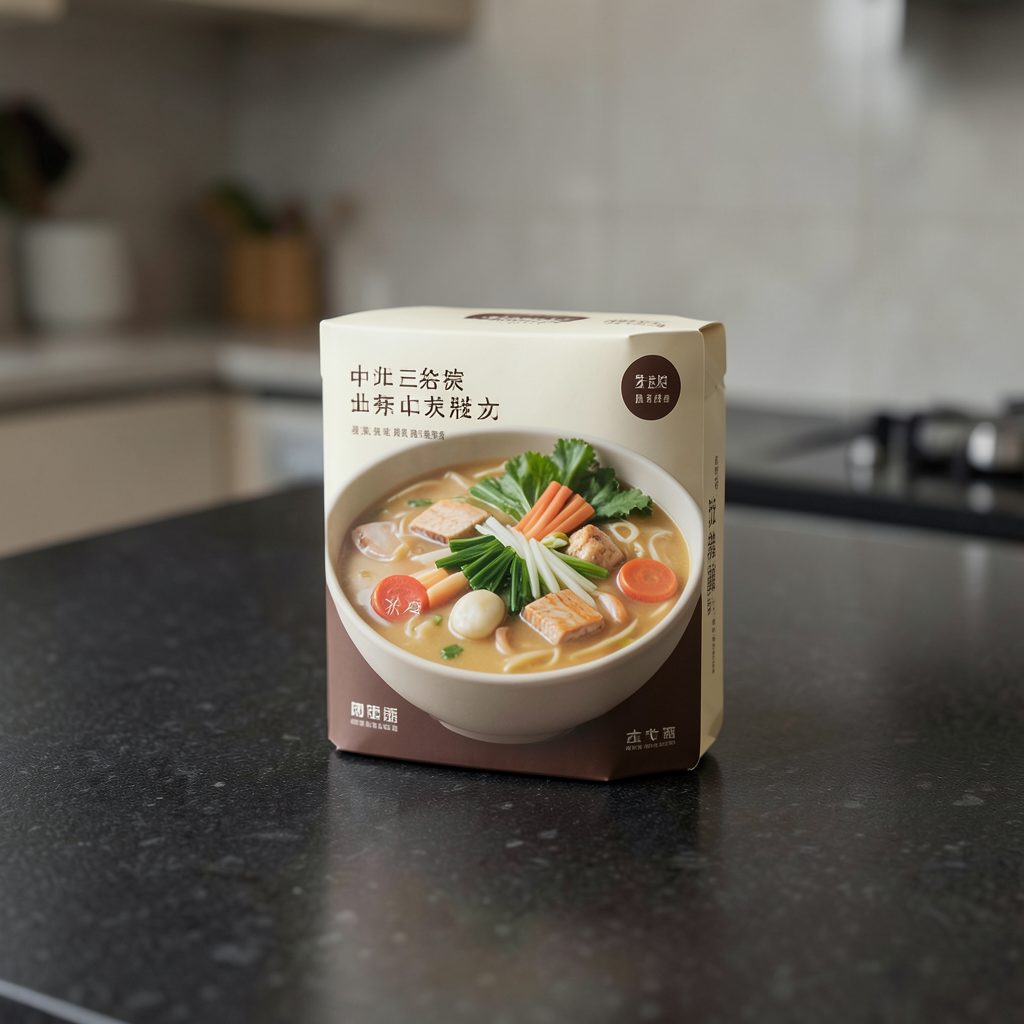
本事滿足鍋物 Personal Pot Base
NT$ —
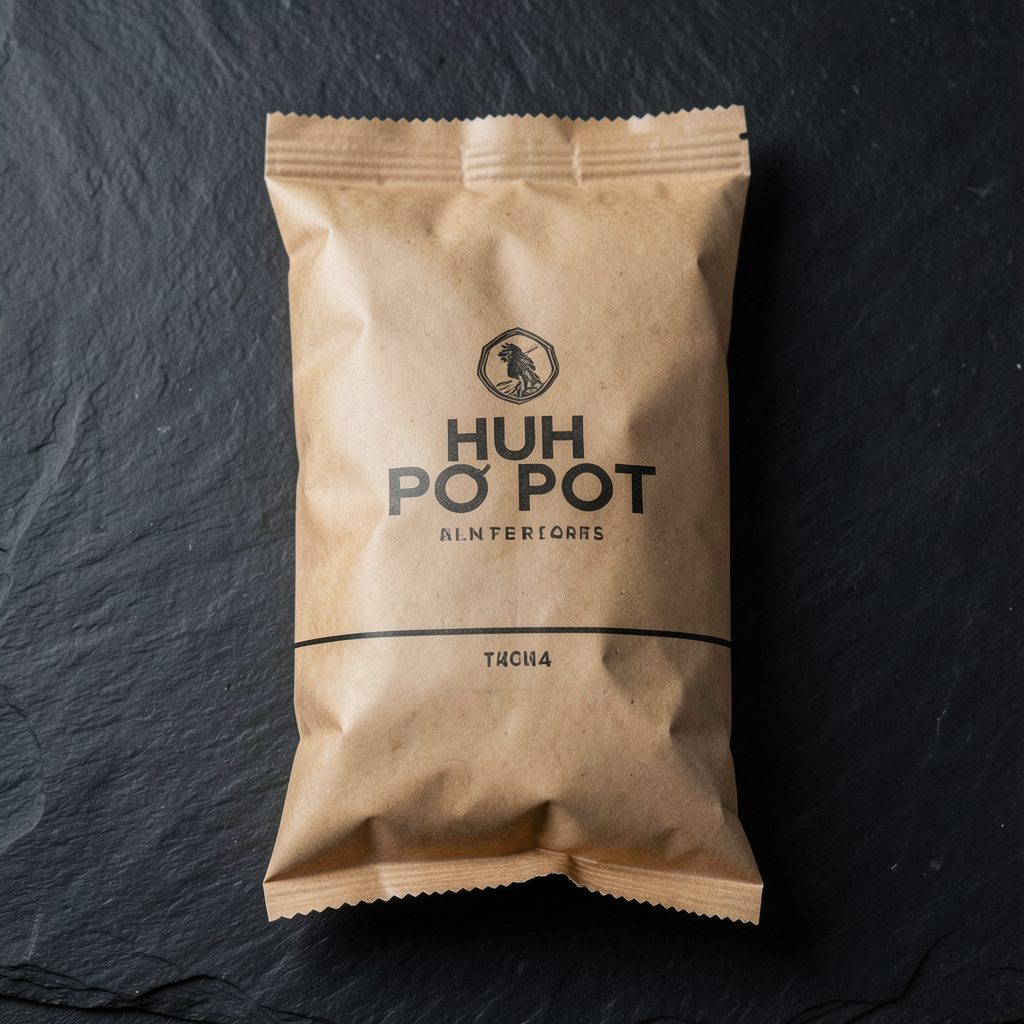
蛤?! Dry Noodles
NT$ —
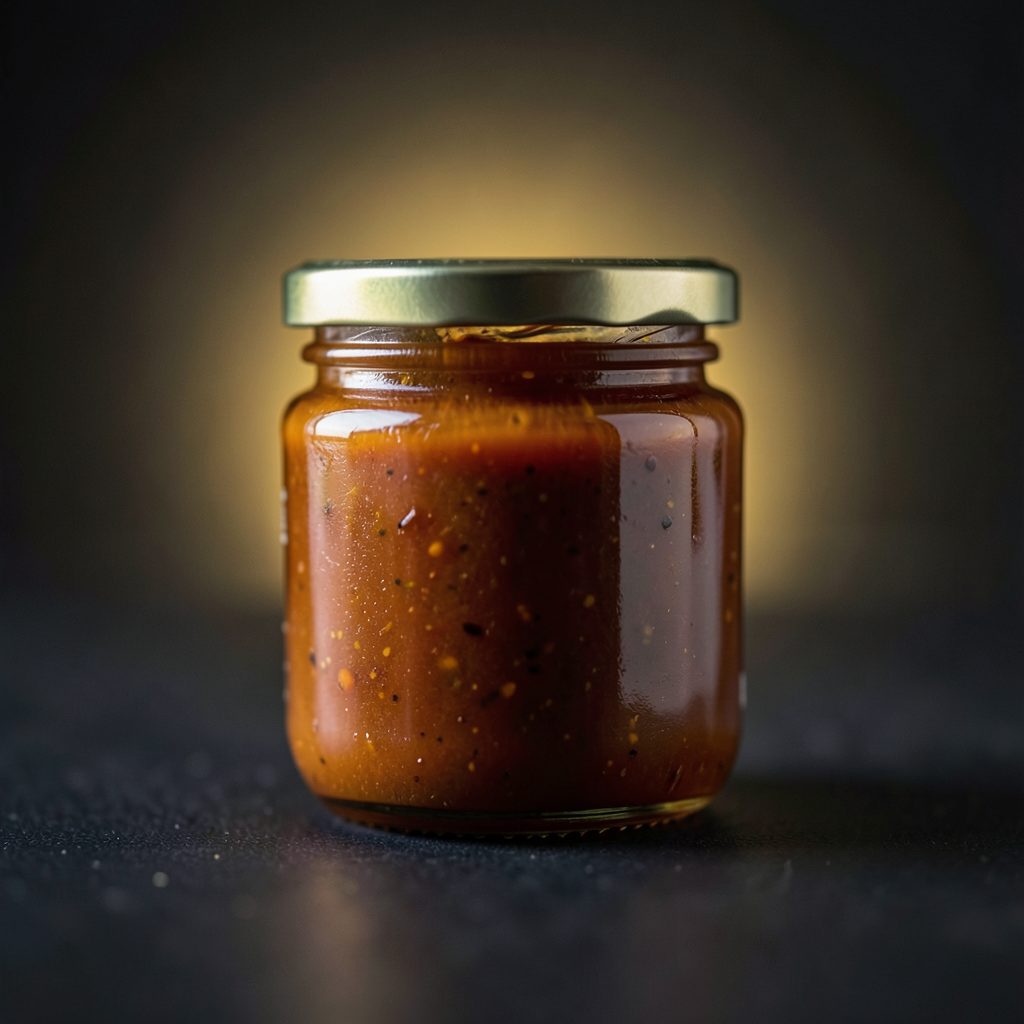
Signature Sauce
NT$ —
New Arrivals
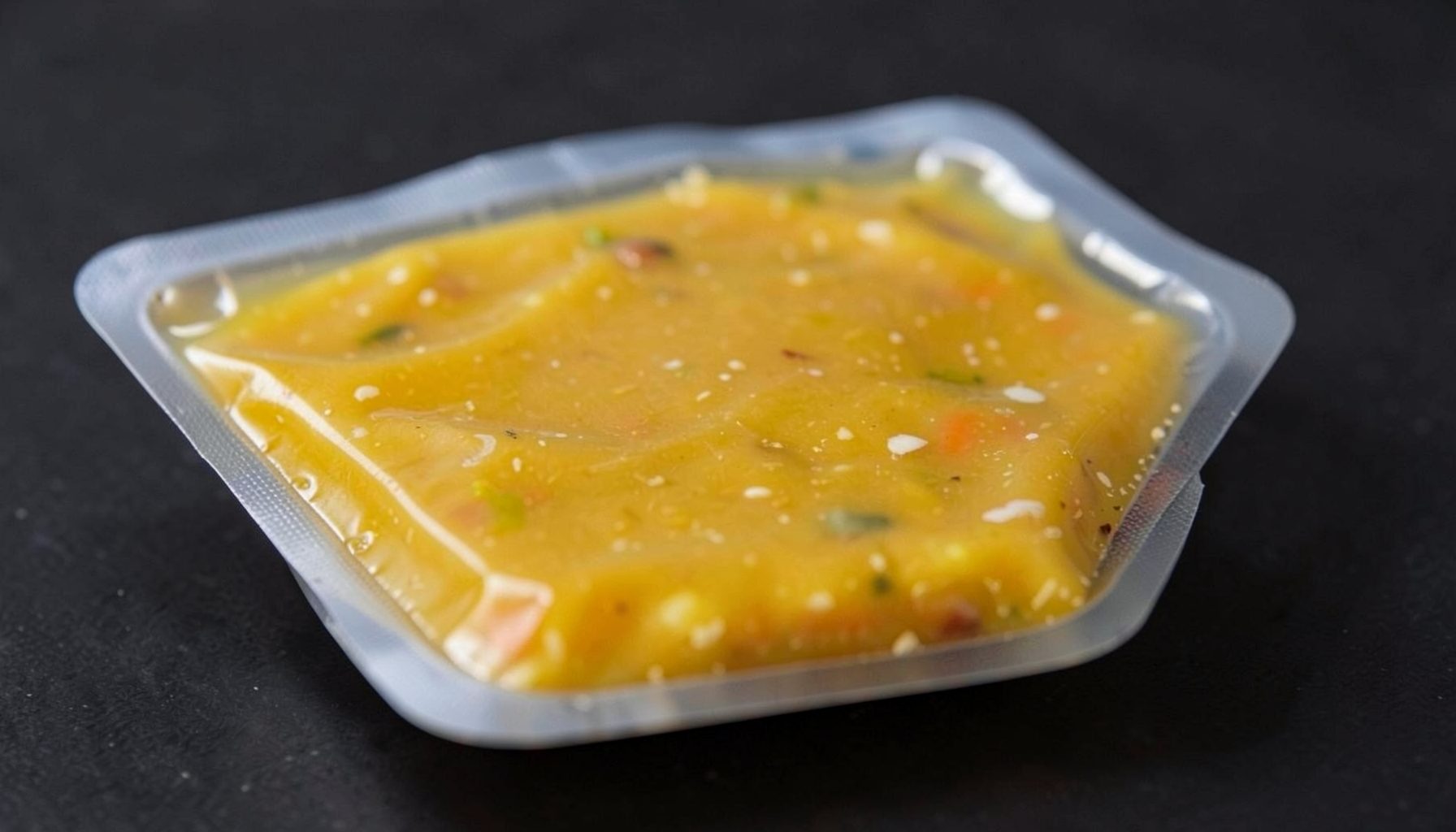
蛤?! Golden Clam Broth — New Batch
NT$ —
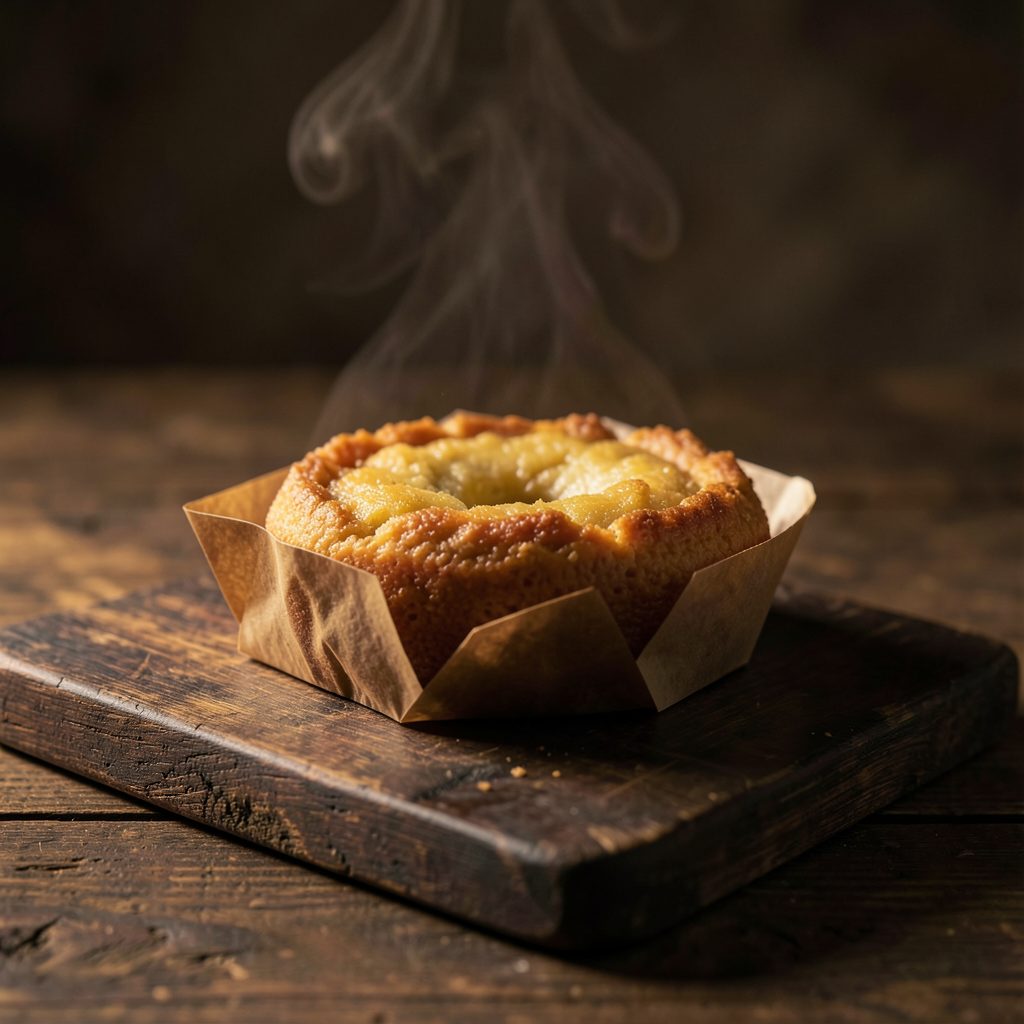
Radish Cake —蘿蔔糕精神
NT$ —
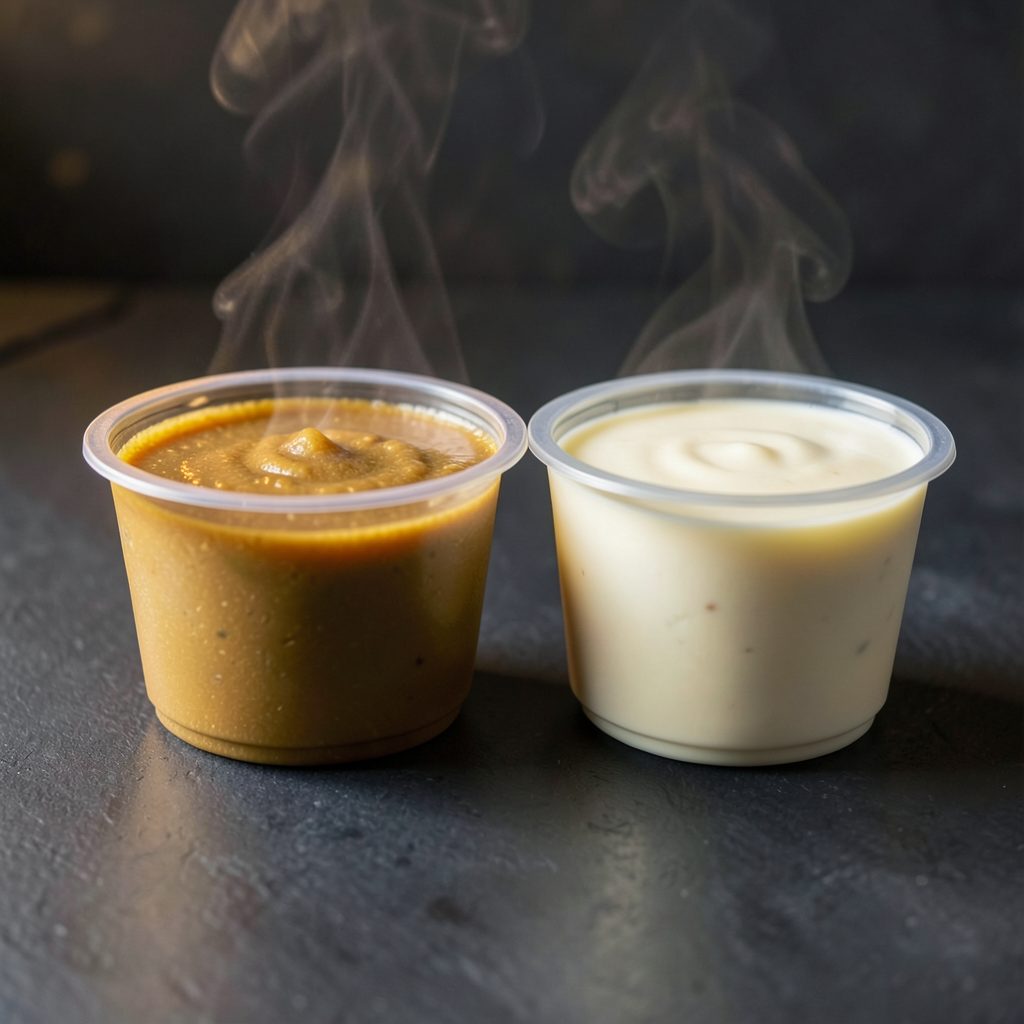
Duo Soup Base Set
NT$ —
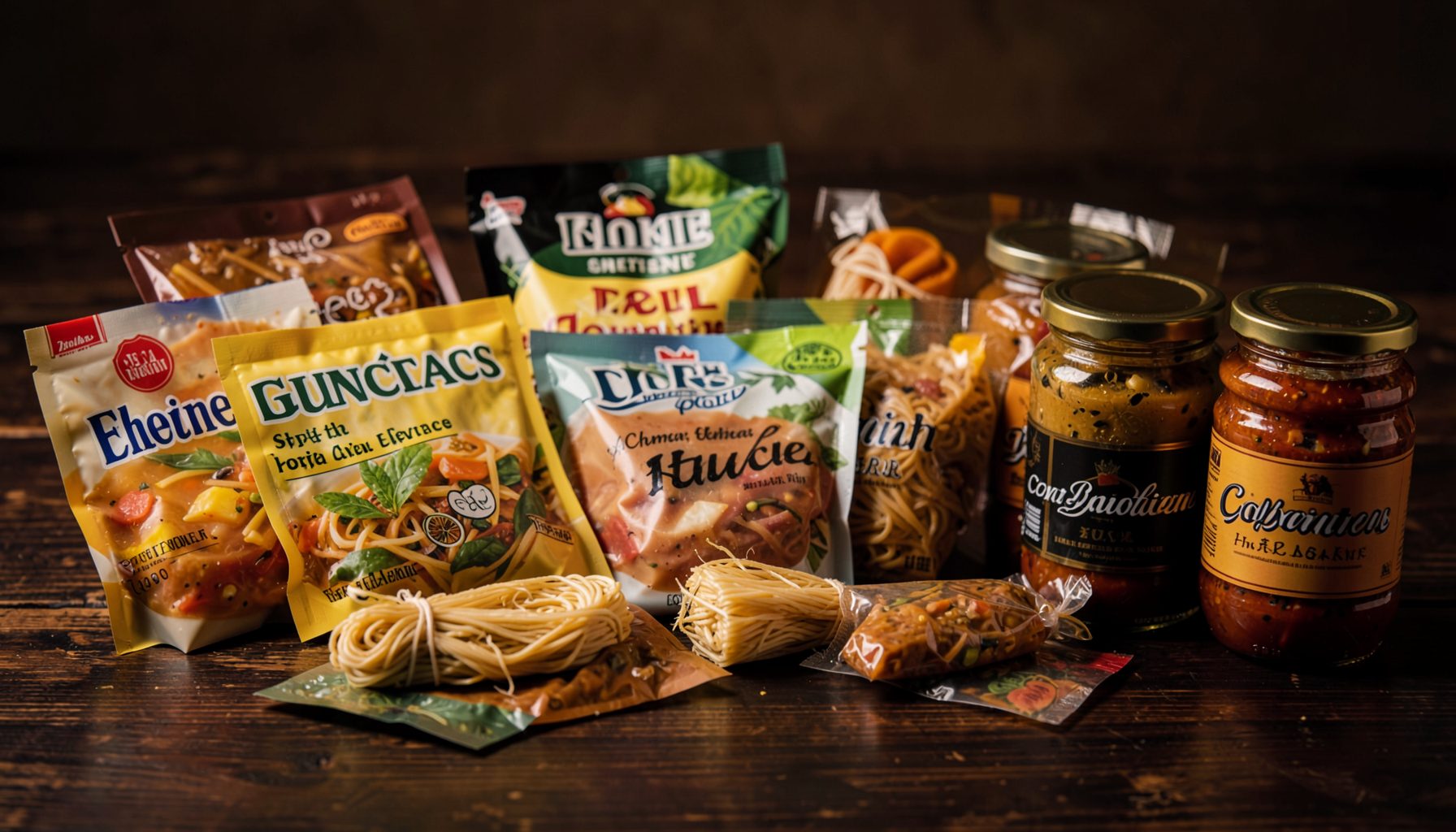
Hot Pot Essentials Bundle
NT$ —
About 蛤?! Huh Pot
蛤?! Huh Pot is a Cantonese-style hot pot brand known for its signature clam-based broth —卜卜蜆 — made with rich old-hen stock and generous portions of fresh clams. The brand also encompasses 本事滿足鍋物, a personal hot pot concept, bringing the same depth of flavor to individual servings.
Through MoneyCome Mart, these restaurant-quality soup bases, dry noodles, radish cakes, and signature sauces are available for home delivery across Taiwan. Restaurant locations in Taipei's Da'an District, Civic Boulevard, and Taichung's Gongyi Road also welcome guests for dine-in, with online reservations available.