Portioning Cantonese soup base for solo hot pot at home
Hot pot has long been a communal affair, with bubbling broths anchoring long evenings shared between many diners. Yet solo hot pot sessions have carved out a loyal following in Australian cities like Sydney and Melbourne, where compact apartments and busy schedules make a full-sized feast impractical. Freezing soup bases in measured blocks lets one person recreate the ritual any weeknight without waste.
MoneyCome Mart ships its frozen Cantonese broth blocks and concentrated clam liquids straight to Australian doorsteps with unbroken cold-chain handling, so the only real work is deciding how much to thaw. A little planning turns a 1kg block into several restaurant-quality meals tailored to a single appetite.
Solo hot pot culture across Australian cities
Australia's solo dining scene has matured well beyond the late-night kebab stop. Cafés in Fitzroy and Newtown routinely set tables for one, and supermarket ready-meal aisles in Coles and Woolworths reflect the same shift. Hot pot fits this movement surprisingly well, with contained cleanup.
Climate also nudges diners toward hot pot. In Hobart's colder months or during a Perth winter evening, a steaming bowl of broth feels like a small luxury. In Brisbane's milder winters, lighter clam-based broths offer warmth without overwhelming the kitchen. Careful portioning keeps these solo rituals affordable and waste-free.
Understanding soup base formats
Frozen broth blocks arrive in several formats. Solid compressed blocks, often labeled as "soup base" or "hot pot stock," are highly concentrated and typically weigh between 500g and 1kg. Liquid concentrates in pouches behave similarly but thaw faster. Clam broths run saltier per gram, since the umami is already amplified during production.
Knowing the starting concentration prevents the most common solo mistake: assuming a small block means a mild flavor. A 200g portion of a classic spicy Cantonese base, once diluted with water, should yield roughly 600ml of finished broth for a single diner. Clam broth usually needs less added water because its natural brininess carries flavor further.
Measuring tools and practical portions
Before thawing, score the frozen block with a knife or snap it into halves while still semi-firm. Pre-portioning before the block fully softens keeps the shape intact. Some home cooks pour thawed liquid broth into silicone ice cube trays, freezing single servings that pop out cleanly when needed.
For precision, a small kitchen scale removes all guesswork. Solo hot pot works best with 150–250ml of finished broth per person, depending on how many dipping ingredients will soak up liquid. Noodles, radish, and leafy greens absorb broth during cooking, effectively diluting what remains.
Helpful tools for single-serve portioning:
- Digital kitchen scale with 1–5g precision
- Silicone ice cube trays or mini muffin moulds
- Sharp heavy knife for scoring frozen blocks
- Labelled freezer bags or small airtight containers
Balancing salt and strength
Even with careful measuring, broth concentration varies between batches, especially with spicy bases that pack salted chili oil into the mix. If a portion tastes sharper than expected, dilution is the simplest remedy. For more stubborn cases, adjusting broth saltiness walks through gradual fixes using potato, sugar, and acid adjustments.
Dairy additions, such as a splash of milk or a knob of butter, can soften the heat in chili-based broths without diluting body. A few drops of sesame oil stirred in at the end restores richness that dilution may have stripped away. Tasting as you go remains the most reliable approach.
Storing leftovers safely
Australian food safety guidance under FSANZ recommends refrigerating cooked broth within two hours of preparation and consuming it within three days. For longer storage, portion the cooled broth into airtight containers and freeze, leaving headspace for expansion. Label each container with the date to track freshness.
A second-use broth makes an excellent base for noodle soups the next day, or a quick braising liquid for tofu and mushrooms. Since hot pot broth absorbs vegetable and meat flavors during cooking, leftovers often taste even better on reheating. Thoughtful portioning turns solo hot pot into a reliable weekly ritual.
Quick storage and reuse ideas:
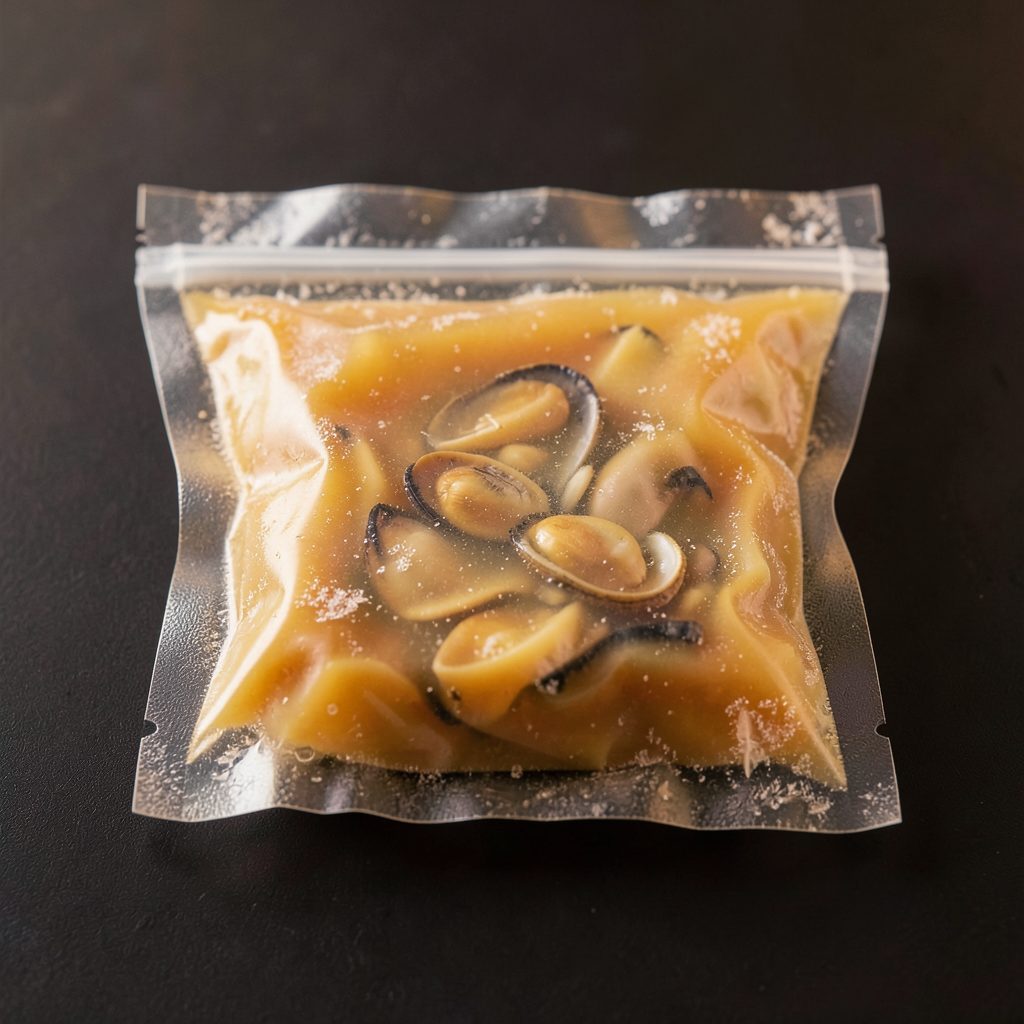
- Freeze flat in zip-top bags for stackable storage
- Pour over noodles with fresh greens for a fast lunch
- Use as a poaching liquid for eggs or fish fillets
- Stir into fried rice for instant umami depth
Best Sellers
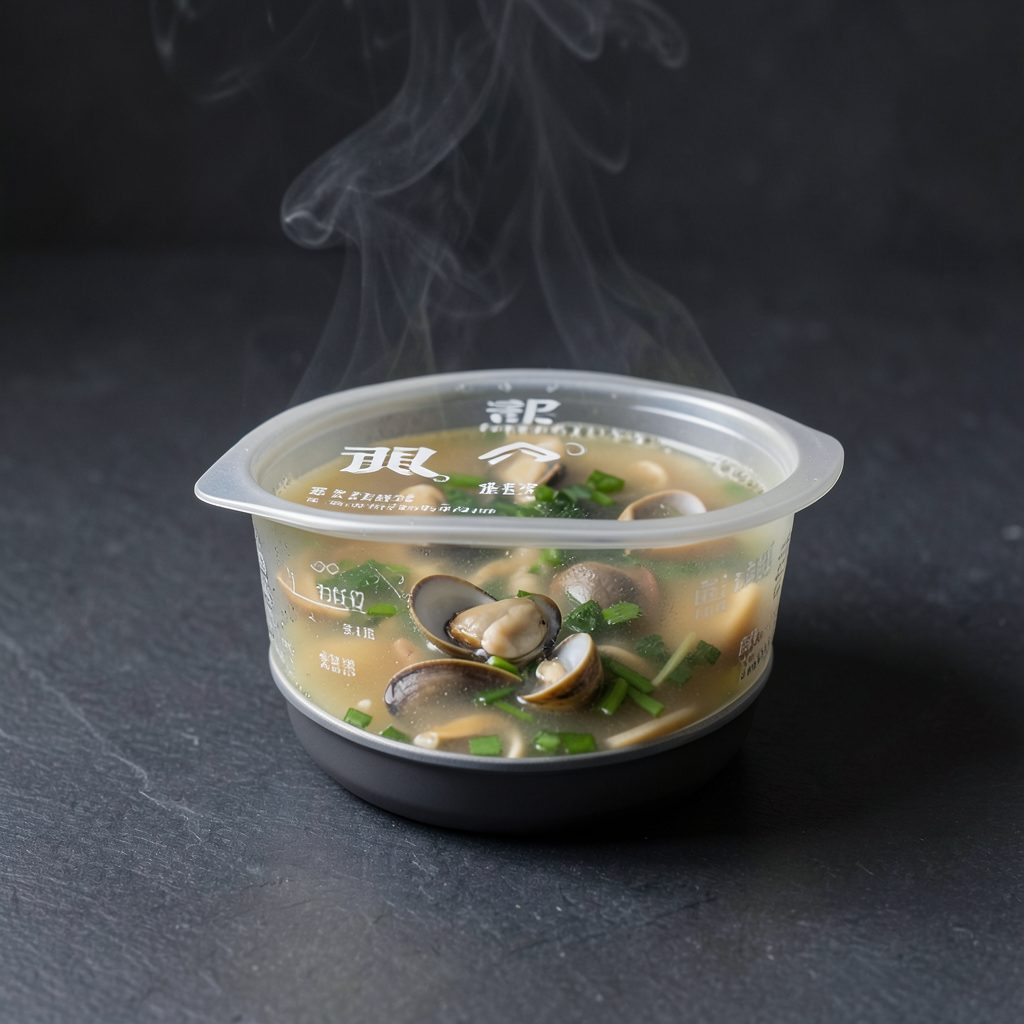
蛤?! Clam Soup Base —卜卜蜆
NT$ —
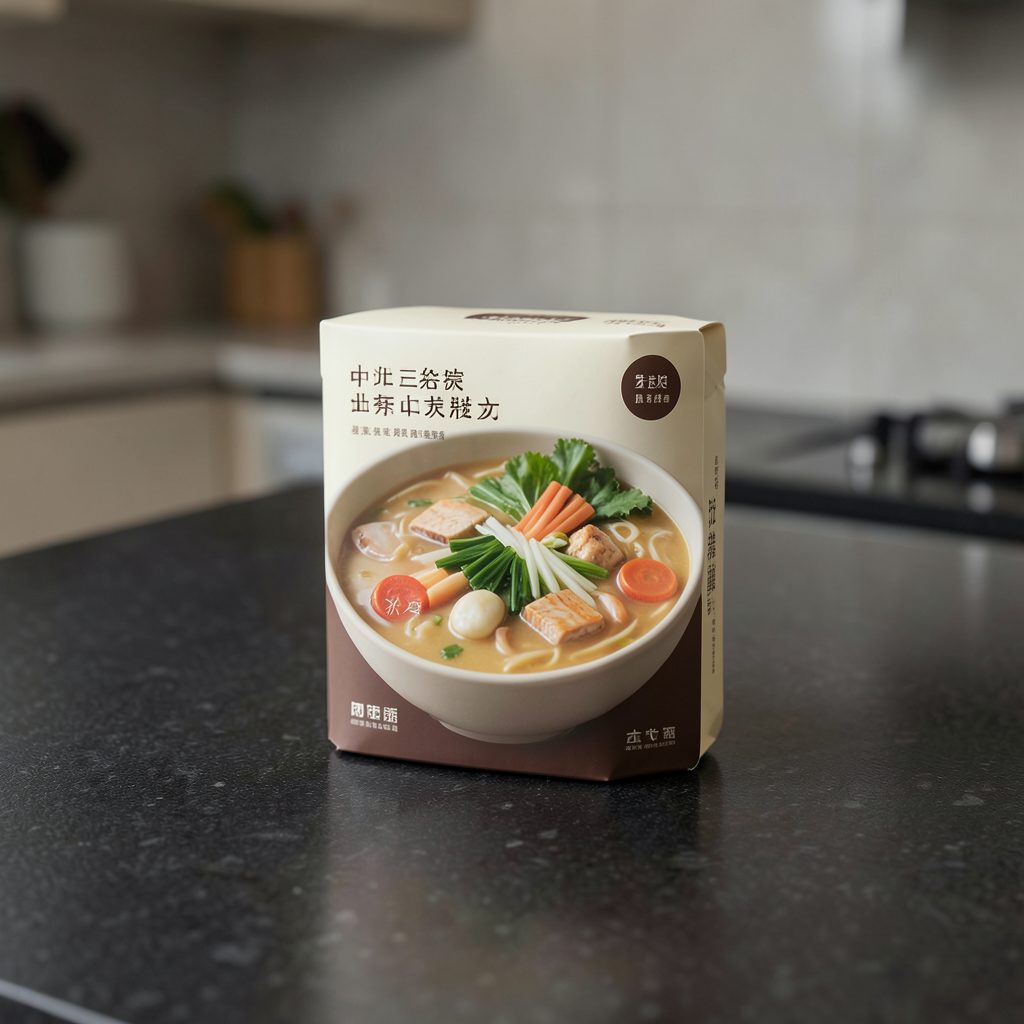
本事滿足鍋物 Personal Pot Base
NT$ —
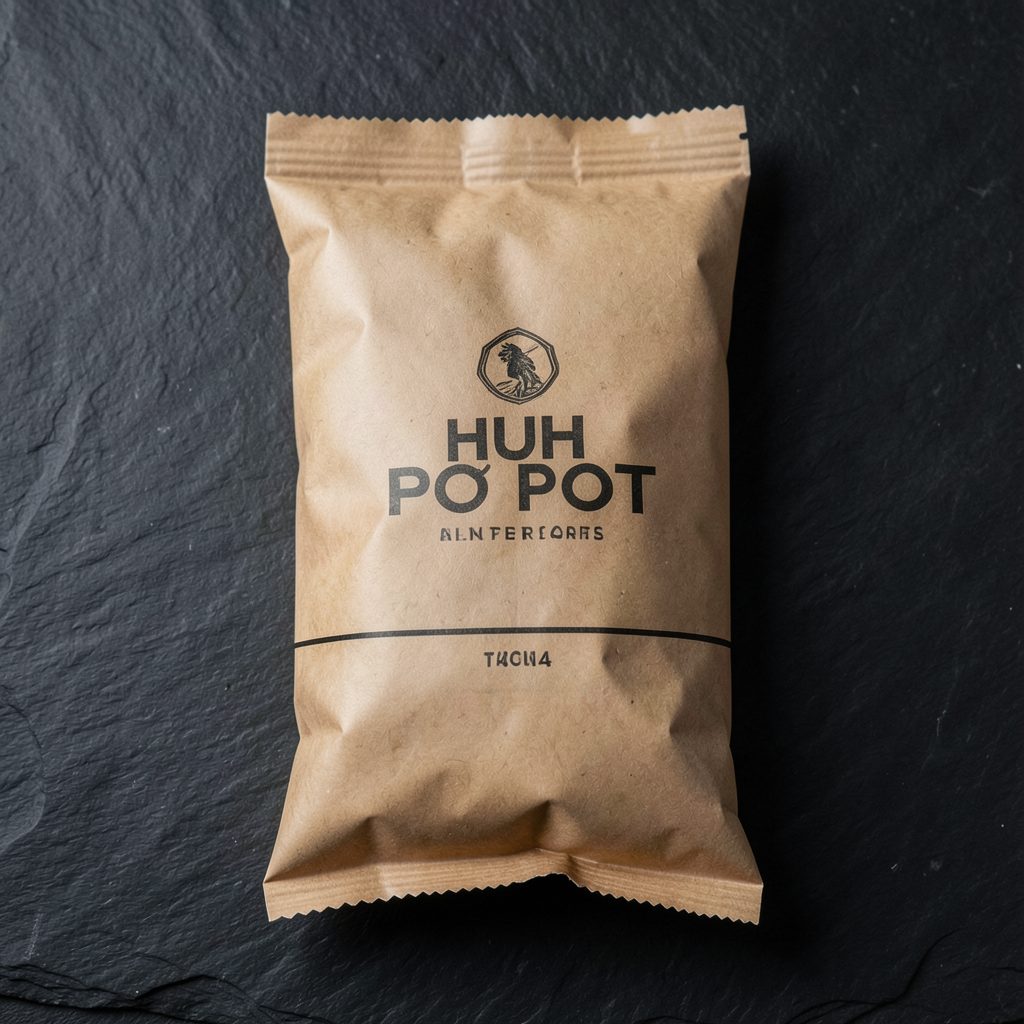
蛤?! Dry Noodles
NT$ —
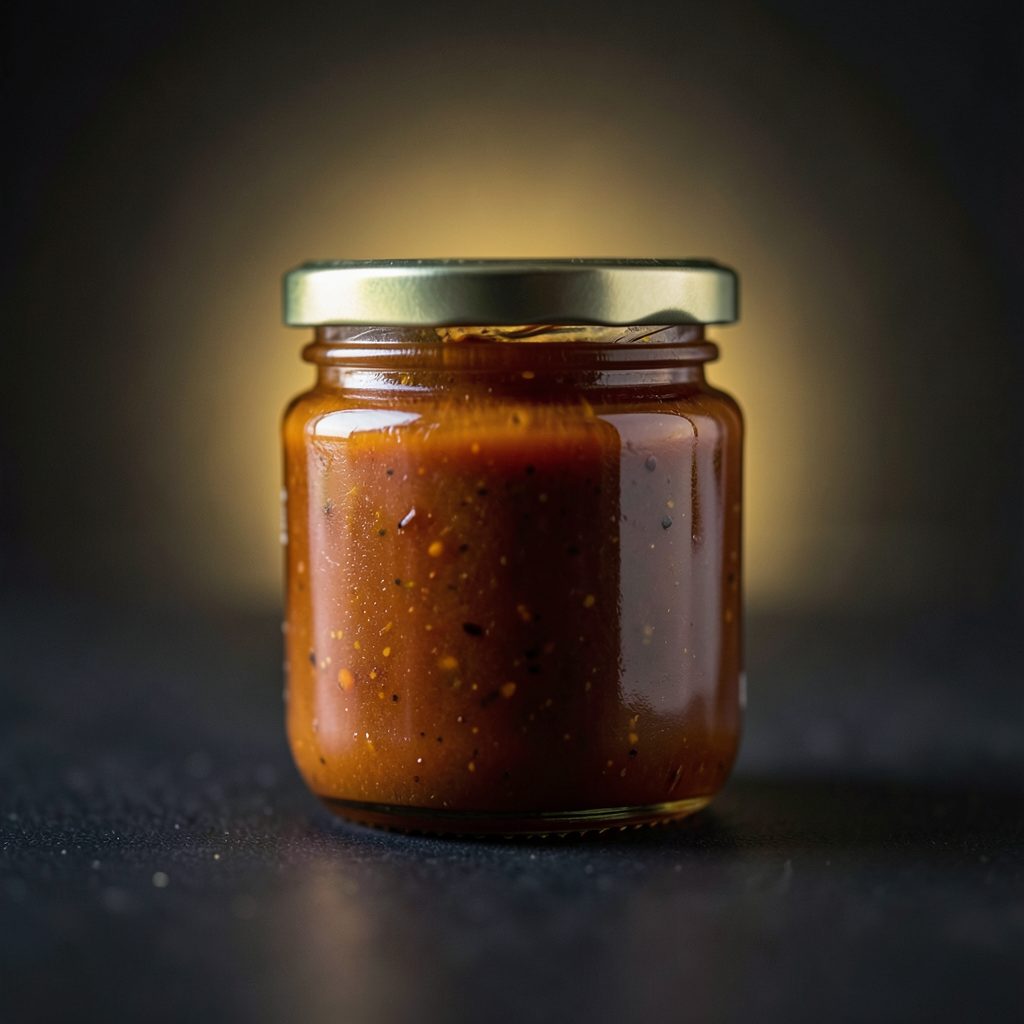
Signature Sauce
NT$ —
New Arrivals
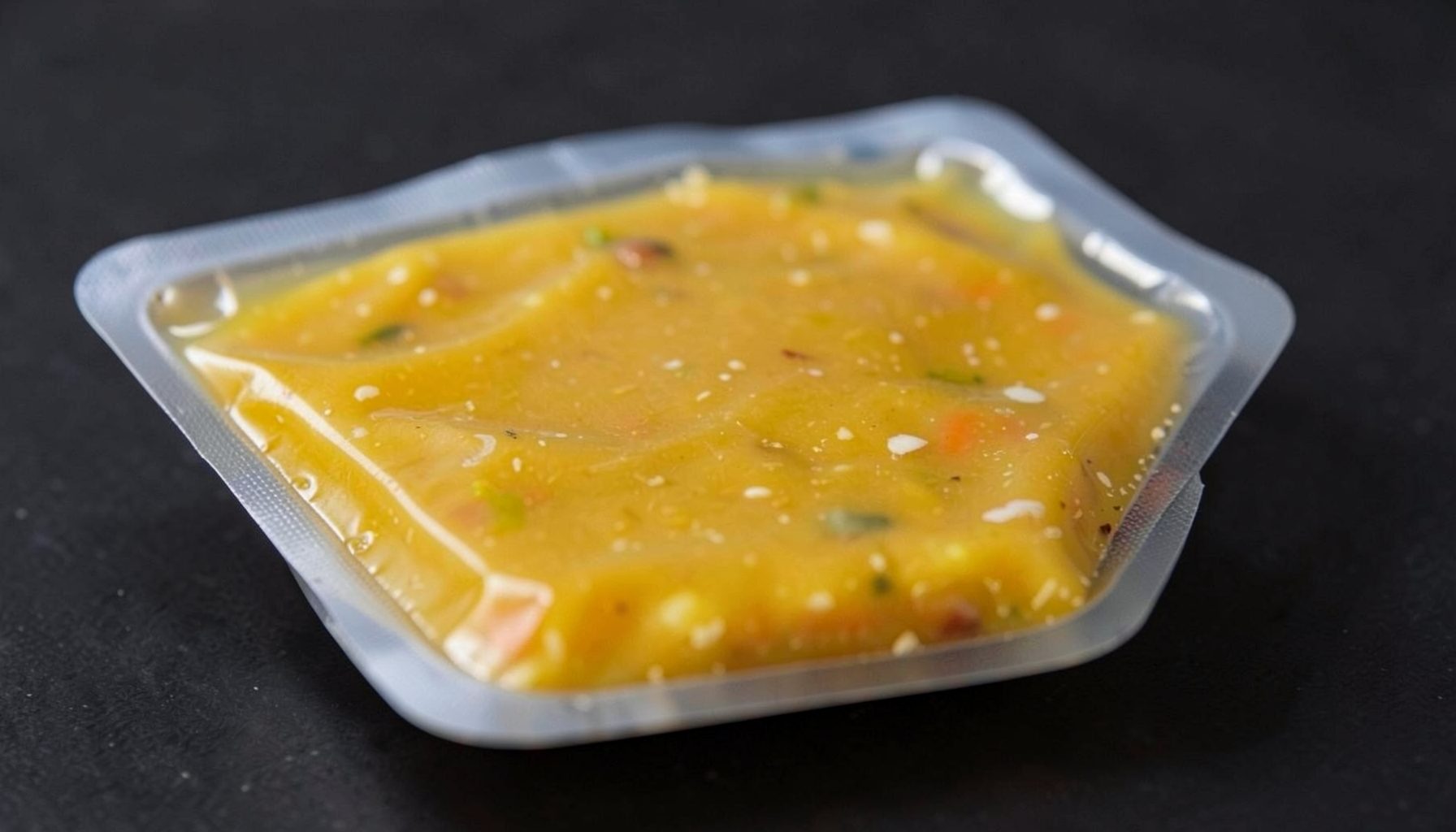
蛤?! Golden Clam Broth — New Batch
NT$ —
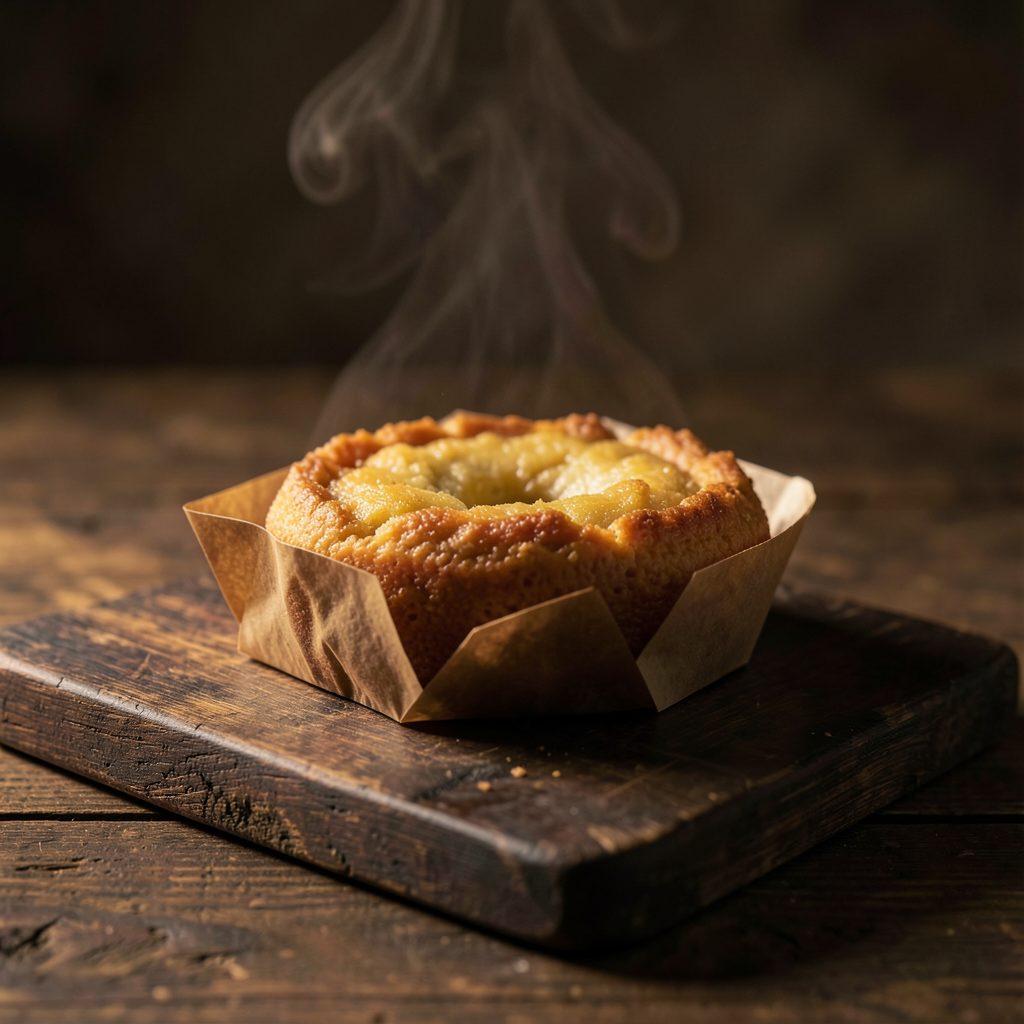
Radish Cake —蘿蔔糕精神
NT$ —
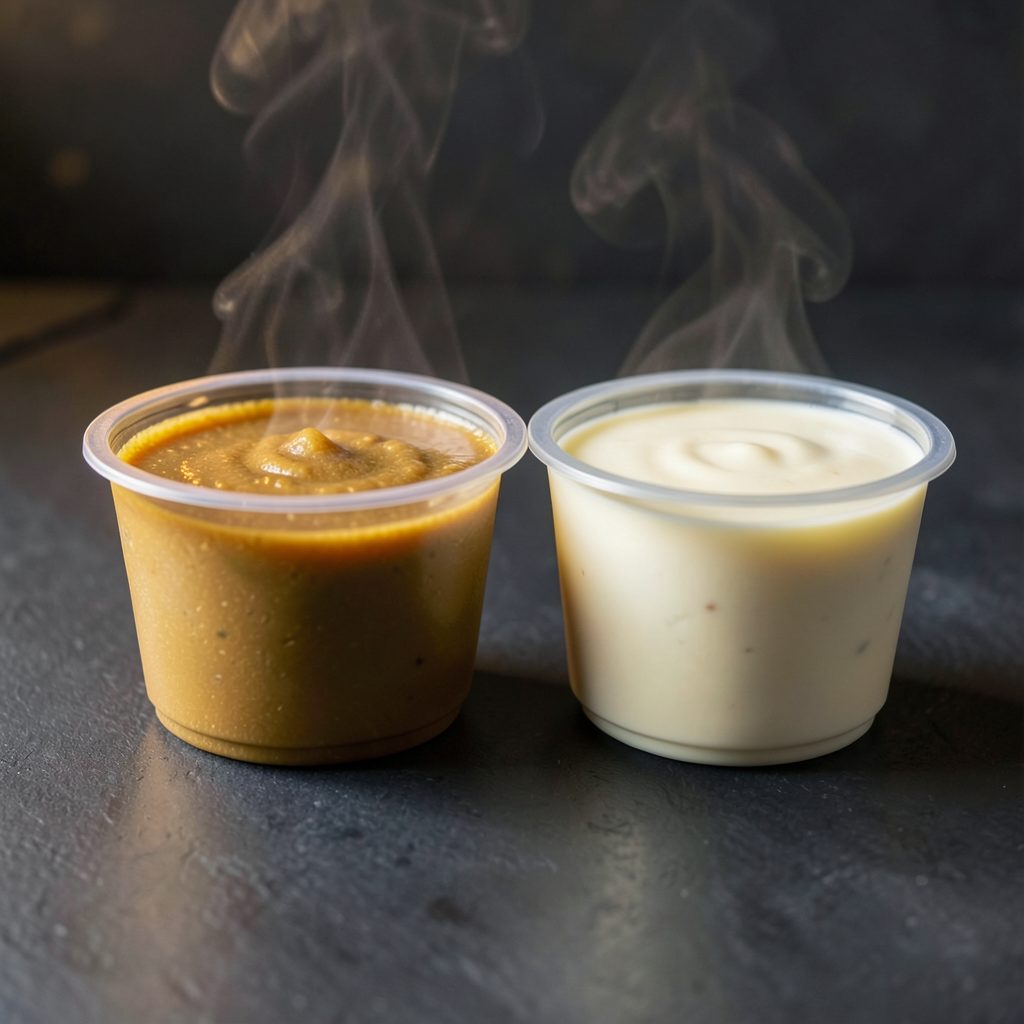
Duo Soup Base Set
NT$ —
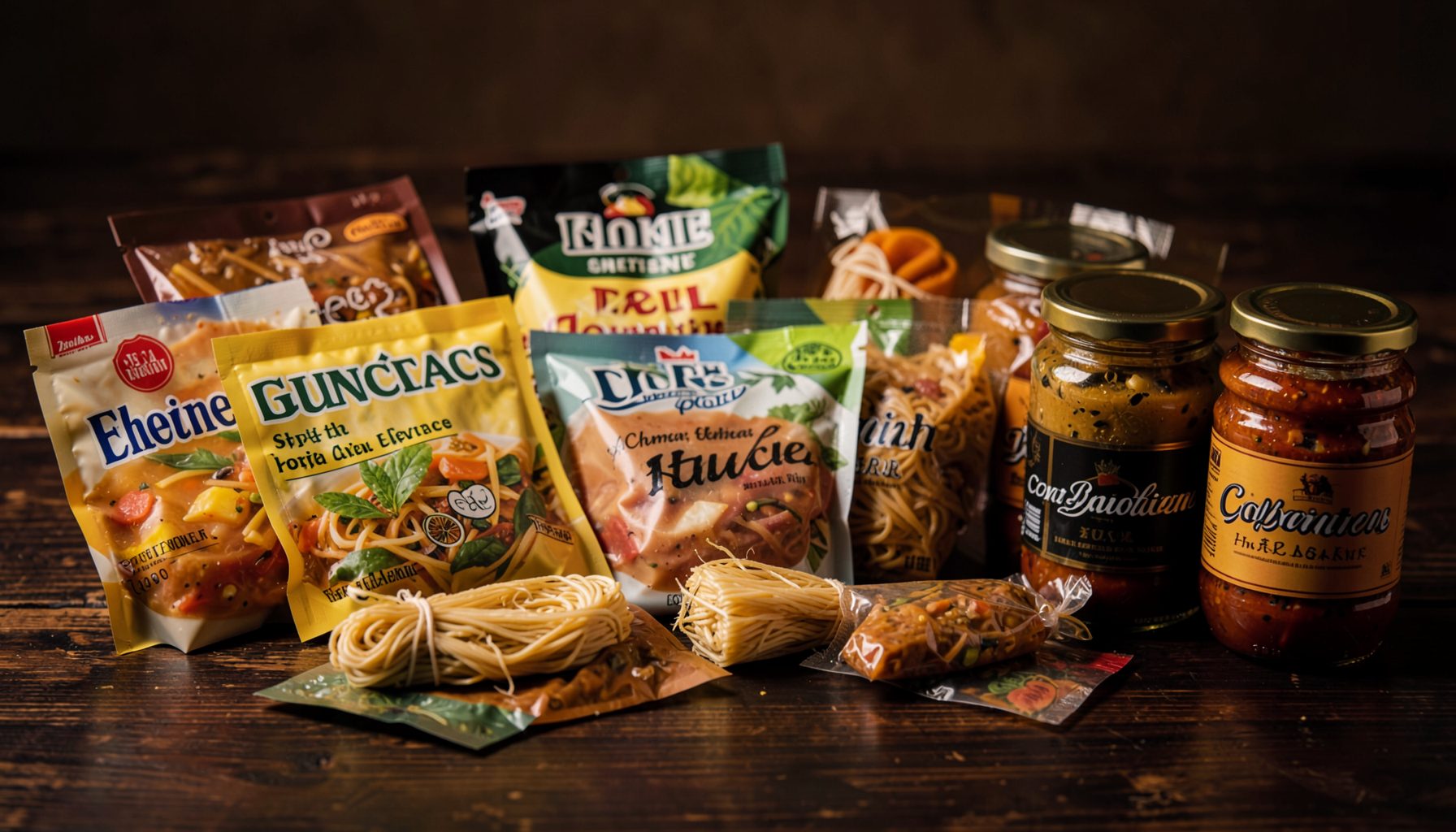
Hot Pot Essentials Bundle
NT$ —
About 蛤?! Huh Pot
蛤?! Huh Pot is a Cantonese-style hot pot brand known for its signature clam-based broth —卜卜蜆 — made with rich old-hen stock and generous portions of fresh clams. The brand also encompasses 本事滿足鍋物, a personal hot pot concept, bringing the same depth of flavor to individual servings.
Through MoneyCome Mart, these restaurant-quality soup bases, dry noodles, radish cakes, and signature sauces are available for home delivery across Taiwan. Restaurant locations in Taipei's Da'an District, Civic Boulevard, and Taichung's Gongyi Road also welcome guests for dine-in, with online reservations available.