How to Balance Saltiness in a Cantonese Hot Pot Broth
A well-balanced hot pot broth should taste flavorful before ingredients enter the pot, but it should not overwhelm delicate seafood, vegetables, tofu, or noodles. Frozen soup bases and clam broths can vary in intensity, so a small adjustment at home often makes the difference between a heavy soup and a satisfying one.
Saltiness is also affected by evaporation and by the ingredients cooking in the broth. Processed foods such as fish balls, dumplings, luncheon meat, and dipping sauces may release additional seasoning as the meal progresses. A broth that tastes perfect at the start can become noticeably stronger later.
The best approach is to taste carefully, dilute gradually, and restore fragrance without simply adding more salt. With a few basic ingredients and a measured method, restaurant-style flavor is easy to maintain in a home hot pot.
Start With A Measured Taste
Prepare the soup base according to its package instructions before making changes. If it is frozen, thaw or heat it as directed rather than guessing the concentration. Some bases are designed to be diluted, while others are ready to pour, so the intended ratio matters.
Taste a small spoonful after the broth is hot but before adding food. Let it cool slightly first, since very hot liquid can make it harder to judge saltiness accurately. Notice whether the problem is pure saltiness, excessive richness, or a lack of aroma that makes the seasoning feel unbalanced.
Use a consistent ladle or measuring cup when adding liquid. Small additions are easier to control than a large pour, especially when preparing a compact tabletop pot. Record the amount if you are using a new brand or flavor so the next batch is easier to repeat.
Dilute Without Losing Flavor
Plain water is the simplest way to lower salt concentration, but it can also thin out the broth’s body. Add it in small portions, such as 100 to 150 milliliters at a time, then bring the soup back to a gentle simmer and taste again. This gradual method protects the original character of the soup base.
Unsalted stock is a better option when the broth needs more volume and depth. Choose a light chicken, vegetable, mushroom, or kombu stock with no added salt. Avoid commercial stocks that already contain sodium, since they may intensify the issue instead of correcting it.
| Adjustment method | Best use | What to watch for |
|---|---|---|
| Hot water | The broth is strongly seasoned but aromatic | Flavor may become thin |
| Unsalted stock | You want more volume and body | Stock must genuinely be unsalted |
| Blanched vegetables | Mild correction during cooking | Natural sweetness develops slowly |
| Unsalted tofu or mushrooms | Gentle dilution while serving | The effect is gradual |
| Extra noodles or leafy greens | The pot becomes saltier over time | Ingredients absorb broth and change balance |
Build Back Aroma And Umami
If dilution makes the soup taste flat, restore complexity without adding salty condiments. Fresh ginger slices, scallions, garlic, white pepper, dried mushrooms, or a small piece of kombu can add fragrance. Add modest amounts so these ingredients support the base rather than replacing its original flavor.
A little unsalted mushroom water can also provide depth. Soak dried shiitake separately, strain the liquid carefully, and add it in small quantities. Avoid pouring in sediment from the bottom of the soaking bowl, as it may make the broth gritty.
For Cantonese-style flavors, aromatic ingredients are often more useful than sugar. If the broth tastes sharp after dilution, a tiny pinch of sugar can soften the edges, but it should not make the soup noticeably sweet. The goal is balance, not a new flavor profile.
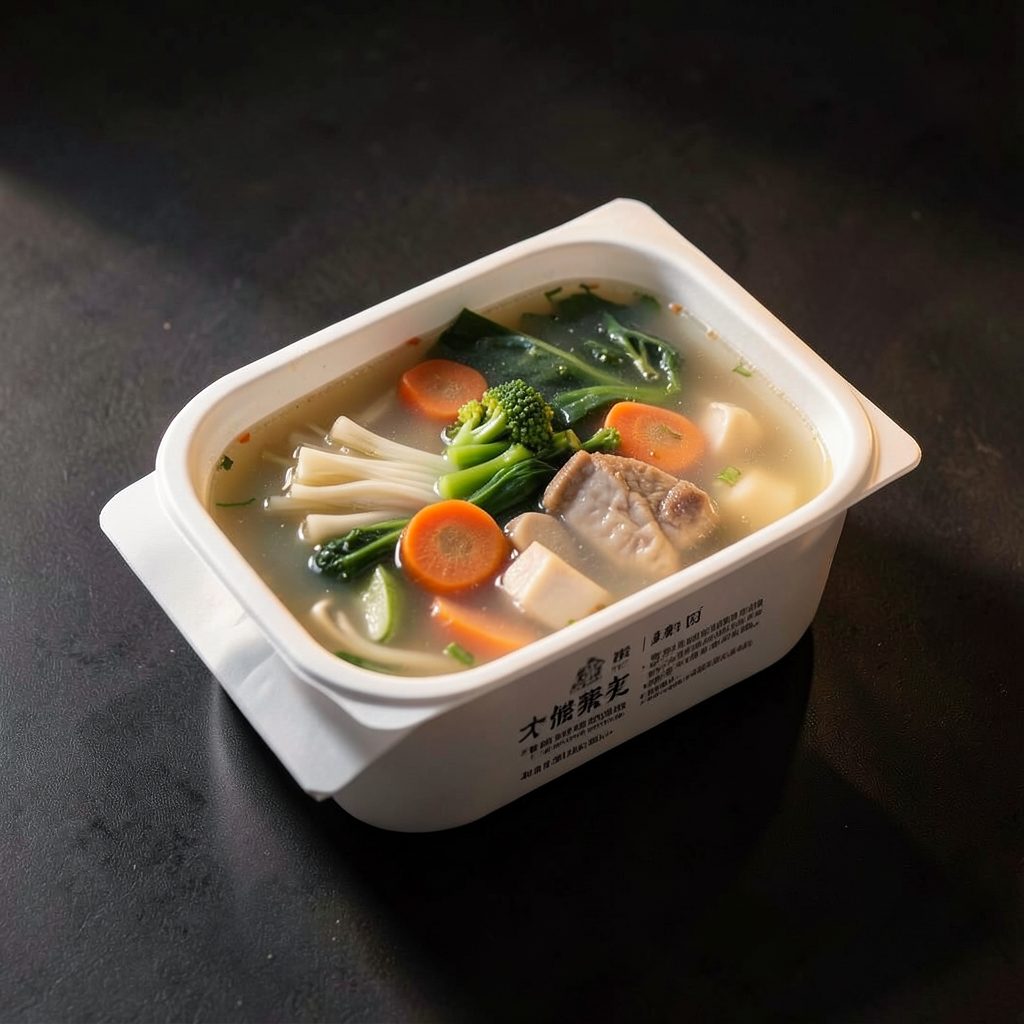
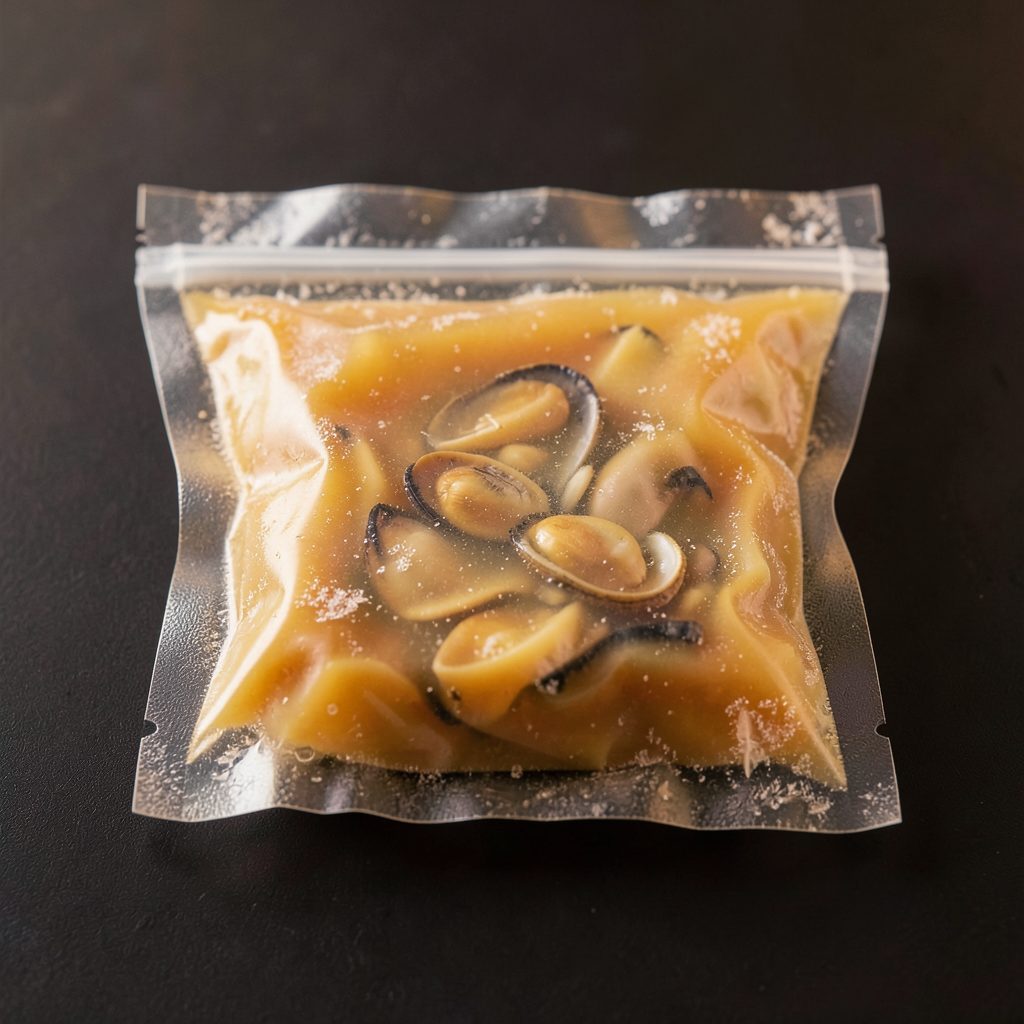
When choosing a starting point for a home meal, compare available hot pot products by soup style and preparation instructions. A clam-based broth may need a lighter touch than a rich, heavily seasoned base.
Match The Broth To Ingredients
The ingredients going into the pot should influence how much you adjust at the beginning. Seafood, napa cabbage, daikon, tofu, and mushrooms release water or absorb seasoning in different ways. A broth intended for many fresh vegetables can begin slightly more concentrated than one served with mostly noodles and processed foods.
Clams and other shellfish can contribute natural brininess, while fish cakes, meatballs, dumplings, and packaged sauces may add sodium. If the meal includes several prepared ingredients, dilute the broth a little before cooking and reassess after the first batch.
Keep dipping sauces separate from the soup. Guests can control their own intensity with sesame sauce, chili, soy-based seasonings, or vinegar. Pouring dipping sauce into the communal pot can quickly create an overly salty broth and make it difficult to correct.
Manage Saltiness As The Pot Cooks
Steam and simmering reduce liquid volume, concentrating the broth. Keep the heat at a steady simmer rather than a vigorous boil, especially after the first ingredients are cooked. Replace lost volume with hot water or unsalted stock instead of cold liquid, which can interrupt cooking and make timing less consistent.
Taste at several stages: before ingredients are added, after the first serving, and near the end. Use a clean spoon each time. If the soup becomes too intense, remove some broth and replace it with hot water or unsalted stock. This is more effective than trying to mask saltiness with sugar or extra spices.
Food safety also matters. Keep seafood, meat, and prepared foods chilled until needed, cook them thoroughly, and avoid leaving the pot at room temperature for extended periods. Fresh adjustments should be made while the broth is hot and actively being served.
Make Adjustments Repeatable
A simple routine makes future hot pot meals easier. Start with the recommended preparation ratio, taste before adding ingredients, and keep a small jug of hot water or unsalted stock beside the cooker. This gives you control throughout the meal rather than forcing a last-minute correction.
Use these practical habits:
- Dilute in small measured portions and taste after each addition.
- Add unsalted aromatics when the broth loses depth.
- Cook highly seasoned or processed ingredients later in the meal.
- Keep dipping sauces in individual bowls instead of the communal pot.
- Save your preferred broth-to-liquid ratio for the next order.
A balanced soup base should support the ingredients, not compete with them. Adjust carefully, maintain a gentle simmer, and serve the broth while its aroma is fresh. Explore MoneyCome Mart’s Cantonese hot pot range, choose a suitable soup base, and prepare a more controlled, flavorful meal at home.
Best Sellers
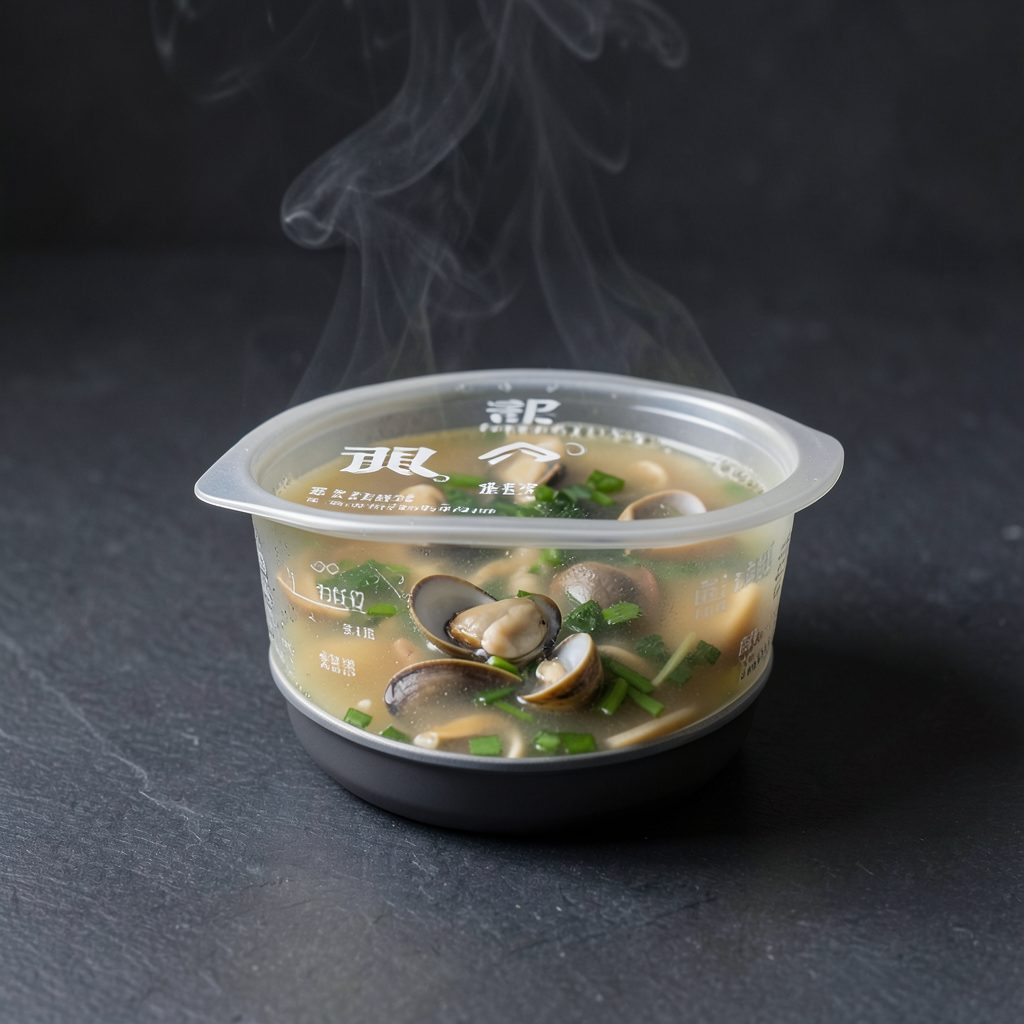
蛤?! Clam Soup Base —卜卜蜆
NT$ —
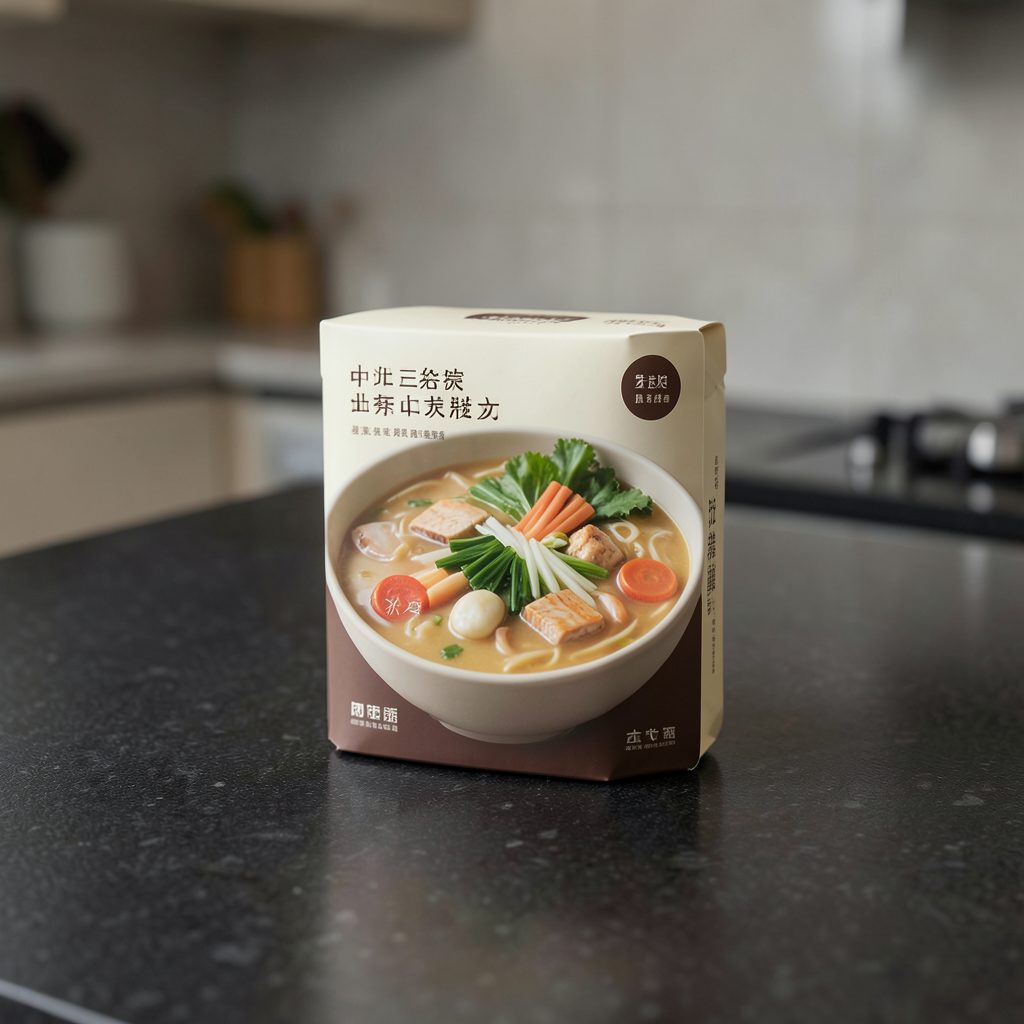
本事滿足鍋物 Personal Pot Base
NT$ —
蛤?! Dry Noodles
NT$ —
Signature Sauce
NT$ —
New Arrivals
蛤?! Golden Clam Broth — New Batch
NT$ —

Radish Cake —蘿蔔糕精神
NT$ —
Duo Soup Base Set
NT$ —

Hot Pot Essentials Bundle
NT$ —
About 蛤?! Huh Pot
蛤?! Huh Pot is a Cantonese-style hot pot brand known for its signature clam-based broth —卜卜蜆 — made with rich old-hen stock and generous portions of fresh clams. The brand also encompasses 本事滿足鍋物, a personal hot pot concept, bringing the same depth of flavor to individual servings.
Through MoneyCome Mart, these restaurant-quality soup bases, dry noodles, radish cakes, and signature sauces are available for home delivery across Taiwan. Restaurant locations in Taipei's Da'an District, Civic Boulevard, and Taichung's Gongyi Road also welcome guests for dine-in, with online reservations available.