How to Layer Ingredients in a Hot Pot for Optimal Cooking Times
A well-layered hot pot cooks each ingredient at the right pace while keeping the broth clear, fragrant and easy to serve. The basic principle is simple: place sturdy ingredients close to the heat, add medium-cooking foods next, and keep delicate items near the surface for the final minutes.
This approach suits Cantonese hot pot at home, whether you are using a frozen soup base, clam broth, noodles, sauces or prepared favourites such as turnip cakes. It is especially useful when cooking for a group, because everyone can add food without turning the pot into a crowded jumble.
Why Ingredient Order Matters
A hot pot is a shared cooking system rather than a stew. Ingredients are added in waves, and each wave affects the temperature of the stock. Dense foods can cool the broth when added in large quantities, while thin slices and leafy vegetables may be overcooked within seconds.
For Australian home cooks, this method works well with an electric or induction cooker on a dining table. In a Melbourne flat, where kitchen space can be tight, or during a chilly Sydney winter gathering, organised layering keeps the meal efficient and reduces the need to hover over the pot.
The flavours behind the method come from Cantonese traditions and modern home dining. You can learn more about the people and products behind the range through the brand story, then adapt the same cooking rhythm to ingredients from a local Asian grocer.
Start With Stock and Dense Ingredients
Begin with the soup base and enough water to leave room for ingredients and bubbling. Bring it to a full simmer before adding food. A cold or barely warm pot makes timing unreliable, especially when cooking frozen items.
Place dense ingredients at the bottom or around the base of the pot. Fish balls, meatballs, tofu puffs, thick slices of daikon, corn rounds and frozen dumplings need steady heat and time to warm through. If using a clam broth, let it come back to a simmer before adding the next layer so its seafood flavour stays balanced.
Avoid filling the pot to the rim. A half-full pot gives ingredients room to move, keeps the liquid circulating and makes it easier to skim foam. This is also safer when children are sharing the table or when the cooker is positioned on a compact Australian dining bench.
Add Medium-Cooking Ingredients
Once the dense foods have had several minutes, add ingredients that cook at a moderate speed. Sliced beef, pork, chicken, mushrooms, firm tofu and fish fillets usually belong in this stage. Spread them around the pot instead of dropping everything into one stack, allowing the broth to reach each piece.
Frozen meat should be thawed safely in the refrigerator before cooking, unless the product instructions specifically allow direct cooking from frozen. In Australia, where summer temperatures can rise sharply in Brisbane or Perth, keep raw meat and seafood chilled until needed and return unused portions to the fridge promptly.
For thinly sliced meat, a few seconds to two minutes may be enough, depending on thickness. Chicken and pork require thorough cooking, while beef can be lifted as soon as it reaches the preferred doneness. Use separate chopsticks or tongs for raw and cooked food.
Protect Delicate Seafood and Vegetables
Prawns, scallops, squid, sliced fish and clams should be added after the broth has regained its simmer. They cook quickly and can become rubbery if left in the pot from the beginning. Clams are ready when their shells open; discard any that remain closed after cooking.
Leafy greens, bean sprouts, enoki mushrooms and soft tofu belong near the top of the cooking order. They need only a brief dip, often between 30 seconds and two minutes. Add small portions so the stock remains hot and diners can enjoy fresh texture throughout the meal.
Cantonese hot pot can finish with something sweet and fresh. If you are planning a dessert course, this fruit pairing guide offers ideas for matching seasonal fruit with Cantonese-style flavours.
Time Noodles and Prepared Foods Carefully
Noodles can absorb a surprising amount of broth, so add them after the main ingredients have flavoured the soup. Rice noodles and glass noodles often need only a short soak, while thicker wheat noodles may need several minutes. Place them in a small basket or mesh ladle if you want to remove them easily.
Prepared foods such as turnip cakes should be treated according to their texture. Thin pieces may warm through quickly, while thicker frozen portions need longer. Keep them near the edge of the pot where the simmer is gentler, then move them closer to the centre if they need more heat.
Sauces should be mixed separately in individual bowls rather than poured into the communal stock. Sesame sauce, soy, chilli, garlic, spring onion and coriander allow each person to adjust the flavour without changing the broth for everyone else.
Quick Layering Checklist
The following order provides a reliable starting point for most Cantonese hot pot meals:
- First: soup base, daikon, corn, meatballs, fish balls and firm frozen foods
- Second: mushrooms, tofu, sliced meats, dumplings and firm seafood
- Last: prawns, clams, leafy greens, noodles and soft tofu
Use these timing cues when several ingredients are cooking at once:
- Three to eight minutes: dense frozen foods, chicken, pork, corn and thick vegetables
- One to three minutes: sliced beef, mushrooms, dumplings, fish and tofu
- Thirty seconds to two minutes: leafy greens, prawns, squid, noodles and sprouts
Keep a ladle nearby to move ingredients through the broth without splashing. A small serving basket is helpful for noodles and delicate seafood, particularly when guests are eating at different speeds.
Keep the Broth Balanced Throughout
Adding too many ingredients at once can drop the temperature and make the soup cloudy. Work in modest batches, wait for the simmer to return, and top up with hot water if the liquid level falls. Hot water is preferable to cold water because it protects cooking times and keeps the broth moving.
Taste the stock between batches. Meat, seafood and vegetables gradually add savoury flavour, while noodles may make it starchier. If the broth becomes too strong, dilute it with hot water; if it tastes mild, add a little soup base or a small amount of dipping sauce to your own bowl instead of seasoning the entire pot.
A portable cooker is practical for Australian gatherings, especially in homes where the barbecue area or outdoor table offers more room than the kitchen. Keep the cooker on a stable, heat-resistant surface and make sure the cord cannot catch on passing feet.
Finish in Fresh, Manageable Batches
The best hot pot rhythm is to cook, eat and replenish. Add enough food for the next few minutes rather than trying to cook the whole meal at once. This keeps vegetables crisp, seafood tender and the stock at a steady temperature.
When the main ingredients are finished, check that the broth is still safe to eat and piping hot before adding final noodles or vegetables. Taste the last portion with a fresh dipping sauce, then serve the remaining soup promptly rather than leaving it sitting at room temperature.
With the right sequence, a home hot pot feels relaxed rather than rushed. Dense ingredients build the foundation, medium-cooking foods develop the broth, and delicate ingredients provide the final burst of freshness.
Best Sellers
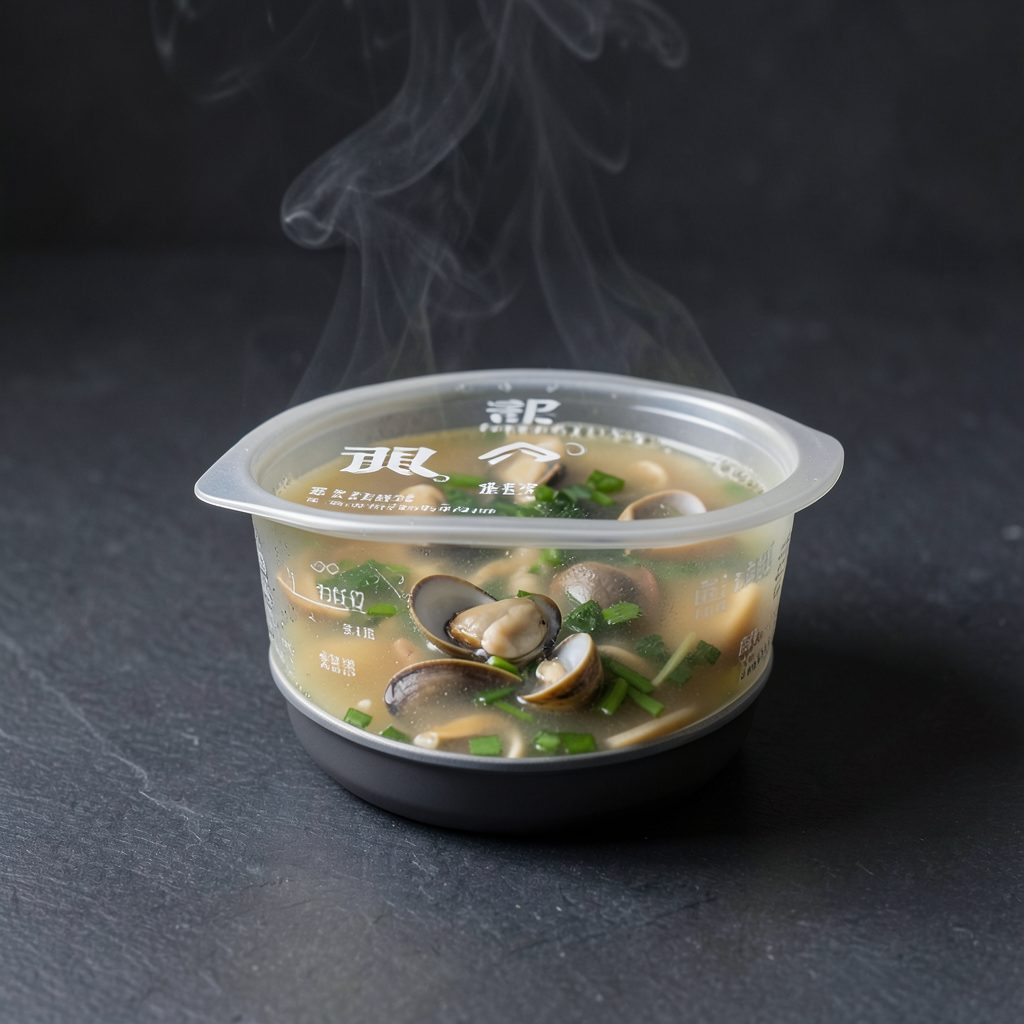
蛤?! Clam Soup Base —卜卜蜆
NT$ —
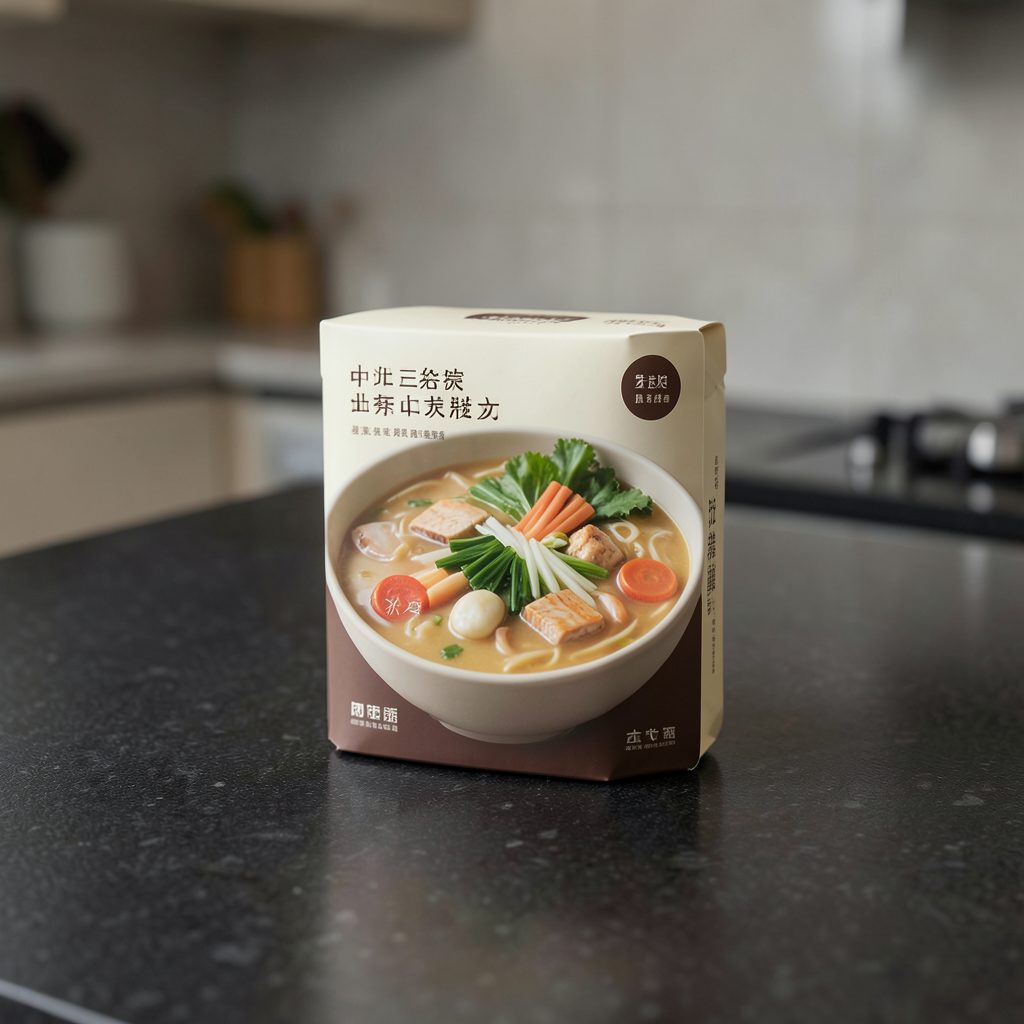
本事滿足鍋物 Personal Pot Base
NT$ —
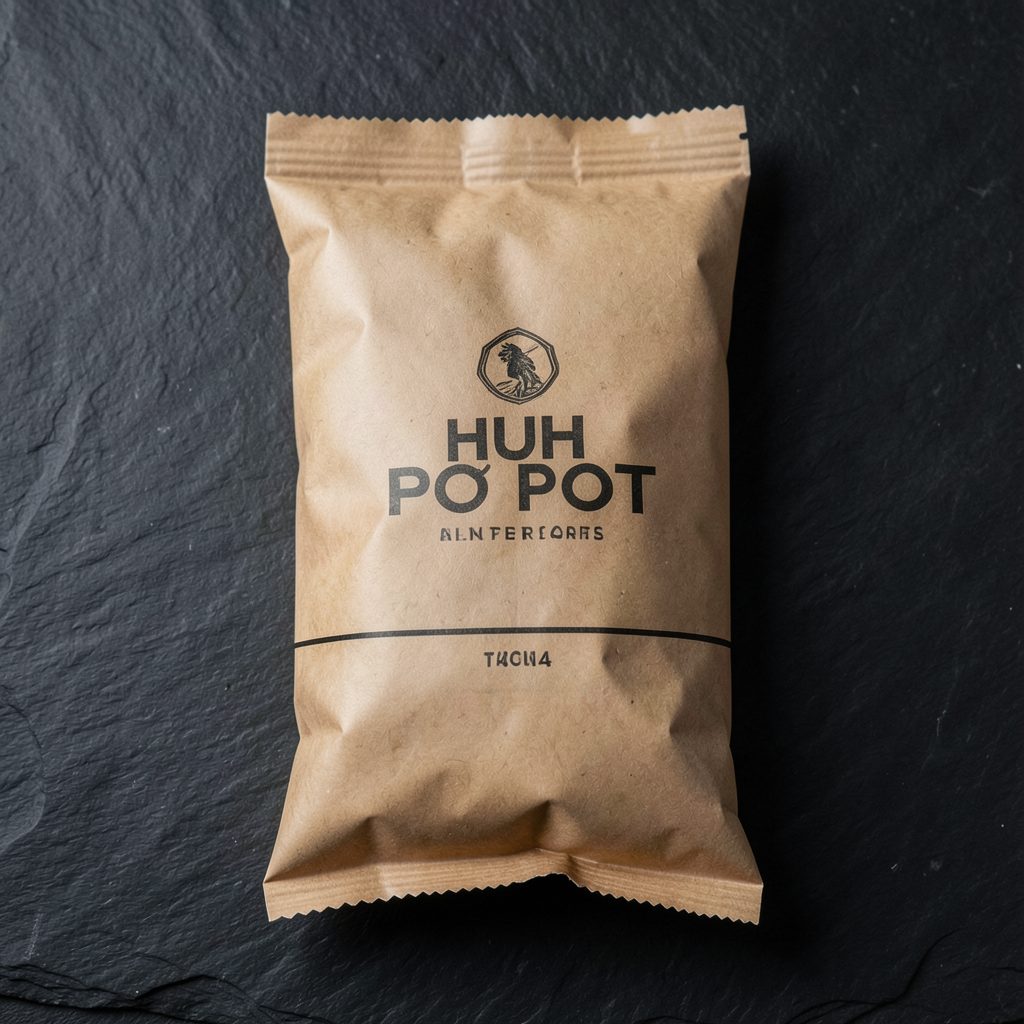
蛤?! Dry Noodles
NT$ —
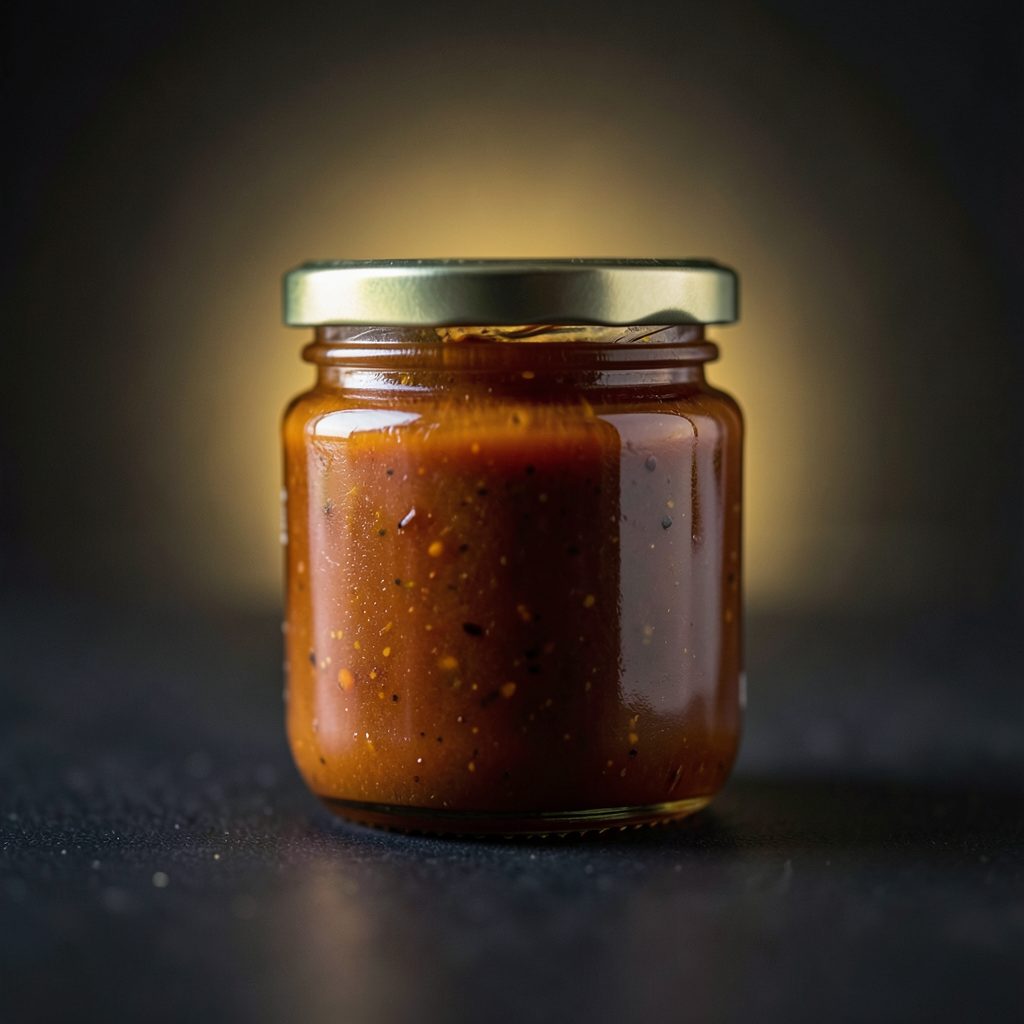
Signature Sauce
NT$ —
New Arrivals
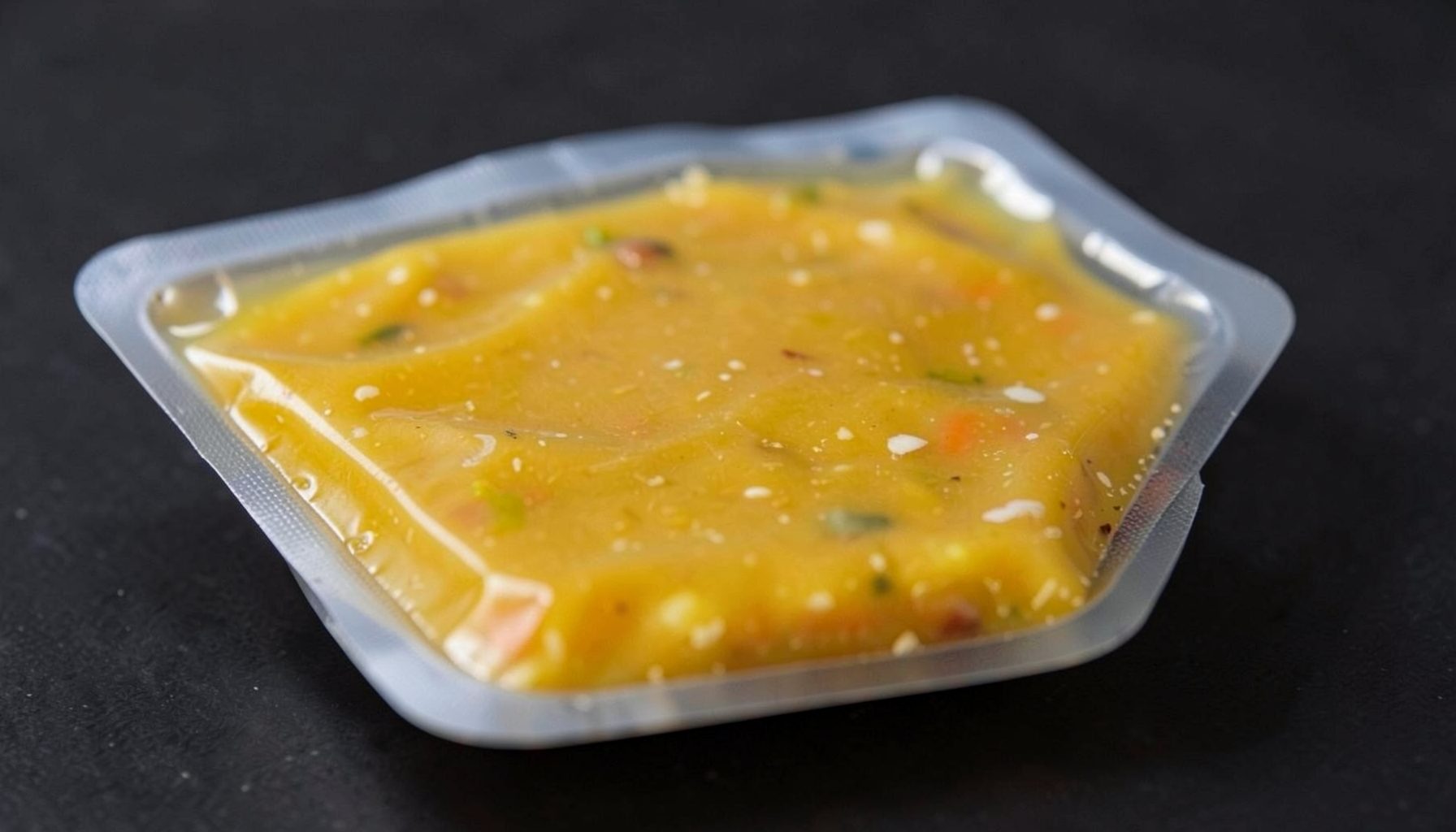
蛤?! Golden Clam Broth — New Batch
NT$ —
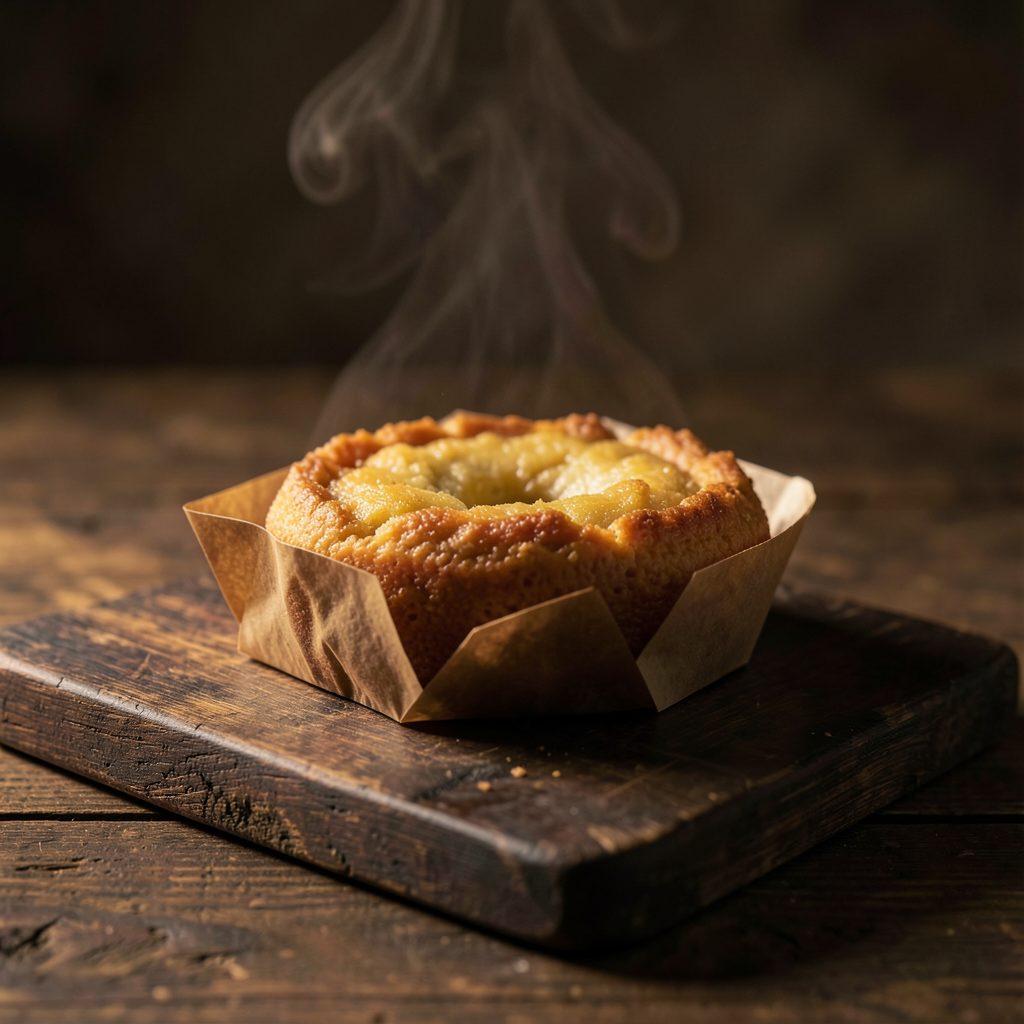
Radish Cake —蘿蔔糕精神
NT$ —
Duo Soup Base Set
NT$ —
Hot Pot Essentials Bundle
NT$ —
About 蛤?! Huh Pot
蛤?! Huh Pot is a Cantonese-style hot pot brand known for its signature clam-based broth —卜卜蜆 — made with rich old-hen stock and generous portions of fresh clams. The brand also encompasses 本事滿足鍋物, a personal hot pot concept, bringing the same depth of flavor to individual servings.
Through MoneyCome Mart, these restaurant-quality soup bases, dry noodles, radish cakes, and signature sauces are available for home delivery across Taiwan. Restaurant locations in Taipei's Da'an District, Civic Boulevard, and Taichung's Gongyi Road also welcome guests for dine-in, with online reservations available.