Choosing Noodles That Hold Thick, Flavorful Sauces
A noodle can change the entire experience of a hot pot meal. The right variety carries broth, clings to a rich dipping sauce, and stays pleasantly chewy from the first serving to the last. The wrong one may turn watery, break apart, or let a thick coating slide away.
This difference comes from several factors: surface texture, starch content, width, elasticity, and cooking time. Noodles with grooves or a porous surface usually capture more sauce, while smooth, delicate strands are better suited to clear broths and lighter seasonings.
For home hot pot meals, choosing noodles according to the sauce is especially useful. A creamy sesame dip, fermented bean sauce, or concentrated soup base needs a stronger partner than a simple scallion and soy dressing.
Surface Texture Makes the First Difference
Thick sauces adhere best to noodles with a slightly rough or irregular exterior. Ridges, folds, and porous surfaces create small spaces where sauce can settle, giving each bite a fuller taste. Hand-pulled noodles, broad wheat noodles, and textured udon often perform well for this reason.
Very smooth noodles have less friction. Their surface allows a heavy sauce to slide off, particularly when the noodles are coated with oil or served immediately after rinsing. They can still be delicious, but they are usually better with clear stock, light soy seasoning, or a delicate clam broth.
Width Controls Sauce Coverage
Wide noodles offer more surface area per bite. Flat wheat noodles and broad rice noodles can carry a generous coating, making them suitable for rich sesame sauces, spicy bean pastes, and reduced hot pot broths. Their larger shape also creates a satisfying contrast between a soft center and a sauce-covered exterior.
Thin noodles behave differently. They cook quickly and blend easily into soup, but their smaller surface area can make a thick sauce feel uneven. Fine egg noodles are a good choice when the sauce is moderately dense, while vermicelli and thin rice noodles are often best in lighter broths or dishes with plenty of liquid.
Starch and Elasticity Affect the Bite
Wheat noodles generally have more elasticity than many rice-based varieties. That springy texture helps them support a thick coating without becoming limp. Udon, alkaline ramen-style noodles, and chewy fresh wheat noodles can stand up to longer cooking and repeated dipping.
Rice noodles vary widely. Some are firm and broad, while others are fragile and silky. Rice sheets and wide rice noodles can catch sauce effectively, but they may soften quickly in a hot pot. Glass noodles absorb surrounding liquid and seasoning, though they tend to take in sauce rather than hold it on the surface.
The best option depends on whether the desired effect is a visible coating or deep absorption. Thick wheat noodles usually deliver both texture and cling, while starch-based noodles offer a softer, more integrated flavor.
Match Noodle Styles to Sauce Density
| Noodle style | Texture and shape | Best with | Watch for |
|---|---|---|---|
| Thick udon | Springy, rounded, smooth to lightly ridged | Sesame, curry, miso, spicy sauces | Can overpower delicate broth |
| Broad wheat noodles | Flat, chewy, generous surface area | Bean paste, chili oil, reduced soup | Need careful cooking to avoid heaviness |
| Fresh egg noodles | Firm, elastic, slightly porous | Oyster sauce, soy-based blends, meat sauces | May become soft if left in the pot |
| Wide rice noodles | Soft, broad, mild flavor | Coconut, satay, fermented sauces | Can break after prolonged cooking |
| Glass noodles | Slippery, absorbent, translucent | Lightly thickened broth and aromatic sauces | Often lose texture when overcooked |
| Fine vermicelli | Delicate and quick-cooking | Clear soup, clam broth, mild dipping sauce | Poor match for dense coatings |
The table provides a practical starting point, but preparation still matters. Drain noodles thoroughly before adding sauce, because excess water dilutes the coating. Toss them while warm, when their surface is most receptive, and serve promptly so the sauce remains concentrated.
Cantonese Hot Pot Needs Versatile Noodles
Cantonese-style hot pot often combines a flavorful base with seafood, vegetables, tofu, and prepared ingredients. Noodles should complement these elements rather than compete with them. A springy wheat noodle can provide substance after lighter ingredients, while a broad noodle can collect the concentrated flavors left in the pot.
The character of the broth also matters. A fragrant clam-based soup may call for a thin or medium noodle that lets the seafood notes remain clear. Richer bases, including spicy, herbal, or creamy varieties, can support larger noodles with stronger chew. MoneyCome Mart’s soup base range makes it easier to pair the noodle with the intended flavor intensity.
Cooking Method Preserves Sauce-Gripping Texture
Overcooking is one of the fastest ways to ruin a good noodle-and-sauce pairing. Cook noodles just until tender, especially if they will continue heating in the hot pot. Fresh noodles may need only a short blanch, while dried varieties benefit from separate cooking before entering the shared pot.
Avoid rinsing every noodle under cold water. A brief rinse can stop cooking and remove excess starch, but too much washing strips away the surface qualities that help thick sauces adhere. For sauced noodles, drain well and toss immediately; for soup noodles, a light rinse may produce a cleaner, less cloudy broth.
Practical Pairing Recommendations
Choose the noodle according to the sauce’s weight, then adjust for texture and cooking time.
- Pair thick udon or broad wheat noodles with sesame, curry, chili, and fermented bean sauces.
- Use fresh egg noodles for medium-thick soy, oyster, garlic, or meat-based seasonings.
- Select wide rice noodles when you want a soft, mild carrier for coconut, satay, or aromatic sauces.
- Reserve vermicelli and delicate glass noodles for clear broth, seafood soup, or lightly seasoned dipping sauces.
- Cook noodles separately when possible, then add portions to the hot pot so the broth stays balanced and the texture remains firm.
A thoughtful noodle choice turns a convenient meal into a more satisfying one. Explore the brand story, choose a sauce-friendly noodle, and build a restaurant-style Cantonese hot pot at home with ingredients delivered through MoneyCome Mart’s cold-chain service.
Best Sellers
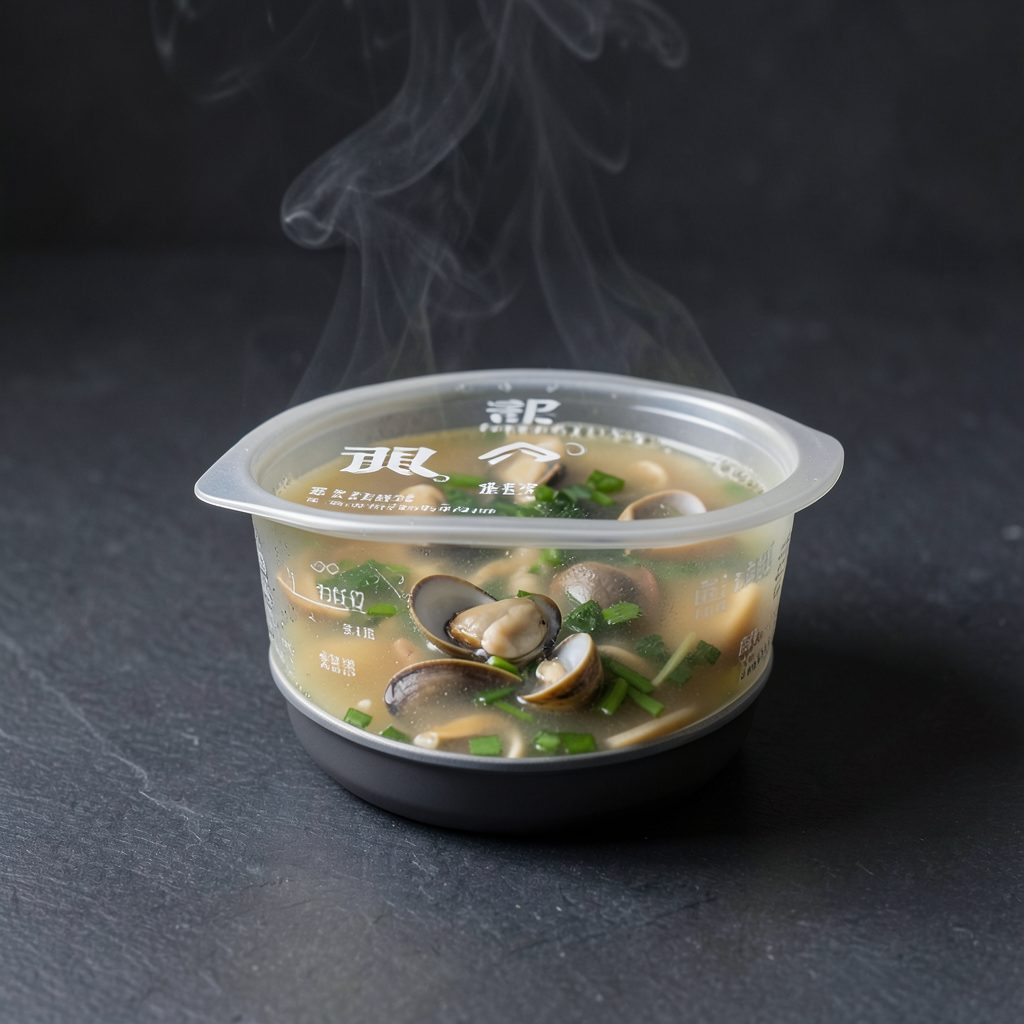
蛤?! Clam Soup Base —卜卜蜆
NT$ —
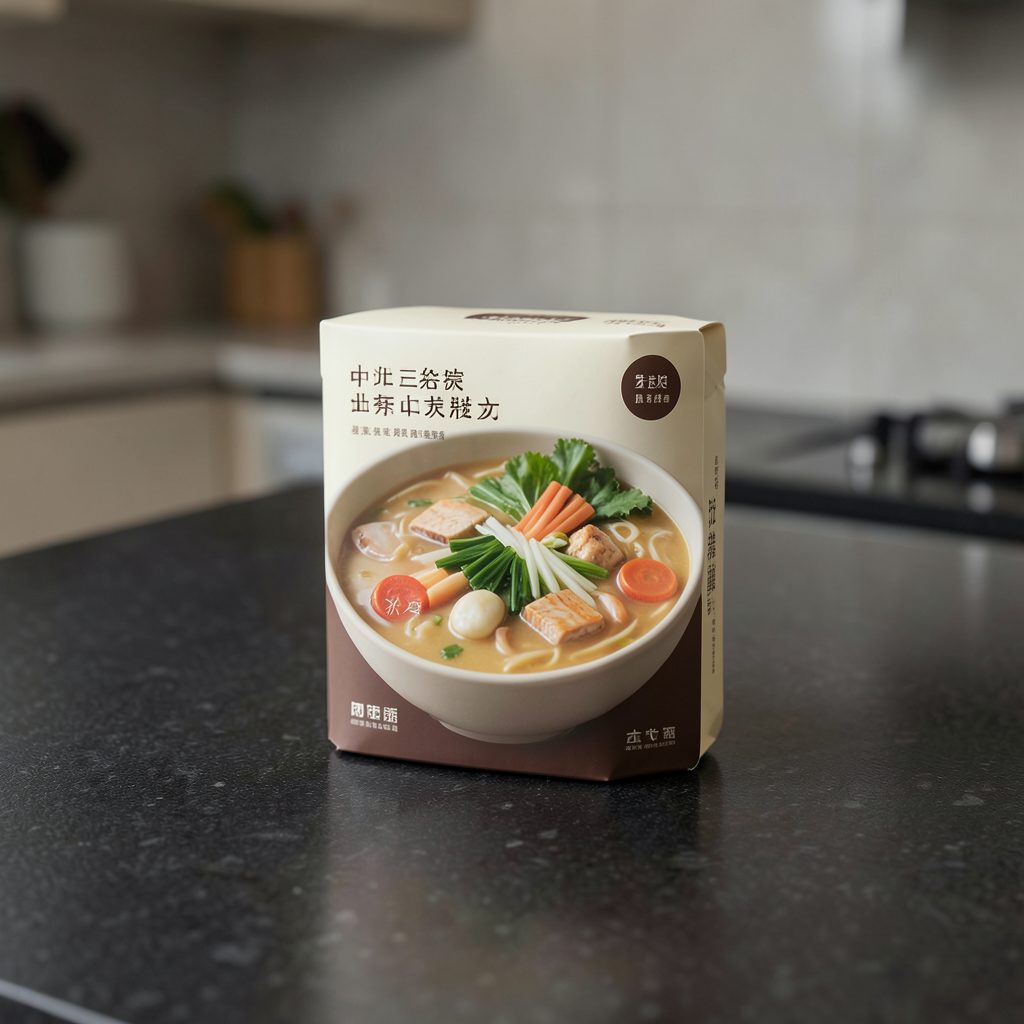
本事滿足鍋物 Personal Pot Base
NT$ —
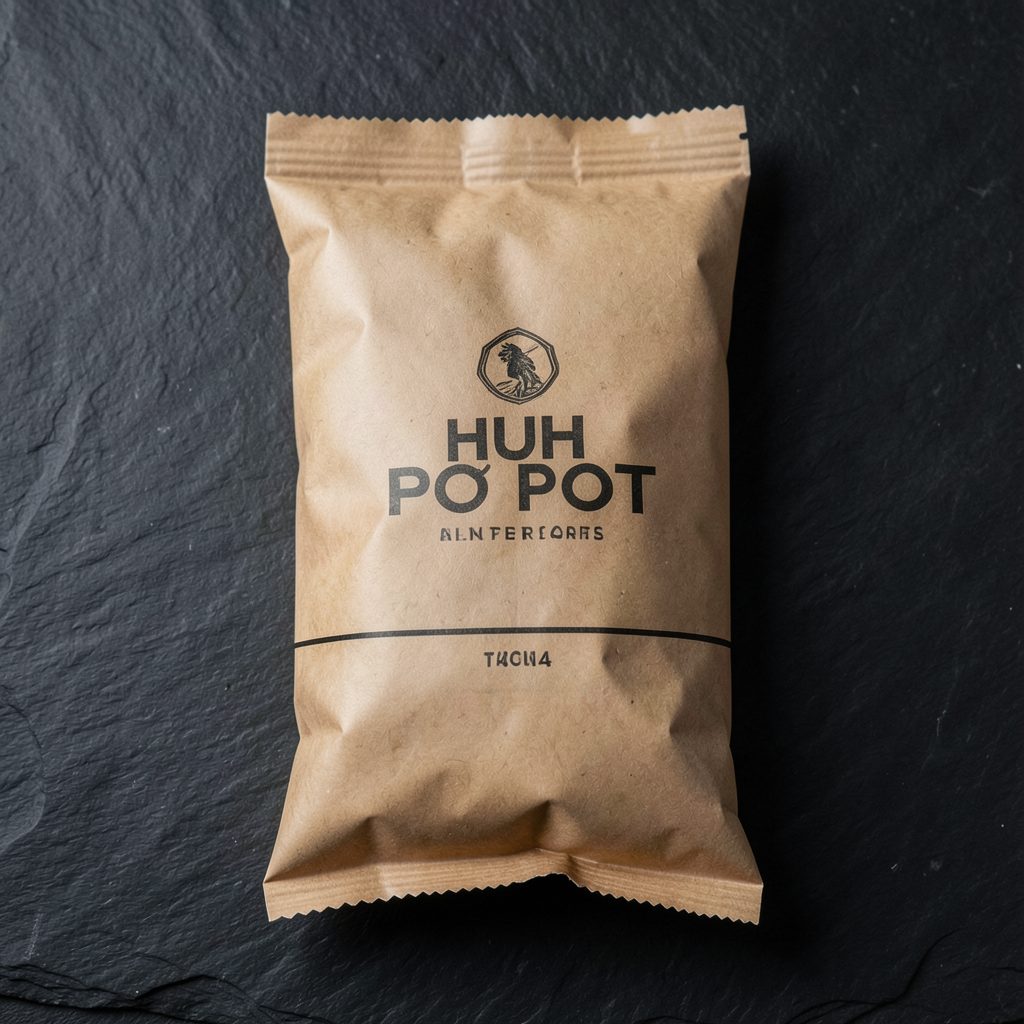
蛤?! Dry Noodles
NT$ —
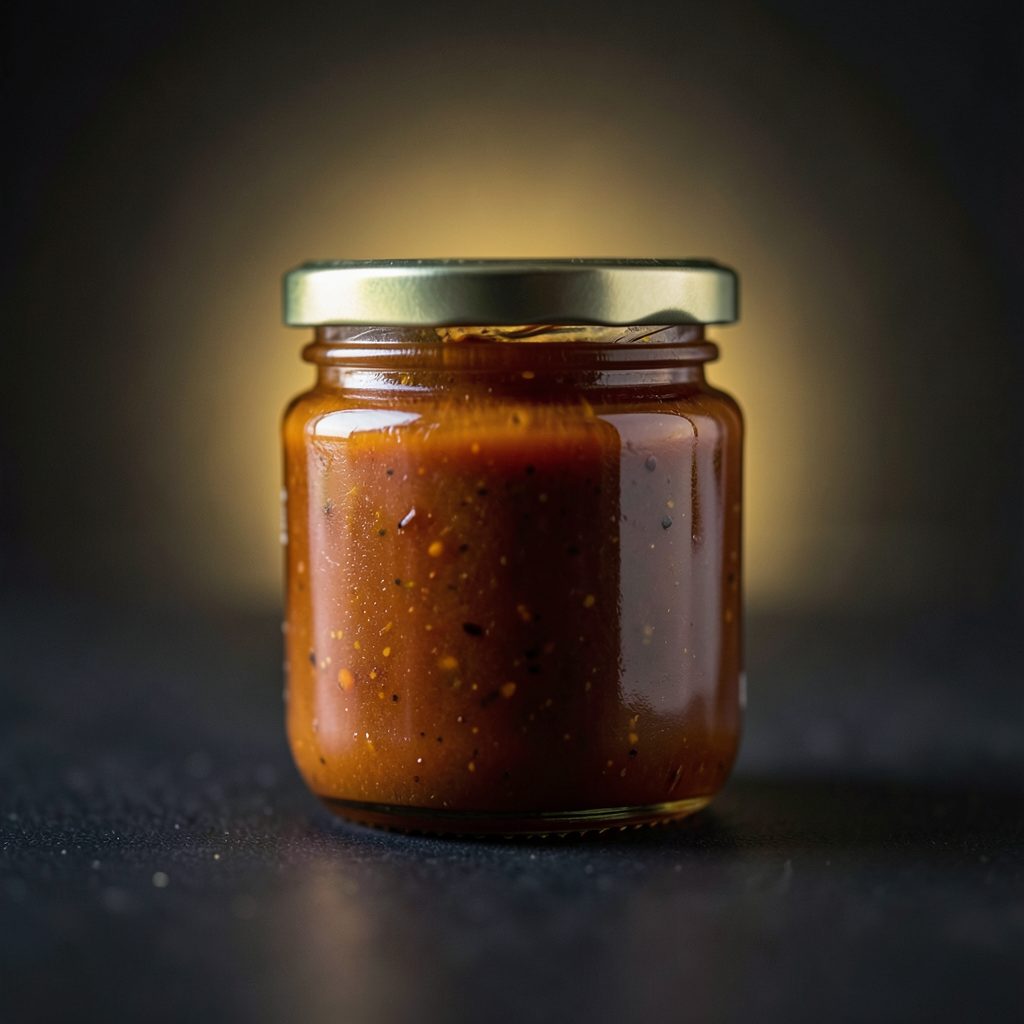
Signature Sauce
NT$ —
New Arrivals
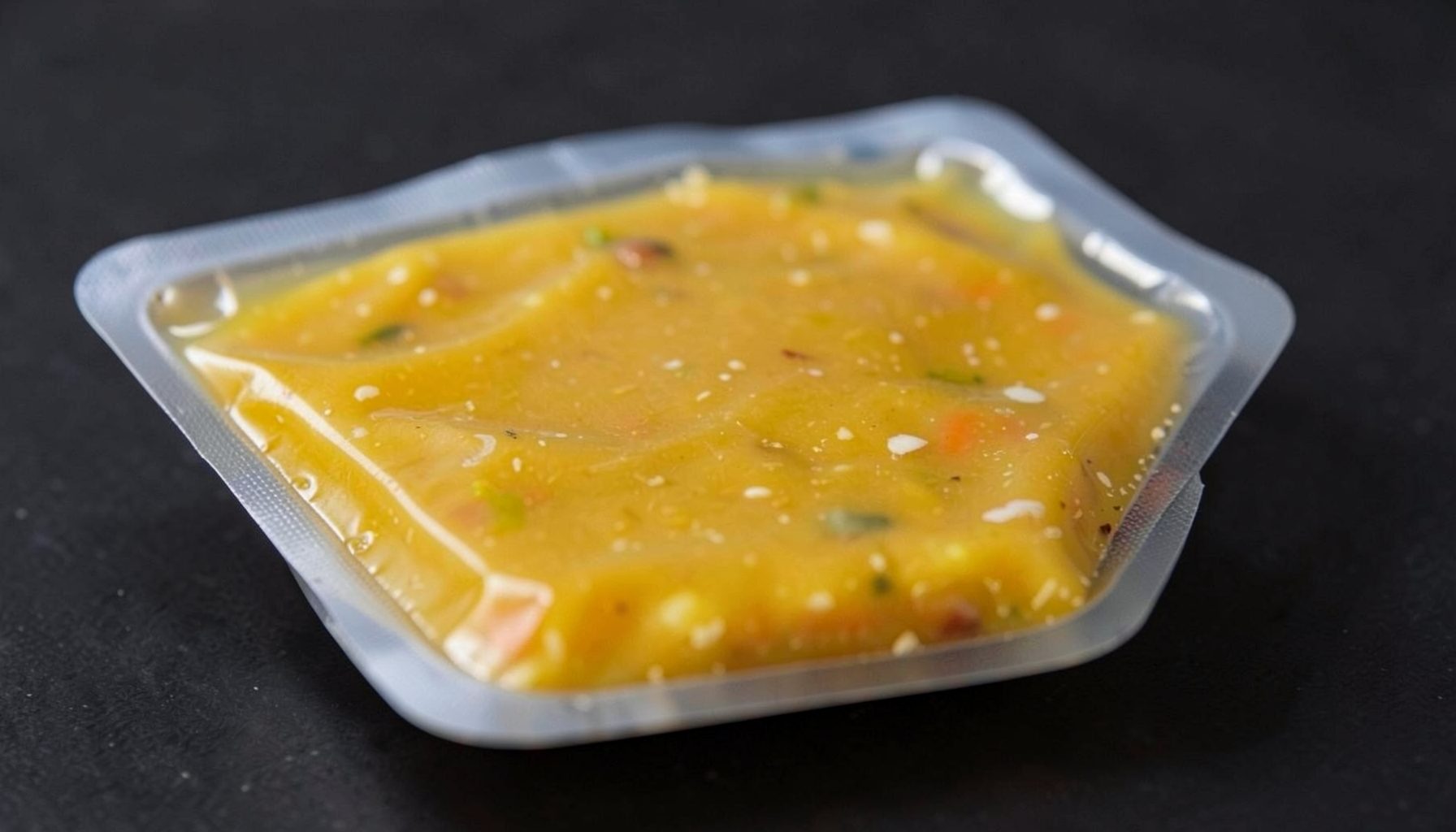
蛤?! Golden Clam Broth — New Batch
NT$ —
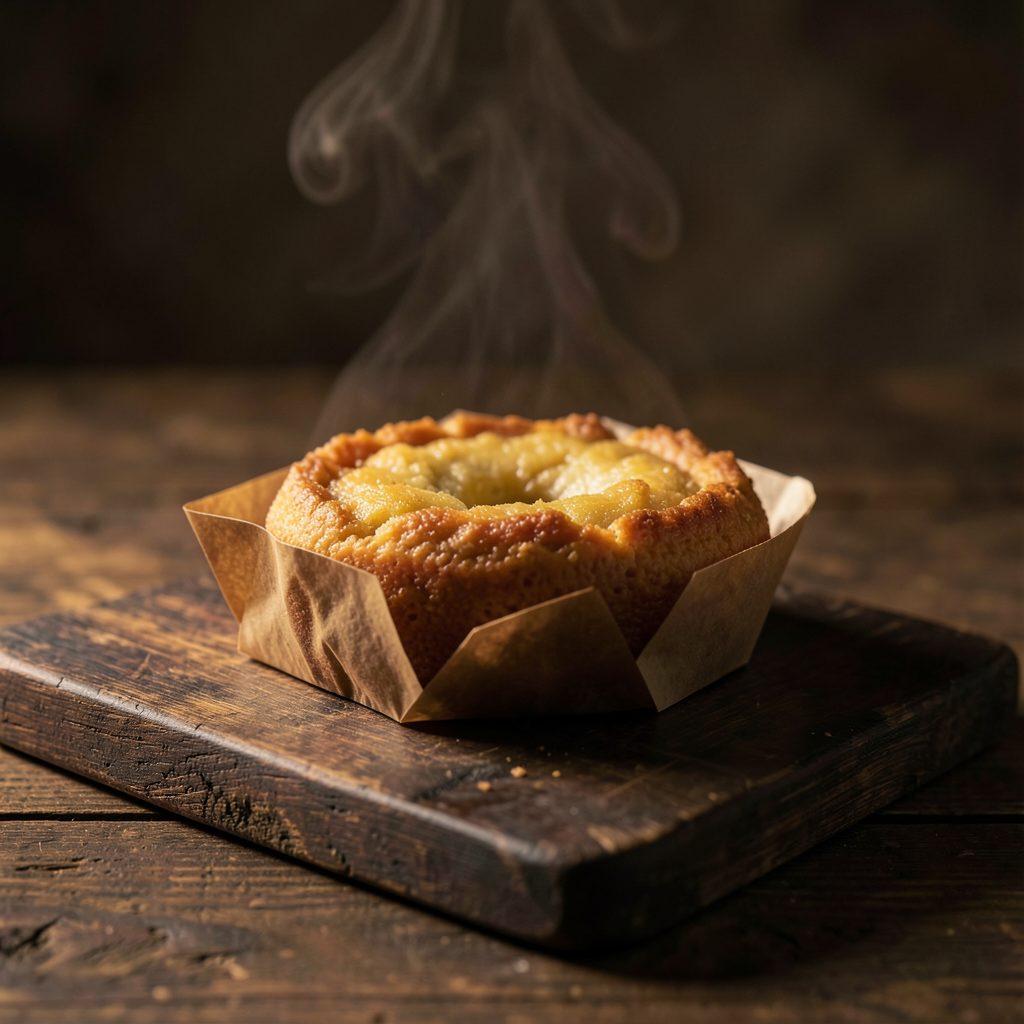
Radish Cake —蘿蔔糕精神
NT$ —
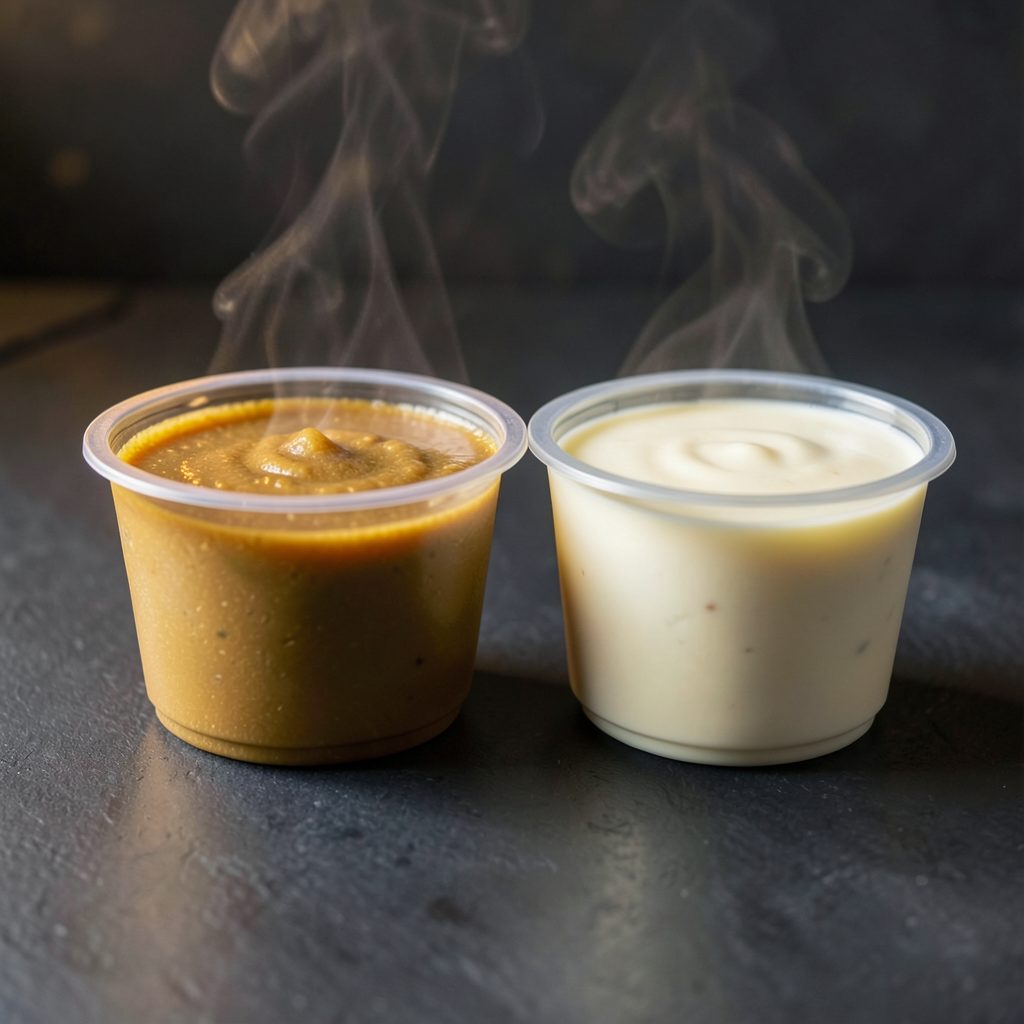
Duo Soup Base Set
NT$ —
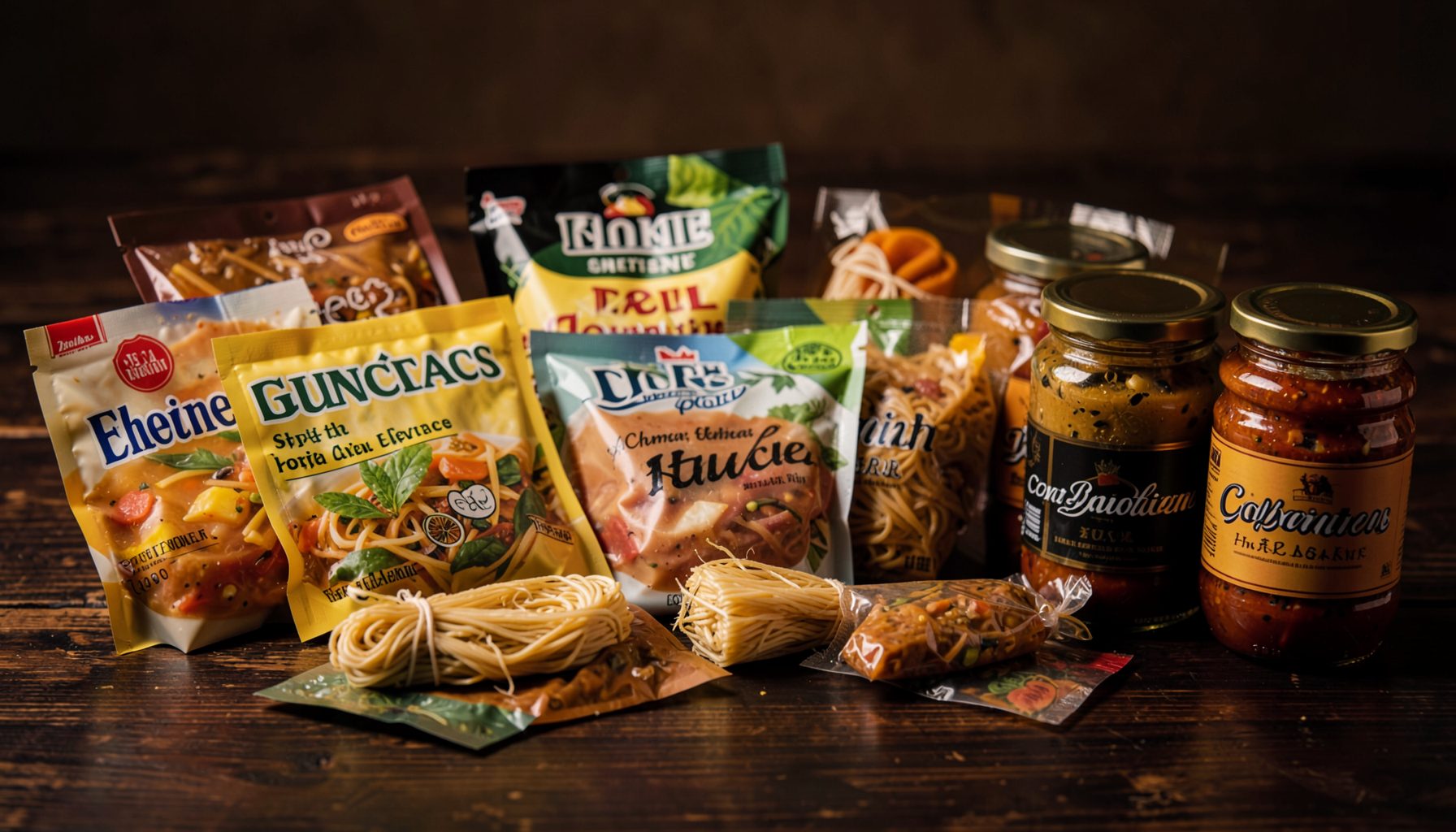
Hot Pot Essentials Bundle
NT$ —
About 蛤?! Huh Pot
蛤?! Huh Pot is a Cantonese-style hot pot brand known for its signature clam-based broth —卜卜蜆 — made with rich old-hen stock and generous portions of fresh clams. The brand also encompasses 本事滿足鍋物, a personal hot pot concept, bringing the same depth of flavor to individual servings.
Through MoneyCome Mart, these restaurant-quality soup bases, dry noodles, radish cakes, and signature sauces are available for home delivery across Taiwan. Restaurant locations in Taipei's Da'an District, Civic Boulevard, and Taichung's Gongyi Road also welcome guests for dine-in, with online reservations available.