Why Our Turnip Cakes Crisp Up Better in a Cast Iron Pan
A good turnip cake should have a golden, crackly edge and a tender centre that still tastes of savoury daikon, rice flour and aromatics. The pan makes a real difference. Our Cantonese-style turnip cakes develop a deeper crust in cast iron because the surface stays hot when the chilled cake hits it.
That steady heat is especially useful when cooking at home in Australia, where a batch may come straight from the freezer after a cold-chain delivery. With the right thawing, a thin film of oil and a little patience, you can get a proper yum cha-style bite without deep-frying or making a mess of the kitchen.
Cast Iron Holds Its Heat
Cast iron is dense, so it absorbs and stores heat more effectively than a lightweight frying pan. Once preheated, it does not cool as quickly when you add refrigerated turnip cake slices. That stable temperature encourages browning instead of steaming.
A thinner pan can lose heat as soon as the cold pieces touch its surface. The result is often a pale exterior, excess moisture and a longer cooking time. In cast iron, the contact area stays hot enough to form a crisp rice-flour crust while the centre warms gradually.
The Rice Flour Structure Matters
Turnip cake is made from a set mixture of grated radish, rice flour, liquid and savoury ingredients. When chilled, its starches firm up, helping each slice keep a clean shape. As it cooks, the outside dries and browns before the soft interior has a chance to collapse.
Allow frozen pieces to thaw in the refrigerator rather than leaving them on the bench for hours. Pat away surface moisture before frying. A dry exterior makes direct contact with the pan, which is essential for a proper crust and reduces oil splatter.
A Thin Film Of Oil Creates Better Contact
You do not need a pool of oil. Add enough neutral oil to lightly coat the cooking surface, then give the pan time to heat. Canola, rice bran or grapeseed oil work well because they let the turnip cake’s savoury flavour come through.
Place the slices down gently and leave space between them. Moving them too early can tear the crust before it has set. Cast iron rewards a calm approach: cook until the underside is richly golden, turn once, then finish the second side until crisp around the edges.
A Reliable Frying Routine
Start with medium heat rather than turning the burner to full power. Cast iron continues heating after it reaches the desired temperature, so gradual preheating helps prevent a burnt exterior and cool centre.
Use these simple checks before the first slice goes in:
- The cake is thawed and patted dry
- The pan is warm across its full surface
- The oil forms a thin, even sheen
- Each slice has room for air and heat to circulate
During cooking, resist pressing down hard with a spatula. Pressing can squeeze out the soft centre and make the cake dense. Instead, let the pan do the work and look for browned edges before turning.
For consistent results, keep these finishing habits in mind:
- Turn the slices only after the base releases naturally
- Cook in batches if the pan feels crowded
- Rest fried pieces briefly on a rack or paper towel
- Add a pinch of spring onion or white pepper after cooking
The Crust Welcomes Bold Dipping Sauces
A crisp exterior gives turnip cake enough structure to stand up to strong condiments. The savoury radish flavour pairs neatly with chilli, sesame, fermented bean, satay-style and tangy dipping sauces. For ideas beyond plain soy, explore these hot pot sauces and adapt the combinations for a brunch plate or shared snack.
This works particularly well for an Australian gathering. Put the slices on a platter for a weekend barbecue, serve them beside dumplings at a casual dinner in Melbourne, or add them to a late-night spread after a footy match. A small bowl of sauce lets everyone choose between mild, spicy and savoury flavours.
Practical Tips For Australian Kitchens
Australian cooktops vary widely, from ceramic and induction surfaces to gas burners in older homes. Cast iron performs well on gas and many induction hobs, but it can be heavy on glass. Lift rather than drag the pan, and check the manufacturer’s guidance before using it on a delicate stovetop.
In warmer parts of Queensland or Western Australia, kitchen temperatures can rise quickly, so refrigerator thawing is especially sensible. In cooler Victoria, Tasmania or the ACT, a properly preheated pan becomes even more valuable because cold ingredients can pull heat from the cooking surface.
From Frozen Delivery To A Shared Meal
MoneyCome Mart uses cold-chain delivery to protect frozen Cantonese ingredients on their journey across Taiwan, making it practical to stock up for an at-home feast. Once your order arrives, transfer turnip cakes and other frozen products to the freezer promptly and follow the package instructions for storage and preparation.
Turnip cake can be the crispy side dish while a bubbling broth cooks in the centre of the table. Pair it with a frozen soup base, noodles, vegetables and sliced meat for an easy hot pot night. The contrast between crunchy pan-fried edges and a warm, aromatic soup is exactly what makes a home meal feel generous without requiring restaurant equipment.
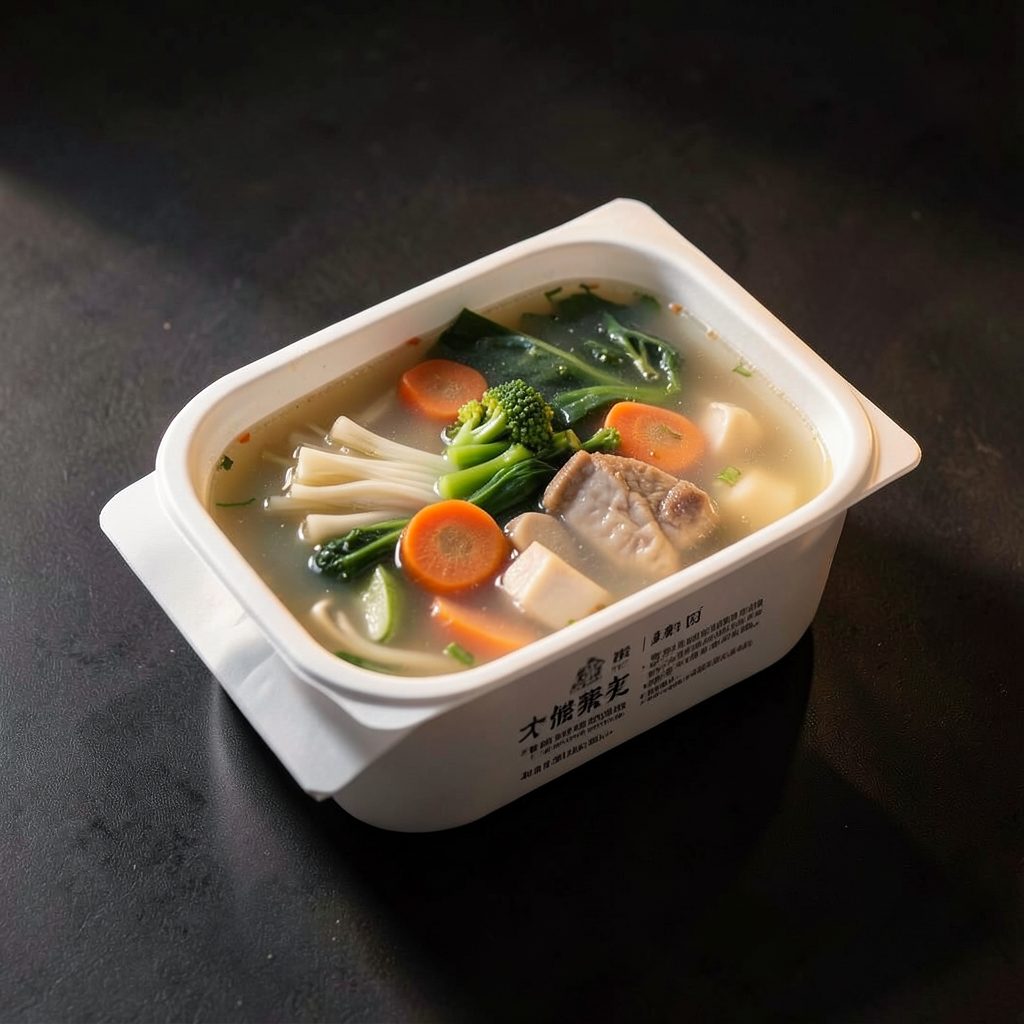
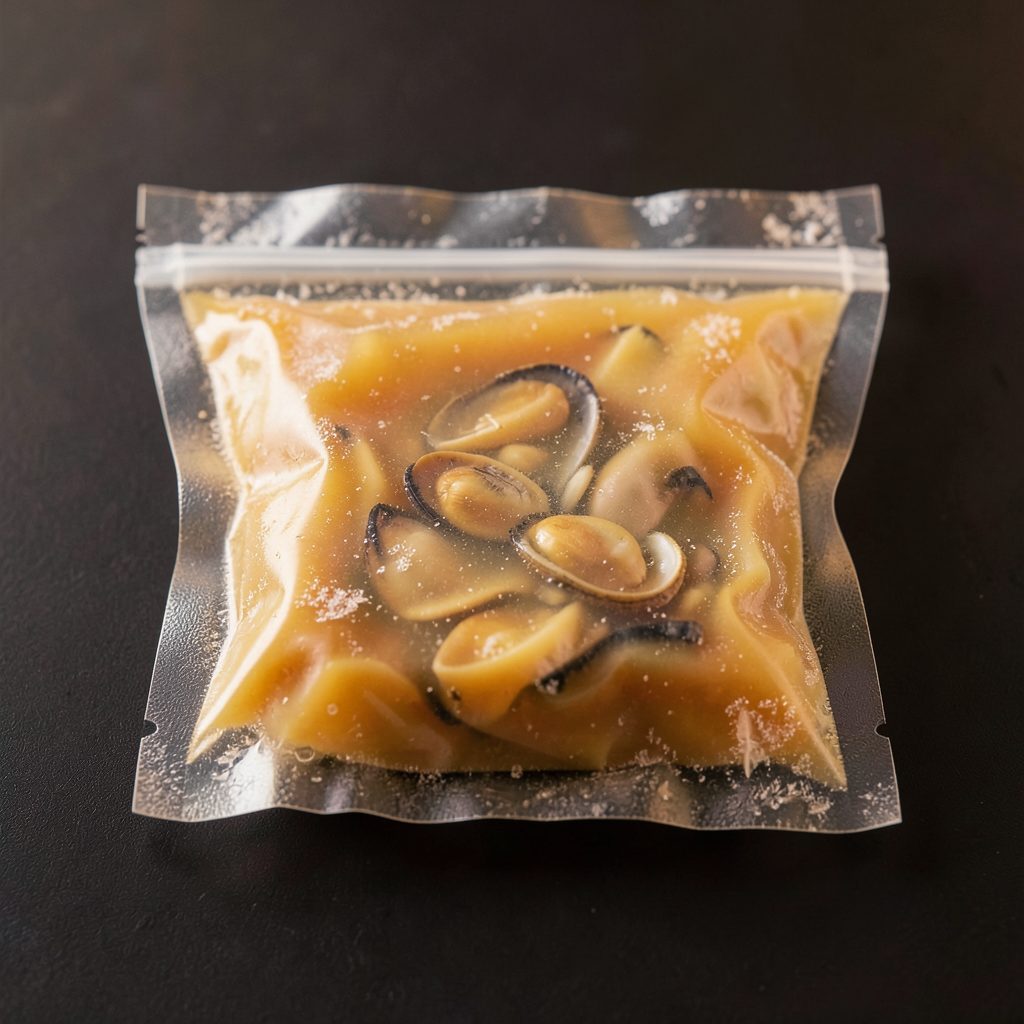
Best Sellers
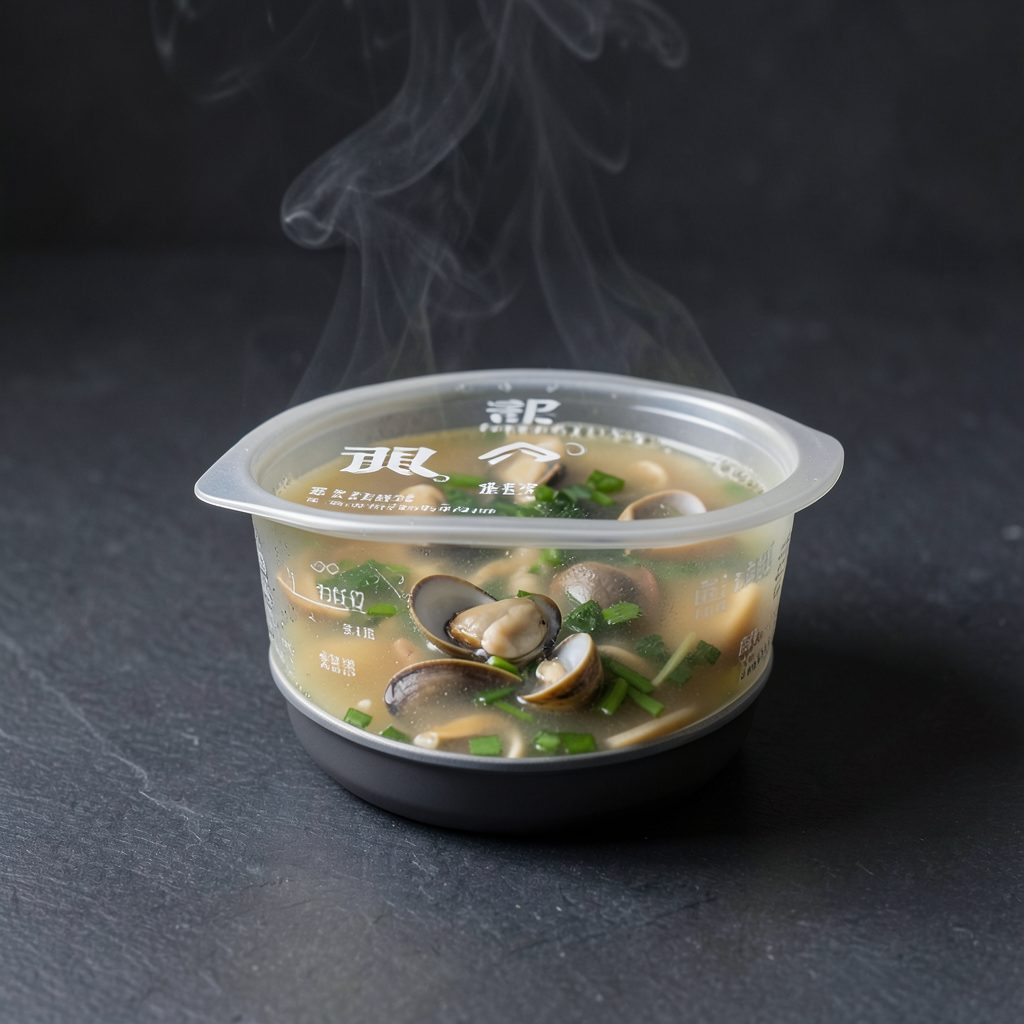
蛤?! Clam Soup Base —卜卜蜆
NT$ —
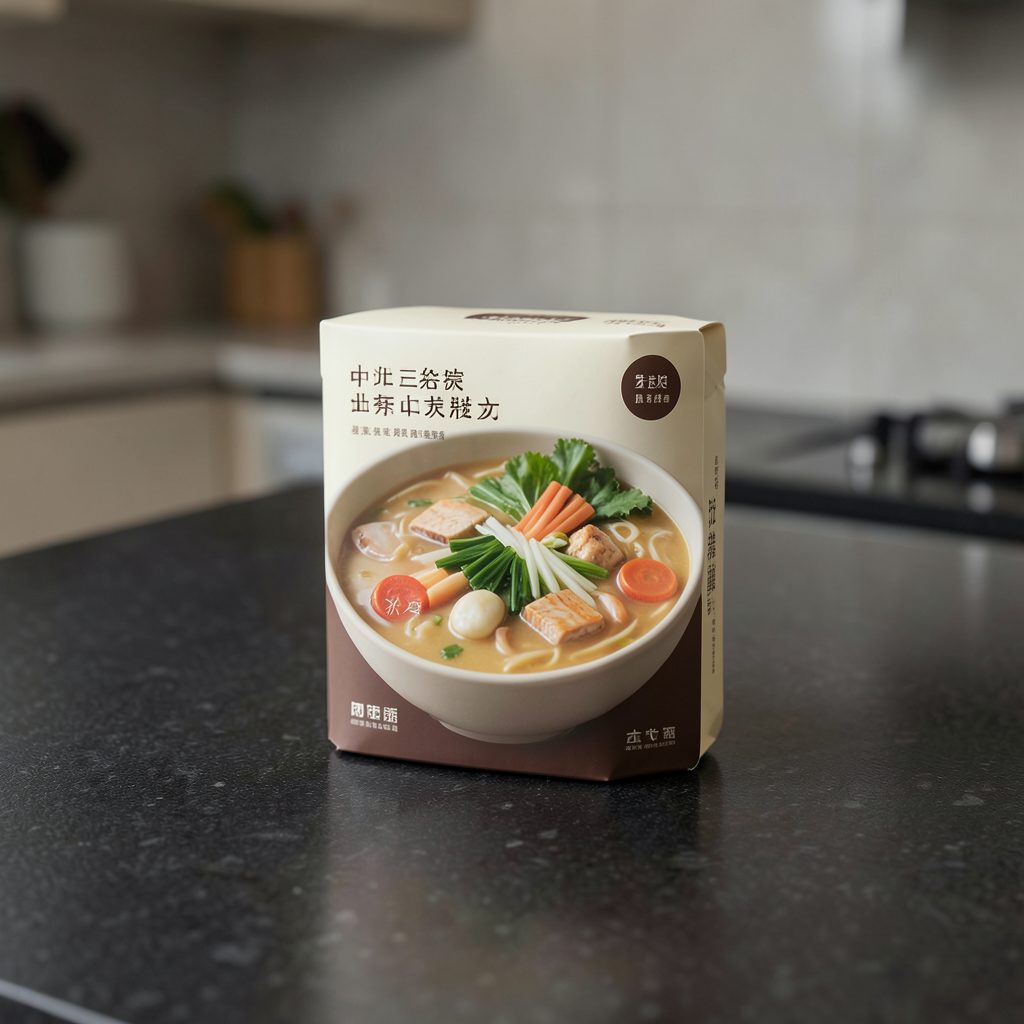
本事滿足鍋物 Personal Pot Base
NT$ —
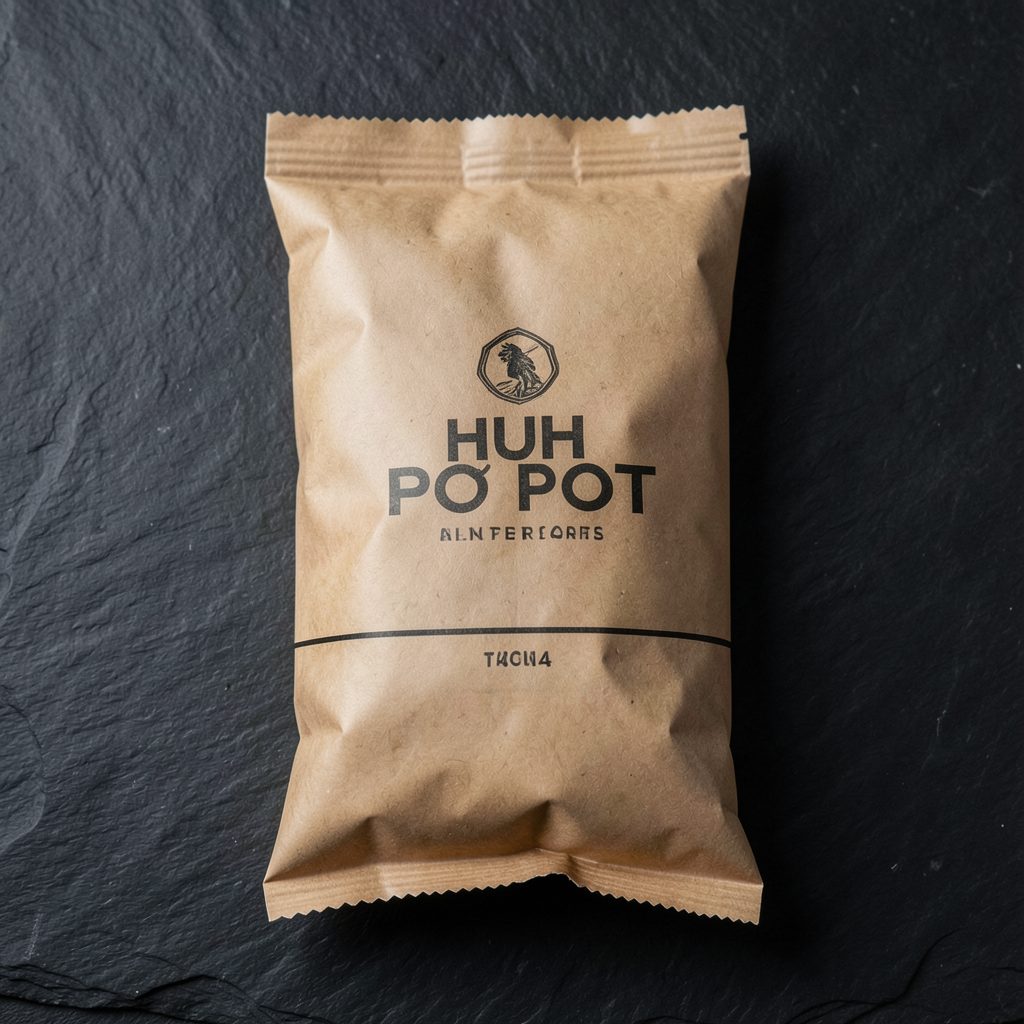
蛤?! Dry Noodles
NT$ —
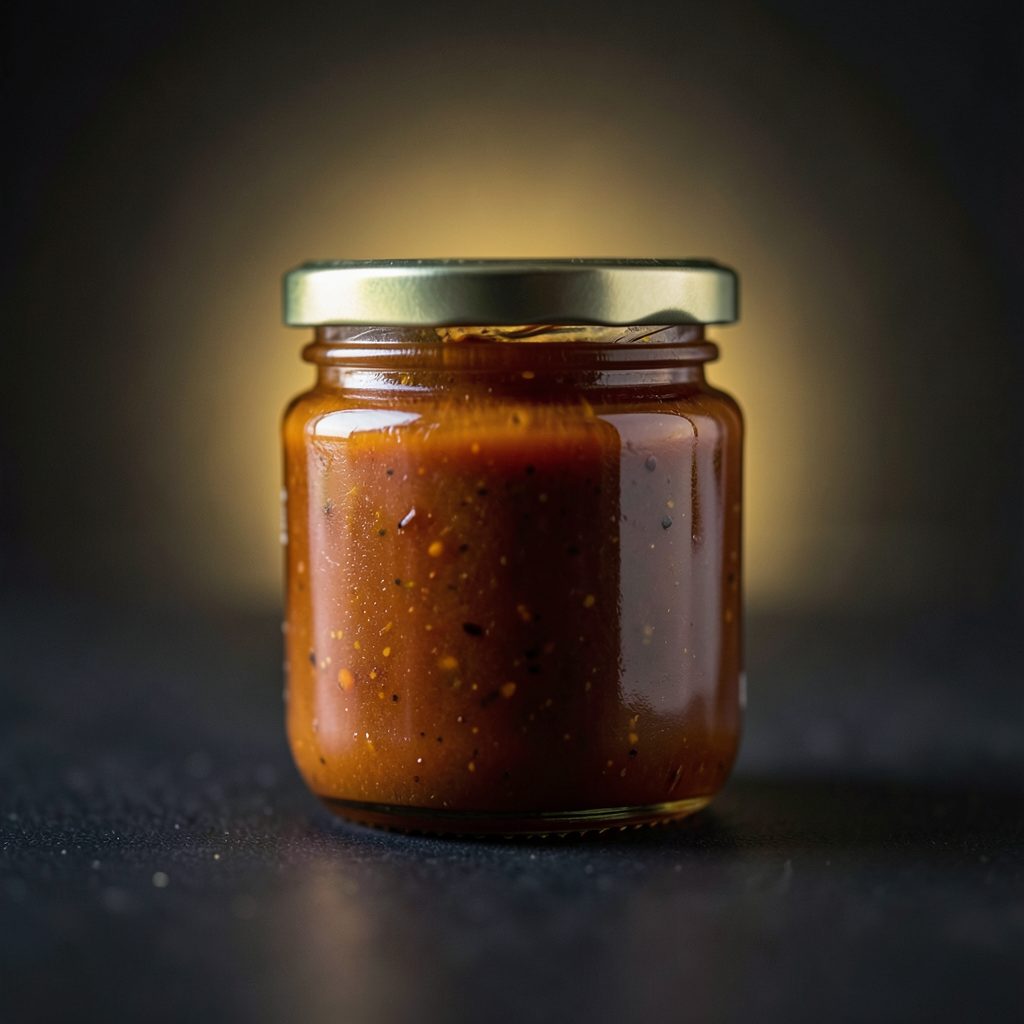
Signature Sauce
NT$ —
New Arrivals
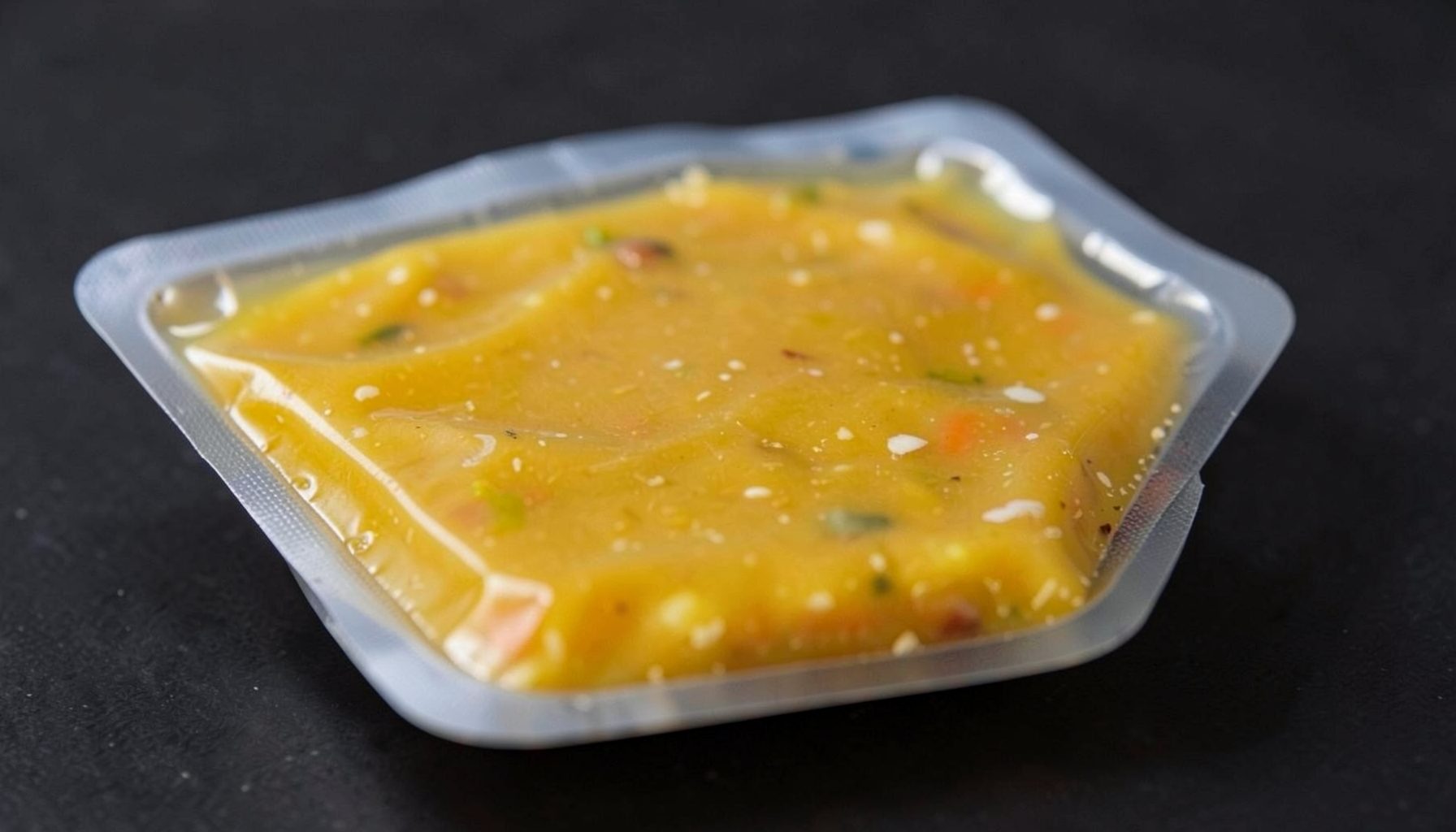
蛤?! Golden Clam Broth — New Batch
NT$ —
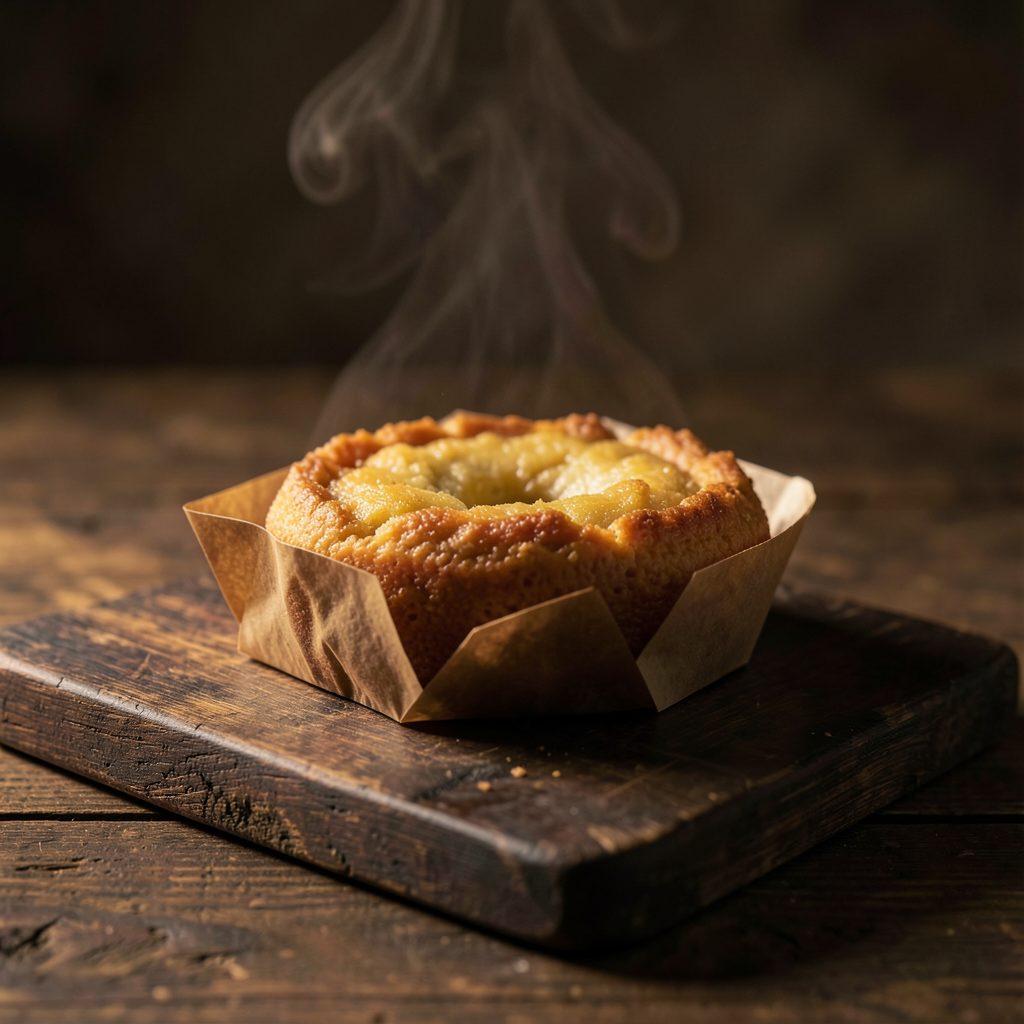
Radish Cake —蘿蔔糕精神
NT$ —
Duo Soup Base Set
NT$ —
Hot Pot Essentials Bundle
NT$ —
About 蛤?! Huh Pot
蛤?! Huh Pot is a Cantonese-style hot pot brand known for its signature clam-based broth —卜卜蜆 — made with rich old-hen stock and generous portions of fresh clams. The brand also encompasses 本事滿足鍋物, a personal hot pot concept, bringing the same depth of flavor to individual servings.
Through MoneyCome Mart, these restaurant-quality soup bases, dry noodles, radish cakes, and signature sauces are available for home delivery across Taiwan. Restaurant locations in Taipei's Da'an District, Civic Boulevard, and Taichung's Gongyi Road also welcome guests for dine-in, with online reservations available.