Why turmeric-infused soup base works well with seafood
Our turmeric-infused soup base sits between warm spice and savoury broth. Its earthy aroma suits seafood because it draws attention to the natural sweetness of prawns, clams and fish while adding a gentle golden depth. The result feels richer than a plain stock without needing a heavy sauce.
MoneyCome Mart brings that restaurant-style approach to Taiwanese home kitchens through frozen soup bases, clam broths, sauces and prepared hot-pot ingredients. Browsing the MoneyCome Mart catalogue shows how these components work together. The store’s cold-chain delivery keeps them properly frozen across Taiwan, preserving their aroma and texture until cooking.
Seafood is familiar in Australia, from counters at Sydney Fish Market to stalls at Melbourne’s Queen Victoria Market. Shoppers here often say prawns rather than shrimp, while Coles, Woolworths and independent Asian grocers provide convenient fresh and frozen options. These local habits make a Taiwanese hot pot feel adaptable rather than exotic once the broth is ready.
A good home method is simple: thaw the base safely, warm it gently, and add each seafood according to its cooking time. That sequence keeps firm shellfish from overcooking, allows delicate fish to stay moist, and lets the turmeric aroma develop without making the broth harsh.
Turmeric reveals the character of seafood
Turmeric contributes an earthy, almost peppery note rather than the aggressive heat of fresh chilli. Against shellfish, that savoury note acts as a bridge: it complements briny clam liquor and rounded prawn sweetness while leaving the seafood recognisable. Less turmeric is often better here, since the base should guide the bowl rather than dominate it.
Golden curry-style broths also work because their warm spice contrasts with freshness. A little acidity from vinegar, lemon or lime keeps the palate lively, while any fat in the soup carries the turmeric aroma more smoothly. The practical test is whether a spoonful of broth still tastes clean after the seafood is added.
Clams, prawns and squid each bring a different note
Clams are the most natural partner because their liquor already carries mineral sweetness and salinity. Add them to a hot, gently simmering broth and let each shell open; discard any that remain closed after cooking. Their concentrated flavour gives the turmeric base extra depth without requiring a large quantity of stock.
Prawns benefit from brief cooking, which preserves their springy texture and natural sweetness. Squid can provide a firmer contrast, but its cut determines the required time: thin pieces need only a short simmer, while thicker pieces benefit from longer cooking. Adding these ingredients in stages prevents the broth from becoming overloaded before everything is ready.
Delicate fish calls for a lighter touch
White fish fillets such as snapper have enough subtlety to be overpowered by a strongly spiced broth. Add them after the soup base has heated through, then lower the heat and spoon the hot broth over the fish. Gentle poaching keeps the flesh moist while allowing the turmeric seasoning to reach the centre.
Barramundi and salmon can handle more seasoning because their flesh is richer. They work particularly well with the golden broth’s warm aroma, although skin-on pieces can become slightly firm if cooked too long. Thick fillets usually need only several minutes in a gently simmering pot once the broth is hot.
Balance matters more than extra heat
The turmeric base supplies plenty of savoury depth, so chilli should be added separately and adjusted to taste. Fresh chilli, chilli oil or chilli crisp can provide clean heat, while a small splash of rice vinegar or lime juice restores brightness. Seasoning with salt comes last, after the clam liquor and other seafood flavours have had time to dissolve into the broth.
A simple dipping sauce can balance the bowl further. Combine light soy or tamari with rice vinegar, minced garlic, sesame oil and a little chilli, adjusting the proportions to suit your taste. The sauce should sharpen the seafood without competing with the fragrant broth, especially when prawns or fish already contribute plenty of salt.
Cold-chain handling protects the final flavour
The Huh Pot frozen hot-pot quality guide explains how balanced seasoning, careful freezing and well-selected ingredients affect the finished meal. Those details matter because a base that has thawed unevenly or lost its aroma will not deliver the same result as one kept cold from freezer to pot.
At home, move the soup base to the refrigerator before cooking instead of thawing it rapidly on the counter. Keep frozen seafood cold while the broth warms, and prepare only the quantity needed for one meal. For leftovers, follow Australian food-safety guidance by refrigerating cooked seafood promptly and using it soon, rather than repeatedly reheating it.
An Australian weeknight version is easy to build
Most Australian home cooks use metric measurements, making a compact home setup straightforward. A 30-centimetre pot might hold roughly 1.5 litres, enough for a small family meal when supplemented with vegetables, mushrooms and noodles. For two people, around 500 millilitres of broth, 200 grams of prawns and 200 grams of fish provides a practical starting point.
Independent Asian grocers are often the best place to find specialised frozen bases, while supermarkets offer familiar seafood and pantry ingredients. Fresh prawns can be bought on the morning of the meal, or frozen prawns can be moved directly from the freezer into the hot broth. The preparation remains quick enough for a relaxed weeknight dinner.
A shared pot makes the meal more relaxed
Taiwanese hot pot is built for the table, not simply for a single bowl. Each diner cooks bites of seafood, vegetables, noodles or turnip cake in a shared pot and transfers them to a small dipping bowl. This gives everyone control over texture and seasoning while keeping the meal social and informal.
The broth remains the centre of the experience, with seafood contributing different layers as it cooks. Noodles and pan-fried turnip cake can absorb the golden liquid near the end, while leafy vegetables add freshness. The appeal lies in that balance: warm aromatic broth, naturally sweet seafood and enough acidity and heat to keep every spoonful lively.
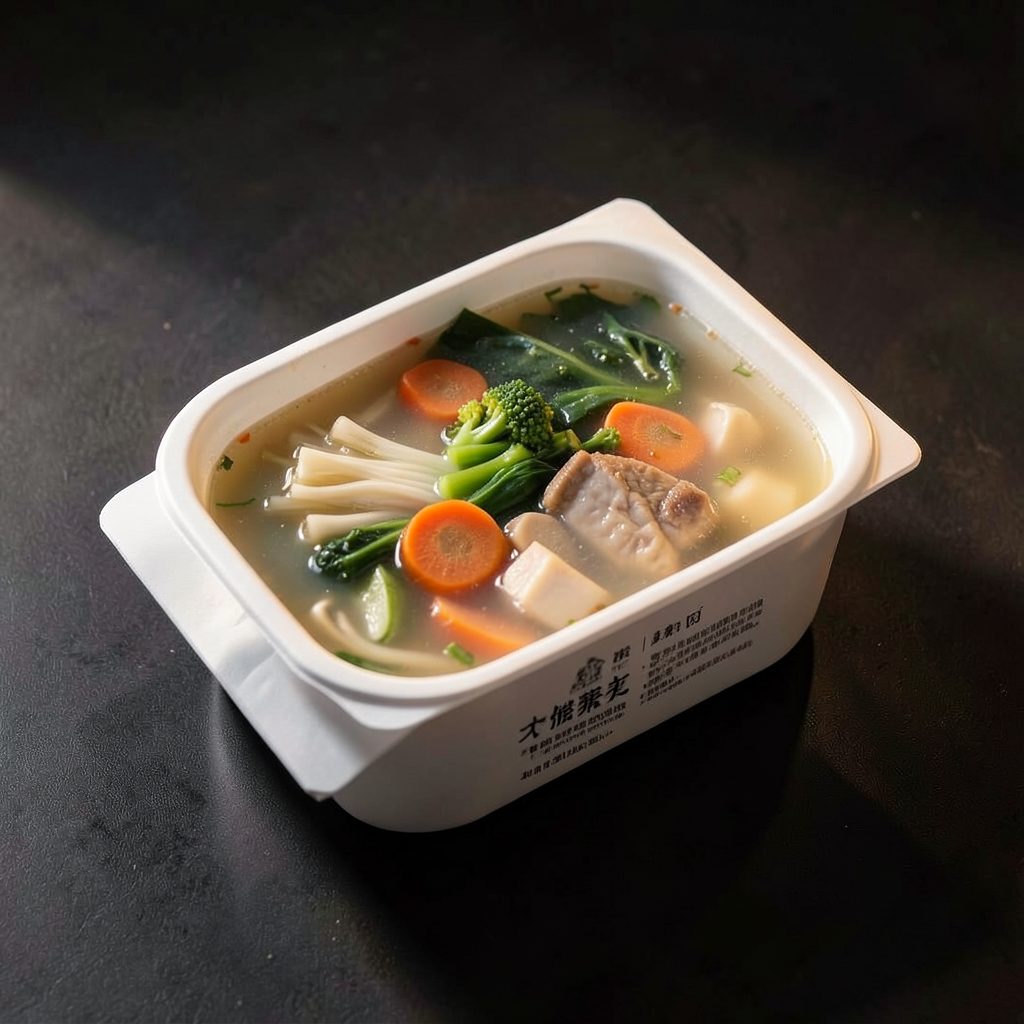
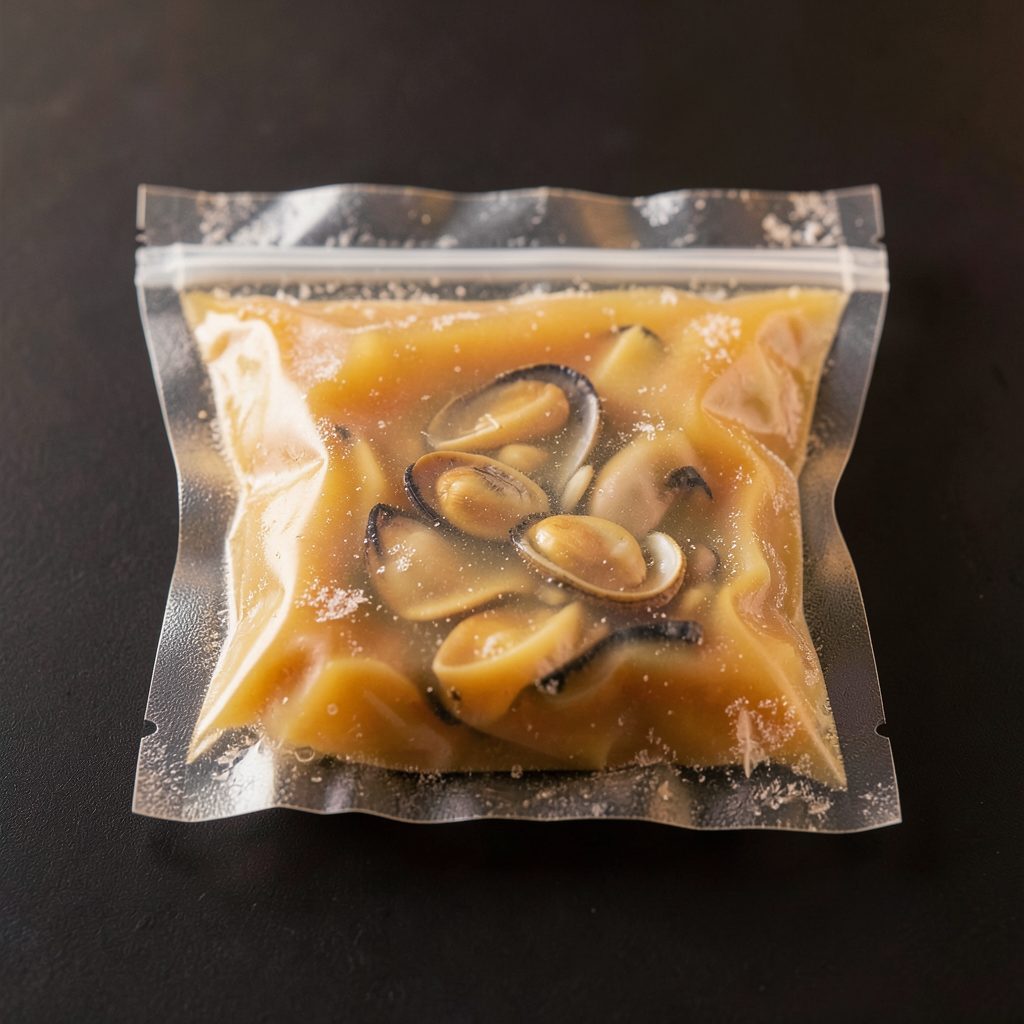
Best Sellers
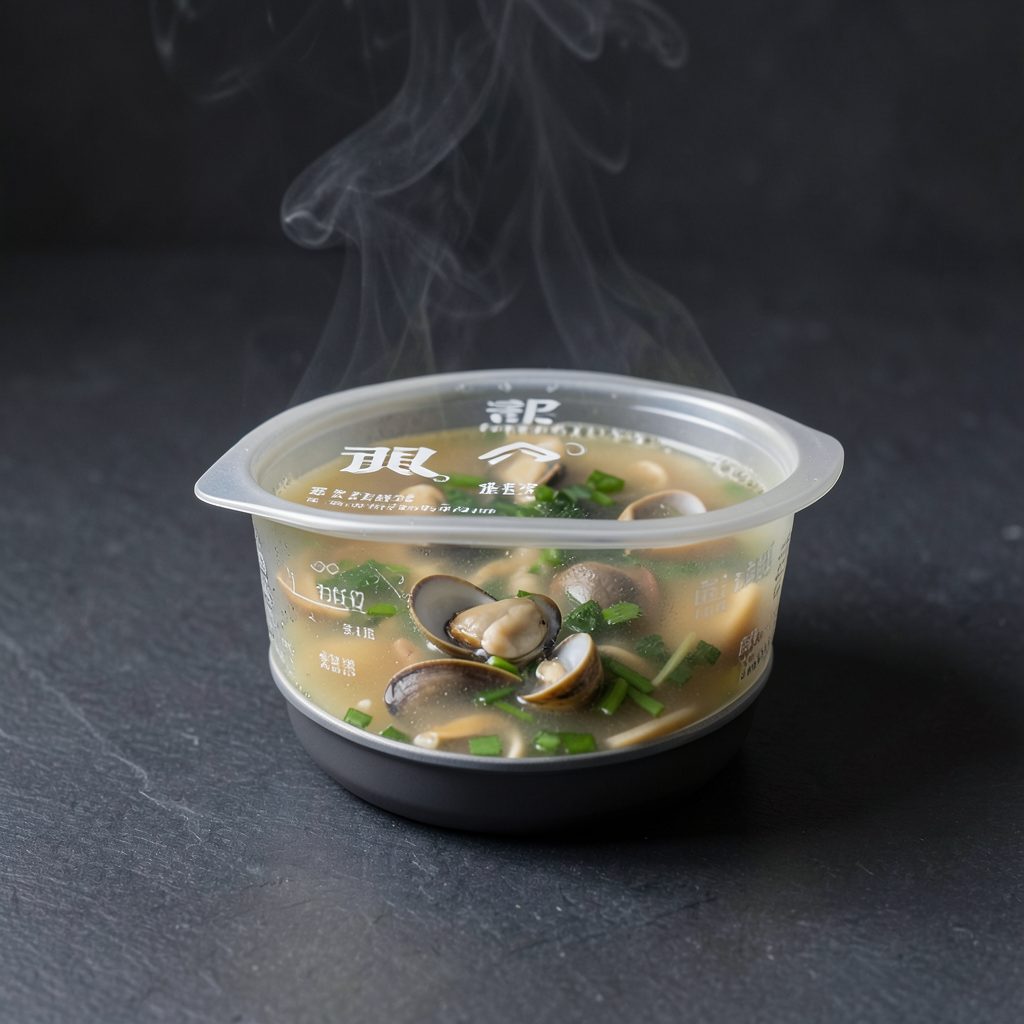
蛤?! Clam Soup Base —卜卜蜆
NT$ —
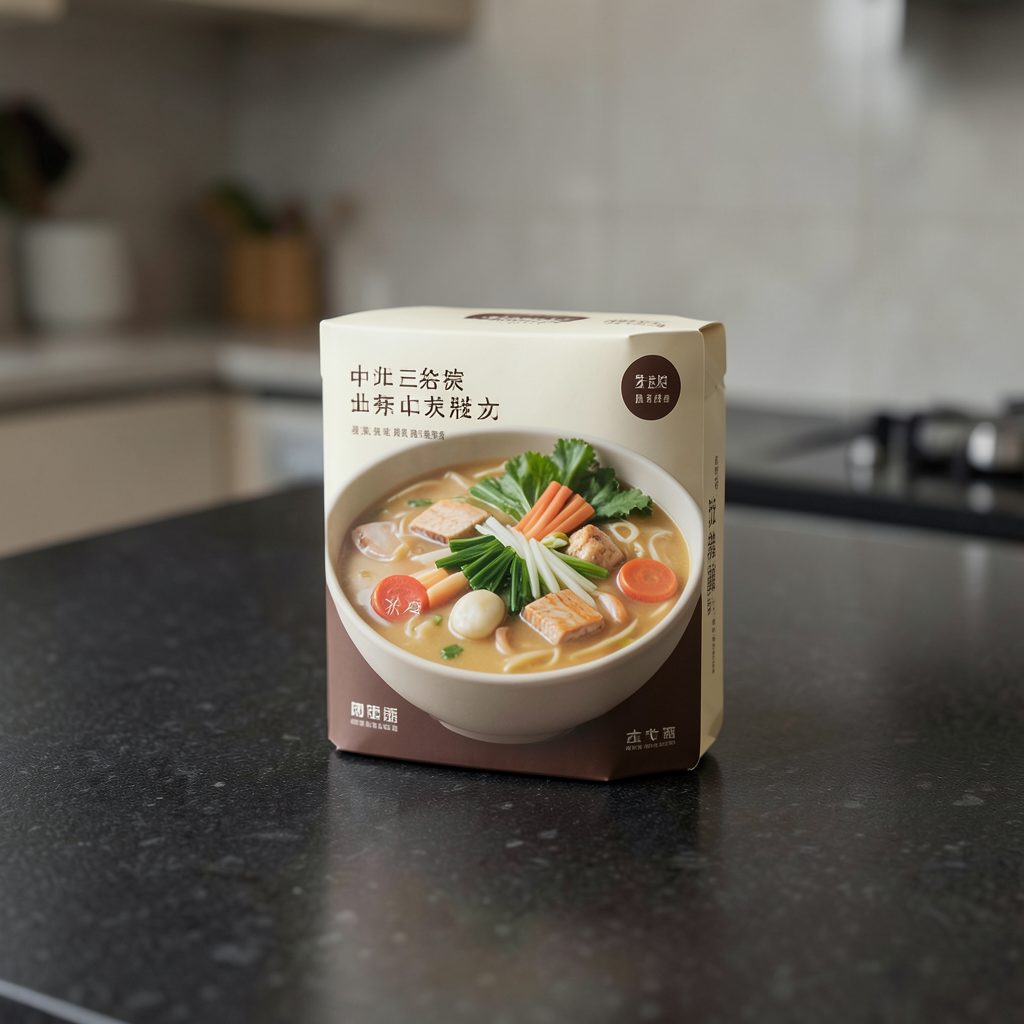
本事滿足鍋物 Personal Pot Base
NT$ —
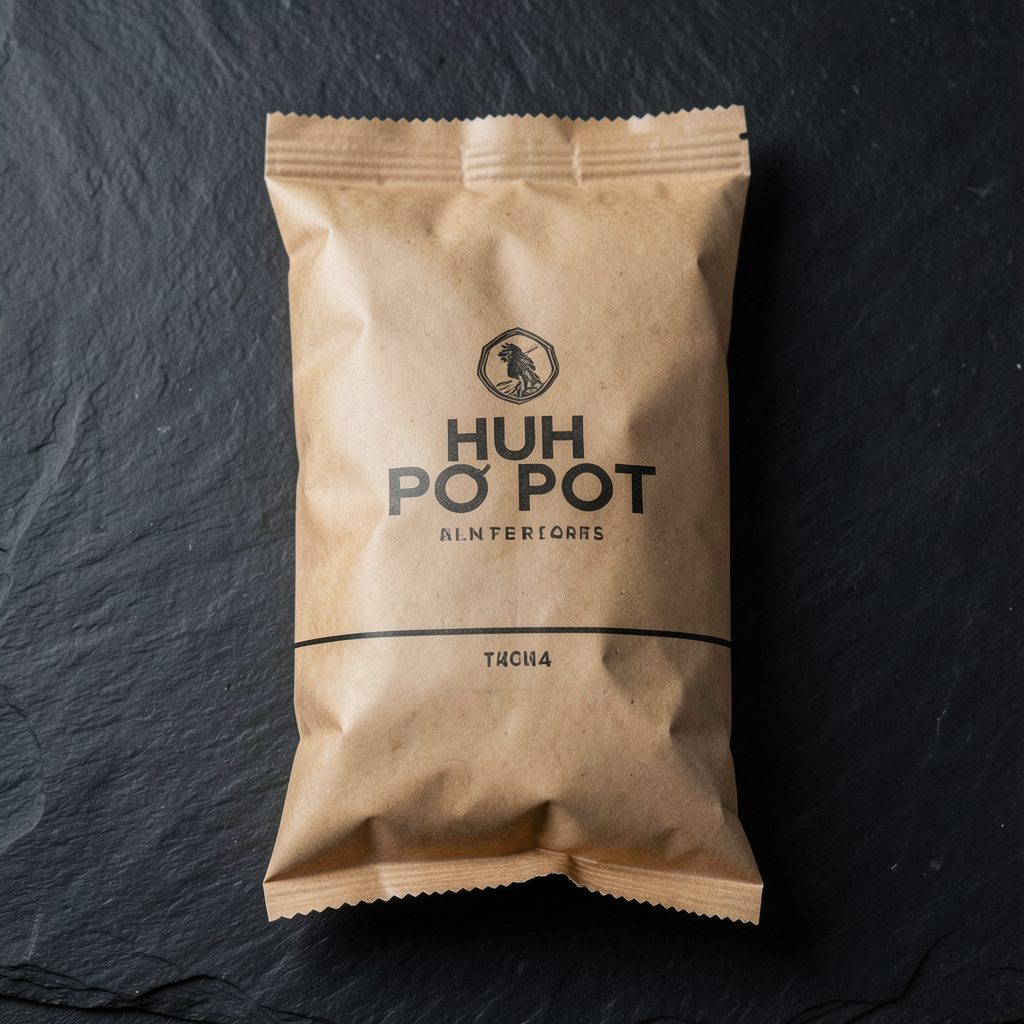
蛤?! Dry Noodles
NT$ —
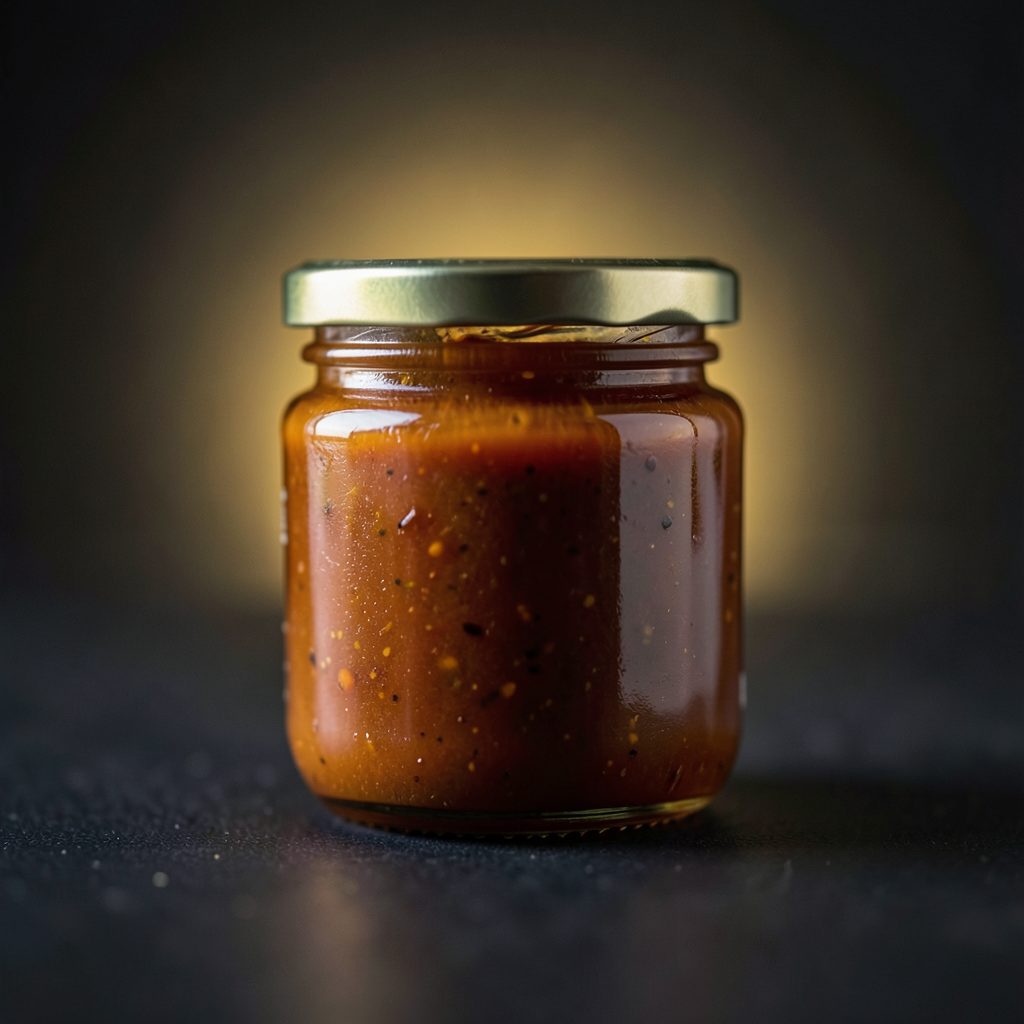
Signature Sauce
NT$ —
New Arrivals
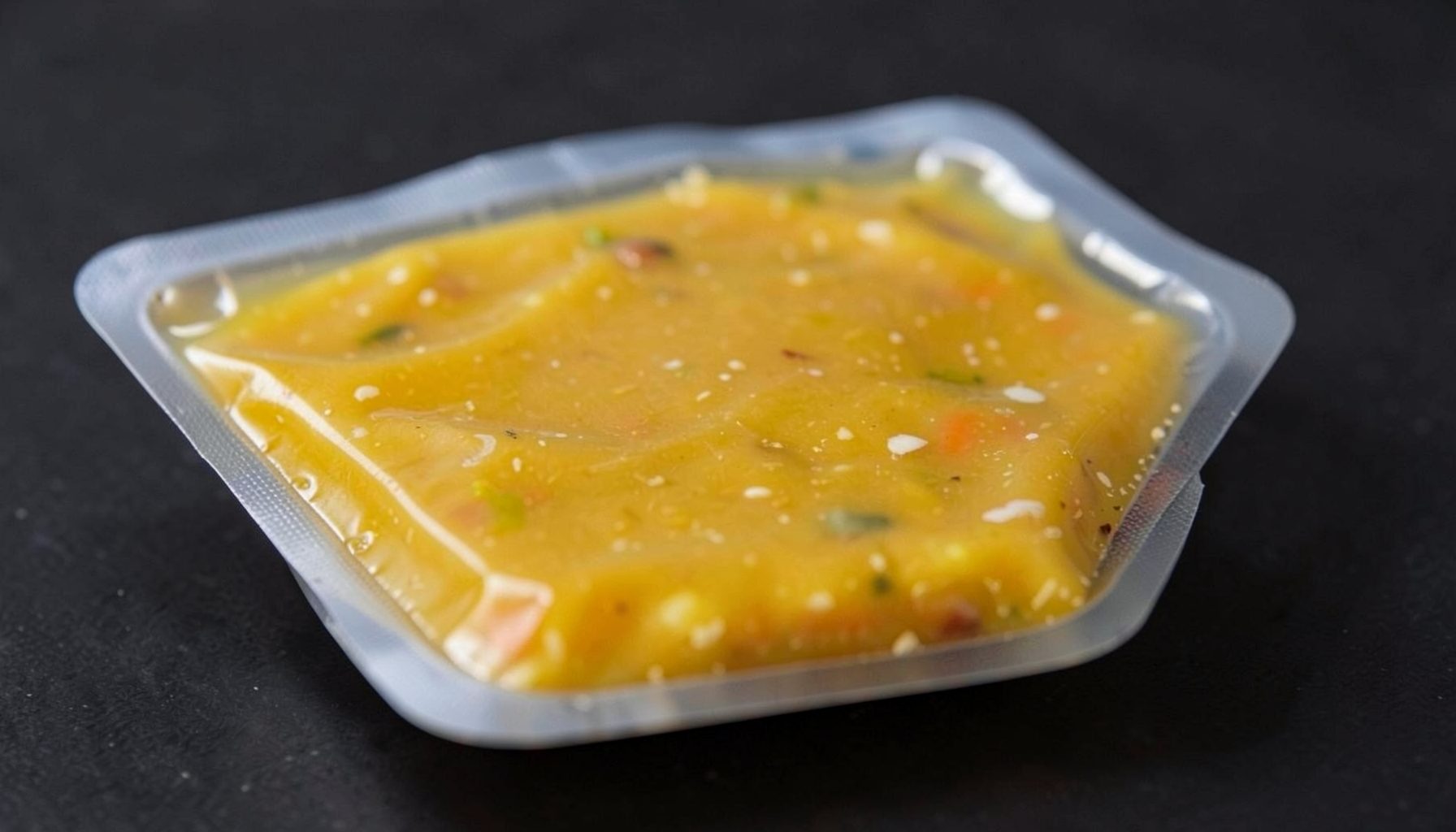
蛤?! Golden Clam Broth — New Batch
NT$ —

Radish Cake —蘿蔔糕精神
NT$ —
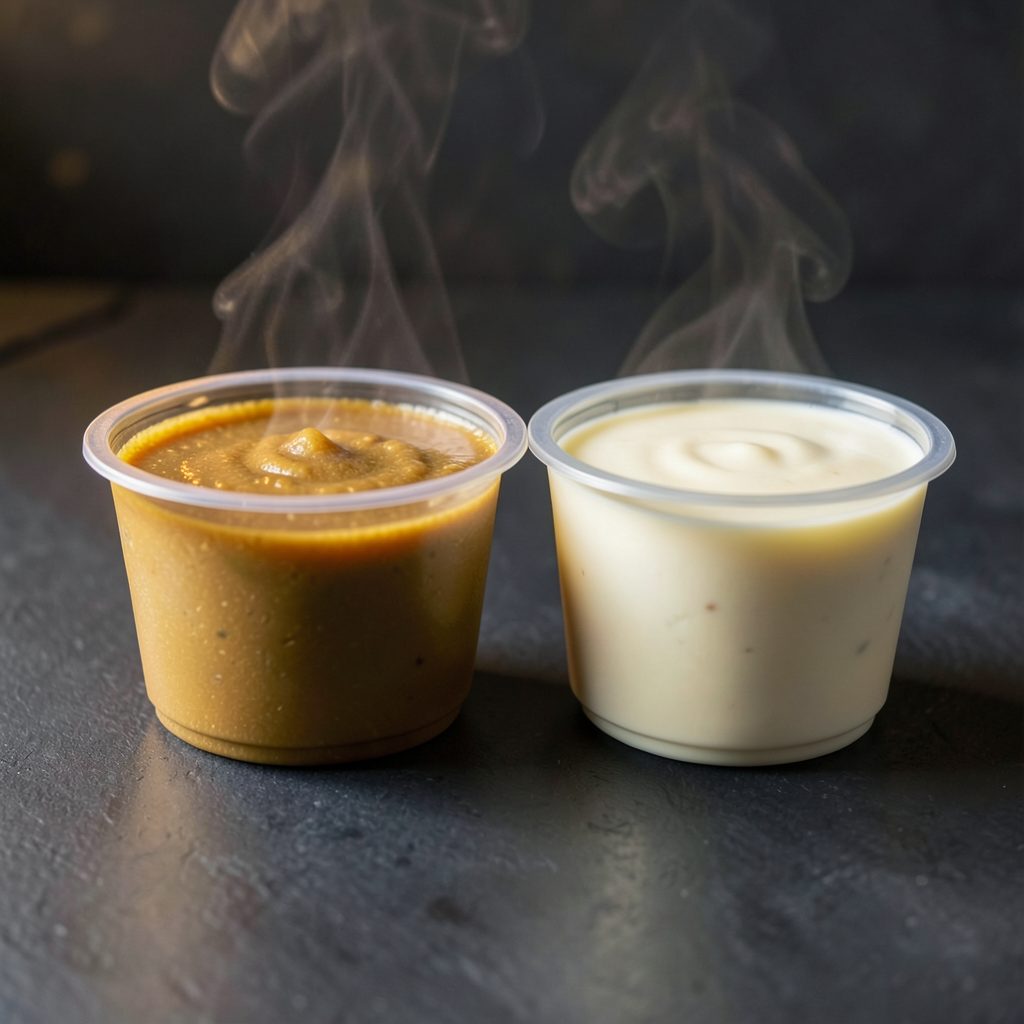
Duo Soup Base Set
NT$ —
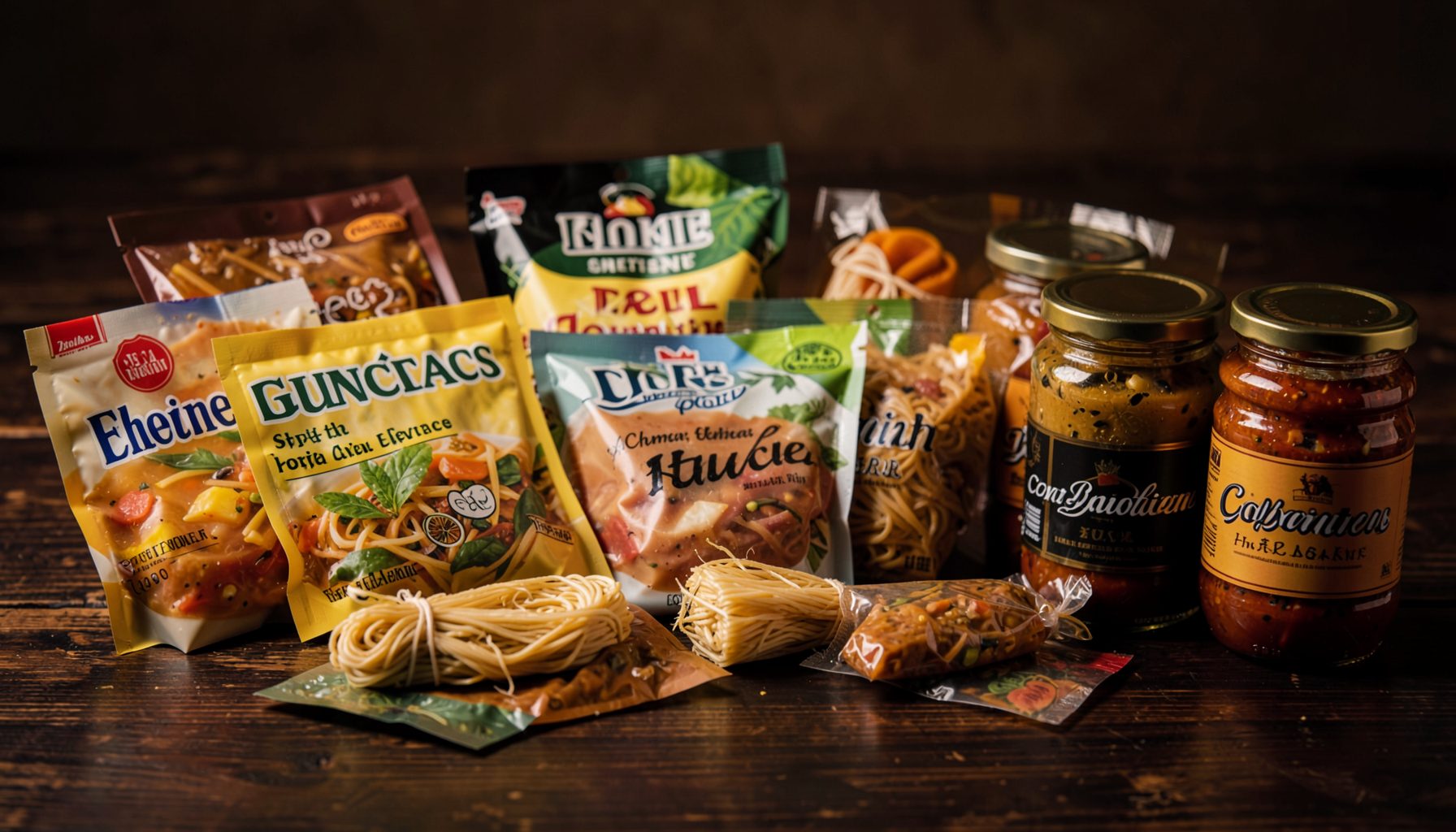
Hot Pot Essentials Bundle
NT$ —
About 蛤?! Huh Pot
蛤?! Huh Pot is a Cantonese-style hot pot brand known for its signature clam-based broth —卜卜蜆 — made with rich old-hen stock and generous portions of fresh clams. The brand also encompasses 本事滿足鍋物, a personal hot pot concept, bringing the same depth of flavor to individual servings.
Through MoneyCome Mart, these restaurant-quality soup bases, dry noodles, radish cakes, and signature sauces are available for home delivery across Taiwan. Restaurant locations in Taipei's Da'an District, Civic Boulevard, and Taichung's Gongyi Road also welcome guests for dine-in, with online reservations available.