Why Our Soup Bases Are Made in Small Batches
After a long arvo at work, the idea of simmering pork bones for eight hours rarely feels like a reasonable plan. Yet that is exactly the slow, deliberate cooking that defines a proper Cantonese hot pot broth, and it is the same philosophy that shapes every base shipped out of MoneyCome Mart's kitchen. Rather than pumping out vats of stock for mass retail, the team behind 蛤?! Huh Pot and 本事滿足鍋物 focuses on carefully portioned batches that capture the clarity, sweetness, and herbal depth of traditional recipes.
Across Sydney's inner west and Melbourne's eastern suburbs, the appetite for premium Asian pantry staples has quietly boomed. Shoppers who used to queue at Cabramatta grocers or pick up broth concentrate from the international aisle of Coles are now ordering frozen bases online and keeping them tucked in the freezer for cosy weeknight dinners. Convenience matters, but so does authenticity, and that tension drives every decision about how the soup bases are produced.
Australians have grown used to next-day shipping from local distribution centres, and frozen food from Taiwan has become surprisingly accessible thanks to established freight partnerships. Still, handling artisan soup bases is not the same as shipping a bulk pallet of dumplings. The team has invested in insulated packaging, dry ice, and tracked couriers so the broth arrives at a sensible temperature, ready for the pot.
For anyone weighing up a first order, the About Huh Pot page explains the founding story in more detail. It is a short read, but it gives a real sense of why the brand refuses to scale up production just for the sake of volume.
The Heart of Cantonese Broth-Making
A traditional Cantonese soup base is not a single recipe; it is a layering exercise. Pork bones are blanched, rinsed, and simmered for hours with dried scallops, white pepper, ginger, and sometimes a splash of aged Hua Diao wine. Each ingredient contributes a quiet hum rather than a shout, which is why the broth looks pale gold instead of murky brown.
The team's head cook learned the craft in a Guangzhou family kitchen, where every Sunday meant a fresh pot of soup for the week ahead. Recipes were written on the back of old calendars and adjusted depending on the season, the quality of the bones, and even the weather. Bringing that sensibility to a commercial setting means resisting the temptation to double or triple the recipe just because demand is high.
Small batches also let the cook catch subtle problems early. If a particular batch of clams tastes overly briny, the recipe can be tweaked before it ever reaches a customer in Hurstville or Adelaide. Larger operations tend to standardise everything and trust the numbers, which works for biscuits but not for broth.
What Small Batches Actually Mean
A small batch in this kitchen is roughly forty litres at a time, simmered in copper-clad pots rather than industrial steam kettles. After straining and resting, the broth is portioned, flash-chilled, and sealed within hours, locking in the fresh-cooked flavour that defines restaurant-quality hot pot. The difference between that and a factory-made concentrate is the gap between a hand-pulled noodle and one squeezed from a machine.
Seasonal ingredients can also shine when they are at their peak. Winter calls for richer herbal notes, while summer broths lean lighter and more peppery. A factory locked into a year-round formula cannot pivot, but a small kitchen can. For Australians who plan dinners around what is fresh at the Queen Victoria Market, that seasonal rhythm feels familiar.
Cold-Chain Shipping Across the Country
Sending frozen broth from the production kitchen to Australian doorsteps is no small feat. Sydney and Melbourne are straightforward, but orders heading to Hobart, Cairns, or a rural property outside Wagga Wagga require careful planning. The brand uses foam-lined boxes, dry ice, and expedited couriers to keep the contents stable for up to forty-eight hours.
Customers have shared photos of their deliveries arriving in perfect condition even during a Melbourne cold snap or a Brisbane summer heatwave. That reliability only happens because the team treats every box like a precious parcel rather than a routine fulfilment task. It is the same attention shoppers have come to demand from any importer worth its salt.
Why Mass Production Changes Everything
Scaling up a slow-simmered broth almost always changes its character. Industrial vats cannot replicate the gentle heat transfer of a smaller pot, and extended holding times dull the aromatics that make the broth sing. Mass production also relies on stabilisers, emulsifiers, and salt-heavy formulas that extend shelf life but flatten flavour.
Many Australian shoppers read ingredient panels like hawks these days, and they have started to reject anything with a long chemical tail. A small-batch broth that lists pork bones, dried scallops, ginger, and salt feels reassuring in a way that factory stock does not. It is the same reason specialty coffee has overtaken supermarket blends in many Aussie cafés.
The trade-off is price. A small-batch base costs more per millilitre than a supermarket powder, but most customers find the flavour gap is wide enough to justify the spend, especially when the broth forms the centrepiece of a shared meal.
Seasonal Flavours Worth Waiting For
Because production is capped, the brand can afford to experiment with limited runs that larger competitors would never attempt. Past seasonal drops have included a peppery winter herbal base, a richer pork-bone concentrate for Lunar New Year, and even a clearer chicken broth designed for the warmer months. Each release tends to sell through quickly, which has created a small collector culture around the catalog.
It also keeps regulars checking back. There is something satisfying about spotting a new flavour on the homepage, adding it to the cart, and planning a Friday night hot pot around it. If a product does not sell well, the team simply lets it retire, which keeps the lineup tight.
For anyone curious about the return process if a delivery arrives less than perfect, the brand keeps things straightforward on its return policy. It is one of those rare online shops where the small-batch philosophy extends to the customer service as well.
Bringing It to Your Table
The simplest way to enjoy a small-batch broth is to let it be the star. Bring it to a gentle simmer, taste it on its own, and only then introduce vegetables, thinly sliced meats, or fresh seafood. Australians used to dunk everything into a single boiling pot will quickly notice how the clearer broth rewards lighter ingredients like prawns, scallops, and Chinese cabbage.
Pair it with rice noodles, blanched gai lan, and a dipping sauce made from sesame paste, soy, and a little chilli oil. It is comfort food without the long cook, and it suits everything from a quiet Tuesday in a Surry Hills flat to a Saturday gathering in a suburban backyard. Less haste, more flavour, and a freezer full of broth that tastes like it came straight from a Cantonese kitchen.
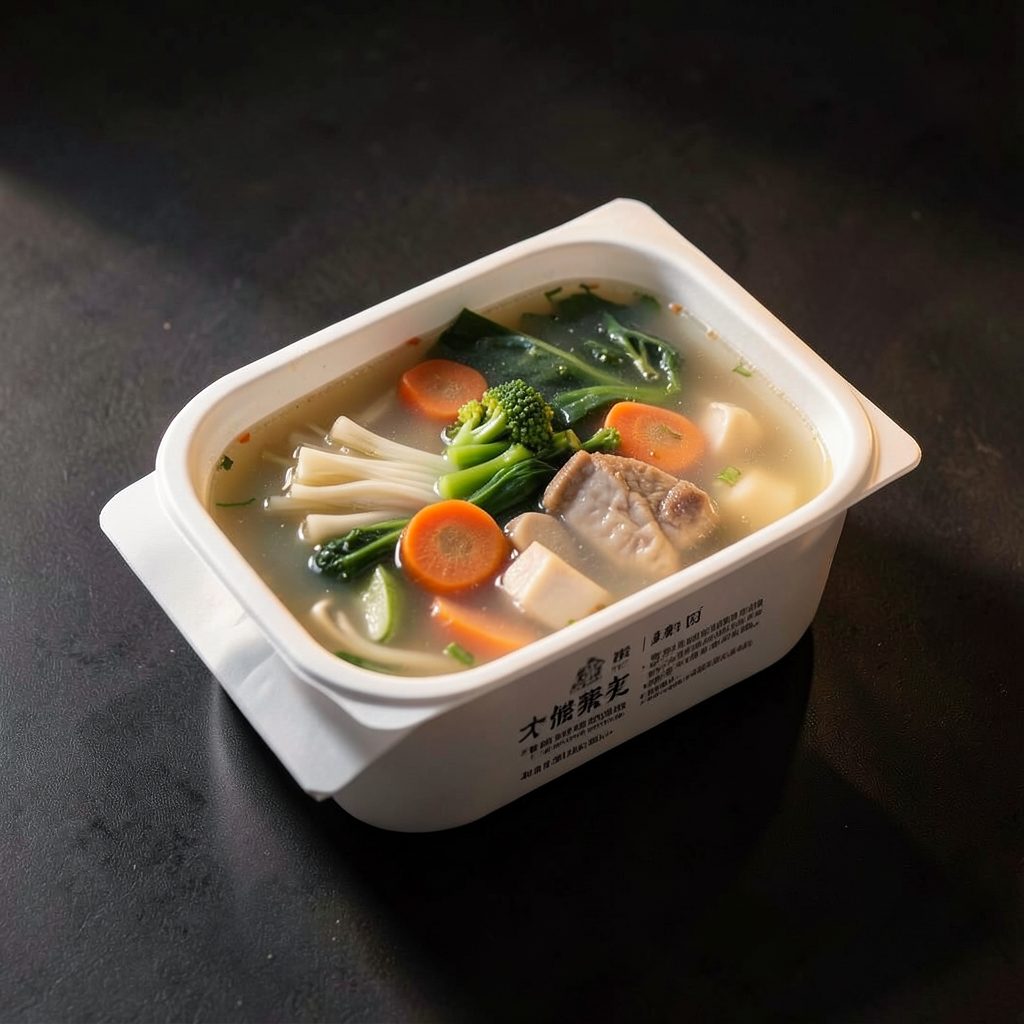
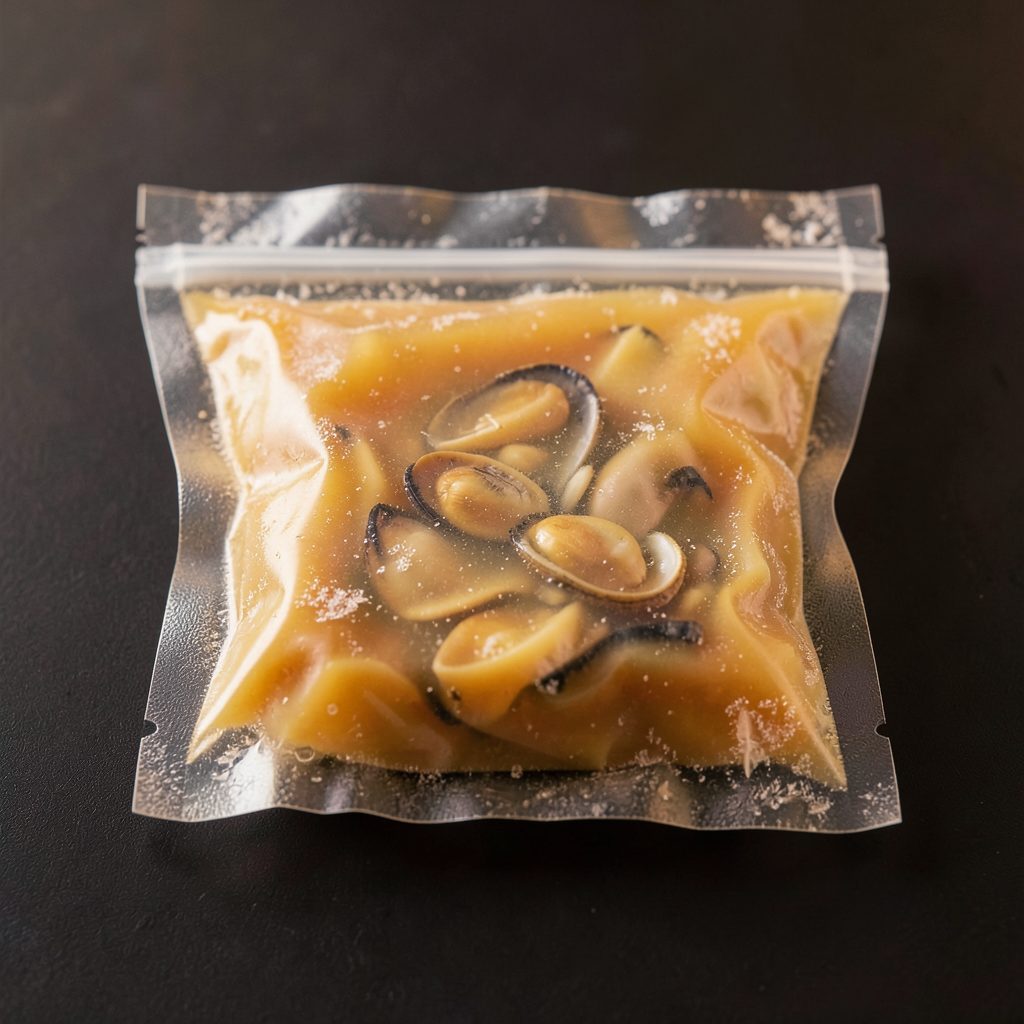
Best Sellers
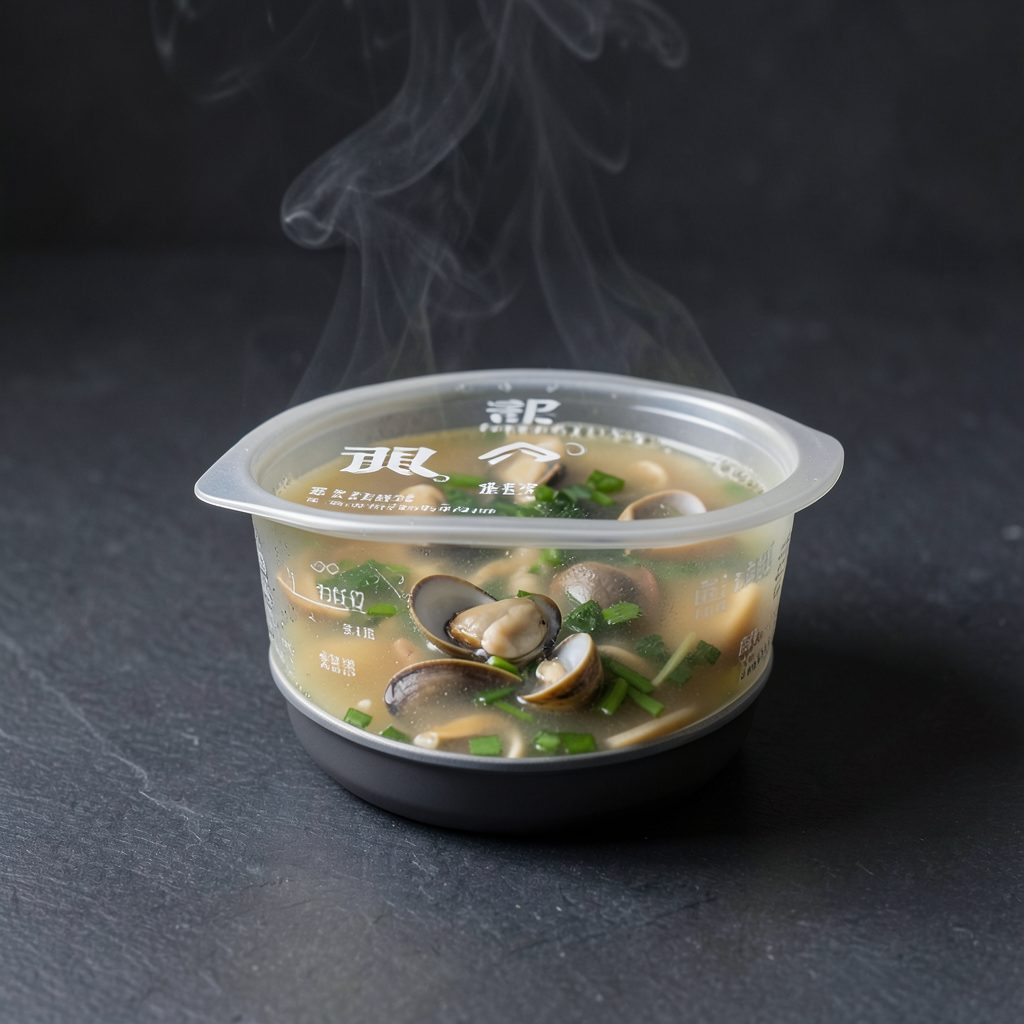
蛤?! Clam Soup Base —卜卜蜆
NT$ —
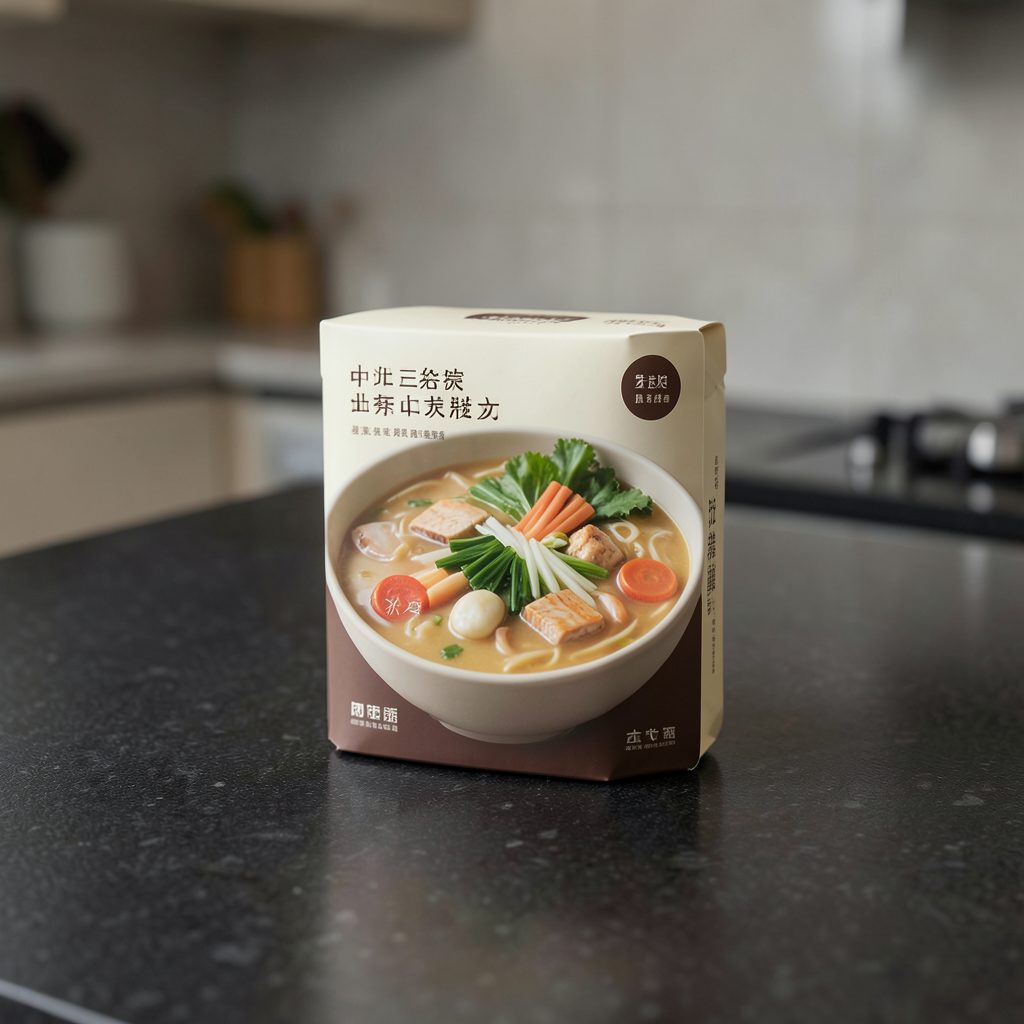
本事滿足鍋物 Personal Pot Base
NT$ —
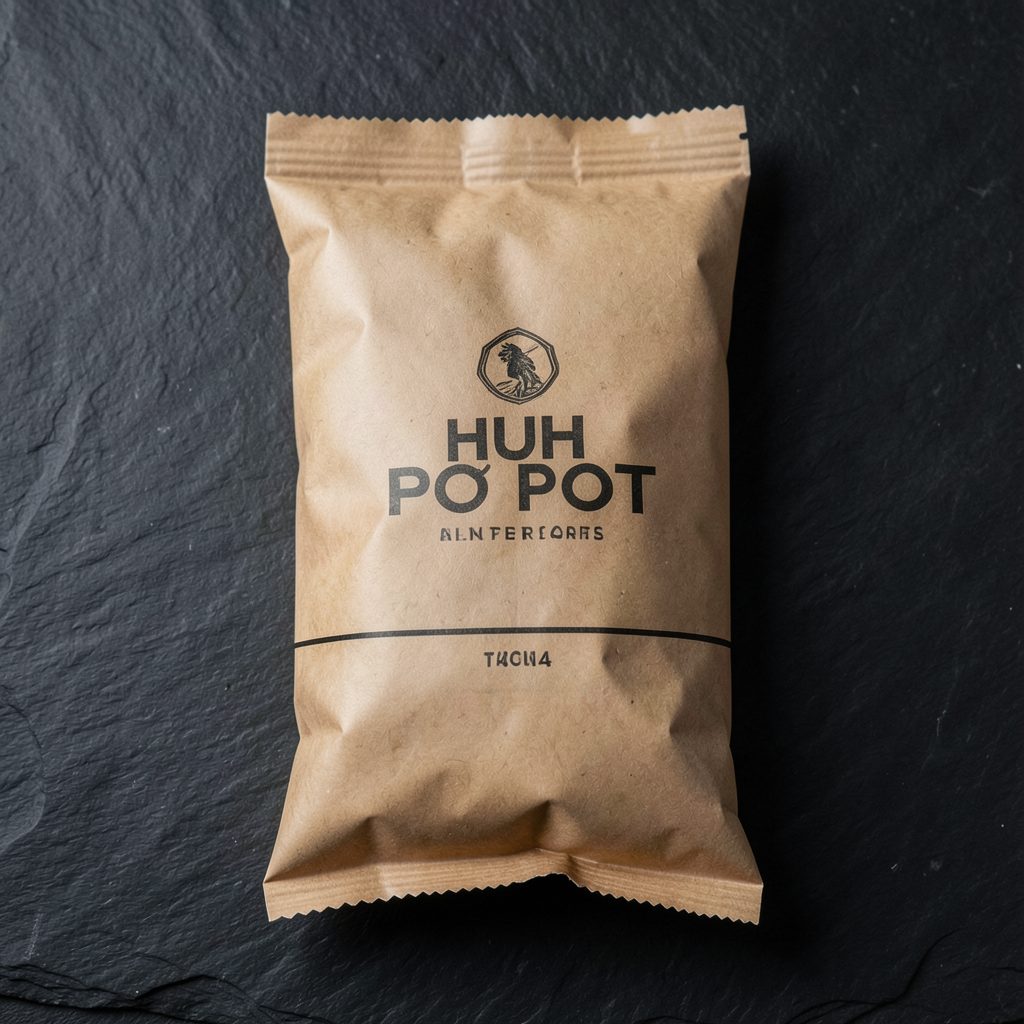
蛤?! Dry Noodles
NT$ —
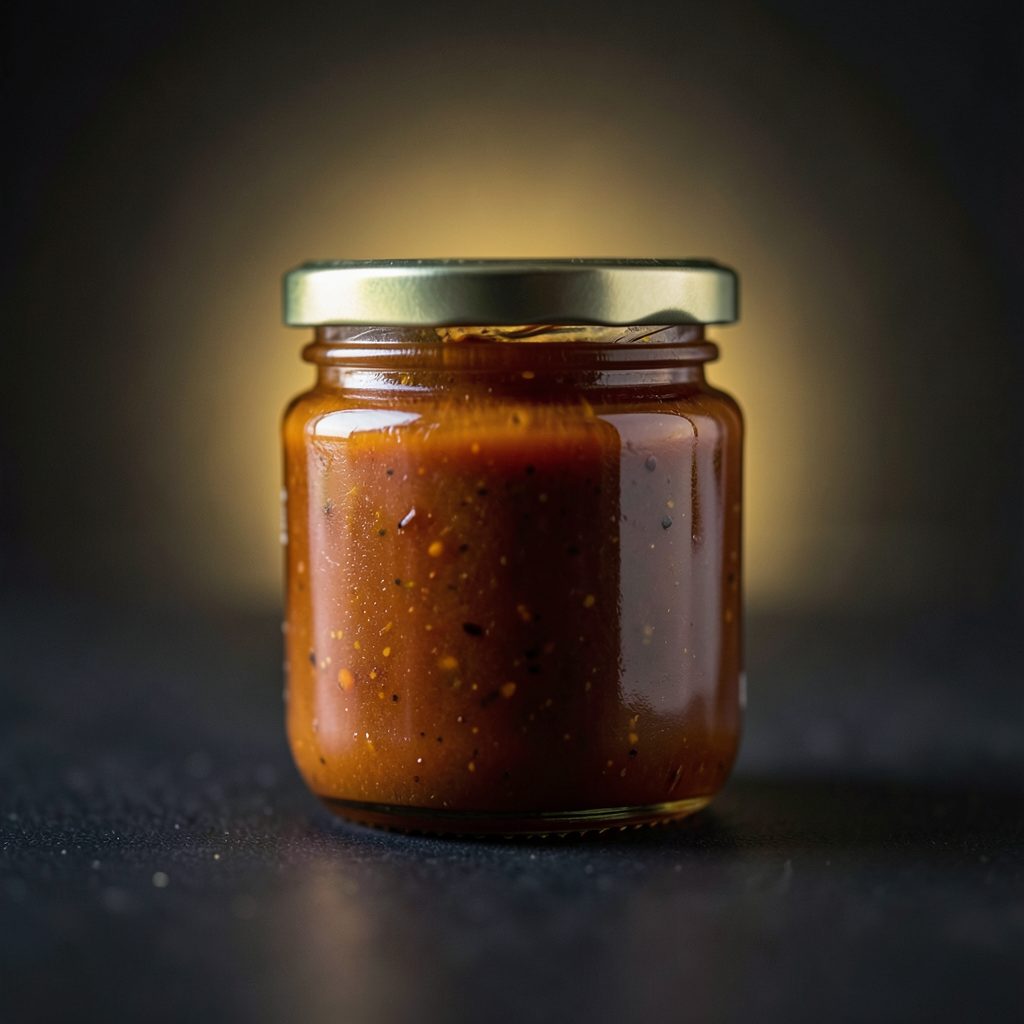
Signature Sauce
NT$ —
New Arrivals
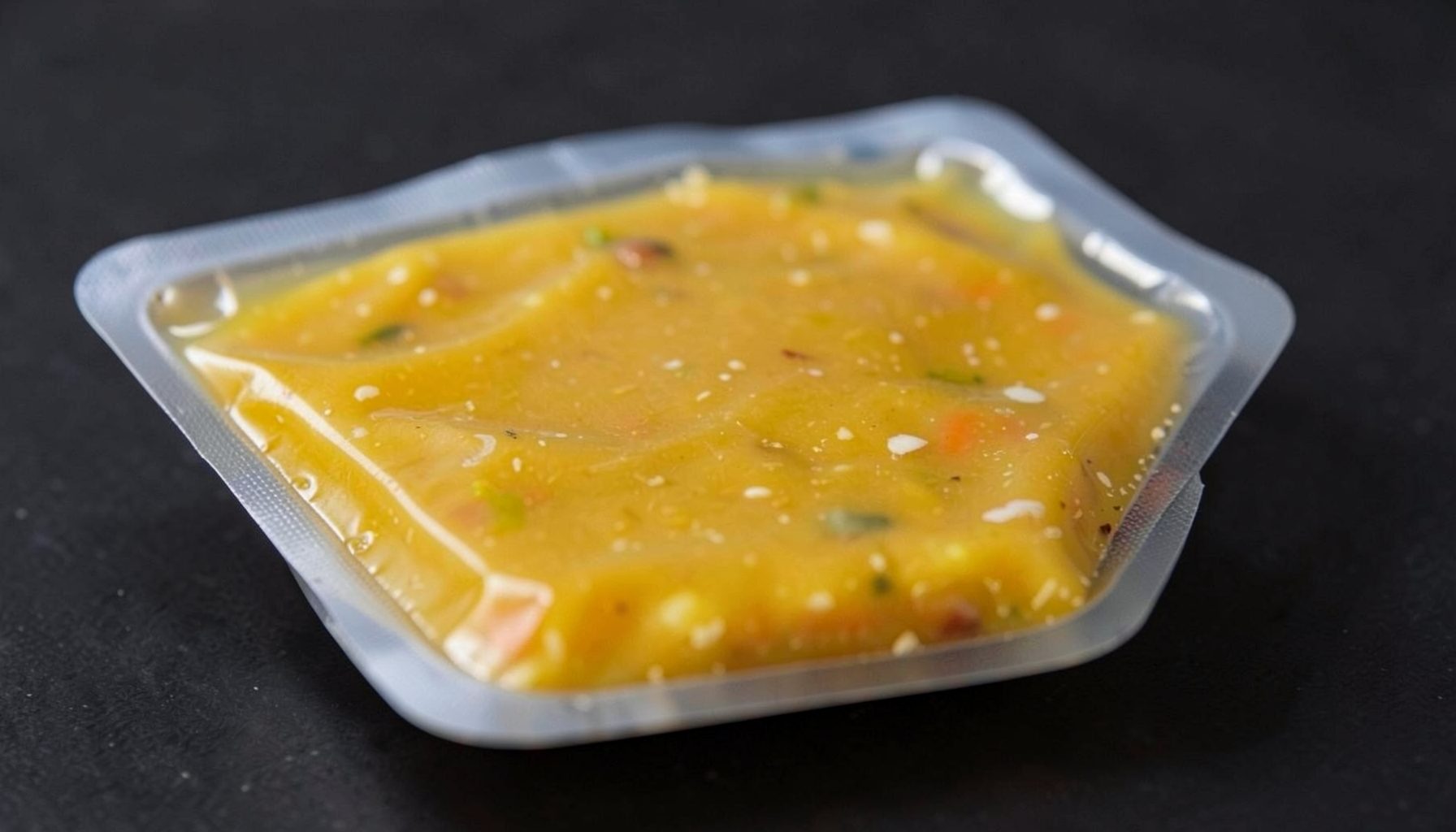
蛤?! Golden Clam Broth — New Batch
NT$ —
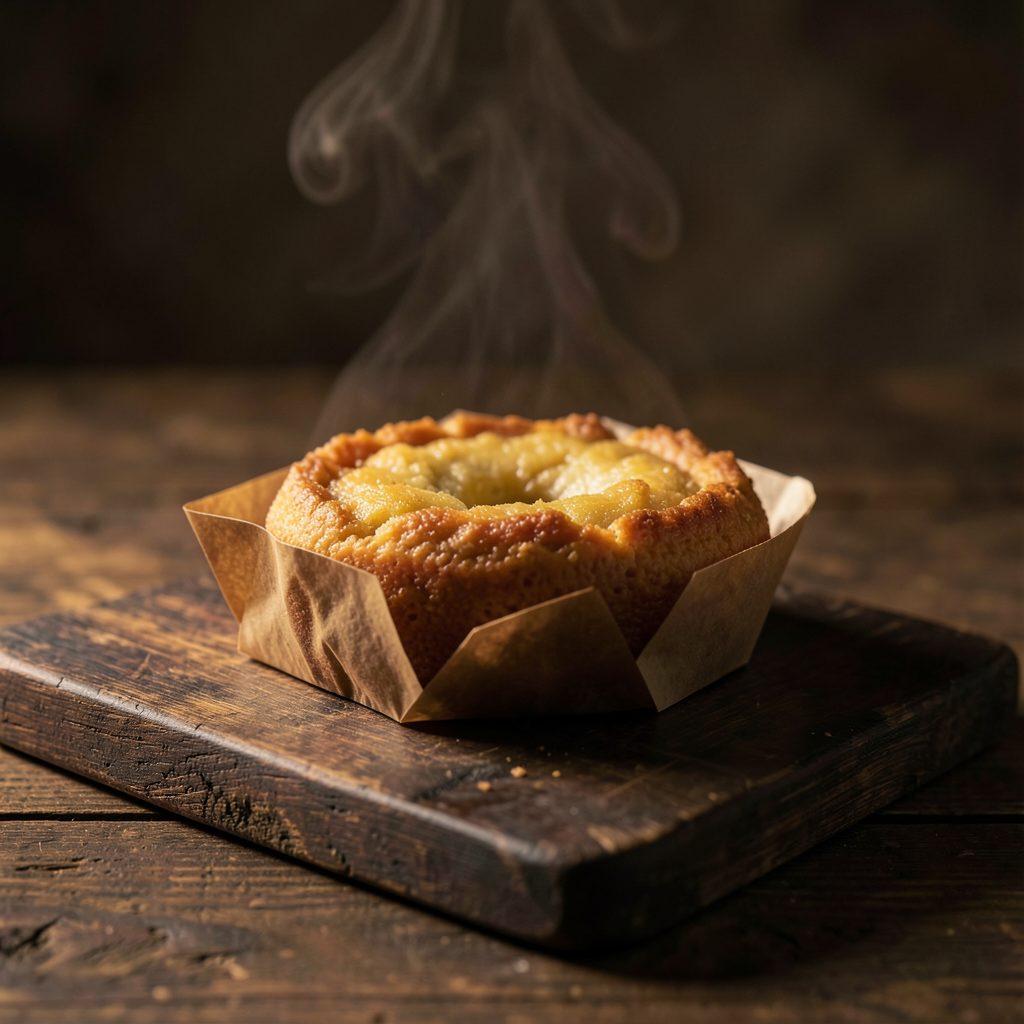
Radish Cake —蘿蔔糕精神
NT$ —
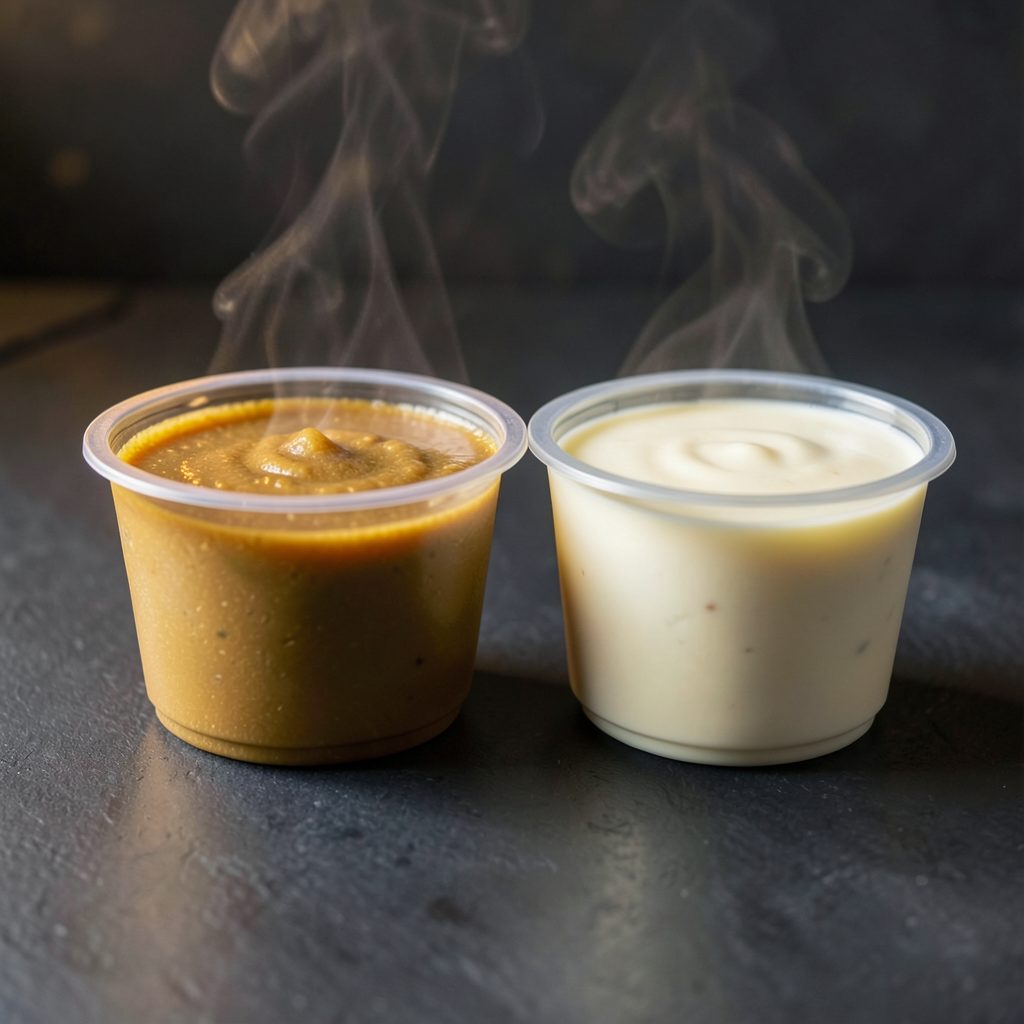
Duo Soup Base Set
NT$ —
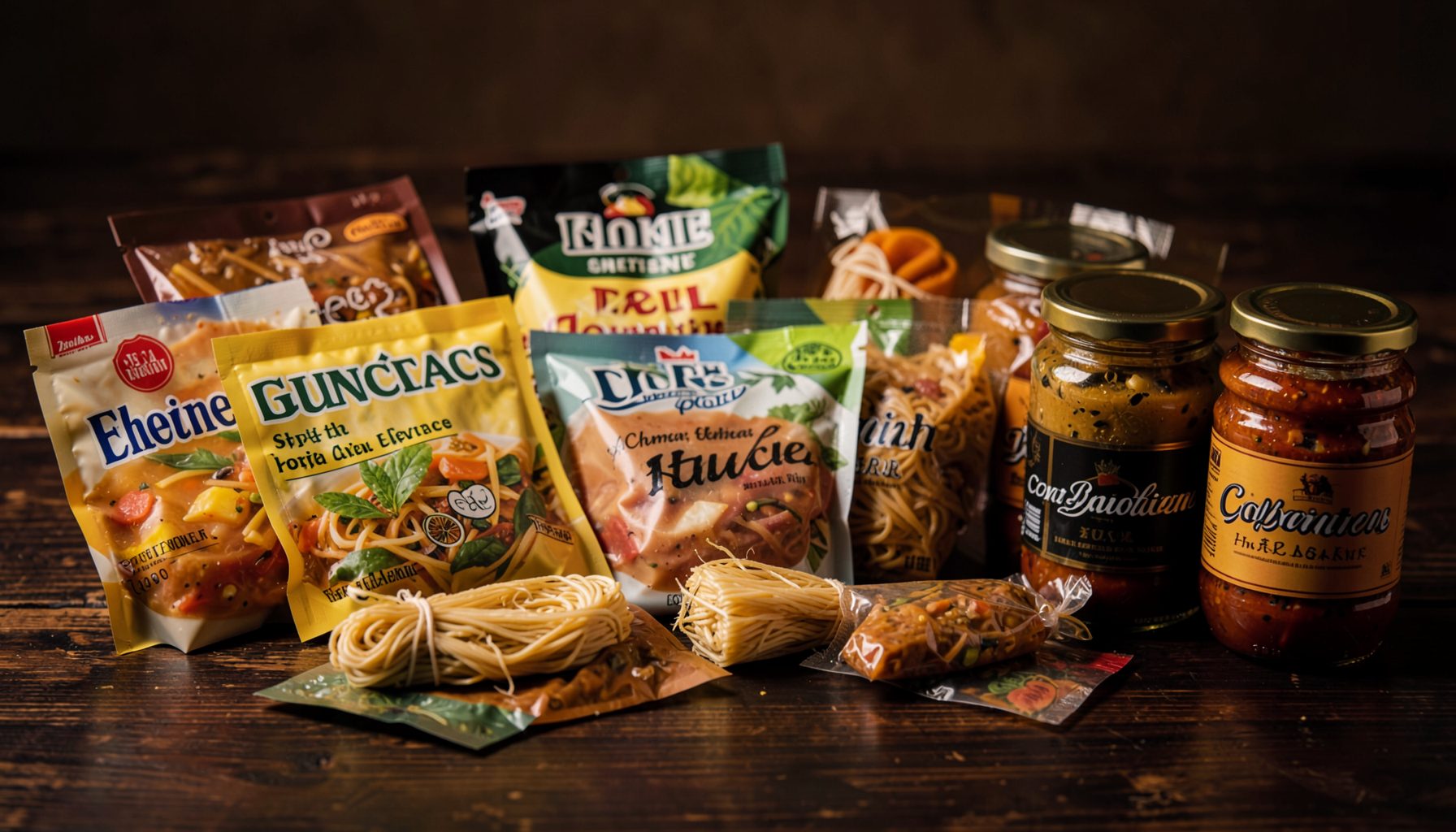
Hot Pot Essentials Bundle
NT$ —
About 蛤?! Huh Pot
蛤?! Huh Pot is a Cantonese-style hot pot brand known for its signature clam-based broth —卜卜蜆 — made with rich old-hen stock and generous portions of fresh clams. The brand also encompasses 本事滿足鍋物, a personal hot pot concept, bringing the same depth of flavor to individual servings.
Through MoneyCome Mart, these restaurant-quality soup bases, dry noodles, radish cakes, and signature sauces are available for home delivery across Taiwan. Restaurant locations in Taipei's Da'an District, Civic Boulevard, and Taichung's Gongyi Road also welcome guests for dine-in, with online reservations available.