Why Our Noodles Hold Up Better Than Fresh Egg Noodles in Broth
When a simmering pot of broth sits between friends, the noodles are often the first ingredient to suffer. They absorb liquid and turn soft long before the prawns finish cooking. Cooks in Sydney's Inner West or Melbourne's Box Hill have watched strands collapse into starchy mush.
Traditional Cantonese steamboat relies on quick cooking, and diners expect noodles that keep a clean bite after several dips. Fresh egg noodles taste wonderful in a wok-fried dish, but their high moisture content makes them fragile in a rolling boil.
At MoneyCome Mart, we have refined wheat-based noodles specifically for the hot pot environment. Our strands maintain firmness through long simmering, multiple reheats, and the moment someone forgets a bundle in the broth.
This is not about superiority. It is about understanding how flour blend and processing method interact with broth temperature, and why that matters for the Australian cook assembling a weeknight steamboat or Lunar New Year feast.
The science behind noodle structure in hot broth
When wheat flour meets water and heat, glutenin and gliadin combine to form gluten. The strength of this network determines whether noodles hold their shape or fall apart. Egg noodles contain additional proteins that create a softer crumb that degrades rapidly once submerged.
In a hot pot, three forces work against the noodle. Heat penetrates from the outside in, loosening starch granules. The broth's salt content draws moisture out even as it forces liquid in. Mechanical agitation breaks apart weakened fibres.
Our production process uses a specific protein-to-starch ratio and a controlled drying stage that locks the gluten network into place. The result is a strand that resists swelling for eight to ten minutes of active simmering.
Wheat blend compared with traditional egg pasta
Fresh egg noodles are typically made with wheat flour, water, and a generous proportion of egg. This yields a pale yellow strand with a soft, custard-like texture that excels in short-cooking applications like chow mein. In a sustained hot pot, that tenderness becomes a liability.
Our noodles rely on premium wheat flour without egg enrichment, producing a denser, more resilient bite. The absence of egg protein means less moisture absorption and a firmer gluten skeleton. Chefs in Brisbane's Sunnybank or Adelaide's Gouger Street note that wheat-only strands retain a pleasant chew even after extended cooking.
This is not a dismissal of egg noodles in their rightful place. For the specific demands of communal broth cooking, however, wheat-based strands perform with more consistency.
Cold-chain stability from freezer to front door
Fresh noodles often fail in broth because they are already half-cooked before reaching the pot. Steam-blanching leaves them vulnerable to further heat damage. Our noodles are fully cooked, chilled, and shipped in insulated packaging that maintains a stable temperature from Taiwan to your kitchen.
For Australian customers, this approach mirrors specialty grocers in Chatswood or the wet markets of Footscray. The product arrives frozen, ready to drop directly into boiling broth. Because the structure has been set during manufacturing, it will not absorb liquid unpredictably.
The noodles can sit in your freezer for weeks without quality loss. You cook exactly the portion you need, and the rest waits patiently for next weekend's gathering.
Cooking time, texture, and the perfect dip
A good hot pot noodle should require no more than two to three minutes in boiling broth. That is enough time for the strand to heat through while keeping a resilient centre. Our noodles hit this window reliably, giving the cook a forgiving margin.
Fresh egg noodles often need only forty-five seconds of cooking but continue softening for several minutes afterward. Diners returning for a second helping frequently find them gone past al dente into a limp mass.
Australian home cooks used to locally made pasta find this frustrating. It is one reason steamboat restaurants in Hong Kong traditionally served thinner, wheat-forward strands rather than the thick egg noodles popular in northern Chinese cooking.
Pairing with clam broth, Sichuan bases, and our signature soup
Our noodles are developed to complement the specific broths we sell, including the clam-based and Sichuan-spiced options from the 蛤?! Huh Pot range. Clam broth has a delicate salinity that can overwhelm egg noodles, causing them to lose flavour balance as they absorb liquid. Our strands stand up to the seasoning without becoming soggy.
When assembling a housewarming gift for a friend moving into a new apartment in Parramatta or Surry Hills, you can build a gift box with noodles, broth, and condiments that will not disappoint.
Broths that showcase noodle texture:
- Classic clam broth with Shaoxing wine
- Sichuan mala base with numbing heat
- Tomato and pork bone broth for family gatherings
Australian pantry comparisons and market context
Asian supermarkets in Sydney's Chinatown or Melbourne's Russell Street stock fresh egg noodles, vacuum-packed udon, and dried ramen. Each has its purpose: fresh egg noodles suit a stir-fry, udon works for curry, dried ramen shines in a quick broth.
Our noodles occupy a different category: a frozen, fully prepared strand engineered for sustained hot pot cooking. They are not interchangeable with supermarket offerings, and substitution often leads to texture failures.
The Australian market has grown increasingly sophisticated about Asian pantry staples. Cooks in Perth, Canberra, and Hobart expect restaurant-quality results at home, the standard our products deliver.
Reheating, storage, and leftover strategies
Unlike fresh noodles that must be used within a day or two, our frozen strands offer flexibility. Cook only what you need and return the rest to the freezer. If leftovers make it to the next day, a stir-fry with soy sauce and garlic revives them.
This suits Australian households where weekly shopping is common and food waste is a concern. A single pack anchors two separate meals without quality decline. Compared with fresh egg noodles, which turn unpleasant within forty-eight hours, the convenience advantage is clear.
For those exploring other slow-simmered dishes alongside hot pot nights, preparing a dish like pork sorpotel offers a satisfying weekend project with similar make-ahead benefits.
Quick ways to revive leftover noodles:
- Dry-fry with garlic chips and a drizzle of sesame oil
- Add to a simple broth with bok choy and a soft-boiled egg
- Toss with XO sauce and scallions for a punchy side
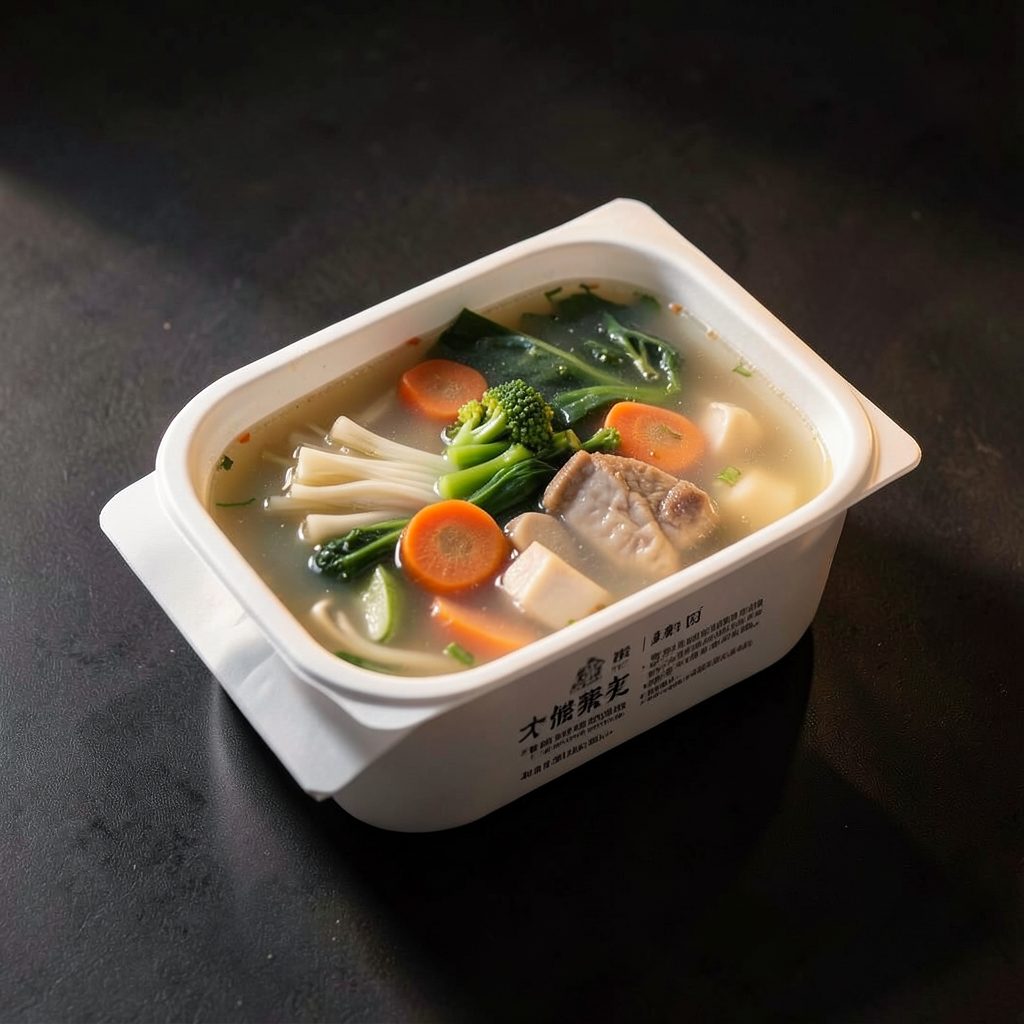
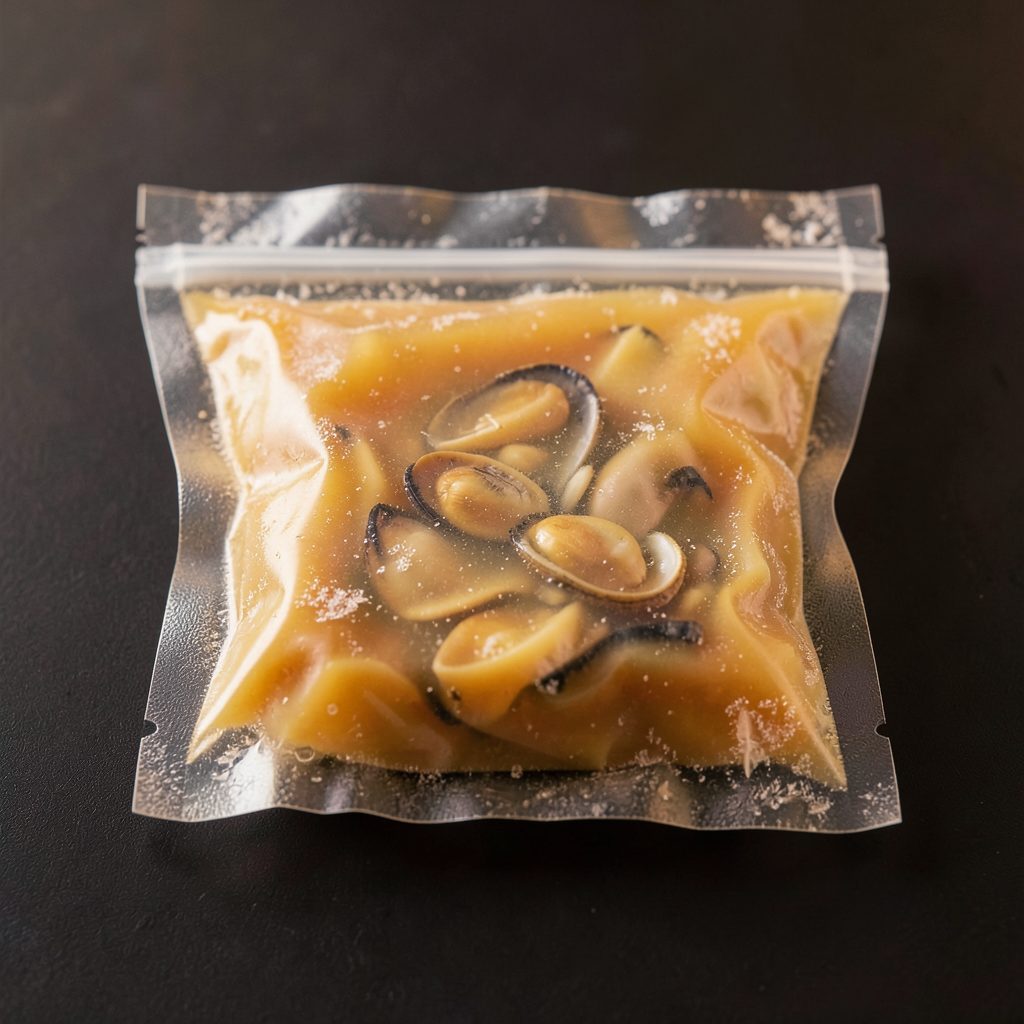
Best Sellers
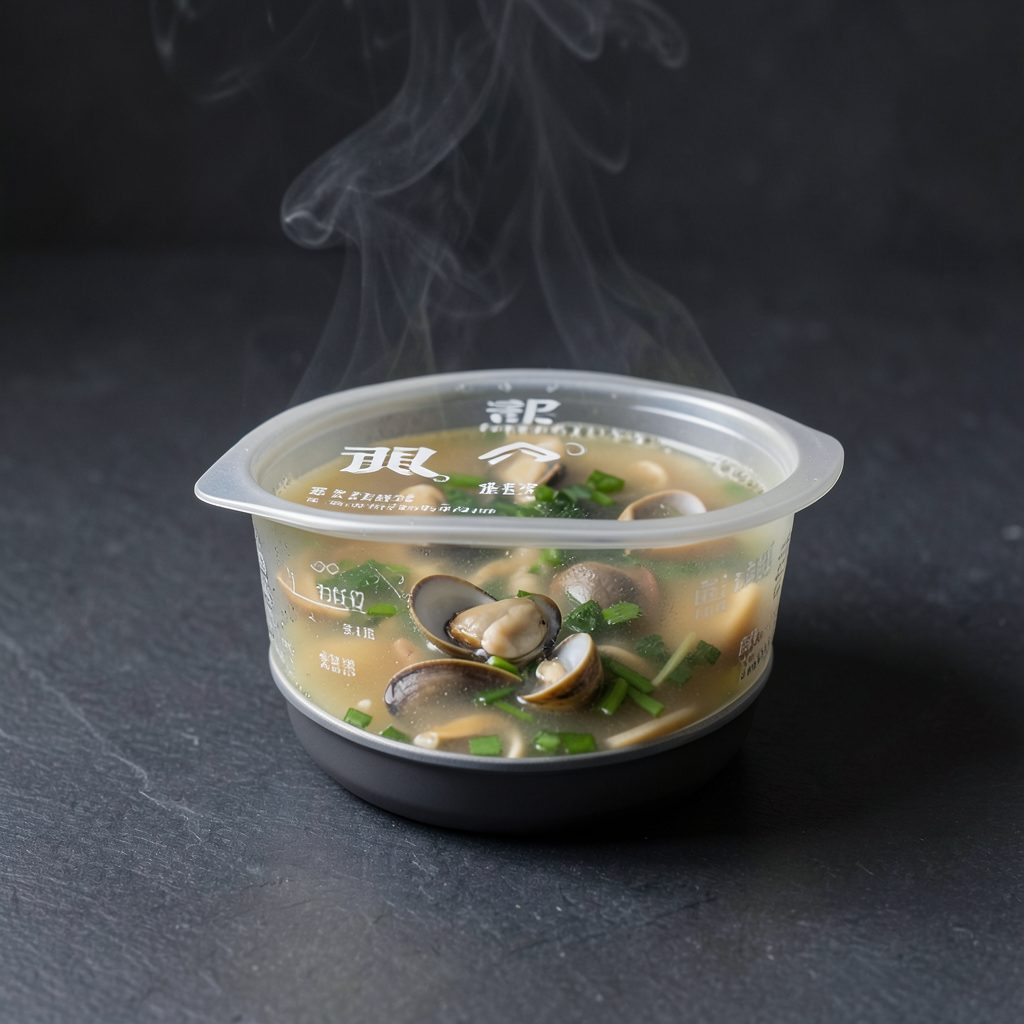
蛤?! Clam Soup Base —卜卜蜆
NT$ —
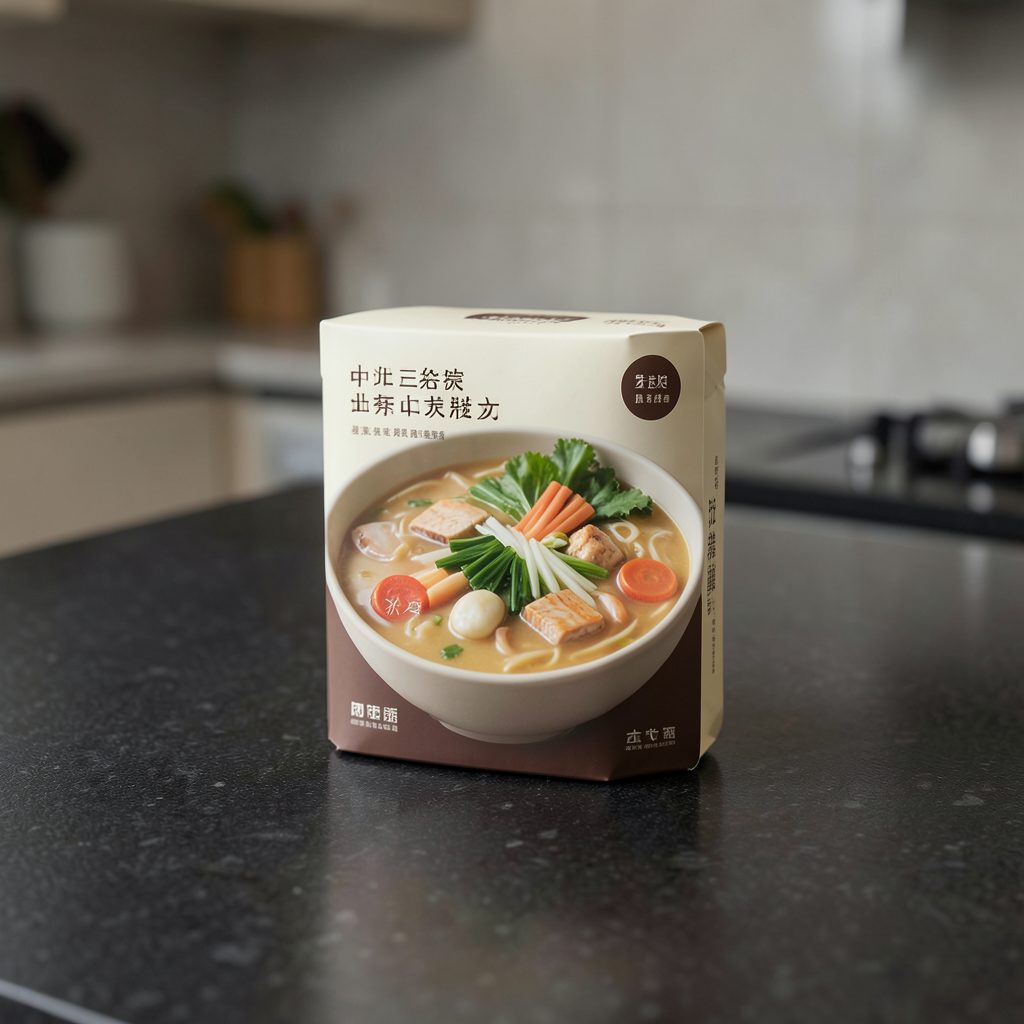
本事滿足鍋物 Personal Pot Base
NT$ —
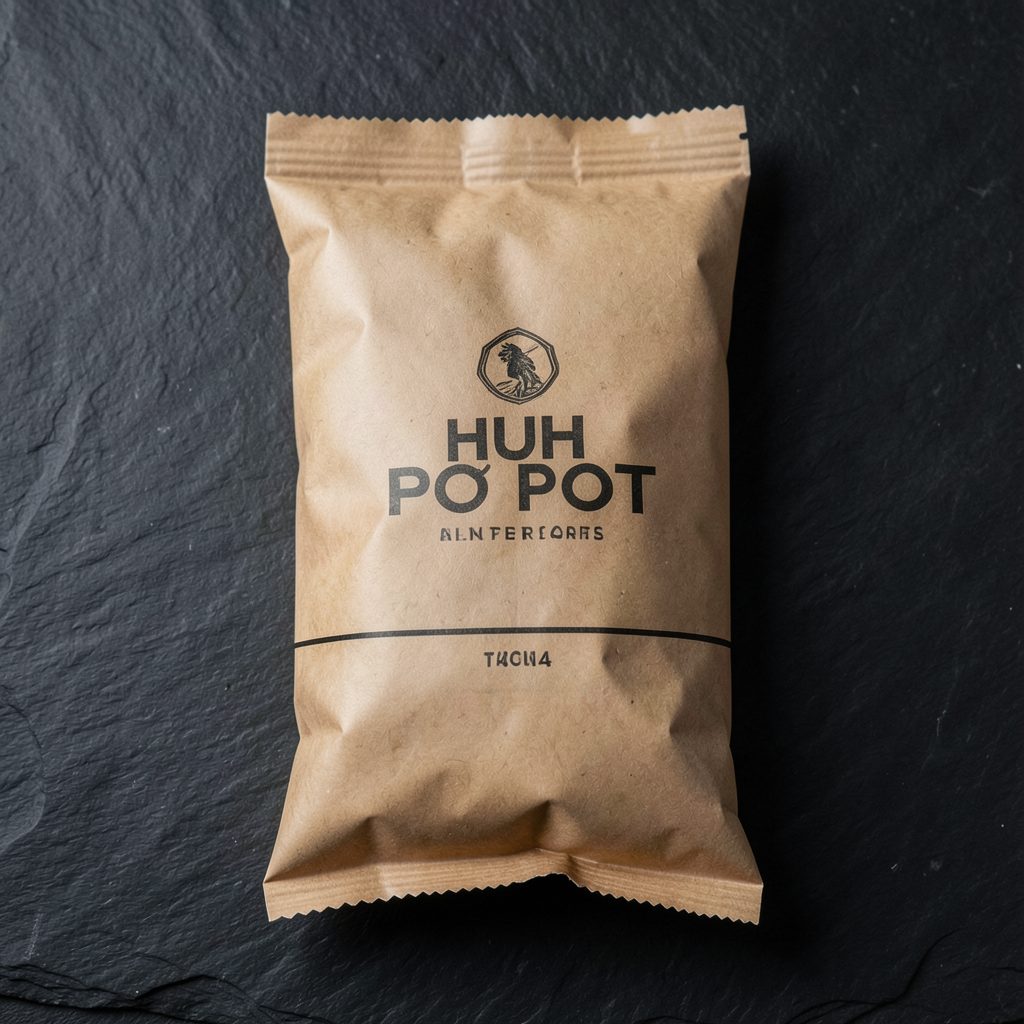
蛤?! Dry Noodles
NT$ —
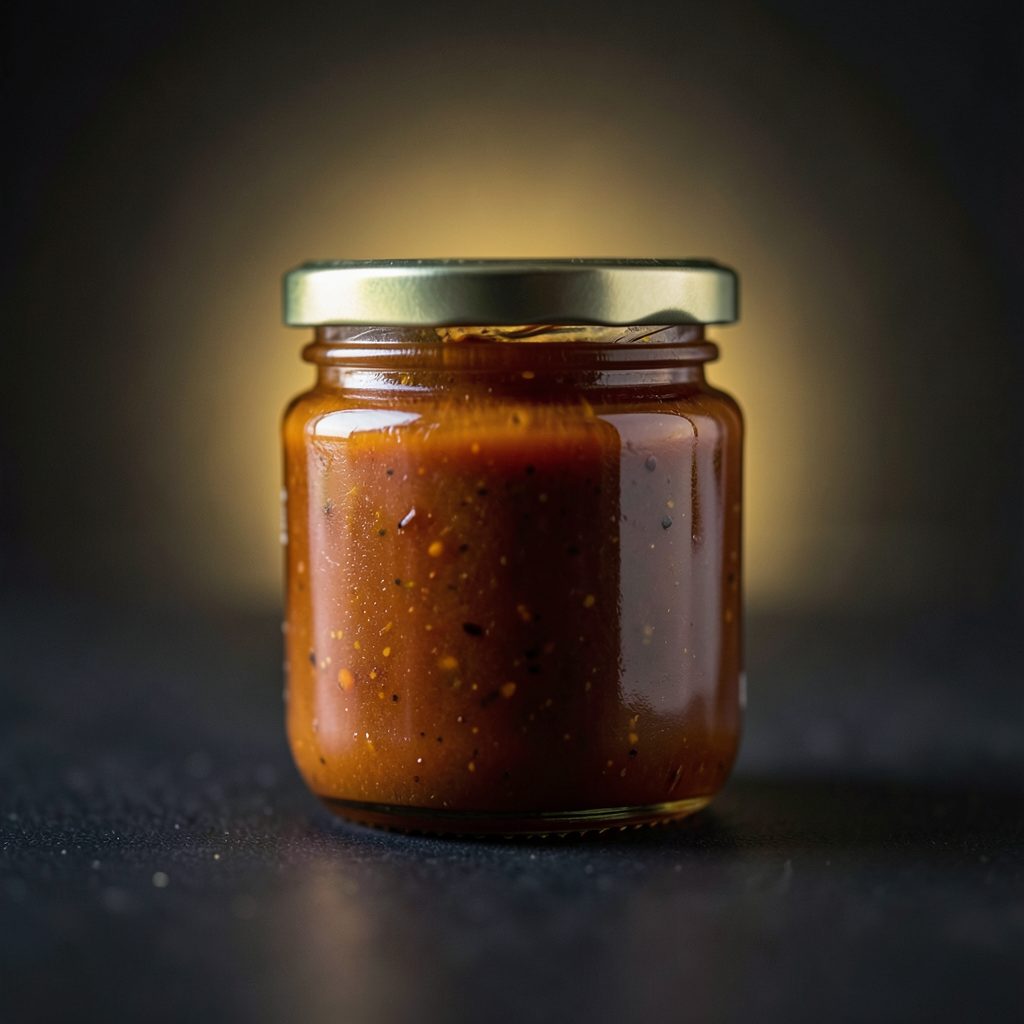
Signature Sauce
NT$ —
New Arrivals
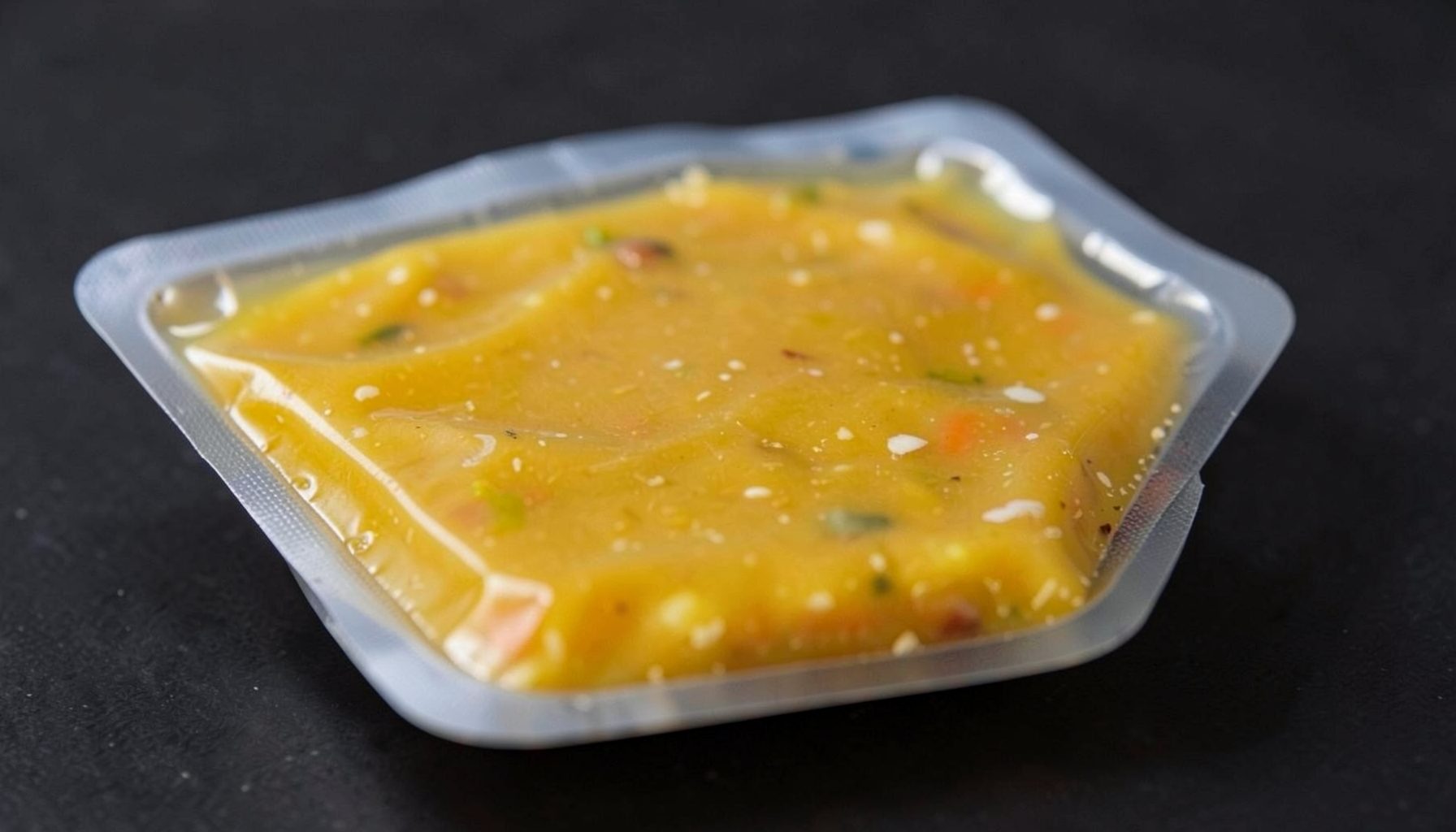
蛤?! Golden Clam Broth — New Batch
NT$ —
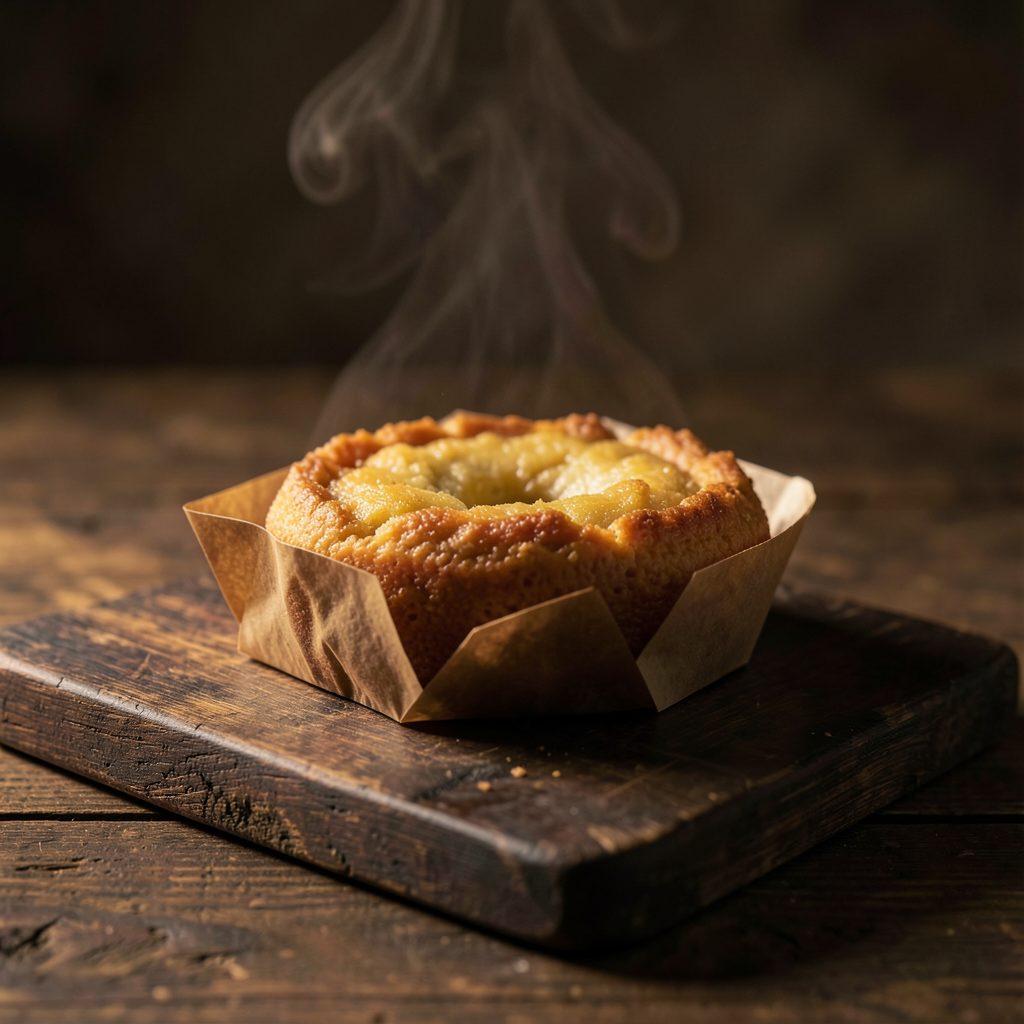
Radish Cake —蘿蔔糕精神
NT$ —
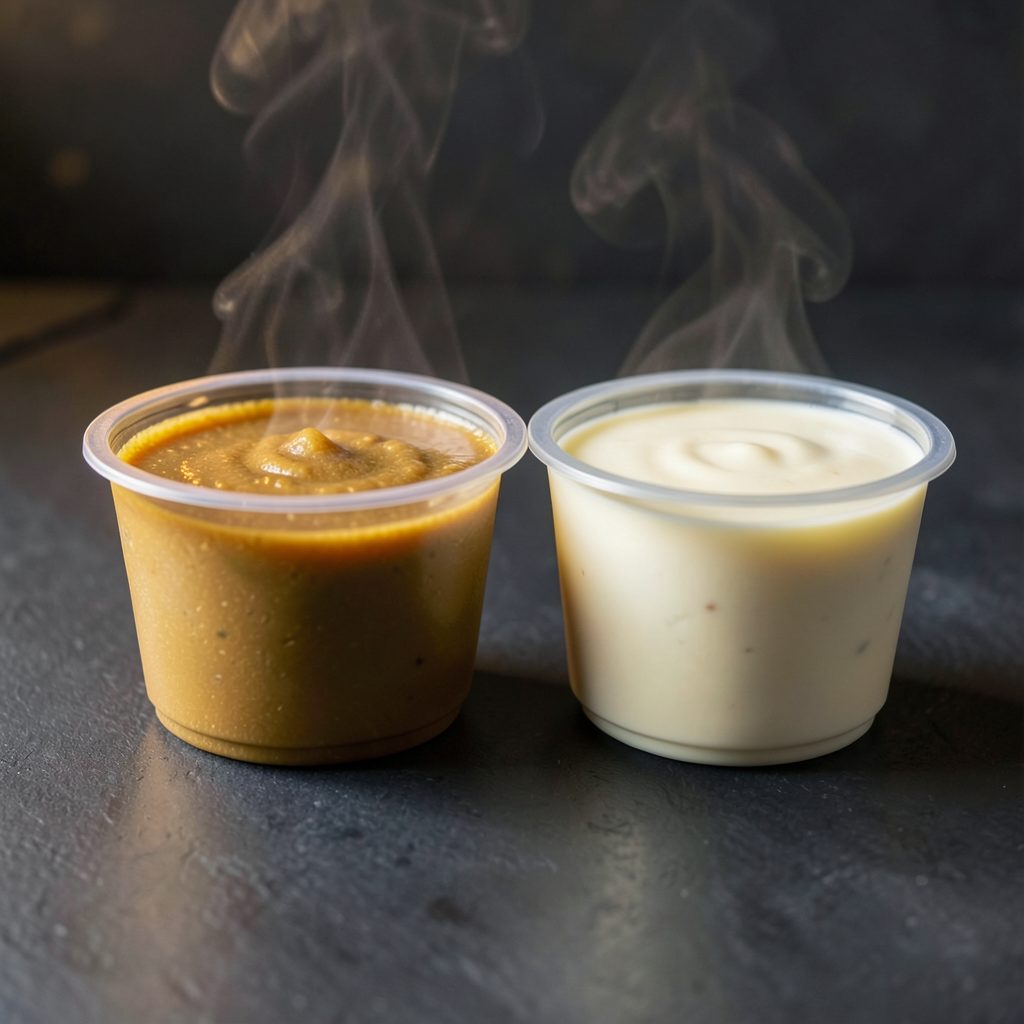
Duo Soup Base Set
NT$ —
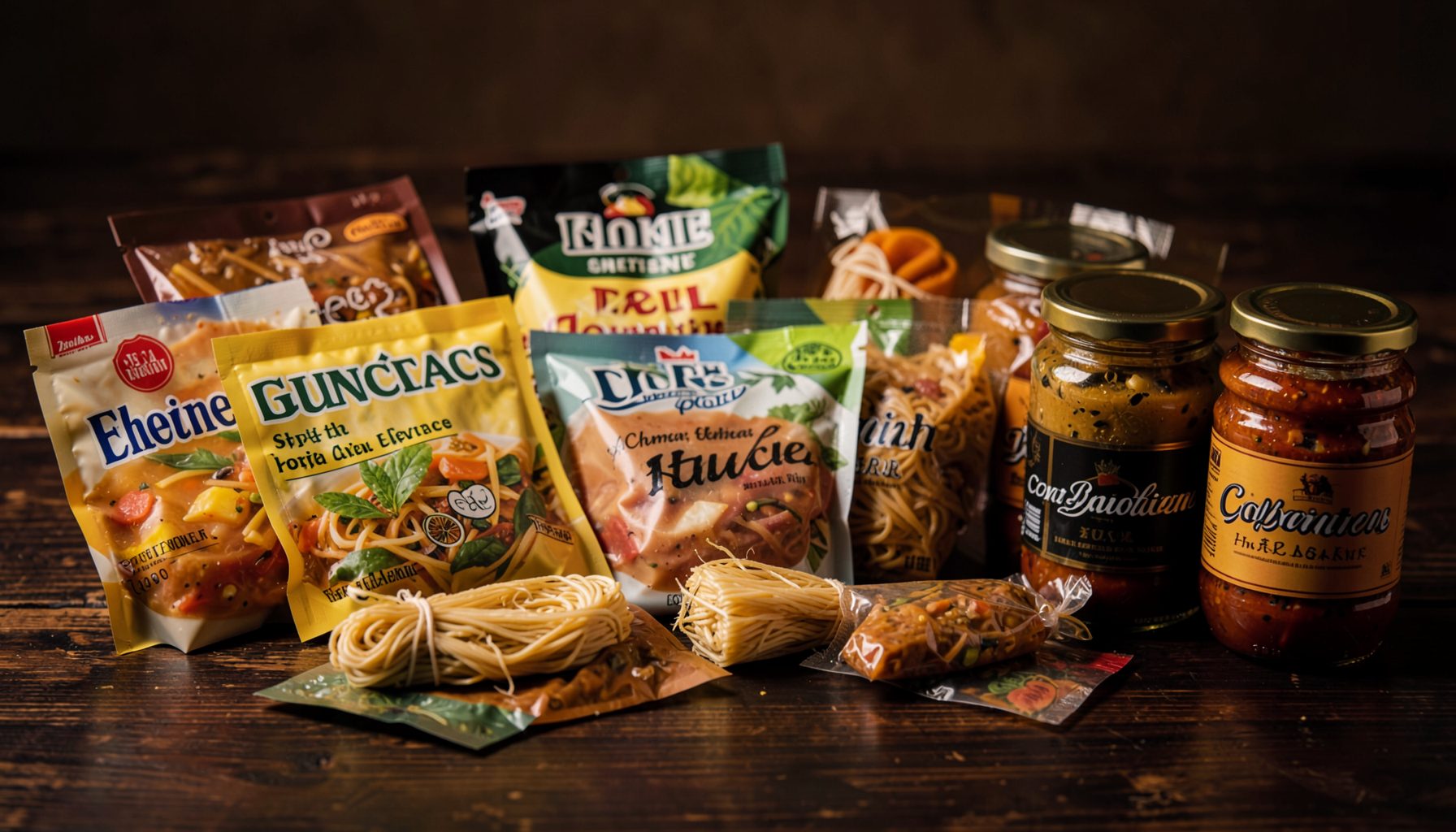
Hot Pot Essentials Bundle
NT$ —
About 蛤?! Huh Pot
蛤?! Huh Pot is a Cantonese-style hot pot brand known for its signature clam-based broth —卜卜蜆 — made with rich old-hen stock and generous portions of fresh clams. The brand also encompasses 本事滿足鍋物, a personal hot pot concept, bringing the same depth of flavor to individual servings.
Through MoneyCome Mart, these restaurant-quality soup bases, dry noodles, radish cakes, and signature sauces are available for home delivery across Taiwan. Restaurant locations in Taipei's Da'an District, Civic Boulevard, and Taichung's Gongyi Road also welcome guests for dine-in, with online reservations available.