Why our noodles stay strong in stir-fries and soups
Many noodle failures happen before the first bite: a delicate strand softens in broth, breaks under a heavy sauce or turns gummy in a hot wok. A Cantonese hot-pot noodle must hold its shape while still accepting flavour.
At MoneyCome Mart, our noodle selection is built around that dual role. We assess bite, strand strength, surface texture and cooking performance alongside broths, clams, sauces and prepared ingredients, so home cooks can assemble a considered meal.
That is why our noodles are sturdy enough for stir-frying and soups. The goal is not hardness; it is a well-set structure that resists overcooking, releases cleanly and carries sauce without collapsing after the first spoonful.
For Australian households, reliability matters amid busy weeknights and the growth of Asian supermarkets in Sydney, Melbourne and Brisbane. Shoppers can find hot-pot ingredients beside everyday frozen meals, but still need clear guidance on handling, timing and quality.
Texture begins with the noodle itself
Good structure starts with flour, water and controlled processing. During rolling or extrusion, starch and gluten form a network; during cooking, starch gelatinises while the protein framework retains cohesion. The result should bend without snapping and soften without becoming paste-like.
Thickness changes the experience. Wide noodles deliver more chew and suit sauce, while finer strands suit broth, but neither fixes poor dough preparation. We select each style for a specific method and check its behaviour after boiling, draining and reheating rather than relying on a generic “noodle” label.
That attention also informs our view of frozen hot-pot standards: a frozen component should preserve the texture and flavour cues of its restaurant counterpart once prepared at home.
Cooking noodles for two kinds of heat
Stir-frying rewards a brief blanch. Boil noodles only until just tender, drain them thoroughly and dry the surface before they enter the wok. The pre-cook removes raw starchiness, while the final toss heats the strands and reduces the sauce without making them soft.
For soup, timing changes. Add noodles close to serving or cook them in broth for only the stated period. Their firm centre and defined strands keep the bowl balanced, while released starch adds body without turning the broth cloudy or gluey.
Treat package times as a maximum, not a target, and taste one strand before adding the rest. Wide noodles for sauce dishes may need a different finish from compact hot-pot noodles, which should remain distinct enough to lift easily with chopsticks.
What creates a resilient bite
Resilience comes from an even sheet, correct hydration, suitable resting and enough starch integrity to resist heat. Some noodle styles also benefit from alkaline treatment, which strengthens the network and gives the cooked strand its springy finish.
Construction method matters elsewhere for the same reason. This comparison of durable construction methods shows how joining techniques alter stiffness; likewise, a noodle’s internal bonds determine whether it stays springy or turns slack.
Handling protects that structure. Open a frozen block only when ready, separate portions gently and do not hold strands underwater for long. Surface moisture dilutes sauce and encourages sticking, whereas draining and tossing just before serving preserves separation.
Cold-chain care protects the texture
Cold-chain packing is part of the product, not an extra promise. Noodles, broths and sauces should arrive frozen or properly chilled according to their type, with temperature changes controlled from warehouse to customer. Freeze the contents promptly and follow the preparation instructions supplied for each pack.
Australian household freezers generally operate around -18°C or colder, which suits long-term storage. Avoid repeated thawing and refreezing: temperature cycling creates ice crystals, dehydrates the surface and can make strands brittle or sticky. Thaw in the refrigerator when required and cook within the stated window.
These habits align with the Australia New Zealand Food Standards Code. FSANZ sets food-safety and labelling standards, while state and territory authorities enforce them. Imported hot-pot products must meet applicable country-of-origin, allergen, date-marking and traceability requirements, so keep the package information and check the label.
Building a meal around the noodles
A sturdy noodle is one part of a hot-pot table. Choose a frozen soup base or clam broth, then add matching sauces, vegetables, seafood and noodles at different stages. Bundles simplify that sequence, while featured and limited-seasonal ingredients suit a weekend family meal.
Turnip cakes provide a crisp contrast. Rather than serving them only as dippers, try pan-frying slices until golden; this turnip cake guide explains how to build them into a more substantial side dish.
The Australian market includes Asian-grocery ranges, chilled noodles at specialist counters and familiar frozen staples at Coles and Woolworths. Households in Sydney, Melbourne and Brisbane can plan around freezer space, smaller city homes and mixed schedules by buying broth for one occasion and noodles in the quantity they will use.
Choosing noodles with confidence
Our catalogue supports complete meals rather than isolated packets. Browse noodles beside soup bases, clam broths, sauces, turnip cakes and seasonal additions. Membership benefits, featured products and bundles help customers compare formats and build a repeatable home hot-pot routine.
- Match wide, chewy noodles to sauce-heavy stir-fries and firmer compact noodles to clear or rich broths.
- Follow the stated cooking time, then test one strand before cooking a whole batch.
- Drain and dry stir-fry noodles thoroughly so sauce clings instead of pooling.
- Keep frozen packs cold and avoid repeated thawing and refreezing.
- Add broth first, proteins and vegetables next, and noodles close to serving.
- Pair noodles with soup base, clam broth, sauce and turnip cake for a complete meal.
Used this way, the noodle becomes a dependable centre of the meal: firm enough for a wok, springy enough for broth and able to carry restaurant-quality flavours from our featured hot-pot ranges without forcing home cooks to improvise.
Best Sellers
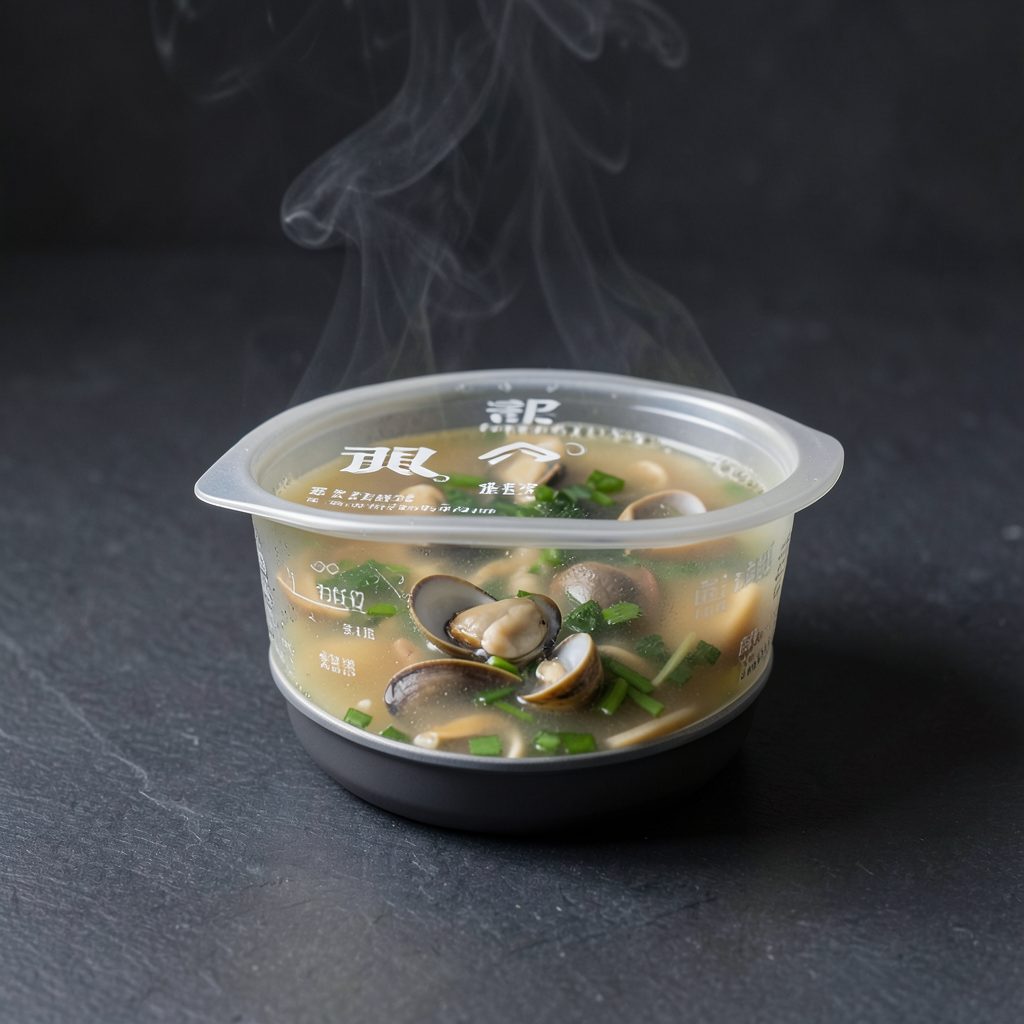
蛤?! Clam Soup Base —卜卜蜆
NT$ —
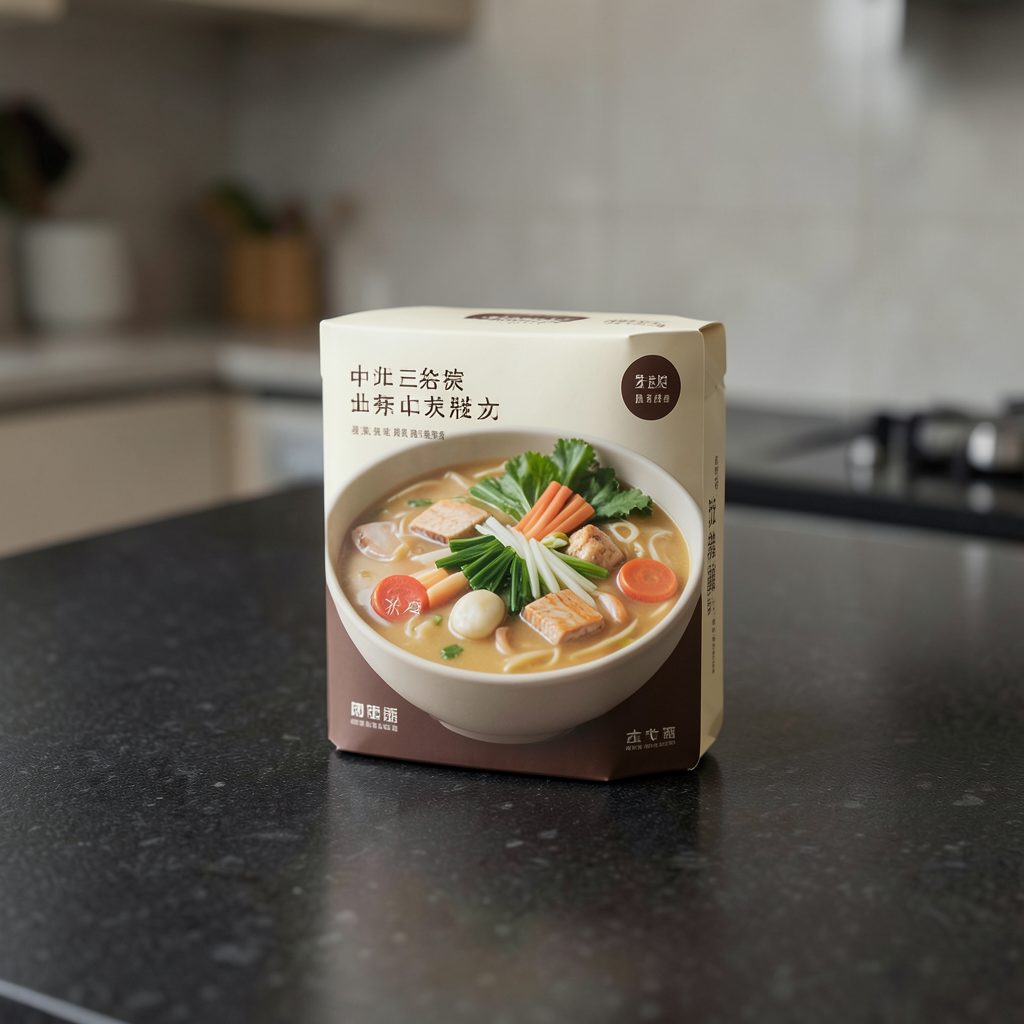
本事滿足鍋物 Personal Pot Base
NT$ —
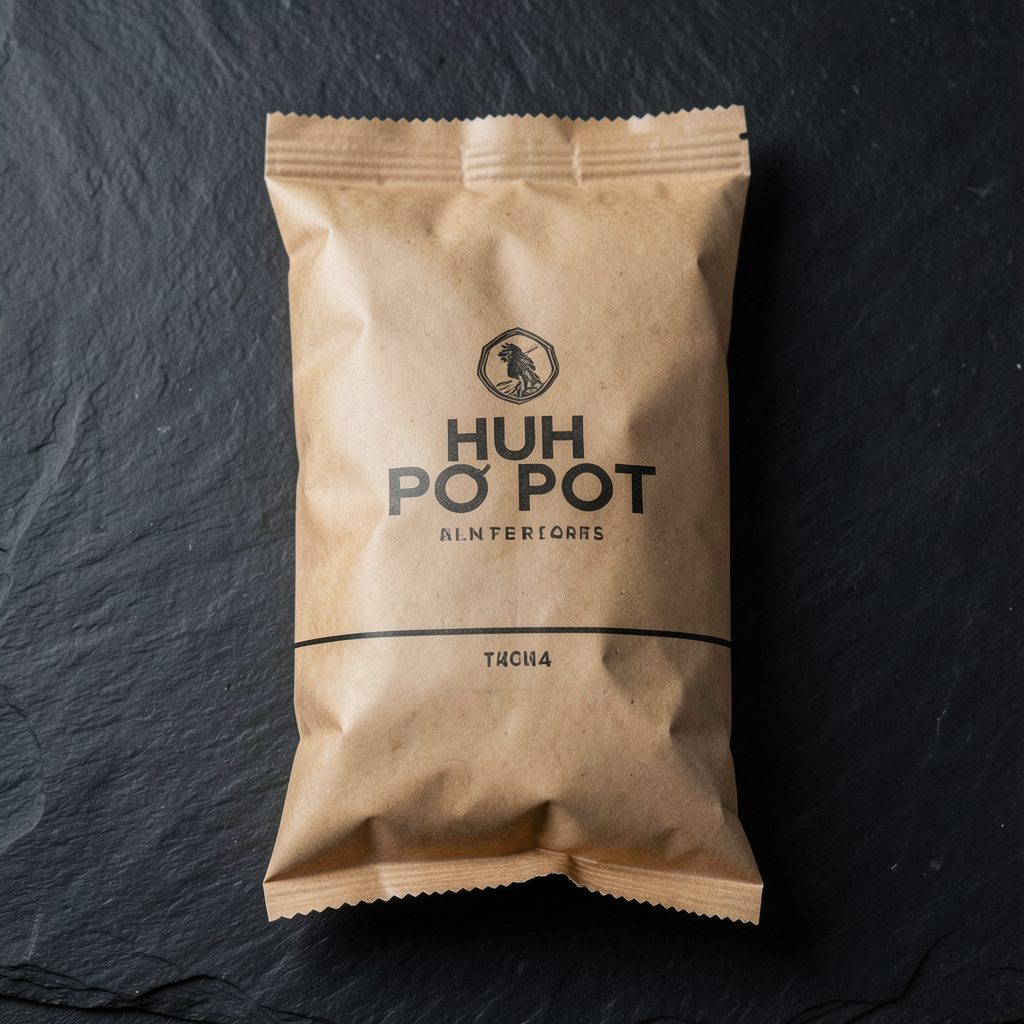
蛤?! Dry Noodles
NT$ —
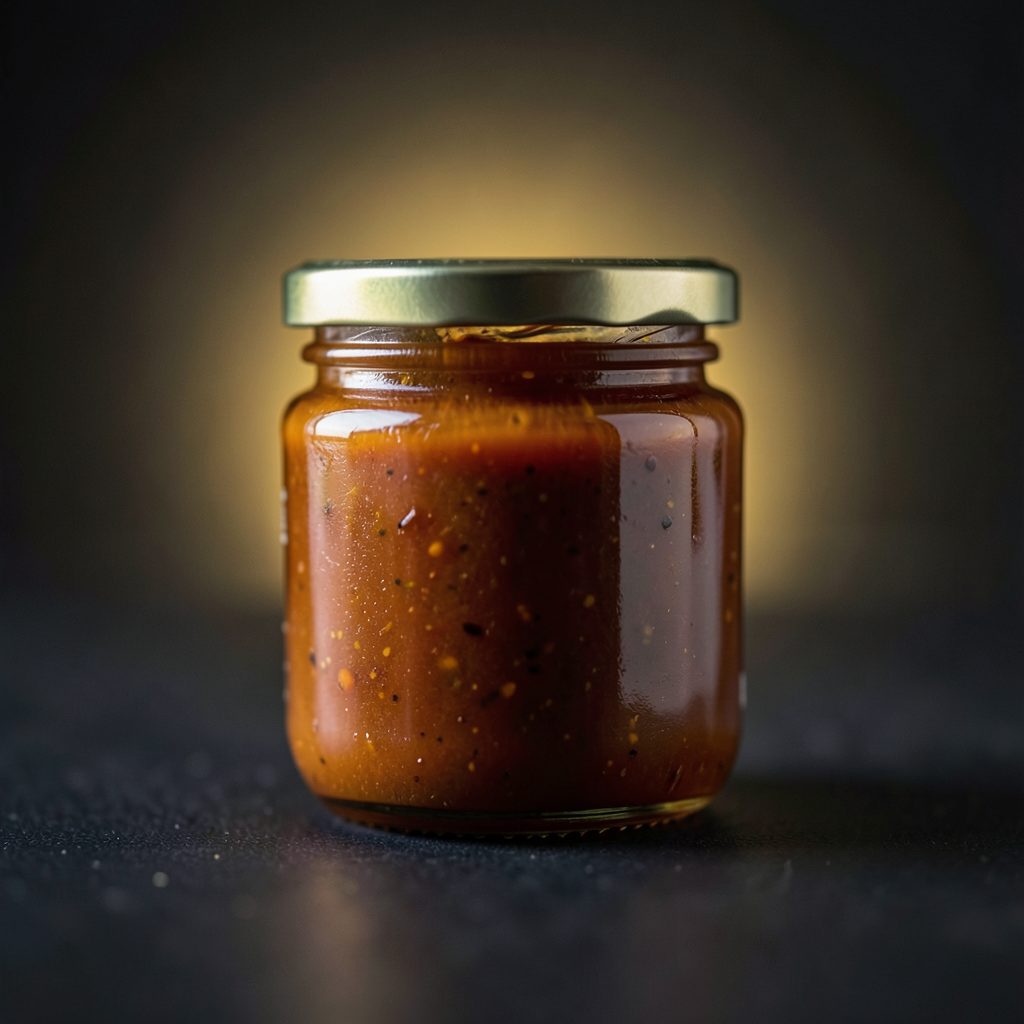
Signature Sauce
NT$ —
New Arrivals
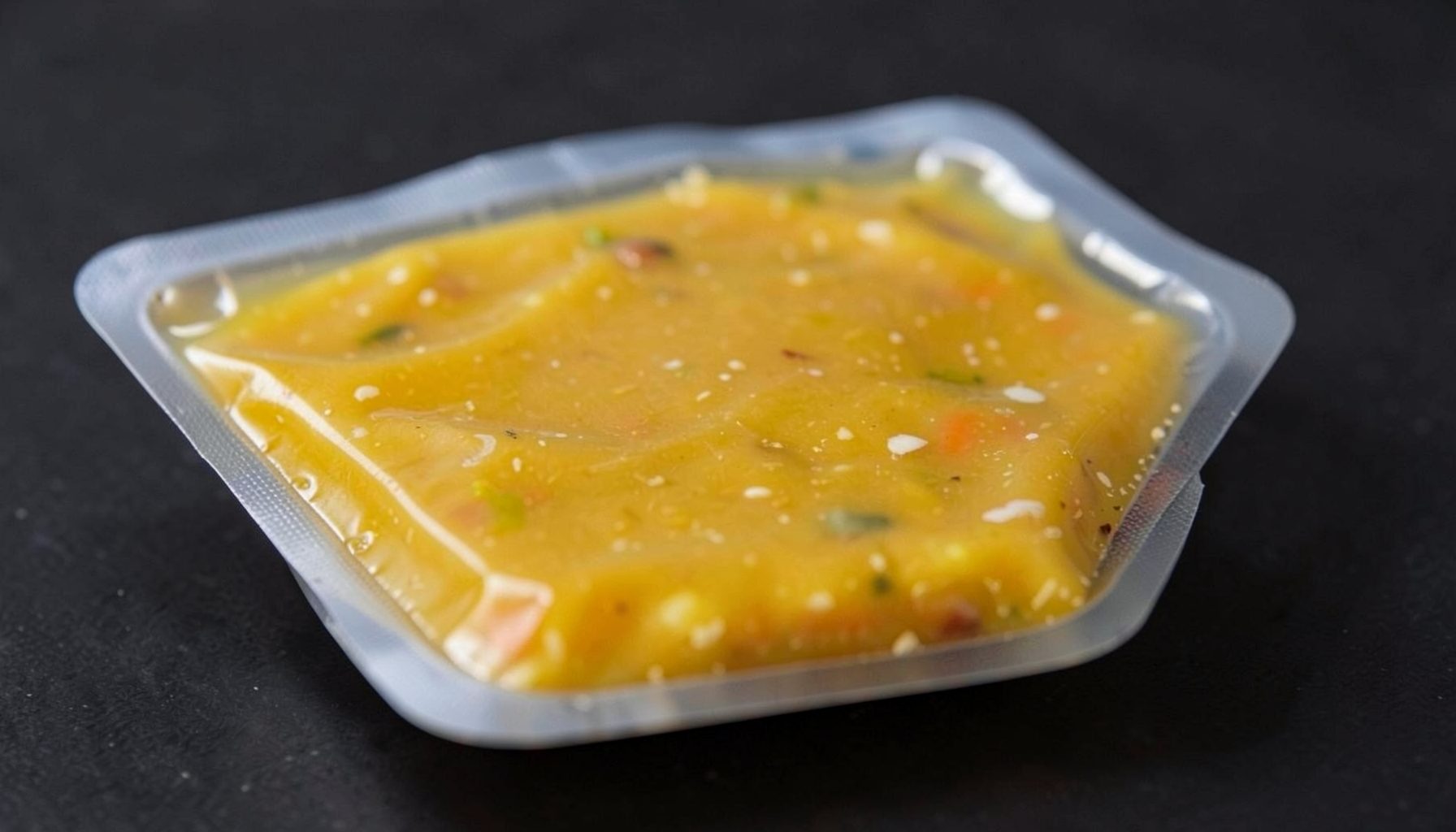
蛤?! Golden Clam Broth — New Batch
NT$ —
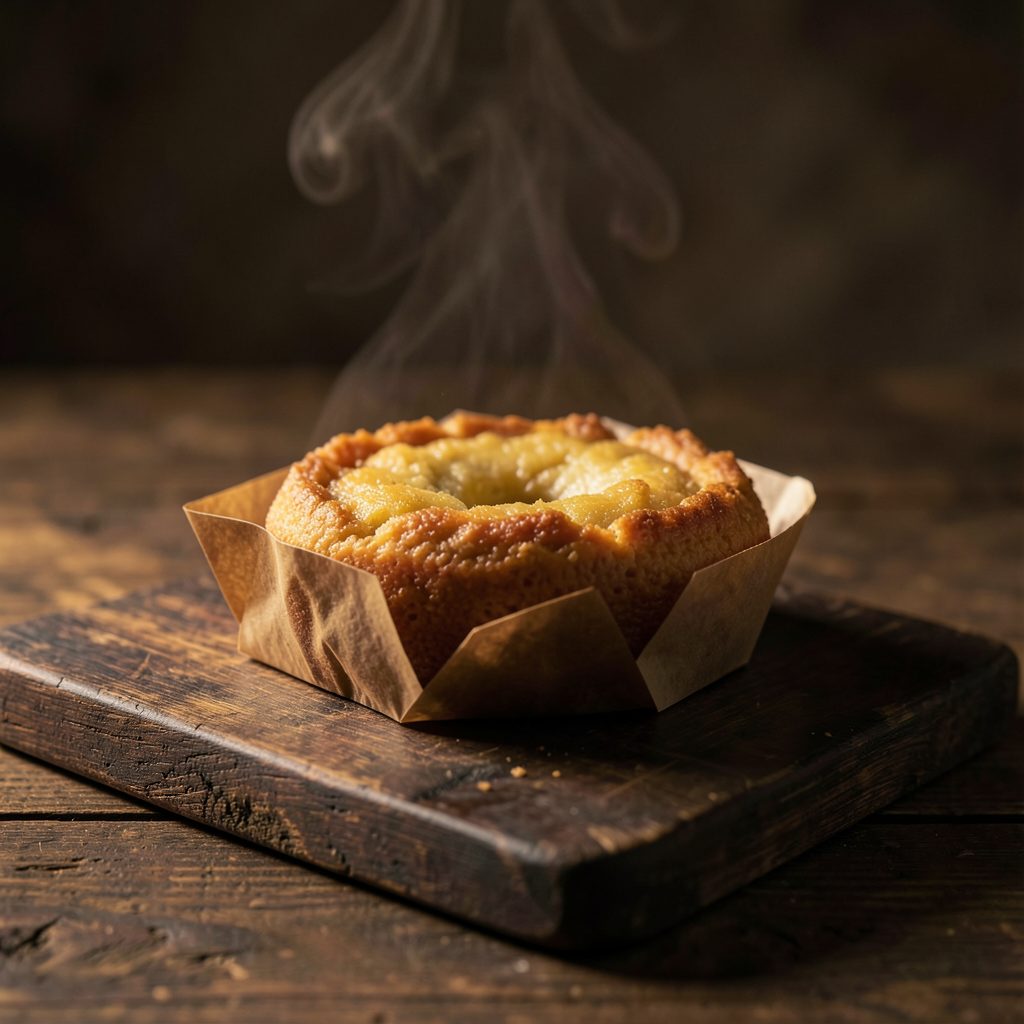
Radish Cake —蘿蔔糕精神
NT$ —
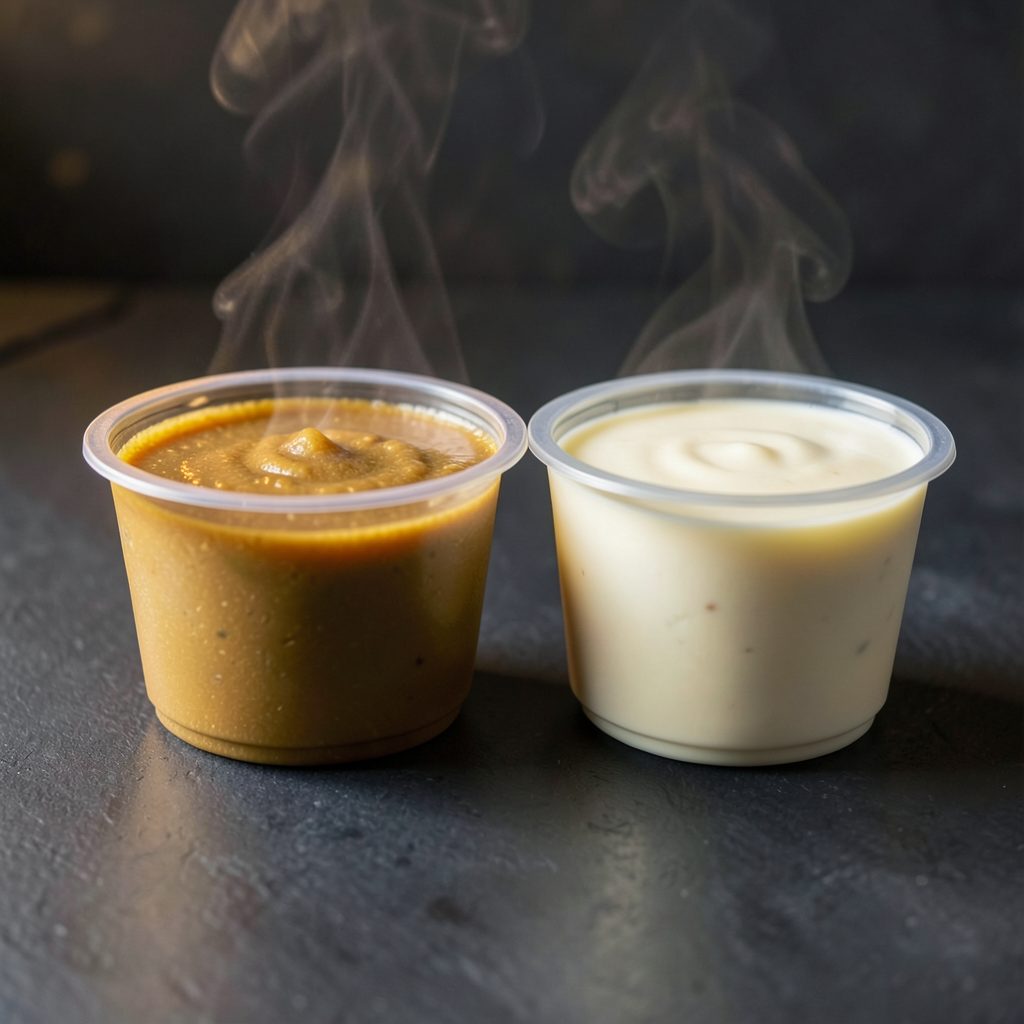
Duo Soup Base Set
NT$ —
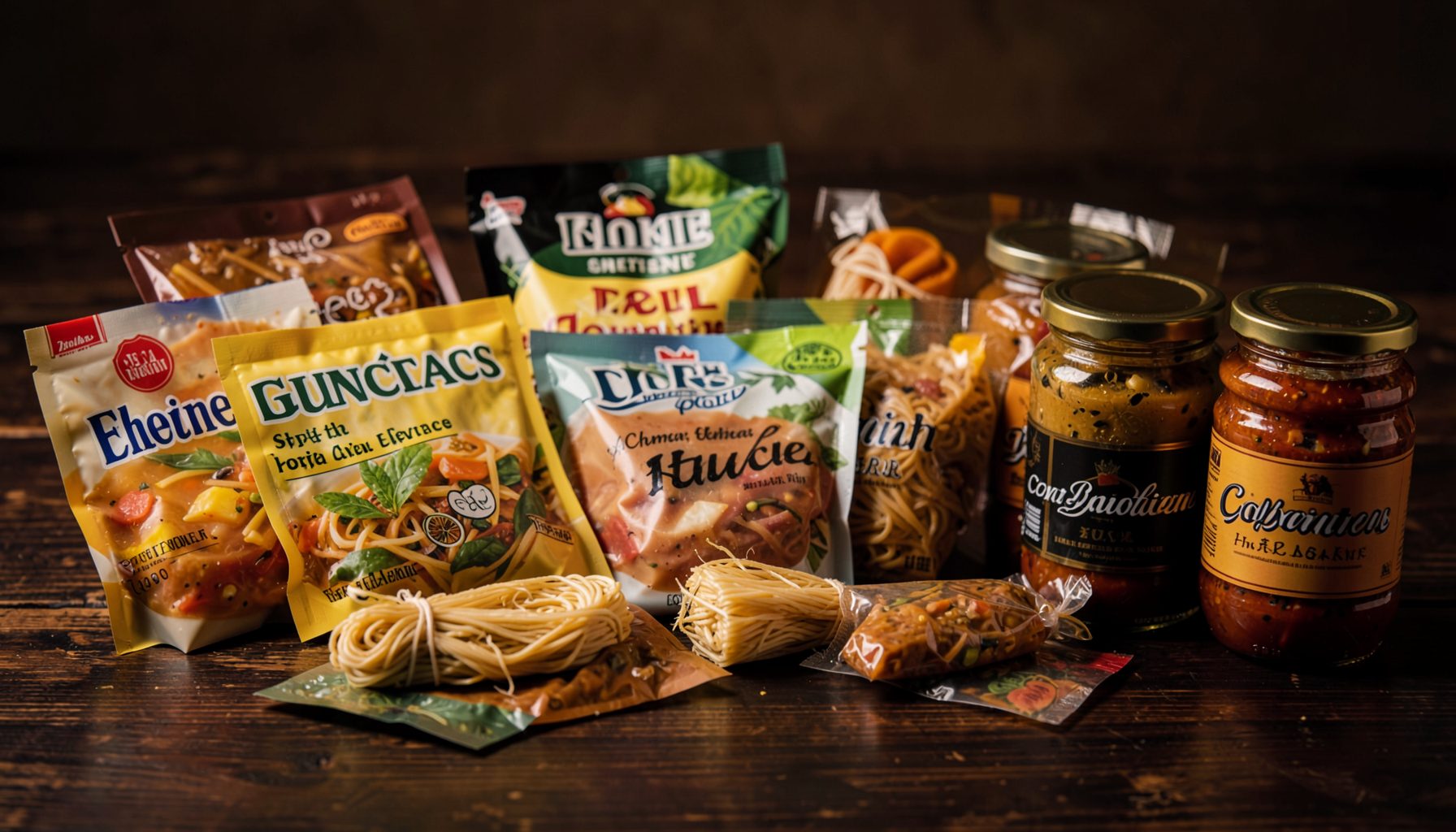
Hot Pot Essentials Bundle
NT$ —
About 蛤?! Huh Pot
蛤?! Huh Pot is a Cantonese-style hot pot brand known for its signature clam-based broth —卜卜蜆 — made with rich old-hen stock and generous portions of fresh clams. The brand also encompasses 本事滿足鍋物, a personal hot pot concept, bringing the same depth of flavor to individual servings.
Through MoneyCome Mart, these restaurant-quality soup bases, dry noodles, radish cakes, and signature sauces are available for home delivery across Taiwan. Restaurant locations in Taipei's Da'an District, Civic Boulevard, and Taichung's Gongyi Road also welcome guests for dine-in, with online reservations available.