What makes Cantonese hot pot different from Sichuan or Japanese styles
Hot pot is a shared meal across East Asia, but the cooking liquid, ingredients, and rhythm at the table can vary dramatically. Cantonese hot pot tends to emphasize clean seafood flavors, gentle broths, fresh produce, and carefully balanced dipping sauces rather than intense heat or heavy seasoning.
Sichuan hot pot is famous for chili oil, numbing Sichuan peppercorns, and a powerful mala profile. Japanese styles such as shabu-shabu and oden usually focus on delicate dashi, thinly sliced ingredients, and restrained seasoning. Cantonese soup hot pot occupies a distinctive middle ground: comforting, aromatic, and ingredient-focused.
For home cooks in Taiwan, the differences matter when choosing a soup base, shopping for hot pot ingredients, or planning a meal that suits the whole table. With cold-chain delivery and prepared ingredients, MoneyCome Mart makes it easier to recreate restaurant-style Cantonese flavors without hours of preparation.
The character of Cantonese hot pot
Cantonese hot pot usually begins with a clear or lightly seasoned broth. Common foundations include chicken, pork, seafood, clam, mushroom, or vegetable stock. The aim is to create a flavorful cooking medium that supports the ingredients instead of covering them.
This approach gives diners room to taste the natural sweetness of prawns, fish, clams, leafy greens, tofu, and mushrooms. A Cantonese broth may become richer as ingredients cook, but it generally remains smooth and balanced rather than fiery or aggressively spiced.
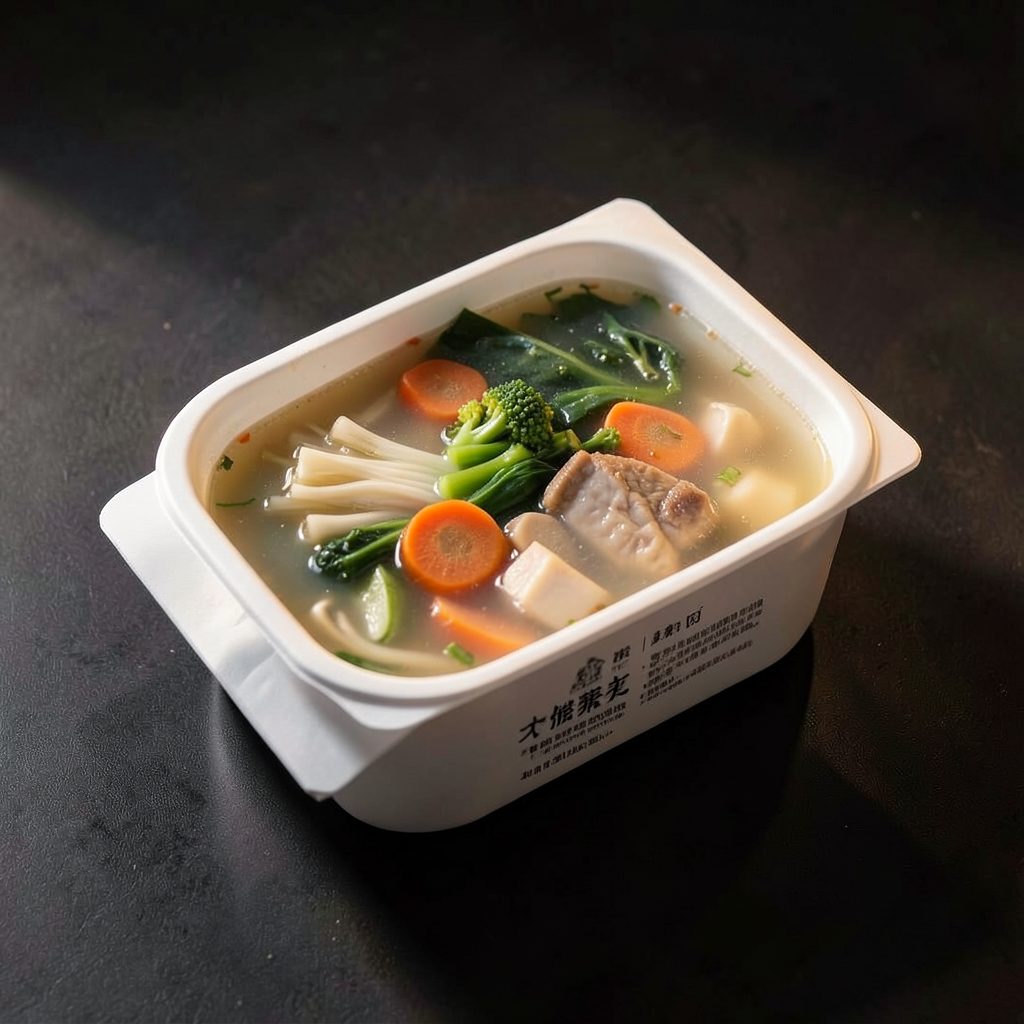
A meal from the Huh Pot kitchen reflects this style through approachable soup bases and prepared foods designed for home cooking. The result is a communal meal that feels generous without becoming overwhelming.
Sichuan hot pot brings heat and intensity
Sichuan hot pot follows a very different flavor path. Its signature broth often combines dried chilies, chili oil, fermented bean paste, garlic, ginger, and Sichuan peppercorns. These ingredients create mala, a combination of spicy heat and a tingling, slightly numbing sensation.
Many Sichuan restaurants offer a divided pot, allowing diners to pair a fiery broth with a mild one. Thinly sliced beef, tripe, duck blood, tofu, mushrooms, and potato slices are common choices because they absorb the spicy, aromatic soup.
The dipping sauce is often simpler because the broth carries so much flavor. Sesame oil, oyster sauce, garlic, coriander, or chopped scallions may cool and round out the heat. Compared with Cantonese hot pot, the Sichuan experience is bolder, more fragrant, and more focused on spice.
Japanese styles favor precision and restraint
Japanese shabu-shabu typically uses kombu dashi or another light stock. Ingredients are sliced thinly so they cook in seconds, then dipped in ponzu or sesame sauce. The broth remains subtle, allowing diners to notice the texture and quality of beef, pork, tofu, mushrooms, and vegetables.
Sukiyaki is sweeter and more intensely seasoned, using soy sauce, sugar, and mirin. Oden takes a slower approach, gently simmering items such as daikon, fish cakes, konjac, and eggs in a seasoned dashi. These dishes share the communal cooking concept but differ in broth strength and preparation speed.
Compared with Japanese nabe, Cantonese hot pot often offers a wider variety of soup bases and dipping sauces. It also welcomes a broader mix of seafood, noodles, dumplings, leafy greens, and prepared side dishes.
Broth, ingredients, and table customs
The easiest way to compare the three traditions is to look at how each one balances broth, cooking ingredients, and sauces.
| Style | Typical broth | Common flavor profile | Popular ingredients | Dipping approach |
|---|---|---|---|---|
| Cantonese | Chicken, clam, seafood, mushroom, or vegetable | Clean, savory, gently aromatic | Seafood, greens, tofu, noodles, dumplings, turnip cakes | Soy, sesame, garlic, scallion, chili, or house blends |
| Sichuan | Chili oil, stock, fermented bean paste, spices | Hot, numbing, fragrant, deeply seasoned | Beef, tripe, tofu, mushrooms, potato, duck blood | Sesame oil, garlic, coriander, oyster sauce |
| Japanese | Kombu dashi, light soy, or sweet soy broth | Delicate, umami-rich, sometimes sweet | Thin-sliced meat, tofu, mushrooms, cabbage, fish cakes | Ponzu, sesame sauce, grated radish |
Cantonese cooking also makes room for items that are comforting and filling between bites of seafood or meat. Noodles, rice cakes, dumplings, and turnip cakes can transform a pot from a tasting experience into a complete family dinner.
Turnip cake is especially useful because it has a soft, savory interior and a satisfying texture after warming in the broth or browning separately. This explains why seasonal turnip cakes appear in selected Cantonese hot pot bundles.
Building a balanced home hot pot
Start with one soup base that matches the group’s preferences. A clam broth works well with seafood and vegetables, while a richer chicken or mushroom base pairs with noodles, tofu, dumplings, and sliced meat. If diners prefer different levels of seasoning, a divided pot can provide flexibility.
Add ingredients in stages according to cooking time. Begin with items that need longer simmering, such as daikon, corn, fish balls, and firm tofu. Follow with seafood, meat, leafy greens, and noodles. This keeps delicate ingredients from becoming overcooked and lets the broth develop gradually.
Sauces give each diner control over the final flavor. A Cantonese-style dipping bowl might combine soy sauce, sesame oil, minced garlic, scallions, and a small amount of chili. Keeping the sauce balanced preserves the clean taste of the broth.
Practical choices for a Cantonese spread
A well-planned hot pot does not need dozens of ingredients. Choose a few items from each category so the table feels varied without creating unnecessary waste.
- Pair a clam or seafood broth with prawns, fish slices, clams, and leafy greens.
- Add noodles, tofu, dumplings, or turnip cakes for texture and substance.
- Prepare two dipping sauces, such as a savory sesame blend and a lighter soy-garlic mixture.
- Cook ingredients in small batches to keep the broth clear and the textures fresh.
Cold-chain delivery is particularly valuable for seafood, frozen soup bases, and prepared foods. It allows households to keep restaurant-quality components ready for a spontaneous weekend meal, family gathering, or seasonal celebration.
Cantonese hot pot stands apart through its quiet confidence: fresh ingredients, carefully made broth, and flexible seasoning create the experience. Explore MoneyCome Mart’s Cantonese hot pot selections, choose a soup base and a few complementary ingredients, and bring a warm shared meal to your table with minimal preparation.
Best Sellers
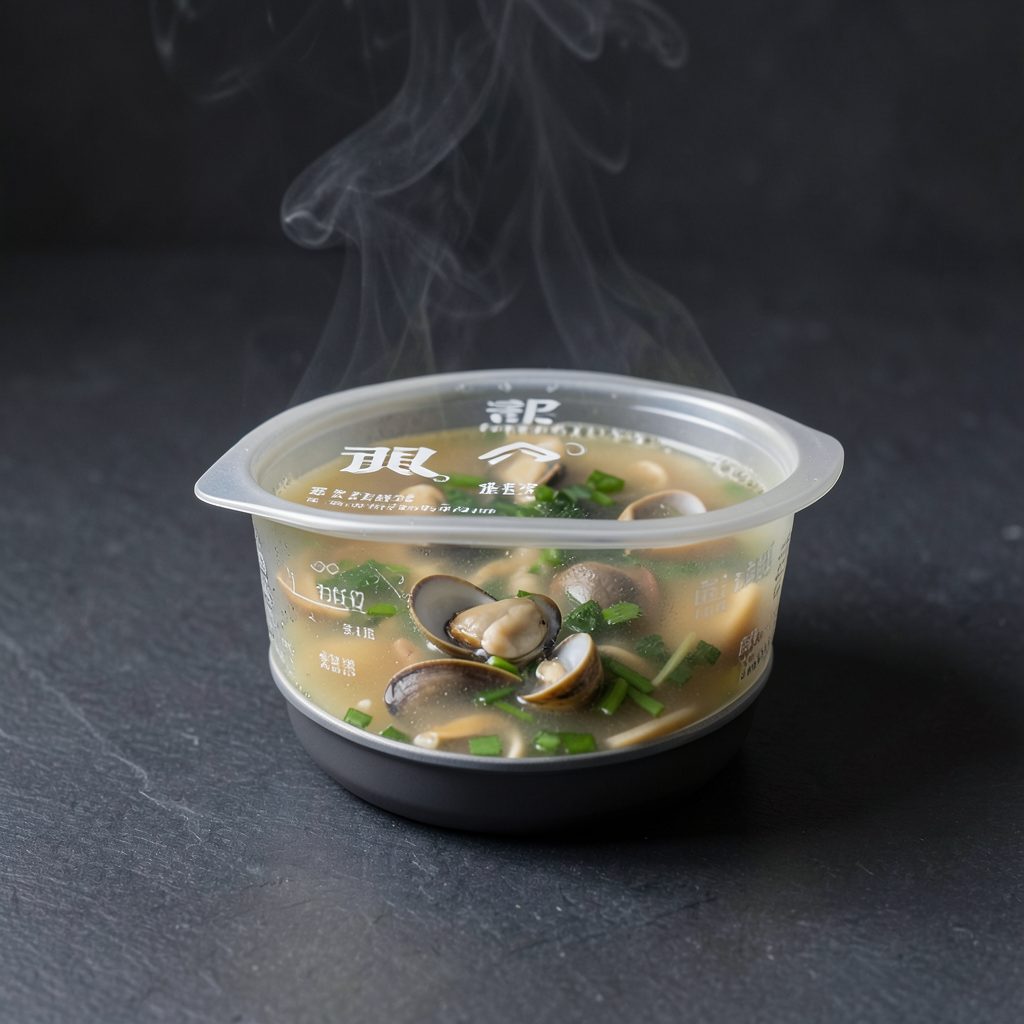
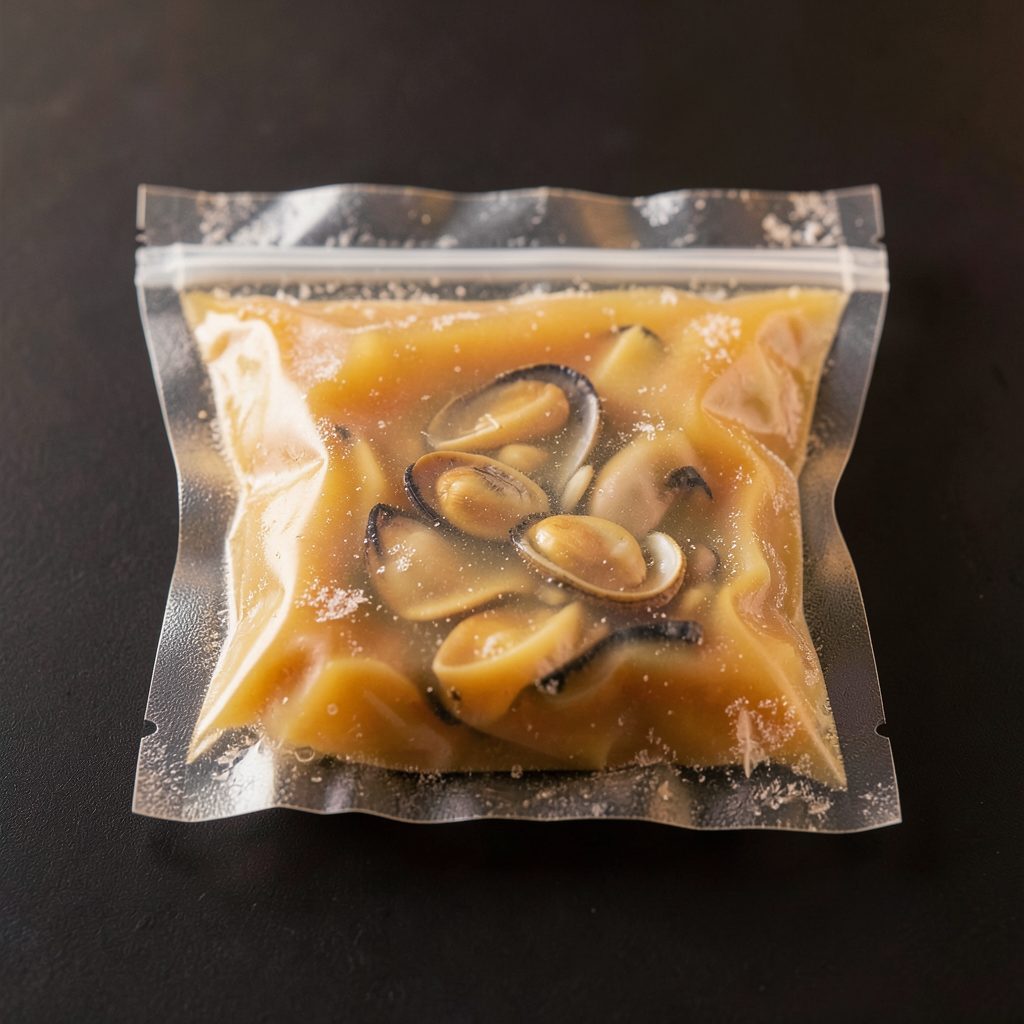
蛤?! Clam Soup Base —卜卜蜆
NT$ —
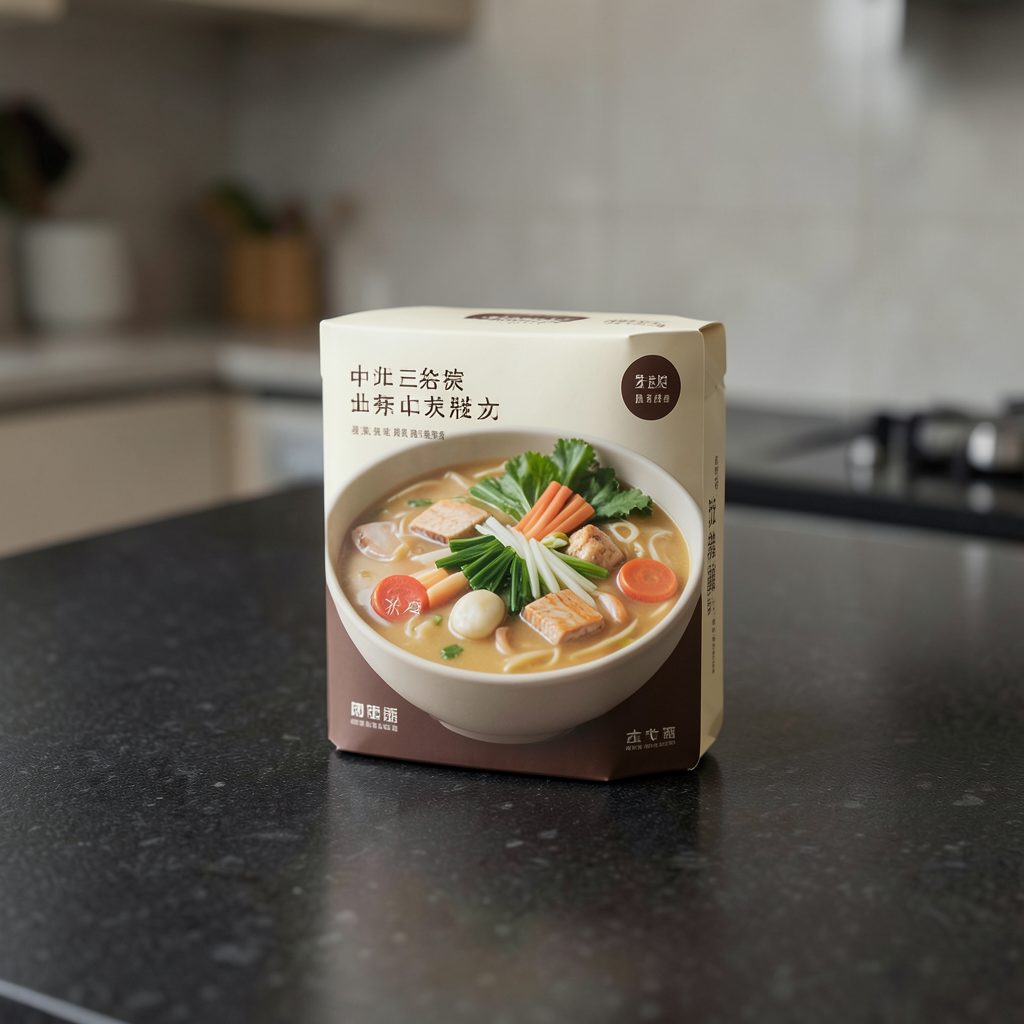
本事滿足鍋物 Personal Pot Base
NT$ —
蛤?! Dry Noodles
NT$ —
Signature Sauce
NT$ —
New Arrivals
蛤?! Golden Clam Broth — New Batch
NT$ —
Radish Cake —蘿蔔糕精神
NT$ —
Duo Soup Base Set
NT$ —
Hot Pot Essentials Bundle
NT$ —
About 蛤?! Huh Pot
蛤?! Huh Pot is a Cantonese-style hot pot brand known for its signature clam-based broth —卜卜蜆 — made with rich old-hen stock and generous portions of fresh clams. The brand also encompasses 本事滿足鍋物, a personal hot pot concept, bringing the same depth of flavor to individual servings.
Through MoneyCome Mart, these restaurant-quality soup bases, dry noodles, radish cakes, and signature sauces are available for home delivery across Taiwan. Restaurant locations in Taipei's Da'an District, Civic Boulevard, and Taichung's Gongyi Road also welcome guests for dine-in, with online reservations available.