Naturally thicker hot pot broth at home
A well-made hot pot broth should cling lightly to vegetables, noodles, and slices of meat without becoming heavy or pasty. The best texture often comes from ordinary ingredients rather than commercial thickeners, giving the soup a fuller mouthfeel while preserving its Cantonese character.
Natural thickening also improves how flavors travel through the pot. A concentrated stock carries aromatics more evenly, while starch released from noodles or root vegetables adds body gradually. This makes it easier to adjust the broth during a relaxed meal at home.
With a few simple techniques, frozen soup bases, clam broths, sauces, and prepared ingredients can become a restaurant-style hot pot experience. The key is to add richness in stages and avoid overpowering the delicate flavors of seafood or vegetables.
Start with a concentrated base
The simplest way to create a thicker broth is to begin with less water than the package suggests, then dilute gradually as the soup simmers. This concentrates the original stock before ingredients release their own juices. If the broth becomes too intense, add hot water in small amounts rather than weakening it all at once.
A long, gentle simmer also helps. Keep the liquid just below a rolling boil so fats, proteins, and natural gelatin can blend smoothly. If using chicken feet, pork bones, seafood shells, or a collagen-rich soup base, skim excess foam early but leave a small amount of natural fat for flavor and texture.
Use vegetables for natural body
Root vegetables are especially useful because they soften and release starch into the cooking liquid. Sliced potatoes, pumpkin, taro, daikon, and turnip can create a subtle thickness without changing the broth into a heavy stew. Add firmer vegetables earlier, allowing them time to break down around the edges.
Mushrooms contribute a different kind of richness. Shiitake, king oyster, and enoki mushrooms release savory compounds that make the broth feel fuller, even when they add little starch. For a sweeter Cantonese profile, include napa cabbage, corn, or onion and let them simmer before adding delicate seafood.
Turnip cake can also complement a savory dipping setup, especially when served with condiments that bring acidity and spice. These turnip cake sauces offer ideas for extending the flavor beyond plain soy sauce without making the main broth overly salty.
Add starches with a light hand
Noodles are one of the easiest natural thickening ingredients because wheat, rice, and sweet potato varieties release starch as they cook. Add them after the broth has developed its main flavor, and stir occasionally to prevent sticking. If you want a clearer soup, cook noodles separately and add them to individual bowls instead.
Corn kernels, mashed pumpkin, and finely grated potato can provide a gentle creamy texture. Start with a small quantity and wait several minutes before adding more, since starch continues to expand as the liquid rests. Avoid crushing every vegetable in the pot; a mixture of soft pieces and clear broth gives the best contrast.
| Natural ingredient | Texture it adds | Best timing | Flavor effect |
|---|---|---|---|
| Pumpkin | Smooth and creamy | Early to medium simmer | Mild sweetness |
| Potato | Soft, lightly starchy body | Medium simmer | Neutral and filling |
| Taro | Dense, silky thickness | Early simmer | Earthy and rich |
| Noodles | Gradual starchiness | Near serving time | Savory and satisfying |
| Napa cabbage | Light body and moisture | Medium simmer | Sweet and delicate |
| Mushrooms | Fuller savory impression | Early simmer | Umami depth |
Build richness with protein and seafood
Protein choices can naturally change the texture of hot pot soup. Thinly sliced beef and pork release savory juices, while meatballs and dumplings add a small amount of starch and fat from their fillings. Add these in batches so the broth does not become cloudy or greasy too quickly.
Seafood requires more control. Clams, shrimp, fish slices, and squid cook quickly and can lose their clean flavor if left simmering for too long. Add them toward the end, then taste before seasoning. Clam broth is particularly useful when you want a rounded, oceanic base without relying on cream or flour.
Keep seasoning balanced
A thick broth makes salt, soy sauce, fermented bean paste, and chili more noticeable. Season in small additions, tasting after each one. If the soup feels too salty, add unsalted stock, water, napa cabbage, or tofu rather than trying to mask the flavor with sugar.
Acidity can also sharpen a broth that has become dense. A few drops of rice vinegar, citrus juice, or pickled vegetable brine can restore freshness. Add acidic ingredients to individual bowls when possible, since they may alter the entire pot and affect seafood or delicate soup bases.
Finish with a practical cooking routine
For consistent results, prepare the pot in layers: concentrate the base first, simmer firm vegetables next, add proteins after the broth tastes rounded, and finish with noodles or seafood. This sequence allows natural starches and juices to build without turning every ingredient soft at the same time.
Leftover broth often thickens further after chilling because fats and gelatin set. Reheat it gently with a splash of water, then add fresh greens or noodles. A useful guide to leftover broth noodles shows how yesterday’s soup can become a satisfying next-day meal while keeping its flavor balanced.
Simple habits for better broth
- Simmer the base before adding quick-cooking ingredients.
- Use pumpkin, potato, taro, or napa cabbage for gradual natural thickening.
- Add noodles near the end to control starch release.
- Taste before adding salty sauces, especially after seafood cooks.
- Keep hot water or unsalted stock nearby for easy adjustments.
A naturally thick hot pot broth should feel smooth, savory, and easy to drink rather than dense or gluey. Choose a quality soup base, build flavor patiently, and let each ingredient contribute its own texture. Browse MoneyCome Mart’s Cantonese hot pot selections to bring cold-chain delivered broth, noodles, sauces, and prepared ingredients into your next home-cooked gathering.
Best Sellers
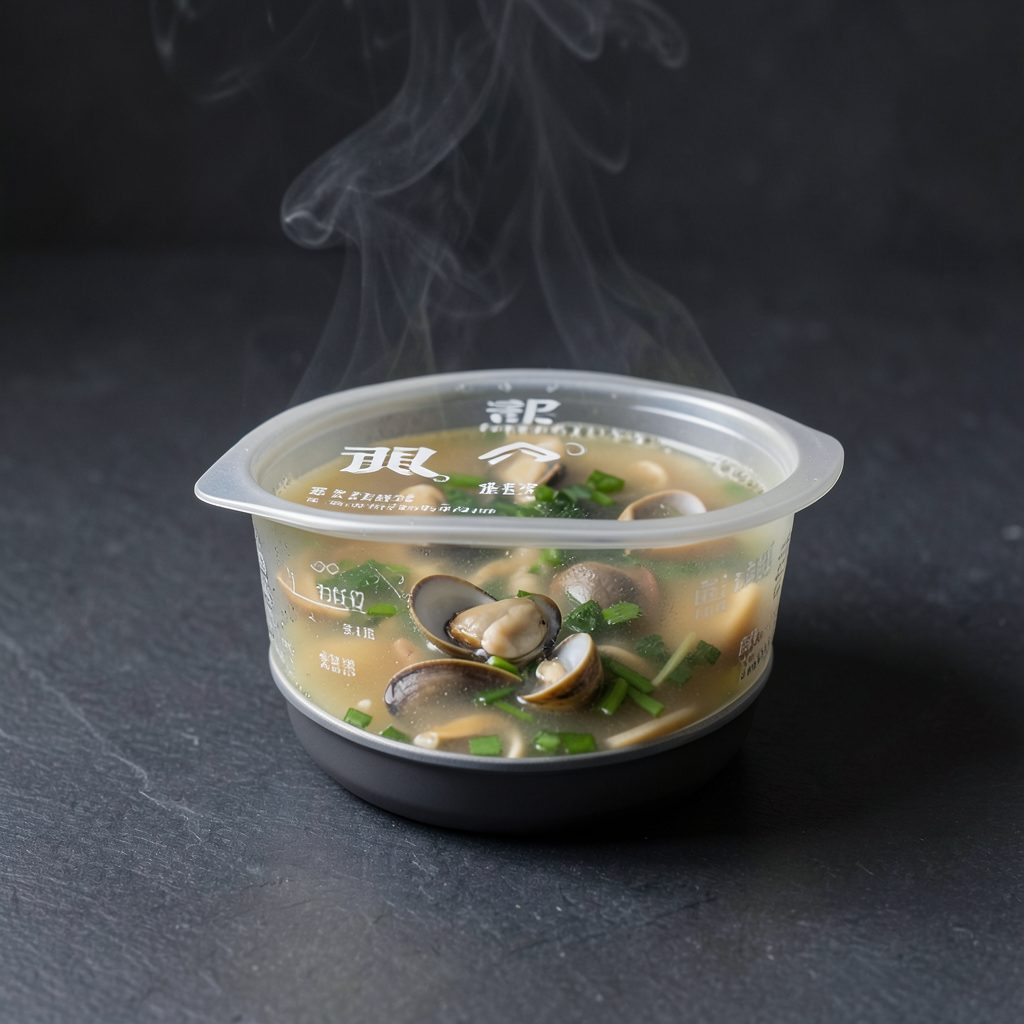
蛤?! Clam Soup Base —卜卜蜆
NT$ —
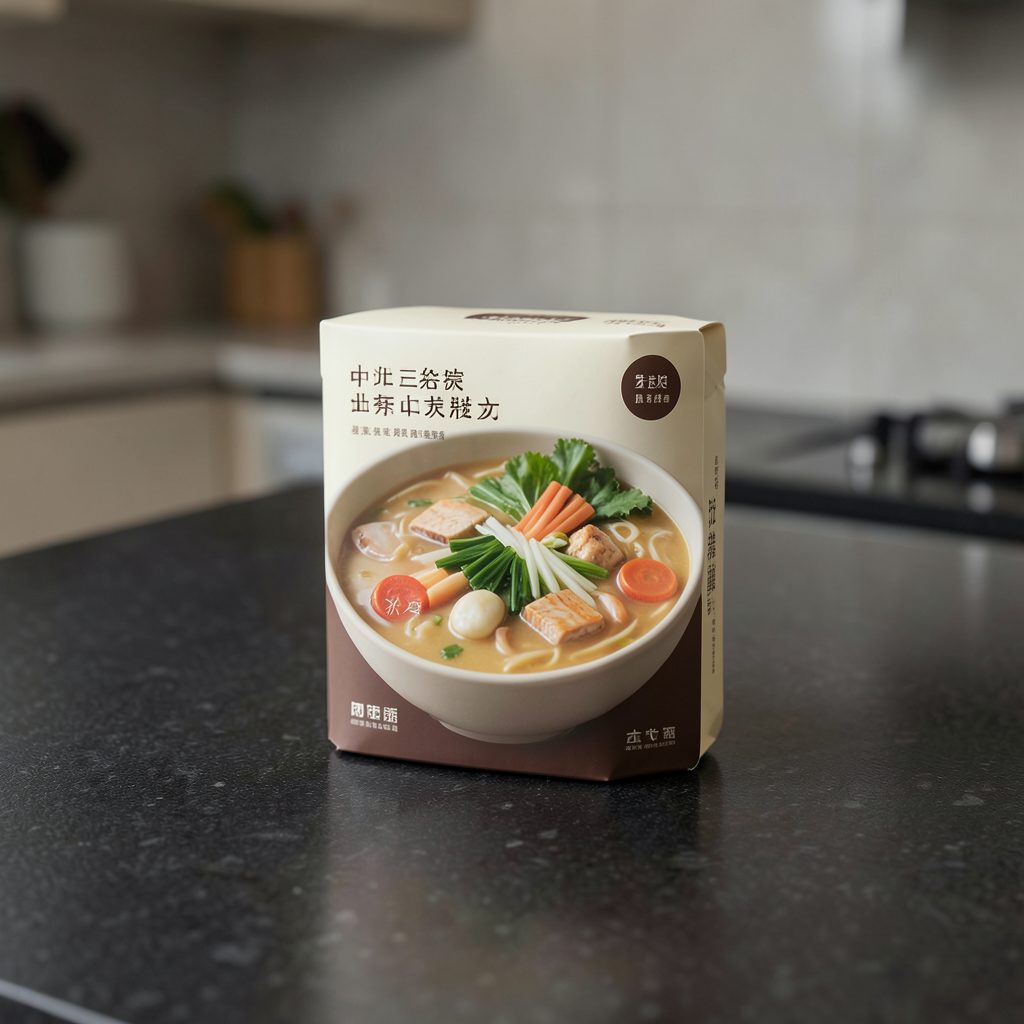
本事滿足鍋物 Personal Pot Base
NT$ —
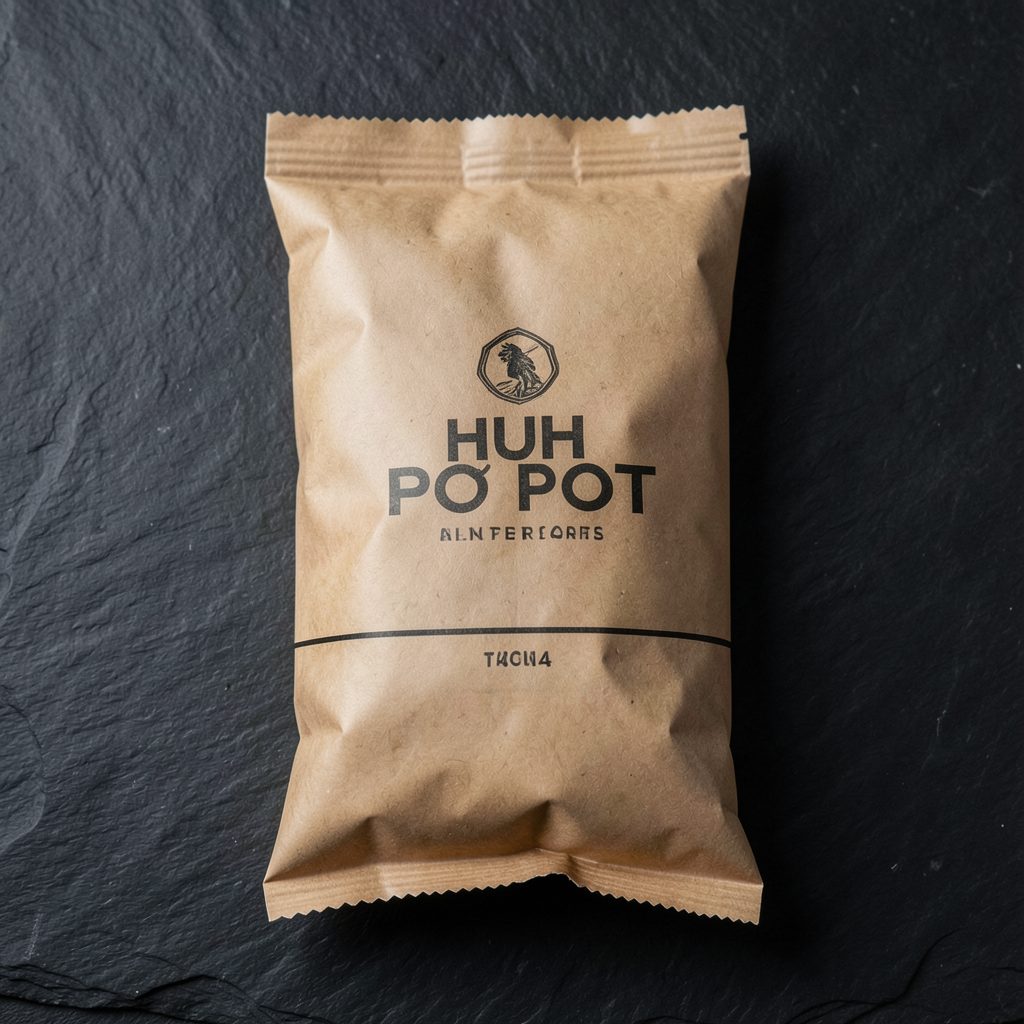
蛤?! Dry Noodles
NT$ —
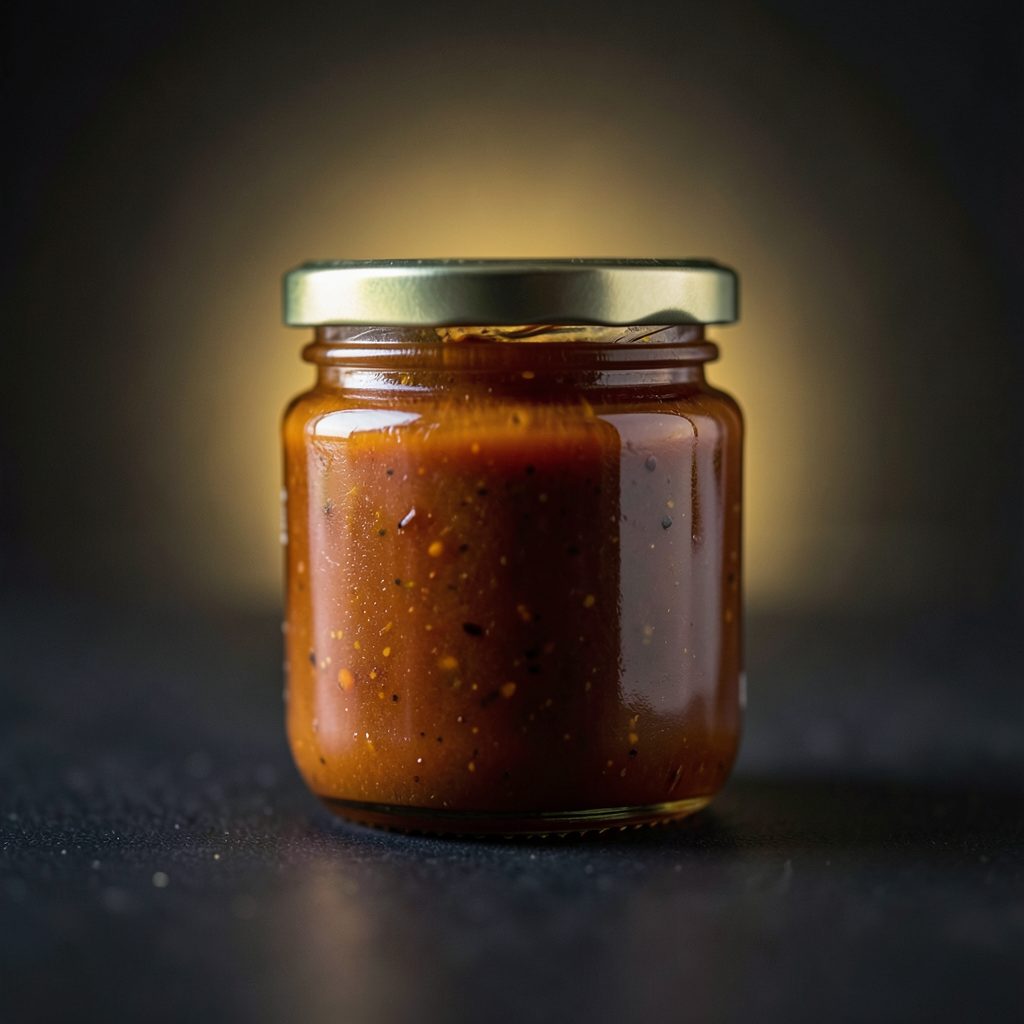
Signature Sauce
NT$ —
New Arrivals
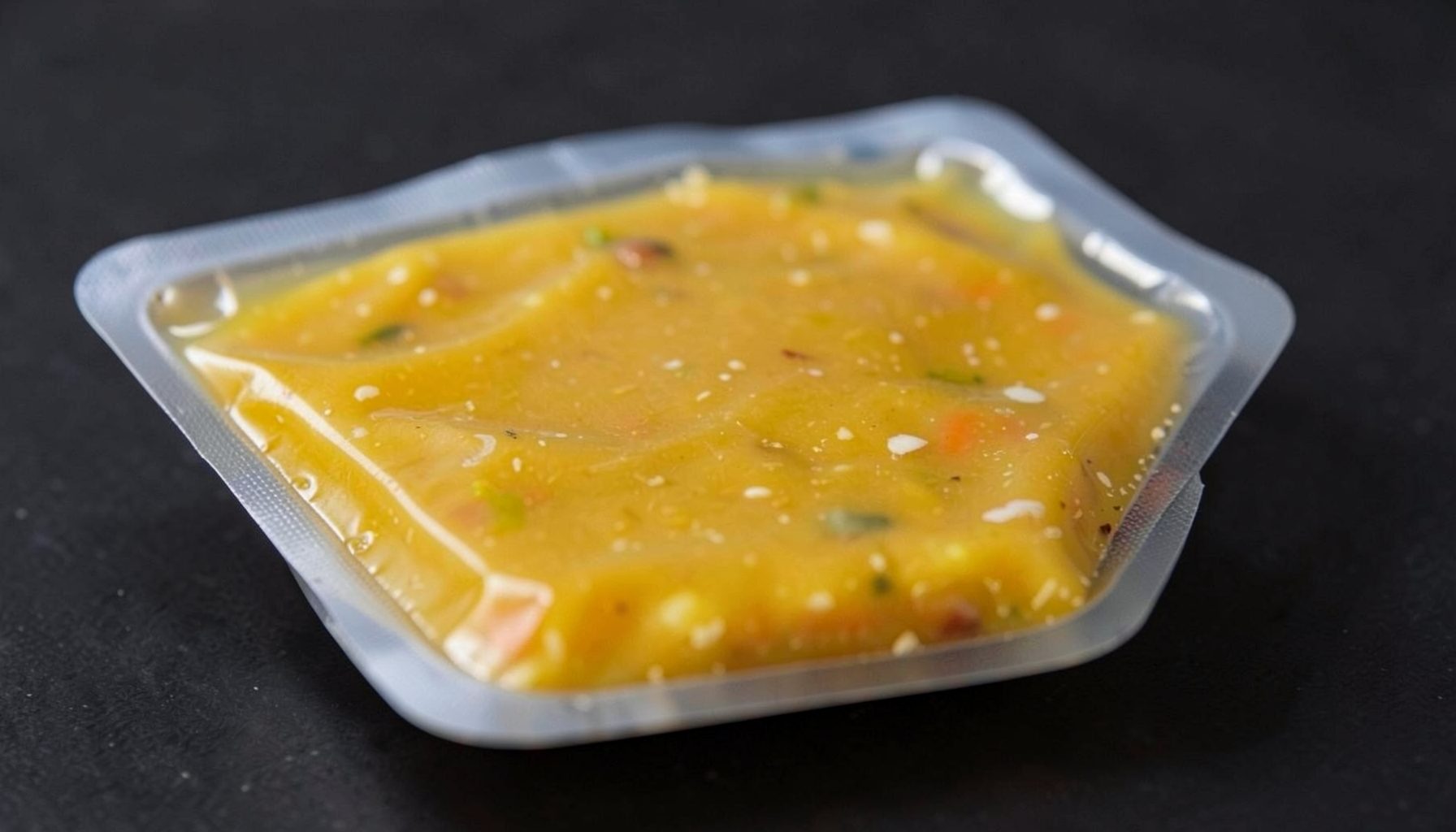
蛤?! Golden Clam Broth — New Batch
NT$ —

Radish Cake —蘿蔔糕精神
NT$ —
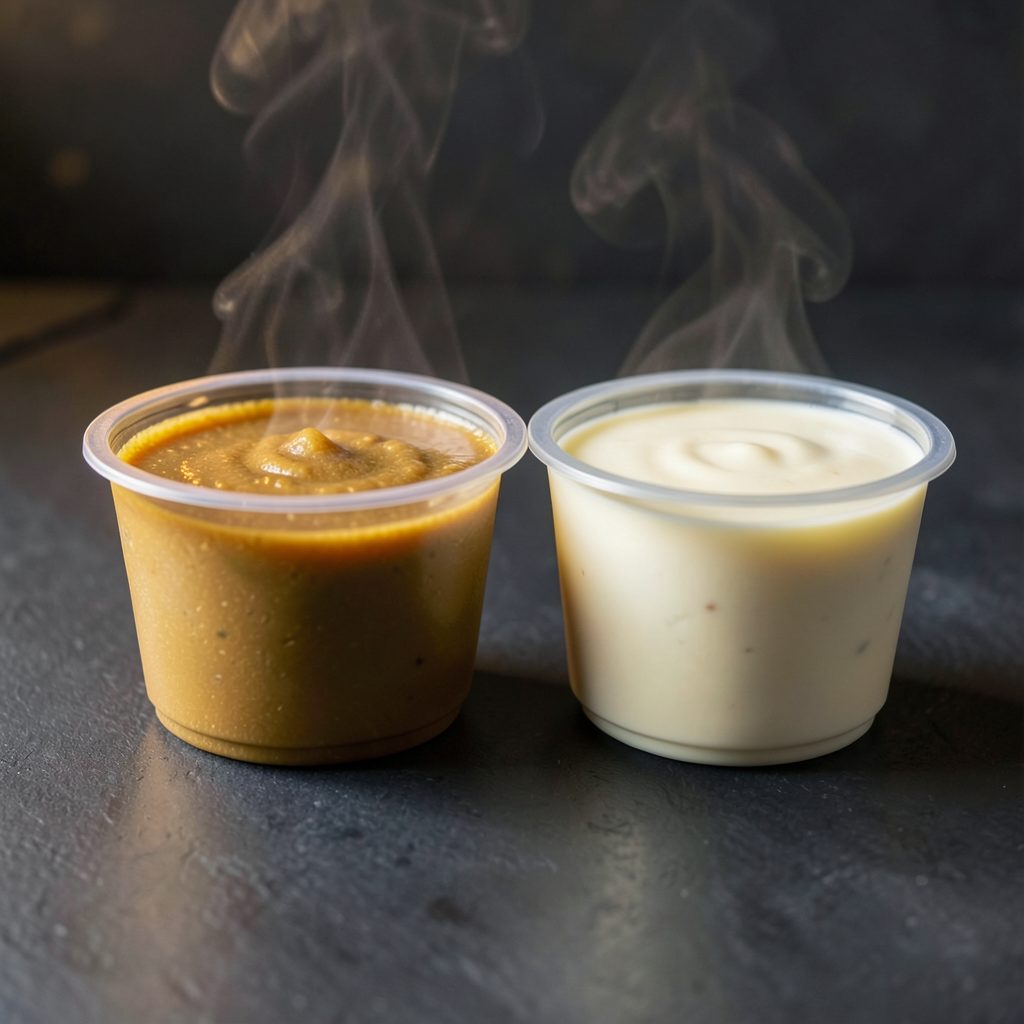
Duo Soup Base Set
NT$ —

Hot Pot Essentials Bundle
NT$ —
About 蛤?! Huh Pot
蛤?! Huh Pot is a Cantonese-style hot pot brand known for its signature clam-based broth —卜卜蜆 — made with rich old-hen stock and generous portions of fresh clams. The brand also encompasses 本事滿足鍋物, a personal hot pot concept, bringing the same depth of flavor to individual servings.
Through MoneyCome Mart, these restaurant-quality soup bases, dry noodles, radish cakes, and signature sauces are available for home delivery across Taiwan. Restaurant locations in Taipei's Da'an District, Civic Boulevard, and Taichung's Gongyi Road also welcome guests for dine-in, with online reservations available.