Heating Frozen Soup Bases Without Losing Flavor
Frozen soup bases make Cantonese hot pot much easier to prepare at home. They preserve the rich aromas and layered seasoning that usually require hours of simmering, while cold-chain delivery helps maintain quality from the store to your kitchen.
However, the way you heat a soup base affects its texture, fragrance, saltiness, and overall balance. These three mistakes are common when preparing frozen broth, but each one is easy to avoid with a little attention to timing and temperature.
Why Heating Method Matters
A frozen hot pot broth is more than a block of seasoned liquid. It may contain aromatics, concentrated stock, seafood flavor, herbs, spices, or rendered oils. Rapid, uncontrolled heating can separate those elements or cause delicate flavors to fade before you add any ingredients.
The goal is to melt the base evenly, loosen it with the correct amount of water, and bring it to a steady simmer. This approach gives the soup enough heat to become fragrant without scorching the bottom or over-reducing the broth.
Mistake One: Thawing It At Room Temperature
Leaving a frozen soup base on the counter for several hours can place it in an unsafe temperature range. The outer layer may soften while the center stays solid, and the surface can warm before the broth is ready to cook. This is especially risky when the package has been transported or stored for an extended period.
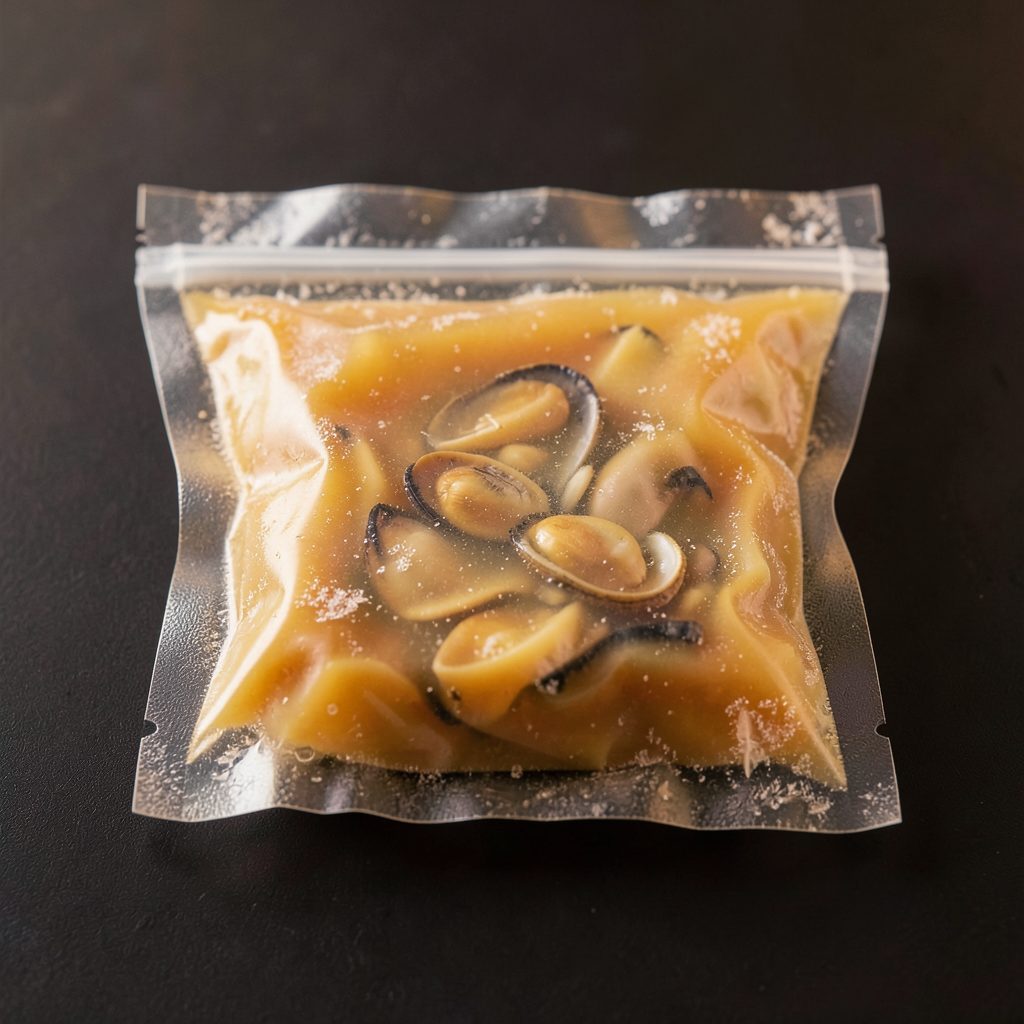
A safer method is to thaw the sealed package in the refrigerator until it is flexible, or place it directly into the pot if the product instructions allow it. For faster preparation, set the unopened pouch in cool water and change the water as needed. Avoid using hot water to force a quick thaw, since the outside may heat unevenly.
Mistake Two: Applying High Heat From The Start
Turning the burner to high immediately can scorch concentrated broth at the bottom of the pot while the frozen center remains firm. This is more likely with soup bases containing oils, sugar, fermented ingredients, or dense seasoning pastes. A burnt note can overpower the entire hot pot meal.
Begin over low or medium-low heat and stir gently as the base melts. Once it has become liquid, add the recommended water and raise the heat gradually. A rolling boil is usually unnecessary; a gentle simmer is enough to release the aroma and keep the broth stable.
| Common mistake | What it can cause | Better approach |
|---|---|---|
| Thawing on the counter | Uneven warming and food-safety concerns | Refrigerate or follow the package’s direct-cooking instructions |
| Starting with high heat | Scorching, separation, or burnt flavors | Melt slowly over low to medium-low heat |
| Boiling for too long | Over-concentration and dull aromatics | Simmer steadily and add ingredients in stages |
Mistake Three: Boiling The Broth Too Long
A soup base often tastes balanced when first prepared, but prolonged boiling changes that balance. Water evaporates, salt becomes more concentrated, and seafood or herbal notes may turn harsh. A reduced broth can also make every ingredient taste heavier than intended.
Bring the soup to a simmer before adding food, then adjust the heat so the surface moves gently. If the broth becomes too strong, add a small amount of hot water rather than cold water, which can interrupt cooking and drop the temperature suddenly. Taste after adding meat, vegetables, or noodles because those ingredients can absorb seasoning and change the final flavor.
A Reliable Stovetop Routine
For consistent results, prepare the pot before heating the broth. Have your serving ingredients portioned, place the pot on a stable burner, and keep a ladle nearby for removing foam or adjusting liquid. This prevents the soup from boiling unattended while you search for ingredients.
Use this simple sequence:
- Remove excess packaging and check the product instructions before cooking.
- Melt the frozen base slowly, stirring from the center toward the edges.
- Add the specified amount of water once the base is mostly liquid.
- Bring the broth to a gentle simmer, then taste before adding heavily seasoned sauces.
- Lower the heat during the meal and top up with hot water when necessary.
This routine works well for a family dinner or a smaller shared meal. If you are planning portions for two, the hot pot guide can help you match the broth with noodles, vegetables, seafood, and prepared side dishes without overcrowding the pot.
Matching Ingredients To The Broth
Different soup bases call for different cooking orders. Clam broth pairs naturally with shellfish, tofu, leafy greens, and thin noodles, while a richer or spicier base may suit sliced beef, mushrooms, turnip cakes, and dumplings. Adding quick-cooking foods too early can make them soft before firmer ingredients are ready.
Start with items that need time to absorb flavor, such as daikon, corn, fish balls, or prepared cakes. Add delicate greens, seafood, and noodles later. If you are using dipping sauce, taste the broth first and keep the sauce lighter than usual so the flavors do not become overly salty.
Make Each Batch Taste Fresh
A frozen soup base is also a convenient way to explore seasonal flavors without preparing stock from scratch. Limited releases can include distinctive ingredients or regional profiles, so use a gentle simmer that preserves their aroma. The seasonal soup selections offer ideas for choosing a broth that suits a particular occasion or time of year.
Keep unopened products frozen according to the storage directions, and move only the amount you plan to use into the refrigerator. Once the broth is heated, avoid repeatedly cooling and reheating it. Serve it promptly, monitor the burner during the meal, and refrigerate leftovers quickly in a shallow container if the product guidance permits storage.
With careful thawing, moderate heat, and controlled simmering, frozen Cantonese soup bases can deliver restaurant-style depth with very little preparation. Choose a broth from MoneyCome Mart, prepare your ingredients in advance, and turn your next home hot pot into a warm, fragrant meal.
Best Sellers
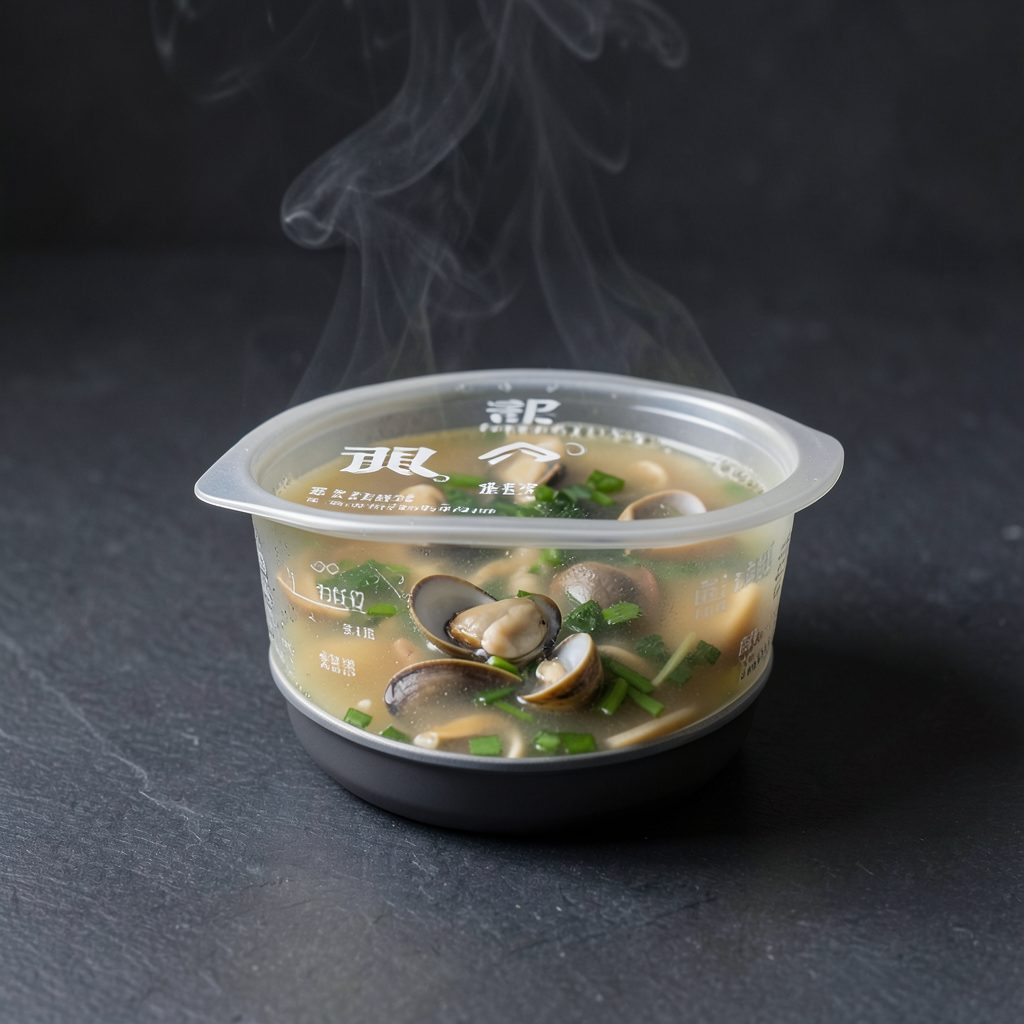
蛤?! Clam Soup Base —卜卜蜆
NT$ —
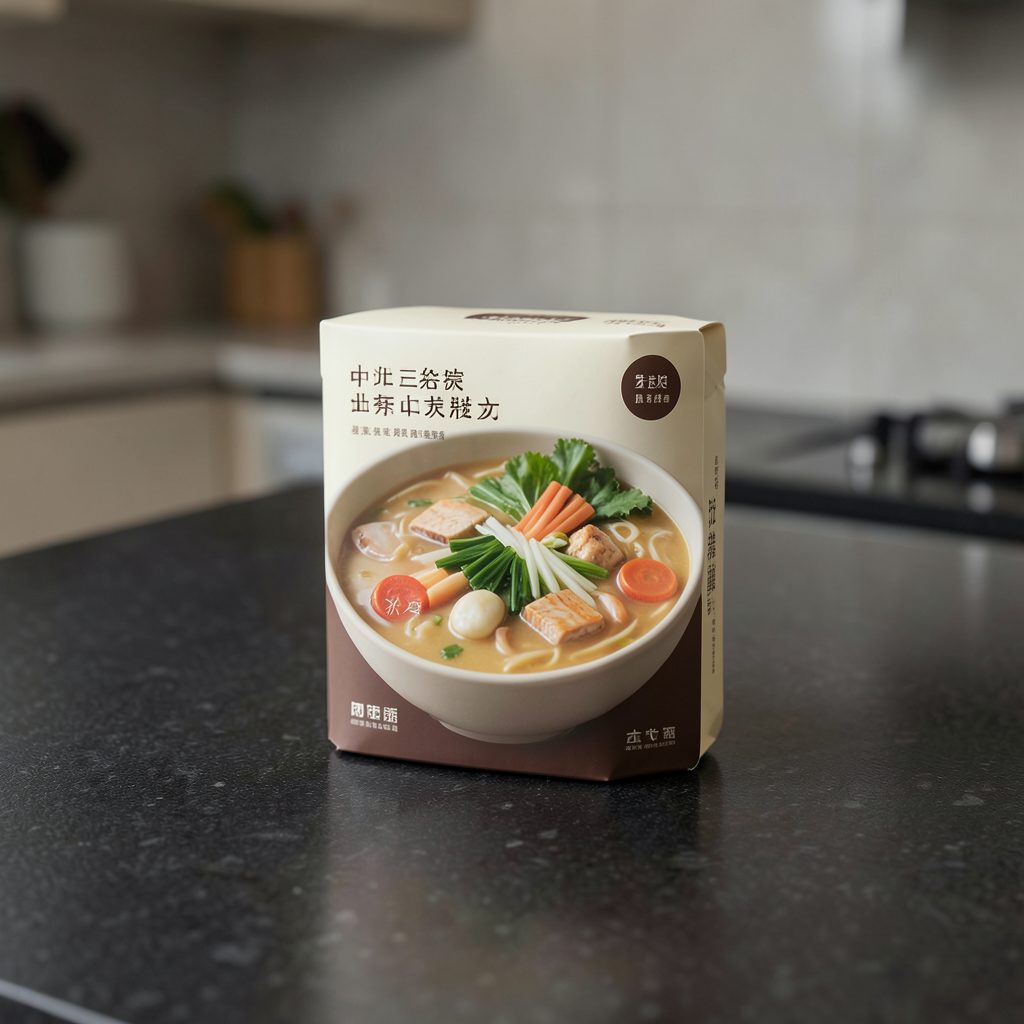
本事滿足鍋物 Personal Pot Base
NT$ —
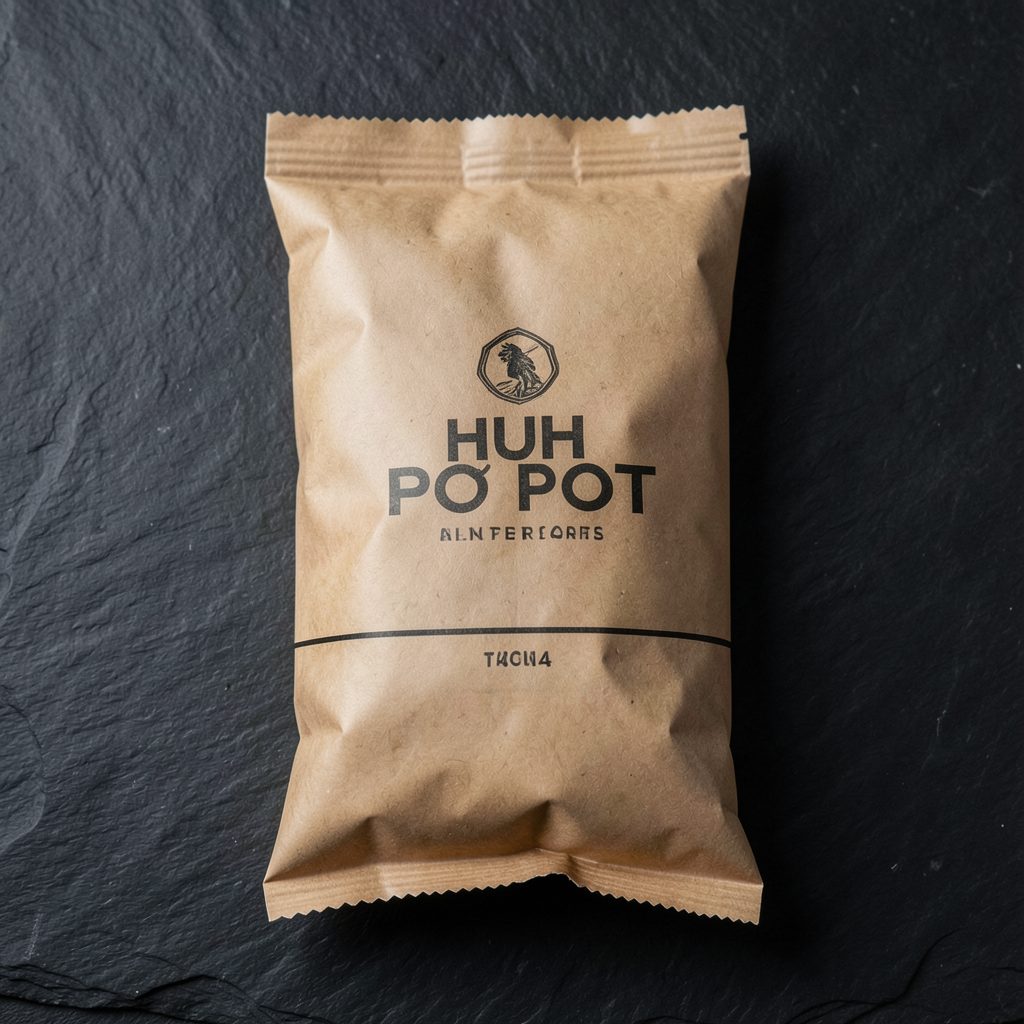
蛤?! Dry Noodles
NT$ —
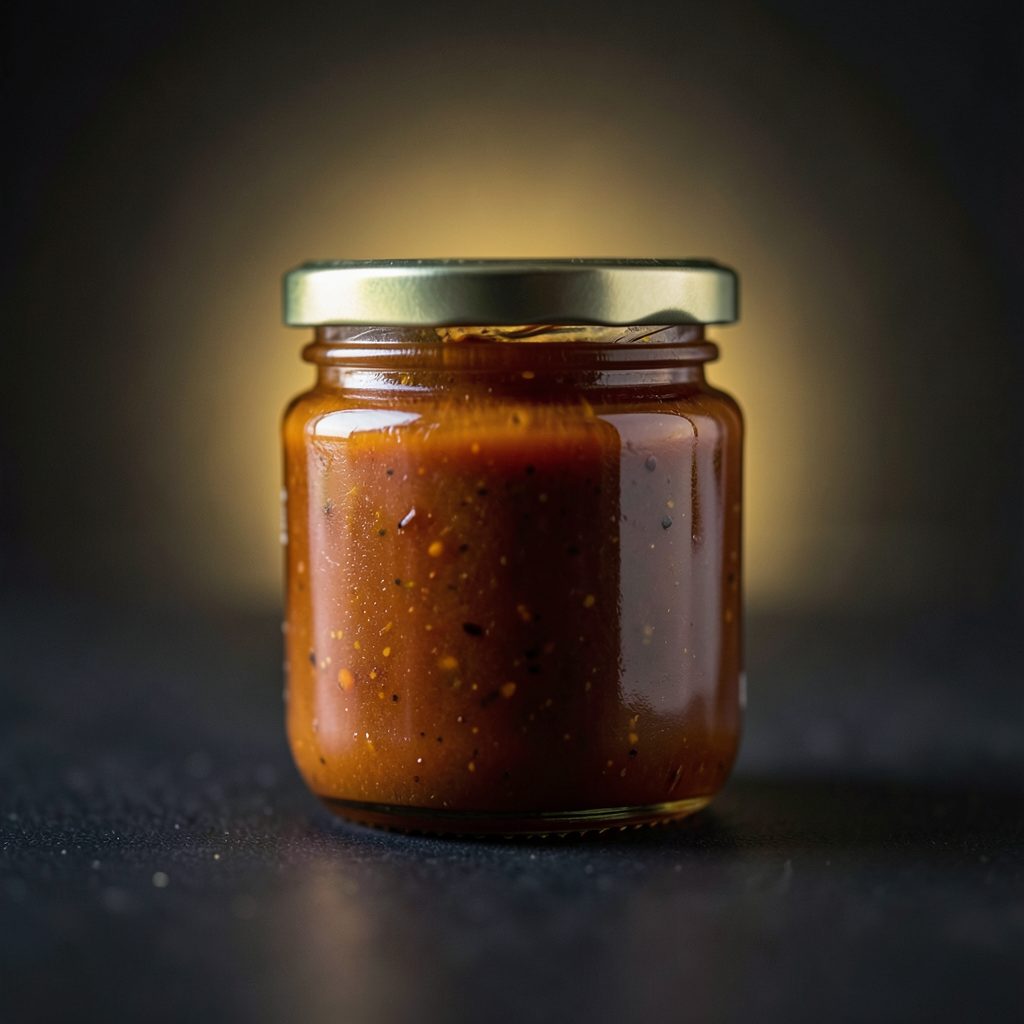
Signature Sauce
NT$ —
New Arrivals
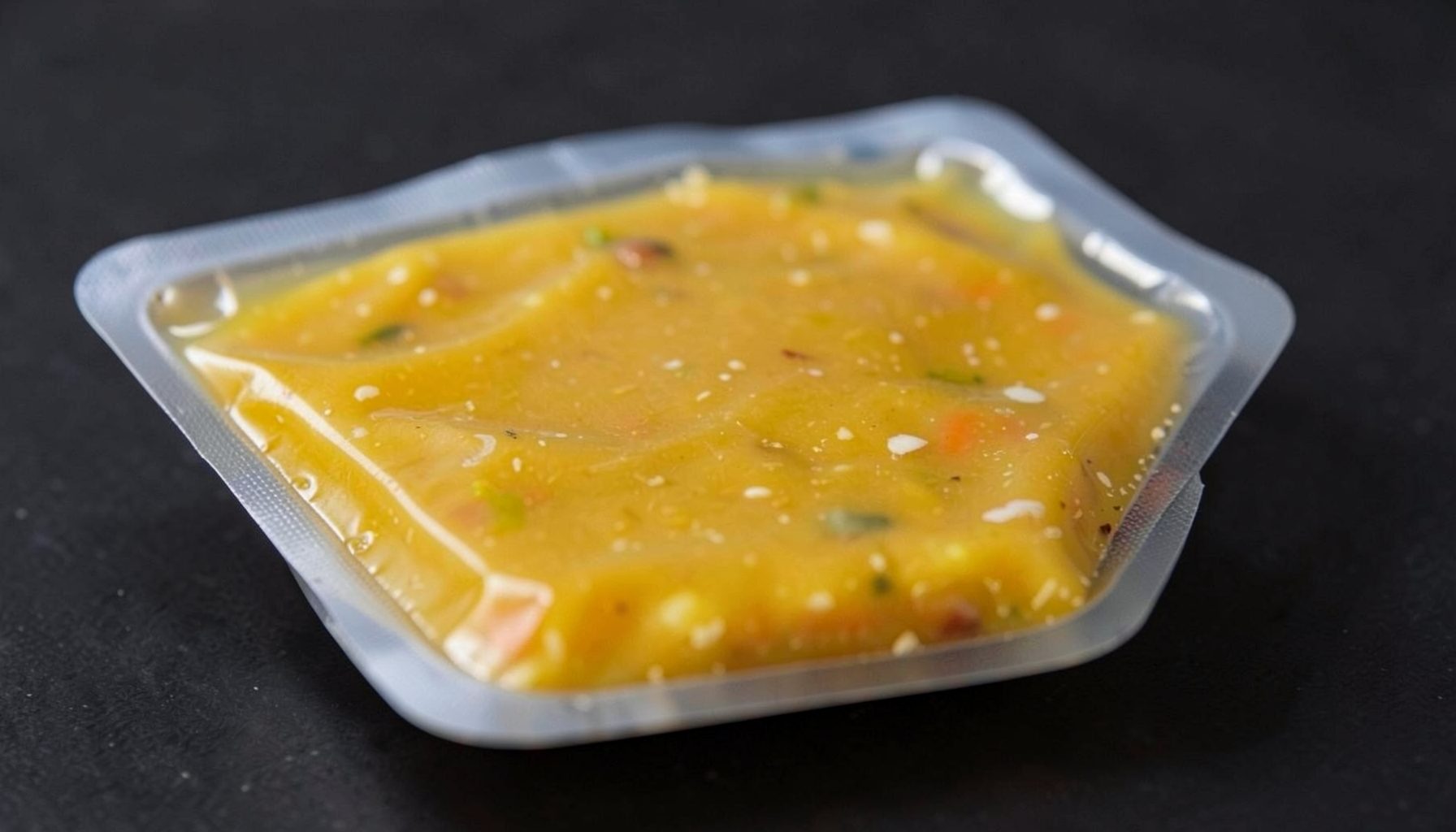
蛤?! Golden Clam Broth — New Batch
NT$ —
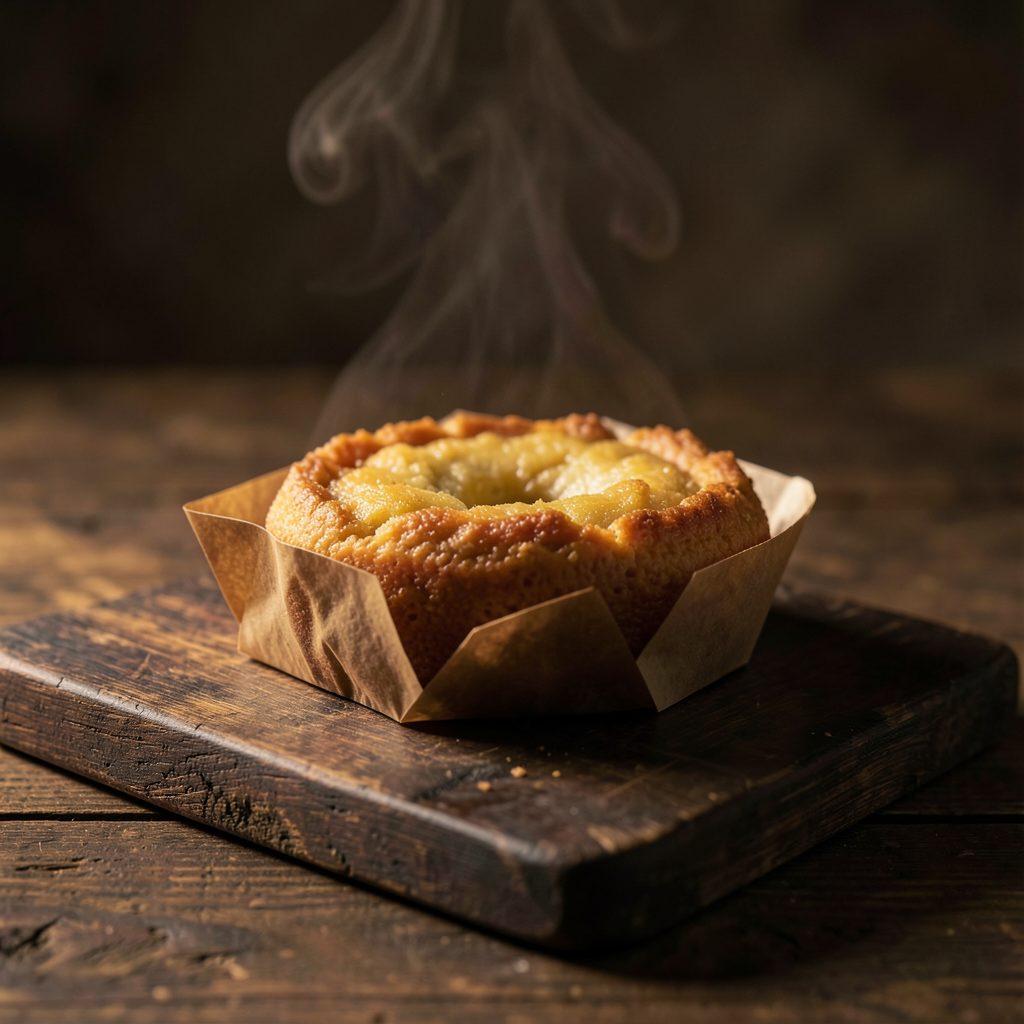
Radish Cake —蘿蔔糕精神
NT$ —
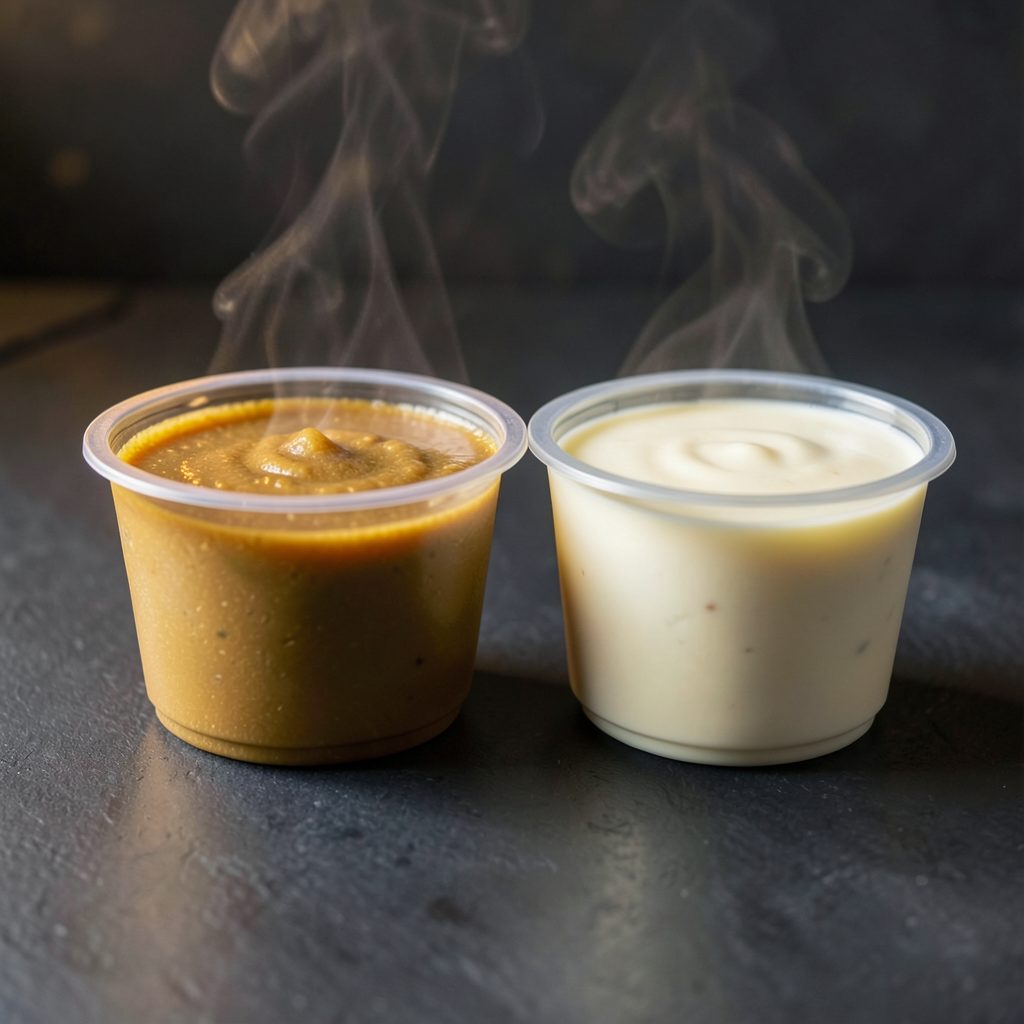
Duo Soup Base Set
NT$ —
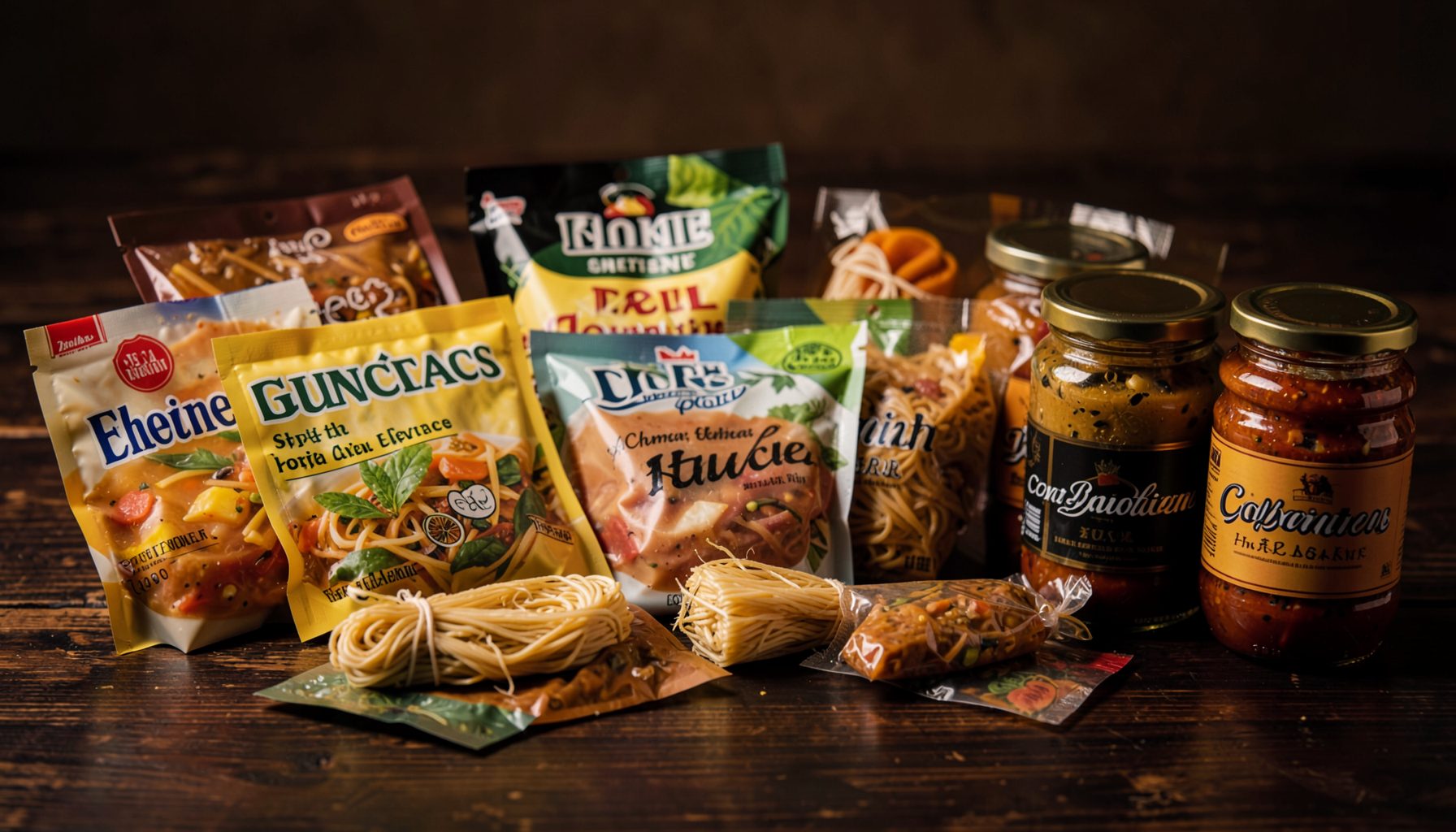
Hot Pot Essentials Bundle
NT$ —
About 蛤?! Huh Pot
蛤?! Huh Pot is a Cantonese-style hot pot brand known for its signature clam-based broth —卜卜蜆 — made with rich old-hen stock and generous portions of fresh clams. The brand also encompasses 本事滿足鍋物, a personal hot pot concept, bringing the same depth of flavor to individual servings.
Through MoneyCome Mart, these restaurant-quality soup bases, dry noodles, radish cakes, and signature sauces are available for home delivery across Taiwan. Restaurant locations in Taipei's Da'an District, Civic Boulevard, and Taichung's Gongyi Road also welcome guests for dine-in, with online reservations available.