The science of umami in Cantonese hot pot broths
Cantonese hot pot is built around clarity, balance, and the natural savoriness of carefully chosen ingredients. A good broth should taste full without becoming heavy, allowing seafood, meat, vegetables, noodles, and sauces to retain their individual character.
That satisfying depth is largely the result of umami, the savory taste associated with glutamate and related compounds. It is shaped by stock-making technique, ingredient combinations, fermentation, cooking time, and even the order in which foods enter the pot.
Understanding these principles makes it easier to choose a soup base and create a restaurant-style hot pot meal at home. It also explains why a light clam broth can feel remarkably rich, even when it contains little oil.
What umami actually means
Umami is one of the five basic tastes, alongside sweet, sour, salty, and bitter. The sensation comes primarily from glutamate, an amino acid found naturally in seafood, meat, mushrooms, tomatoes, fermented foods, and aged ingredients. When glutamate meets taste receptors on the tongue, it creates a savory, rounded impression often described as brothy or mouth-filling.
The strength of umami is not determined by glutamate alone. Inosinate, found in meat and fish, and guanylate, found especially in dried mushrooms, can intensify glutamate through a phenomenon called synergy. This is why a broth combining shellfish, dried seafood, and poultry may taste deeper than any single ingredient suggests.
How Cantonese broths build layered flavor
Traditional Cantonese cooking often favors clean extraction rather than aggressive reduction. Bones, meat, seafood, aromatics, and dried ingredients are simmered to release soluble flavor compounds while preserving a refined finish. The goal is a broth that has dimension but remains suitable for delicate ingredients.
Clams contribute natural glutamate, minerals, and a subtle marine sweetness. Pork bones and chicken add gelatin, amino acids, and body. Dried scallops, dried shrimp, shiitake, and aged citrus peel can contribute concentrated savory notes and fragrance. The resulting soup is complex because several flavor pathways are working together.
The brand story behind Cantonese-inspired hot pot helps explain why ingredient quality and culinary balance matter as much as convenience. A prepared soup base is successful when it delivers a structured flavor foundation without overwhelming the foods cooked in it.
Why salt, heat, and time matter
Salt does more than make a broth taste salty. At the right level, it suppresses bitterness and helps savory notes appear clearer. Too little salt can make a rich stock seem dull, while too much masks delicate shellfish and vegetable flavors. This is why seasoning should be evaluated after the broth reaches serving temperature.
Heat changes the way umami is perceived. A gently simmering pot releases aroma and keeps proteins from becoming excessively tough. A violent boil can emulsify fat, cloud a clear broth, and concentrate salt unevenly as liquid evaporates. Moderate heat is usually the better choice for a Cantonese-style dining experience.
Time also has limits. Longer cooking can extract gelatin and flavor from bones, but delicate seafood may become bitter or overly concentrated if simmered for too long. Commercial soup bases solve much of this timing issue by extracting and balancing flavors before delivery, allowing the home cook to focus on the meal.
Comparing common umami sources
Different ingredients contribute different savory compounds, aromas, and textures. Choosing a soup base depends on whether the meal is centered on seafood, meat, vegetables, noodles, or a combination of all four.
| Umami source | Main flavor contribution | Best role in hot pot | Key consideration |
|---|---|---|---|
| Clams and shellfish | Briny sweetness and glutamate | Seafood, tofu, leafy greens | Keep the simmer gentle |
| Chicken stock | Clean savoriness and softness | Mixed ingredients and noodles | Works well with mild sauces |
| Pork bones | Gelatin, richness, and depth | Meat, dumplings, turnip cake | Can feel heavy if over-reduced |
| Dried scallops | Concentrated marine umami | Premium seafood broths | Use modestly because flavor is intense |
| Shiitake mushrooms | Earthy aroma and guanylate | Vegetarian-friendly combinations | Pairs strongly with glutamate-rich stocks |
| Fermented bean or seafood sauces | Salty complexity and aroma | Dipping sauces and finishing | Add gradually to protect balance |
The most effective combinations create contrast as well as intensity. A clear clam broth may benefit from mushrooms, tofu, and greens, while a fuller pork or chicken base can support beef slices, fish balls, noodles, and fried items such as turnip cake.
Fermentation adds savory complexity
Cantonese cuisine uses fermented ingredients to develop aroma and depth. Soy sauce, fermented bean curd, shrimp paste, oyster sauce, and other seasoned condiments contain proteins that have been broken down into amino acids during fermentation. This process increases savory flavor while adding sweetness, saltiness, and aromatic complexity.
Sauce is often where diners can personalize umami. A light broth might be paired with a sesame, soy, garlic, or chili-based dip, while a rich stock may need acidity or fresh herbs to keep the palate lively. Small amounts of vinegar, scallion, cilantro, or citrus can sharpen a savory broth without reducing its depth.
A useful principle is to keep the soup base balanced and let the dipping sauce provide intensity. This preserves the character of the ingredients cooking in the pot and prevents every bite from tasting the same.
Serving a balanced home hot pot
A successful home hot pot depends on sequencing. Start with ingredients that can enrich the liquid, such as mushrooms, corn, daikon, tofu, or seafood. Add quick-cooking foods later so they remain tender. Noodles are best added near the end, when they can absorb the seasoned broth without making it cloudy too early.
Cold-chain handling is equally important for flavor and food safety. Frozen soup bases and prepared ingredients should remain properly chilled during storage and thawing. Once the pot is simmering, keep raw seafood and meat separate from cooked foods, use clean utensils, and maintain a steady cooking temperature.
The hot pot selection includes soup bases, sauces, noodles, prepared ingredients, and seasonal choices suited to different combinations. Selecting complementary items makes it easier to control the balance between broth intensity, texture, and freshness.
Practical ways to deepen savory flavor
- Pair a glutamate-rich broth with ingredients containing inosinate or guanylate, such as meat, seafood, or shiitake mushrooms.
- Add salty sauces in small portions, tasting between additions rather than seasoning the entire pot at once.
- Keep the broth at a steady simmer instead of a rolling boil to protect clarity and delicate aromas.
- Cook noodles and fried prepared foods toward the end so they absorb flavor without dominating the stock.
- Refresh a rich broth with scallions, cilantro, citrus, or a small amount of vinegar.
Umami works best when it is balanced by aroma, texture, salt, and freshness. A broth that tastes powerful at the first sip may become tiring over a long meal, while a carefully layered soup continues to reveal new notes as ingredients cook and release their own juices.
Bring the science into your next meal by choosing a balanced Cantonese soup base, pairing it with complementary ingredients, and letting each item cook at its proper pace. Browse MoneyCome Mart’s selection, prepare the pot, and turn a simple home gathering into a deeply savory hot pot experience.
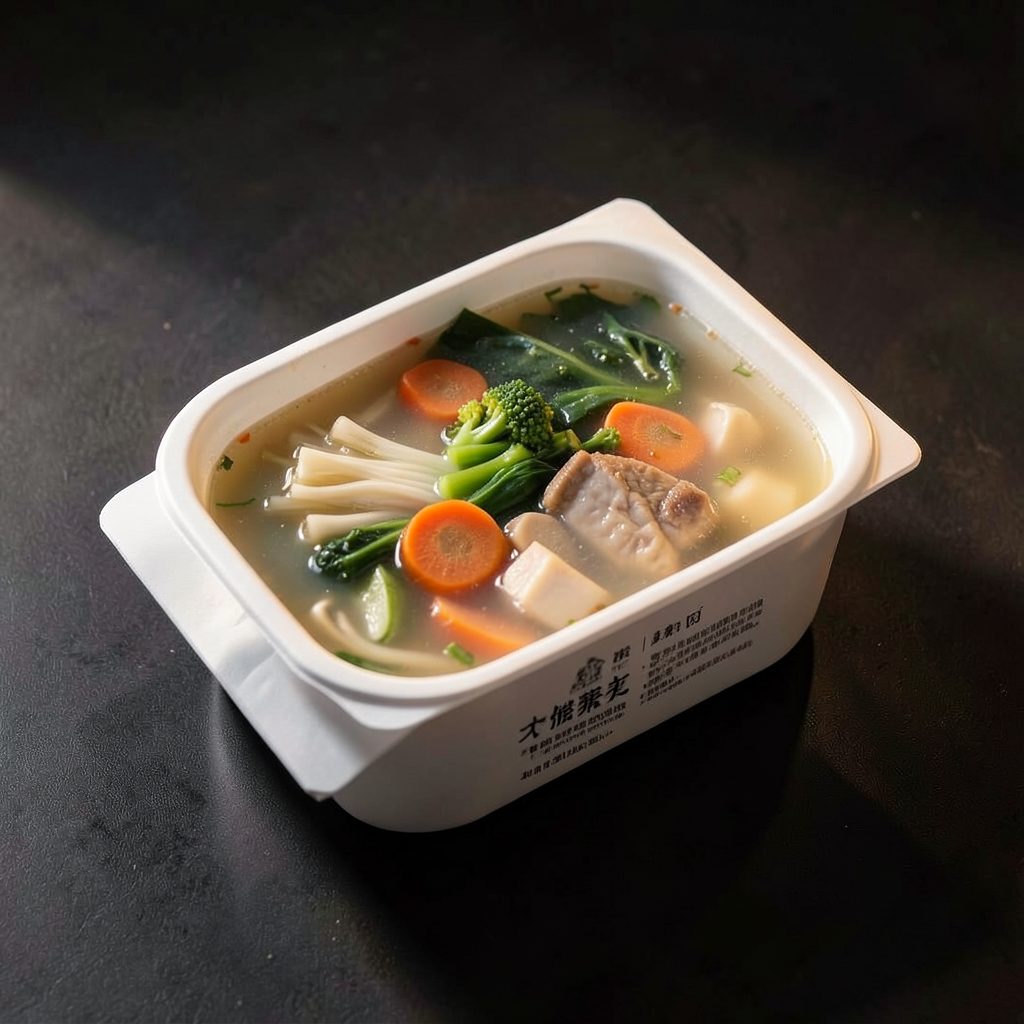
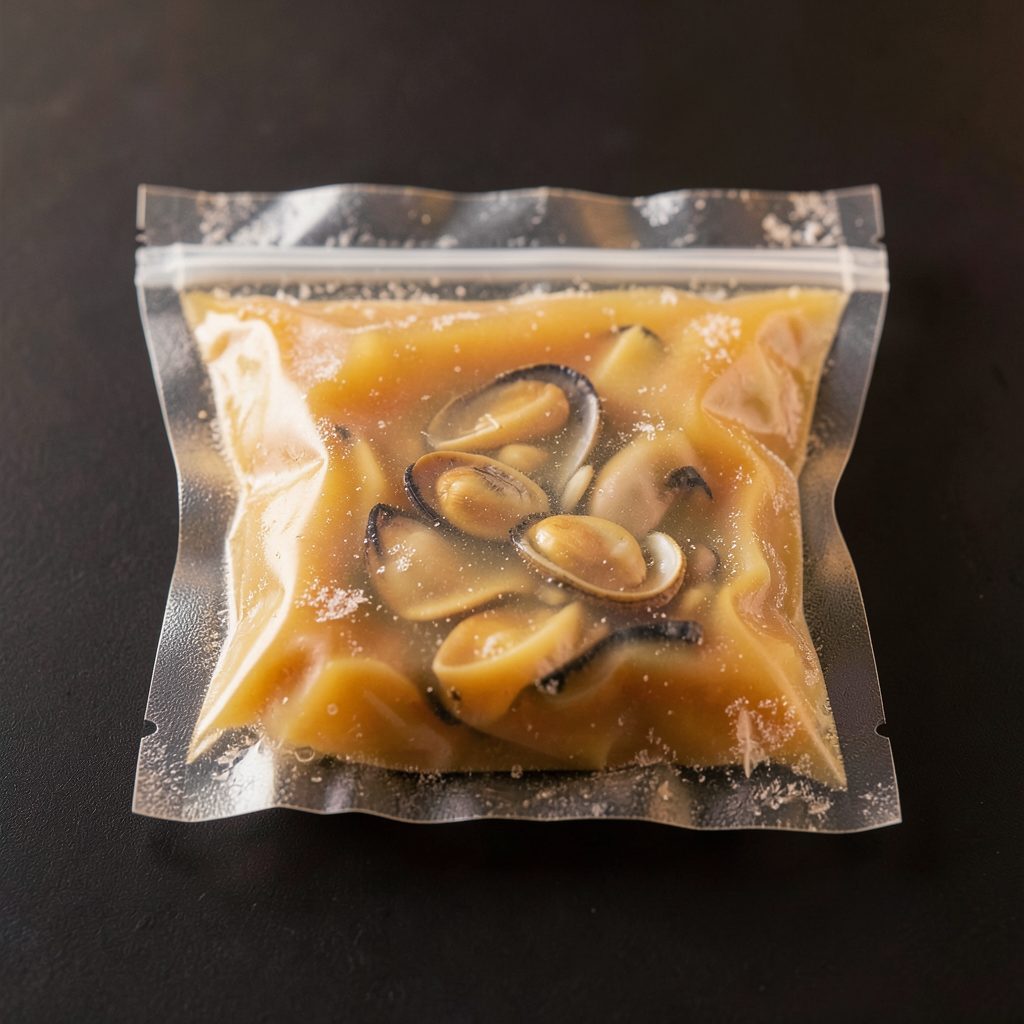
Best Sellers
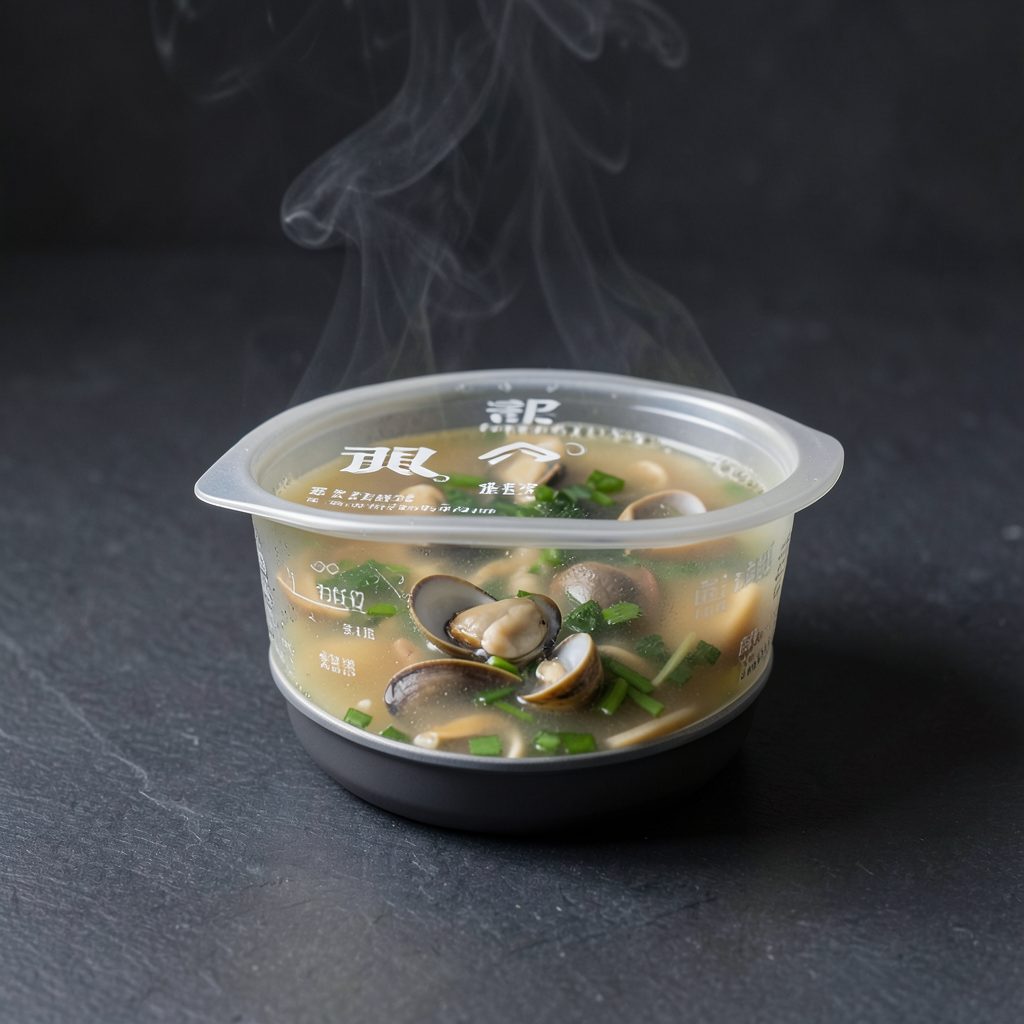
蛤?! Clam Soup Base —卜卜蜆
NT$ —
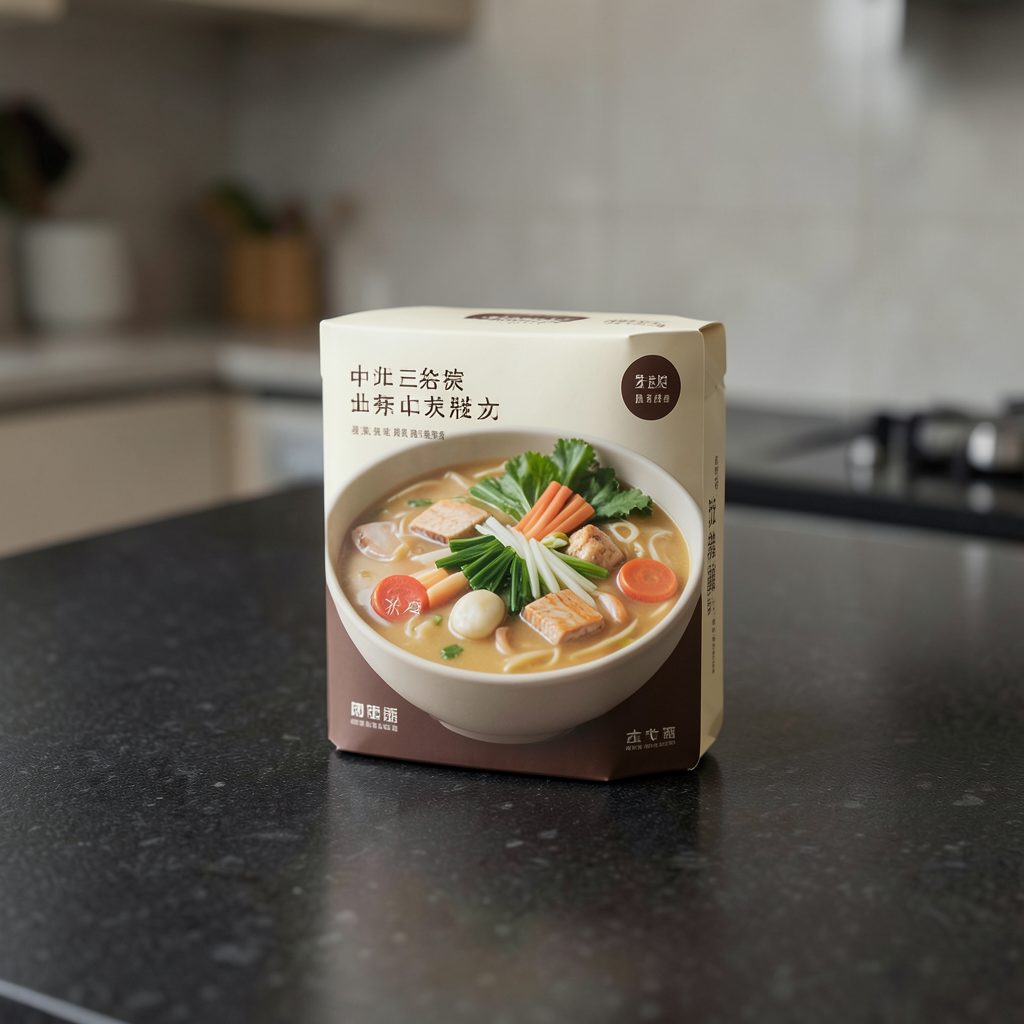
本事滿足鍋物 Personal Pot Base
NT$ —
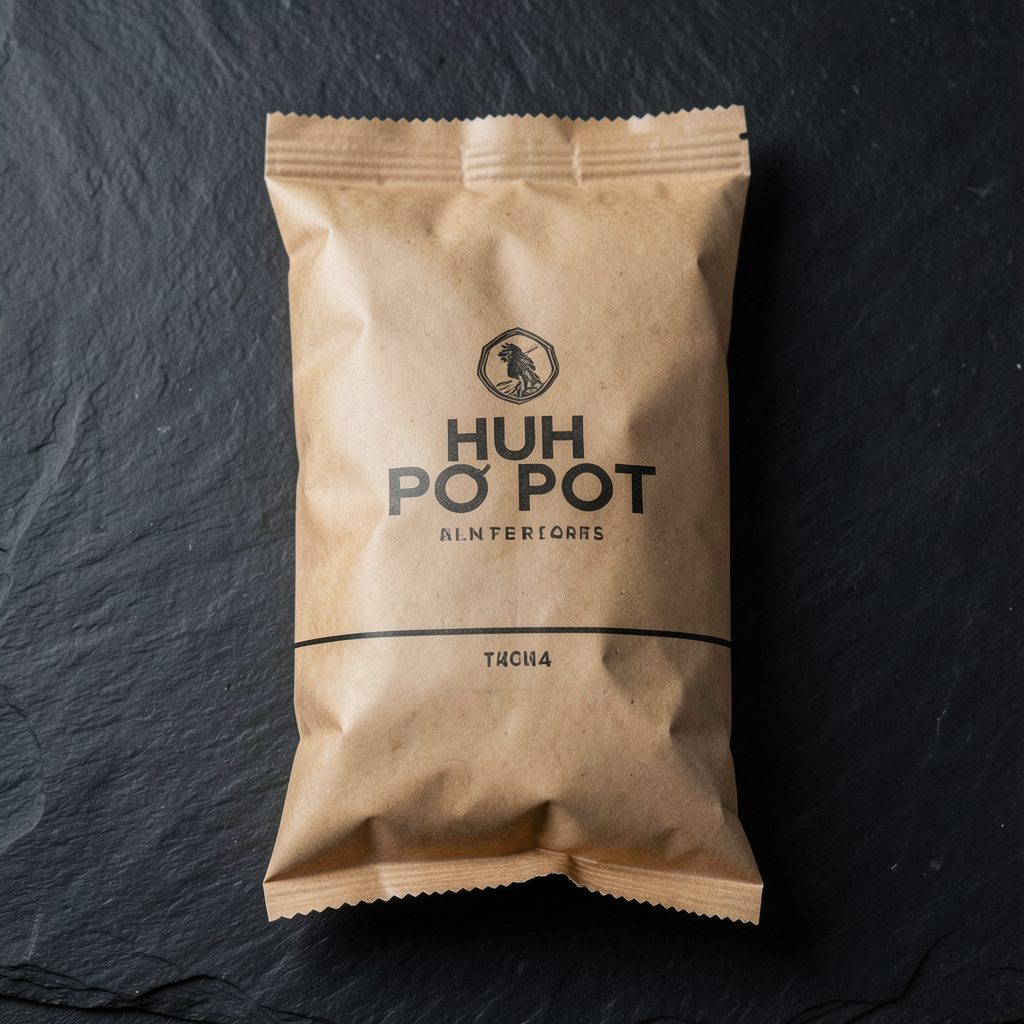
蛤?! Dry Noodles
NT$ —
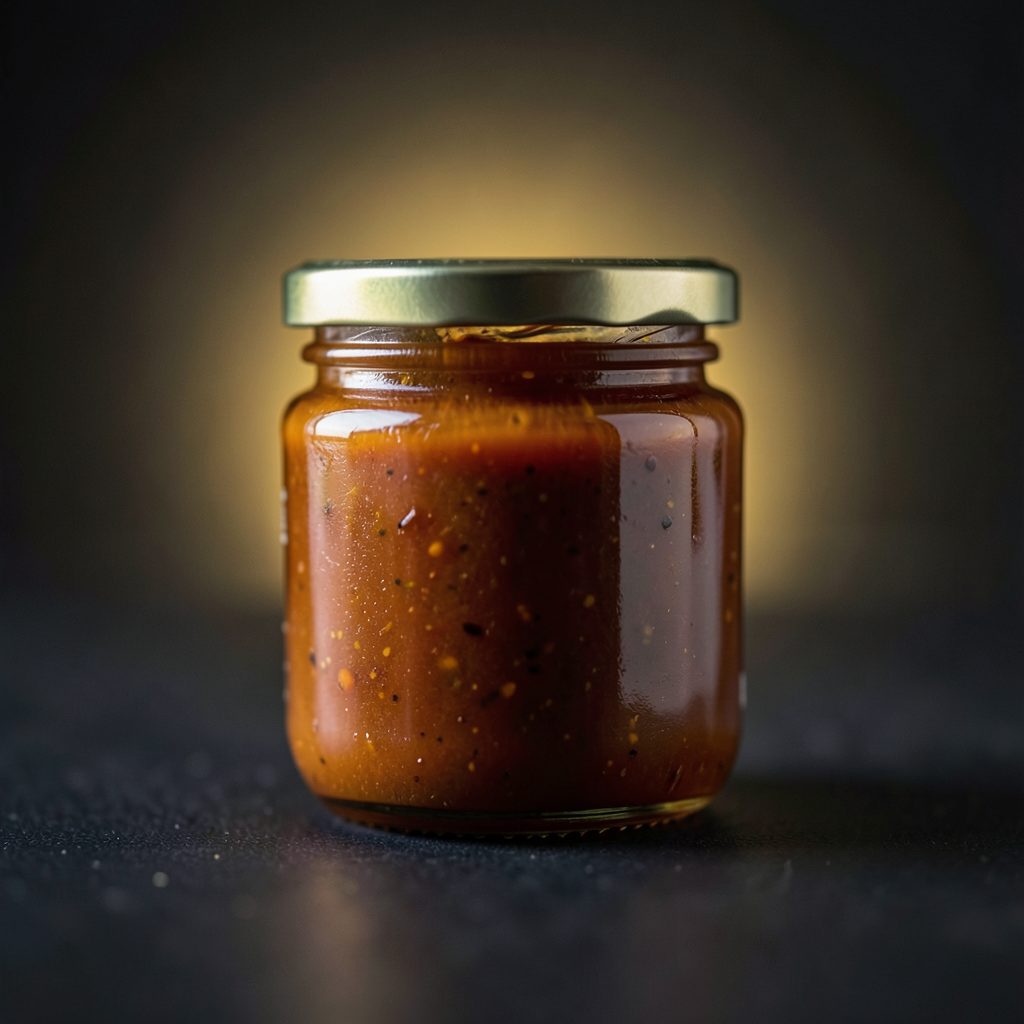
Signature Sauce
NT$ —
New Arrivals
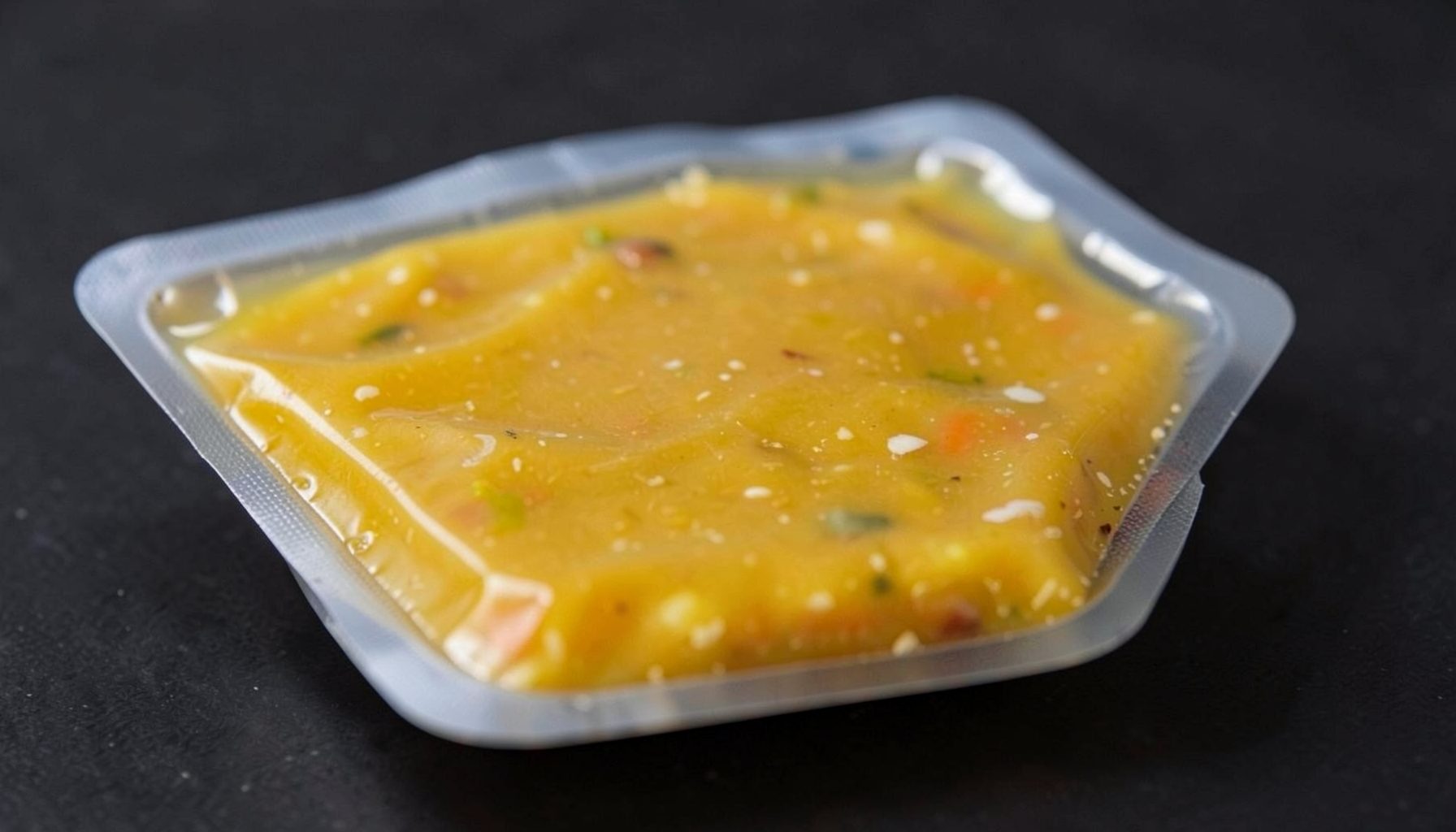
蛤?! Golden Clam Broth — New Batch
NT$ —
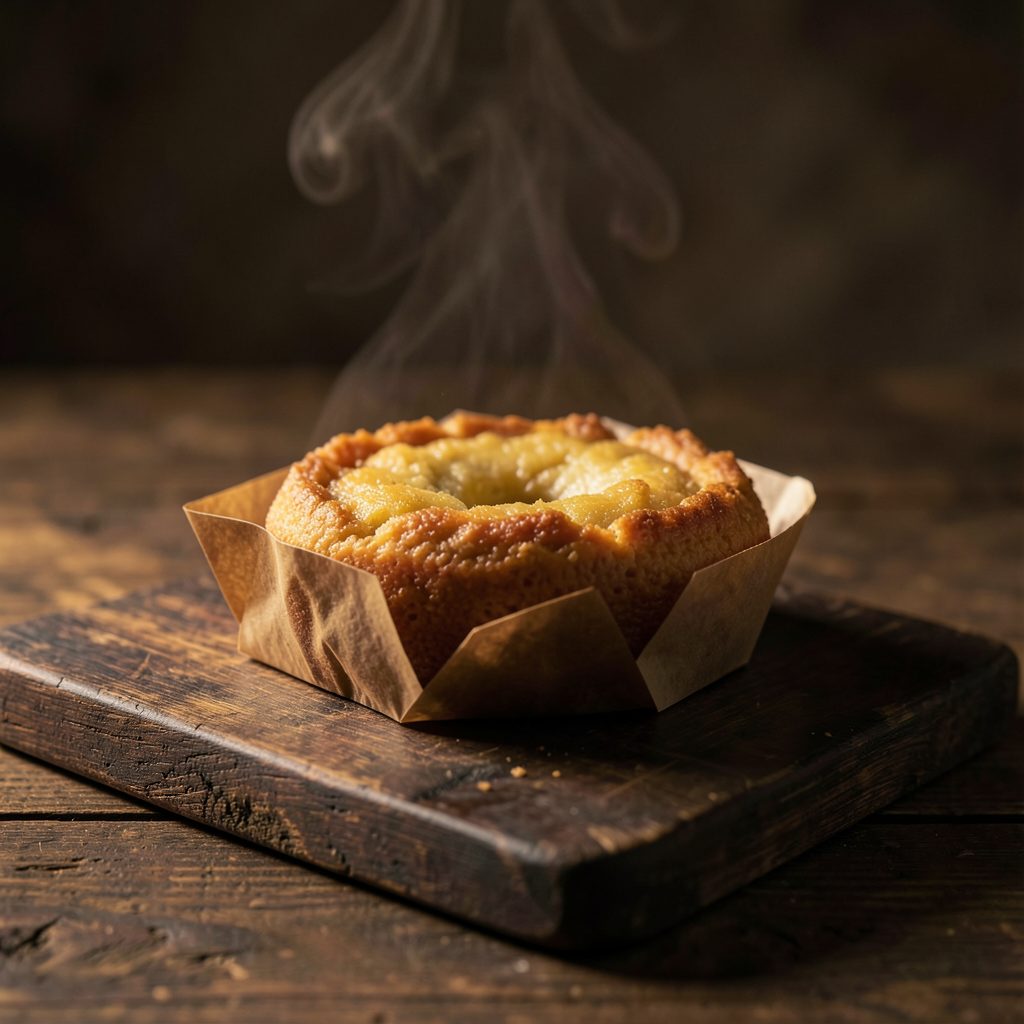
Radish Cake —蘿蔔糕精神
NT$ —
Duo Soup Base Set
NT$ —
Hot Pot Essentials Bundle
NT$ —
About 蛤?! Huh Pot
蛤?! Huh Pot is a Cantonese-style hot pot brand known for its signature clam-based broth —卜卜蜆 — made with rich old-hen stock and generous portions of fresh clams. The brand also encompasses 本事滿足鍋物, a personal hot pot concept, bringing the same depth of flavor to individual servings.
Through MoneyCome Mart, these restaurant-quality soup bases, dry noodles, radish cakes, and signature sauces are available for home delivery across Taiwan. Restaurant locations in Taipei's Da'an District, Civic Boulevard, and Taichung's Gongyi Road also welcome guests for dine-in, with online reservations available.