The science behind cold-chain shipping for hot pot orders
A home hot pot meal depends on ingredient quality long before the broth reaches the table. Frozen soup bases, clam broths, sauces, noodles, turnip cakes, and prepared ingredients each have different storage needs. Keeping them within the correct temperature range helps preserve taste, texture, safety, and the restaurant-style experience expected from MoneyCome Mart.
Cold-chain delivery is a coordinated system rather than a single refrigerated vehicle. It includes pre-freezing or chilling, insulated packing, temperature control during transport, and careful handoff at the destination. Each stage limits the time food spends in conditions where microbes can multiply or quality can decline.
For households across Taiwan, this system is especially valuable during warm weather and busy delivery periods. It allows Cantonese hot pot products associated with 蛤?! Huh Pot and 本事滿足鍋物 to travel from the store to your kitchen with their intended characteristics protected.
Why temperature control matters
Food temperature affects both safety and eating quality. Frozen ingredients are kept in a stable state, while chilled products remain cold enough to slow microbial activity. If an item repeatedly warms and cools, ice crystals can grow inside the food, damaging delicate textures and causing excess moisture after thawing.
Broths and sauces can also change when exposed to prolonged warmth. Fat may separate, aromas can fade, and ingredients such as clams or other seafood-based components require especially careful handling. A reliable cold chain reduces these changes by shortening the time between controlled storage and home refrigeration.
How a cold-chain shipment works
The process begins before packing. Products may be frozen or chilled to the required temperature, then grouped according to their storage needs. This initial step is called pre-conditioning or pre-cooling, and it gives the shipment a temperature reserve before it enters the delivery network.
During transit, insulated containers and cooling materials absorb incoming heat. The package is designed to keep the interior cold while it moves through sorting facilities, delivery vehicles, and the final handoff. Efficient logistics also reduce unnecessary delays, because insulation can slow warming but cannot prevent it forever.
Packaging as a thermal barrier
Insulated liners work by reducing heat transfer between the cold contents and the warmer surroundings. Materials such as foam, reflective film, and thick fiberboard trap air or reflect radiant heat. The result is a temporary climate-controlled space inside the shipping carton.
Cold packs or other phase-change materials provide another layer of protection. As they absorb heat, they melt or change state at a controlled temperature. Their placement matters: packs should surround vulnerable products rather than sit where they can crush delicate packaging. A well-packed order balances cooling power, airflow, product protection, and available space.
Packaging also needs to manage condensation. As a cold parcel meets humid Taiwanese air, moisture can form on the exterior or around individual items. Sealed food pouches, leak-resistant wrapping, and sturdy dividers help prevent broth from contacting cartons or other products.
Comparing temperature zones in a delivery
Different products call for different handling conditions. The following comparison explains why one order may contain several types of packaging or storage instructions.
| Product category | Main temperature goal | Quality risk if warmed | Best home action |
|---|---|---|---|
| Frozen soup bases | Keep fully frozen | Ice crystal growth, separation, weaker texture | Transfer promptly to the freezer |
| Chilled broths | Keep consistently refrigerated | Faster spoilage and flavor changes | Refrigerate immediately and follow the package date |
| Seafood-based ingredients | Maintain a dependable cold temperature | Texture loss and food-safety concerns | Inspect condition and chill without delay |
| Noodles and prepared sides | Prevent heat and moisture buildup | Softness, sticking, or drying | Store as directed and prepare soon |
| Sauces and condiments | Protect from heat and leakage | Aroma loss or separation | Keep sealed and refrigerate when required |
This distinction explains why a cold-chain parcel should be opened soon after delivery. A frozen soup base may tolerate brief exposure during unpacking, while a chilled clam broth has a different temperature history and storage requirement.
The last mile protects the final quality
The final delivery stage is often the most variable part of the journey. A parcel may wait at a building entrance, travel in a delivery vehicle, or be handed over during a warm afternoon. Even excellent insulated packaging has a limited protection window, so prompt receipt is an important part of the cold-chain process.
When the order arrives, check that the outer package is intact and that the products are still appropriately cold. Frozen items should remain solid or show only limited surface softening. If a pouch is leaking, badly damaged, or noticeably warm, separate it from the other products and contact the seller according to the store’s support instructions.
After unpacking, place frozen ingredients in the freezer and chilled items in the refrigerator. Keep products in their original sealed packaging until use. If you have leftover broth, a practical way to extend its value is to use this leftover broth fried rice guide after storing the broth safely.
Habits that support a safe delivery
Small actions at home help preserve the work done throughout the supply chain:
- Choose a delivery time when someone can receive and unpack the parcel promptly.
- Clear freezer and refrigerator space before the order arrives.
- Separate frozen, chilled, and ready-to-eat products during unpacking.
- Check seals, labels, dates, and product condition before cooking.
- Follow the storage and reheating instructions supplied with each item.
These habits also make meal preparation easier. Once ingredients are organized by temperature zone, a hot pot meal can move smoothly from storage to simmering without unnecessary handling or delays.
A dependable cold chain turns online ordering into a practical extension of restaurant-quality food service. When you order Cantonese hot pot products from MoneyCome Mart, receive the parcel promptly, inspect it carefully, and store each item correctly to help preserve the flavor and texture intended by the makers. Build your next home hot pot around properly chilled ingredients and enjoy a safer, fresher meal with less preparation.
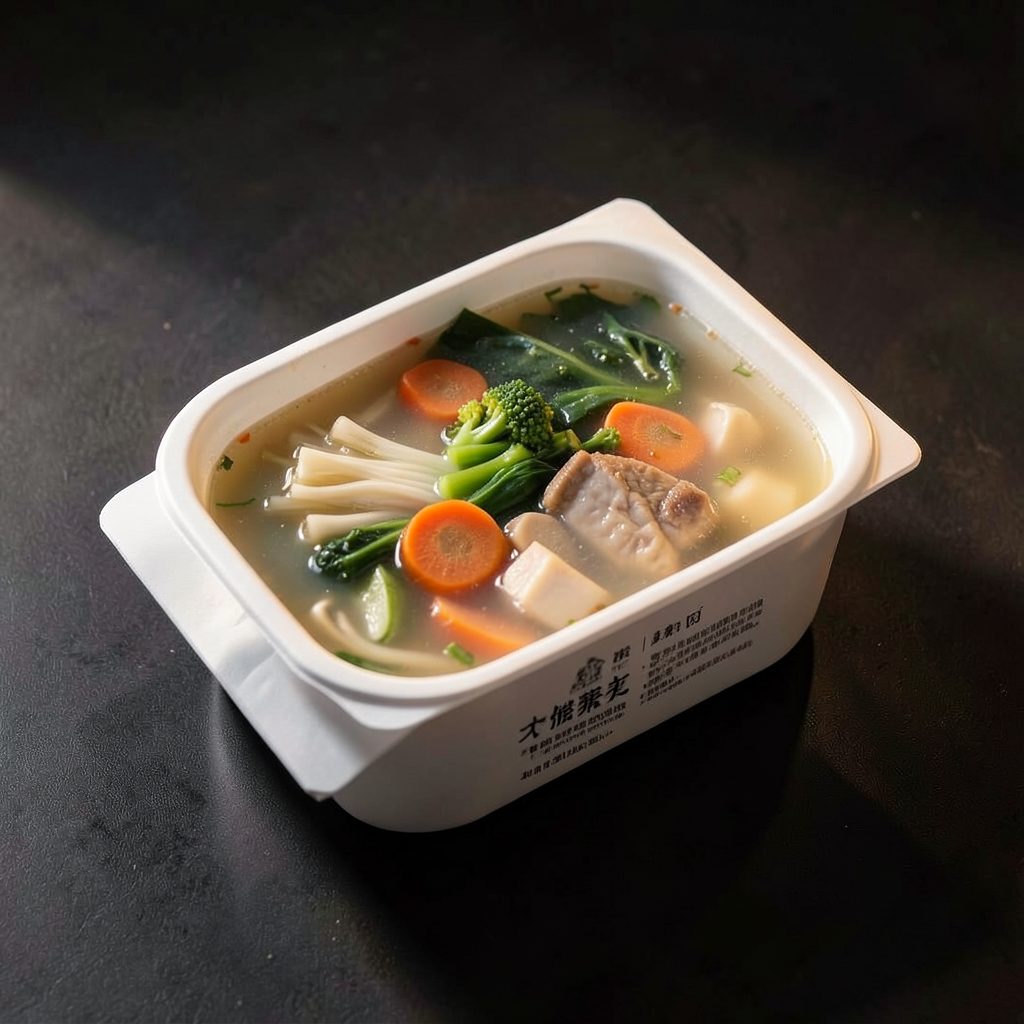
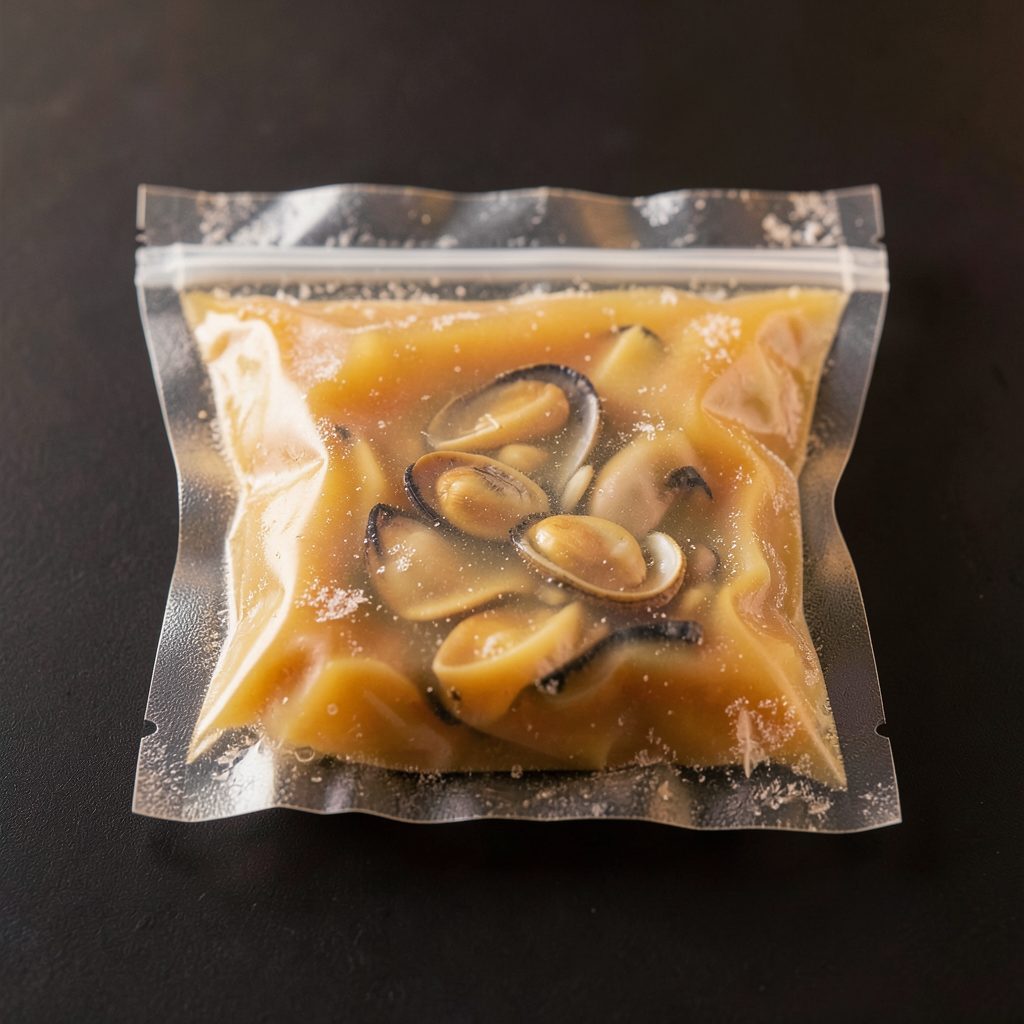
Best Sellers
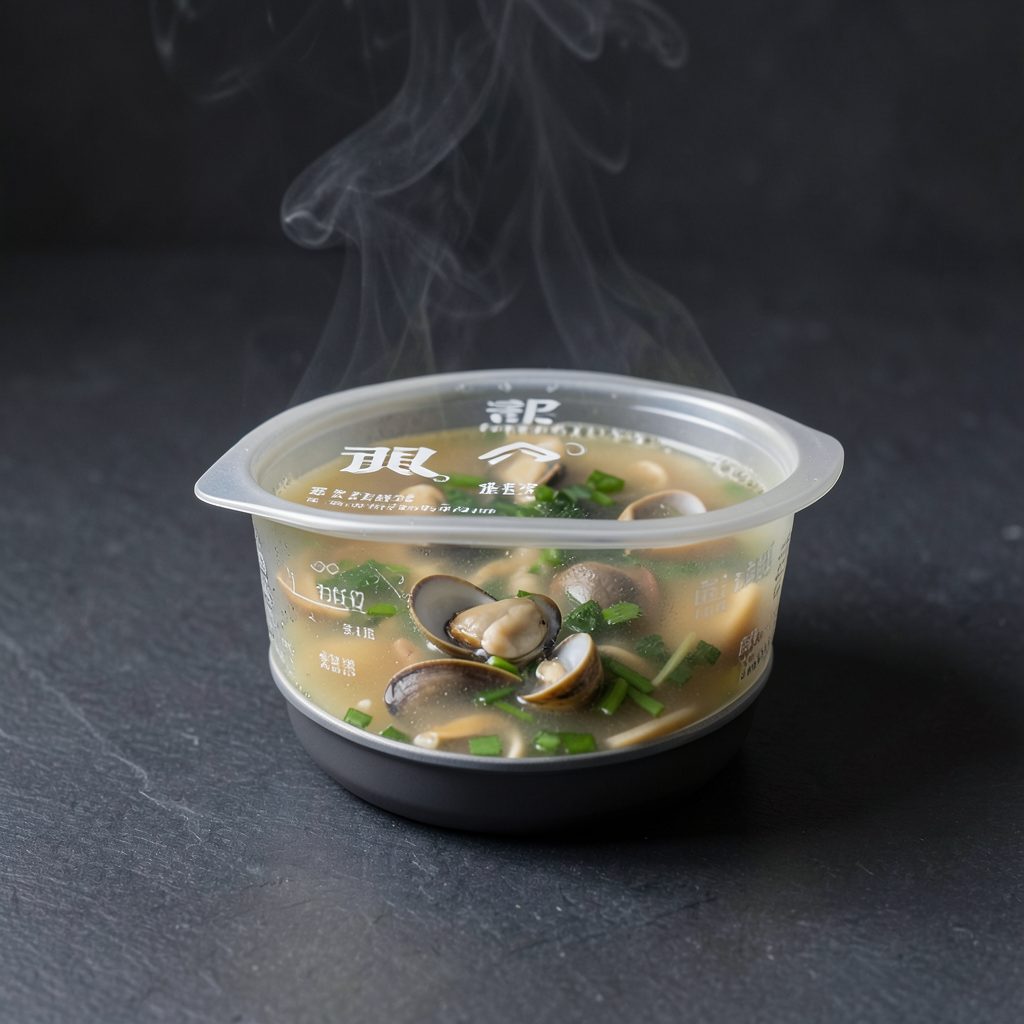
蛤?! Clam Soup Base —卜卜蜆
NT$ —
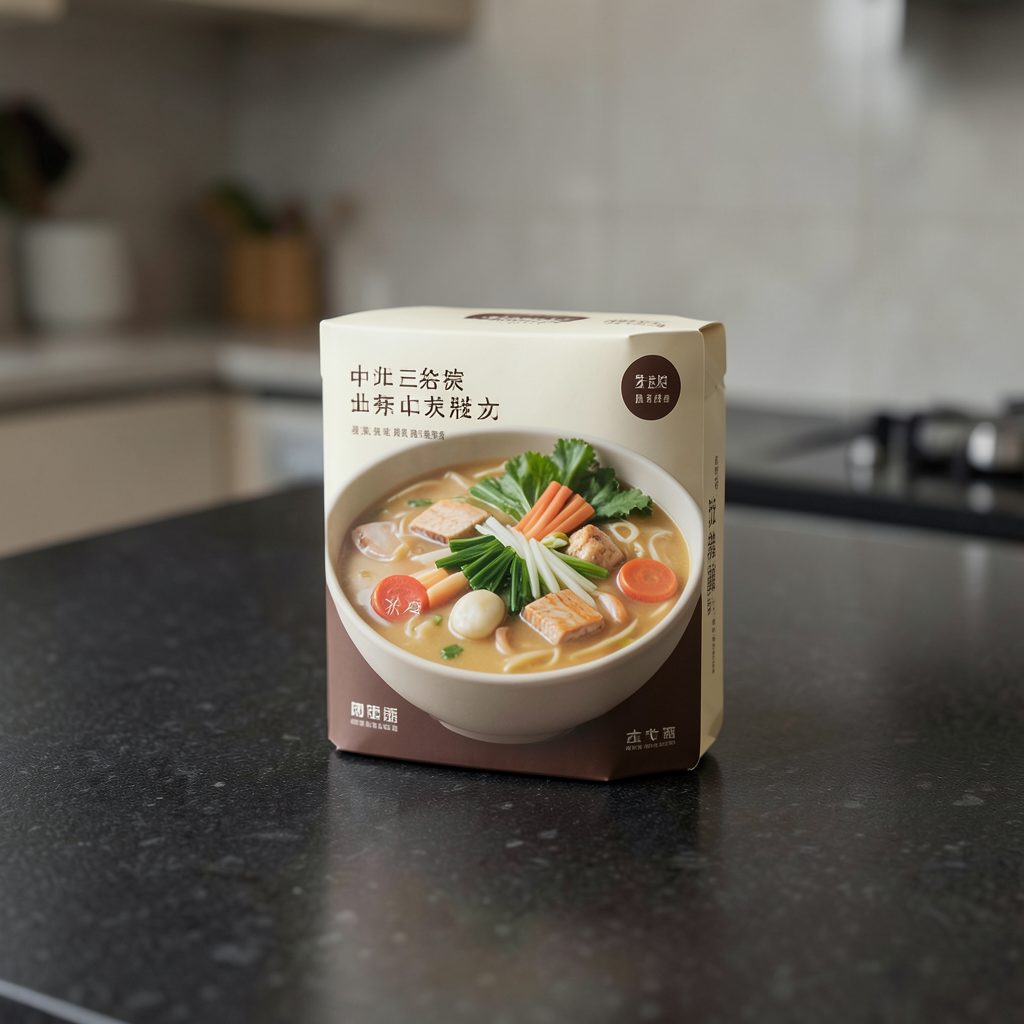
本事滿足鍋物 Personal Pot Base
NT$ —
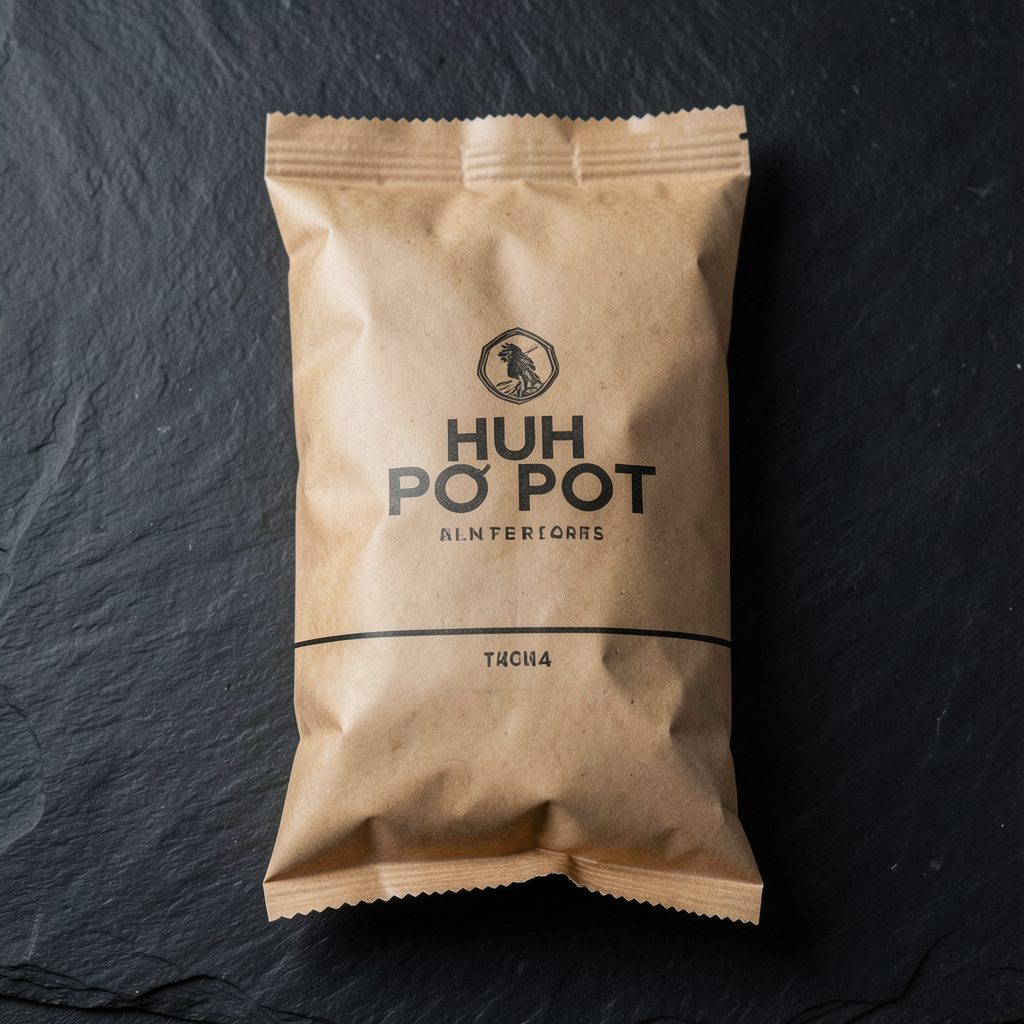
蛤?! Dry Noodles
NT$ —
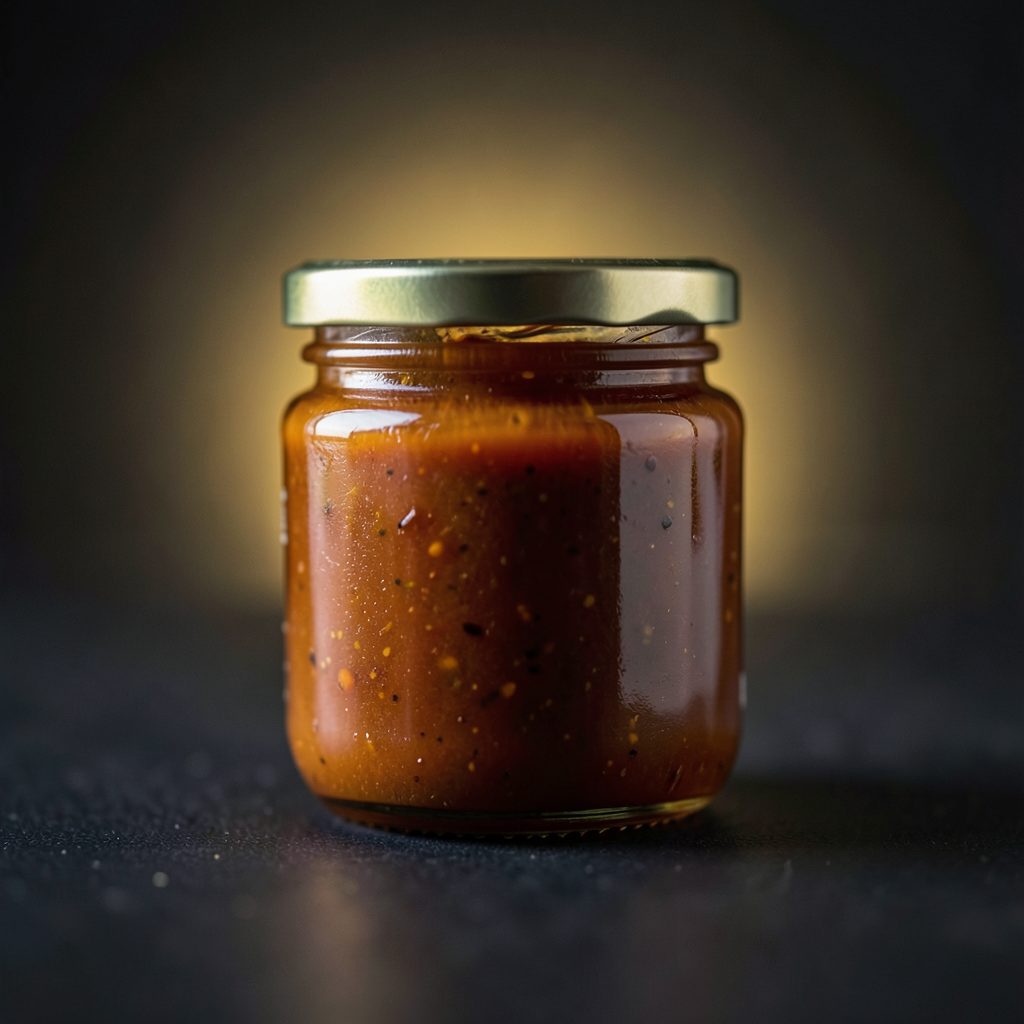
Signature Sauce
NT$ —
New Arrivals
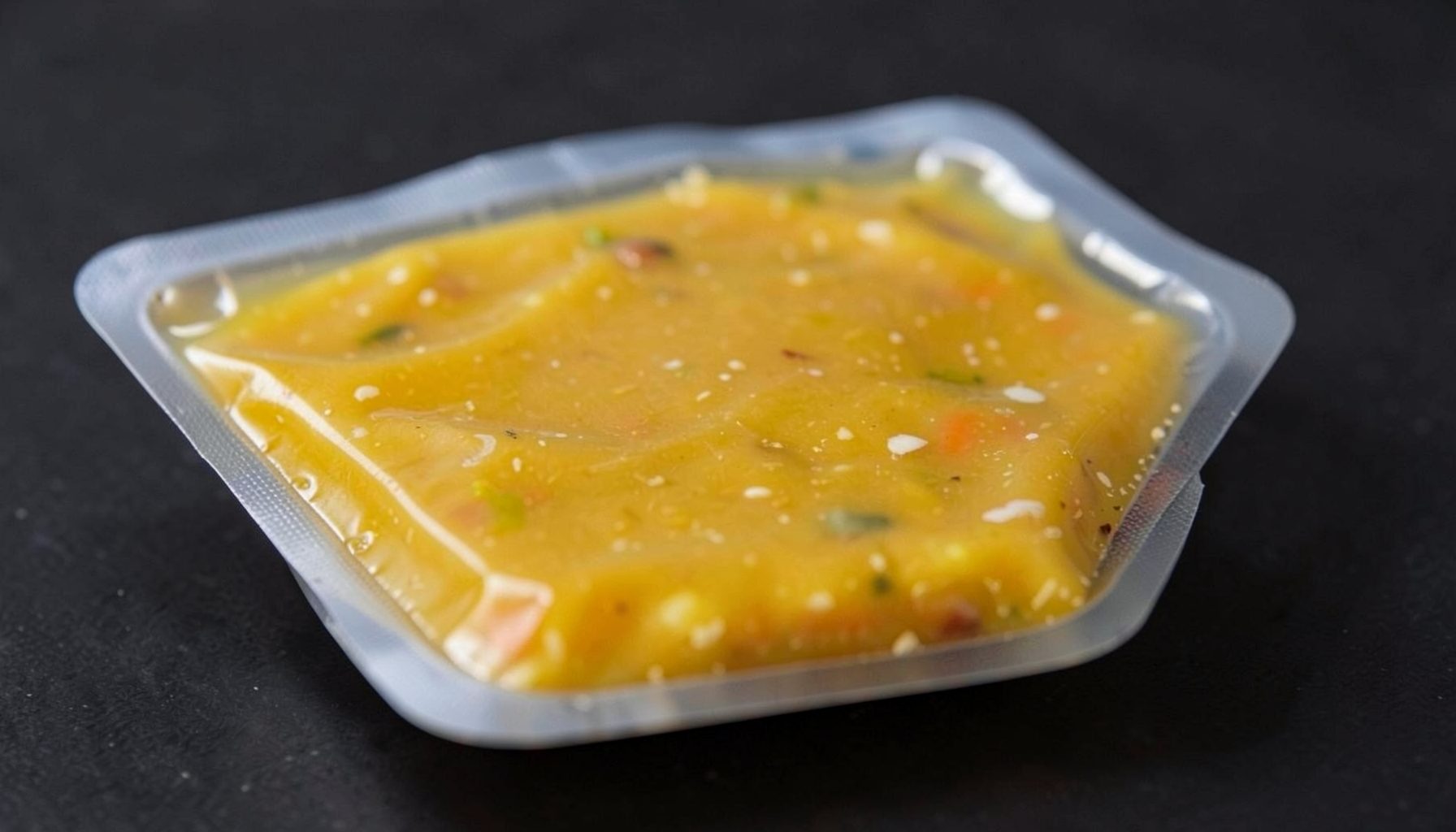
蛤?! Golden Clam Broth — New Batch
NT$ —
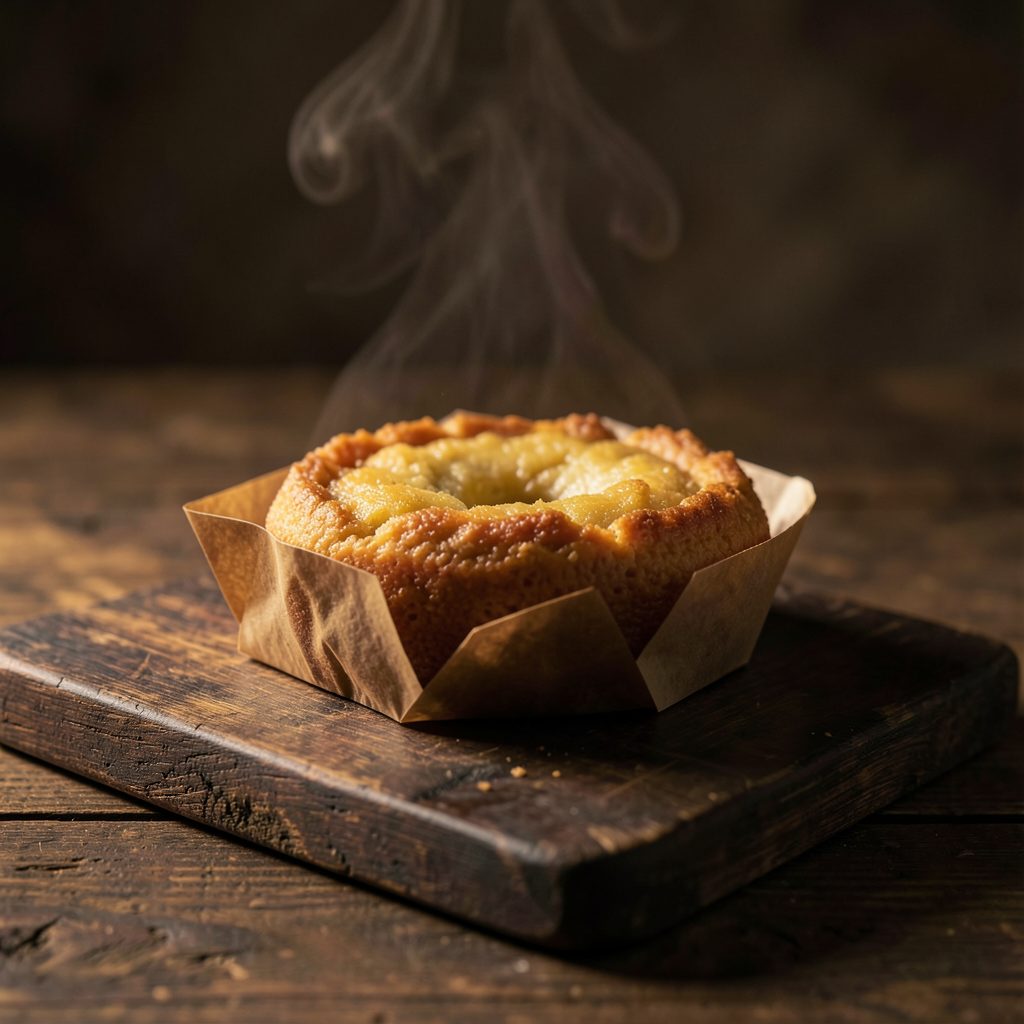
Radish Cake —蘿蔔糕精神
NT$ —
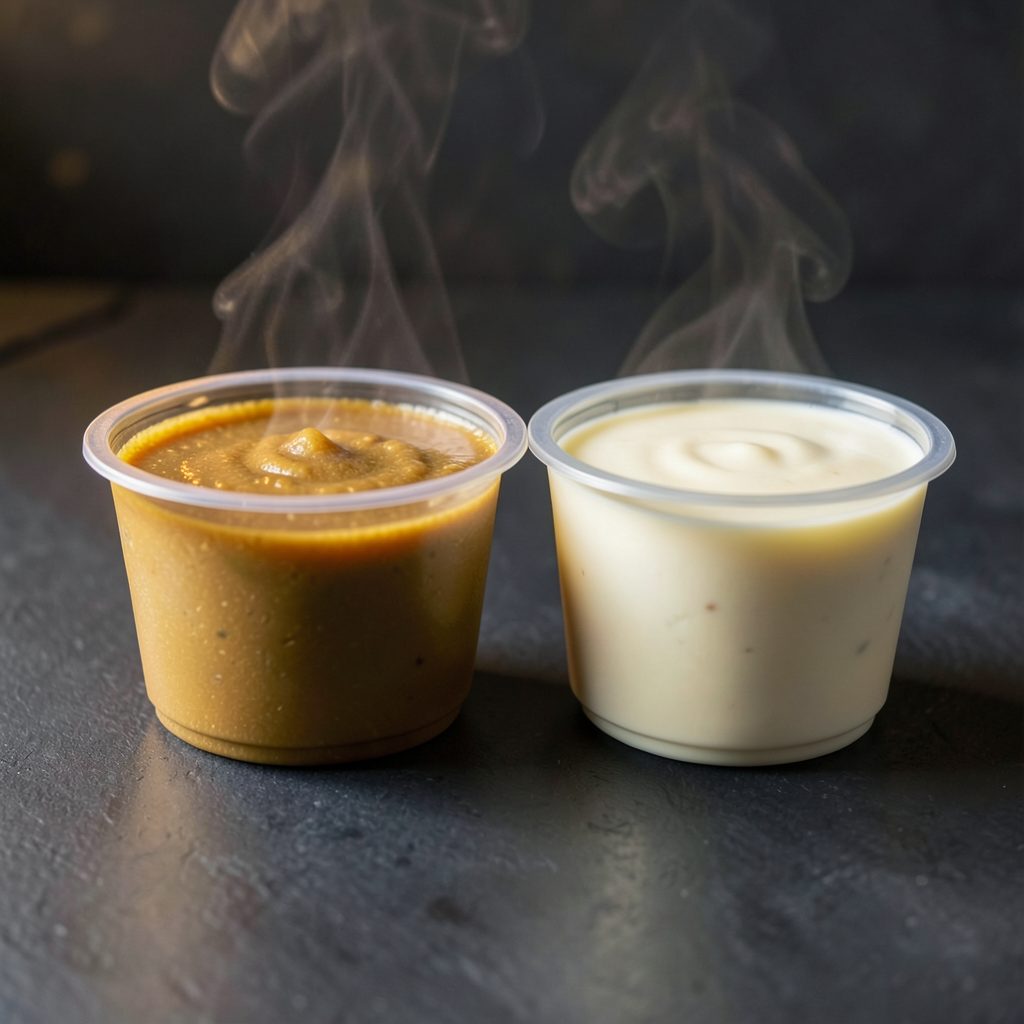
Duo Soup Base Set
NT$ —
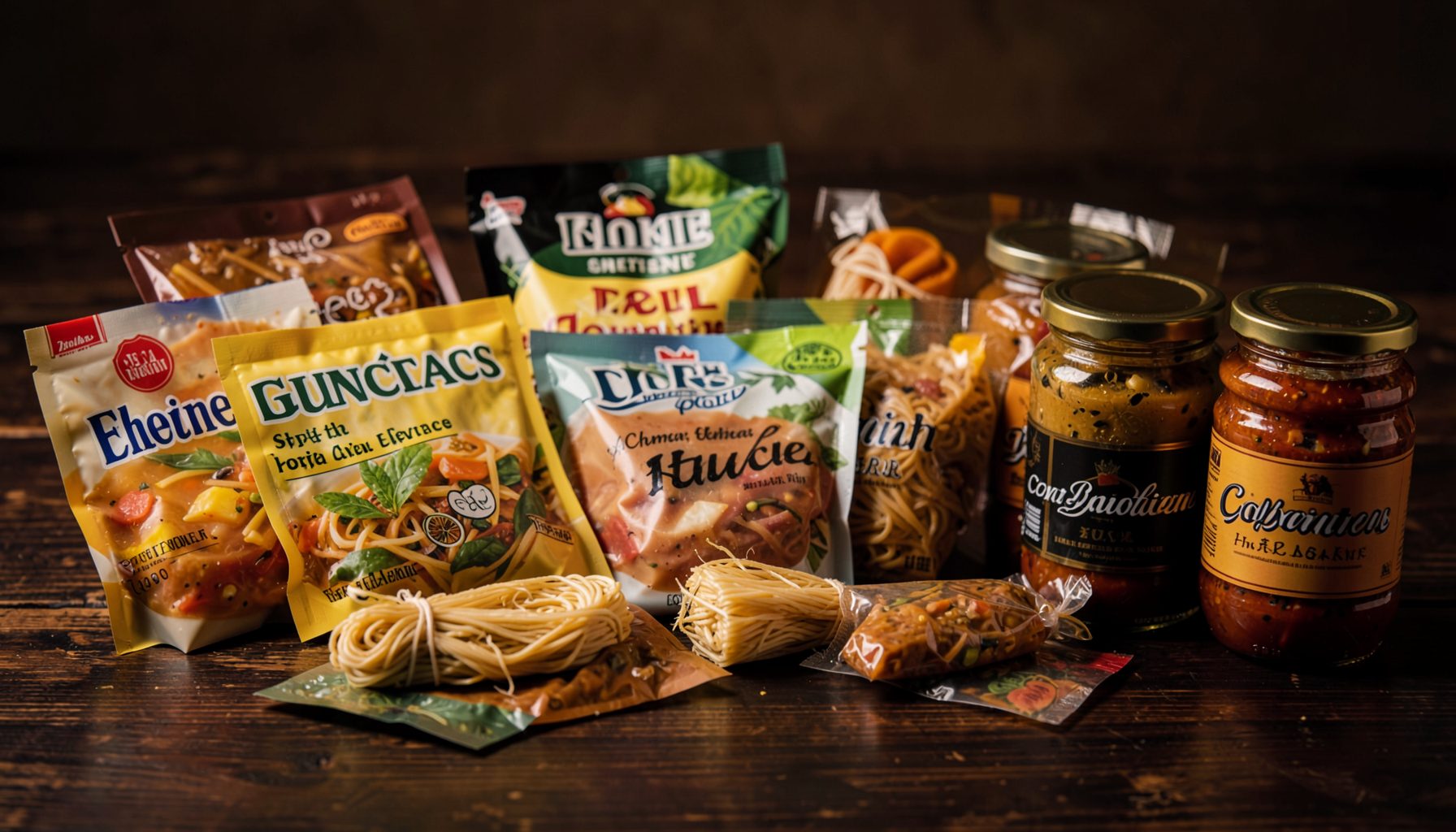
Hot Pot Essentials Bundle
NT$ —
About 蛤?! Huh Pot
蛤?! Huh Pot is a Cantonese-style hot pot brand known for its signature clam-based broth —卜卜蜆 — made with rich old-hen stock and generous portions of fresh clams. The brand also encompasses 本事滿足鍋物, a personal hot pot concept, bringing the same depth of flavor to individual servings.
Through MoneyCome Mart, these restaurant-quality soup bases, dry noodles, radish cakes, and signature sauces are available for home delivery across Taiwan. Restaurant locations in Taipei's Da'an District, Civic Boulevard, and Taichung's Gongyi Road also welcome guests for dine-in, with online reservations available.