The Science Behind Cold-Chain Shipping and Food Quality
A satisfying hot pot begins long before the soup reaches the table. The freshness of clams, the texture of noodles, and the aroma of a Cantonese broth all depend on how ingredients are handled after preparation. For online food stores, preserving that quality during delivery requires careful control of temperature, packaging, timing, and storage.
Cold-chain shipping is the system that keeps perishable products chilled or frozen from production to the customer’s freezer. In Taiwan, where warm weather can accelerate spoilage, a reliable temperature-controlled supply chain is especially important for home-delivered hot pot ingredients.
MoneyCome Mart brings together frozen soup bases, clam broths, sauces, noodles, turnip cakes, and prepared ingredients connected with 蛤?! Huh Pot and 本事滿足鍋物. The goal is to make restaurant-style hot pot practical at home without losing the qualities that make each ingredient enjoyable.
Why Temperature Control Matters
Food quality changes continuously as temperature changes. Bacteria generally multiply faster in warmer conditions, while freezing slows microbial activity and preserves ingredients for longer storage. Freezing does not improve food after quality has declined, so the product must enter the cold chain while it is still fresh.
Temperature also affects texture and flavor. Seafood, broths, and prepared foods contain water, proteins, fats, and aromatic compounds that react differently during cooling and thawing. A stable frozen environment helps reduce unwanted deterioration, while repeated warming and refreezing can create larger ice crystals and damage cellular structure.
For this reason, cold-chain logistics is more than placing food in a delivery box with ice packs. It involves a coordinated process that begins in the kitchen or production facility and continues through storage, dispatch, transportation, and final delivery.
How Freezing Preserves Flavor
When food freezes, water forms ice crystals. Rapid freezing creates smaller crystals, which are less disruptive to the structure of ingredients. Slower freezing can produce larger crystals that rupture cells, causing watery texture or loss of firmness after thawing.
Soup bases benefit from stable freezing because their flavor compounds remain protected from prolonged exposure to air and heat. A frozen clam broth, for example, can retain its savory character when sealed properly and stored at a consistent low temperature. Sauces and prepared foods also depend on suitable packaging to prevent freezer burn, oxidation, and moisture loss.
The science is especially relevant to products designed for quick home preparation. Ingredients should thaw predictably and cook evenly, allowing customers to focus on combining broth, vegetables, noodles, seafood, and other favorites rather than compensating for poor texture.
Packaging Is Part Of The Process
Insulated boxes, frozen gel packs, sealed pouches, and appropriate product spacing all help manage heat transfer. Packaging slows the movement of external heat into the food, while cold packs absorb heat as they warm. The effectiveness of the shipment depends on the outside temperature, delivery time, product volume, and insulation quality.
A well-designed package also reduces physical damage. Tight seals protect broth from leakage, while sturdy outer packaging keeps frozen products together during handling. Separating sauces or smaller components from heavier items can help prevent punctures and preserve the appearance of each package.
Cold-chain performance is therefore a balance between thermal protection and practical delivery. The package must remain cold enough throughout transit while still being convenient for customers to unpack, organize, and store immediately.
From Delivery Box To Freezer
The final stage of the cold chain takes place at home. Customers should open the package soon after delivery, check that frozen items remain properly chilled, and move them into the freezer without delay. If a product has fully thawed, shows unusual leakage, or has an unexpected odor, it should be handled cautiously according to food-safety guidance.
Different products may have different storage instructions. Soup bases and broths are usually kept frozen until needed, while sauces, noodles, and prepared items may require specific handling. Following the package label helps preserve both safety and eating quality.
When preparing a hot pot, thawing should be controlled rather than prolonged at room temperature. Moving frozen items to the refrigerator ahead of time, or following the cooking instructions directly, can reduce temperature abuse and help ingredients retain their intended texture.
| Cold-Chain Stage | Main Quality Concern | Protective Measure |
|---|---|---|
| Production | Freshness before freezing | Process and chill ingredients promptly |
| Frozen Storage | Temperature fluctuation | Maintain a stable freezer environment |
| Packing | Heat gain and leakage | Use insulation, cold packs, and sealed packaging |
| Transportation | Transit duration | Coordinate dispatch and delivery efficiently |
| Home Storage | Delayed freezing | Transfer products to the freezer quickly |
| Preparation | Uneven thawing | Follow product-specific cooking guidance |
Cantonese Flavor Depends On Ingredient Handling
Cantonese hot pot is built around clarity, balance, and the natural taste of its ingredients. A broth that tastes clean and layered can be weakened by poor storage, while delicate seafood and fresh accompaniments may lose their appeal if temperature control is inconsistent.
MoneyCome Mart’s selection supports different styles of home dining, from rich frozen soup bases to clam broths, dipping sauces, noodles, and prepared side dishes. Customers who want to understand the culinary ideas behind the brands can explore the Huh Pot story, then choose ingredients that suit a family meal, a small gathering, or a more elaborate spread.
The cold chain protects more than safety. It helps preserve the sensory details that define the meal: aroma released when broth simmers, the springiness of noodles, the savory depth of seafood, and the crisp edges of a turnip cake when it is heated correctly.
Practical Habits For Better Results
Good storage and preparation habits extend the work done by producers and delivery teams. A few simple choices can reduce waste and help each ingredient perform as intended.
- Check delivery contents promptly and place frozen products in the freezer as soon as possible.
- Keep the freezer temperature stable and avoid repeatedly leaving the door open.
- Arrange items by use date so older products are prepared first.
- Thaw only the quantity needed for the meal whenever practical.
- Follow package instructions for cooking, storage, and reheating.
These steps also make planning easier. Bundles and seasonal products can be organized around a specific hot pot occasion, while membership benefits and featured items may help regular customers keep favorite broths or sauces available.
When temperature control, protective packaging, and careful home preparation work together, frozen hot pot ingredients can deliver much more than convenience. They preserve the foundation of a flavorful meal while reducing the time required for shopping, chopping, and stock preparation.
Explore MoneyCome Mart’s Cantonese hot pot selection, choose your favorite broth and accompaniments, and bring a carefully preserved restaurant-style experience to your next meal at home.
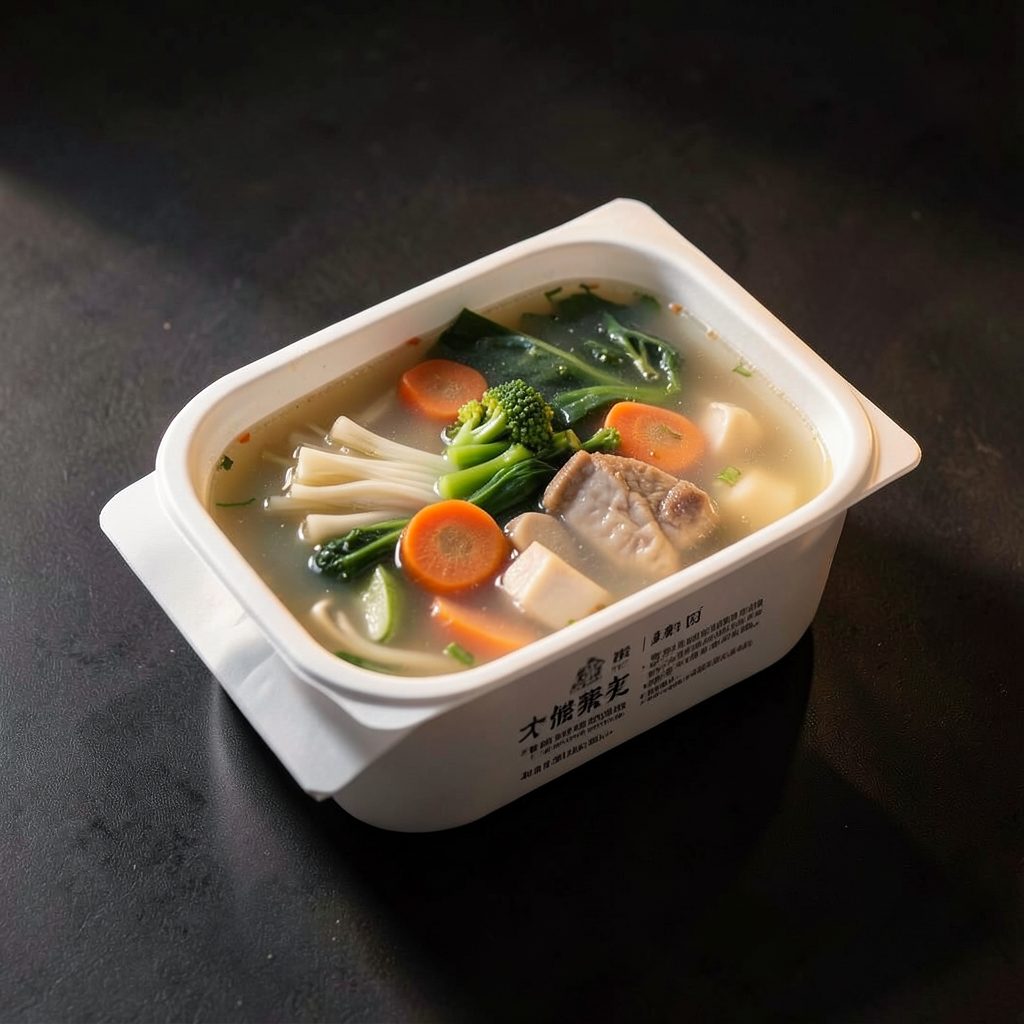
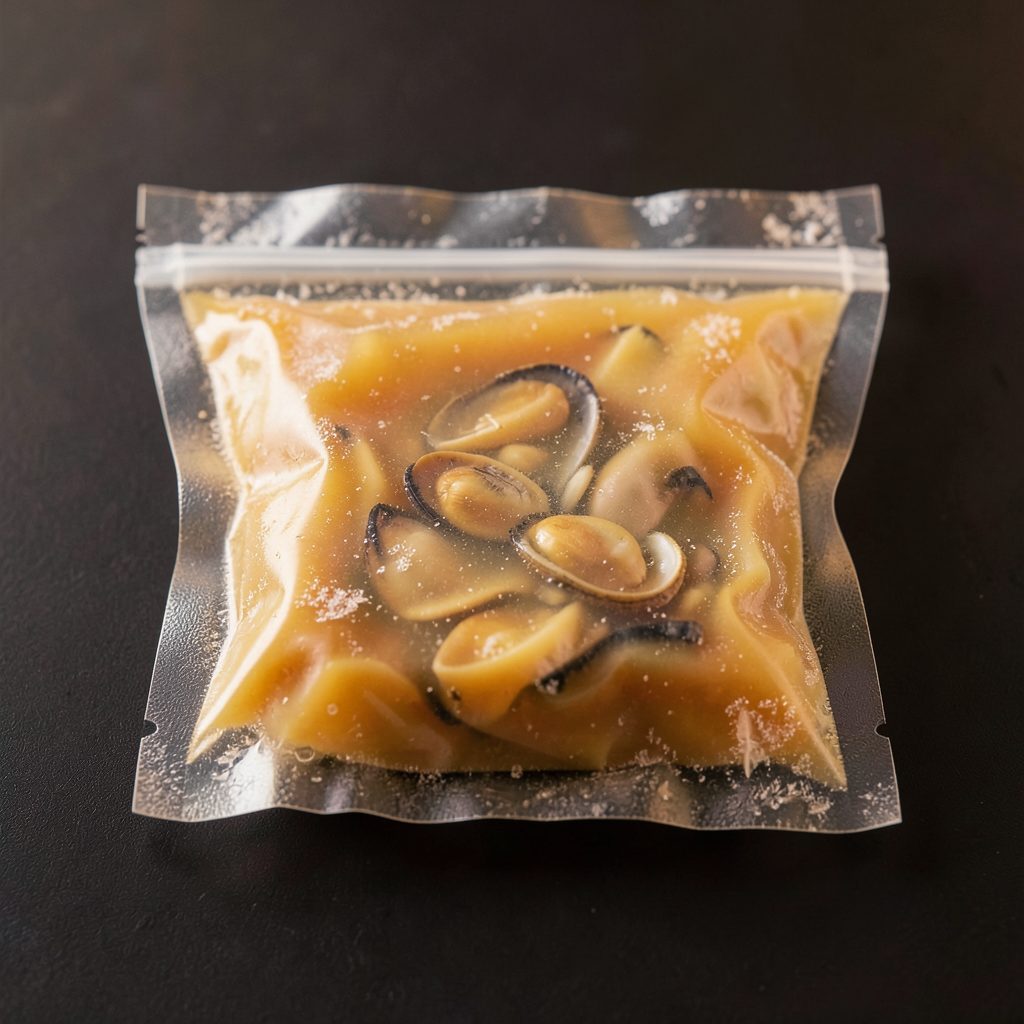
Best Sellers
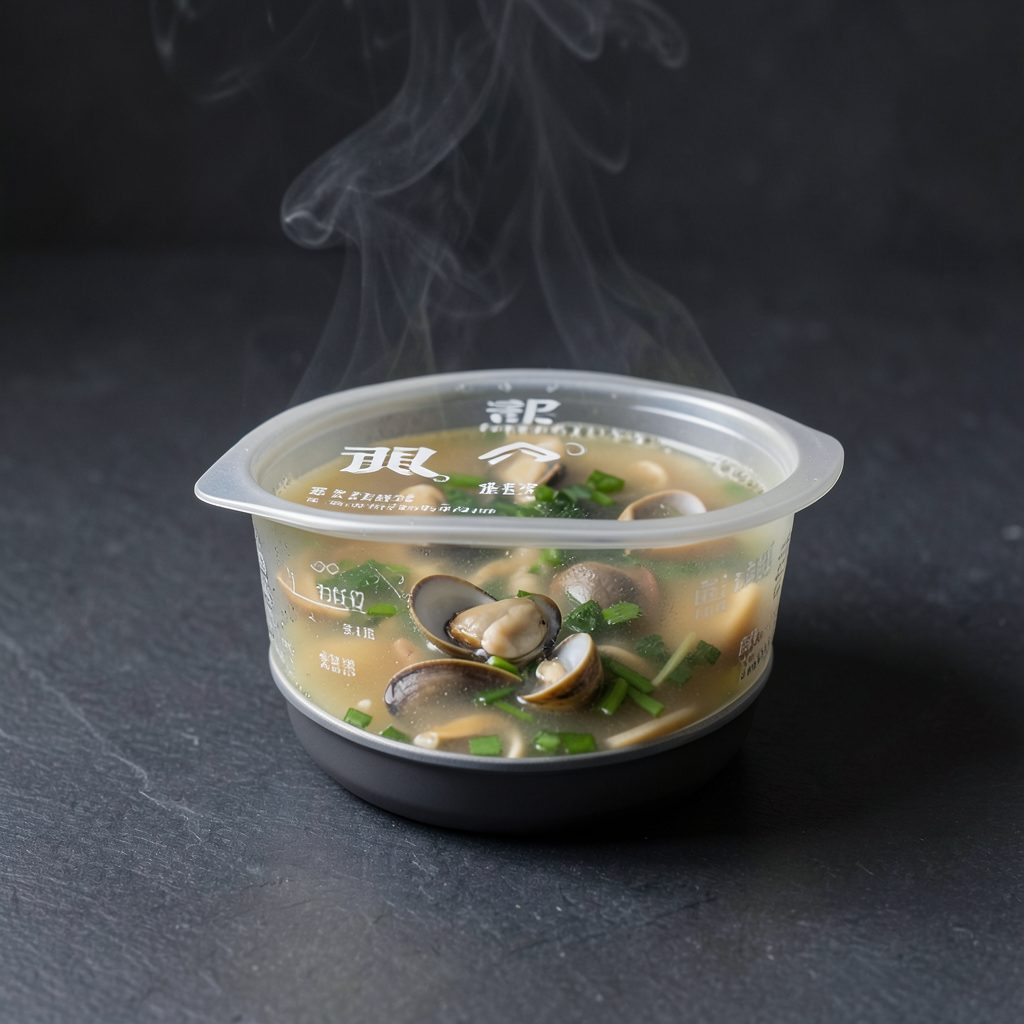
蛤?! Clam Soup Base —卜卜蜆
NT$ —
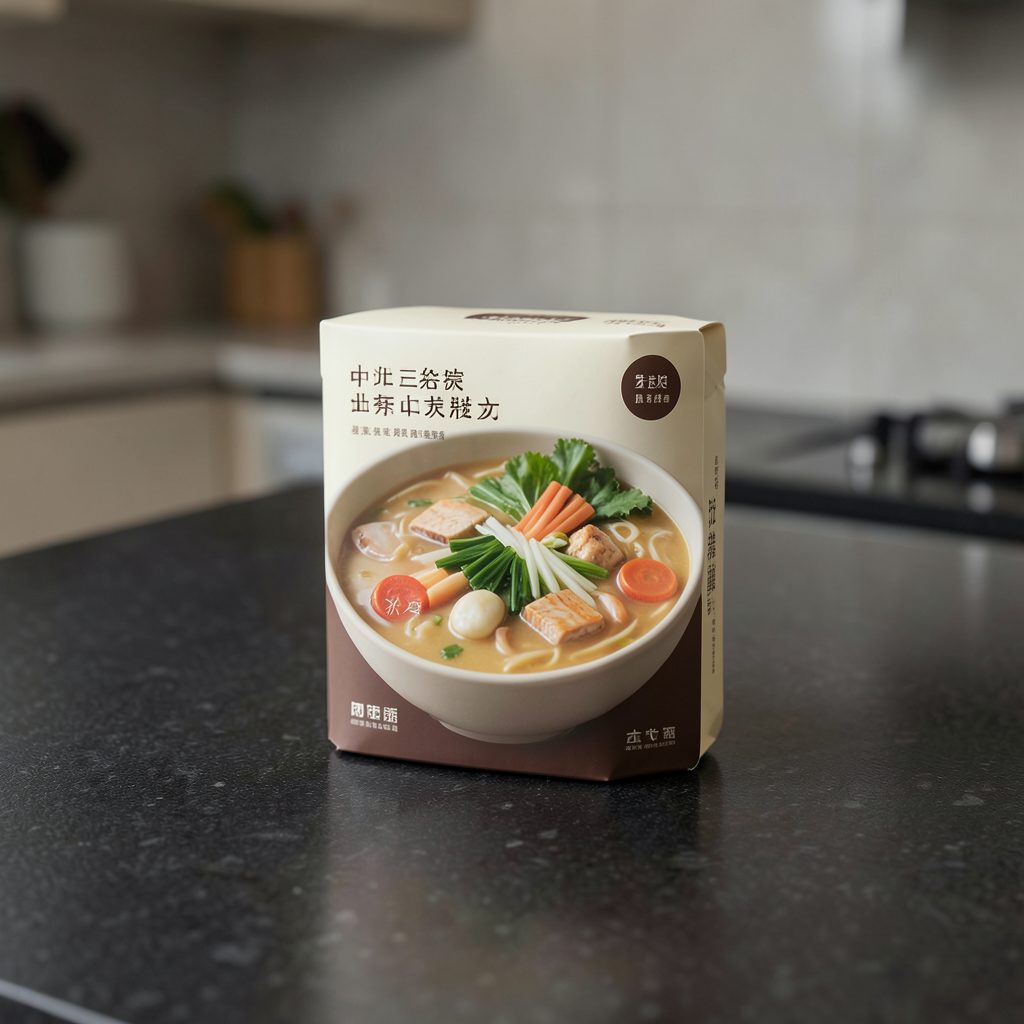
本事滿足鍋物 Personal Pot Base
NT$ —
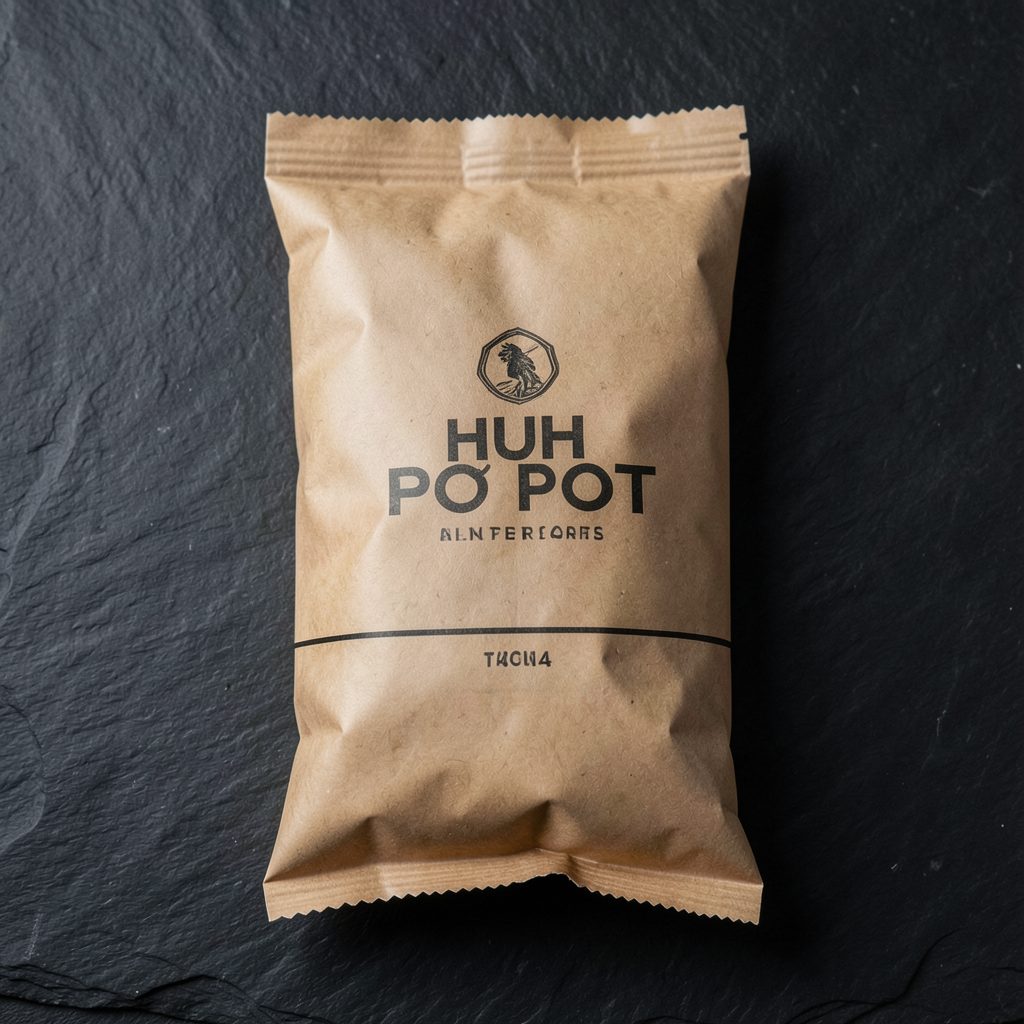
蛤?! Dry Noodles
NT$ —
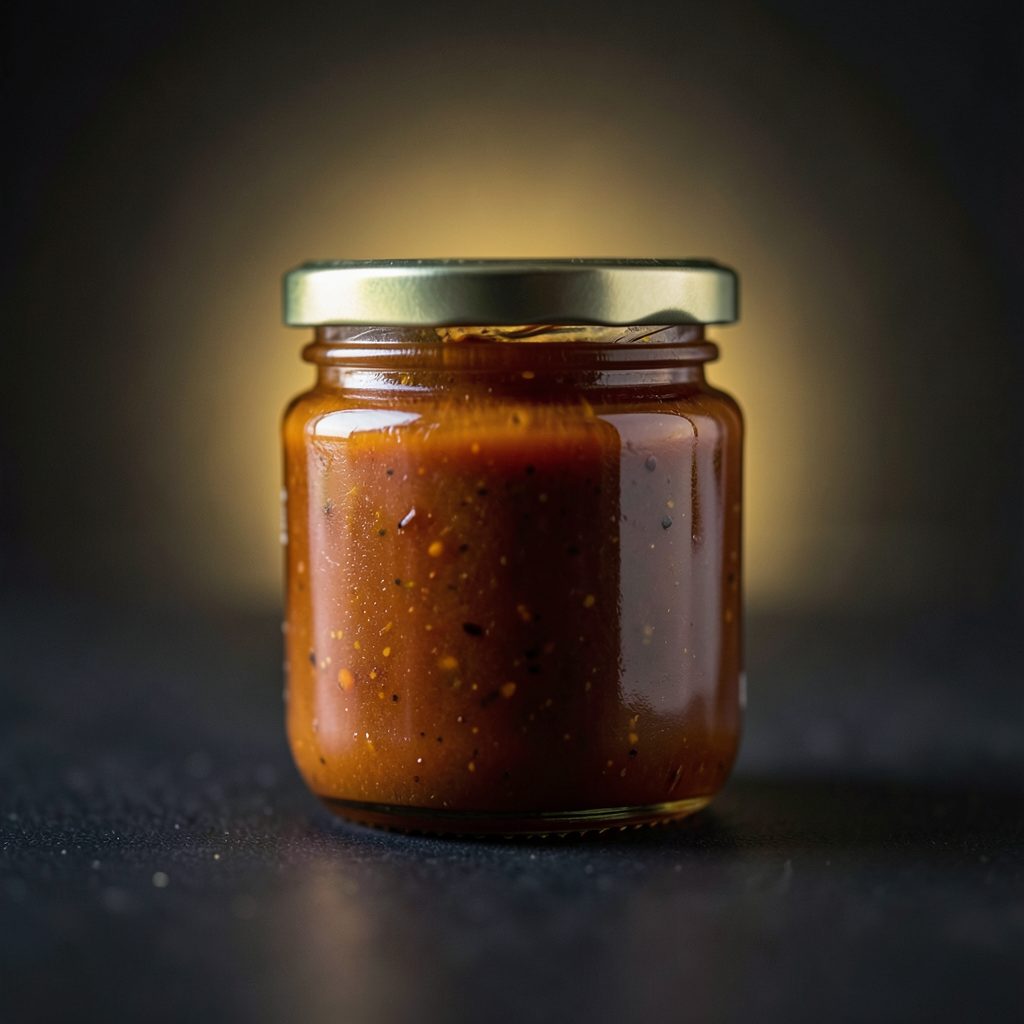
Signature Sauce
NT$ —
New Arrivals
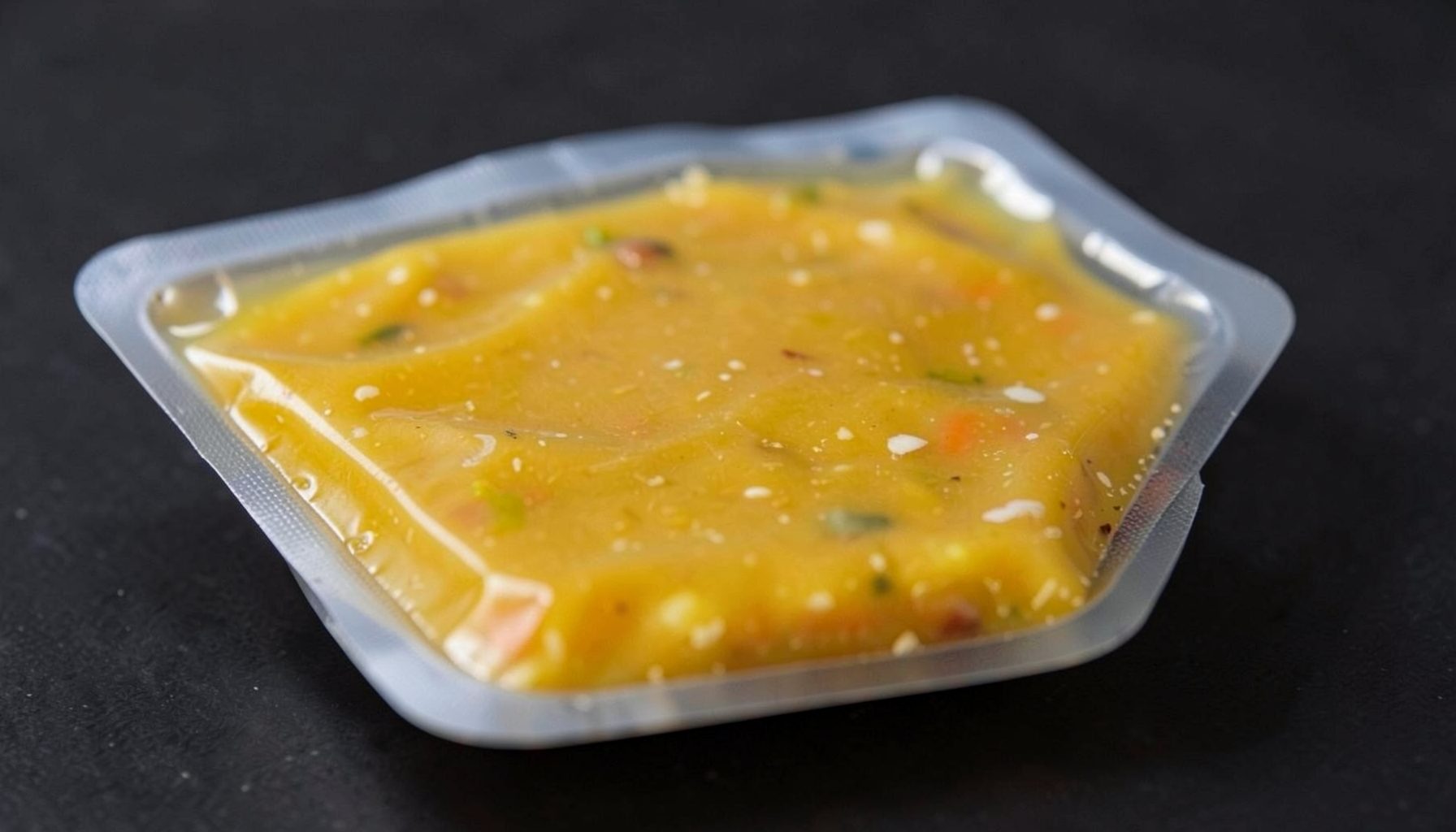
蛤?! Golden Clam Broth — New Batch
NT$ —
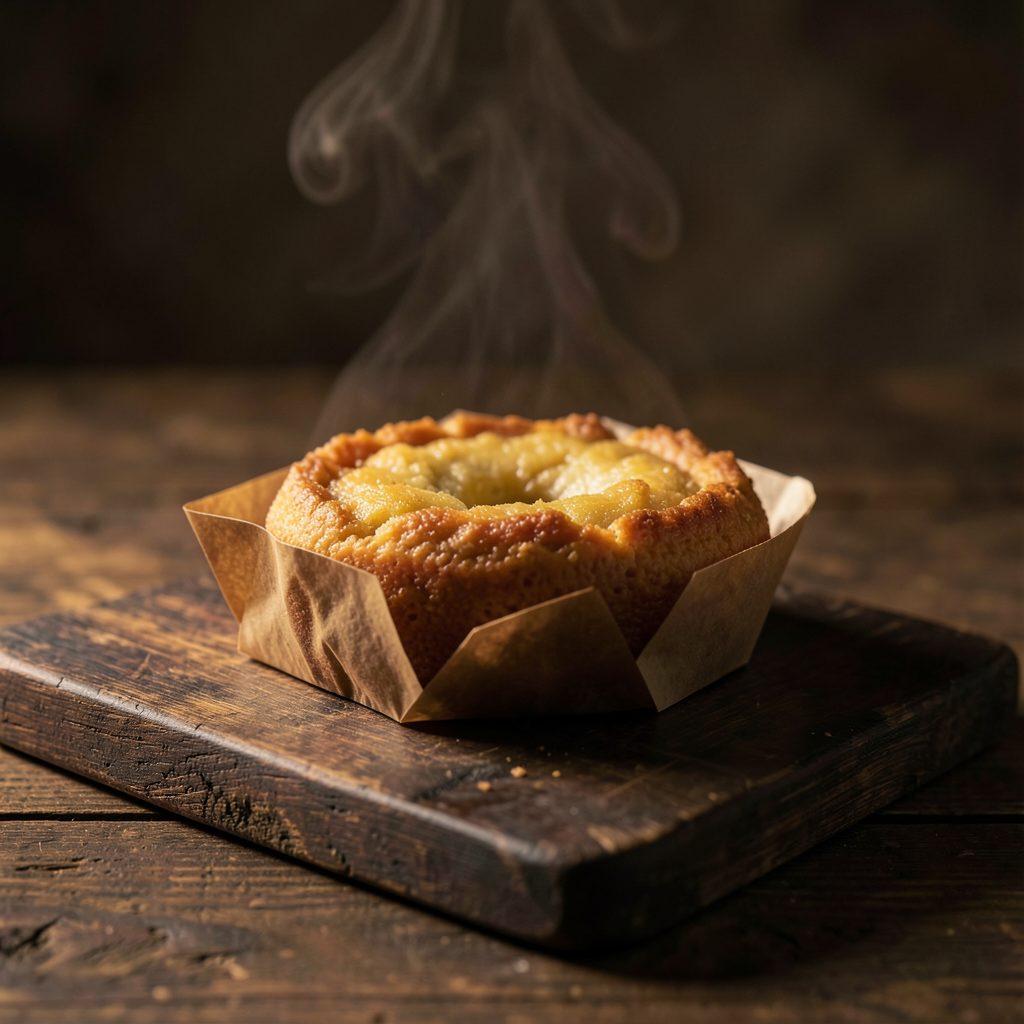
Radish Cake —蘿蔔糕精神
NT$ —
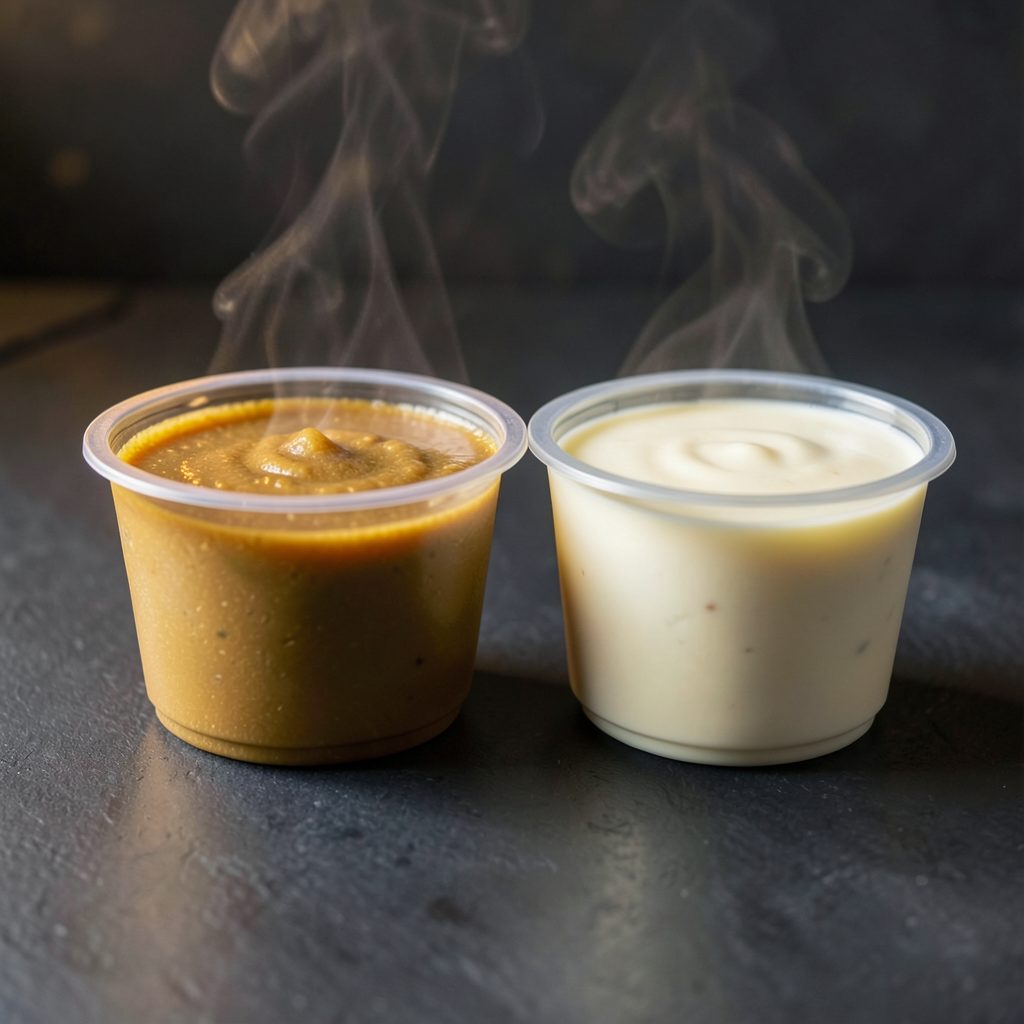
Duo Soup Base Set
NT$ —
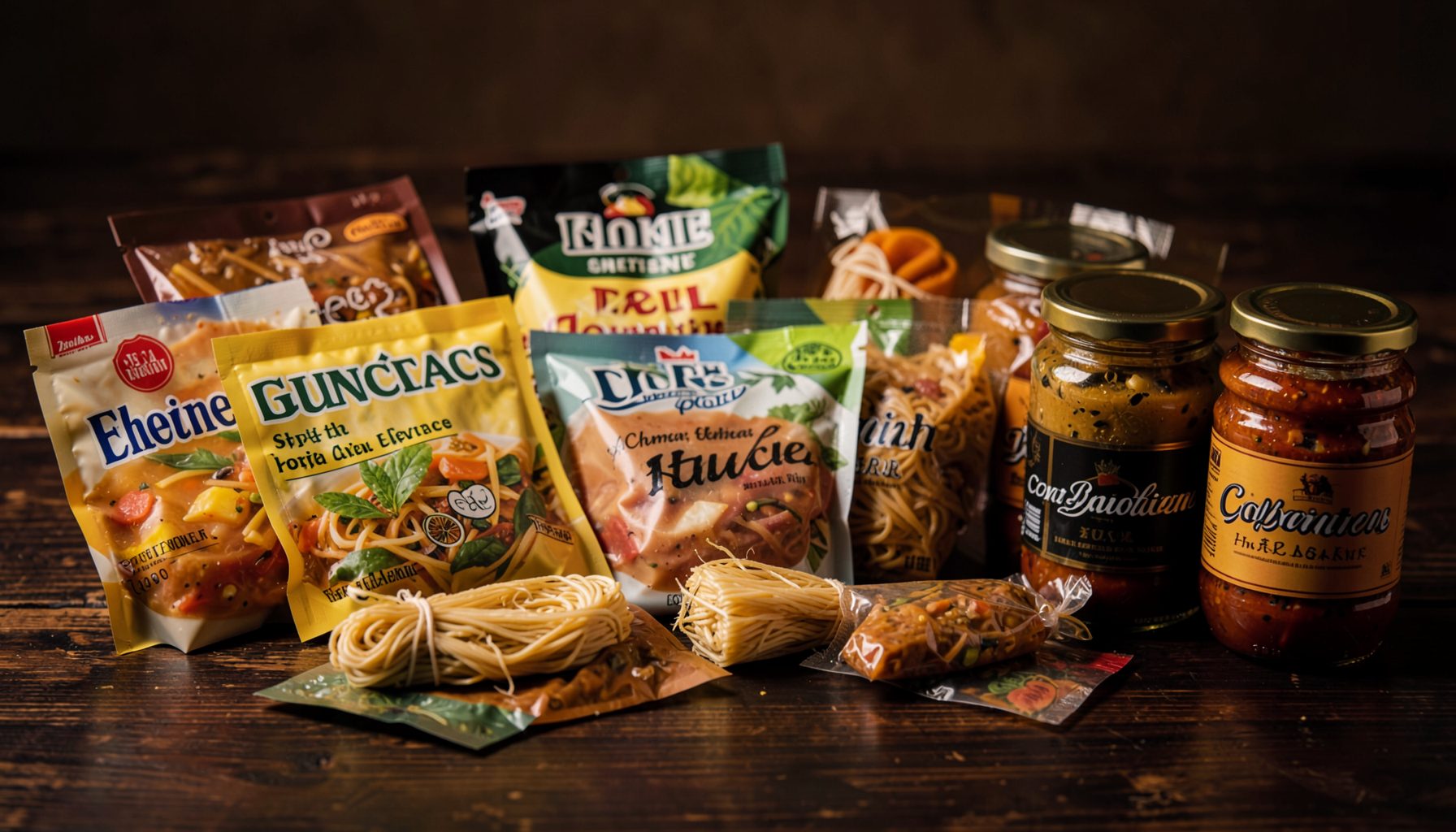
Hot Pot Essentials Bundle
NT$ —
About 蛤?! Huh Pot
蛤?! Huh Pot is a Cantonese-style hot pot brand known for its signature clam-based broth —卜卜蜆 — made with rich old-hen stock and generous portions of fresh clams. The brand also encompasses 本事滿足鍋物, a personal hot pot concept, bringing the same depth of flavor to individual servings.
Through MoneyCome Mart, these restaurant-quality soup bases, dry noodles, radish cakes, and signature sauces are available for home delivery across Taiwan. Restaurant locations in Taipei's Da'an District, Civic Boulevard, and Taichung's Gongyi Road also welcome guests for dine-in, with online reservations available.