The Role of Sesame in Cantonese Hot Pot Sauces
Cantonese hot pot is built around freshness, balance, and the natural flavor of each ingredient. Because the broth is often delicate, the dipping sauce becomes an important part of the meal, allowing diners to adjust richness, saltiness, acidity, and aroma at the table.
Sesame plays a particularly useful role in this balance. It can appear as creamy sesame paste, fragrant toasted seeds, or a small amount of sesame oil. Each form contributes a different texture and intensity, making sesame a flexible ingredient for home hot pot meals.
For shoppers preparing Cantonese-style dishes in Taiwan, quality ingredients make the process easier. MoneyCome Mart brings together soup bases, sauces, noodles, and prepared hot pot foods designed for convenient cold-chain delivery and restaurant-style results at home.
A Creamy Base For Dipping Sauces
Sesame paste gives hot pot sauce its signature body. Ground sesame seeds contain natural oils that create a smooth, thick texture, helping the sauce cling to sliced meat, leafy vegetables, tofu, and noodles instead of sliding off.
Its flavor is nutty and rounded rather than sharply salty. That makes it a useful foundation for sauces containing soy sauce, fermented bean curd, rice vinegar, garlic, scallions, or chili. A spoonful can soften intense seasonings and create a more integrated taste.
Tahini may be used when Chinese sesame paste is unavailable, but the flavor can differ. Chinese sesame paste is usually made from toasted seeds and tends to taste deeper and more aromatic. Stirring the jar thoroughly is important because the oil naturally separates during storage.
Toasting Builds Aroma And Depth
The flavor of sesame depends greatly on how it is prepared. Lightly toasted sesame seeds release warm, roasted aromas that are especially appealing with mushrooms, cabbage, fish balls, and seafood. They also add a delicate crunch to an otherwise smooth dipping sauce.
Sesame oil has a similar aromatic function, but it is much more concentrated. A few drops can lift a sauce immediately, while too much may cover the sweetness of clams or the clean flavor of a Cantonese broth. It works best as a finishing note rather than the main liquid.
Freshly toasted seeds can be crushed slightly before adding them to sauce. This releases more fragrance while preserving some texture. For a quick home meal, prepared sesame sauce can provide the creamy base, with seeds or sesame oil added at the end for a more layered result.
Balancing Richness With Broth And Seasonings
Sesame is naturally rich, so it benefits from contrasting ingredients. Rice vinegar adds brightness, soy sauce brings salt and umami, and chili oil contributes heat. Minced garlic and green onion provide freshness that keeps the sauce from feeling heavy.
The broth also influences how much sesame sauce is appropriate. A clear seafood or clam broth may call for a lighter mixture with extra vinegar and scallion. A spicy or strongly seasoned soup can support a creamier sesame blend that rounds off the heat.
A useful starting formula is one part sesame paste, one part warm water or broth, and a smaller amount of soy sauce. The mixture can then be adjusted with vinegar, sugar, garlic, or chili according to the ingredients being cooked.
| Sesame ingredient | Main contribution | Best pairings | Suggested use |
|---|---|---|---|
| Chinese sesame paste | Creaminess and roasted depth | Beef, tofu, greens, noodles | Sauce foundation |
| Toasted sesame seeds | Crunch and gentle aroma | Mushrooms, cabbage, fish balls | Final garnish |
| Sesame oil | Concentrated fragrance | Seafood, dumplings, vegetables | A few finishing drops |
| Black sesame paste | Earthier, stronger flavor | Pork, mushrooms, noodles | Small accent in rich sauces |
Matching Sesame With Hot Pot Ingredients
Sesame paste pairs naturally with thinly sliced beef because its richness complements the meat’s savory juices. It also works well with tofu, napa cabbage, spinach, and bean sprouts, giving mild ingredients a fuller mouthfeel.
For seafood, restraint is helpful. Clams, shrimp, fish slices, and squid often have subtle sweetness that can disappear under a strongly seasoned sauce. A lighter sesame mixture with vinegar, ginger, or citrus can enhance those flavors without masking them.
Noodles are another excellent match. Sesame sauce coats wheat noodles, rice noodles, and glass noodles evenly, turning them into a satisfying final course after the broth has absorbed the flavors of the meal. Products and prepared ingredients from the Cantonese hot pot selection can make this style of serving especially convenient.
Making A Sauce For Different Diners
One advantage of sesame-based sauce is that it can be customized at the table. Start with a neutral sesame mixture, then prepare small additions such as chili oil, chopped garlic, fermented tofu, vinegar, or cilantro. Each diner can create a preferred balance without changing the shared pot.
For children or guests who prefer mild flavors, sesame paste mixed with a little broth and soy sauce may be enough. Diners who enjoy heat can add chili crisp or sliced fresh chili. Those seeking a brighter sauce can increase the vinegar or add a little lemon juice.
Sesame also helps reduce the need for excessive salt. Its roasted flavor and creamy texture create satisfaction even when the sauce uses modest amounts of soy sauce. This is useful when the hot pot broth and ingredients already contain seasoning.
Practical Tips For Better Sesame Sauce
Small preparation details have a noticeable effect on the final result. Use warm liquid to loosen sesame paste gradually, adding it in small amounts while stirring. This prevents a lumpy texture and makes it easier to control thickness.
Store opened sesame paste according to the product instructions and mix the separated oil back into the paste before measuring. Keep sesame oil tightly sealed away from heat and light so its aroma stays fresh.
- Combine sesame paste with warm broth instead of cold water for a smoother sauce.
- Add vinegar gradually to brighten rich flavors without making the sauce sharp.
- Use sesame oil sparingly, especially with delicate seafood and clear soups.
- Finish with scallions, cilantro, garlic, or toasted seeds for freshness and texture.
- Check labels carefully for sesame and other allergens when serving a group.
Sesame gives Cantonese hot pot sauces more than a nutty taste. It creates body, carries aroma, softens strong seasonings, and connects the broth with every ingredient dipped into it. With the right balance of paste, oil, acidity, and fresh garnishes, a simple home hot pot can become a more personal and flavorful meal.
Choose a broth, prepare a few contrasting sauce additions, and stock up on cold-chain hot pot ingredients from MoneyCome Mart for your next Cantonese-inspired gathering.
Best Sellers
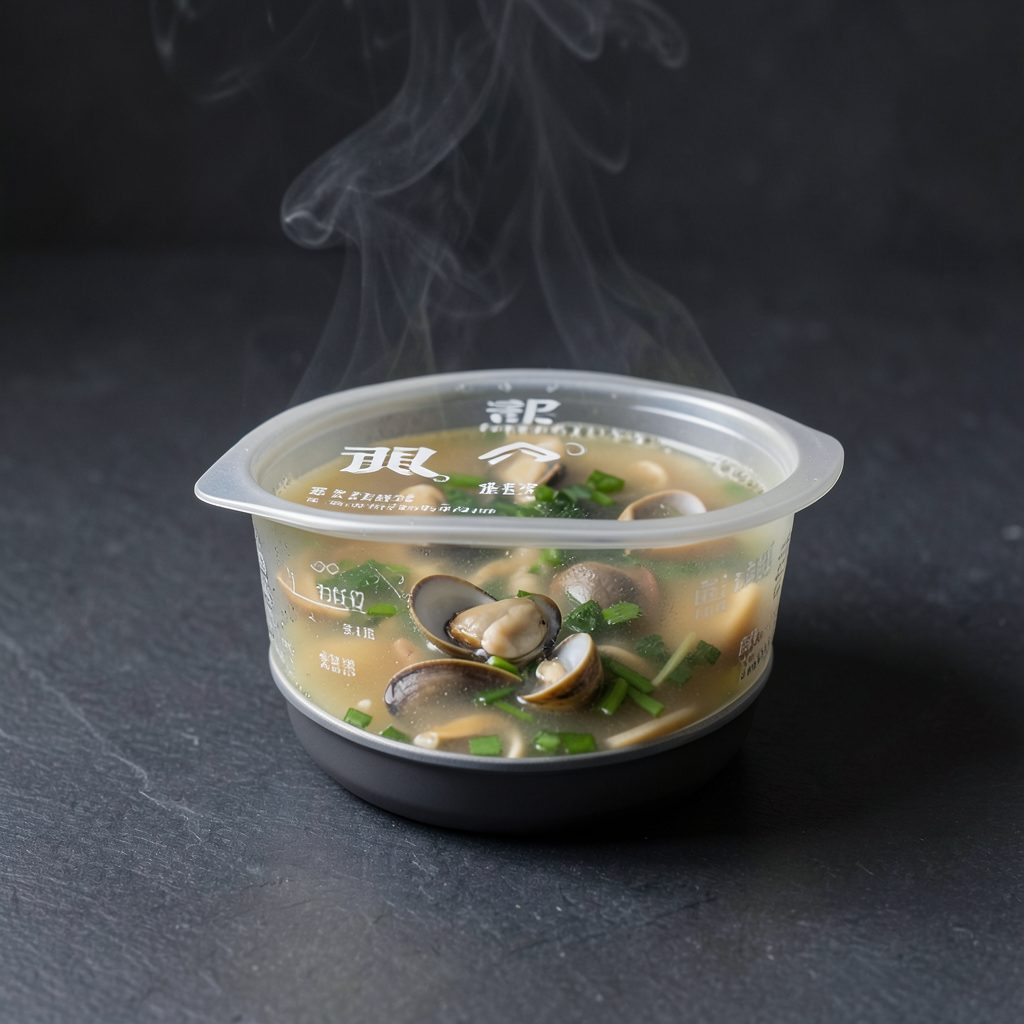
蛤?! Clam Soup Base —卜卜蜆
NT$ —
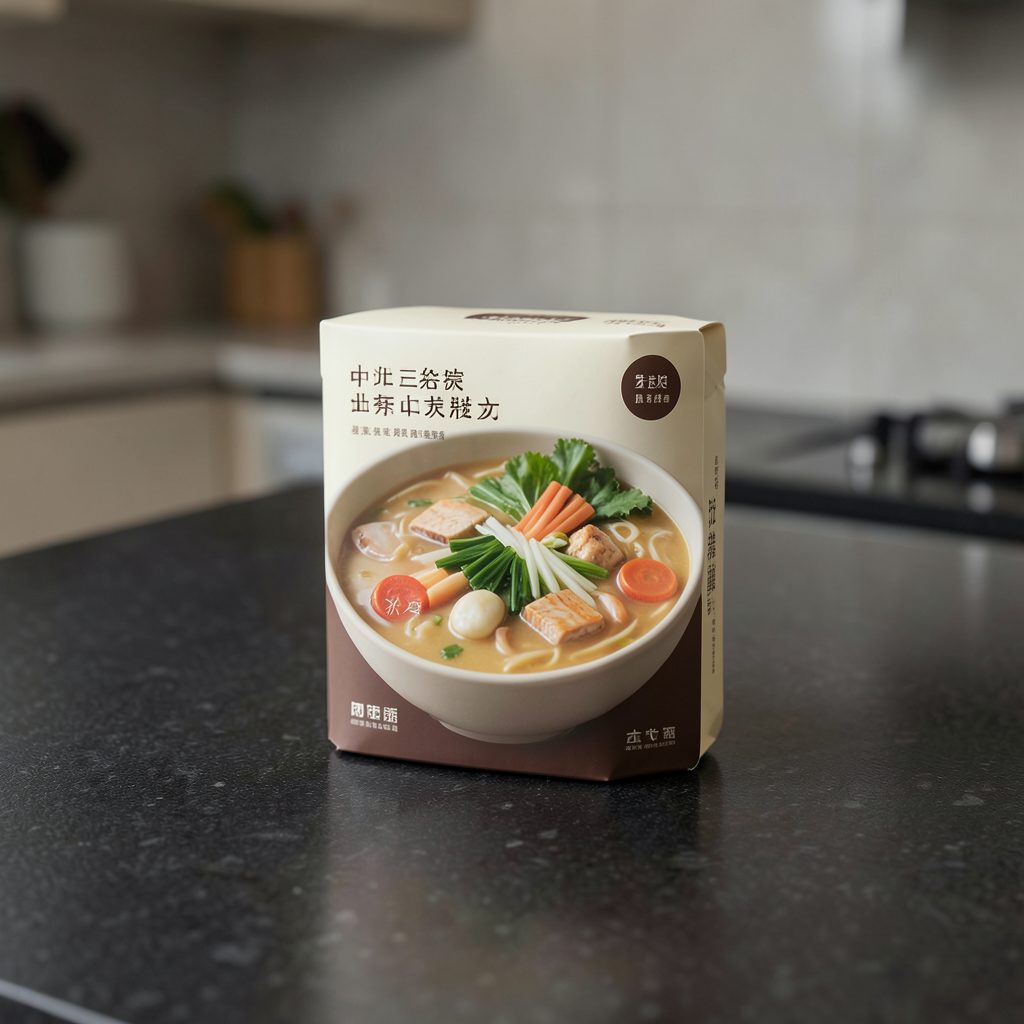
本事滿足鍋物 Personal Pot Base
NT$ —
蛤?! Dry Noodles
NT$ —
Signature Sauce
NT$ —
New Arrivals
蛤?! Golden Clam Broth — New Batch
NT$ —

Radish Cake —蘿蔔糕精神
NT$ —
Duo Soup Base Set
NT$ —
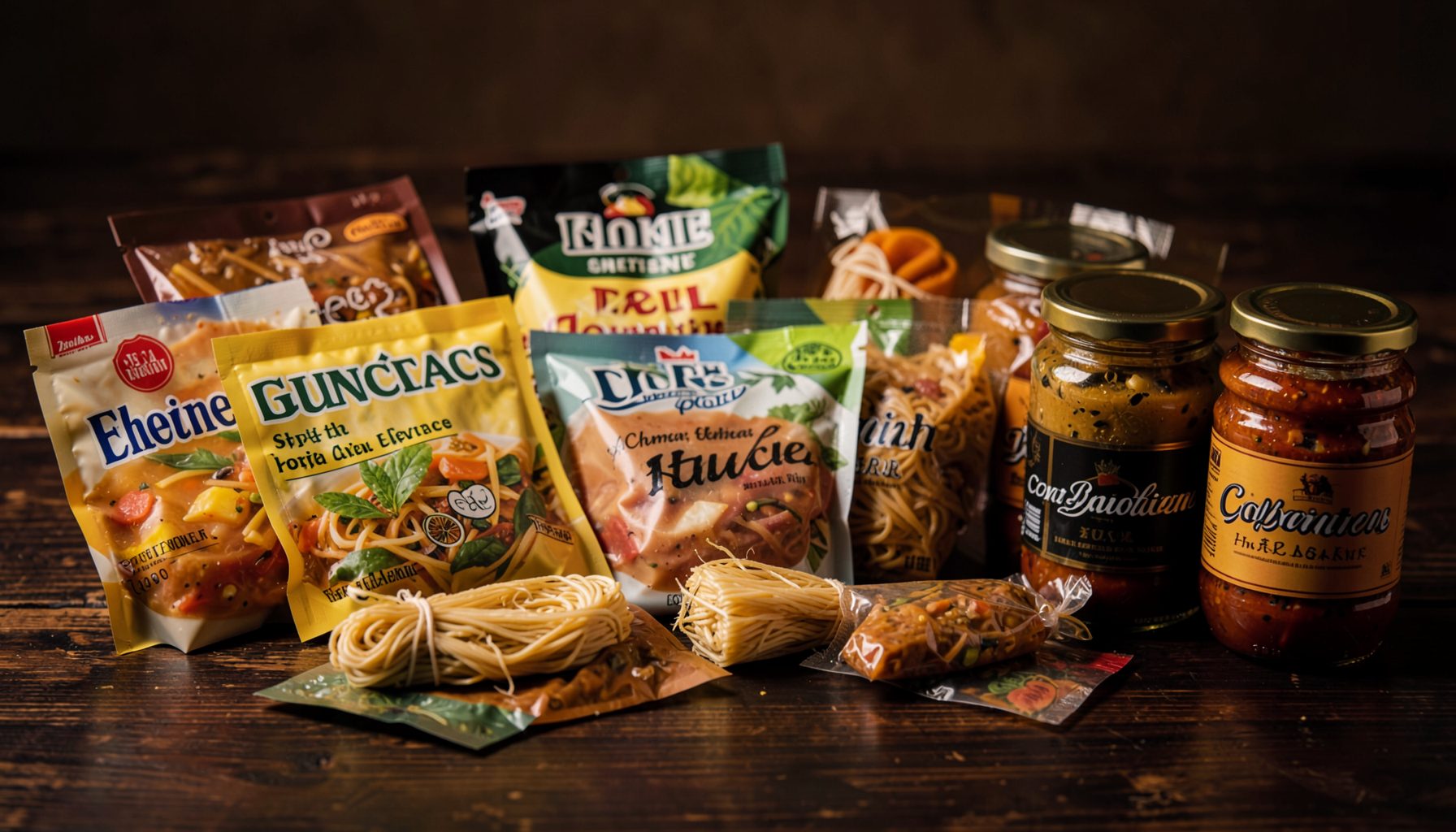
Hot Pot Essentials Bundle
NT$ —
About 蛤?! Huh Pot
蛤?! Huh Pot is a Cantonese-style hot pot brand known for its signature clam-based broth —卜卜蜆 — made with rich old-hen stock and generous portions of fresh clams. The brand also encompasses 本事滿足鍋物, a personal hot pot concept, bringing the same depth of flavor to individual servings.
Through MoneyCome Mart, these restaurant-quality soup bases, dry noodles, radish cakes, and signature sauces are available for home delivery across Taiwan. Restaurant locations in Taipei's Da'an District, Civic Boulevard, and Taichung's Gongyi Road also welcome guests for dine-in, with online reservations available.