The Right Way to Thaw Frozen Soup Bases for Maximum Flavor
A frozen soup base is the foundation of a memorable Cantonese hot pot. Its aromatics, seafood notes, herbs, and savory depth are already balanced, but poor thawing can dilute that character or create uneven heating. The goal is to move the broth from frozen to ready-to-cook while protecting both flavor and food safety.
At MoneyCome Mart, cold-chain delivery helps preserve the quality of restaurant-style soup bases on their way to homes across Taiwan. Once your order arrives, the way you store and thaw it matters just as much as the ingredients in the package.
Whether you are preparing clam broth, a rich meat-based stock, or a seasonal hot pot flavor, gentle thawing gives the soup a smoother texture and a fuller aroma. It also makes it easier to combine the broth with noodles, vegetables, dumplings, and prepared dishes without overcooking the base.
Prepare The Soup Base Before Thawing
Move frozen soup packs to the freezer as soon as they arrive unless you plan to cook them immediately. Keep them flat when possible so they freeze and thaw evenly. Check the packaging for storage instructions, expiration dates, and any recommendations from the producer before opening the seal.
Place the package in a leakproof tray or shallow container during thawing. This simple step prevents raw liquid from contacting other food and catches condensation or small leaks. If the pack is damaged, swollen, or has an unusual odor after thawing, discard it rather than tasting it.
Choose A Gentle Thawing Method
Refrigerator thawing is the best choice when you have several hours. Keep the sealed soup base at 4°C or below and allow it to soften gradually, usually overnight depending on its size. Slow thawing preserves the broth’s consistency and gives you better control when it is time to heat.
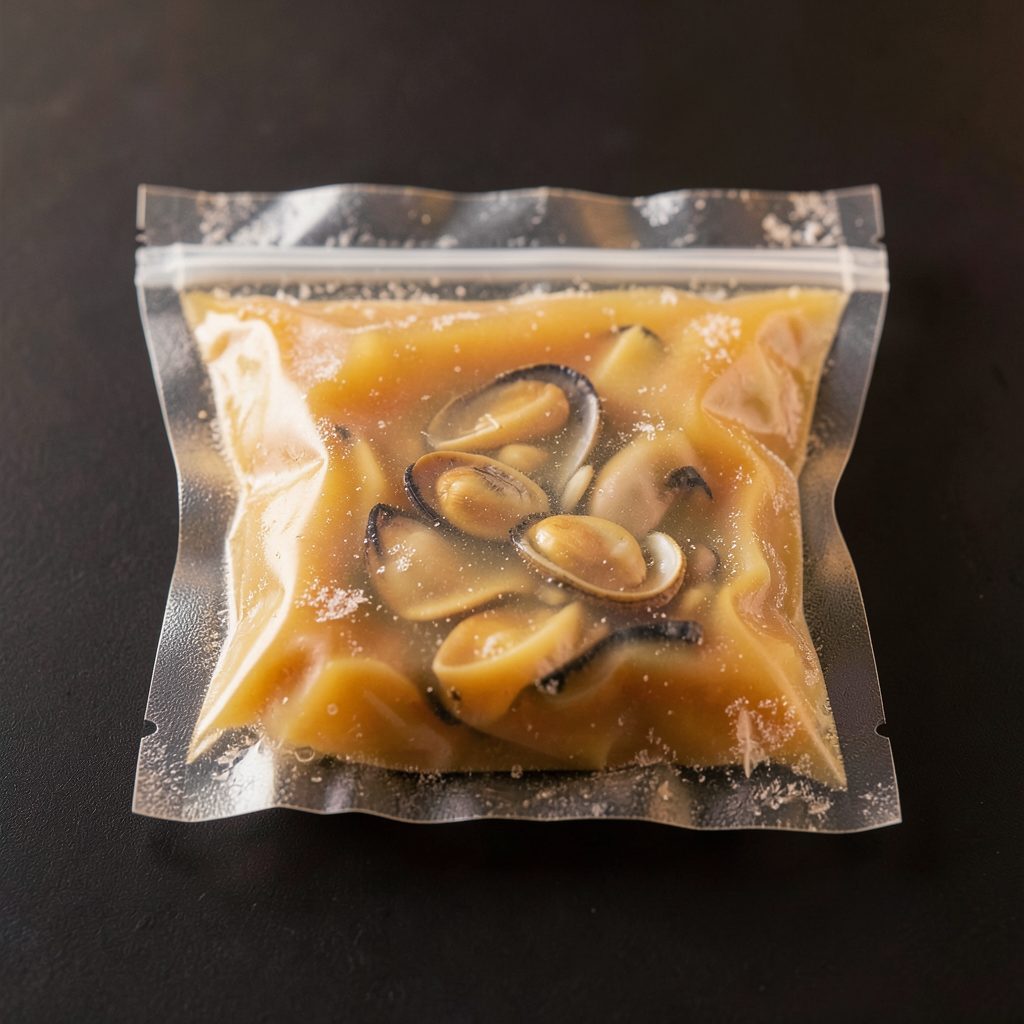
A cold-water bath is useful when dinner is planned sooner. Keep the soup base sealed, submerge it in cold water, and replace the water regularly so it stays cold. Avoid warm or hot water, which can bring the outside of the package into an unsafe temperature range while the center remains frozen.
| Thawing method | Typical timing | Flavor and safety result | Best use |
|---|---|---|---|
| Refrigerator | 8–24 hours | Most even and controlled | Planned hot pot meals |
| Cold-water bath | About 1–3 hours | Fast while keeping the pack cold | Same-day cooking |
| Microwave defrost | Several minutes | Uneven; requires immediate cooking | Last-minute preparation |
| Room-temperature thawing | Unpredictable | Higher food-safety risk | Not recommended |
Keep Flavor From Separating
Some frozen broths naturally separate as they thaw. Oils may rise, while seasonings or concentrated ingredients settle at the bottom. This does not necessarily mean the soup has spoiled. Once the pack is fully soft, gently massage or shake it if the packaging allows, then pour it into the hot pot and stir as it warms.
Do not add water automatically. A concentrated soup base may be designed to be diluted, while a ready-to-cook broth may already have the correct balance. Follow the package directions first, then adjust carefully with water, stock, or a small amount of seasoning after the broth reaches a simmer.
Heat The Broth Without Scorching
Transfer the thawed soup base to a clean pot before heating. Use medium heat and stir from the bottom as the liquid warms, especially if it contains oil, starch, seafood extracts, or finely ground aromatics. A gradual rise in temperature helps prevent sticking and preserves delicate fragrance.
Bring the broth to a full simmer before adding hot pot ingredients, unless the package specifically gives different instructions. Do not boil it aggressively for a long time before the meal begins. Prolonged high heat can concentrate salt, flatten fresh flavors, and make a seafood-based broth taste harsh.
If you use a microwave to thaw the soup base, place it in a microwave-safe container rather than heating a sealed pouch unless the packaging clearly permits it. Use short defrost intervals, stir between intervals, and cook the broth immediately afterward. Never partially thaw it and return it to the freezer.
Build A Balanced Hot Pot
Thawed soup bases pair well with ingredients that support their main flavor. Clam broth benefits from leafy greens, tofu, mushrooms, sliced fish, and noodles that absorb its savory liquid. Richer bases can handle cabbage, beef, pork, fish balls, turnip cakes, and dipping sauces with stronger garlic or sesame notes.
You can also create a two-flavor pot by dividing the vessel or combining compatible broths. For guidance on blend two bases, consider each soup’s salt level, richness, and dominant aroma before mixing. Add a small amount of the second base first, taste after simmering, and adjust gradually.
Store Leftovers With Care
Plan portions before cooking so the broth is not repeatedly cooled and reheated. Keep uncooked ingredients separate until they enter the pot, since seafood, meat, and vegetables can change the storage life of leftover soup. After the meal, strain the broth if needed and cool it promptly in a shallow container.
Refrigerate leftovers promptly and use them according to the product’s storage guidance, generally within a short period. Reheat only the amount you will eat, bringing it to a thorough simmer. Do not refreeze a soup base that has already been fully thawed, and check the store’s common questions for product-specific handling details.
Make The Process Simple
A few habits make frozen broth preparation reliable:
- Move tomorrow’s soup base from the freezer to the refrigerator the night before.
- Keep the package sealed and place it in a tray while it thaws.
- Use a cold-water bath when you need a faster safe option.
- Stir the broth as it warms, but avoid extended hard boiling.
- Follow the package directions for dilution, storage, and reheating.
Choose a MoneyCome Mart soup base, prepare it with care, and turn a convenient frozen product into a warm Cantonese hot pot with balanced flavor at home. Add your favorite noodles, vegetables, sauces, and prepared ingredients for a restaurant-style meal suited to your table.
Best Sellers
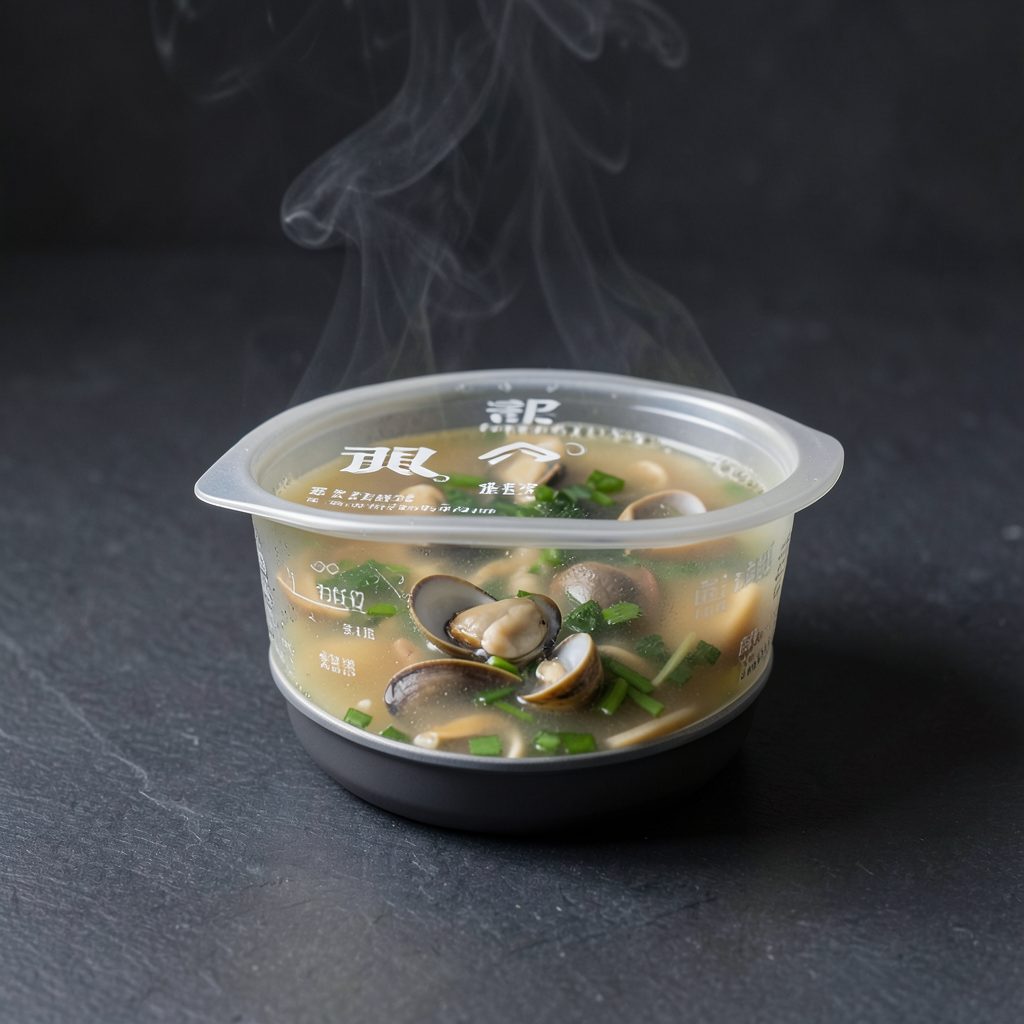
蛤?! Clam Soup Base —卜卜蜆
NT$ —
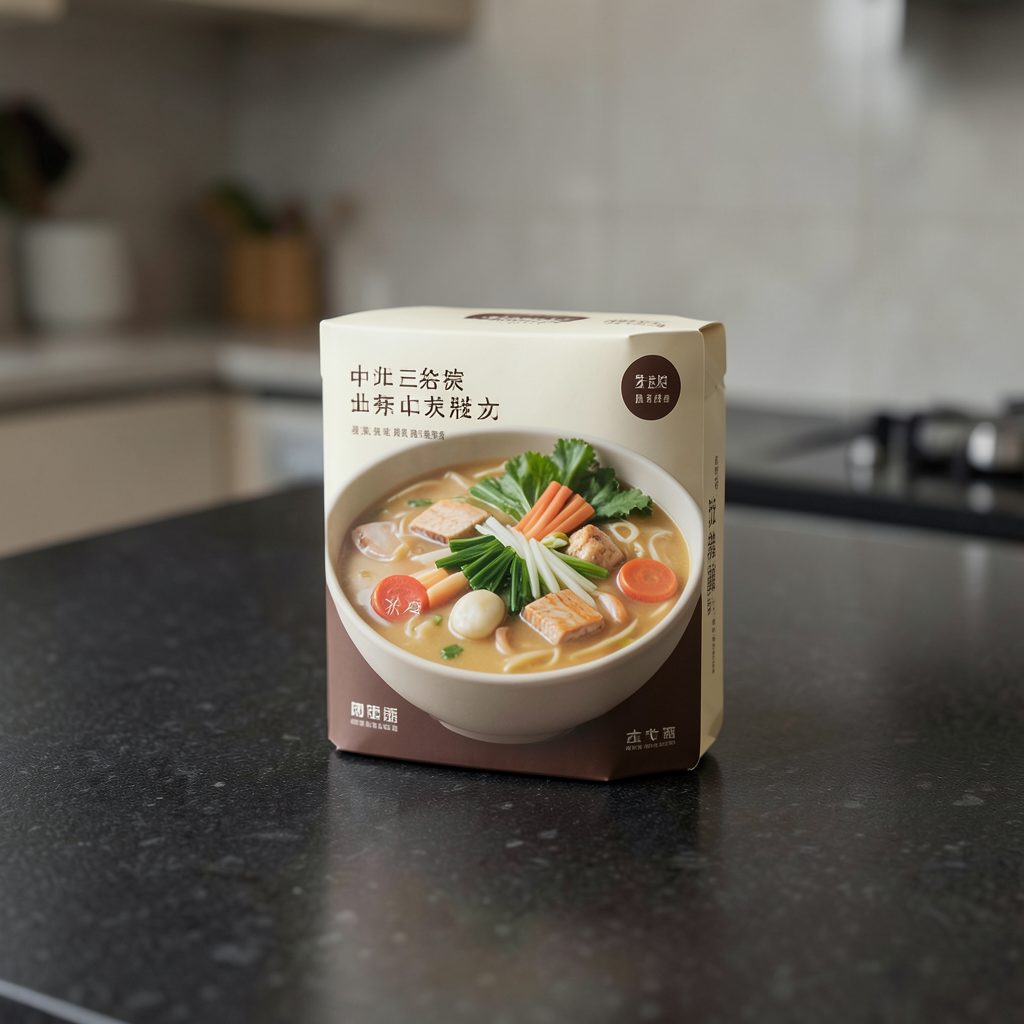
本事滿足鍋物 Personal Pot Base
NT$ —
蛤?! Dry Noodles
NT$ —
Signature Sauce
NT$ —
New Arrivals
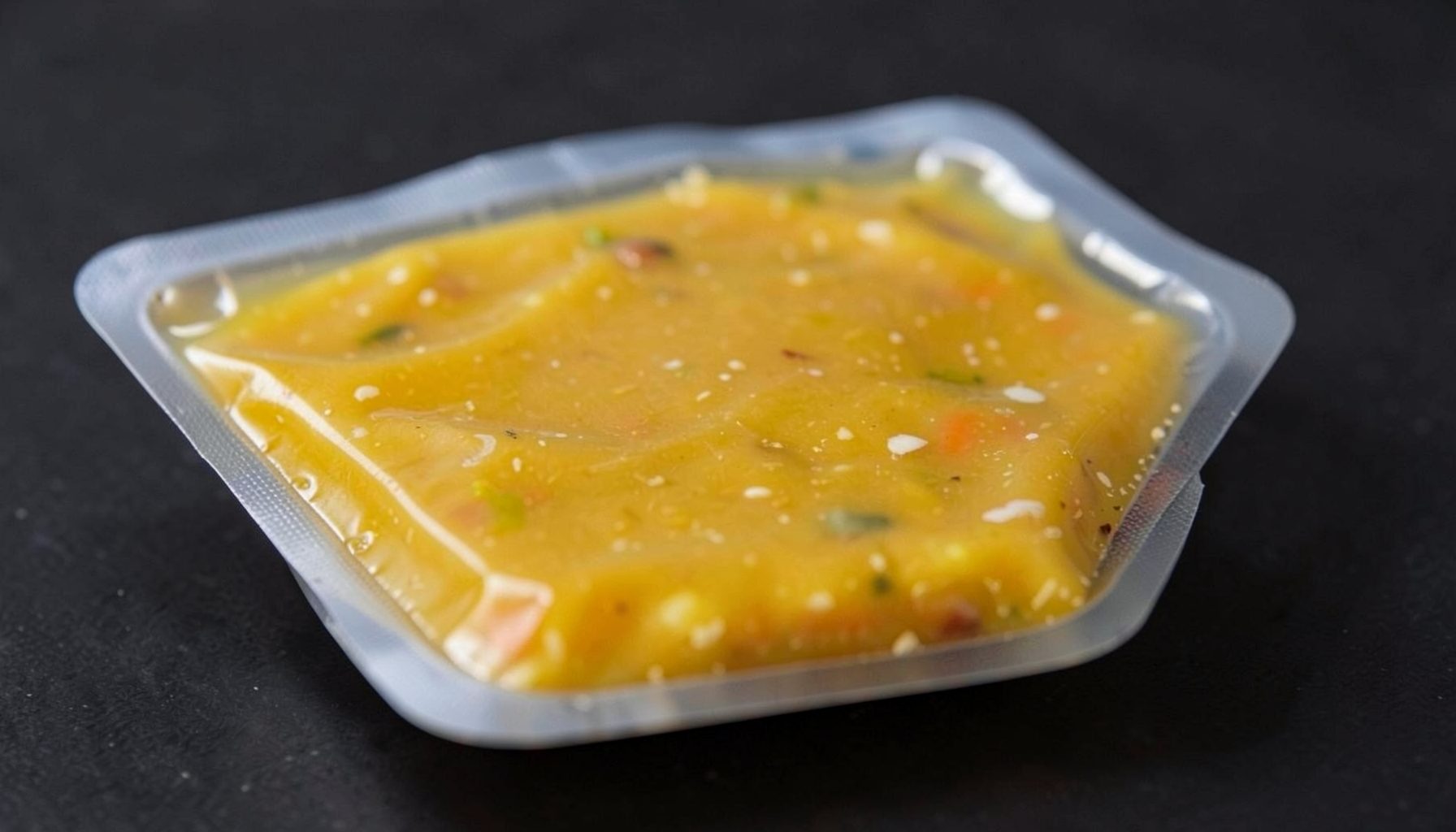
蛤?! Golden Clam Broth — New Batch
NT$ —
Radish Cake —蘿蔔糕精神
NT$ —
Duo Soup Base Set
NT$ —
Hot Pot Essentials Bundle
NT$ —
About 蛤?! Huh Pot
蛤?! Huh Pot is a Cantonese-style hot pot brand known for its signature clam-based broth —卜卜蜆 — made with rich old-hen stock and generous portions of fresh clams. The brand also encompasses 本事滿足鍋物, a personal hot pot concept, bringing the same depth of flavor to individual servings.
Through MoneyCome Mart, these restaurant-quality soup bases, dry noodles, radish cakes, and signature sauces are available for home delivery across Taiwan. Restaurant locations in Taipei's Da'an District, Civic Boulevard, and Taichung's Gongyi Road also welcome guests for dine-in, with online reservations available.