Finding the right water ratio for concentrated hot pot flavour
A concentrated soup base can turn a home hot pot into something that tastes remarkably close to a restaurant meal. The key is controlling dilution: too much water produces a thin broth, while too little can make the stock salty, heavy or difficult to balance once ingredients enter the pot. Learn more about %E5%B8%B8%E8%A6%8B%E5%95%8F%E9%A1%8C.
For most frozen Cantonese-style soup bases, begin with the quantity recommended on the packaging, then adjust according to the base’s texture and seasoning. A useful starting point is one part concentrated soup base to two or three parts water, measured in millilitres rather than guessed by eye.
Australian kitchens are well suited to this style of cooking. An induction hob, portable gas burner or electric hot plate can keep the pot gently simmering at the centre of the table, whether you are hosting a winter dinner in Melbourne or an air-conditioned gathering in Brisbane.
The ideal water-to-soup base ratio depends on what you plan to cook. Delicate prawns, leafy greens and tofu need a lighter broth, while beef slices, fish balls, dumplings and noodles can handle a deeper, more robust stock.
Start with the base, not the pot size
Frozen soup bases vary considerably. A clear clam broth may already carry a clean seafood sweetness, while a creamy or spicy base can contain more concentrated aromatics, salt and oil. Thawing the pack in the refrigerator helps you judge its consistency before it goes into the cooking pot.
For a standard family hot pot, try adding 500 millilitres of water to a concentrated base designed for roughly two to three servings. If the label indicates a larger volume, follow that guidance first. Australian measuring jugs usually make this easy, and using the metric system gives more reliable results than filling a large saucepan to an arbitrary level.
A divided pot can benefit from different dilution levels. Keep the milder side suitable for vegetables and seafood, then make the richer side slightly stronger for sliced lamb, beef or wheat noodles. This approach is particularly useful when guests have different preferences for spice and salt.
Adjust dilution as ingredients enter
The broth changes throughout the meal. Cabbage, mushrooms, tofu and seafood release water as they cook, gradually softening the intensity. Noodles absorb liquid and starch, while dumplings and fish cakes can add savoury seasoning. For that reason, a broth that tastes slightly strong at the beginning may become perfectly balanced later.
Taste the liquid after the first batch of ingredients has cooked for several minutes. If it seems too intense, add 50 to 100 millilitres of boiling water at a time. Cold water lowers the simmer and can interrupt cooking, whereas boiling water preserves the pot’s temperature and makes gradual adjustment easier.
If the soup becomes weak, avoid tipping in extra concentrated base without mixing it first. Stir a small amount of base with hot broth in a cup, then return it to the pot. This prevents salty pockets and distributes flavour evenly across the surface.
Match the ratio to Cantonese flavours
Cantonese hot pot is often about clarity, fragrance and balance rather than sheer heat. A clam-based broth, for example, should taste fresh and lightly briny, with enough depth to support prawns, fish slices and greens. Over-dilution can erase that character, while excessive concentration may overwhelm the natural sweetness of shellfish.
A richer soup base suits ingredients such as thinly sliced beef, taro, turnip cake and noodles. These foods bring their own texture and starch, so a stronger starting broth creates a fuller result. When using a spicy base, leave extra room for adjustment because chilli oil and fermented seasonings become more pronounced as the liquid reduces.
For exact preparation, the store’s hot pot preparation guide is a useful reference, particularly when a product has a specific thawing or heating method. Gentle heating is usually preferable to a hard boil, which can make seafood tough and cloud a delicate stock.
Build a complete Australian-style meal
Local ingredients can work comfortably alongside Cantonese hot pot products. Asian grocers in Sydney, Melbourne and Perth commonly stock enoki mushrooms, bok choy, tofu and thinly sliced meats, while larger Australian supermarkets often carry suitable leafy greens, prawns and fresh noodles. Keep additions bite-sized so they cook quickly without diluting the soup too early.
Australian eating habits also favour flexible, shared meals. A hot pot works well for a relaxed Saturday evening, a cooler winter night in Tasmania or a casual gathering after a day outdoors. Place cooked items into individual bowls with dipping sauces rather than letting everyone reach across the pot with the same utensils.
A small dish of sesame sauce, chilli, spring onion or soy can provide contrast without changing the main broth. For a refreshing finish, a lightly fragrant tea can cleanse the palate; second flush Assam tea has enough malted depth to follow a savoury meal without disappearing beside strong flavours.
Keep the final balance under control
Start slightly below the maximum water quantity recommended for the soup base. It is simple to add more, but difficult to restore concentration once the pot has been over-diluted. This is especially important when cooking ingredients with high water content, such as napa cabbage, zucchini or frozen seafood.
Aim for a broth that tastes rounded before the main ingredients go in, with seasoning that seems pleasantly pronounced rather than aggressively salty. Keep a kettle of boiling water nearby for small corrections, and skim excess foam or oil if the surface becomes heavy.
The best concentrated broth is one that develops during the meal. Begin with a measured ratio, taste after each major ingredient group and adjust in small increments. That method keeps the soup flavourful from the first bowl of vegetables through to the final noodles.
Best Sellers
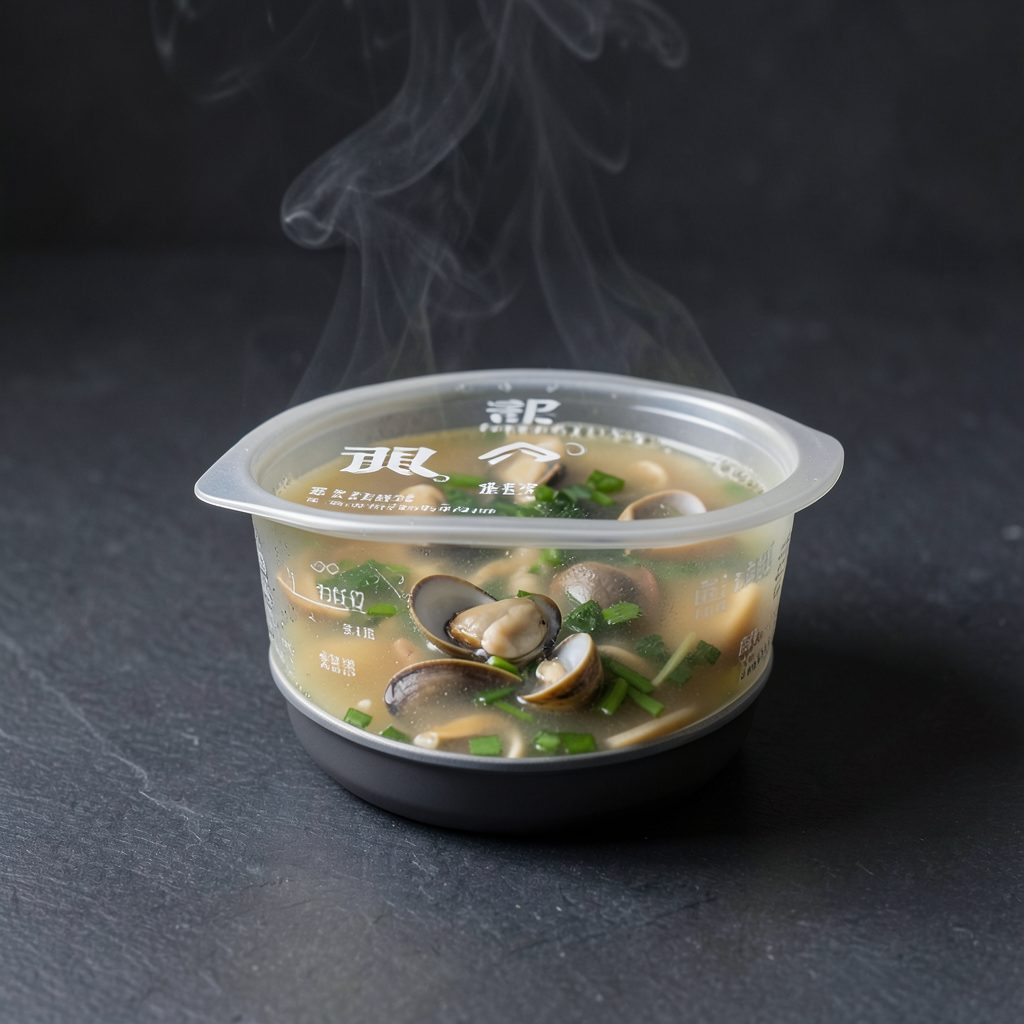
蛤?! Clam Soup Base —卜卜蜆
NT$ —
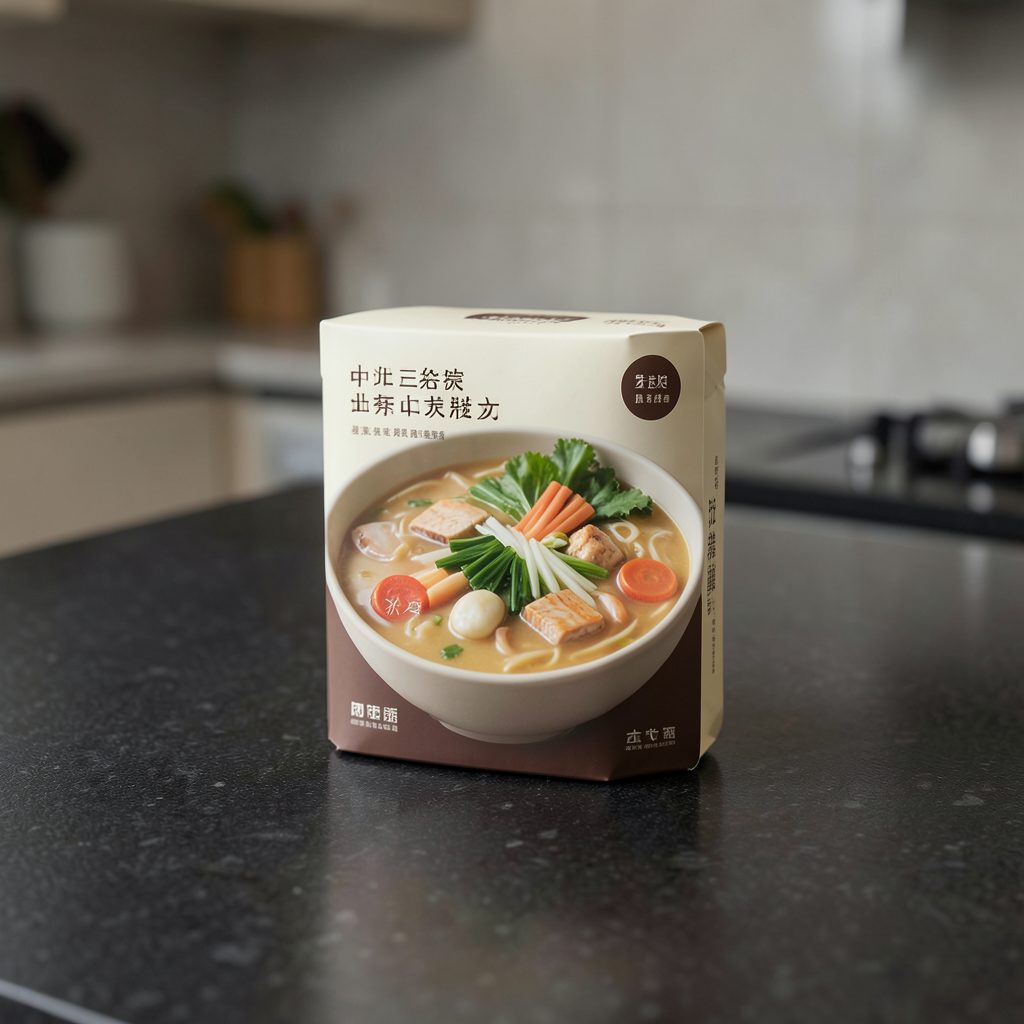
本事滿足鍋物 Personal Pot Base
NT$ —
蛤?! Dry Noodles
NT$ —
Signature Sauce
NT$ —
New Arrivals
蛤?! Golden Clam Broth — New Batch
NT$ —

Radish Cake —蘿蔔糕精神
NT$ —
Duo Soup Base Set
NT$ —
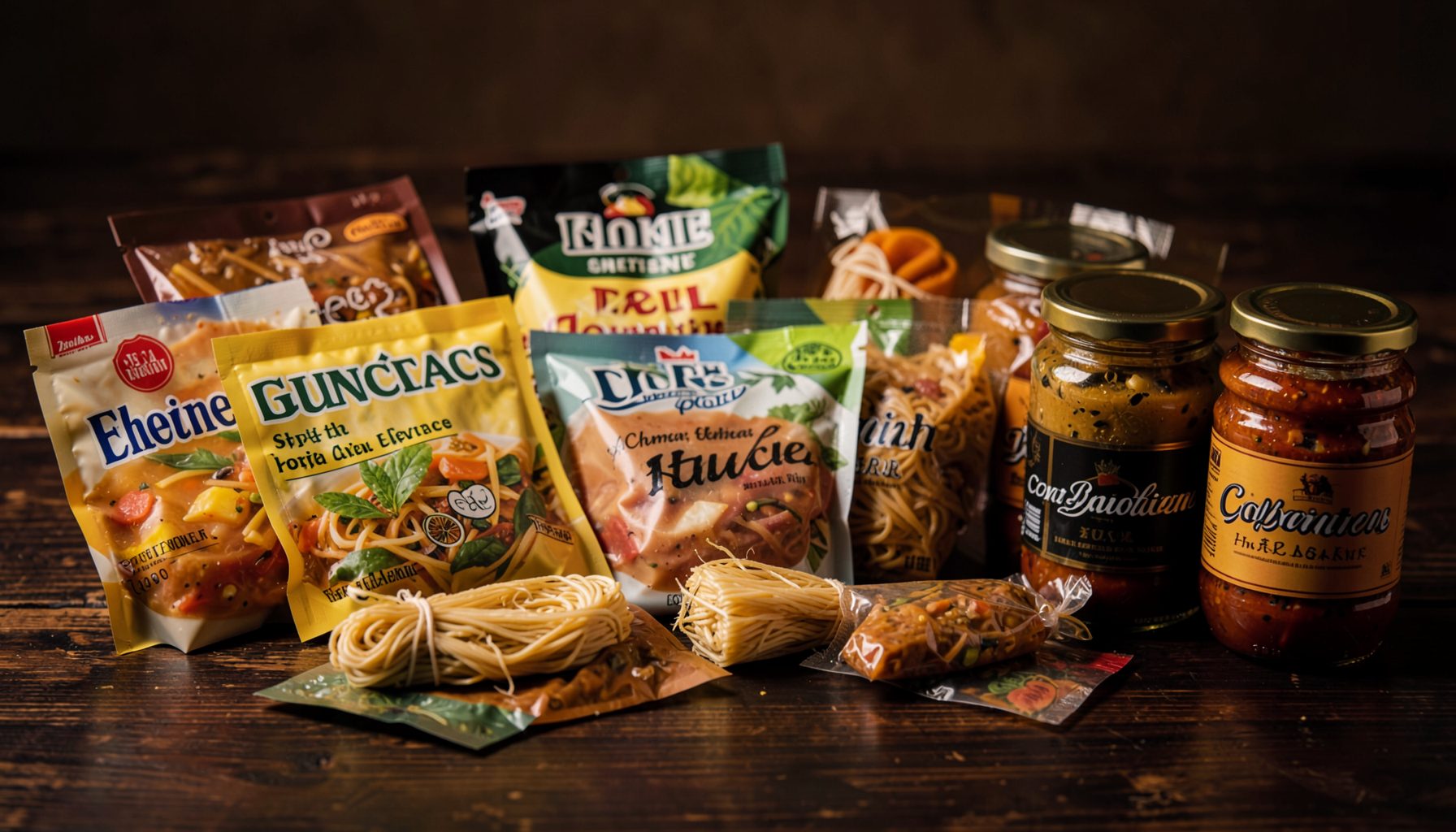
Hot Pot Essentials Bundle
NT$ —
About 蛤?! Huh Pot
蛤?! Huh Pot is a Cantonese-style hot pot brand known for its signature clam-based broth —卜卜蜆 — made with rich old-hen stock and generous portions of fresh clams. The brand also encompasses 本事滿足鍋物, a personal hot pot concept, bringing the same depth of flavor to individual servings.
Through MoneyCome Mart, these restaurant-quality soup bases, dry noodles, radish cakes, and signature sauces are available for home delivery across Taiwan. Restaurant locations in Taipei's Da'an District, Civic Boulevard, and Taichung's Gongyi Road also welcome guests for dine-in, with online reservations available.