The Ideal Stovetop Heat for Rich, Balanced Hot Pot Broths
A Cantonese hot pot broth should be lively enough to cook ingredients safely and evenly, yet gentle enough to preserve its aroma. For MoneyCome Mart soup bases and clam broths, the sweet spot is usually a steady simmer between 85°C and 95°C rather than a forceful rolling boil.
That small distinction matters at home. A strong boil can make the stock cloudy, reduce it too quickly and turn delicate seafood flavours harsh. With the right stovetop temperature, frozen soup bases, sauces, noodles and prepared ingredients can come together in a relaxed meal, whether you are cooking in a Melbourne apartment or hosting friends on a warm Brisbane evening.
What a gentle simmer should look like
A gentle simmer produces small bubbles that rise regularly from the bottom and edges of the pot. The surface should move continuously, but it should not churn aggressively or splash over the sides. This moderate heat keeps the broth hot while giving ingredients time to release flavour.
If you use a kitchen thermometer, aim for approximately 90°C as a practical target. Without one, look for wisps of steam and occasional bubbles about the size of small peas. A broth that is completely still is too cool for active cooking, while large, constant bubbles usually indicate excessive heat.
Bringing a frozen broth up to temperature
Start with the soup base in a saucepan or hot pot vessel over medium heat. If the broth is frozen solid, allow it to soften gradually rather than placing the pot over maximum heat. Stir occasionally as the outer layer melts, helping the liquid warm evenly without scorching the base.
Once the broth has become liquid, increase the heat briefly until it is steaming and approaching a simmer. Then reduce the setting. This method works well with frozen Cantonese-style bases and clam broths, preserving their savoury depth while avoiding an over-reduced or salty result.
Adjusting heat on Australian stovetops
Gas burners respond quickly, so you can lower the flame as soon as the first steady bubbles appear. Electric cooktops retain heat after the dial is reduced, which means moving the pot to a smaller element or lifting it briefly may prevent the broth from boiling too hard. Induction models are responsive, although their power levels can vary between brands.
Many Australian homes use induction cookware or compact portable burners for tabletop meals. A heavy pot retains heat well, but it can also continue simmering after the power is lowered. Make small adjustments and wait 30 to 60 seconds before changing the setting again.
Keeping the broth balanced during cooking
Hot pot ingredients release water, starch and fat as they cook. Leafy greens and mushrooms may dilute the broth, while noodles can make it cloudy and thicker. Add ingredients in batches rather than filling the pot all at once, allowing the liquid to return to a gentle simmer between additions.
Avoid seasoning heavily at the beginning. As the broth reduces, salt and savoury notes become more concentrated. Keep extra water or unsalted stock nearby for adjustment, particularly during a long dinner in a dry-heated Sydney home or when several guests are sharing the same pot.
Managing clam and seafood flavours
Clam-based broths benefit from controlled heat because their delicate marine character can become bitter or overly intense when boiled for too long. Keep the temperature just below a rolling boil and add seafood in smaller portions. This also makes it easier to remove cooked pieces promptly.
Use separate utensils for raw and cooked ingredients, especially when serving prawns, sliced meat or shellfish. Once seafood is opaque and firm, transfer it to a clean bowl or eat it straight away. Gentle simmering supports even cooking, but timing and safe handling remain essential.
Pairing the broth with the rest of the meal
The broth is the centre of the meal, but its flavour should complement the ingredients rather than dominate them. Turnip cakes, tofu, noodles, mushrooms and leafy vegetables can soften the richness of a Cantonese soup base, while dipping sauces add a sharper or more fragrant finish.
For ideas on balancing vegetables, noodles, proteins and condiments, explore these hot pot pairings. This is especially useful when planning a casual weekend gathering, where guests can cook at different speeds and choose from a broad mix of textures.
Holding the right temperature at the table
Once the broth reaches a gentle simmer, reduce the burner enough to maintain small bubbles without vigorous evaporation. A portable electric hot pot or induction unit is useful for Australian dining areas where a full gas flame may be impractical. Keep the vessel stable, with handles and cords away from the edge of the table.
During a long meal, check the surface every few minutes and top up with hot water if the level falls noticeably. The best temperature is steady rather than extreme: hot enough for safe cooking and enjoyable serving, but mild enough to protect the broth’s aroma until the final bite.
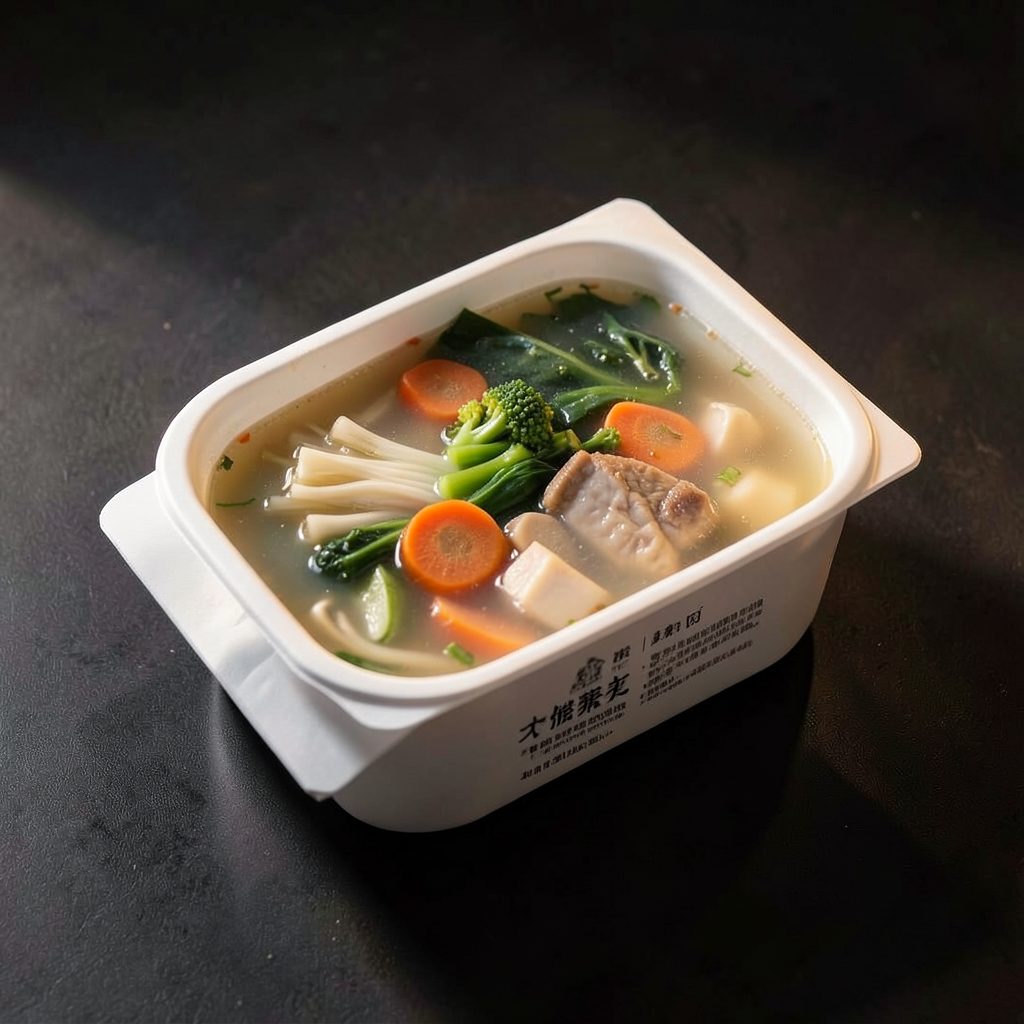
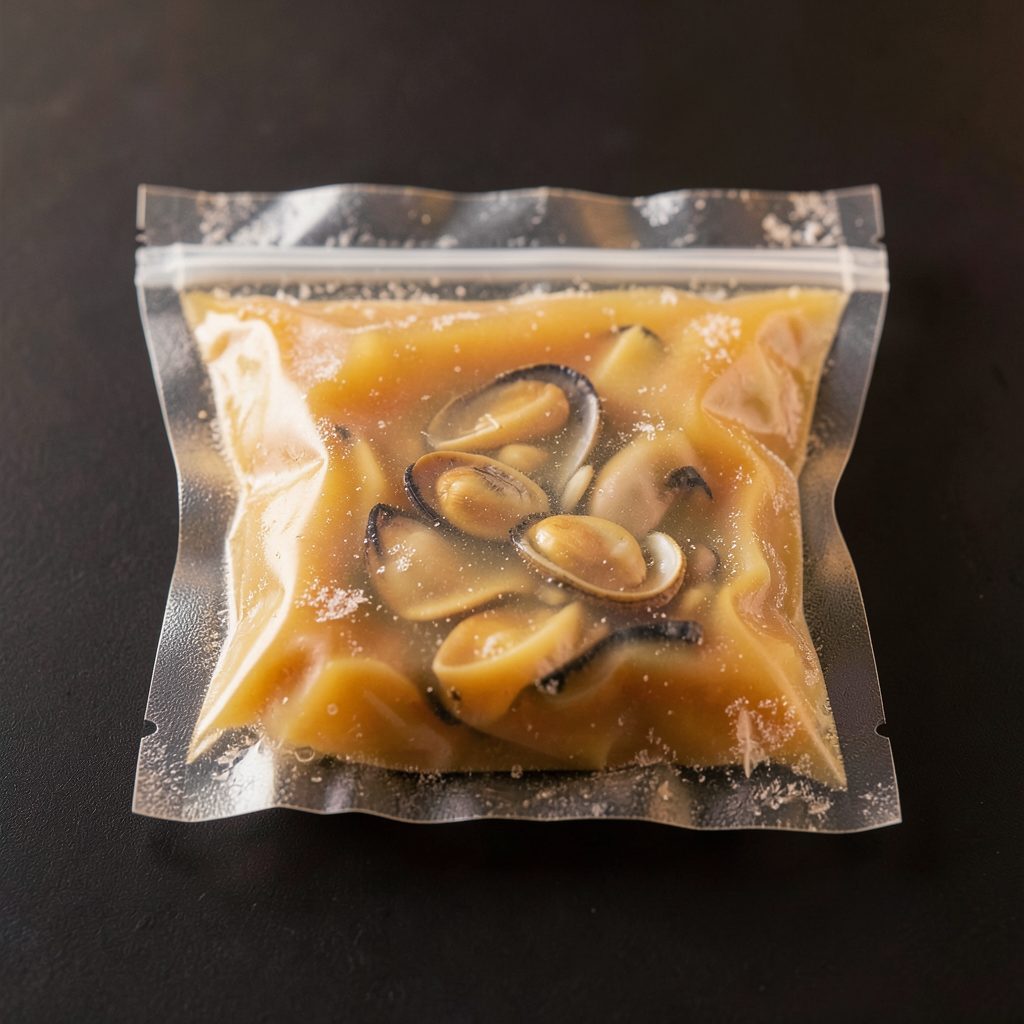
Best Sellers
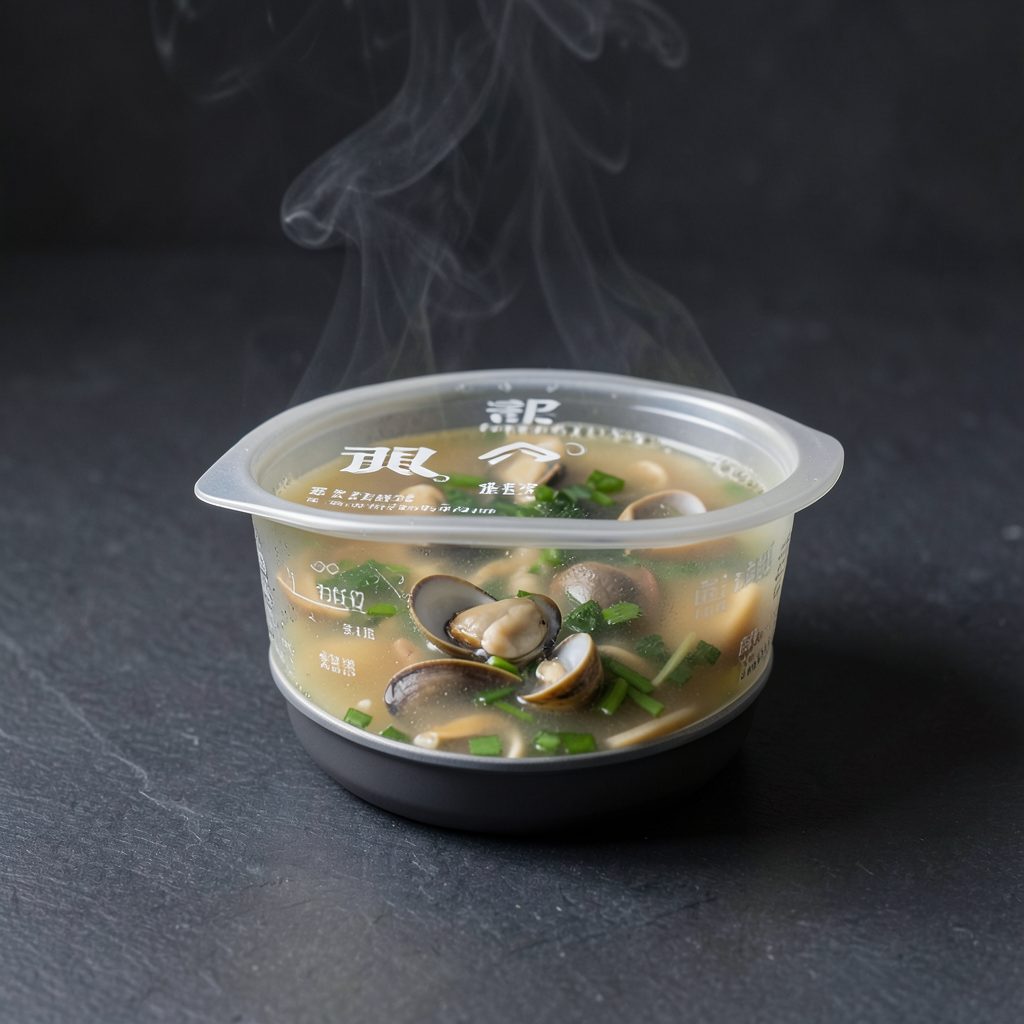
蛤?! Clam Soup Base —卜卜蜆
NT$ —
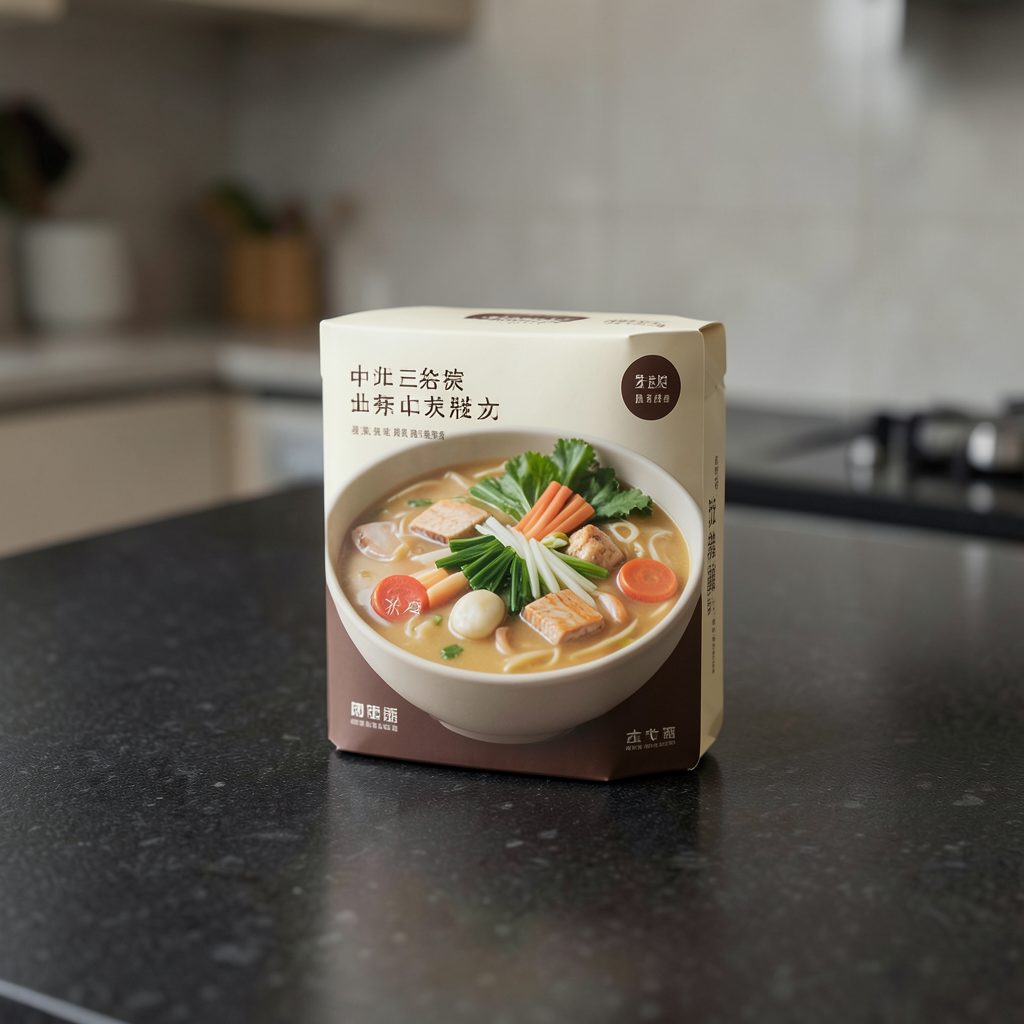
本事滿足鍋物 Personal Pot Base
NT$ —
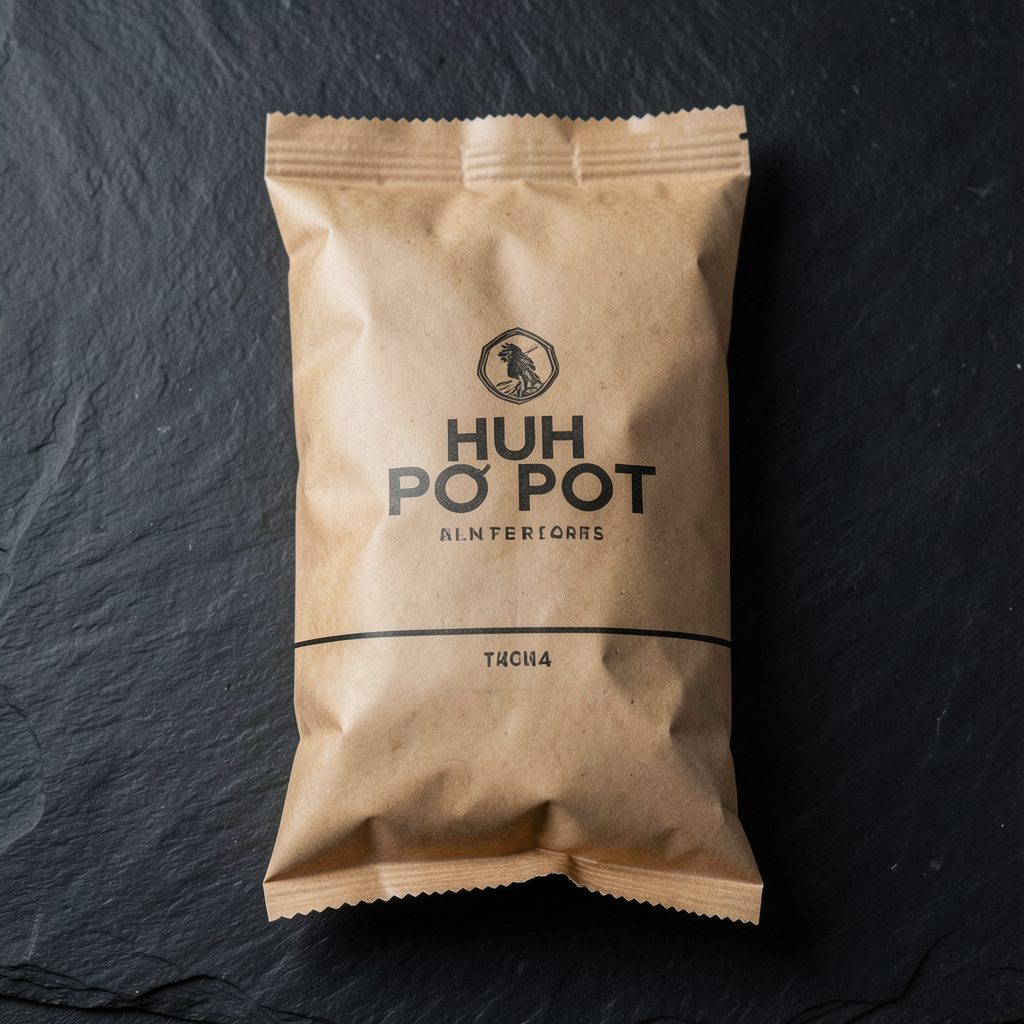
蛤?! Dry Noodles
NT$ —
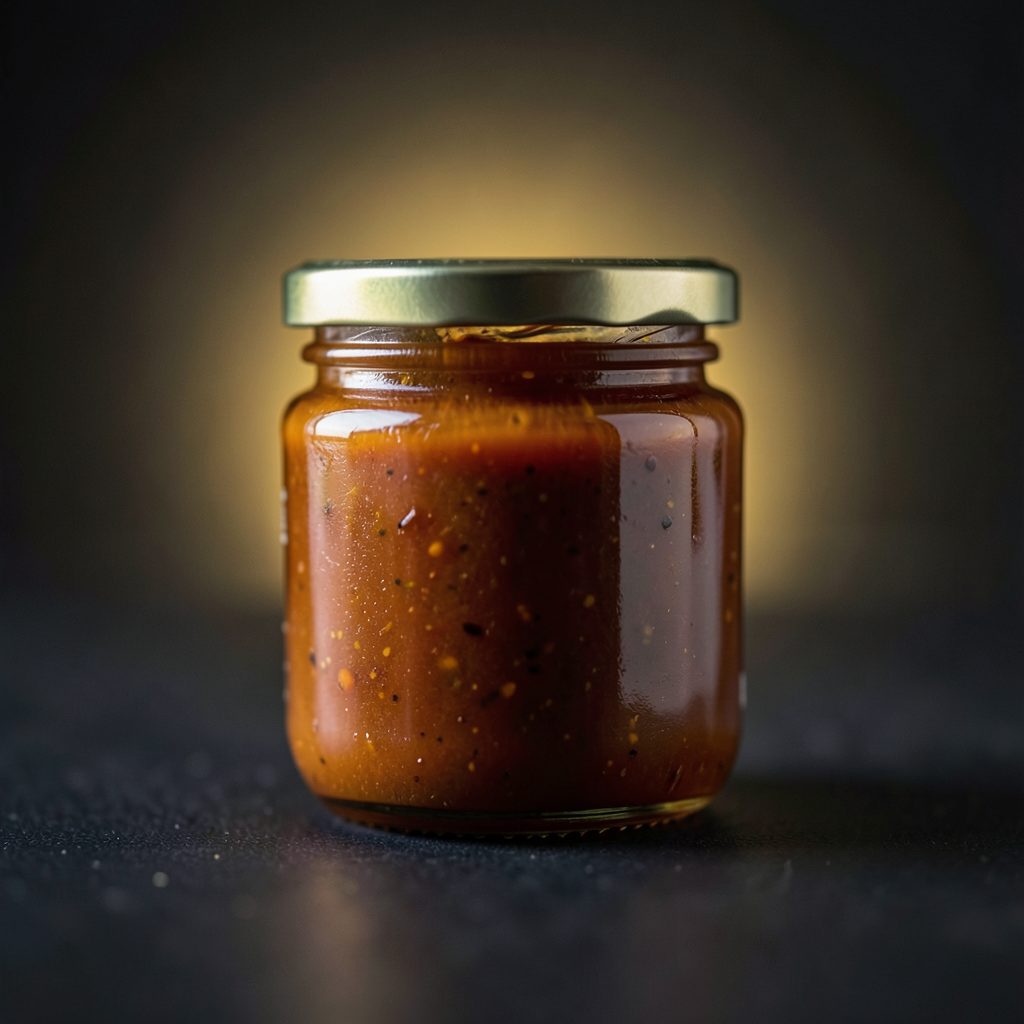
Signature Sauce
NT$ —
New Arrivals
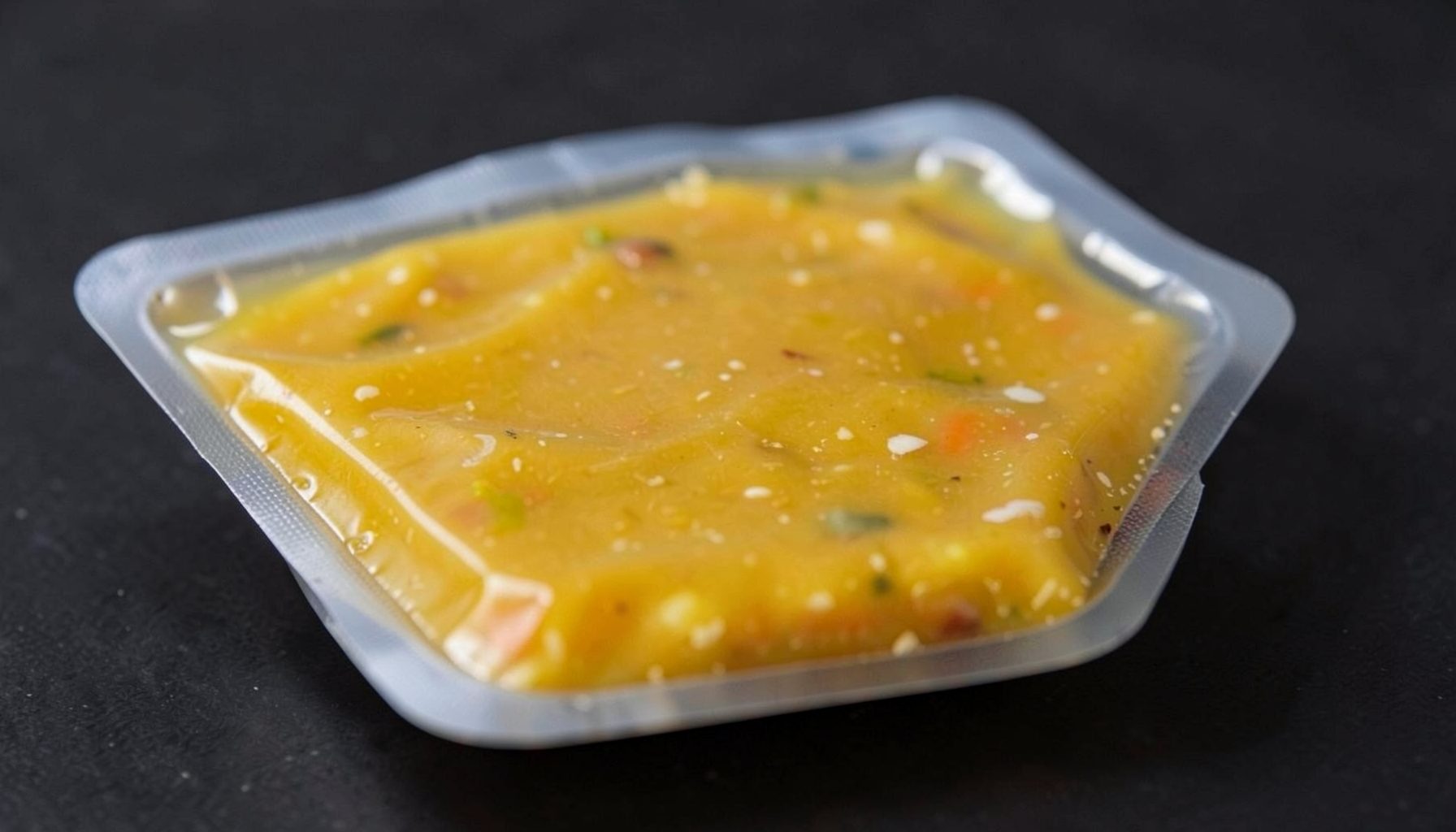
蛤?! Golden Clam Broth — New Batch
NT$ —
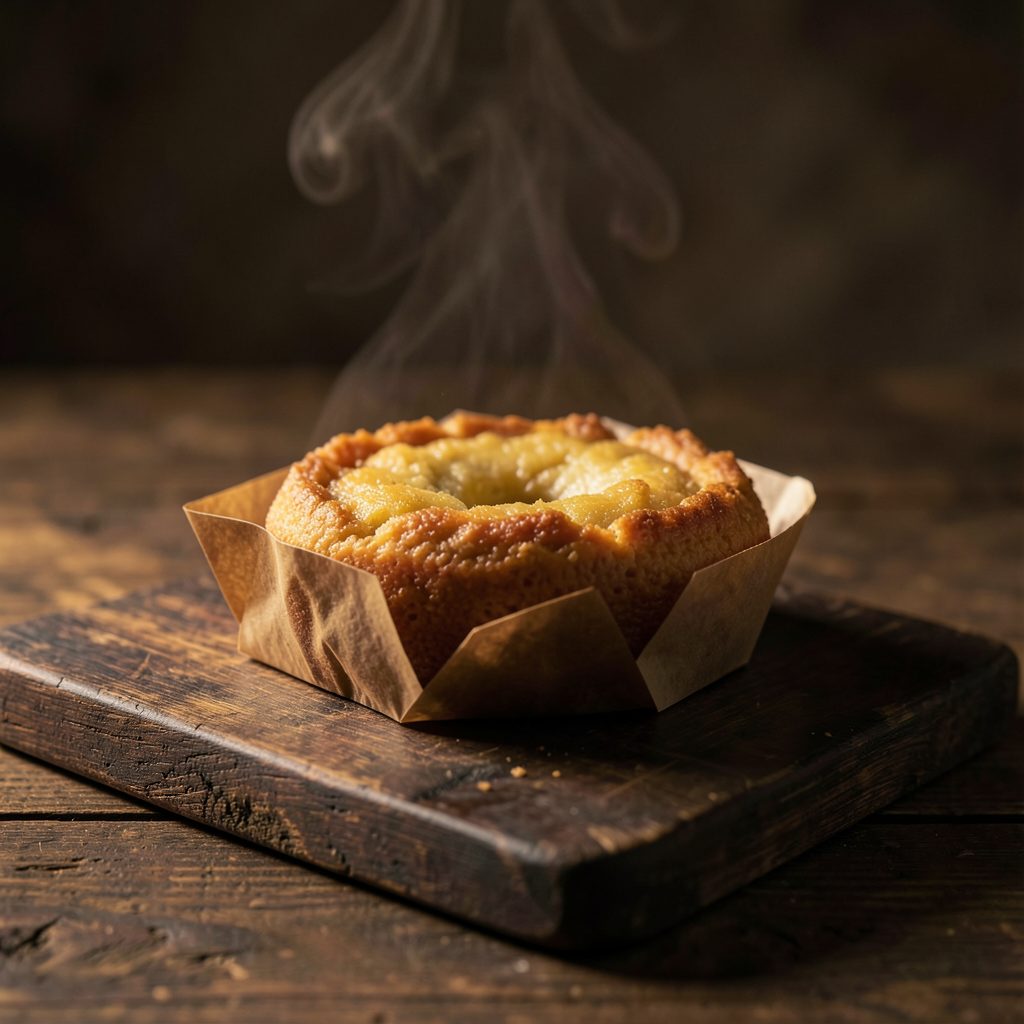
Radish Cake —蘿蔔糕精神
NT$ —
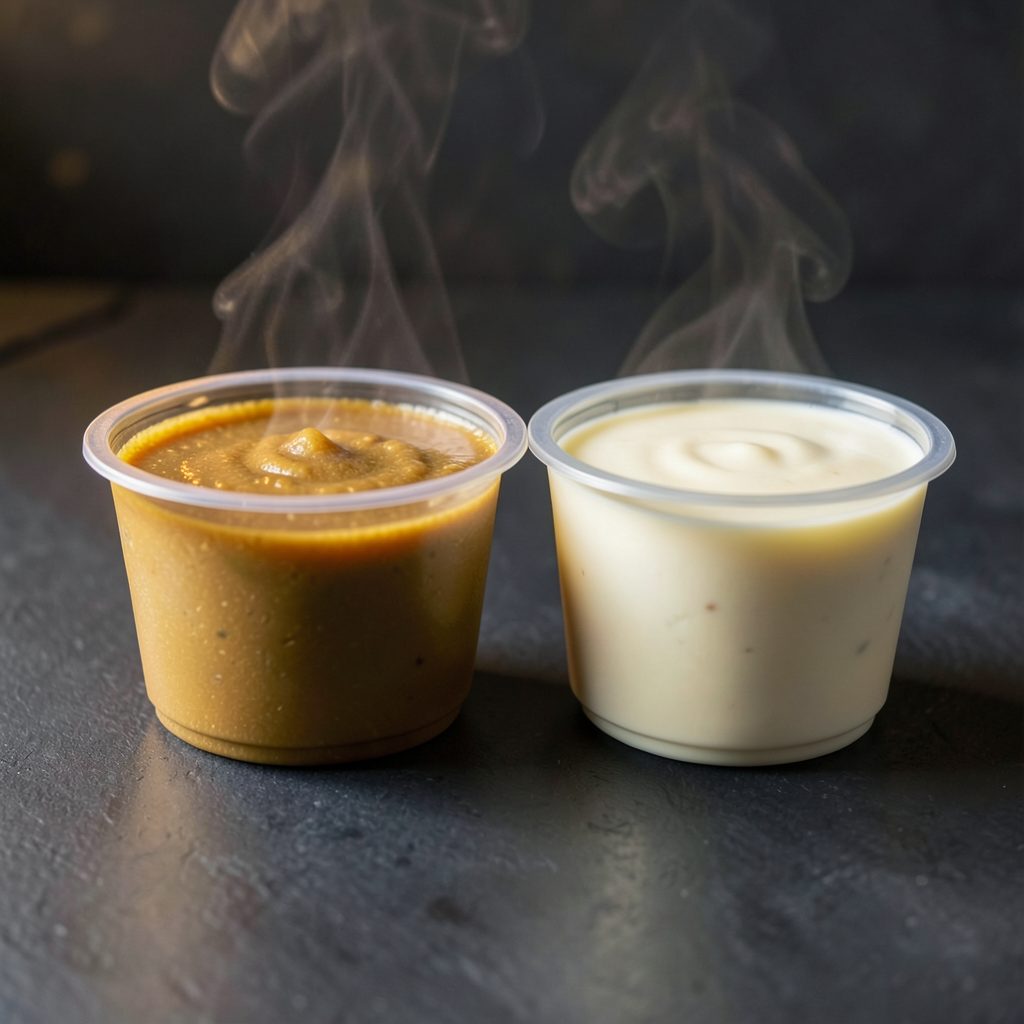
Duo Soup Base Set
NT$ —

Hot Pot Essentials Bundle
NT$ —
About 蛤?! Huh Pot
蛤?! Huh Pot is a Cantonese-style hot pot brand known for its signature clam-based broth —卜卜蜆 — made with rich old-hen stock and generous portions of fresh clams. The brand also encompasses 本事滿足鍋物, a personal hot pot concept, bringing the same depth of flavor to individual servings.
Through MoneyCome Mart, these restaurant-quality soup bases, dry noodles, radish cakes, and signature sauces are available for home delivery across Taiwan. Restaurant locations in Taipei's Da'an District, Civic Boulevard, and Taichung's Gongyi Road also welcome guests for dine-in, with online reservations available.