How clam broth became a Cantonese hot pot favorite
Cantonese hot pot culture grew from a simple idea: let fresh ingredients cook gently in a shared pot of fragrant broth. Known in Cantonese as daa been loh, or “big bowl around the fire,” this style values clear flavors, seasonal produce, and the natural sweetness of seafood.
Clam broth fits that tradition especially well. Shellfish brings a delicate ocean character, while the cooking liquid remains light enough for vegetables, tofu, noodles, and thin slices of meat. It is a style of soup that feels both nourishing and festive.
Today, frozen soup bases make this experience easier to recreate at home. In Taiwan, stores such as MoneyCome Mart connect Cantonese-inspired hot pot traditions with cold-chain delivery, prepared ingredients, and restaurant-quality flavors designed for convenient family meals.
Coastal roots and Cantonese taste
Guangdong’s coastal geography has always shaped its cooking. Rivers, estuaries, and the South China Sea supplied fish, shrimp, oysters, and clams, encouraging cooks to rely on freshness rather than heavy seasoning. A good seafood broth needs only a few supporting ingredients to reveal the clean sweetness of the main ingredient.
Traditional Cantonese soup-making also favors clarity and balance. Aromatics such as ginger, scallion, garlic, and white pepper can soften seafood aromas without covering them. This preference helped establish a place for shellfish-based broths in communal hot pot meals, especially in southern coastal communities.
What clams add to the pot
Clams contribute more than a briny flavor. As their shells open in simmering liquid, they release savory juices that deepen the soup and give it a rounded finish. The broth can taste rich without the heaviness associated with pork bones or intense spice blends.
This makes clam soup an adaptable foundation. Napa cabbage, mushrooms, tofu, fish balls, sliced beef, and seafood each absorb part of its flavor while adding their own character. Noodles served near the end are particularly effective because they carry the fragrant broth directly to the table.
From restaurant pot to home kitchen
For generations, hot pot was closely linked with restaurants, family gatherings, and informal celebrations. Diners could choose ingredients at the table and adjust the cooking time according to texture. The shared pot created a relaxed rhythm: add a little, wait, eat, and continue.
Home cooks now expect that same experience with less preparation. A frozen soup base preserves much of the convenience of a restaurant kitchen while allowing households to customize the meal. For a useful look at proportions, aromatics, and cooking order, this broth-building guide offers a practical starting point.
How the tradition changed over time
Clam broth did not replace every classic Cantonese stock. Instead, it joined a broad family of hot pot bases that includes clear chicken stock, herbal soups, seafood broths, and modern spicy variations. Its popularity reflects changing dining habits as much as regional taste.
| Period | Broth character | Dining influence |
|---|---|---|
| Early Cantonese home cooking | Clear, lightly seasoned stock | Fresh ingredients and family sharing |
| Growth of seafood restaurants | Shellfish-forward and aromatic soups | Coastal produce and restaurant presentation |
| Modern hot pot chains | Standardized, concentrated bases | Consistent flavor and faster service |
| Home-delivery era | Frozen clam and seafood soup bases | Easy preparation with cold-chain quality |
In Taiwan, Cantonese-style flavors have also developed alongside local preferences. Diners may pair a mild clam base with Taiwanese vegetables, fish cakes, dumplings, turnip cakes, or a selection of dipping sauces. The result respects the original emphasis on freshness while making the meal feel familiar at home.
Building a balanced clam hot pot
The best clam broth should support the ingredients rather than dominate them. Begin with a gentle simmer instead of a rolling boil, since aggressive heat can muddy a clear soup and make delicate seafood textures tough. Add vegetables and firm ingredients first, then place clams and quick-cooking items into the pot closer to serving time.
Seasoning can be adjusted at the table. A small amount of white pepper, scallion, or ginger reinforces the Cantonese profile, while soy-based sauces and chili condiments provide contrast. Because clams naturally add salt and umami, tasting the broth before adding extra seasoning is essential.
The ingredient order also affects the final flavor. Mushrooms, corn, cabbage, and tofu gradually sweeten the soup, while noodles and dumplings absorb its later, more concentrated character. This turns the meal into a progression rather than a single fixed dish.
Ingredients that suit the tradition
A well-planned hot pot benefits from variety in texture, color, and cooking time. These choices keep the broth interesting from the first serving to the last:
- Pair clams with napa cabbage, mushrooms, and tofu for a clean, balanced base.
- Add fish balls, sliced fish, or shrimp to strengthen the seafood character.
- Serve noodles near the end so they absorb the seasoned soup.
- Include turnip cakes or other prepared Cantonese-style items for a savory, comforting contrast.
- Offer light soy sauce, scallion, sesame oil, or chili as optional dipping accents.
Frozen ingredients are especially useful when portions need to be flexible. Cold-chain shipping helps protect texture and freshness, while pre-portioned soup bases reduce waste and shorten preparation time. That combination suits weeknight dinners as well as larger gatherings.
Bringing the history home
Clam broth represents a meeting point between Cantonese culinary values and modern home cooking. Its appeal comes from the same qualities that made coastal hot pot enduring: fresh flavors, restrained seasoning, shared preparation, and a broth that welcomes many ingredients.
Choose a Cantonese-style clam base, add vegetables and seafood in stages, and let the soup develop as everyone gathers around the pot. Explore MoneyCome Mart’s frozen broths, sauces, noodles, and prepared hot pot ingredients to create a warm, restaurant-inspired meal at home.
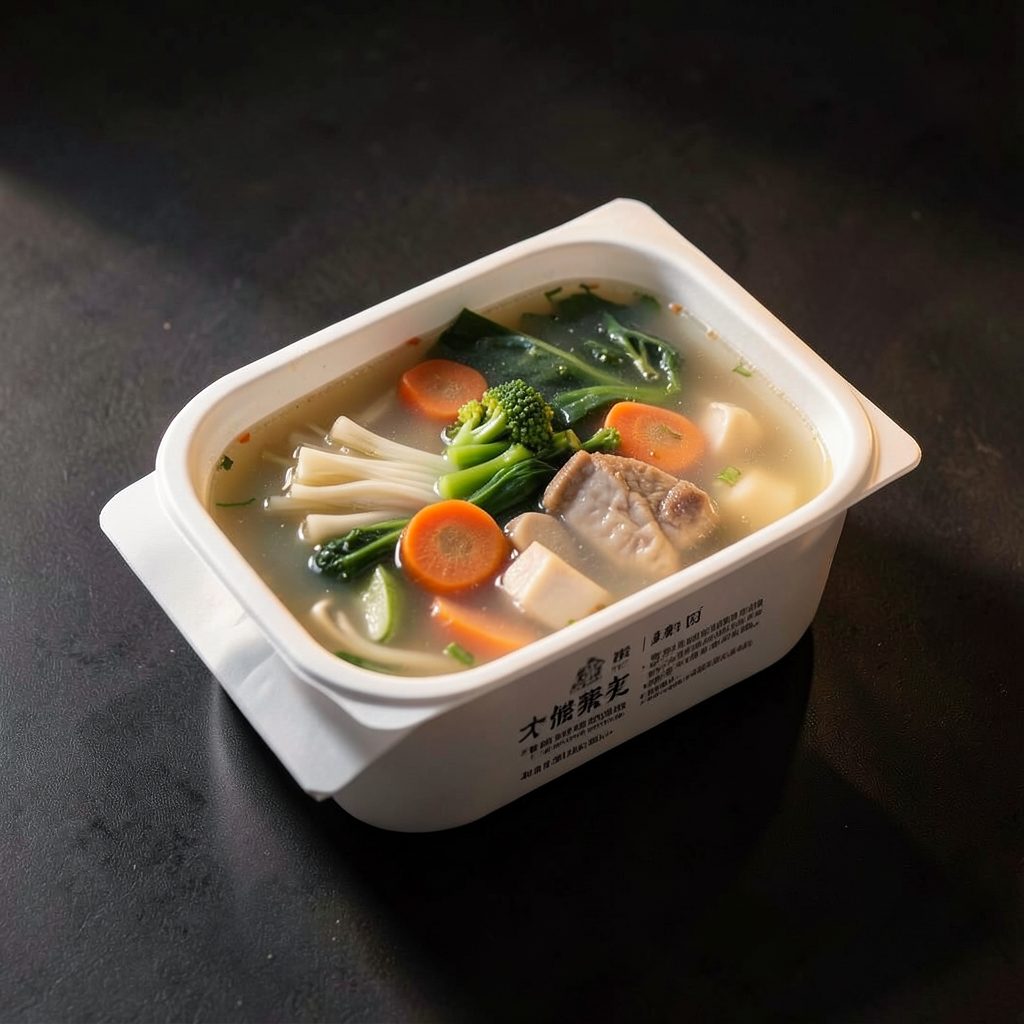
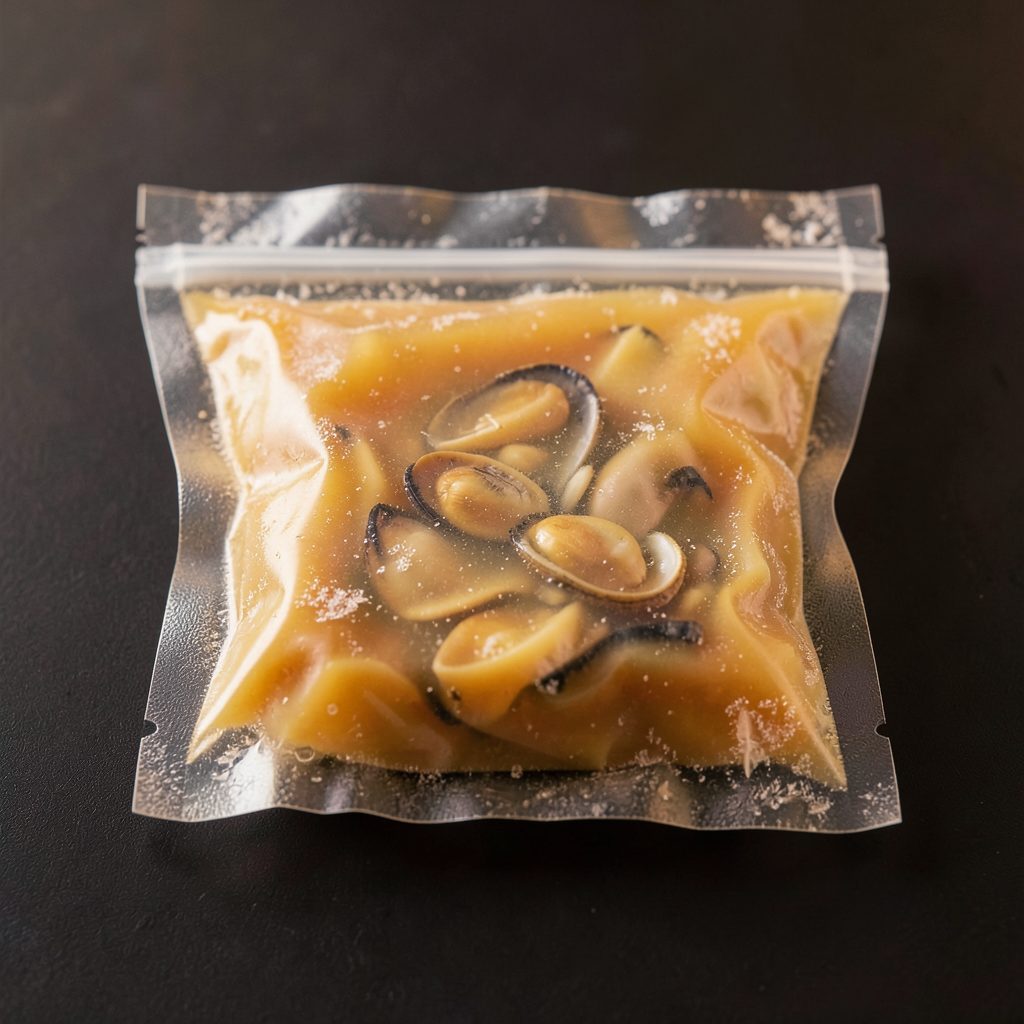
Best Sellers
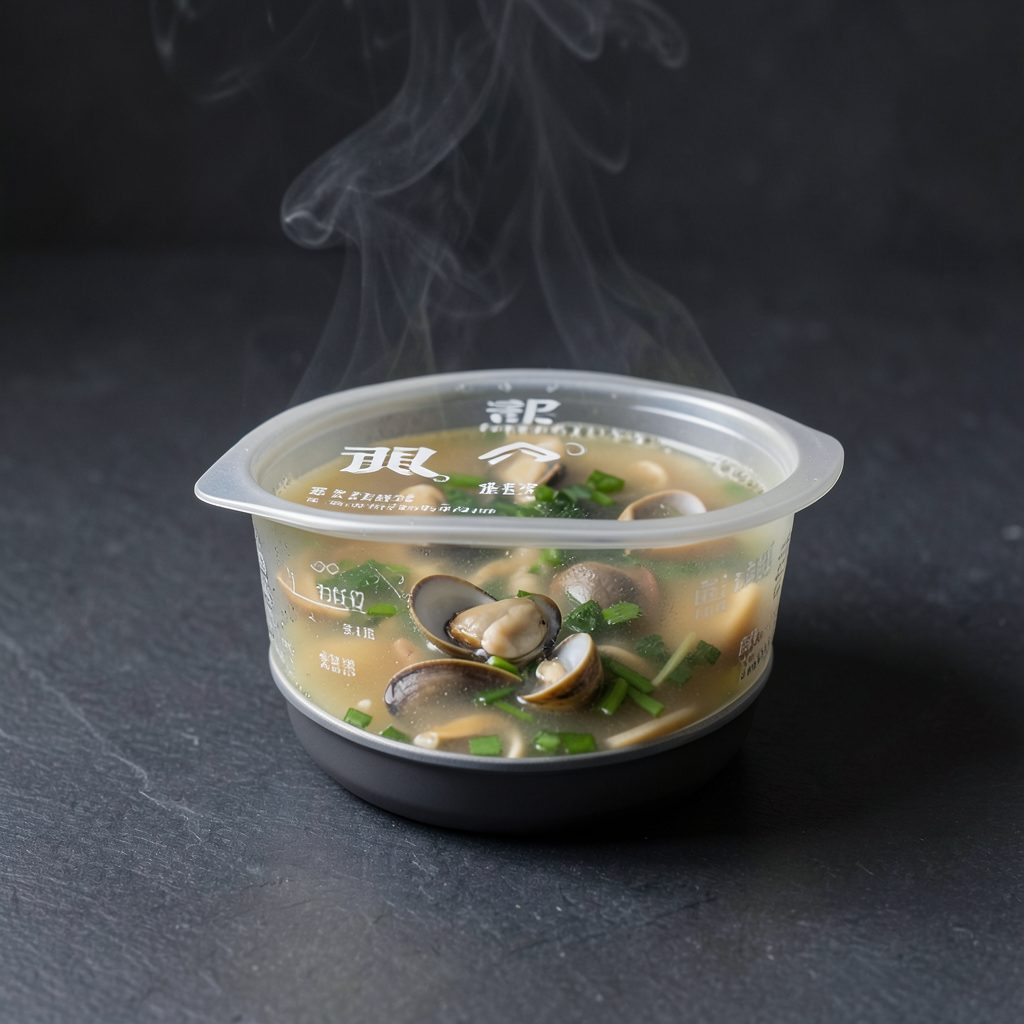
蛤?! Clam Soup Base —卜卜蜆
NT$ —
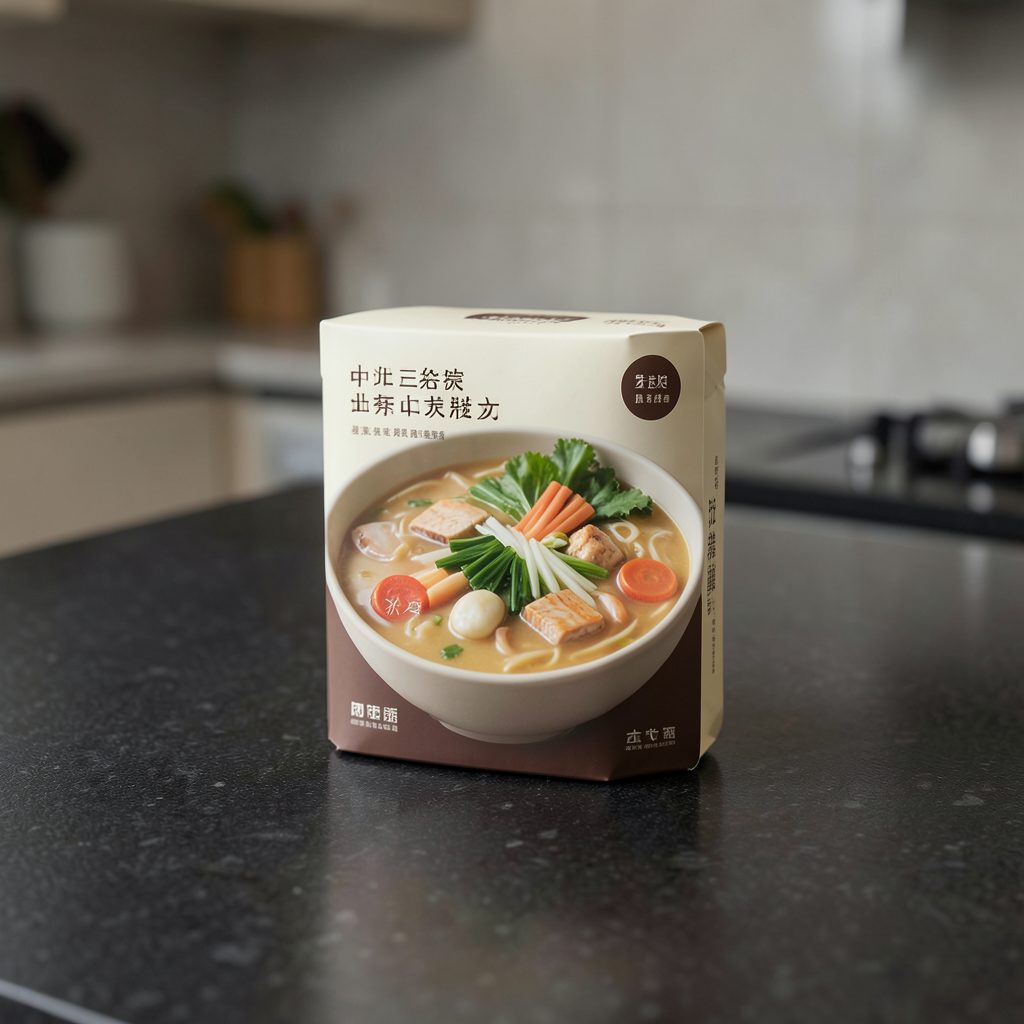
本事滿足鍋物 Personal Pot Base
NT$ —
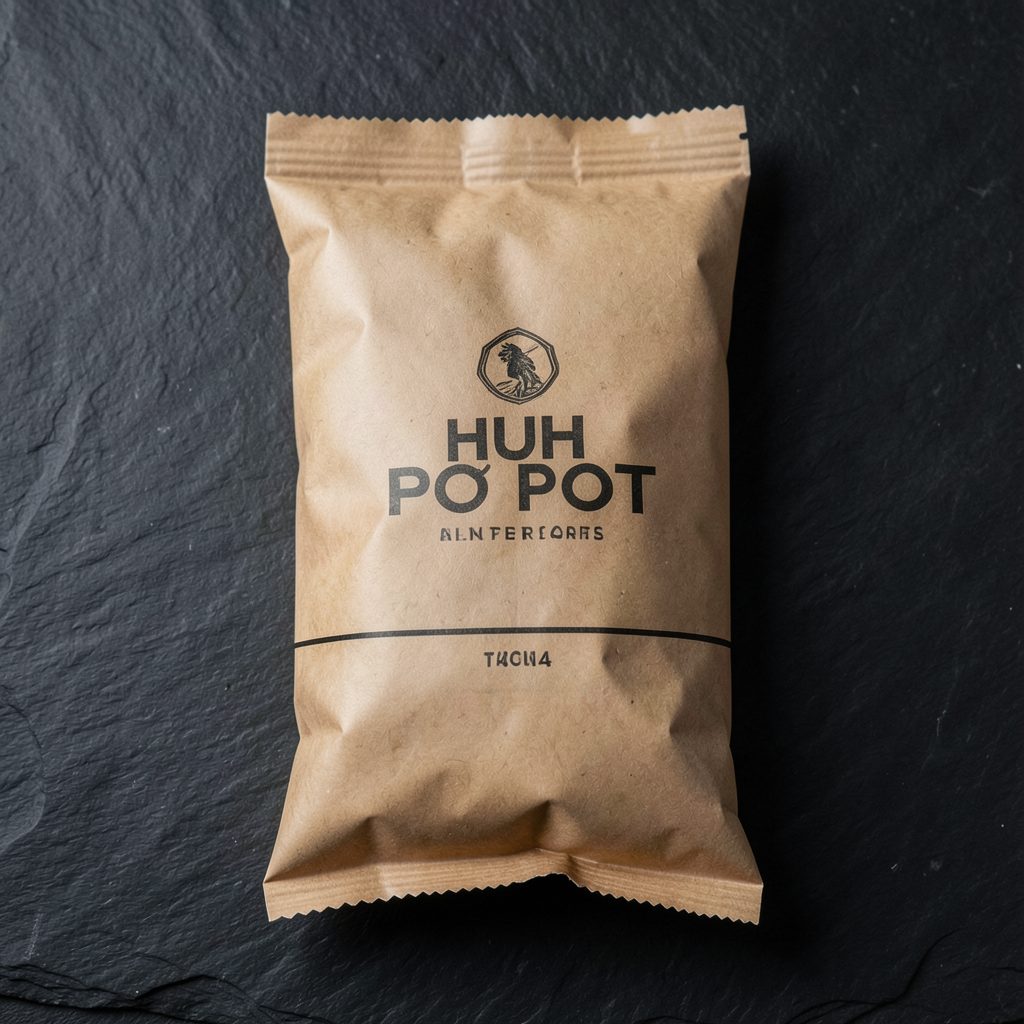
蛤?! Dry Noodles
NT$ —
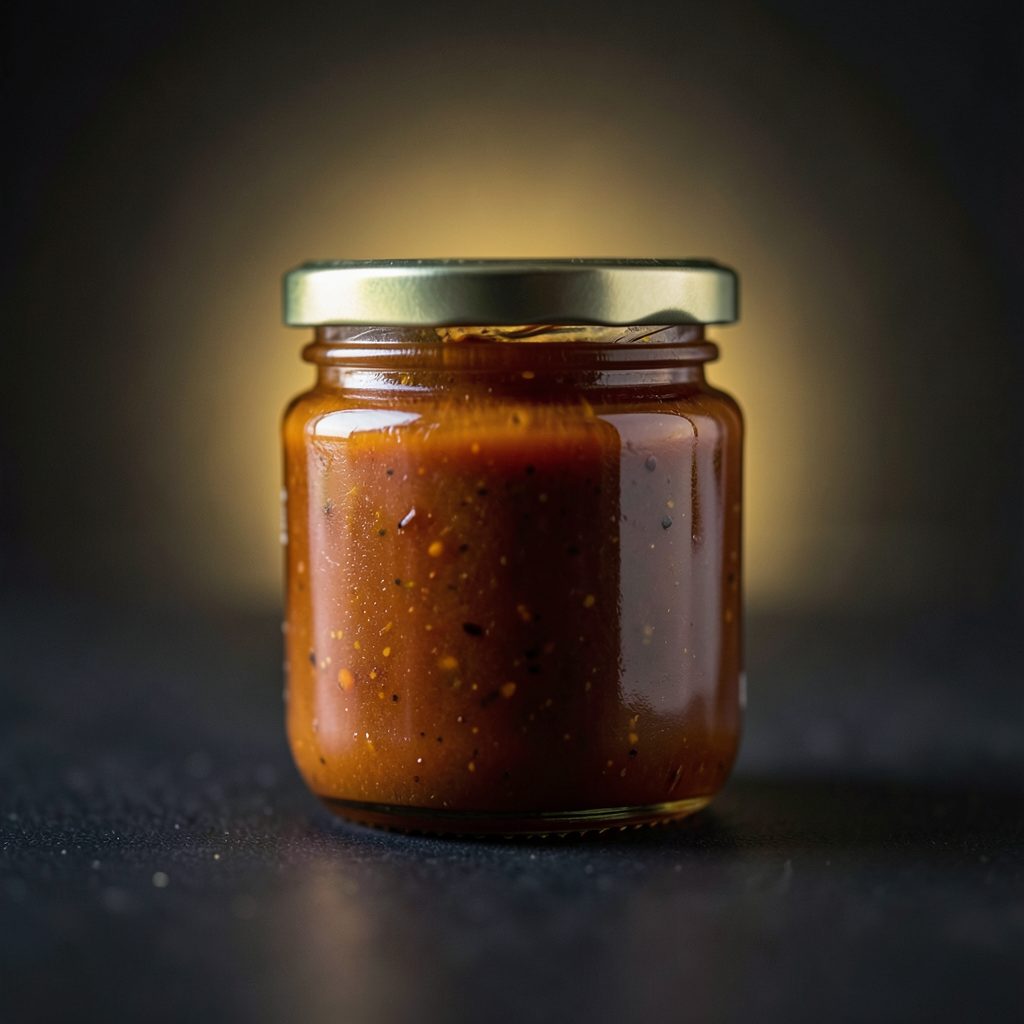
Signature Sauce
NT$ —
New Arrivals
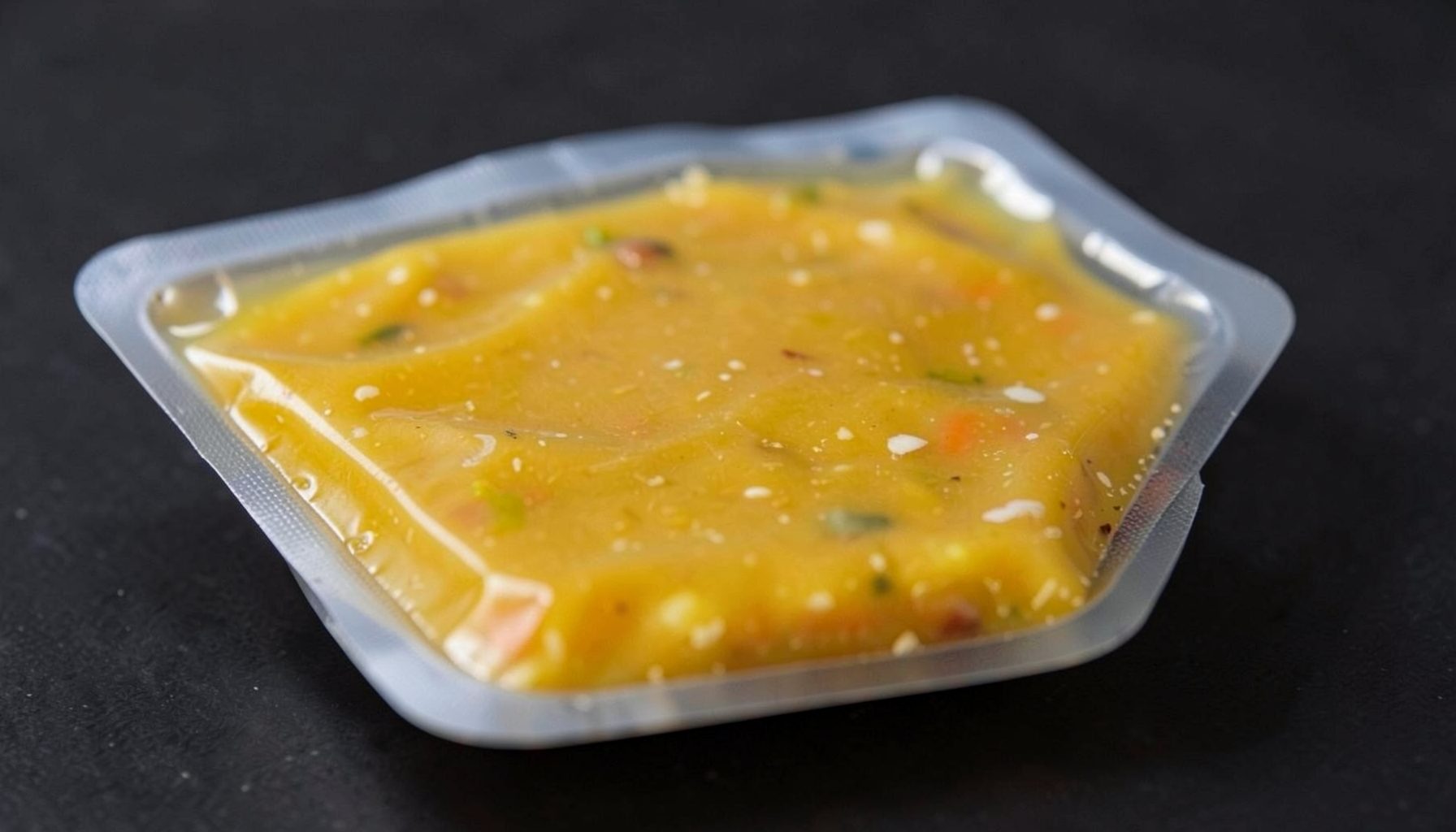
蛤?! Golden Clam Broth — New Batch
NT$ —
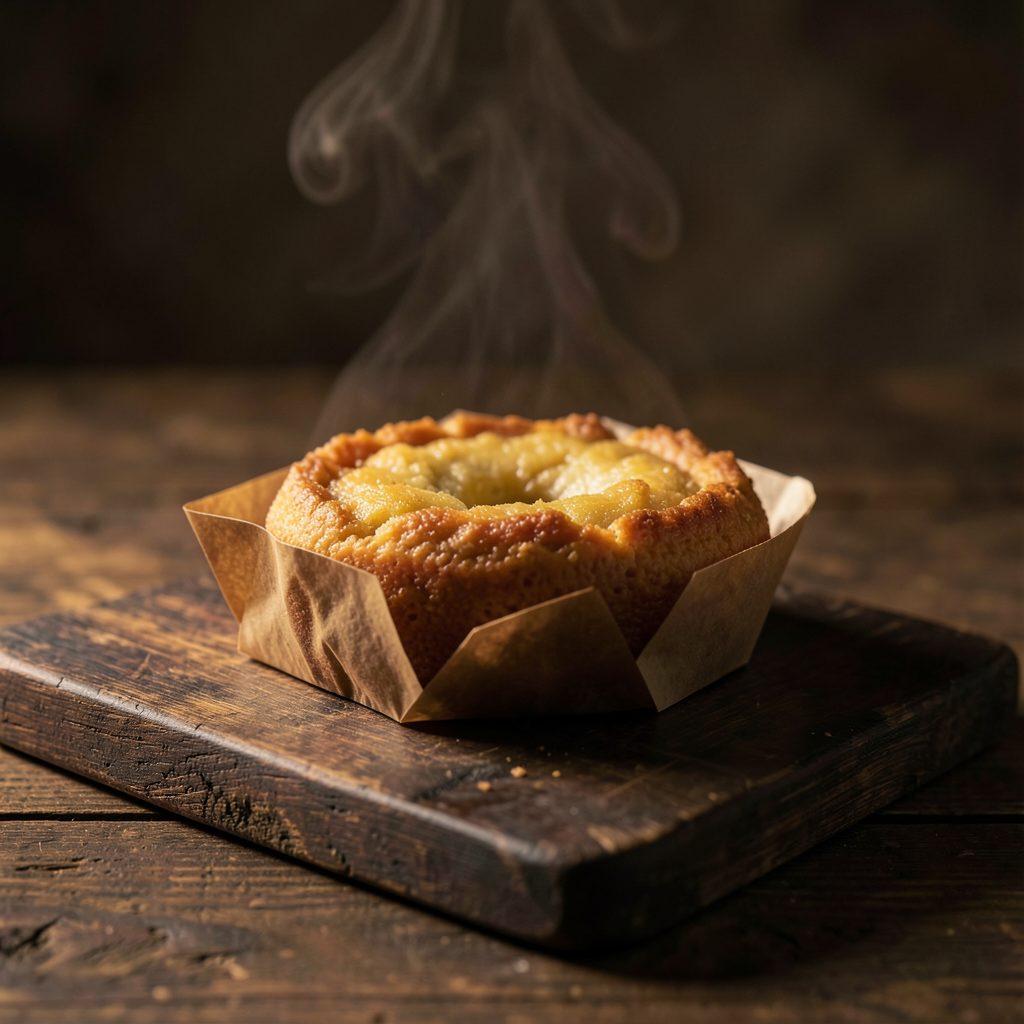
Radish Cake —蘿蔔糕精神
NT$ —
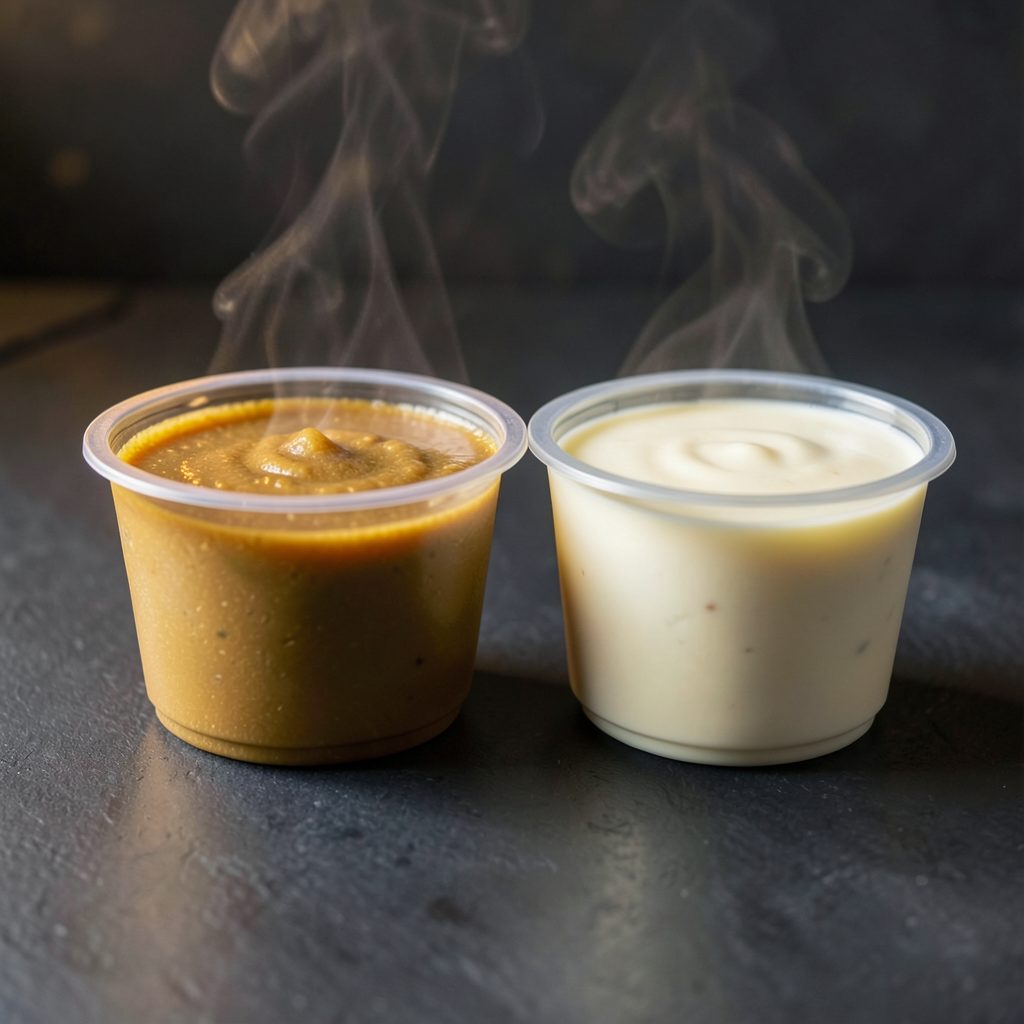
Duo Soup Base Set
NT$ —
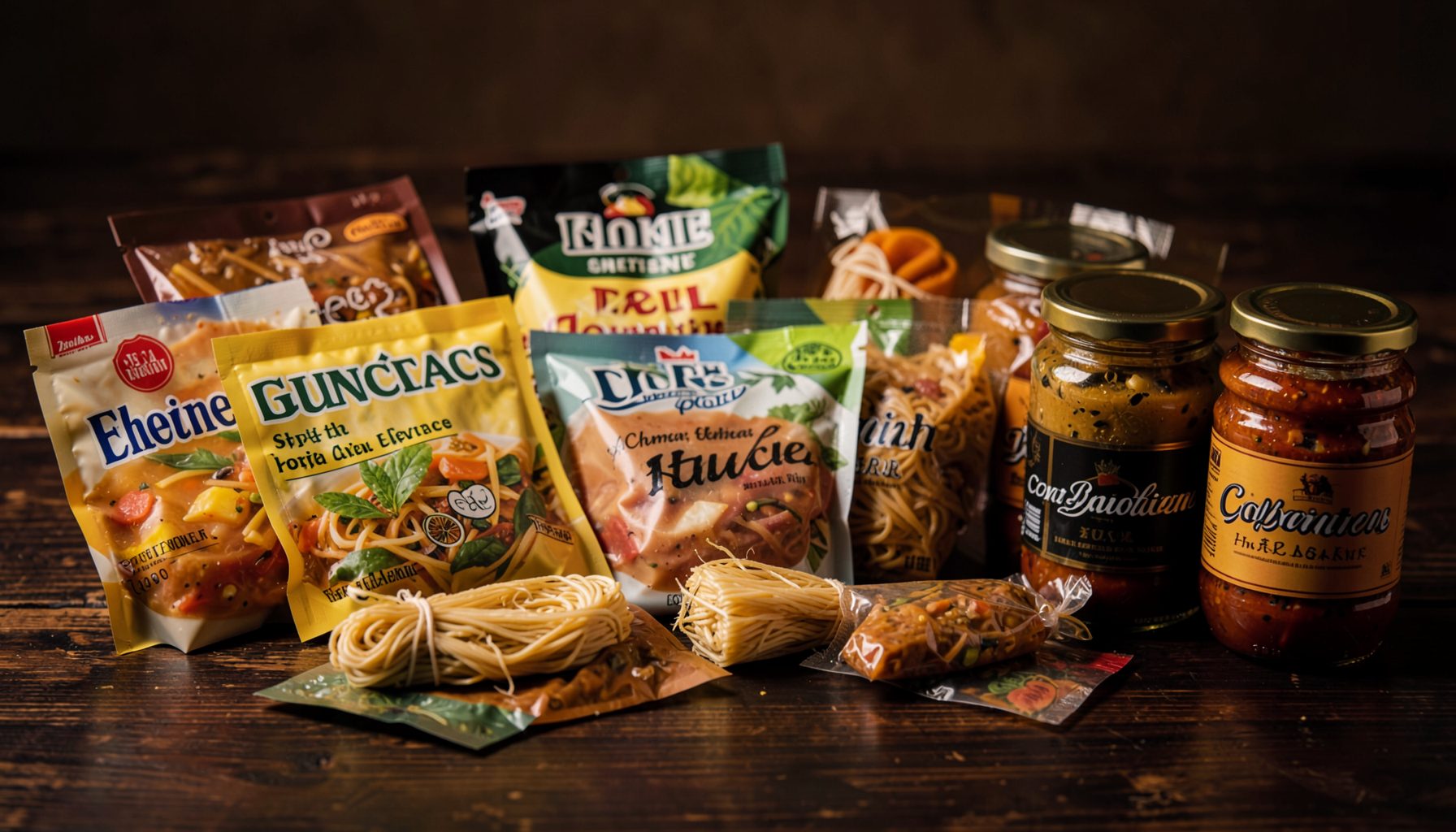
Hot Pot Essentials Bundle
NT$ —
About 蛤?! Huh Pot
蛤?! Huh Pot is a Cantonese-style hot pot brand known for its signature clam-based broth —卜卜蜆 — made with rich old-hen stock and generous portions of fresh clams. The brand also encompasses 本事滿足鍋物, a personal hot pot concept, bringing the same depth of flavor to individual servings.
Through MoneyCome Mart, these restaurant-quality soup bases, dry noodles, radish cakes, and signature sauces are available for home delivery across Taiwan. Restaurant locations in Taipei's Da'an District, Civic Boulevard, and Taichung's Gongyi Road also welcome guests for dine-in, with online reservations available.