Qingtang And Hongtang Soup Bases Explained
A Cantonese hot pot begins with its broth, and the choice between qingtang and hongtang can change the entire meal. One is usually clear, delicate and savoury; the other is typically red, aromatic and chilli-forward. Understanding the difference makes it easier to choose a base that suits your guests, ingredients and tolerance for heat.
For Australian diners, this decision also connects with practical details such as small apartment kitchens, winter gatherings in Melbourne, seafood availability in Sydney and the need to keep frozen food properly chilled during delivery. MoneyCome Mart brings restaurant-style hot pot ingredients together for convenient preparation at home across Taiwan, making both styles accessible without building a broth from scratch.
What The Names Usually Mean
Qingtang translates broadly as “clear soup”. It is generally a light-coloured broth made with ingredients such as chicken, pork, seafood, vegetables, ginger or other aromatics. The flavour can still be rich, but it tends to stay clean and balanced rather than heavily spiced.
Hongtang means “red soup”, referring to the colour created by chilli, chilli oil, fermented bean pastes or other red-hued seasonings. The exact formula varies between brands and regional traditions, so one hongtang may be fragrant and gently warm while another is intense and numbing.
How Flavour And Heat Compare
Qingtang is a flexible choice when you want the dipping sauces and fresh ingredients to remain prominent. Clams, prawns, fish balls, tofu, leafy greens and mushrooms can all add their own character without being overwhelmed by the broth.
Hongtang gives meat and sturdy vegetables a stronger flavour framework. It may include layers of garlic, Sichuan pepper, dried chilli or fermented seasonings, creating heat as well as aroma. If your group has mixed preferences, a divided hot pot allows diners to enjoy both broths in the same meal.
Choosing For Australian Diners
A clear base often works well for families, children and guests who are unfamiliar with chilli-heavy food. It also suits warm-weather meals in Brisbane or Perth, when a lighter broth can feel more comfortable than a richly oily soup. Keep chilli paste or sliced fresh chilli on the table so confident diners can customise their bowls.
Hongtang is especially appealing for a winter dinner in Canberra, Hobart or Melbourne, where a warming, aromatic broth suits the season. Australian supermarkets commonly stock bok choy, wombok, mushrooms, tofu and thinly sliced beef, all of which pair naturally with either style.
- Choose qingtang for delicate seafood, vegetables and a mild shared meal.
- Choose hongtang for bold flavours, beef, lamb, mushrooms and chilli lovers.
- Use a split pot when guests have different spice preferences.
- Add noodles near the end so they do not absorb all the broth too early.
- Check allergen and ingredient information before serving mixed groups.
The Food Standards Australia New Zealand framework requires packaged foods to declare regulated allergens, but diners should still read the specific product label carefully. Soy, wheat, sesame, shellfish and fish may appear in soup bases, sauces or prepared hot pot items.
Building A Balanced Hot Pot
Start by bringing the soup base to a steady simmer rather than a vigorous boil. Add ingredients in stages: dense items such as radish, corn or fish balls first, followed by sliced meat, seafood, tofu and quick-cooking greens. This keeps the broth from becoming crowded and helps each item cook evenly.
For poultry, thin slices cook quickly and are easy to portion. If you prefer chicken thigh, a useful chicken thigh guide explains how bone-in and boneless cuts behave differently. In a hot pot, boneless thigh is usually simpler because it can be sliced into bite-sized pieces.
Pairing Ingredients With Each Base
Qingtang highlights ingredients with subtle sweetness. Clams, prawns, fish tofu, napa cabbage, enoki mushrooms and rice noodles can create a gentle, layered bowl. Turnip cake also works well as a contrasting prepared side, particularly when lightly pan-fried before serving.
Hongtang can handle ingredients with stronger texture and flavour, including beef brisket slices, lamb, chicken thigh, bean curd, lotus root and potato. A mild sesame, soy or garlic dipping sauce can soften the heat, while a vinegar-based condiment adds lift to an oily red broth.
Buying And Checking The Product
Look at the serving size, storage instructions, spice description and allergen statement before placing an order. A frozen base is convenient for home delivery because it can be stored until a suitable gathering, but it should remain frozen until preparation. MoneyCome Mart’s frozen soup bases are designed for this style of at-home meal.
Packaging language can differ between products, so “clear” does not always mean bland and “red” does not always mean extremely hot. Review the ingredient list and product notes, especially if you are buying for children, older relatives or anyone managing food sensitivities.
Cold-Chain Delivery And Home Storage
Cold-chain handling matters when ordering frozen food in Taiwan’s subtropical climate, particularly during summer in Kaohsiung or when a parcel spends time outside an apartment building in Taipei. Arrange delivery when someone can receive it, then transfer products promptly to a freezer operating at -18°C or below.
MoneyCome Mart provides practical information about ordering, delivery areas and handling through its delivery FAQ. At home, keep raw seafood and meat sealed, use separate utensils for cooked food, and avoid leaving the pot at room temperature for extended periods.
Serving The Broth Safely
Use a clean ladle for each soup compartment and bring the liquid back to a simmer after adding a large quantity of chilled ingredients. Raw meats should be placed into the boiling broth with chopsticks or tongs dedicated to uncooked food, then transferred to a clean bowl once fully cooked.
After the meal, cool leftover broth quickly in shallow containers and refrigerate it promptly if you plan to use it later. Discard broth that has been left warm for hours or repeatedly reheated. With the right base, sensible ingredient order and careful storage, qingtang and hongtang can both produce a satisfying Cantonese hot pot at home.
Best Sellers
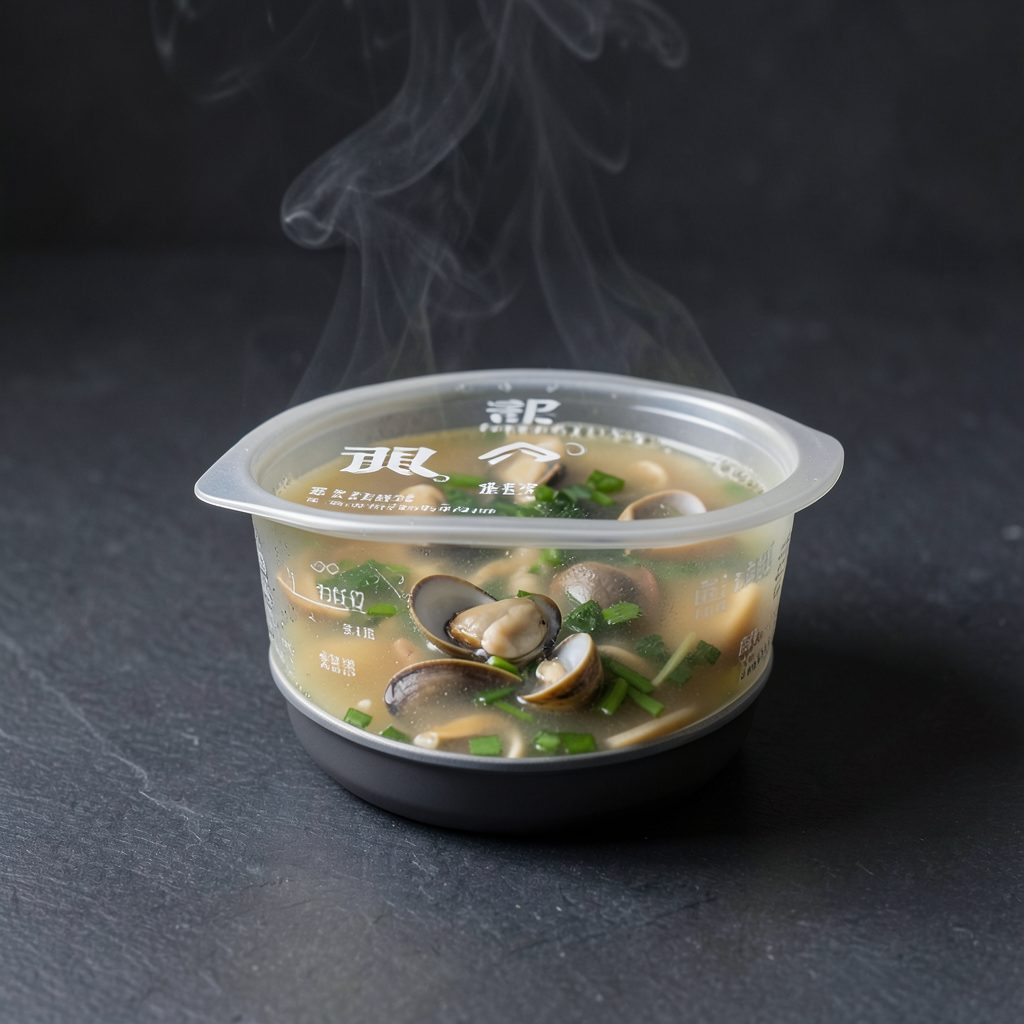
蛤?! Clam Soup Base —卜卜蜆
NT$ —
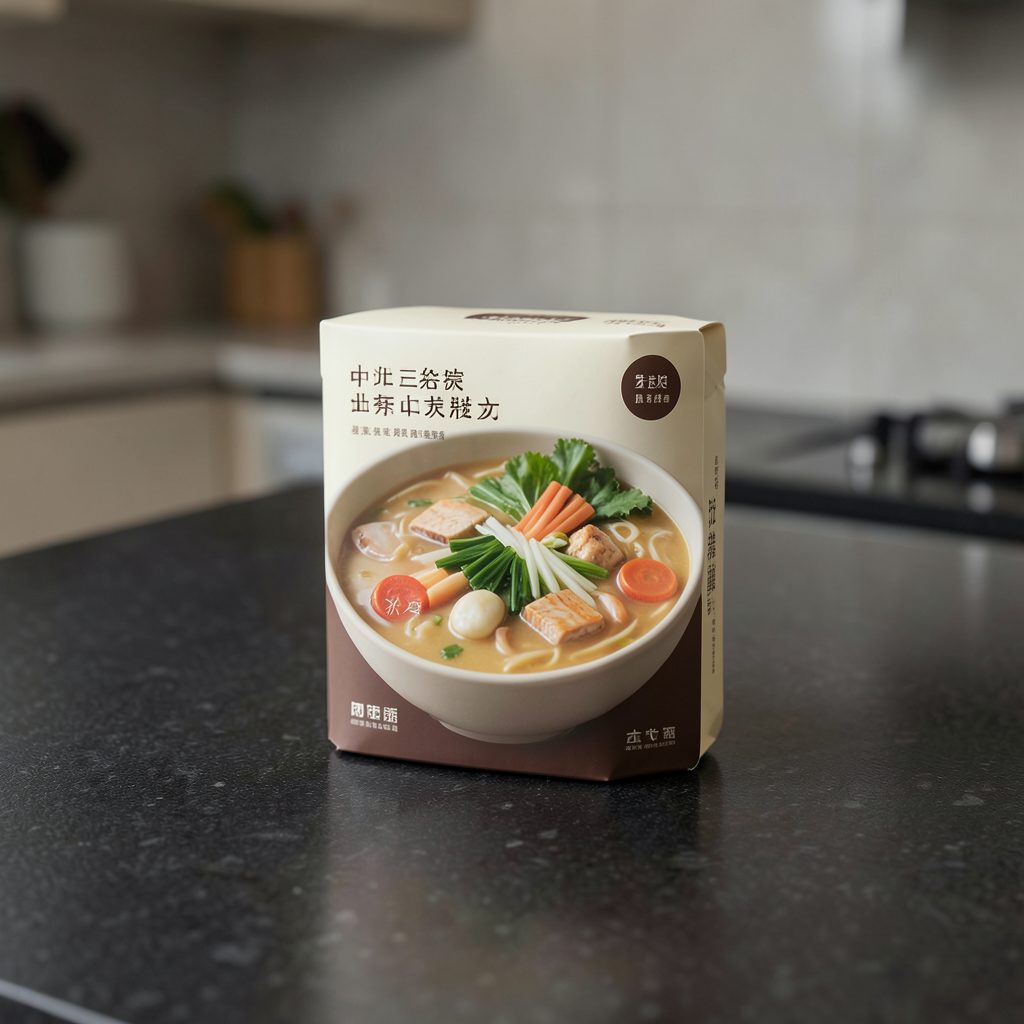
本事滿足鍋物 Personal Pot Base
NT$ —
蛤?! Dry Noodles
NT$ —
Signature Sauce
NT$ —
New Arrivals
蛤?! Golden Clam Broth — New Batch
NT$ —
Radish Cake —蘿蔔糕精神
NT$ —
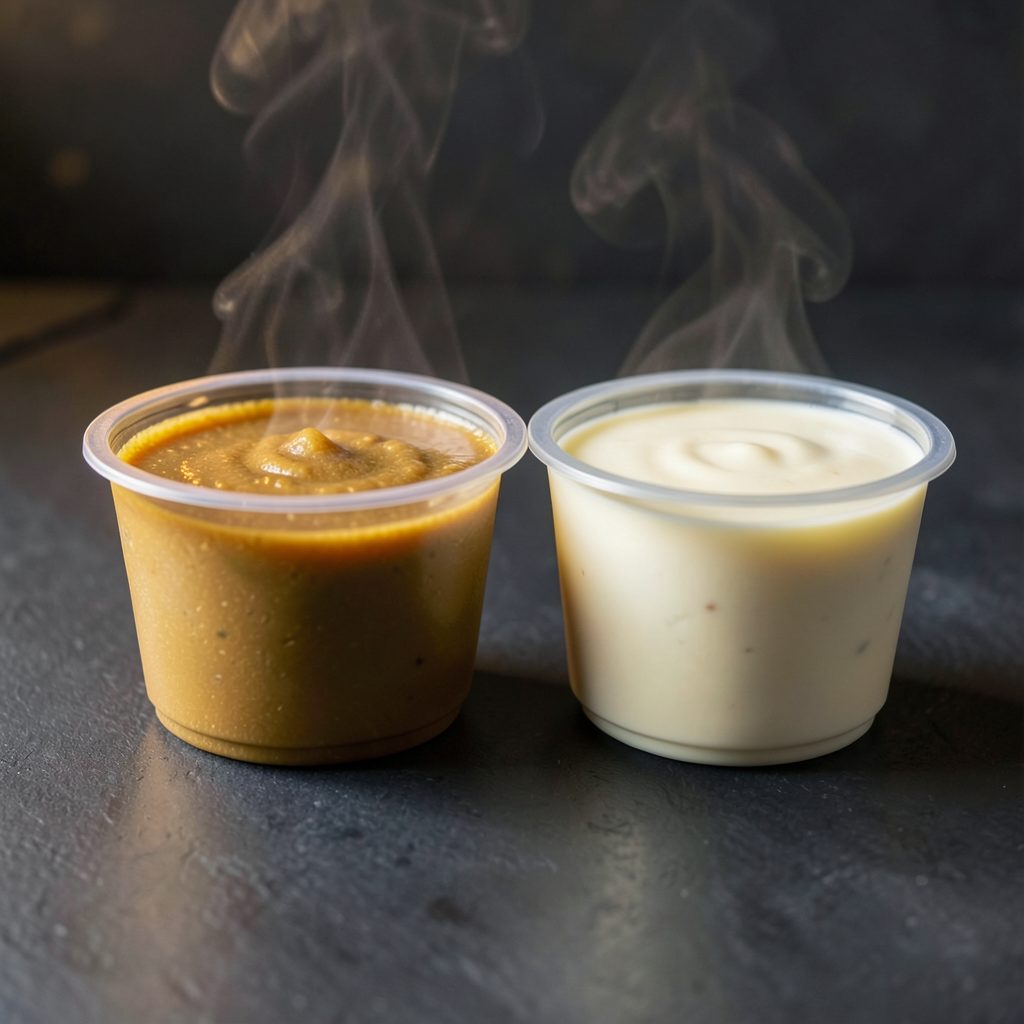
Duo Soup Base Set
NT$ —
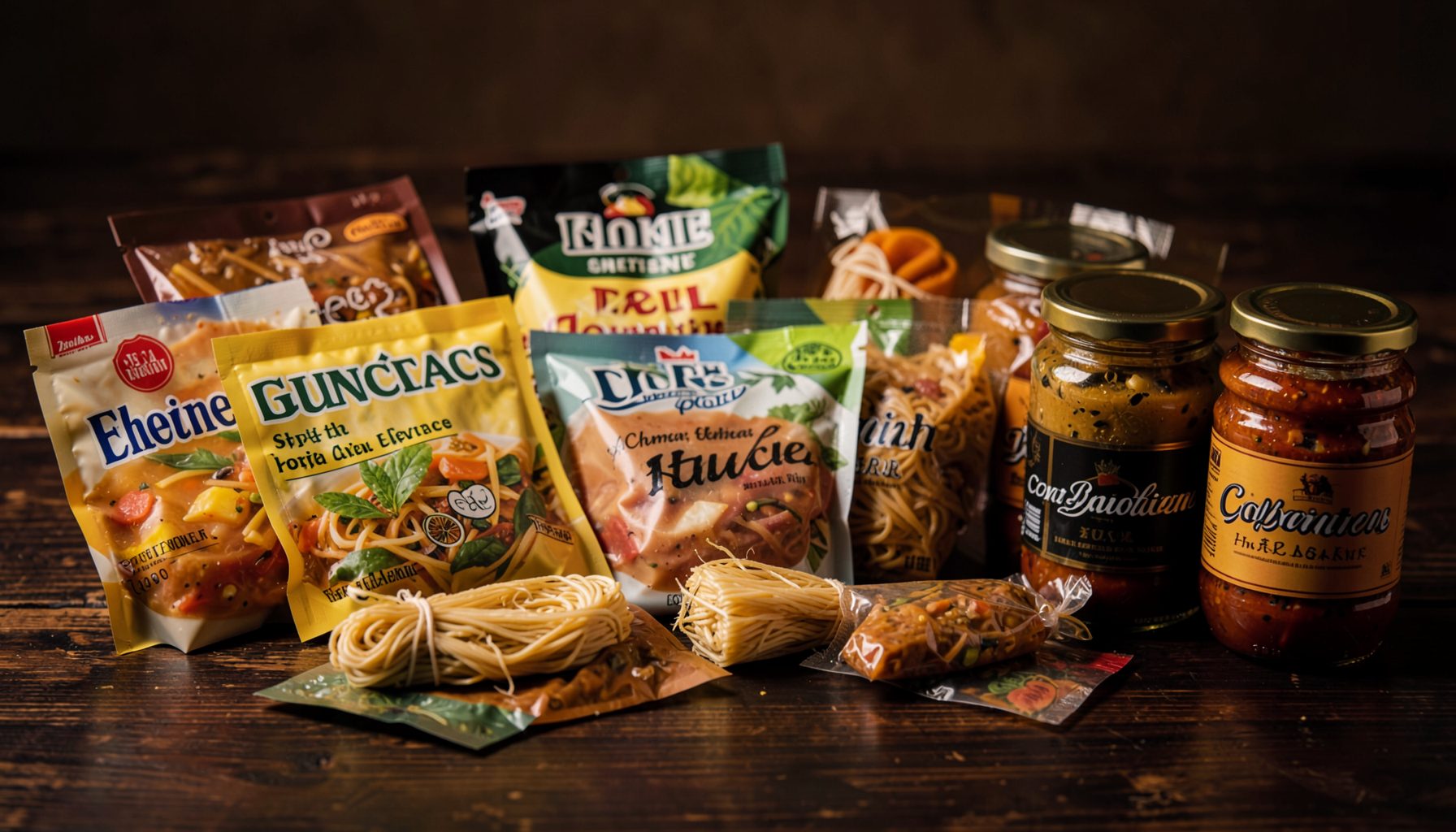
Hot Pot Essentials Bundle
NT$ —
About 蛤?! Huh Pot
蛤?! Huh Pot is a Cantonese-style hot pot brand known for its signature clam-based broth —卜卜蜆 — made with rich old-hen stock and generous portions of fresh clams. The brand also encompasses 本事滿足鍋物, a personal hot pot concept, bringing the same depth of flavor to individual servings.
Through MoneyCome Mart, these restaurant-quality soup bases, dry noodles, radish cakes, and signature sauces are available for home delivery across Taiwan. Restaurant locations in Taipei's Da'an District, Civic Boulevard, and Taichung's Gongyi Road also welcome guests for dine-in, with online reservations available.