Boiling vs simmering frozen broth for a better hot pot
At MoneyCome Mart, frozen broth brings restaurant-style hot pot to a home kitchen, but heat changes the final bowl. The difference between boiling and simmering our frozen broth is about matching the method to the broth, ingredients and available time.
In Australian kitchens, a bubbling pot is “on the boil”, while a gentler cook wants it to “just simmer”. Neither tells you whether aroma is escaping or seafood will stay tender. Domestic cooktops differ from restaurant ranges, so watch the pot rather than trust the flame.
Metric measures make adjustments easy: a 500 g broth block fits a medium saucepan, and a splash means roughly a tablespoon. Coles and Woolworths stock noodles, sauces and greens, while Asian grocers in Sydney, Melbourne and Brisbane carry coriander, spring onions and chillies.
Cold-chain delivery should ensure a frozen soup base arrives firm enough to handle safely. Keep it frozen and move it to the refrigerator before cooking. Warm the broth through without turning delicate clam broth into a salty reduction.
What boiling actually does to broth
Boiling is a rolling surface that breaks continuously, usually near 100°C at sea level. Simmering is gentler, commonly around 85–95°C, with small bubbles at the edge and occasional bubbles across the surface. Canberra sits above 500 metres, where water boils slightly lower, so bubble behaviour beats a fixed number.
When concentrated broth boils, water evaporates faster and volatile aromas escape. The liquid can taste sharper, saltier and heavier, especially if left uncovered. Boiling may also make emulsified fat and fine protein less stable, leaving the surface looking grainier.
A brief boil helps a frozen soup base release from the pan and warm quickly, but prolonged hard boiling is a different technique. A simmer warms the centre evenly, keeps top notes expressive and helps preserve the balance intended when the broth was prepared.
Simmering suits layered clam and pork broths
Clam broth rewards soft heat because its character often rests on delicate fish aroma, ginger and a clean finish. Pork bases can handle slightly more movement with chilli, garlic or fermented bean paste, but boiling still drives off aromatics. A simmer keeps salt, sweetness and savoury depth integrated.
Fresh herbs are a finishing tool rather than a cover-up. This fresh herb guide explains why coriander and spring onion suit clam broth; add them off the heat so their green notes stay vivid. Australian bunches can be large, so chop what you need and refrigerate the rest.
For a family dinner, bring the broth to a simmer before adding thin noodles or greens, then lower the heat while they finish. In a busy Australian flat, one burner and a shallow serving bowl make the method practical: cook centrally and let everyone build a bowl.
Preparing the frozen block without overheating it
Move the soup base to the refrigerator several hours before dinner. If you need it sooner, keep it sealed and thaw it in cold water, changing the water as it warms, or follow the product directions. Never leave a frozen block at room temperature.
Break the block into the pot with a clean spoon, or partly melt it over medium heat. Stir the edges inward so the centre does not remain frozen while the surface begins to move. A silicone spatula and splatter guard reduce the mess.
Allow roughly 10–20 minutes to bring thawed broth to serving temperature, depending on volume and cooktop, while treating the label and aroma as final guides. Some bases call for water; others are ready to season. Add liquid in stages.
Reading your cooktop and controlling the simmer
Australian kitchens commonly use gas, radiant electric or induction cooktops, and they do not respond like restaurant stoves. Gas gives immediate feedback but can overshoot when turned down; electric and induction heat evenly but respond slowly. Start on medium, cover to speed warming, then loosen the lid before lowering the heat.
Use your eyes before adjusting the flame. A simmer should release a lazy bubble every second or two, not a rolling boil. If 1.5 litres boils quickly, lower it sooner; if it barely moves, nudge the heat up. Keeping the flame beneath the pot uses less energy.
Keeping the cold chain and flavour
Frozen soup bases are temperature-sensitive products. When ordering, check whether the courier uses chilled transport, what happens on weekends and whether someone must receive it. The Huh Pot delivery policy is the place to review handling and arrival arrangements for frozen items.
Put the delivery straight into the freezer. If it arrives soft but still contains ice, or has reached refrigerator temperature, follow the seller’s instructions and cook it promptly rather than relying on smell alone. During an Aussie summer in Brisbane, ordering early can avoid a warm handover.
Restaurants use insulated bags, ice packs and temperature logs; at home, a freezer thermometer and a delivery-date label are simple safeguards. Record what arrived frozen, when you thawed it and how long it cooked, so the next adjustment is easier.
A reliable routine for restaurant-style hot pot
Restaurant-style hot pot depends on timing rather than aggressive heat. The broth should cook thin noodles and greens rapidly, yet remain calm enough to sit on the table without becoming a rolling boil. A simmer gives you the most control.
The same care improves a more formal meal, and restaurant ideas from Le Drive Verdi offer a perspective on presentation. At home, the meal still centres on a well-seasoned broth, tidy ingredients and an unhurried pace. A small burner can keep a long dinner comfortable.
Use this sequence when serving family-style, a familiar format for hot pot nights across Australian homes:
- Thaw the broth in the refrigerator; keep it cold until the pot is ready.
- Warm it over medium heat, stirring until the frozen centre disappears.
- Lower the heat to a steady simmer before adding noodles, vegetables or seafood.
- Add fresh herbs off the heat, then taste for salt and balance before serving.
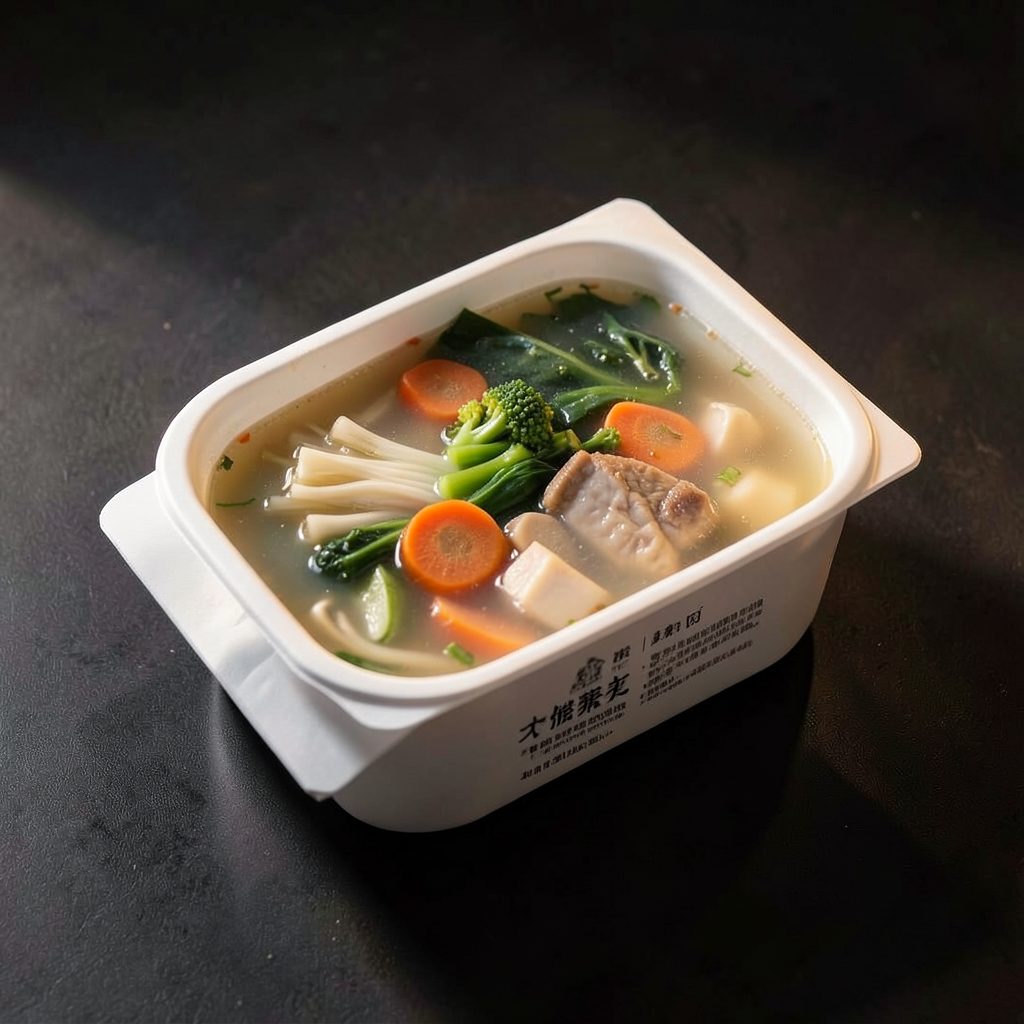
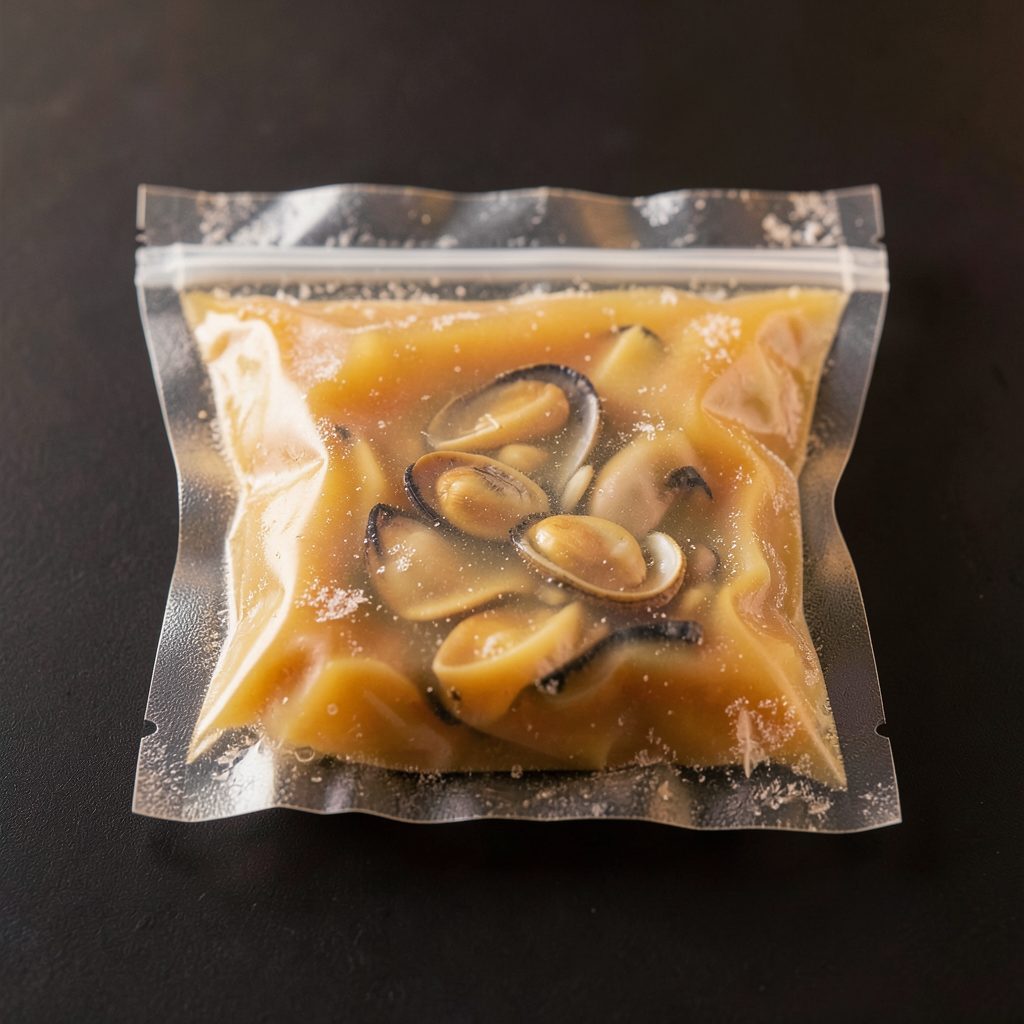
Best Sellers
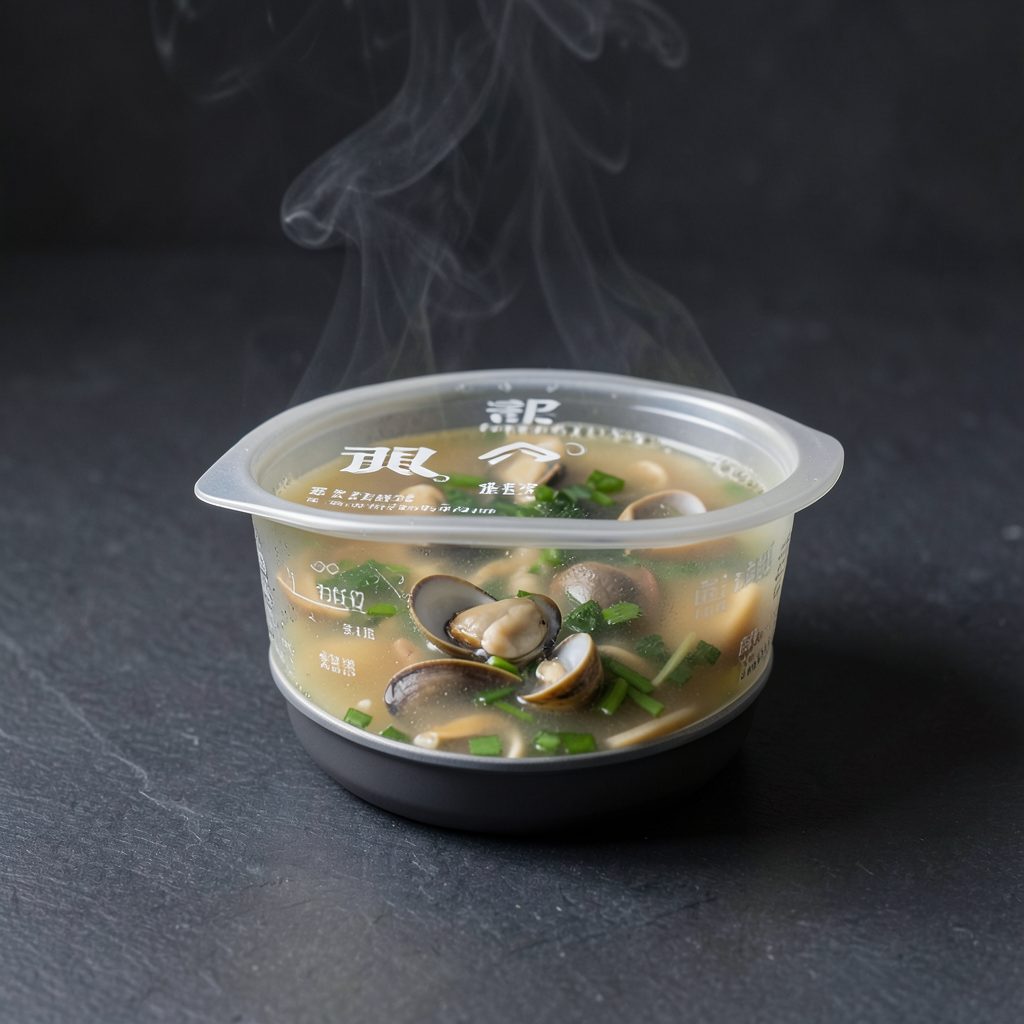
蛤?! Clam Soup Base —卜卜蜆
NT$ —
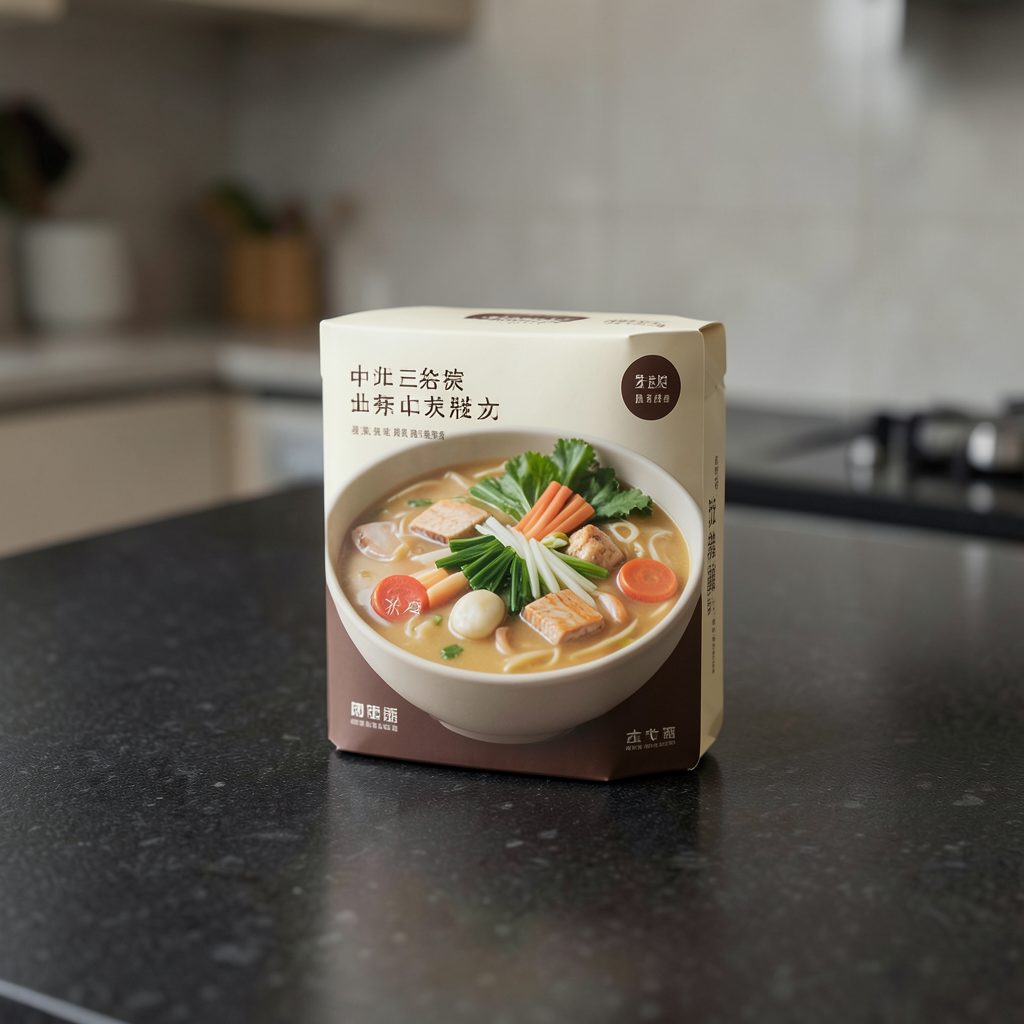
本事滿足鍋物 Personal Pot Base
NT$ —
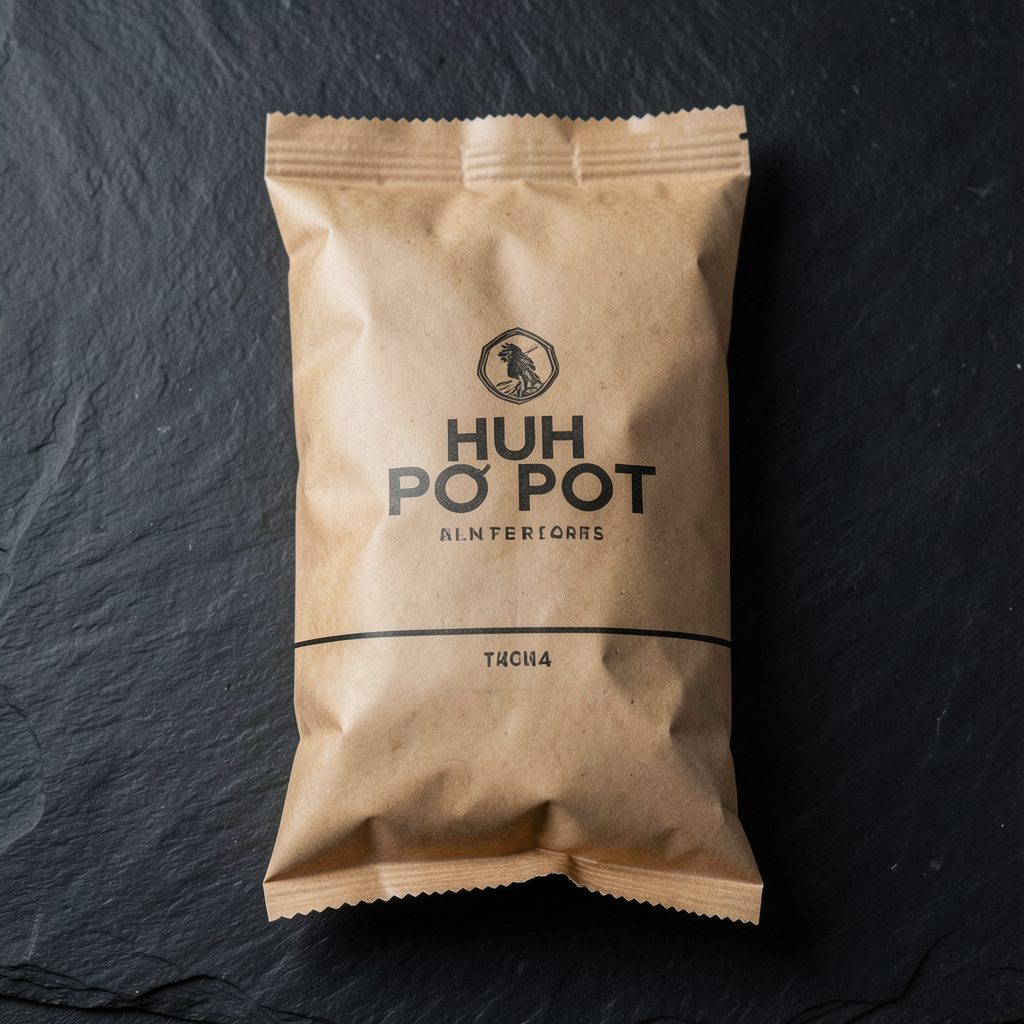
蛤?! Dry Noodles
NT$ —
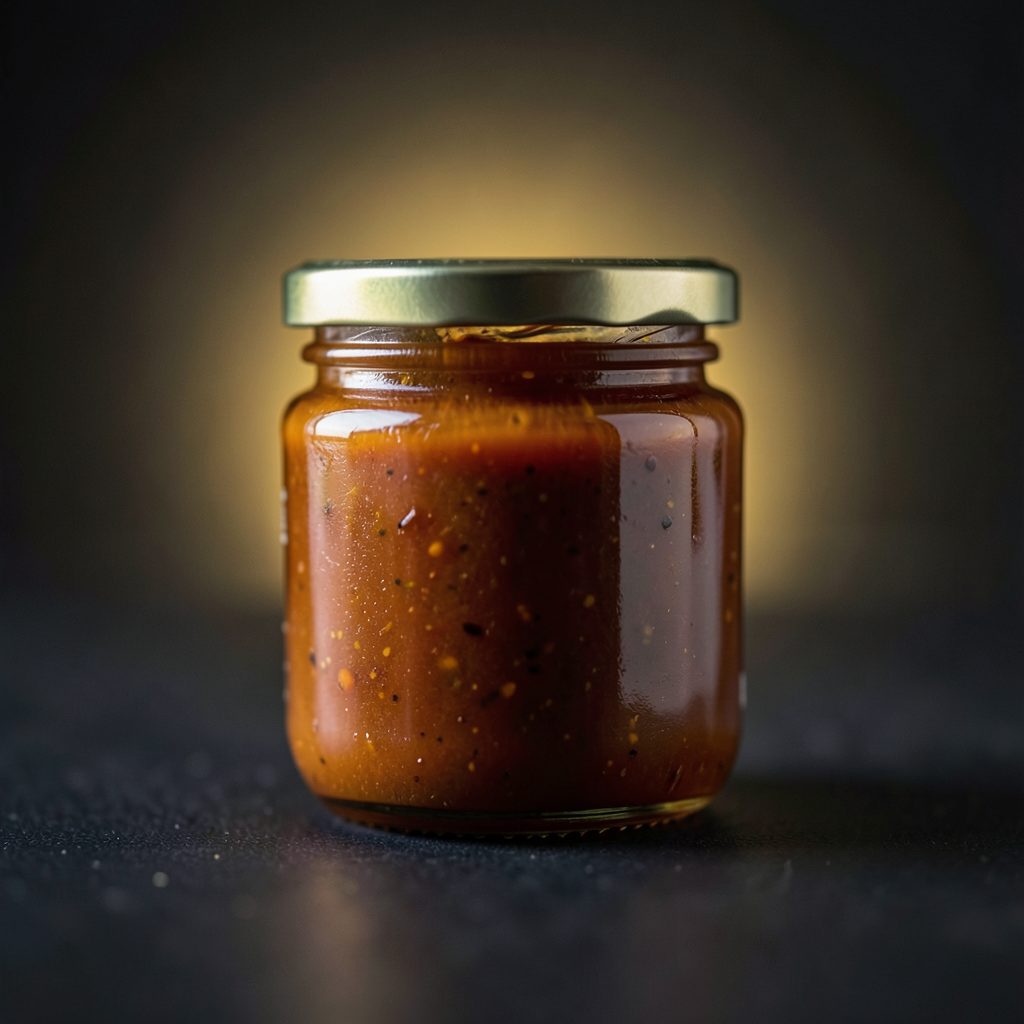
Signature Sauce
NT$ —
New Arrivals
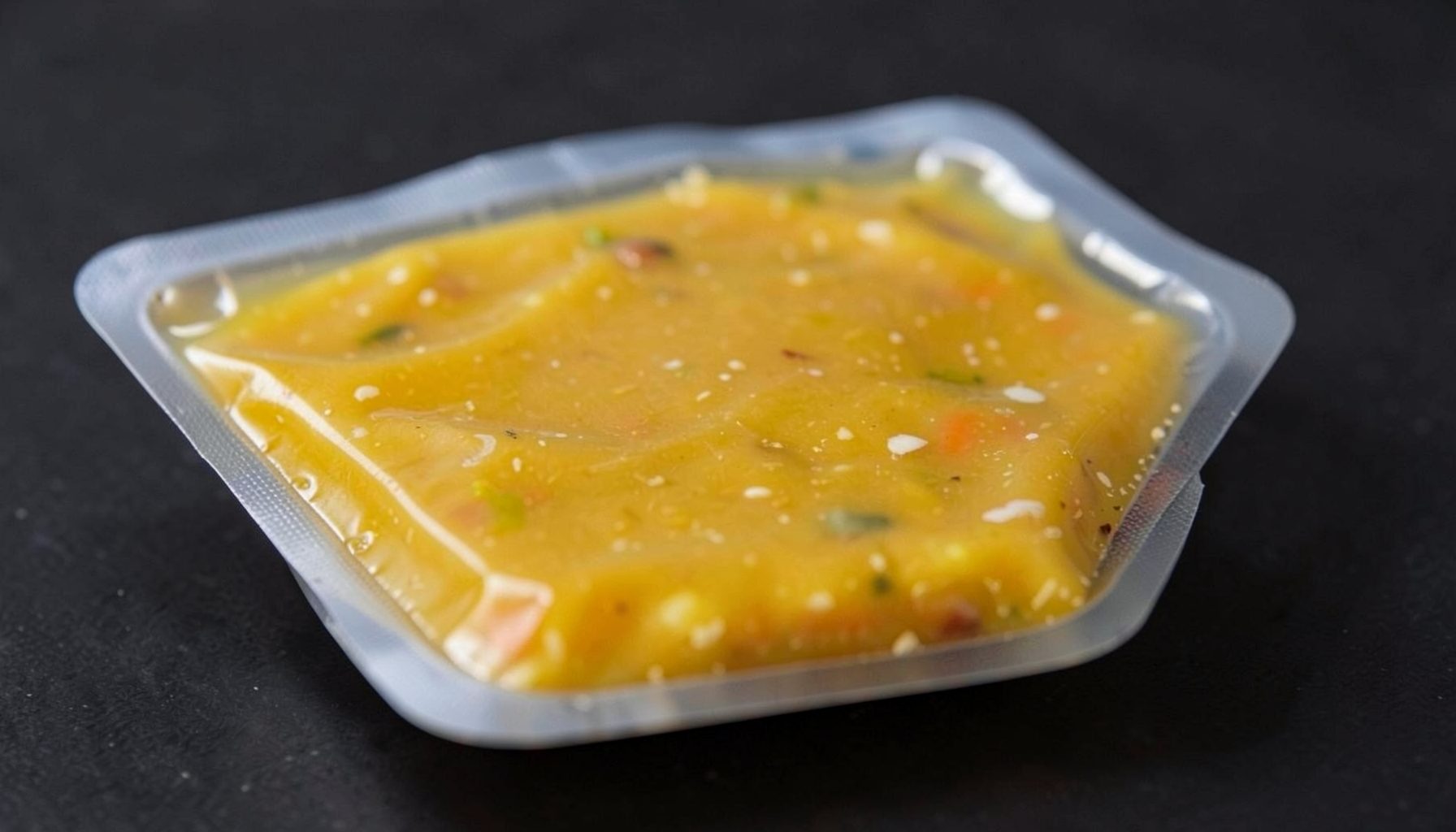
蛤?! Golden Clam Broth — New Batch
NT$ —
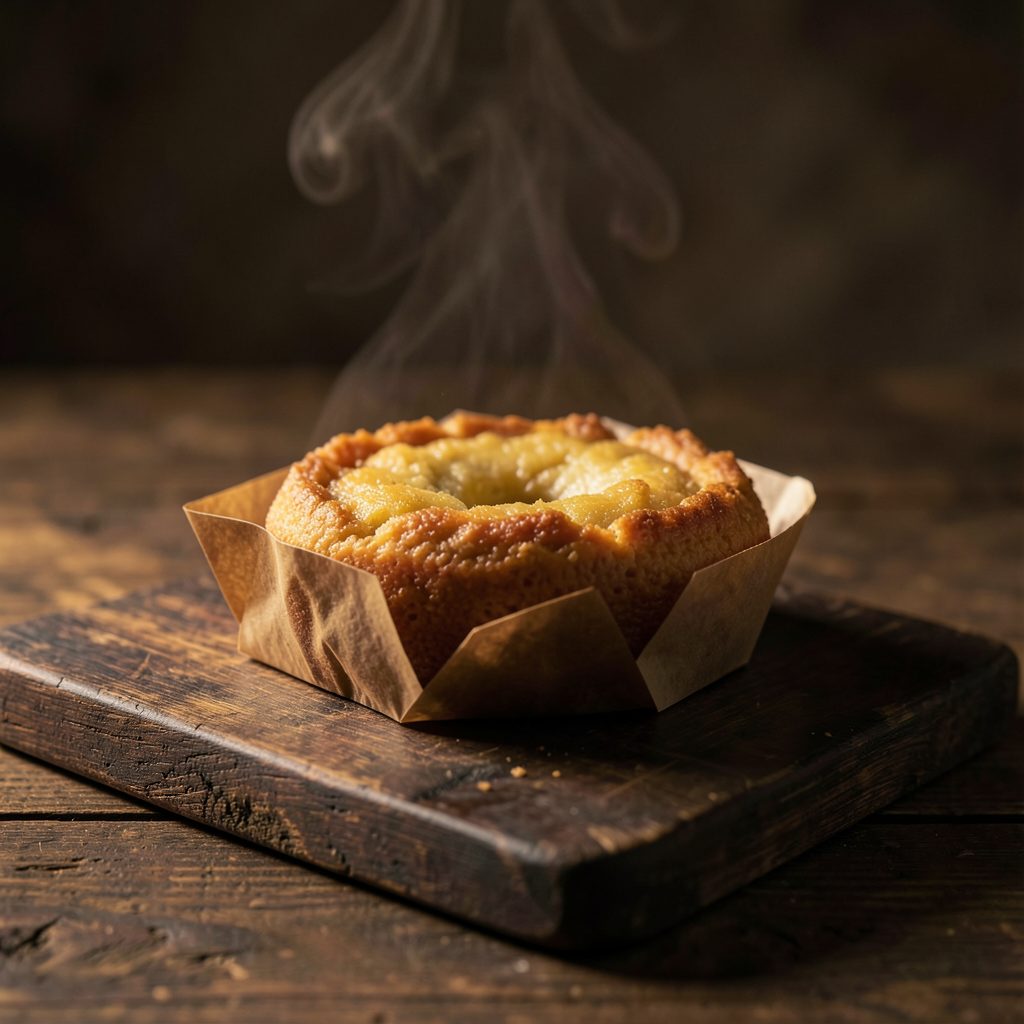
Radish Cake —蘿蔔糕精神
NT$ —
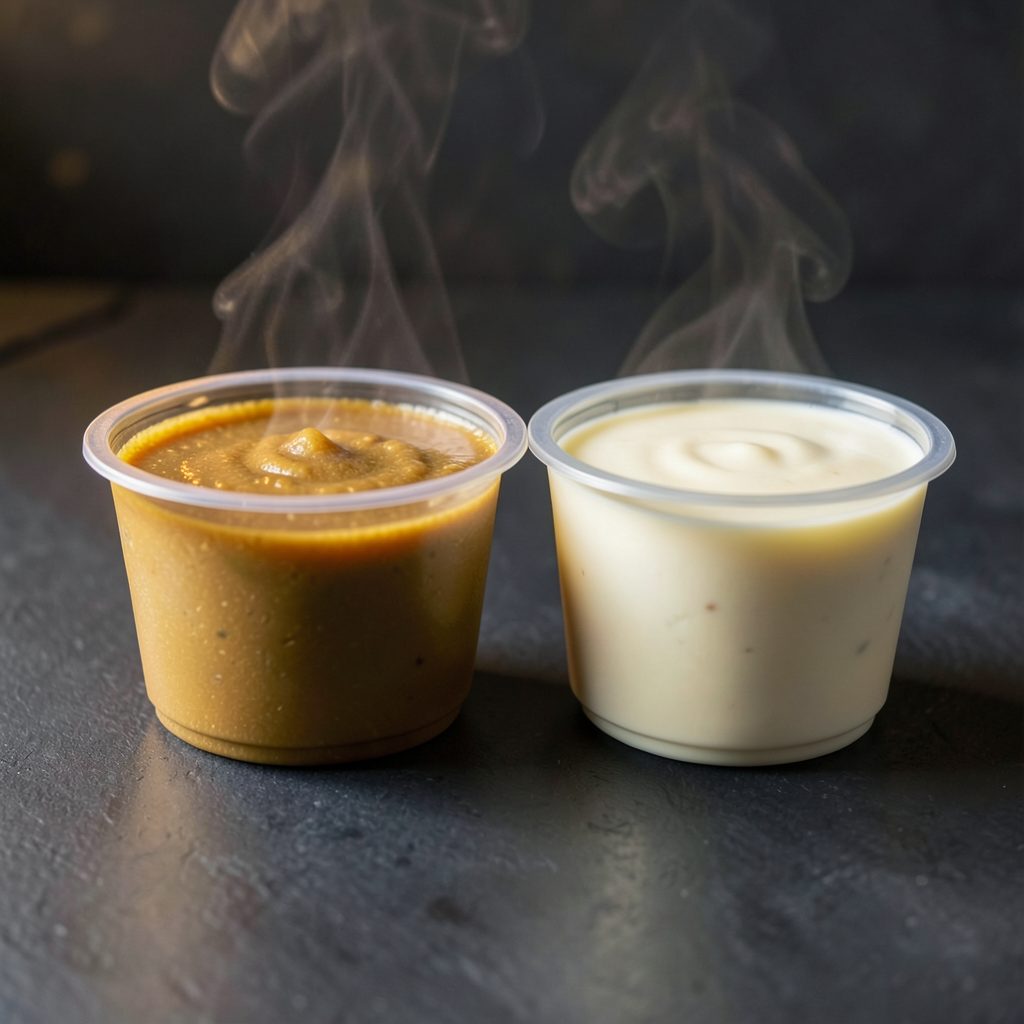
Duo Soup Base Set
NT$ —
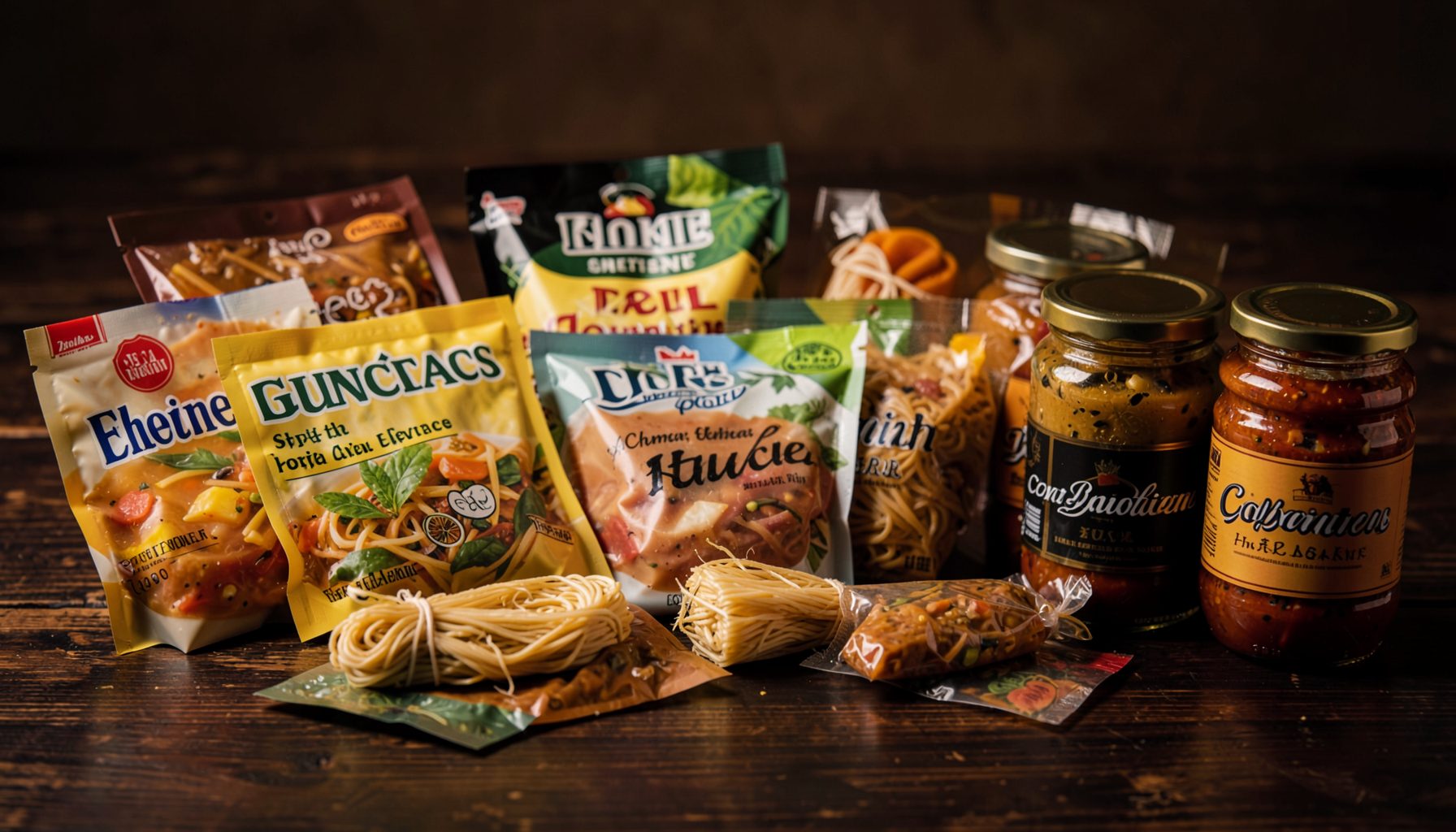
Hot Pot Essentials Bundle
NT$ —
About 蛤?! Huh Pot
蛤?! Huh Pot is a Cantonese-style hot pot brand known for its signature clam-based broth —卜卜蜆 — made with rich old-hen stock and generous portions of fresh clams. The brand also encompasses 本事滿足鍋物, a personal hot pot concept, bringing the same depth of flavor to individual servings.
Through MoneyCome Mart, these restaurant-quality soup bases, dry noodles, radish cakes, and signature sauces are available for home delivery across Taiwan. Restaurant locations in Taipei's Da'an District, Civic Boulevard, and Taichung's Gongyi Road also welcome guests for dine-in, with online reservations available.