The Best Way to Store Opened Sauce Packets in the Fridge
Opened sauce packets are handy for Cantonese hot pot, dumplings, noodles and quick stir-fries, but they become a food-safety concern once the seal is broken. Air, moisture and repeated contact with utensils can introduce bacteria, while rich ingredients such as sesame, seafood, chilli and fermented bean paste may lose their flavour quickly.
The safest approach is simple: use clean utensils, transfer leftovers into a sealed container and refrigerate them promptly. This works well in Australian kitchens, where warm summer weather in Sydney, Brisbane or Perth can push food temperatures up quickly, especially after a long meal around the table.
Why An Open Packet Needs Extra Care
A torn sachet is difficult to reseal properly. Folding the top over or securing it with a peg may keep drips off the fridge shelf, but it does not create an airtight seal. The exposed surface can dry out, absorb odours from foods such as cut onion, and become contaminated each time the packet is handled.
Sauces containing seafood, dairy, egg, fresh herbs or ground nuts deserve particular attention. Even a small packet of clam-based dipping sauce should be treated as perishable once opened. Keep the fridge at 5°C or below, in line with Australian food-safety guidance, rather than relying on the coldest setting only when the weather turns hot.
For practical advice on handling leftovers and opened ingredients, these safe food notes can complement the habits used for everyday meal preparation.
Transfer The Sauce Into A Clean Container
Use a small, food-safe container with a tight-fitting lid. Glass jars are useful for oily chilli sauces and sesame dressings because they are easy to wash, while a BPA-free plastic container is lighter and less likely to break in a crowded fridge. Choose a container that is only slightly larger than the amount of sauce left, reducing the air trapped above it.
Wash and dry your hands before opening the packet. Pour the sauce directly into the container without touching the opening to the work surface, then wipe the rim and seal it immediately. Do not top up an older portion with sauce from a newly opened packet, as this can shorten the life of the fresh batch.
Write the opening date on a piece of masking tape or use a washable fridge label. This is especially useful when preparing hot pot for a group in a Melbourne apartment or a family home in Adelaide, where several dipping sauces may look similar after the meal.
Keep Packets Cold And Easy To Find
Place the sealed container on a middle or lower fridge shelf, not in the door. The door warms each time it opens, and temperature changes are more pronounced there. Keep sauces away from uncovered ready-to-eat foods, and store them below items such as fruit or salad if there is any risk of leakage.
A shallow container cools more quickly than a deep one. If the sauce is still warm from cooking, let steam escape briefly, then refrigerate it promptly rather than leaving it on the bench through the arvo. In Australia’s hotter regions, a fan or air conditioner does not make room-temperature storage safe for extended periods.
Group condiments in one small tray so the contents stay upright. This makes it easier to check dates before using them and prevents a half-used sachet from disappearing behind yoghurt, takeaway containers or a carton of milk.
Quick Storage Checks For Different Sauces
Use the shortest practical storage time when you are unsure about the ingredients or the packet’s instructions. Manufacturer guidance should take priority, particularly for products containing seafood or fresh dairy.
- Soy, black bean and chilli sauces: use within about one week
- Sesame, peanut or creamy sauces: use within three to five days
- Clam, seafood or egg-based sauces: use within two to three days
- Homemade mixtures: label clearly and use as soon as possible
Discard the sauce if it develops mould, bubbling, a sour smell, separation that looks unusual or a sticky, slimy texture. Do not taste a questionable sauce to check whether it is still safe; spoilage organisms are not always detectable by smell.
Before returning leftovers to the fridge, check these basic points:
- The container is clean, dry and tightly sealed
- The opening date is visible
- A clean spoon is used for every serving
- The sauce has not sat out for more than two hours
Use Stored Sauce In The Right Dish
Opened dipping sauce is often at its best when used within a few days. Bring out only the amount needed for the meal and keep the main container chilled. Never pour unused sauce from a communal bowl back into the storage container, since it may have contacted raw meat, seafood or used chopsticks.
For a Cantonese hot pot at home, divide sauce into individual dishes before cooking begins. This keeps the main batch clean and lets guests customise their bowls with chilli oil, garlic, spring onion or sesame. It also suits Australian entertaining, whether the meal is served on a balcony in Sydney or around a dining table in Hobart.
A stored sauce can also finish noodles after the hot pot. The tradition is explained in this guide to the Cantonese noodle finish, which makes good use of remaining broth and condiments. Heat any sauce intended for a cooked dish thoroughly, and discard leftovers that have been sitting in serving bowls for too long.
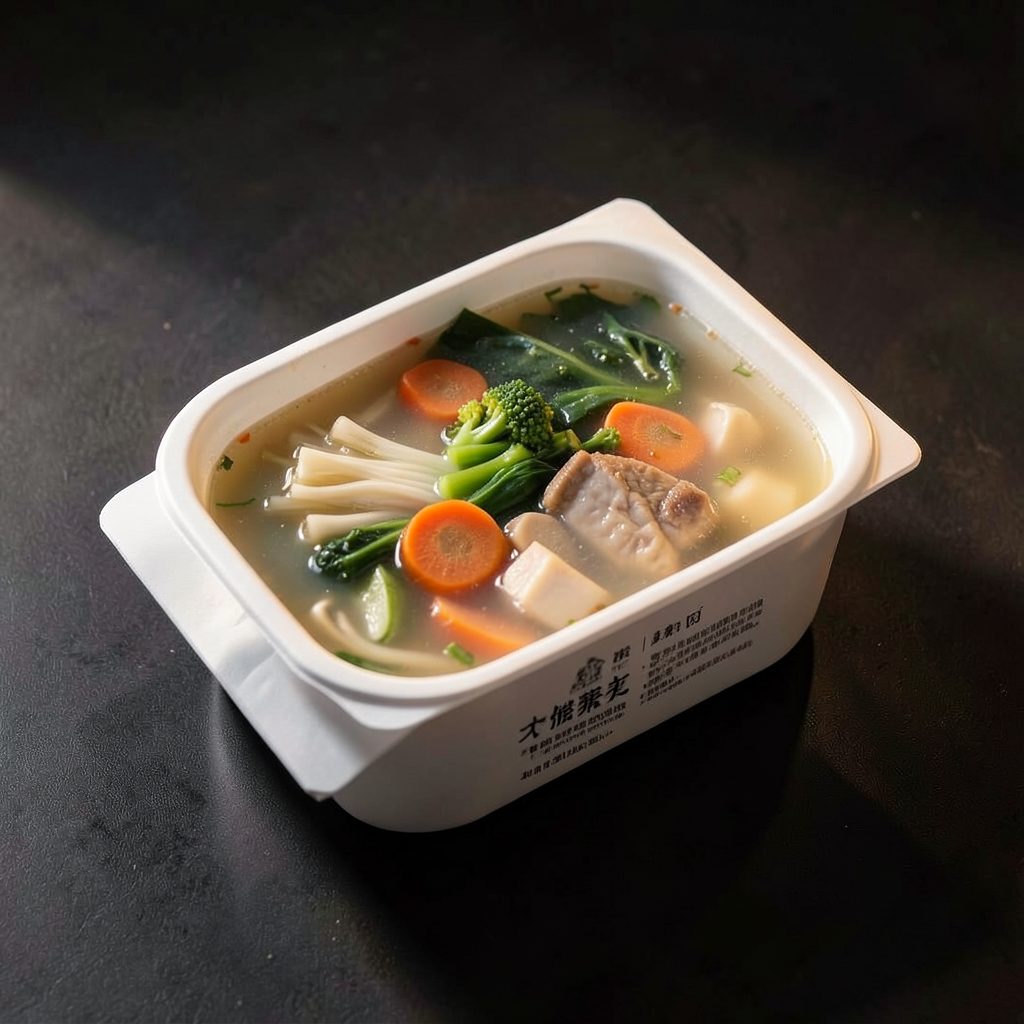
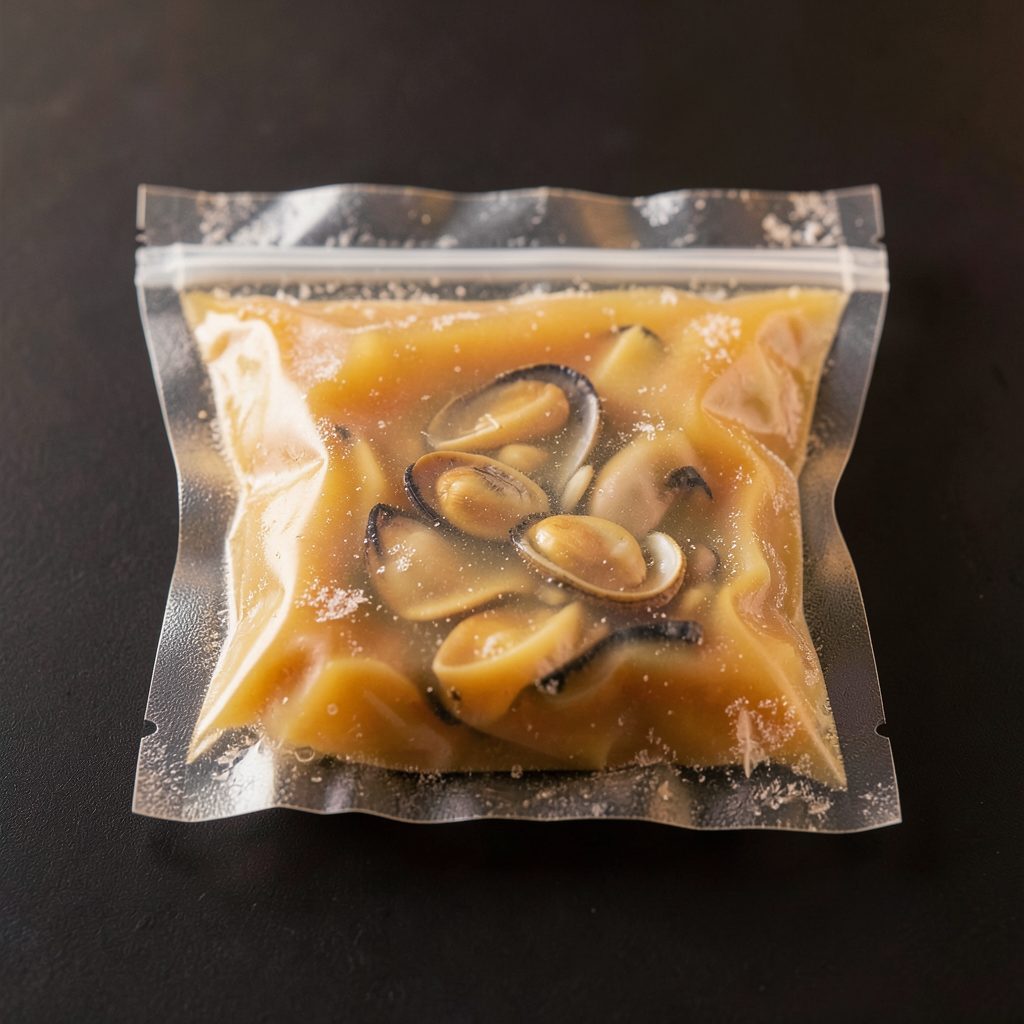
Best Sellers
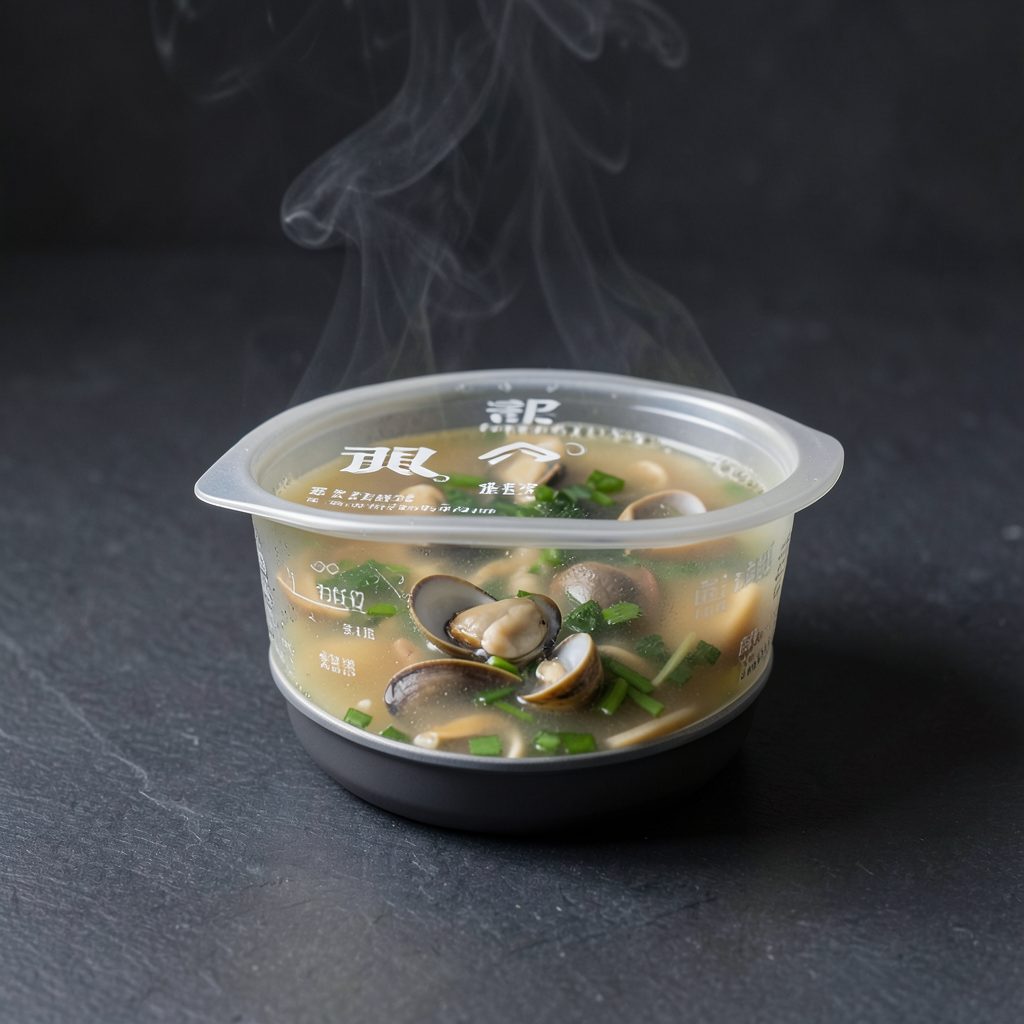
蛤?! Clam Soup Base —卜卜蜆
NT$ —
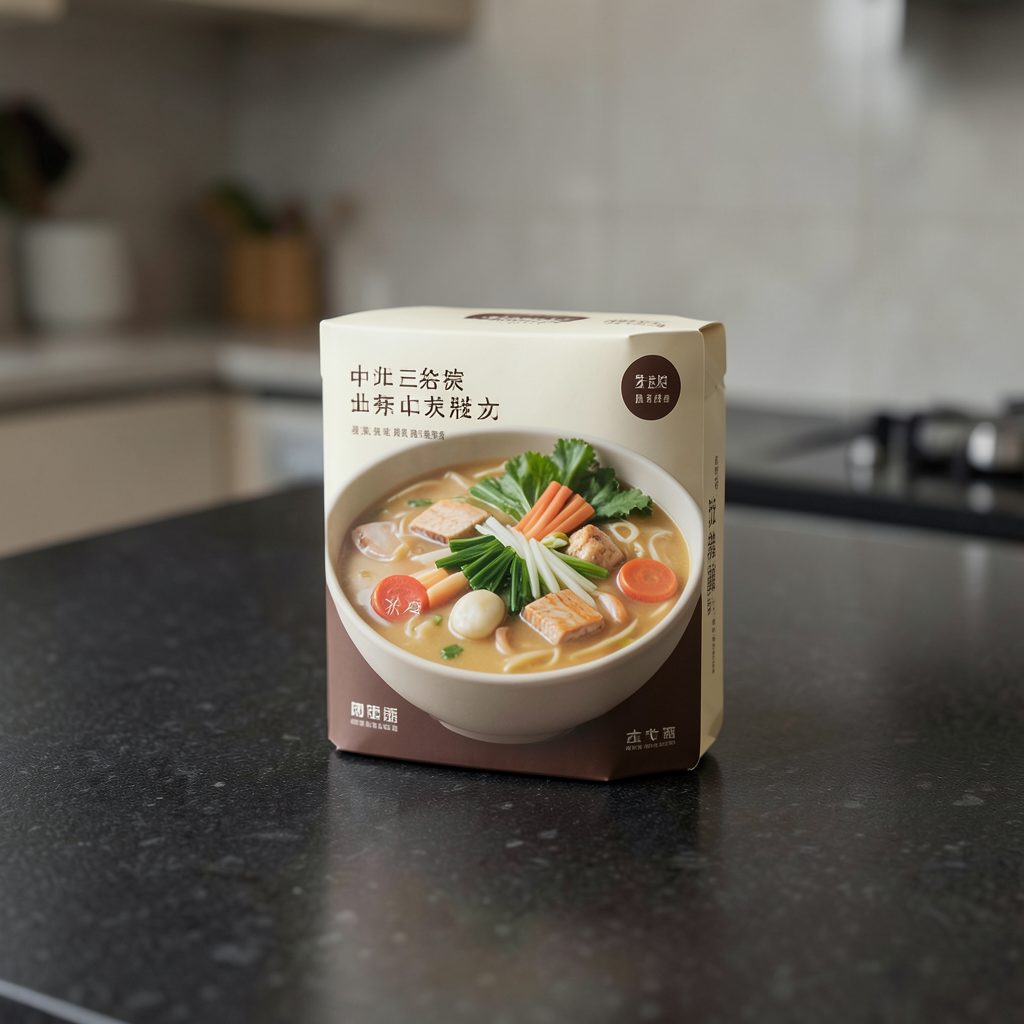
本事滿足鍋物 Personal Pot Base
NT$ —
蛤?! Dry Noodles
NT$ —
Signature Sauce
NT$ —
New Arrivals
蛤?! Golden Clam Broth — New Batch
NT$ —
Radish Cake —蘿蔔糕精神
NT$ —
Duo Soup Base Set
NT$ —
Hot Pot Essentials Bundle
NT$ —
About 蛤?! Huh Pot
蛤?! Huh Pot is a Cantonese-style hot pot brand known for its signature clam-based broth —卜卜蜆 — made with rich old-hen stock and generous portions of fresh clams. The brand also encompasses 本事滿足鍋物, a personal hot pot concept, bringing the same depth of flavor to individual servings.
Through MoneyCome Mart, these restaurant-quality soup bases, dry noodles, radish cakes, and signature sauces are available for home delivery across Taiwan. Restaurant locations in Taipei's Da'an District, Civic Boulevard, and Taichung's Gongyi Road also welcome guests for dine-in, with online reservations available.