The Best Way to Skim Foam From a Boiling Broth for Clearer Stock
Cantonese hot pot has quietly become a weekend favourite in Australian homes, from the laneway apartments of Melbourne to the family kitchens of Brisbane. Shoppers who once drove to specialty grocers in Cabramatta or Box Hill now order frozen soup bases online and recreate restaurant-style broths on a stovetop. The difference between a cloudy pot and a glassy, fragrant one often comes down to one humble task: removing the grey foam that gathers on the surface.
That foamy layer, sometimes called scum, is a mix of coagulated proteins, mineral impurities, and tiny fat droplets forced out of meat, bones, or aromatics as the liquid boils. Skimming it off does not just improve appearance — it removes bitter-tasting particles that can muddy the flavour and dull the colour of an otherwise delicate broth.
This guide covers the right tools, the precise moment to begin, and the most reliable method for lifting impurities without losing heat or stock. A few small adjustments separate a pot that looks homemade from one that looks like it came out of a professional kitchen.
Why Foam Forms on a Boiling Broth
When bones, meat, or vegetables hit rolling water, soluble proteins such as albumen denature and clump together. These coagulated bits trap calcium, blood residue, and air bubbles, rising to the top as a grey or beige froth. The same process happens whether you simmer pork ribs in Sydney or blanch chicken carcasses in Adelaide — it is pure food chemistry, not a sign of poor ingredients.
A hard, violent boil accelerates this reaction and pushes more solids into the liquid. A gentle, rolling simmer keeps impurities suspended near the surface, where they are far easier to lift. This is why patience at the start pays off with a noticeably cleaner broth later.
Cold-chain delivery also plays a quiet role in the final result. Bases and bones that travel well, handled through proper how cold chain shipping keeps your soup base fresh from Taiwan, arrive with fewer broken-down proteins and less surface residue, giving you less foam to manage from the very first minute on the stove.
Tools You Need for Effective Skimming
A wide, shallow ladle works, but a dedicated flat mesh skimmer is the classic tool of choice across Taiwanese and Cantonese kitchens. The wide flat surface glides across the top of the liquid and lifts foam in a single sweep, leaving the broth behind. If you do not own one, a stainless steel fine-mesh spider does nearly the same job.
Keep a small bowl or ramekin beside the stove for the discarded foam. Rinsing the skimmer under hot running water between passes prevents the mesh from getting clogged with cooled fat, which would otherwise drip back into the pot and re-introduce impurities. In homes where bench space is tight, a rimmed baking tray holding the bowl and skimmer keeps everything contained and tidy.
A long-handled tool is worth the extra dollars. Reaching across a wide pot without burning your forearm is a small comfort, but it also gives you better control. A flimsy, short ladle tends to dip too deep, pulling clear stock up with the scum.
Timing: When to Start Skimming
The first ten minutes of heating matter most. As soon as tiny bubbles break the surface and the liquid shifts from still to shimmering, the proteins begin their climb. Start skimming before a thick raft forms — a thin, patchy layer is far easier to remove than a dense crust.
If you are parboiling pork bones for a pork broth, expect a heavy first wave of grey foam that needs lifting every minute or so for the first five to seven minutes. Chicken stocks foam less aggressively, but the same early attention applies. After about fifteen minutes of careful skimming, the surface usually calms down and you can ease back to occasional passes.
Australian summer kitchens, particularly in Perth or Brisbane where ambient temperatures push past thirty degrees, can make foam reform faster because the pot struggles to hold a steady simmer. Lower the heat slightly and resist the urge to crank it back up — bubbling harder only digs up more sediment from the bottom.
Step by Step Skimming Technique
Bring the pot to a bare simmer, then hold the skimmer just under the foam and draw it slowly across the surface in one direction. Tilt the mesh slightly toward you so the scum collects on the far edge, then lift and tip it into your waiting bowl. Do not press down — you want to skim the very top layer only.
Work in overlapping passes from one side of the pot to the other, rotating halfway through to catch the patches you missed. If the broth foams up suddenly as you skim, lift the skimmer and wait five seconds for the surface to settle. Rushing through a bubbling pot wastes stock and burns fingers.
After the first heavy wave subsides, repeat the process every three to four minutes for the first half hour. Once the liquid looks noticeably clearer and the surface barely bubbles, you can leave the pot mostly alone, returning only when a new speck of residue appears. A clean broth should be gently aromatic and slightly golden, with a faint sheen of fat on top rather than foam.
Common Mistakes to Avoid
One of the most frequent errors is skimming too late. Once foam cooks down into a solid layer across the surface, it sinks back into the pot and clouds the entire batch. There is no rescuing a broth that has been left unattended for the first twenty minutes.
Another mistake is using a regular spoon. The curved bowl of a spoon dips beneath the surface and pulls up valuable stock along with the scum. A flat skimmer skims only the top millimetre or two. If you only have a spoon, hold it almost parallel and just touch the surface, scooping rather than stirring.
Overfilling the pot is a quieter problem. When liquid rises more than three-quarters of the way up the sides, it boils up unevenly and splashes foam onto the surrounding stovetop. Under the standards set by Food Standards Australia New Zealand, broths should also be cooled and refrigerated promptly if not consumed the same day — a crowded pot takes far longer to cool and can sit in the bacterial danger zone too long.
Finishing Touches for Restaurant-Quality Clarity
After the heavy skimming phase, a final pass with the skimmer just before serving catches any stray particles. Some cooks strain the finished broth through a fine chinois or cheesecloth-lined sieve for an extra-clear result, particularly for a clear broth base in a Cantonese hot pot where the soup is the star.
Stirring should be minimal once the simmer is established. Each stir churns up sediment that has settled on the bottom of the pot, sending it floating back to the top. Trust the simmer, lift the foam, and resist the urge to fiddle.
A clear, deeply coloured broth signals care at every step. It is the kind of detail that turns a casual home-cooked hot pot in a Surry Hills apartment into something that tastes like a meal in Taipei's Ningxia Night Market — which, for many Australian hot pot fans, is the whole goal.
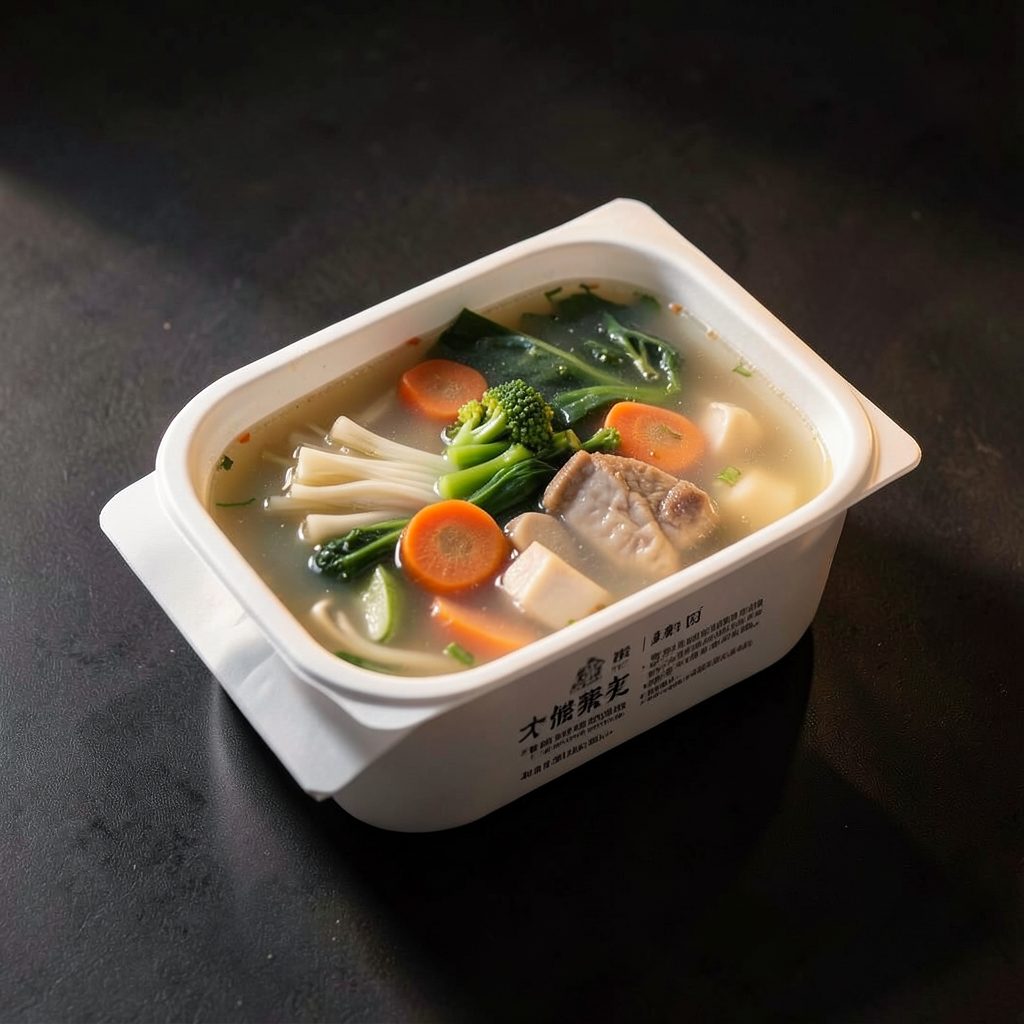
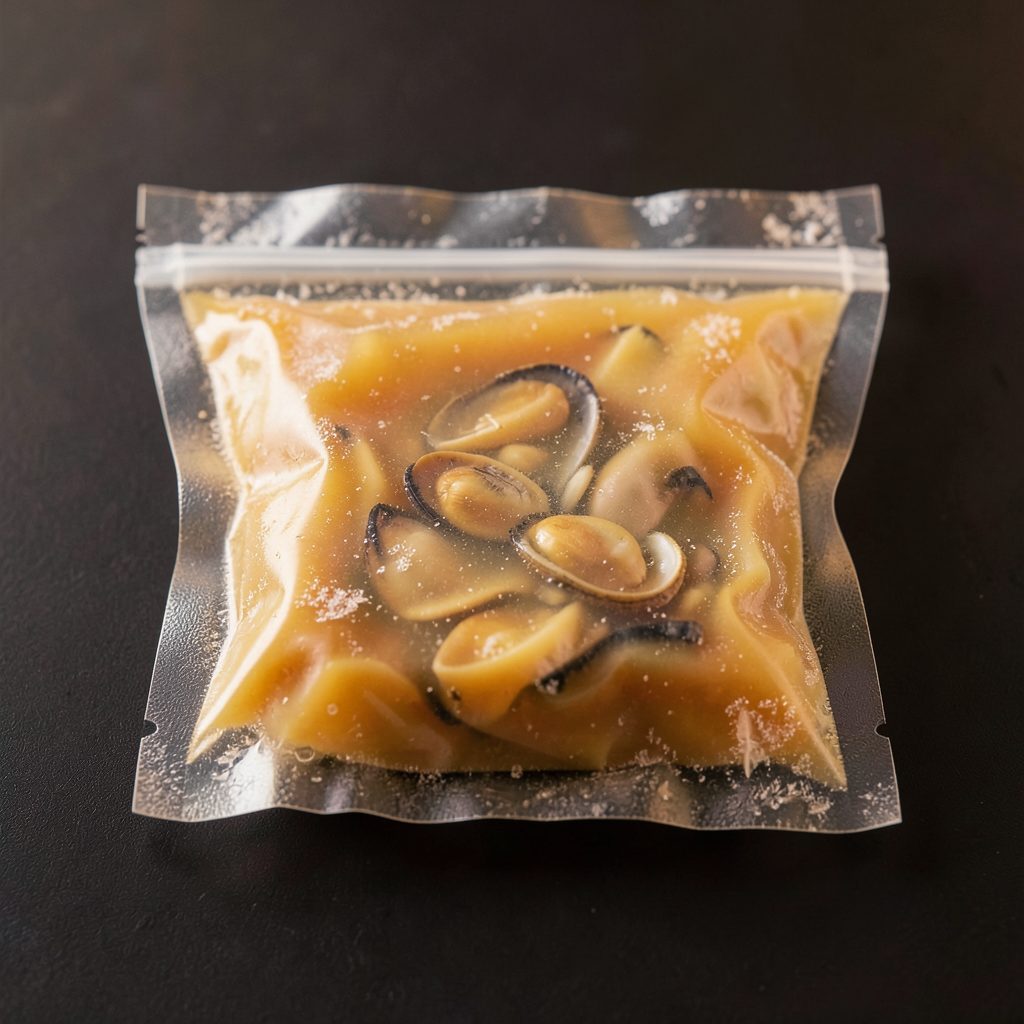
Best Sellers
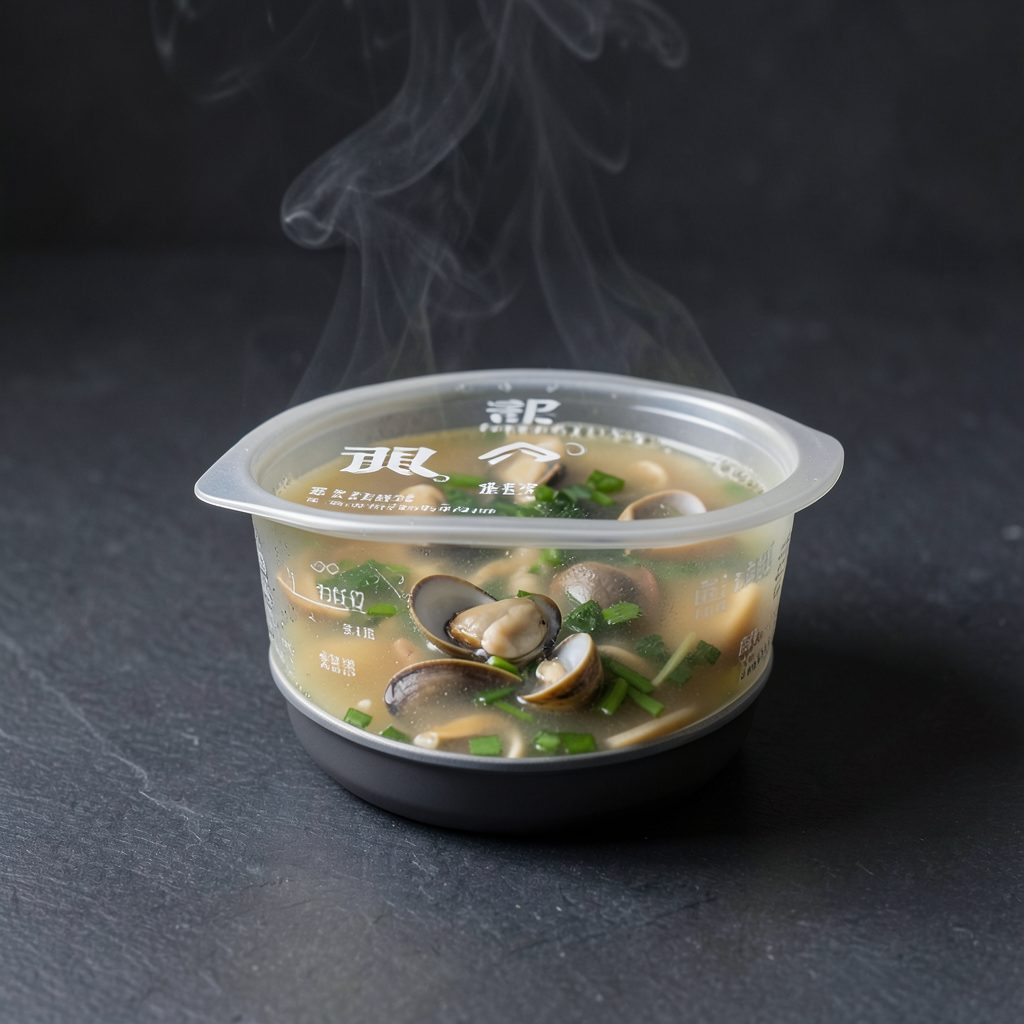
蛤?! Clam Soup Base —卜卜蜆
NT$ —
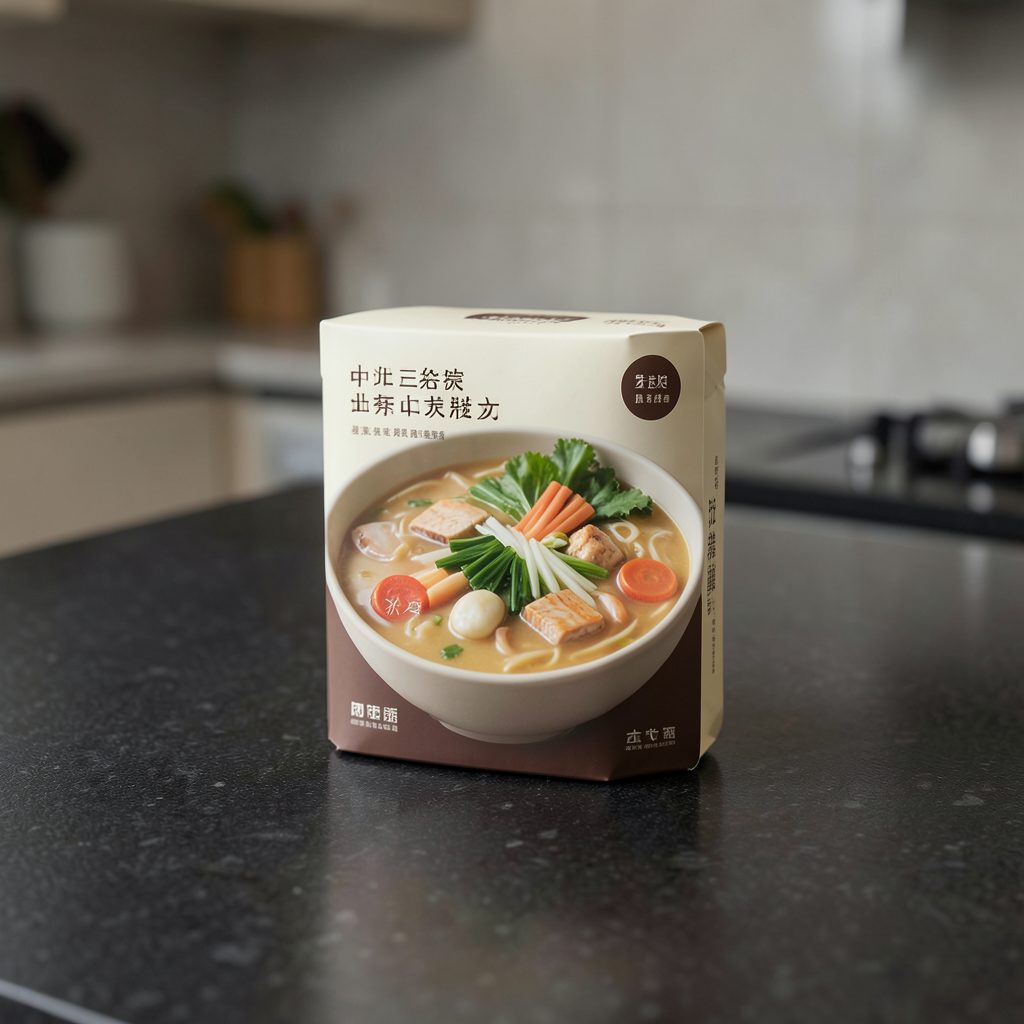
本事滿足鍋物 Personal Pot Base
NT$ —
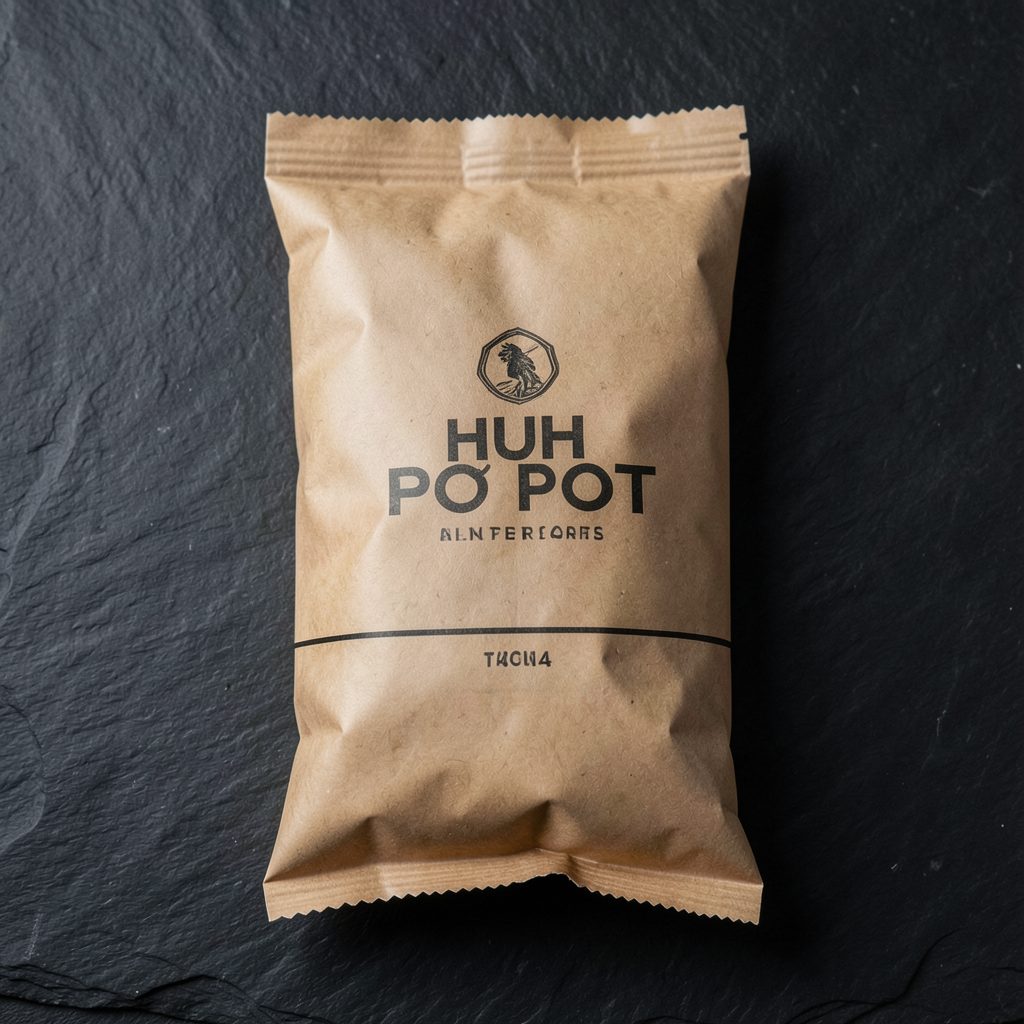
蛤?! Dry Noodles
NT$ —
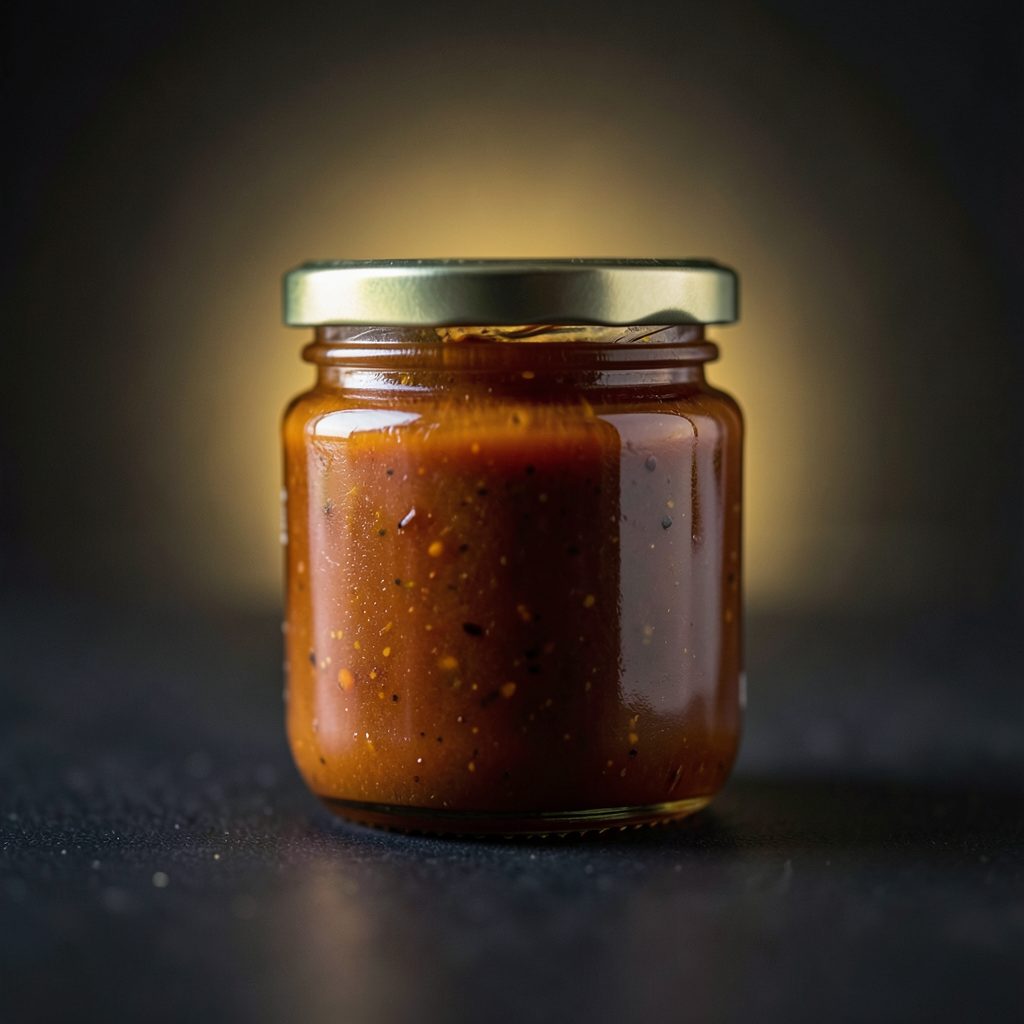
Signature Sauce
NT$ —
New Arrivals
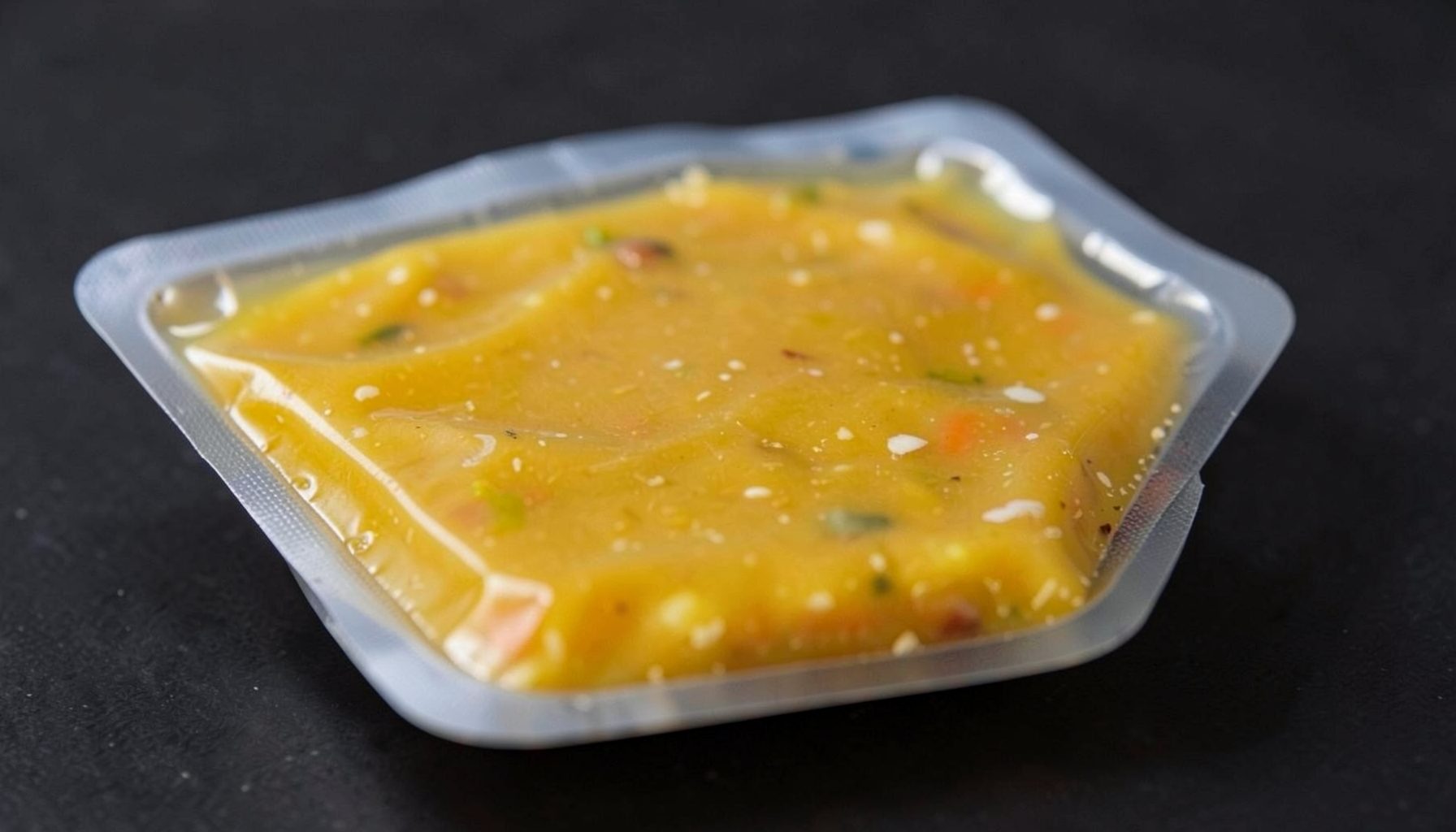
蛤?! Golden Clam Broth — New Batch
NT$ —
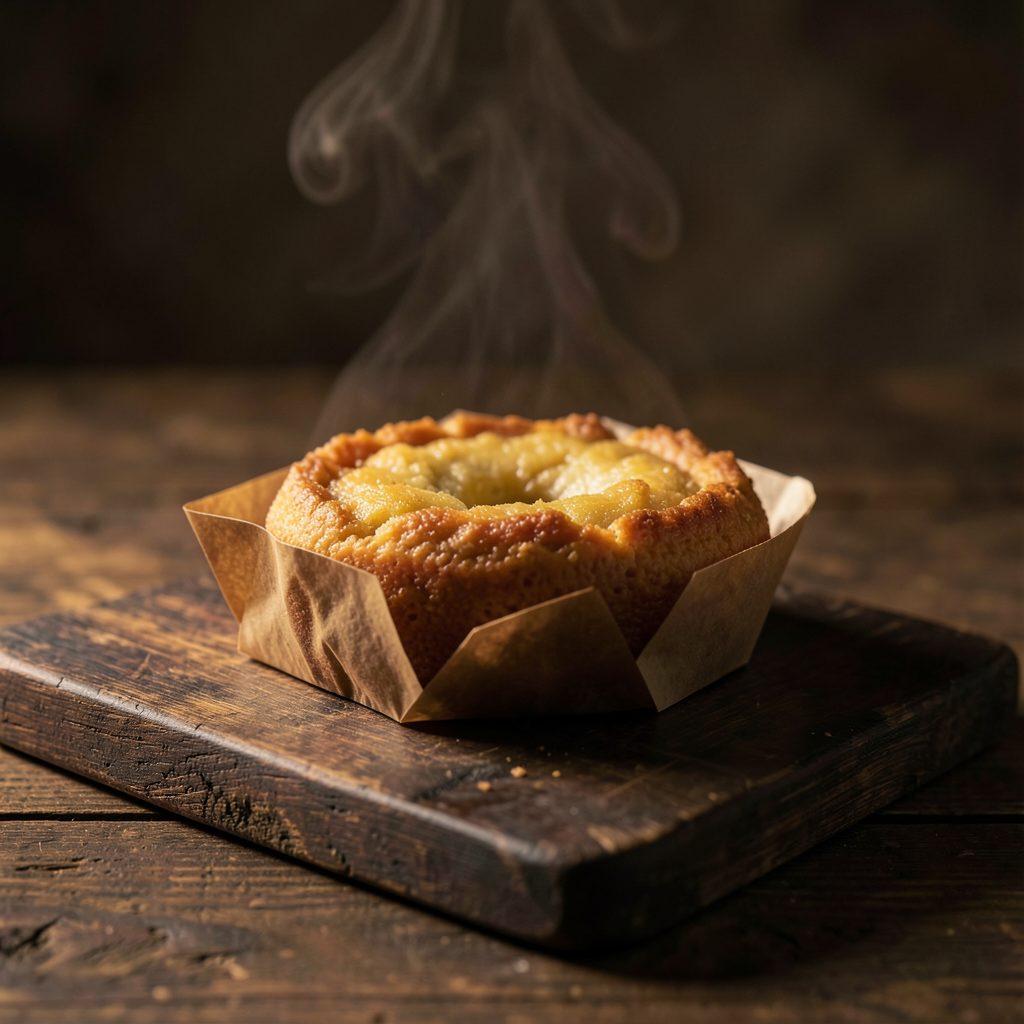
Radish Cake —蘿蔔糕精神
NT$ —
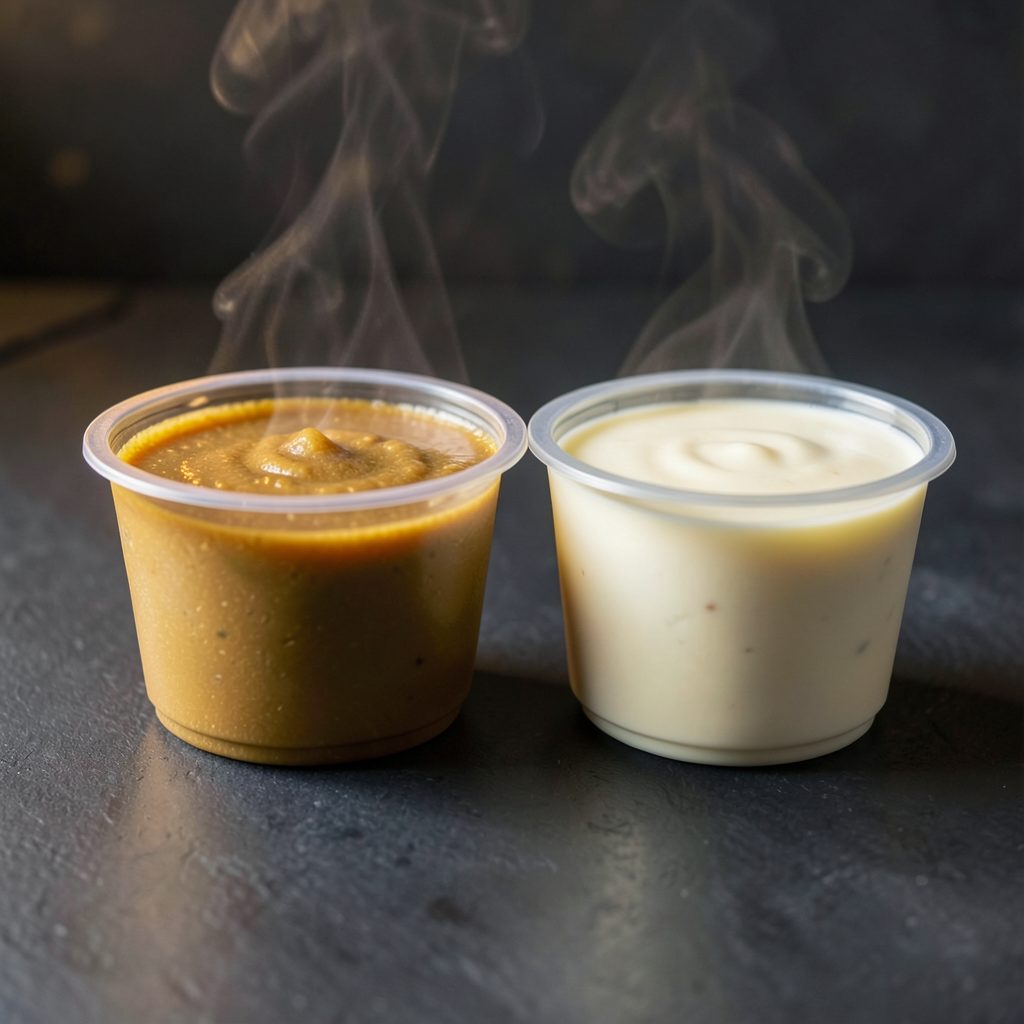
Duo Soup Base Set
NT$ —

Hot Pot Essentials Bundle
NT$ —
About 蛤?! Huh Pot
蛤?! Huh Pot is a Cantonese-style hot pot brand known for its signature clam-based broth —卜卜蜆 — made with rich old-hen stock and generous portions of fresh clams. The brand also encompasses 本事滿足鍋物, a personal hot pot concept, bringing the same depth of flavor to individual servings.
Through MoneyCome Mart, these restaurant-quality soup bases, dry noodles, radish cakes, and signature sauces are available for home delivery across Taiwan. Restaurant locations in Taipei's Da'an District, Civic Boulevard, and Taichung's Gongyi Road also welcome guests for dine-in, with online reservations available.