The Best Way to Reheat Turnip Cakes for a Crispy Texture
Turnip cake, or radish cake, is a Cantonese favourite made with grated daikon, rice flour and savoury fillings such as Chinese sausage, dried shrimp or mushrooms. When reheated well, it should have a crisp, golden shell while remaining soft and fragrant in the centre.
The most reliable method for Australian home kitchens is shallow-frying in a lightly oiled pan. It gives better browning than a microwave and allows you to control the heat, which is particularly useful when reheating chilled or frozen pieces.
Whether you are preparing a quick lunch in Melbourne, a late-night snack in Sydney or a hot pot spread in Brisbane, the key is to remove surface moisture and use moderate heat. A crunchy exterior develops gradually rather than instantly.
Choose The Right Reheating Method
A frying pan is the best option when texture matters most. Use a non-stick or well-seasoned skillet over medium-low to medium heat, adding just enough neutral oil to coat the surface. Sesame, peanut or rice bran oil can add flavour, although vegetable or canola oil is less likely to overpower the cake.
For frozen turnip cakes, thaw them in the refrigerator overnight whenever possible. This helps the middle warm before the outside becomes too dark. If you are short on time, cook them from frozen over low heat with a lid for several minutes, then remove the lid and raise the heat slightly to crisp the surface.
An air fryer is convenient for small portions and produces a dry, crunchy finish. Preheat it to 180°C, brush the cakes lightly with oil and heat for around 8–12 minutes, turning halfway. Cooking times vary with thickness, so check that the centre is piping hot before serving.
Pan-Frying For A Golden Crust
Slice the turnip cake into pieces about 1.5–2 centimetres thick. Thinner slices develop more crust, while thicker slices retain a softer centre. If the pieces feel damp after thawing, pat them gently with paper towel before they reach the pan.
Heat the skillet first, then add the oil. Arrange the slices with space between them and leave them undisturbed for three to five minutes. Turning too early can tear the surface and prevent an even crust. When the underside is deep golden, flip each piece with a thin spatula.
Cook the second side until crisp, then briefly stand the cakes on a rack or paper towel. A rack preserves crunch better because steam can escape underneath. This approach works well for products from a Cantonese hot pot range, especially when you are reheating several prepared ingredients for a shared meal.
Using An Oven Or Air Fryer
An oven suits larger batches, especially when you are feeding guests during a weekend gathering. Preheat it to 200°C with fan assistance if available. Place the cakes on a lightly greased wire rack set over a tray, or use a preheated baking sheet lined with baking paper.
Brush or spray both sides with a small amount of oil and bake for 12–18 minutes, turning once. The wire rack allows hot air to circulate and keeps the base from becoming soggy. Avoid covering the cakes with foil, as trapped steam softens the crust.
For an air fryer, leave space around every piece so the circulating heat can reach the edges. A crowded basket creates uneven browning and can leave the middle cool. Check after eight minutes, particularly if the slices are thin or were already thawed.
Quick Texture Checklist
- Pat thawed pieces dry before cooking
- Preheat the pan, oven or air fryer
- Leave space between slices
- Turn once the underside is golden
Avoiding A Soft Or Rubbery Result
The microwave is useful for warming the centre but poor at creating crispness. If you use it, heat the turnip cake in short bursts of 30–45 seconds, then finish it in a hot pan or air fryer. Microwaving for several minutes at once can make the rice-flour texture chewy and release excess moisture.
Excess oil can produce a greasy surface rather than a crisp one. A thin coating is enough, particularly when the cakes already contain sausage or other fatty ingredients. Keep the heat below high; burnt shallots or browned fillings can develop before the centre is properly hot.
Do not stack freshly reheated pieces on a plate for too long. Steam trapped between them quickly softens the crust. Serve them in a single layer, or use a cooling rack if you are cooking several batches.
Signs They Are Ready
- Both sides are evenly golden brown
- The edges feel firm and crisp
- The centre is hot without being hard
- No cold area remains after slicing
Serving Turnip Cakes At Home
Turnip cake is excellent with a small dish of soy sauce, chilli oil or sweet chilli sauce. For a more traditional Cantonese flavour, serve it with XO sauce or a dip made from soy, rice vinegar and finely sliced spring onion. A fried egg and blanched greens can turn it into a satisfying breakfast.
It also fits naturally into a home hot pot menu. Cook the turnip cakes separately until crisp, then serve them alongside soup bases, noodles, sliced meat and vegetables. They are best added to the table at the last moment, since placing them in broth will soften the crust.
In Australia, the dish works well for casual Lunar New Year gatherings, apartment dinners in Sydney or Melbourne and family meals where guests share several dishes. Pair it with jasmine tea, a cold lager or sparkling water with lime. During summer in Perth or Adelaide, an air fryer keeps the kitchen cooler than a full oven.
Store leftovers in the refrigerator and reheat them within a day or two. Frozen products should remain frozen until needed, and chilled food should not sit at room temperature for extended periods. For the best texture, reheat only the amount you plan to eat.
Building A Better Hot Pot Spread
When turnip cakes are part of a larger meal, prepare them before the broth begins simmering. Keep the cooked pieces on a rack in a low oven, around 90°C, for a short period. This holds their warmth without adding much moisture, although serving immediately will always give the crispest result.
Balance the rich, savoury cake with fresh ingredients such as wombok, Asian greens, mushrooms and bean sprouts. Noodles, clam broth and dipping sauces add variety without requiring extra complicated cooking. This is especially useful for Australian households ordering cold-chain groceries for delivery to cities and regional areas.
For a relaxed dinner, cut the cakes into bite-sized rectangles and place them on a shared platter. Guests can enjoy them between spoonfuls of hot pot, or dip them briefly into broth for contrast. Keep a separate serving plate for crisp items so they do not absorb steam from the soup.
Best Sellers
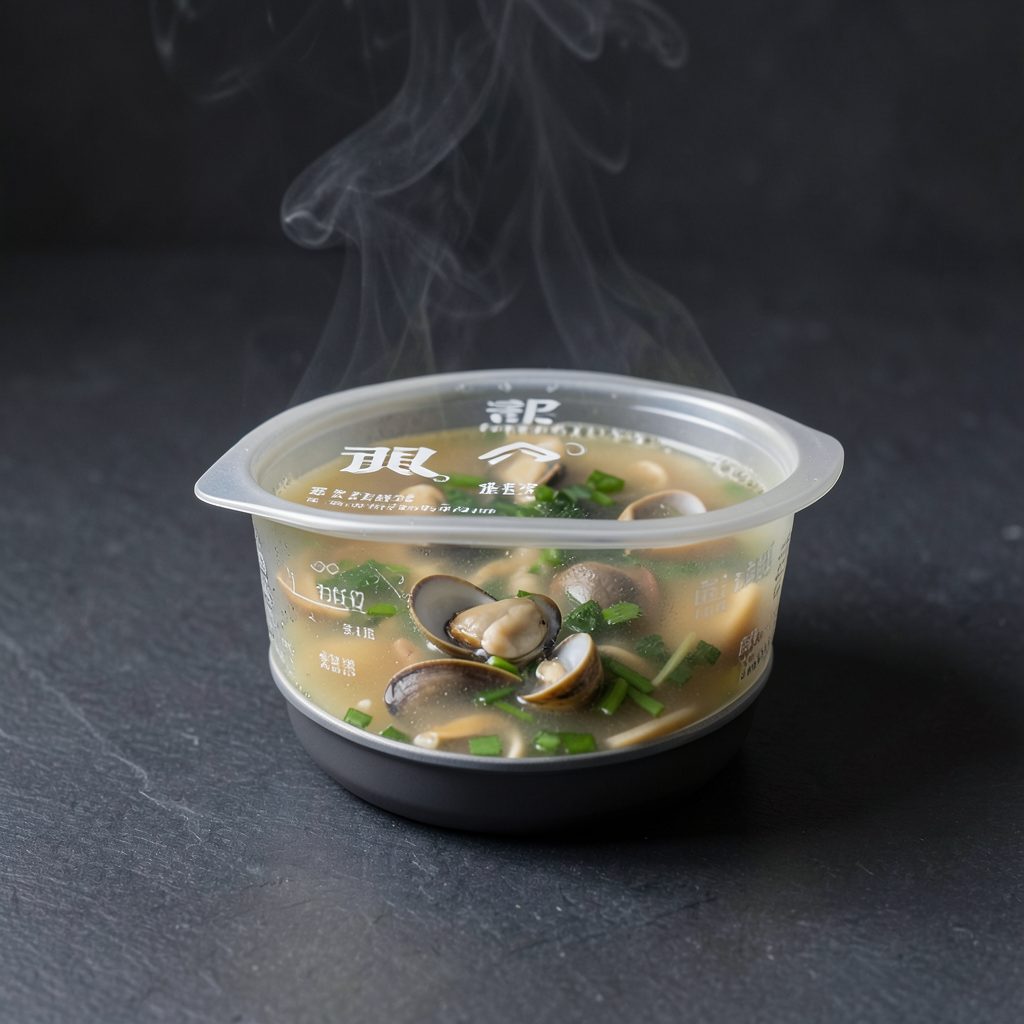
蛤?! Clam Soup Base —卜卜蜆
NT$ —
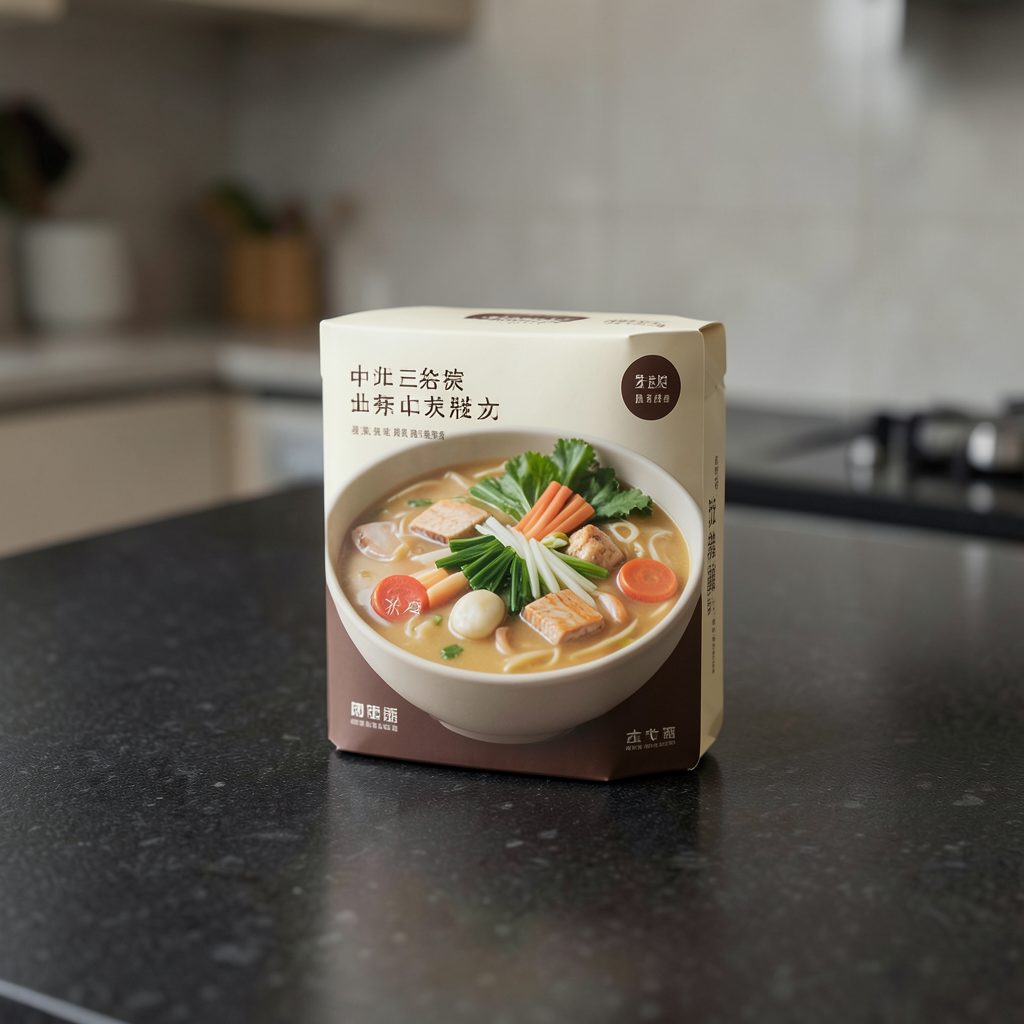
本事滿足鍋物 Personal Pot Base
NT$ —
蛤?! Dry Noodles
NT$ —
Signature Sauce
NT$ —
New Arrivals
蛤?! Golden Clam Broth — New Batch
NT$ —
Radish Cake —蘿蔔糕精神
NT$ —
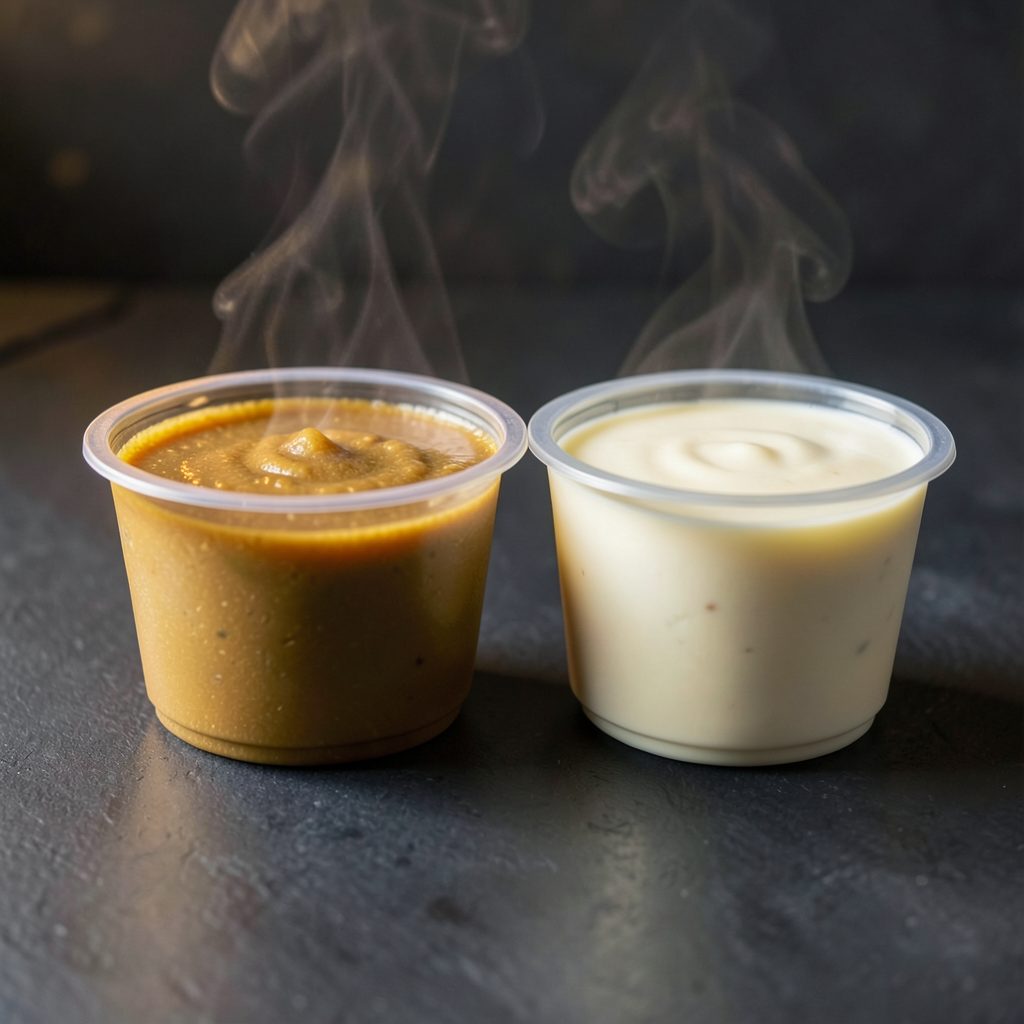
Duo Soup Base Set
NT$ —
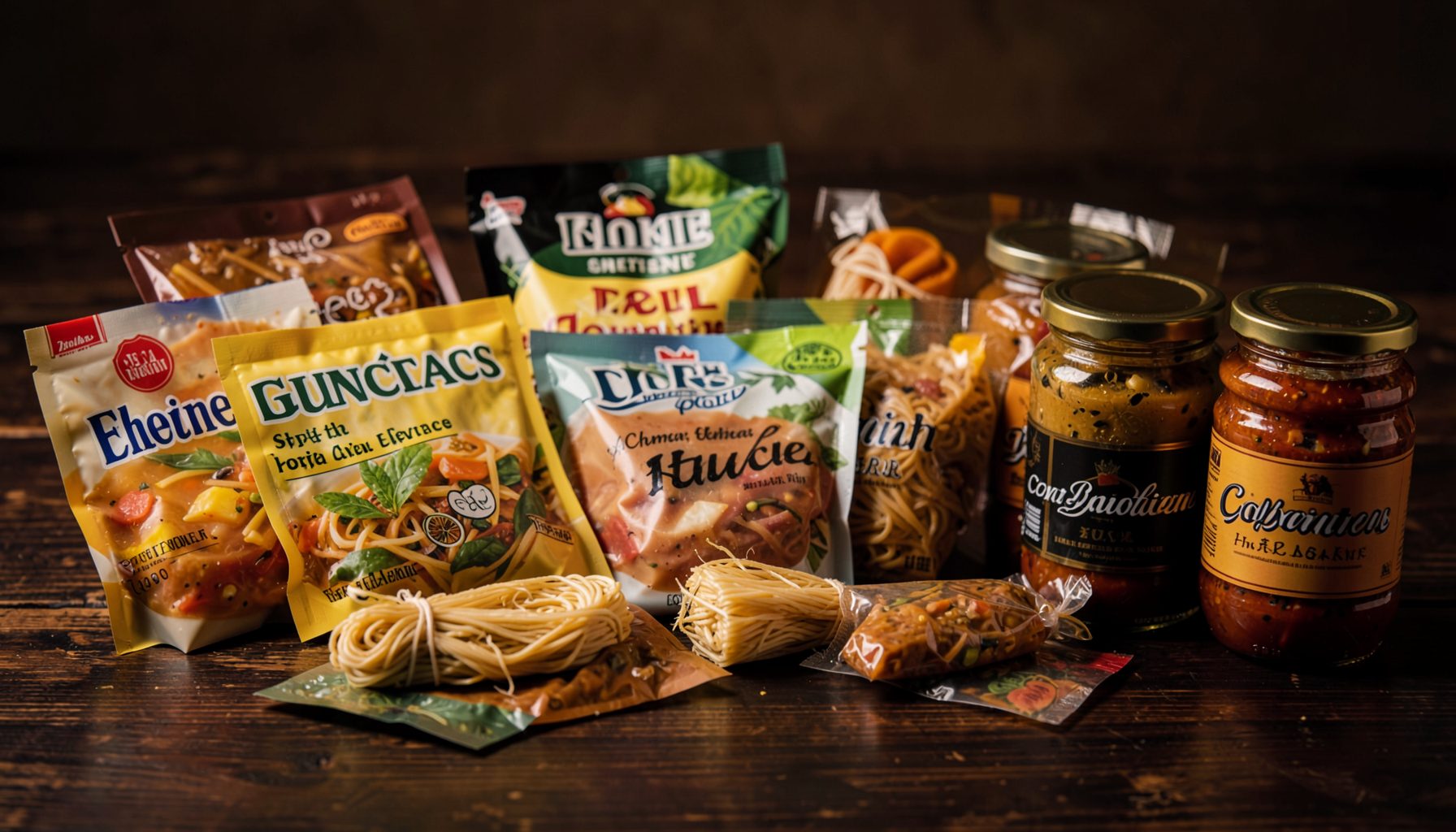
Hot Pot Essentials Bundle
NT$ —
About 蛤?! Huh Pot
蛤?! Huh Pot is a Cantonese-style hot pot brand known for its signature clam-based broth —卜卜蜆 — made with rich old-hen stock and generous portions of fresh clams. The brand also encompasses 本事滿足鍋物, a personal hot pot concept, bringing the same depth of flavor to individual servings.
Through MoneyCome Mart, these restaurant-quality soup bases, dry noodles, radish cakes, and signature sauces are available for home delivery across Taiwan. Restaurant locations in Taipei's Da'an District, Civic Boulevard, and Taichung's Gongyi Road also welcome guests for dine-in, with online reservations available.