Best ways to reheat cooked turnip cakes at home
Cooked turnip cakes are a Cantonese favorite with a tender, savory center and a lightly crisp exterior. After chilling, however, the rice flour mixture can become firm and the surface may lose its appealing texture. The best reheating method depends on whether you want golden edges, a soft bite, or the fastest possible result.
Turnip cakes are especially convenient for breakfast, afternoon snacks, and home hot pot meals. With the right heat and a little moisture control, leftovers can taste freshly prepared instead of dry or rubbery.
MoneyCome Mart brings prepared Cantonese ingredients to homes across Taiwan, with cold-chain delivery designed to protect quality. These reheating techniques make it easy to enjoy restaurant-style flavor with minimal preparation.
Why reheating method matters
Turnip cake contains grated radish, rice flour, seasonings, and often savory additions such as mushrooms, dried shrimp, or Chinese sausage. Its texture changes when refrigerated because the starch firms up. Reheating should warm the center gradually while restoring some crispness to the outside.
High, dry heat is excellent for browning but can toughen a thin slice. Gentle heat softens the interior, though it may leave the surface pale. For the most balanced result, warm the cake first and then finish it with direct heat.
Slice thick portions into pieces about 1 to 1.5 centimeters thick before reheating. Smaller, even slices heat more consistently and offer more browned edges with every bite.
Choose the right reheating method
A skillet is usually the best all-purpose option because it gives you control over both texture and color. An air fryer works well when preparing several pieces at once, while an oven is useful for a larger family-style serving.
The microwave is the quickest choice, but it should be used with a small amount of moisture and short heating intervals. The comparison below can help you match the method to your meal.
| Method | Approximate time | Best texture | Helpful tip |
|---|---|---|---|
| Skillet | 6–10 minutes | Crisp outside, tender center | Use low to medium heat |
| Air fryer | 8–12 minutes | Evenly browned edges | Lightly brush with oil |
| Oven or toaster oven | 12–18 minutes | Firm and lightly crisp | Turn halfway through |
| Microwave | 45–90 seconds | Soft and moist | Cover loosely and check often |
| Steam, then pan-fry | 10–15 minutes | Very tender inside, crisp outside | Ideal for thick slices |
Pan-frying for crisp edges
Place a nonstick or well-seasoned skillet over low to medium heat and add a small amount of neutral oil. Once warm, arrange the slices with space between them. Crowding traps steam and prevents the golden crust that makes reheated turnip cake so satisfying.
Cook for three to five minutes on the first side, then turn each piece carefully. Continue until both sides are browned and the center is hot. If the outside colors too quickly, reduce the heat and cover the pan for one or two minutes to warm the middle.
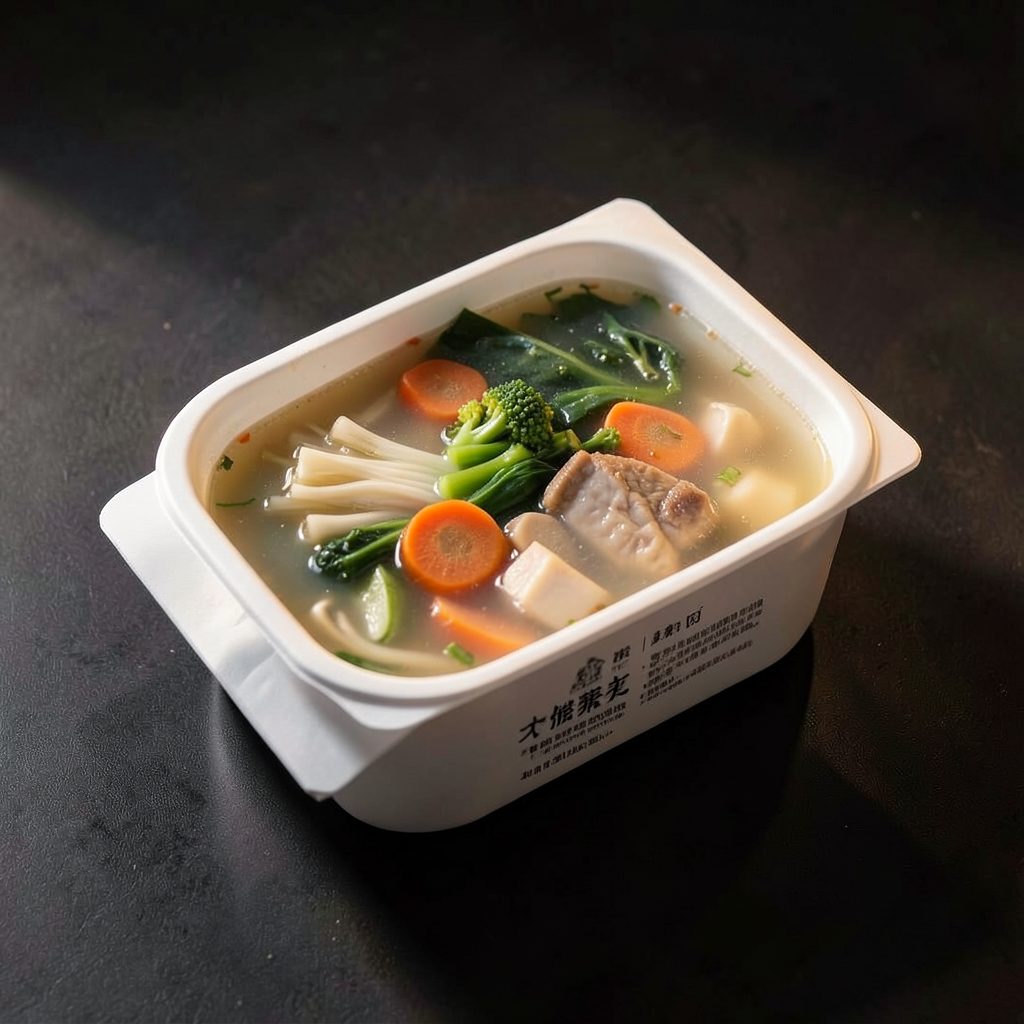
For a fuller Cantonese meal, serve the crisp slices beside dipping sauce, noodles, or a hot pot broth. A pantry stocked with frozen soup bases makes it simple to build a complete meal while the turnip cakes cook.
Using an air fryer or oven
For an air fryer, preheat it to about 180°C. Brush or spray the turnip cake lightly with oil, place the pieces in a single layer, and heat for eight to twelve minutes. Turn them halfway through so the edges brown evenly. Very thick pieces may need a few additional minutes.
An oven or toaster oven gives a similar result with a slightly slower heat-up. Set it to 190°C, place the slices on a lined baking tray, and cook for twelve to eighteen minutes, turning halfway. A wire rack helps hot air reach the underside and reduces excess moisture.
Avoid stacking the pieces in either appliance. Space allows the surface to dry and crisp rather than steam, which is especially important when reheating several portions for guests.
Making the microwave work better
The microwave is useful when speed matters, but it does not brown food. Place the turnip cake on a microwave-safe plate and cover it loosely with a damp paper towel or a vented cover. Heat for 30 seconds at a time until the center is warm.
For refrigerated slices, the total time is often 45 to 90 seconds, depending on thickness and microwave strength. Let the pieces stand for 30 seconds before eating so the heat can finish spreading through the center.
To improve the texture, microwave the slices just until warm and then pan-fry them for one to two minutes per side. This two-step approach is faster than starting in a cold skillet and restores the crisp exterior that microwave heating cannot provide.
Serving and storing leftovers
Reheated turnip cakes pair well with soy sauce, chili oil, hoisin sauce, or a simple mixture of soy sauce and rice vinegar. They can also be cut into bite-sized pieces and served alongside Cantonese hot pot ingredients, leafy greens, seafood, and noodles.
After cooking, refrigerate leftovers in a sealed container within two hours. Separate layers with parchment if you want to prevent sticking. Consume refrigerated portions within three to four days, and reheat only the amount you plan to serve.
If turnip cake is part of a rich hot pot dinner, cleaning the pot promptly prevents oil and broth residue from hardening. This hot pot cleaning guide explains a practical way to restore the cookware after the meal.
A simple reheating routine
For consistently good results, keep these recommendations in mind:
- Slice chilled turnip cake evenly before heating.
- Use low to medium skillet heat to warm the center without burning the crust.
- Add only a light coating of oil; excess oil can make the surface greasy.
- Use the microwave for speed, then finish in a skillet when crispness matters.
- Reheat leftovers once and serve them immediately for the best texture.
A little attention to temperature makes a noticeable difference. The pan-frying method delivers the most satisfying contrast, while air frying is convenient for larger portions and microwaving is ideal for a quick snack.
Stock your freezer with Cantonese favorites from MoneyCome Mart, then turn everyday meals into easy hot pot gatherings at home. Choose prepared turnip cakes and complementary ingredients for cold-chain delivery across Taiwan, and enjoy them warm, crisp, and ready to share.
Best Sellers
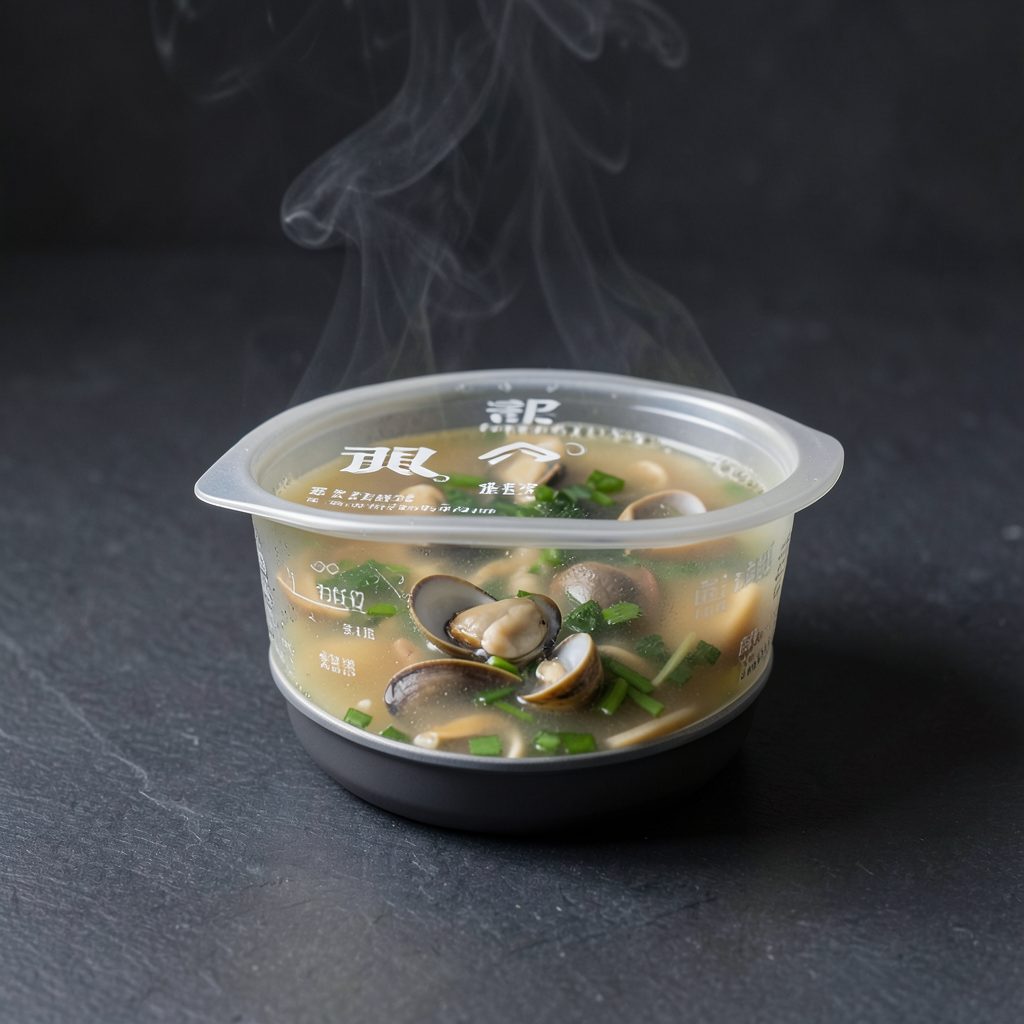
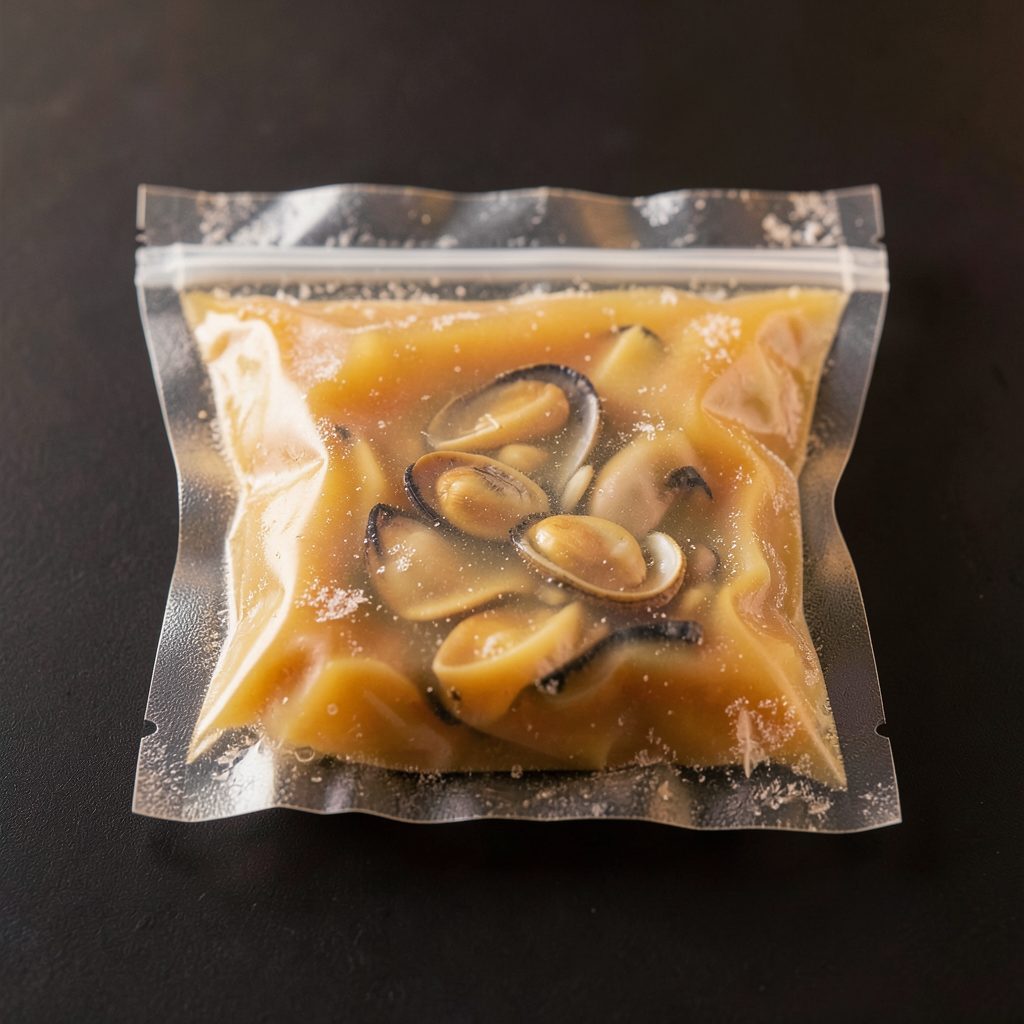
蛤?! Clam Soup Base —卜卜蜆
NT$ —
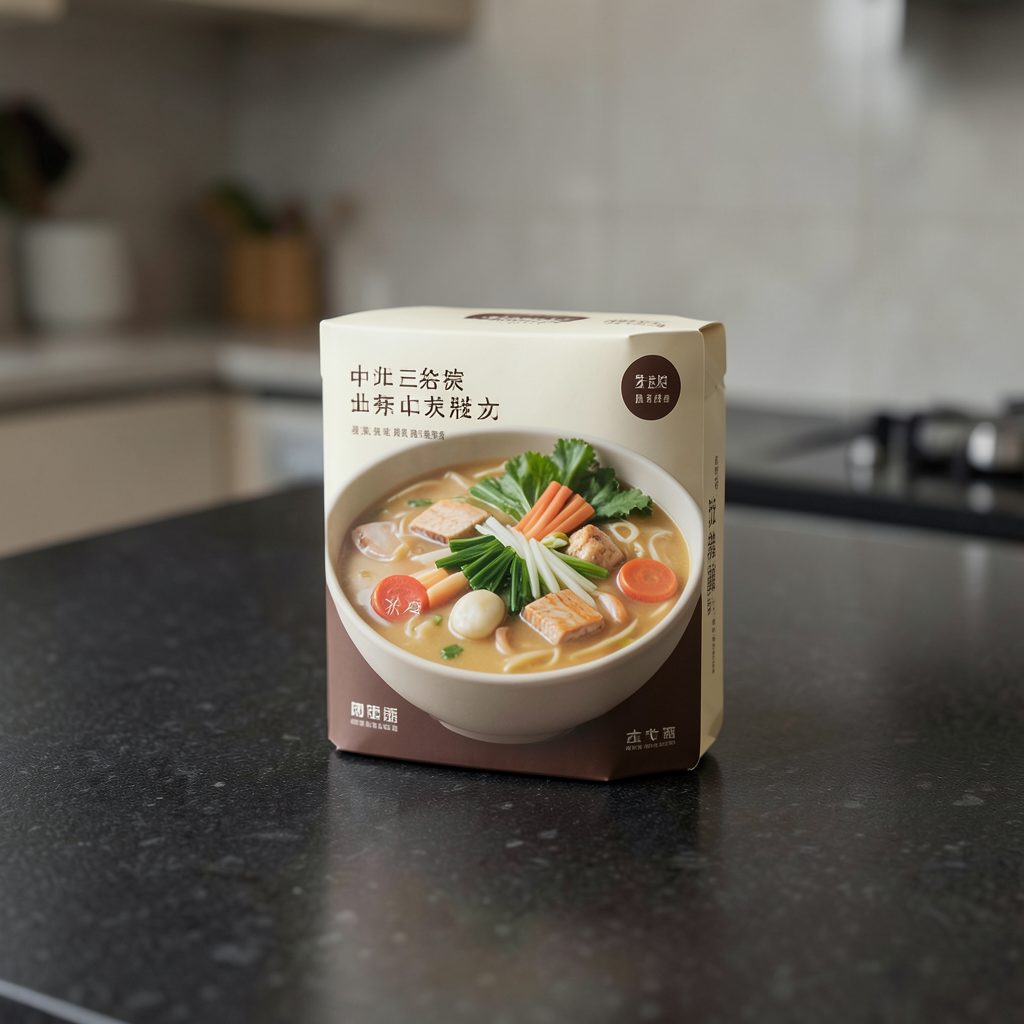
本事滿足鍋物 Personal Pot Base
NT$ —
蛤?! Dry Noodles
NT$ —
Signature Sauce
NT$ —
New Arrivals
蛤?! Golden Clam Broth — New Batch
NT$ —
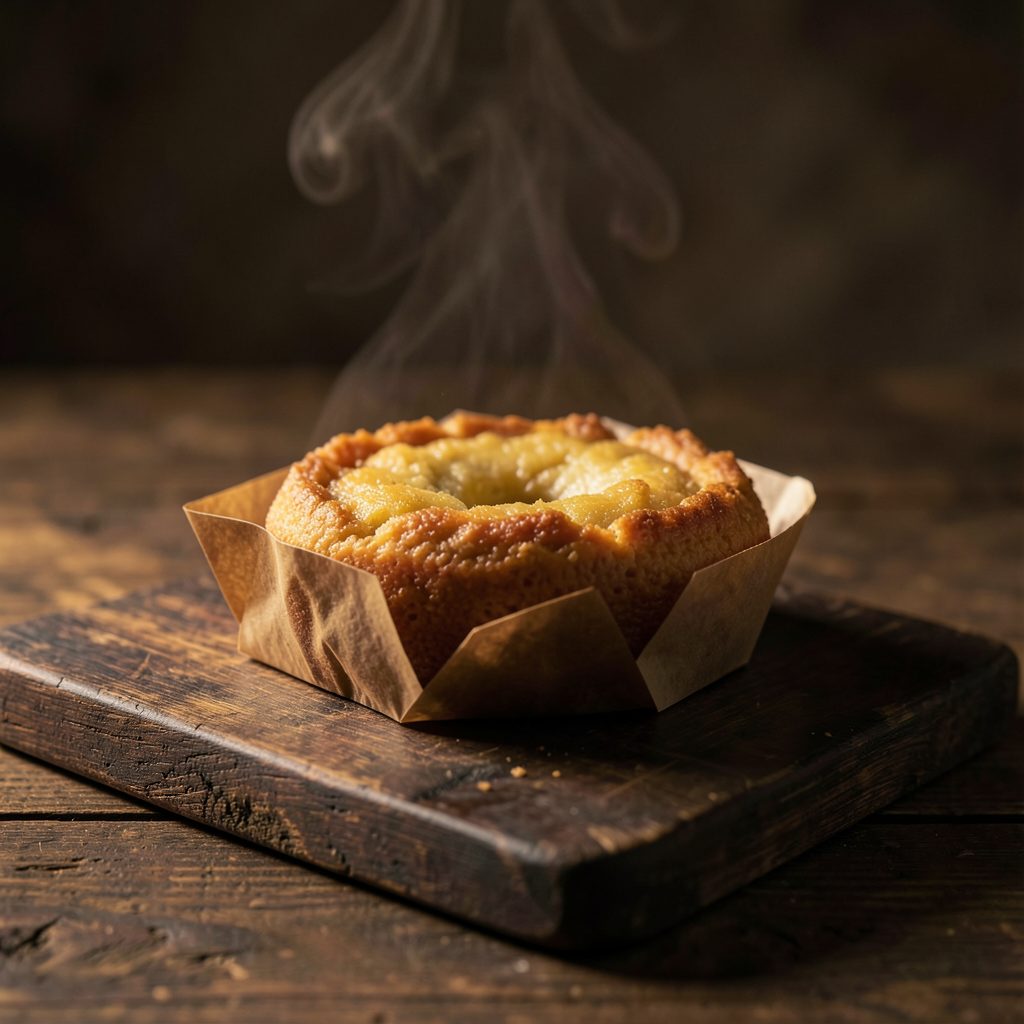
Radish Cake —蘿蔔糕精神
NT$ —
Duo Soup Base Set
NT$ —

Hot Pot Essentials Bundle
NT$ —
About 蛤?! Huh Pot
蛤?! Huh Pot is a Cantonese-style hot pot brand known for its signature clam-based broth —卜卜蜆 — made with rich old-hen stock and generous portions of fresh clams. The brand also encompasses 本事滿足鍋物, a personal hot pot concept, bringing the same depth of flavor to individual servings.
Through MoneyCome Mart, these restaurant-quality soup bases, dry noodles, radish cakes, and signature sauces are available for home delivery across Taiwan. Restaurant locations in Taipei's Da'an District, Civic Boulevard, and Taichung's Gongyi Road also welcome guests for dine-in, with online reservations available.