Layering gentle aromatics for a richer hot pot broth
The best way to layer flavors in a mild soup base with aromatics is to build gradually, allowing each ingredient to contribute without overpowering the broth. A gentle Cantonese-style soup should taste clear, fragrant, and balanced, with enough depth to support seafood, vegetables, noodles, and thinly sliced meat.
This approach works especially well for home hot pot meals. Instead of relying on heavy chili or intense spices, you can create complexity with scallions, ginger, garlic, dried seafood, mushrooms, and carefully timed additions. The result is a soup that feels comforting while still tasting restaurant-quality.
A mild broth also gives diners more control at the table. It can remain delicate for the first few bites, then become fuller as ingredients release their natural juices. With a chilled soup base from MoneyCome Mart, preparation is simple: thaw, heat, season, and build around the ingredients you enjoy.
Begin with a clean, gentle foundation
Start by choosing a soup base with a naturally savory profile. A clam broth, chicken stock, vegetable broth, or Cantonese-style seafood base provides a stable foundation without competing with aromatics. If the base is concentrated, dilute it according to the package directions before making adjustments.
Taste the broth while it is warm but before adding raw ingredients. This helps you identify whether it needs more water, salt, sweetness, or fragrance. Mild soup should be seasoned with restraint because evaporation and cooking ingredients will intensify the flavor over time.
For a useful comparison of regional styles, this guide to Cantonese and Sichuan soup bases explains why Cantonese broths often emphasize clarity, umami, and aromatic freshness rather than heat.
Wake up the aromatics in stages
Fresh ginger is one of the most reliable ingredients for a light hot pot broth. Slice it thinly or gently crush it before adding it to the pot, so its warm, clean fragrance spreads through the liquid. Scallion whites can be added at the same time, while the green sections are better saved for later.
Garlic adds roundness, but too much can make a mild soup taste dense. Use a few lightly crushed cloves rather than finely mincing a large quantity. Shallot, white pepper, and a small piece of dried tangerine peel can also bring dimension, though each should remain in the background.
For a more polished result, briefly warm the ginger, scallion whites, and garlic in a little neutral oil before adding the broth. This softens their raw edges and releases their aroma. If you prefer a clearer soup, skip the oil and simmer the aromatics directly in the stock.
Add umami without making the broth heavy
Dried shiitake mushrooms, dried scallops, dried shrimp, and kombu can deepen a broth while preserving its mild character. Add only one or two umami ingredients at first. Combining several strong sources can make the soup salty or muddy, especially after seafood and meat are cooked in it.
Mushrooms are particularly useful because they contribute savory depth and a pleasant texture. Soak dried shiitake in warm water, trim the stems, and add both the mushrooms and a little strained soaking liquid if the flavor is clean. Rinse dried seafood before use to remove excess salt and surface grit.
A small amount of rice wine can lift the aroma, while a few drops of toasted sesame oil are best added near the end. Sesame oil is powerful, so it should perfume the broth rather than form its main flavor. White pepper can provide gentle warmth without turning the soup spicy.
Time each ingredient for maximum fragrance
Aromatics that need time should enter first. Ginger, scallion whites, dried mushrooms, and dried seafood can simmer for 15 to 25 minutes before the hot pot begins. This gives the broth a rounded base and prevents fresh herbs from becoming dull.
Delicate ingredients belong later. Add scallion greens, cilantro, chrysanthemum greens, or thin citrus peel shortly before serving or place them directly into individual bowls. Their fresher aromas are easily lost through prolonged boiling.
| Ingredient | Best timing | Flavor role |
|---|---|---|
| Ginger slices | At the beginning | Warm, clean fragrance |
| Scallion whites | At the beginning | Savory sweetness |
| Dried shiitake | Early simmer | Earthy umami |
| Clams or seafood | During the meal | Briny depth |
| Scallion greens | Near serving | Fresh lift |
| Sesame oil | After cooking | Toasted aroma |
The pot will evolve as ingredients cook. Clams add salinity, vegetables add sweetness, and meat contributes richness. Taste between additions and add small amounts of water when the broth becomes too concentrated.
Balance the broth with contrasting notes
A mild base benefits from a simple balance of savory, sweet, salty, and aromatic flavors. If the broth tastes flat, try a few drops of light soy sauce or a small amount of fish sauce. If it feels too salty, dilute it with water or unsalted stock instead of adding sugar.
Natural sweetness from napa cabbage, corn, daikon, onion, and carrots can soften sharper notes. Turnip cakes and noodles also absorb broth, so allow for seasoning changes when they enter the pot. A broth that tastes lightly seasoned at the beginning may become exactly right after these ingredients cook.
Condiments should be served separately whenever possible. Sesame sauce, satay sauce, chili oil, soy sauce, and chopped scallions let each guest adjust their bowl without changing the main pot for everyone.
Choose ingredients that support clarity
Seafood works beautifully with a mild aromatic broth because its natural sweetness remains visible. Clams, shrimp, fish slices, squid, and fish balls can be added in small batches to keep the soup from becoming cloudy or overly salty. Skim foam when necessary for a cleaner appearance.
Vegetables should be selected for both flavor and timing. Leafy greens cook quickly, while daikon, corn, pumpkin, and lotus root need longer simmering. Noodles and tofu are excellent finishing ingredients because they absorb the seasoned broth without dominating it.
MoneyCome Mart focuses on cold-chain delivery and quality, making it practical to keep soup bases and prepared hot pot ingredients ready for a planned meal. Frozen ingredients should be stored promptly and handled according to their packaging instructions to preserve texture and freshness.
Build a repeatable home hot pot ritual
Use this simple sequence whenever you want a fragrant, restrained broth:
- Heat the prepared soup base and adjust its dilution before adding food.
- Add ginger, scallion whites, garlic, and selected dried umami ingredients.
- Simmer gently, rather than boiling hard, to preserve clarity.
- Add vegetables and proteins in small batches, tasting as the broth develops.
- Finish with fresh herbs, scallion greens, sesame oil, or individual dipping sauces.
The method is flexible enough for a weekday meal and refined enough for guests. Begin with fewer aromatics than you think you need, then build toward the flavor you want. A mild Cantonese hot pot is at its best when every ingredient remains recognizable and the broth becomes more satisfying with each round.
Choose a soup base, prepare your aromatics, and stock up on noodles, sauces, seafood, and seasonal hot pot favorites from MoneyCome Mart for an easy Cantonese-style meal at home.
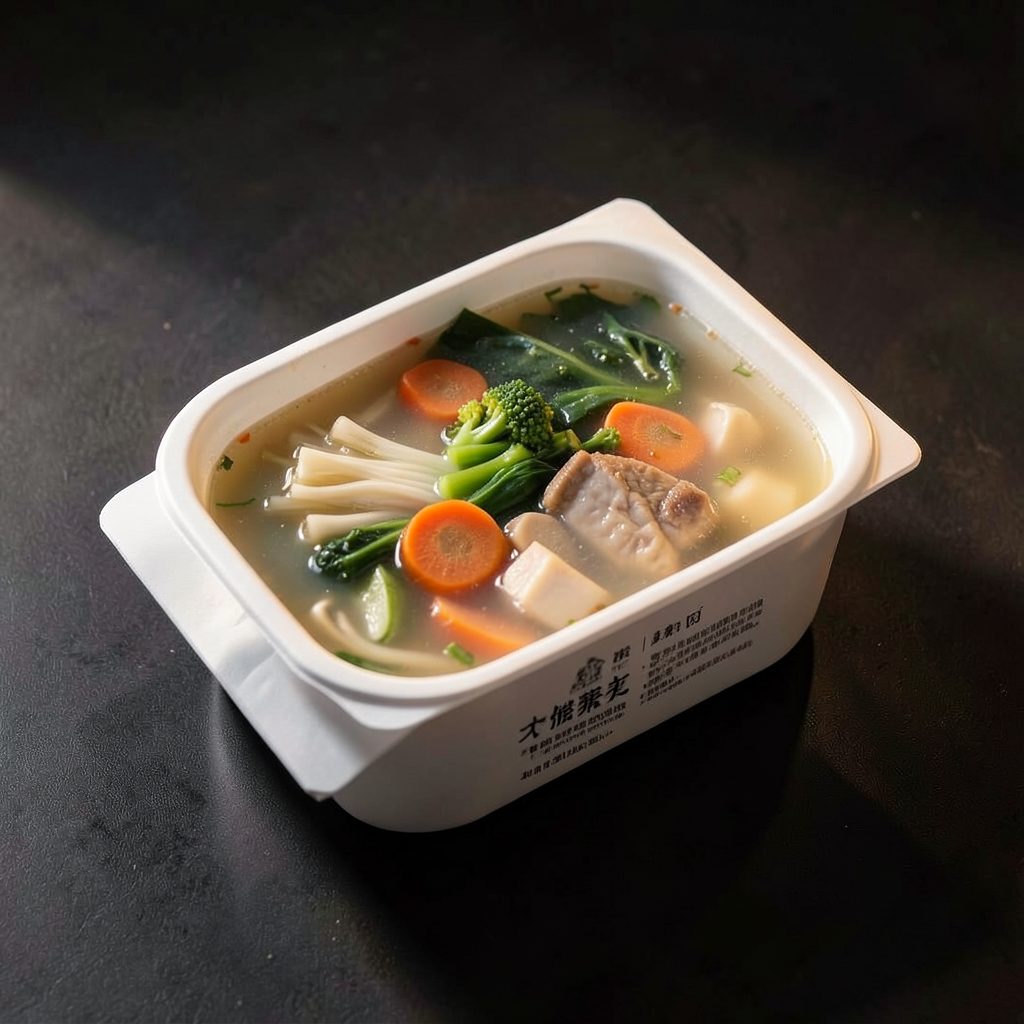
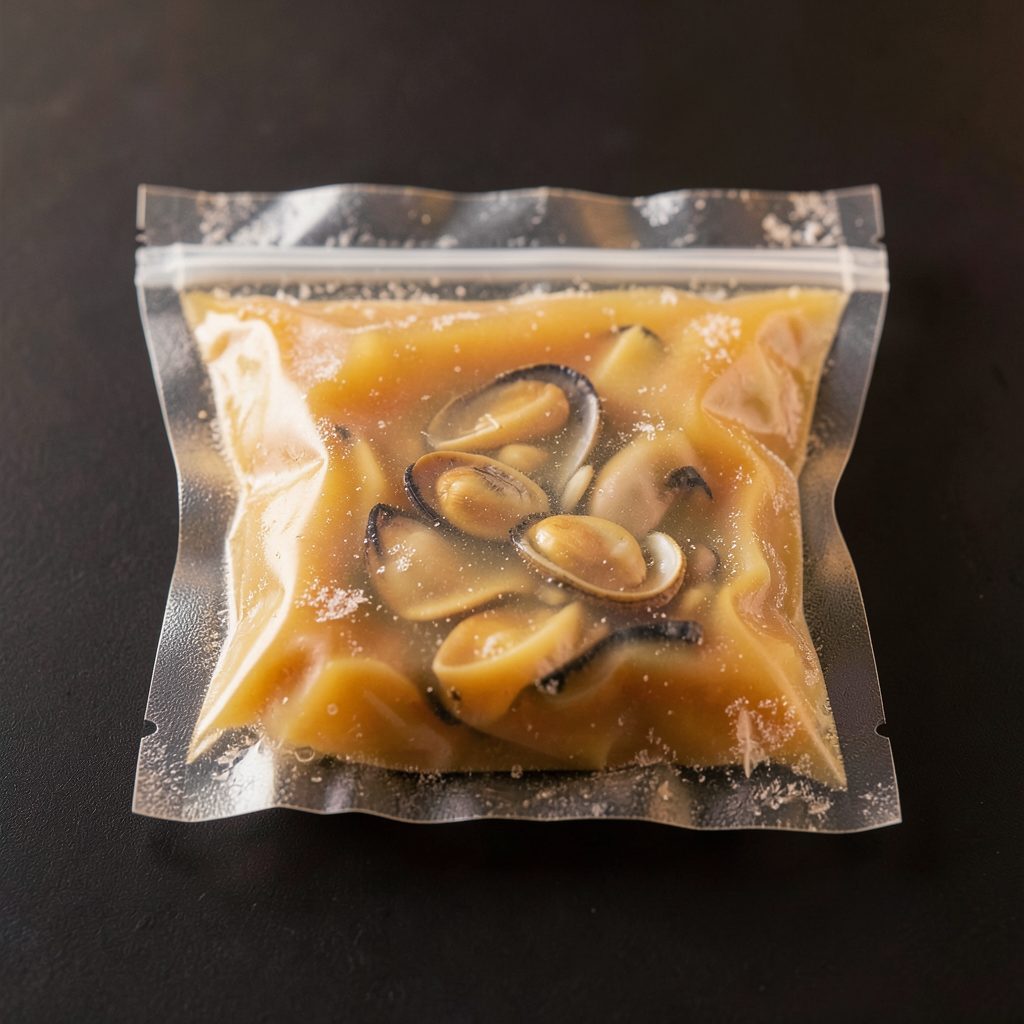
Best Sellers
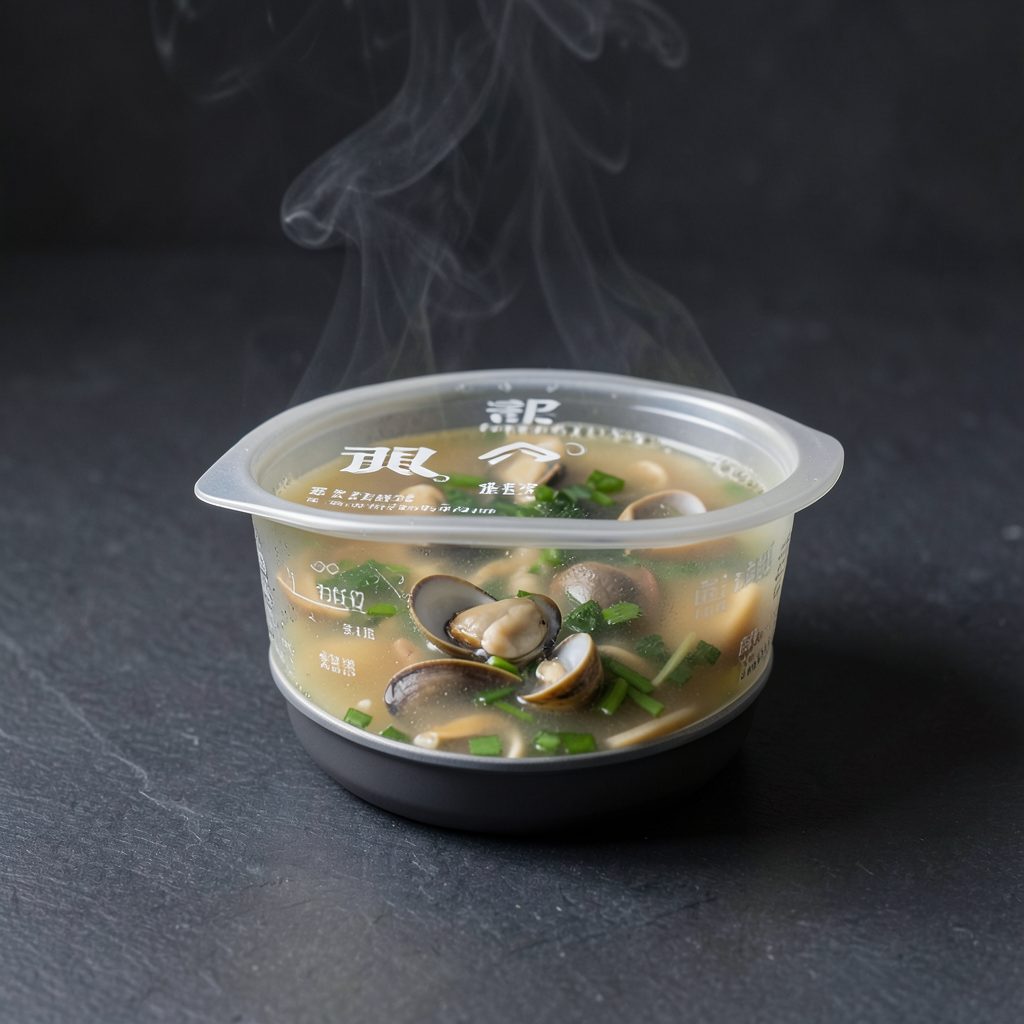
蛤?! Clam Soup Base —卜卜蜆
NT$ —
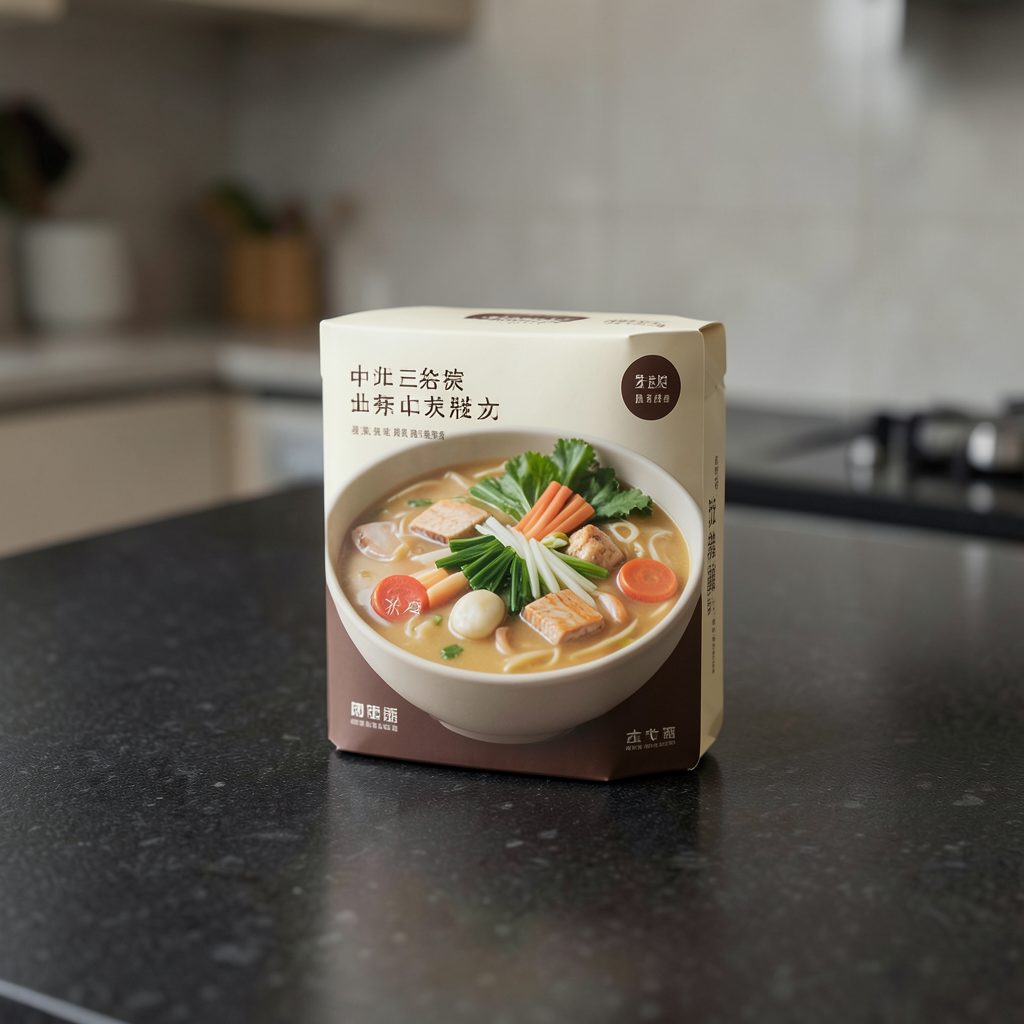
本事滿足鍋物 Personal Pot Base
NT$ —
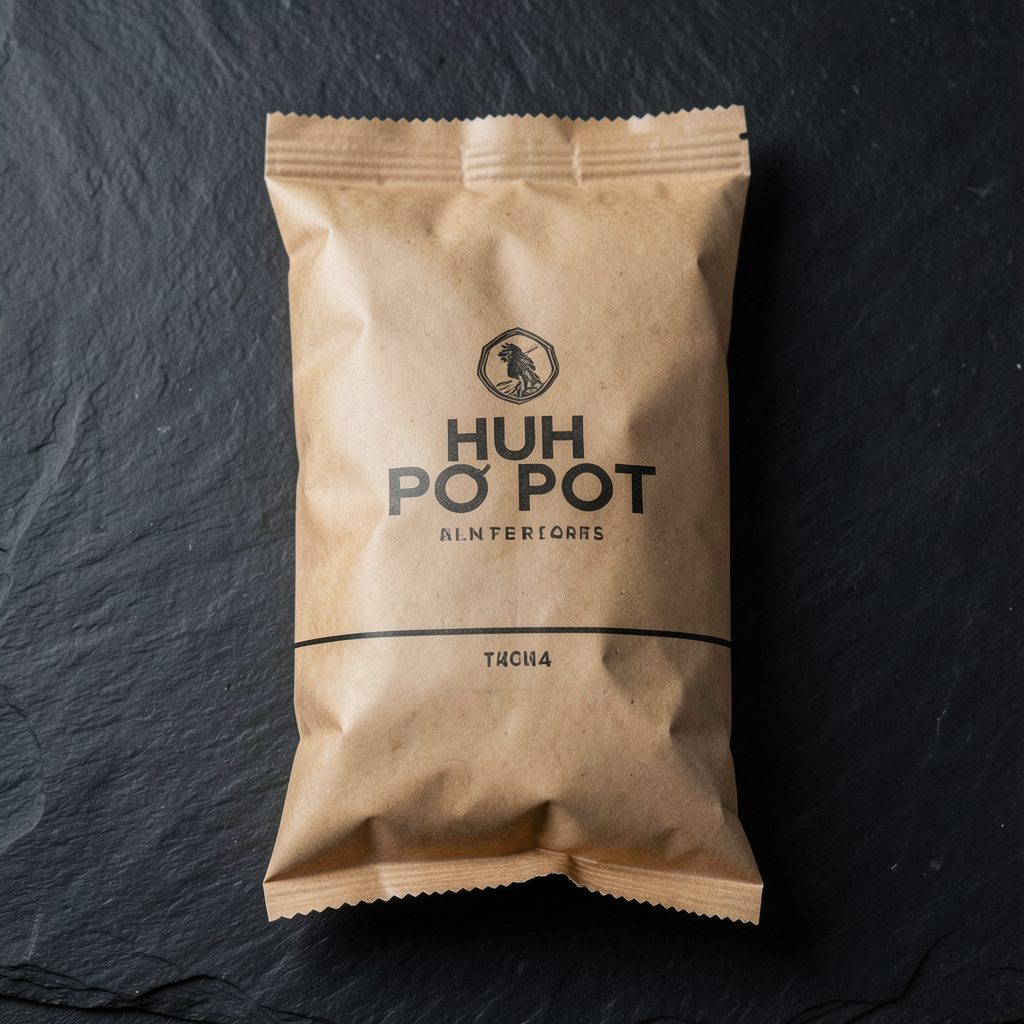
蛤?! Dry Noodles
NT$ —
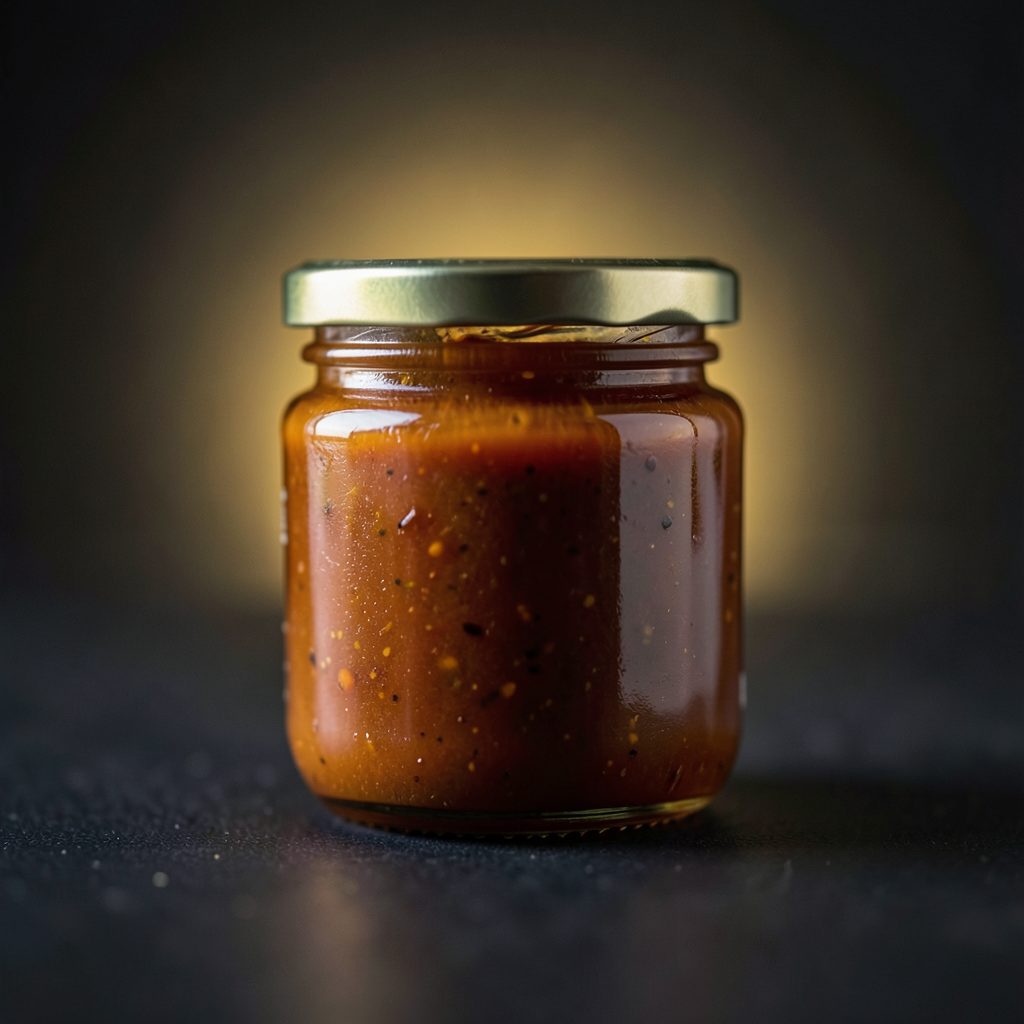
Signature Sauce
NT$ —
New Arrivals
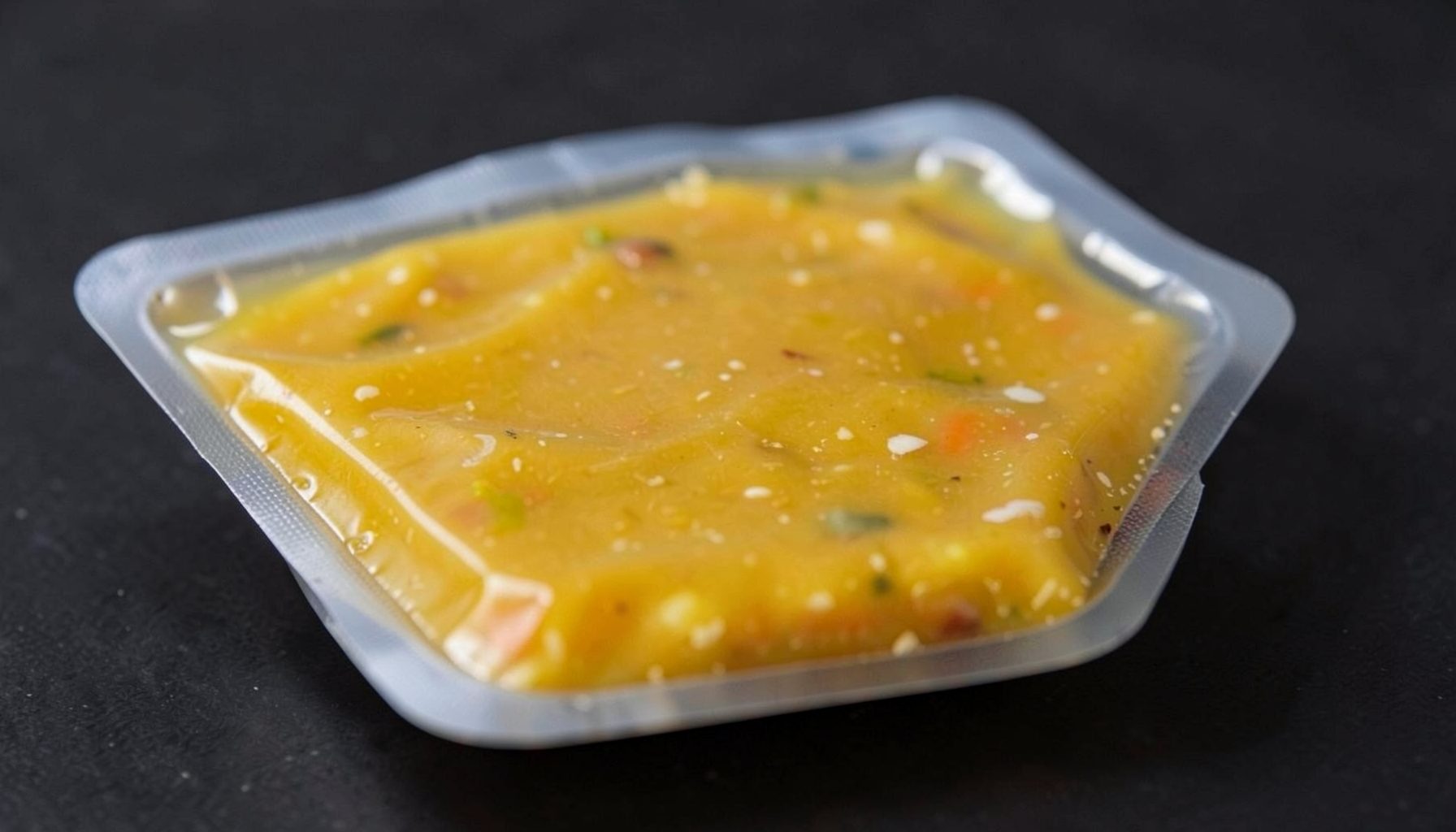
蛤?! Golden Clam Broth — New Batch
NT$ —

Radish Cake —蘿蔔糕精神
NT$ —
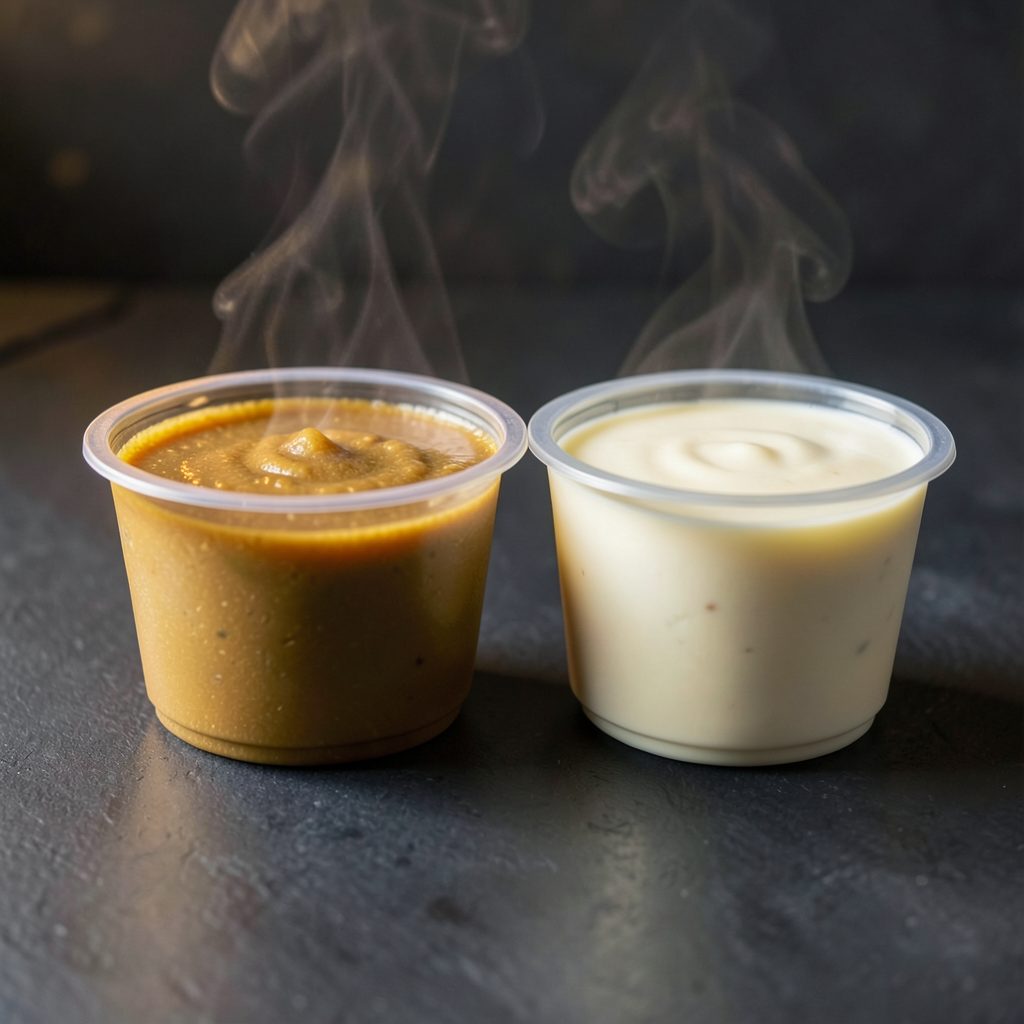
Duo Soup Base Set
NT$ —
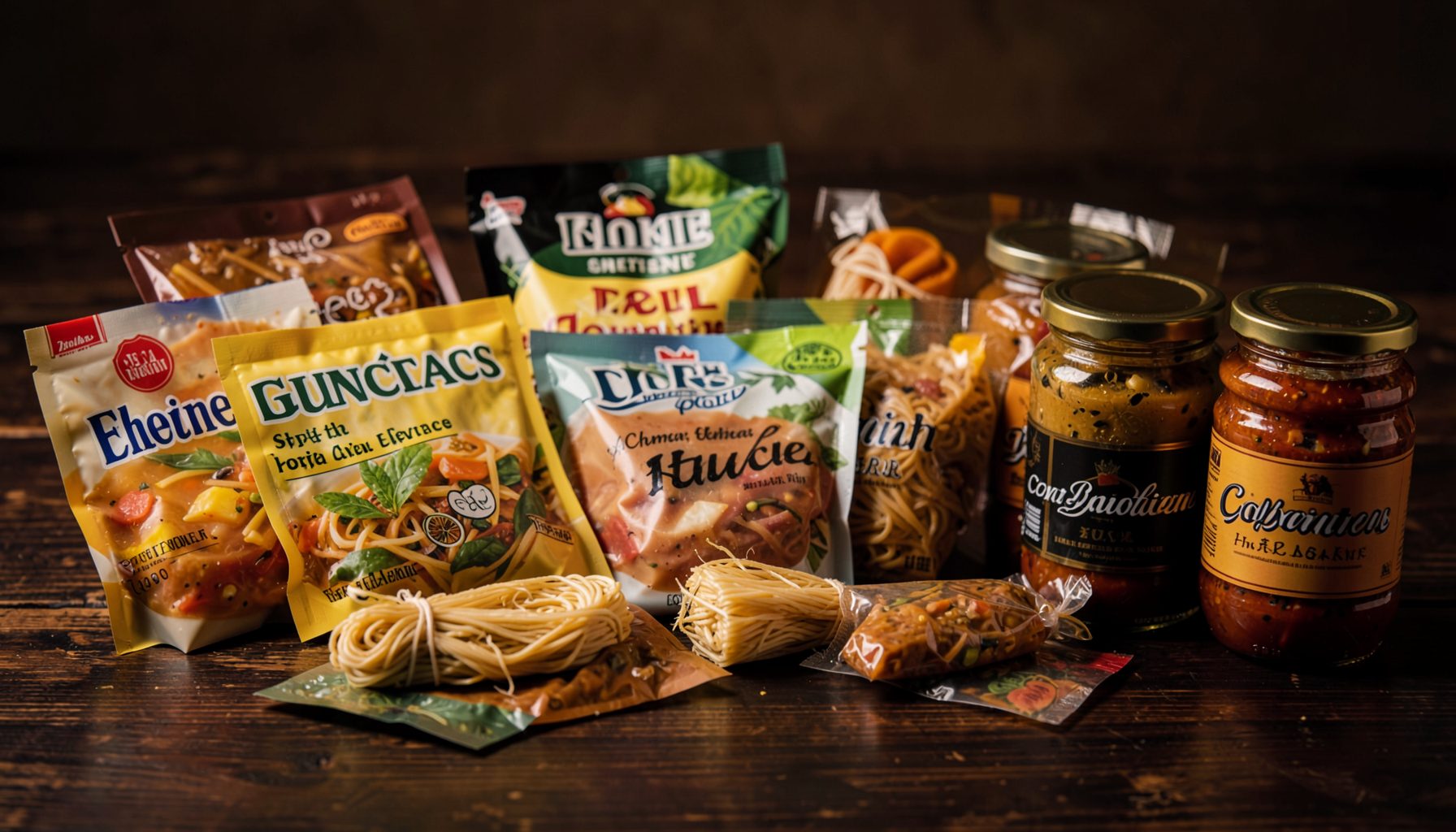
Hot Pot Essentials Bundle
NT$ —
About 蛤?! Huh Pot
蛤?! Huh Pot is a Cantonese-style hot pot brand known for its signature clam-based broth —卜卜蜆 — made with rich old-hen stock and generous portions of fresh clams. The brand also encompasses 本事滿足鍋物, a personal hot pot concept, bringing the same depth of flavor to individual servings.
Through MoneyCome Mart, these restaurant-quality soup bases, dry noodles, radish cakes, and signature sauces are available for home delivery across Taiwan. Restaurant locations in Taipei's Da'an District, Civic Boulevard, and Taichung's Gongyi Road also welcome guests for dine-in, with online reservations available.